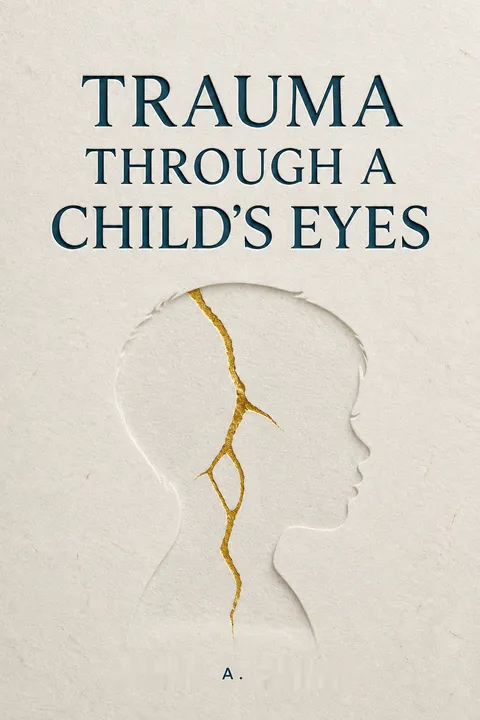


Key Takeaways
Judge trauma by nervous-system impact, not by how dramatic the event looks.
The event is only half the story. The authors define trauma by what happens when a child feels overwhelmed and cannot complete a protective response. Age, mobility, earlier experiences, and adult support all affect that response. Their model proposes that unresolved survival activation can contribute to lasting symptoms, even when the incident appears minor to an adult.
Eleven-year-old Jack became unable to attend school after a small earthquake. An earlier surgery had left him immobilized in a body cast, and the quake seemed to revive feelings of helplessness. As he attended to his sensations with support, his legs trembled and he felt an impulse to run. His case illustrates the importance of context, not proof that every minor incident causes trauma.
The reframing helps adults take a child’s distress seriously without ranking suffering by the apparent size of an event. It also fits a broader principle in developmental psychology: threat depends on the person’s capacities and surroundings, not only on an event’s objective features. The caution is equally important. A symptom appearing after an incident does not establish that the incident caused it, and bodily sensations do not reliably reveal a hidden memory. Assessment should consider health, development, relationships, and the child’s own account.
Read sudden changes as possible distress signals, not proof of bad character.
Distress can wear many masks. The book groups early trauma responses into heightened arousal, bodily constriction, dissociation, and freeze or shutdown. Children may show these through nightmares, clinginess, stomachaches, repetitive play, aggression, withdrawal, or sudden trouble concentrating. Some reactions emerge well after the event, so a child may not connect the symptom to its source.
Jordan, a bright third-grader, could decode words but could not follow what he read. When asked what occupied his mind, he described fears about dying and the world ending. His attention problem was real, but the fear consuming his attention mattered too. Such examples encourage adults to investigate a change in behavior rather than immediately treating it as defiance or laziness.
This approach counters a common interpretive error: mistaking adaptation for intention. A child who scans a room, withdraws, or lashes out may be responding to perceived danger rather than choosing misconduct. Yet trauma is not the only explanation for these behaviors. Learning differences, illness, sleep problems, and ordinary developmental variation also matter. The strongest lesson is not to replace one quick label with another, but to widen the inquiry and include the child’s environment and history.
Settle your own alarm before becoming a child's emotional first aid.
The adult sets the temperature. The authors compare a caregiver’s role to a bandage: not the source of healing, but protection that allows the child’s own recovery to proceed. A frightened or angry adult can intensify a child’s alarm, while a steady voice, attentive posture, and reassuring presence can help establish safety. Their practical sequence begins by noticing one’s own reactions and calming down before responding.
Once immediate medical needs are addressed, the adult can keep the child still and comfortable, observe for signs of shock, and offer simple reassurance. Rather than pressing for a detailed account, the caregiver can allow quiet, validate tears or trembling, and watch for changes in breathing, posture, or attention. Conversation about the event can wait until the child is calmer.
This is a practical version of co-regulation: children learn to manage distress partly through repeated experiences with responsive adults. It shifts the goal from delivering perfect words to providing a dependable relationship in a difficult moment. Calm, however, does not mean minimizing danger or avoiding medical care. Nor should every cry or tremor be interpreted as a necessary release. A caregiver can offer presence without directing a child’s body, and should seek professional help when symptoms are severe, persistent, or medically concerning.
Teach children to notice body signals and return to safety gradually.
Use attention in small doses. Somatic Experiencing, the authors’ body-focused approach to trauma, asks people to notice present sensations rather than rely only on the story of an event. Tracking means observing a sensation as it changes, such as tightness in the stomach becoming less intense. Pendulation is the movement between difficult sensations and more comfortable ones. Resources are internal or external supports that a child experiences as genuinely comforting, such as a trusted person, pet, activity, or place.
The adult can invite a child to notice where a feeling occurs and what it is like, then pause rather than rush toward an explanation. If the child becomes overwhelmed, attention can shift to a resource, such as feeling feet on the floor or sitting near a trusted caregiver. The pace belongs to the child.
The emphasis on present-moment bodily awareness connects with interoception, the capacity to notice internal signals such as breathing, tension, and heartbeat. Helping a child recognize those signals can make distress easier to communicate and regulate. The approach is most useful when flexible, not treated as a universal biological mechanism. Sensations are ambiguous, and focusing inward can intensify distress for some people. Choice, external orientation, and a trusted clinician’s guidance matter, especially when symptoms are intense or trauma is ongoing.
Use play to restore choice, rather than rehearsing helplessness.
Play can change the ending. The book distinguishes repetitive trauma play, which circles around an upsetting scene without variation or relief, from supported play that lets a child take manageable steps toward agency. In the authors’ term, renegotiation is a gradual, supported reworking of an overwhelming experience that gives the child new options and a sense of mastery.
After toddler Sammy had been restrained during a hospital procedure, he became controlling and easily upset. In a family play session, a stuffed bear was placed in a situation resembling Sammy’s experience. At first Sammy ran away. Adults slowed down, reassured him, and let him decide when to rejoin. Eventually he helped free the bear, then tried the rescue himself. The important signs were choice, increasing variety, and an empowered ending, not a forced retelling.
Play offers children a symbolic language when direct explanation is difficult. It can also let them experiment with action, boundaries, and endings in a safer setting. But symbolic play is not a diagnostic code: a toy’s role does not prove a particular event happened. Adults should follow the child’s lead, avoid pushing for a reenactment, and stop if distress rises or play stays repetitive and constricted. Complex trauma, abuse, or persistent symptoms call for specialized professional support rather than improvised exposure at home.
Prepare children for medical care without promising pain-free procedures.
Honesty can reduce surprise. The authors argue that medical care may overwhelm children when it involves separation, restraint, unfamiliar staff, pain, or anesthesia without preparation. They recommend choosing a child-sensitive facility when possible, explaining what will happen in simple language, using dolls or role-play to rehearse procedures, and arranging for a familiar adult to be present before and after treatment when clinically feasible.
Their central advice is to avoid false reassurance. If a procedure may hurt, say so honestly while explaining what will be done to help. Give the child choices where possible, such as who stays nearby or what they focus on. The book also urges questioning unnecessary procedures and reducing avoidable distress, while recognizing that urgent interventions can be lifesaving.
Preparation, truthful communication, and caregiver presence align with trauma-informed care and pediatric principles of assent: children deserve an understandable account and a meaningful role appropriate to their age. The book’s broader claims about birth practices and routine interventions should not be treated as a substitute for individualized medical evidence. Avoiding harm also means not delaying necessary care. The useful standard is neither intervention at all costs nor naturalness at all costs, but the least distressing safe option, explained clearly to the child and family.
Make body boundaries and belief explicit before a child needs them.
Safety includes the right to refuse. The authors advise teaching children that unwanted, confusing, or secretive touch deserves attention, including when it comes from a familiar or respected person. Caregivers can model this by respecting a child’s refusal of hugs, protecting privacy, and letting children make appropriate choices. Role-play can help them practice saying no, leaving, and telling a trusted adult.
The book stresses that a child should know in advance that disclosure will be met with belief and protection, not blame. Signs such as sudden fear of a particular person or place, withdrawal, or age-inappropriate sexual behavior deserve careful attention, but none alone proves abuse. If abuse is suspected or disclosed, the child needs protection and support from qualified professionals experienced in child sexual trauma.
Boundary education is valuable because it turns abstract safety advice into practiced language and action. It also corrects the misleading focus on strangers: risk can involve people already inside a child’s trusted circle. Still, prevention must never become a burden placed on children. A child may freeze, comply, or be unable to tell, and none of those responses makes the child responsible. The obligation to prevent abuse, respond to disclosures, and create safe environments belongs to adults and institutions.
Resolve shock before expecting grief to follow a tidy timeline.
Loss may arrive with alarm. The book distinguishes grief, usually experienced as sadness about loss, from traumatic shock, which may involve terror, numbness, or helplessness. A sudden death, violent event, or abrupt separation can involve both. When shock dominates, a child may be unable to talk or may appear strangely calm; the authors advise supporting safety and bodily settling before expecting a narrative or conventional expression of grief.
Divorce can create similar confusion. Children need clear, practical information about where they will live, how routines will change, and how they will stay connected to each parent. The book’s account of Rachel after her cat died shows grief moving through tears, play, questions, ritual, and later renewed sadness. Adults can listen without demanding a particular pace or trying to replace the lost person or pet.
This distinction helps explain why a grieving child may look detached or behave unpredictably. It also protects against the assumption that grief follows a fixed sequence. The authors draw on stage-based grief language, but such stages are best treated as possible experiences, not a timetable that children should complete. Practical continuity, honest answers, and permission to revisit the loss are more reliable guides than pressure to accept it quickly. Persistent impairment or safety concerns warrant professional care.
Make classrooms safer through connection, movement, and achievable mastery.
Learning needs a sense of safety. The authors organize school support around safety, belonging, and competence. A student who feels threatened may struggle with concentration, impulse control, or peer relationships; punishment alone may deepen the problem. Teachers can use calm de-escalation, predictable routines, movement, creative activities, and attainable challenges. The aim is to help students practice settling and re-engaging, not simply demand self-control.
After a drive-by shooting, middle-school student Curtis felt an urge to hurt someone. With a counselor, he noticed the impulse in his legs, used slow kicking movements, and rested between attempts. He later reported that the urge had eased. For disaster response, the book favors supportive group activities and symptom relief over pressuring children to recount disturbing details before they are ready.
The framework connects emotional safety to the conditions for attention and participation. It also encourages schools to see movement, art, and peer connection as part of student support rather than rewards reserved for compliant children. The Curtis story is an illustration, not evidence that a specific movement exercise will work for every student. Schools need trained staff, clinical referral pathways, safeguarding procedures, and attention to disabilities and individual preferences. A classroom can support recovery, but it cannot replace specialized treatment.
Start trauma prevention with responsive care and support around babies.
Resilience begins in relationships. The book argues that babies depend on caregivers to help regulate distress because their self-regulation is still developing. Warmth, touch, feeding, rest, and responsive face-to-face interaction help establish trust. Caregivers are not expected to be perfectly attuned; noticing a mismatch and reconnecting matters. The authors also emphasize that parents need practical and emotional support, especially during pregnancy and early caregiving.
The book extends this principle beyond families. It describes a community activity in which mothers and babies from opposing cultural groups sang, moved, and explored together. The authors present this as a way to build connection across inherited mistrust. Their broader claim is that violence and trauma can reinforce one another across families and communities, while reliable relationships and shared support can interrupt that cycle.
This section widens the lens from individual coping to the social conditions that make caregiving possible. Responsive relationships matter, but advice to reduce stress can become unfair when parents face poverty, isolation, unsafe homes, or inadequate health care. Prevention therefore requires both caregiver skills and structural support, including accessible services and safe community spaces. The cross-group music example is compelling as a model of contact and shared activity, though it should be understood as an illustration, not proof that one intervention can resolve political or historical conflict.
Analysis
The book’s most useful contribution is its shift in attention from the headline event to the child’s response, context, and available support. Its case histories make a practical point vivid: behavior that looks inexplicable from the outside may be a child’s attempt to manage fear, shame, or bodily alarm. The advice to calm the adult, preserve choice, avoid shaming, and prepare children for distressing events is broadly valuable even for readers who do not accept the full theory of trauma offered here.
The proposed mechanism requires more caution. The authors often describe trauma as survival energy trapped in the body and released through trembling, movement, or tears. This can be a useful therapeutic metaphor, but it should not be mistaken for a settled account of how trauma is stored or resolved. The book’s triune-brain language also simplifies a much more distributed and interconnected nervous system. Many symptoms discussed, including inattention, aggression, somatic complaints, and withdrawal, are nonspecific. They can reflect trauma, but also illness, disability, learning differences, stress, or other causes. A child’s play or bodily response cannot establish an unremembered event.
That distinction matters because the book is written for parents and educators, not only clinicians. Its tools are safest when used as supportive invitations, not as diagnostic tests or unsupervised trauma treatment. Adults should follow medical guidance, protect children from current harm, and seek qualified help for persistent or severe symptoms. Read this book as a compassionate guide to observation and relationship, not as proof that every troubling behavior has a hidden traumatic origin. Its strongest argument is ethical as much as clinical: children deserve to be taken seriously, protected from needless overwhelm, and met by adults capable of listening without forcing an explanation.
Review Summary
Readers generally praise Trauma Through a Child's Eyes for its accessible language and practical advice on understanding and healing childhood trauma. Many find it valuable for parents, teachers, and professionals working with children. The book is commended for its comprehensive coverage of various trauma types and its emphasis on somatic approaches. Some critics note redundancy and simplification, while others appreciate its straightforward presentation. Overall, readers consider it an important resource for anyone involved in children's lives, offering insights into recognizing, preventing, and addressing trauma.
People Also Read






Glossary
Somatic Experiencing®
body-focused trauma approachThe trauma approach developed by Peter Levine and used throughout the book. It directs attention to present bodily sensations, impulses, and changes in arousal, with the aim of helping a person regain a sense of safety and regulation. The authors apply it through adult presence, gradual attention, movement, play, and other forms of support.
emotional first aid
immediate support after overwhelmThe authors’ practical approach to supporting a child after a frightening or overwhelming event. It begins with the adult becoming calm, meeting urgent medical needs, and helping the child feel safe. The caregiver then observes the child’s responses, avoids rushing into questions, and offers emotional support when the child is ready.
tracking
noticing changing sensationsA Somatic Experiencing practice of attending to bodily sensations in the present and observing how they change over time. An adult may invite a child to notice where a sensation occurs or whether it shifts, while allowing pauses and following the child’s pace. The practice is not intended to force a particular reaction or interpretation.
pendulation
shifting between discomfort and easeThe term the authors use for a rhythm of moving attention between uncomfortable sensations or emotions and more comfortable ones. They present it as a way to keep a person within a tolerable range of experience rather than overwhelmed by distress. A supportive resource, such as a trusted person or comforting place, can help make the shift possible.
resources
supports for well-beingThe book’s term for anything a child experiences as supporting physical, emotional, mental, or spiritual well-being. Resources may be internal, such as a talent, strength, or remembered success, or external, such as a caregiver, pet, activity, or place. A resource is personal: something intended to comfort does not count if the child experiences it as unpleasant.
renegotiation
supported reworking of overwhelmThe authors’ term for a gradual, supported process in which a child revisits elements of an overwhelming experience through play or movement while retaining choice and safety. The goal is not to force a detailed replay, but to allow new actions and outcomes that increase the child’s sense of agency. Adults are advised to stop if the child is not benefiting.
implicit memory
memory without conscious narrationA form of memory the book associates with bodily, emotional, and behavioral responses that may occur without a clear conscious story about their origin. The authors use it to explain why reminders can evoke distress even when a child cannot describe the original event. Such reactions alone do not verify a particular hidden memory or its cause.
triune brain
three-part brain modelThe book’s simplified model dividing brain function into a thinking neocortex, an emotional mammalian or limbic system, and a survival-oriented reptilian brain. The authors use the model to explain why words may be less accessible during alarm and why bodily sensation matters in their approach. It is best understood as a teaching framework, not a literal map of separate brains.
acting in
distress turned inwardThe authors’ label for distress expressed inwardly rather than directed toward other people. Their examples include anxiety, withdrawal, physical complaints, numbness, or self-harming behavior. The term contrasts with acting out, which they use for outward behavior such as aggression or hyperactivity. Neither pattern by itself proves that trauma is present.
acting out
distress expressed outwardlyThe authors’ label for outward behaviors they believe can express unresolved distress, including aggression, impulsivity, hyperactivity, or bullying. They encourage caregivers and educators to consider what a behavior may communicate before treating it only as deliberate misconduct. The term is descriptive within the book’s framework and is not a diagnosis.
FAQ
What's Trauma Through a Child's Eyes about?
- Focus on Childhood Trauma: The book explores how trauma affects children, emphasizing that trauma resides in the nervous system rather than the event itself. It delves into the physiological and psychological impacts on young minds.
- Healing Methods: It introduces the Somatic Experiencing® method, developed by Peter A. Levine, which focuses on the body's natural ability to heal from trauma. The book provides practical advice for parents, educators, and mental health professionals.
- Practical Guidance: Offers tools and strategies for caregivers to help children prevent and heal from trauma, emphasizing emotional first aid and understanding children's needs during overwhelming situations.
Why should I read Trauma Through a Child's Eyes?
- Comprehensive Understanding: Provides a deep understanding of trauma's impact on children, making it essential for anyone involved in child care or education. It helps readers recognize the signs and symptoms of trauma in children.
- Empowering Caregivers: Equips caregivers with practical tools to support children effectively, fostering resilience and emotional well-being. The strategies outlined can be applied in everyday situations.
- Promotes Healing: Emphasizes the importance of healing trauma to prevent long-term psychological effects, making it crucial for parents and professionals who want to support children's mental health.
What are the key takeaways of Trauma Through a Child's Eyes?
- Trauma is Physiological: Asserts that trauma is not defined by the event but by the physiological response in the nervous system. Understanding this can help caregivers approach trauma with a more informed perspective.
- Emotional First Aid: Introduces the concept of emotional first aid, which involves recognizing and addressing a child's emotional needs immediately after a traumatic event.
- Role of Play in Healing: Highlights the importance of play as a therapeutic tool for children to process their experiences, helping them express and release pent-up emotions related to trauma.
How does Trauma Through a Child's Eyes define trauma?
- Trauma in the Nervous System: Defines trauma as residing in the nervous system rather than in the event itself, meaning the impact is determined by physiological processing.
- Physiological Responses: Occurs when an experience overwhelms a child's ability to cope, leading to feelings of helplessness and disconnection from their body.
- Importance of Context: Emphasizes that even seemingly minor events can be traumatic for children, depending on their context and previous experiences.
What is the Somatic Experiencing® method in Trauma Through a Child's Eyes?
- Body-Centered Approach: Somatic Experiencing® is a body-centered approach to healing trauma, focusing on the physiological aspects and the body's innate ability to heal itself.
- Discharge of Energy: Emphasizes the importance of discharging pent-up energy that remains in the body after a traumatic event through awareness and gentle movement.
- Empowerment Through Awareness: Encourages individuals to reconnect with their bodies and emotions, facilitating healing and resilience.
What are the signs and symptoms of trauma in children as described in Trauma Through a Child's Eyes?
- Hyperarousal Symptoms: Children may exhibit increased anxiety, panic attacks, and exaggerated startle responses, indicating a heightened state of alertness due to unresolved trauma.
- Dissociation and Shutdown: Symptoms can include dissociation, where the child appears detached, and shutdown, where they may become unresponsive or withdrawn.
- Physical Complaints: Children may express trauma through somatic complaints like stomachaches, headaches, or fatigue, often arising when emotional distress is not adequately addressed.
What are some practical strategies for preventing trauma in children according to Trauma Through a Child's Eyes?
- Emotional First Aid: Outlines steps for providing emotional first aid, such as staying calm, assessing the child's needs, and guiding them to focus on their bodily sensations.
- Attunement to Sensations: Encourages caregivers to attune to their own sensations first, creating a safe space for the child by modeling calmness and awareness.
- Use of Play: Engaging children in play is highlighted as a key strategy for helping them process trauma, allowing them to express their feelings in a safe and creative way.
How does Trauma Through a Child's Eyes address the role of language in healing?
- Power of Words: Emphasizes that carefully chosen words can significantly impact a child's recovery from trauma, as language can either soothe or exacerbate a child's emotional state.
- Verbal First Aid: Introduces the concept of verbal first aid, using compassionate and clear language to help children feel safe and understood.
- Building Rapport: Establishing rapport through language is essential for effective communication with children, fostering trust and connection.
What role does play have in healing trauma according to Trauma Through a Child's Eyes?
- Expression of Emotions: Play serves as a natural outlet for children to express their emotions and process traumatic experiences, allowing them to re-enact scenarios in a safe environment.
- Building Resilience: Through play, children can build resilience and confidence as they navigate their feelings, helping them regain a sense of control and mastery over their experiences.
- Therapeutic Tool: Provides examples of how caregivers can use play as a therapeutic tool to guide children through their trauma, creating scenarios that allow children to confront and resolve their fears.
What are some specific methods for helping traumatized children mentioned in Trauma Through a Child's Eyes?
- Somatic Experiencing®: Involves helping children become aware of their bodily sensations and using these sensations to process trauma, encouraging expression and release of pent-up energy.
- Guided Practice in Self-Regulation: Outlines activities that help children learn to manage their emotional and physiological responses, such as breathing exercises and physical activities.
- Art and Play Therapy: Engaging children in creative activities like drawing or role-playing can facilitate expression and processing of their feelings in a non-threatening way.
What are the best quotes from Trauma Through a Child's Eyes and what do they mean?
- “Trauma is not in the event itself; rather, trauma resides in the nervous system.”: Highlights the book's core message that the impact of trauma is determined by the individual's physiological response rather than the severity of the event.
- “The adult’s first task is to attend to his or her own emotional state.”: Emphasizes the necessity for caregivers to manage their own emotions before effectively supporting a child in distress.
- “Children are free to develop a strong sense of self when inner turmoil is transformed into inner peace.”: Reflects the focus on healing and resilience, suggesting that addressing trauma allows children to grow and thrive.
About the Author


Download PDF
Download EPUB
.epub digital book format is ideal for reading ebooks on phones, tablets, and e-readers.








