


Plot Summary
A Keeper in the Deep
On the ocean floor, a many-eyed creature treasures a sunken ship with two bodies locked inside, her private window into the human world. She watches a white-streaked diver return again and again, then sees strangers seize him and carry him north in an airship. Soon afterward, humans spear silbercows at the surface.
Their terror reaches the creature through telepathic images, and the survivors insist she is the legendary Keeper, their protector. She has no name and wants no responsibility. When she finds a small metal device with a pin, she adds it to her collection, unaware that its hidden force can destroy the sea and everything living in it.
The opening gives the sea creature a mind outside human categories: she values wreckage, bones, and glittering objects without understanding the losses that produced them. Her reluctance to be called a hero is not modesty but resistance to being assigned a role by others. The silbercows’ urgent expectation that she intervene anticipates the novel’s central question: whether care can be chosen freely, or whether it becomes another form of imposed duty.
The Zilfium Warning
While Giddon, a Council operative, escorts a family of Gracelings out of Estill, he receives an incomplete message: Queen Bitterblue’s drowned envoy, Mikka, had urgent news about zilfium, a valuable fuel.
Back in Monsea, Bitterblue explains that Winterkeep mines the fuel but bans its use because of pollution. A ciphered letter from Saf, her former lover, adds two alarms: Katu Cavenda, a Keepish adventurer close to Bitterblue, has vanished, and he suspected something was wrong with the ship that killed Mikka and adviser Brek.
Giddon believes Katu’s suspicions. Bitterblue, unwilling to send another delegate into danger, decides to travel to Winterkeep herself, investigate the shipwreck, and find out why Monsean mine waste is being bought so cheaply.
The mystery begins as an information failure. Mikka died before he could deliver his warning, Saf can report only fragments, and Bitterblue must decide whether caution means delegating again or accepting personal risk. Her choice grows from a ruler’s instinct to carry every burden herself, while Giddon’s response reveals the intimacy beneath his professional loyalty. The fuel dispute turns diplomacy into a material question: who knows the value of a resource, who profits from ignorance, and who pays for that imbalance?
Lovisa Reads the Room
At Winterkeep Academy, sixteen-year-old Lovisa Cavenda studies politics without believing its arguments are sincere. Her mother, Ferla, is the Scholar president; her father, Benni, is an Industry representative and shipping magnate.
They oppose each other in Parliament but conceal their real conflicts at home. Lovisa overhears Benni discussing valuable goods he needs to hide and hears Ferla suggest using her study. Their cryptic exchange about an invitation to dine with Quona Varana leaves Lovisa alert for clues.
She also knows the family’s northern estate and attic punishment room too well: Ferla uses isolation to control her children, while Benni’s library has long seemed a refuge. Lovisa’s skill at observing others makes her curious, but the family’s secrets have taught her to disguise that curiosity.
Lovisa’s intelligence is initially defensive. She studies silences, overheard fragments, and political performance because direct questions inside her family carry a cost. Her sharpness should not be mistaken for emotional freedom: she has learned to convert fear into surveillance and to treat tenderness as something that might be withdrawn. Winterkeep’s factional politics mirror the household, where public opposition masks private bargains. Lovisa can read the machinery around her, yet has not learned to imagine that she might refuse the role assigned to her.
The Queen Overboard
During the final day of the voyage, Bitterblue steps onto the deck for air and is thrown into the sea by a large wave. The crew sails on without noticing she is missing. As cold and exhaustion overwhelm her, silbercows lift her onto their backs and keep her awake. An airship crew lowers a rescuer to haul her from the water, but Bitterblue loses her mother’s ring during the rescue.
She wakes later in a locked room, frostbitten, hungry, and without her knives or jewelry. Her companions believe she drowned. A picture slipped under the door shows Monsea’s capital marked with Winterkeep’s flag and a new, sword-shaped Estillan flag. Bitterblue understands that someone may be preparing for war while keeping her alive as a prisoner.
Bitterblue’s accidental abandonment strips away the protections of rank before she understands that she has been captured. Her survival depends first on creatures she knows only through reports, then on strangers who do not know her identity. The lost ring makes the rescue emotionally costly: a remnant of her mother disappears into the same sea that almost killed her. The altered picture converts private peril into political evidence, forcing Bitterblue to think not only about escape but about what her disappearance might enable others to do.
A Queen in the Attic
At a Winterkeep dinner, Lovisa meets Hava, Bitterblue’s guarded Graceling half-sister, and sees Hava’s Grace distort her appearance. Later, Lovisa sneaks into the attic with Pari Parnin, a classmate she has used as cover for her own curiosity. Behind the locked door, she finds the supposedly drowned Bitterblue alive in a bed.
Before Lovisa can decide how to help, Ferla arrives with a guard, and Benni joins them. Lovisa hides nearby as her parents carry Pari’s limp body toward the roof, then overhears them arguing over the consequences. Benni has killed the boy; Ferla condemns his reckless actions but has helped conceal them. Lovisa leaves with the knowledge that her father’s kindness may be another performance.
The discovery collapses Lovisa’s private and political worlds into one room. Bitterblue is not an abstract foreign queen but a vulnerable person held inside the same architecture where Lovisa has been punished. Pari’s death makes Benni’s paternal role impossible to preserve as uncomplicated shelter. Ferla’s objections do not make her innocent, but they expose a marriage organized around unequal responsibility and shared concealment. Lovisa’s decisive burden is not simply whether to help the queen; it is whether she can revise the story she tells herself about her father.
The Creature's First Choice
The silbercows explain that the metal object in the creature’s collection contains an explosive charge. It cannot safely be carried elsewhere, and leaving it where it is risks killing animals and humans. After they withdraw, the creature realizes that solitude has become painful; she wants her friends to return. She digs a narrow well beneath her body, lowers the device into it, and pulls its pin.
The blast burns away one of her tentacles. When the silbercows return, she is still grieving her injury and insists she acted because she was lonely, not because she is their mythical Keeper. They stay beside her through her distress. For the first time, she asks to hear the human story behind the weapon and the wreck she guards.
The creature’s first act of protection is neither noble nor selfless in the familiar sense. She risks herself because she wants companionship, and the resulting wound does not erase that mixed motive. The silbercows accept her explanation without withdrawing their gratitude, allowing care to remain ordinary rather than ceremonial. Her damaged body also refuses the fantasy that heroism leaves its agent untouched. By asking about human violence, she begins to exchange the safety of ignorance for a more demanding kind of connection.
Ledra's Polite Deception
In Ledra, Giddon and Hava question the Lienid envoy Perry about the importers who bought Monsea’s mine waste. Perry identifies prominent families, including Benni Cavenda’s, and admits that many people knew the waste contained zilfium. He insists the common fraud does not explain Mikka and Brek’s deaths.
The Estillan envoy, Cobal, probes who now leads Monsea, sharpening Giddon’s suspicion that Estill expects to benefit from Bitterblue’s absence. Giddon and Hava meet Trina, an Estillan Graceling whose ability to find lost things had helped her identify Monsea’s zilfium. Trina says Mikka sought her help after finding something in the north, but he died before explaining what it was. She refuses to be treated as anyone’s instrument.
The investigation distinguishes a corrupt system from a specific crime. The importers’ exploitation is widely known, which makes it less likely to be the secret that cost Mikka and Brek their lives, but more revealing of Winterkeep’s moral climate. Perry’s explanation exposes how complicity can operate through neglect as effectively as through conspiracy. Trina’s anger complicates the Council’s self-image as rescuers: aid does not automatically create a debt of loyalty, especially when a person has repeatedly been valued for what her Grace can provide.
Quona's Fox Network
Giddon and Hava discover that Quona Varana, an animal doctor known for caring about the environment, secretly keeps multiple bonded foxes. The foxes have been stealing documents, including proprietary airship formulas from Quona’s sister Minta.
Quona admits she hoped to bribe a parliamentarian back into opposing legal zilfium use, then shows them a note sent from Benni’s northern property. It records that Mikka unexpectedly arrived while Benni met Cobal and overheard their conversation.
The silbercows have also shown Quona images of explosions near a house on a cliff. These clues connect the shipwreck, Benni’s household, and an experimental weapon. Giddon and Hava decide to travel north, where the Cavenda estate and the missing evidence may be found.
Quona’s foxes embody a politics of observation: they gather information from spaces that official institutions do not monitor, but their methods violate the privacy those institutions claim to protect. Quona’s environmental principles are sincere, yet she advances them through bribery and theft, refusing the comfort of moral purity. The note about Mikka supplies the first direct link between Benni and the dead diplomats. From here, the mystery stops being a question of whether foul play occurred and becomes a race to learn what the men overheard.
Fire Opens the Cage
For days, Lovisa watches the attic window and hears Bitterblue striking it with the letter opener, proof that she is still alive. At home, Lovisa discovers Katu’s identification papers and checkbook hidden in Benni’s desk, though she does not yet know where he is.
She then starts a fire in the passage between her mother’s study and her father’s library to draw the household away. Flames reach concealed explosive materials; blasts tear through the house and destroy nearby airships.
Lovisa climbs back in through a window, unlocks Bitterblue’s room, and leads her through smoke to a tree and the garden wall. Ferla approaches, and Lovisa strikes her with a shovel. A guard silently lets Lovisa and the queen escape. Lovisa believes she has killed her mother.
Lovisa’s escape plan grows from a narrow, desperate choice, but it exposes how thoroughly her parents’ hidden machinery has shaped the danger around her. She intends a diversion, not destruction; the explosives turn an improvised act of rescue into a catastrophe she cannot control. Her strike against Ferla is both self-defense and a rupture in the family’s hierarchy. The guard’s decision to let them go offers a small counterexample to the household’s coercion: loyalty can mean refusing an order rather than obeying it.
Adventure Fox's Betrayal
After Lovisa and Bitterblue vanish, Ferla and Benni shelter with the Devrets while they wait to learn whether the queen survived. Ferla begins planning to blame Benni for the crimes, although she helped hide them.
Adventure Fox, Ferla’s bonded fox, has secretly aided Bitterblue and fears Ferla will find Lovisa. When Ferla goes downstairs at night, the fox spills an oil lamp across the stairs and calls her toward him. She slips, falls, and suffers a fatal neck injury.
The fox then presses on her throat until she stops breathing, disguising his action as confusion caused by the fire. The Magistry later refuses to arrest Benni without proof that the queen is alive. The fox realizes that his intervention has crossed the boundary between disobedience and murder.
The fox’s choice makes the book’s ethical landscape deliberately uncomfortable. His intervention protects Lovisa and Bitterblue, but it is not an innocent trick, and his ability to narrate it as confusion reveals how easily self-preservation can become rationalization. Ferla’s planned defense also depends on a partial truth: Benni committed many crimes without her consent, while she concealed them. The Magistry’s hesitation shows how legal procedure can preserve a dangerous uncertainty when evidence is incomplete.
Two Roads North
Bitterblue and Lovisa reach Trader’s Beach, where the firekeeper Ona directs them to Vera, a smuggler with an illegal airship. Bitterblue travels under the influence of rauha, while Lovisa watches her first hidden route out of Ledra. Meanwhile, Giddon and Hava have gone north with Nev, an animal-medicine student from Torla’s Neck.
Silbercows show Giddon an image of a drowning woman, but he cannot tell whether it is Bitterblue’s rescue or a story they have heard. A storm traps Giddon’s party near Nev’s family home. Bitterblue and Lovisa also struggle through the storm and arrive there. Giddon sees Bitterblue alive and collapses with relief. That night, she admits her love, and they begin a relationship built on trust rather than silence.
The parallel journeys make survival feel less like a single rescue than a network of imperfect care. Ona, Vera, Nev, and Nev’s family offer practical help without requiring the fugitives to prove their worth first. Giddon’s uncertainty about the silbercows’ image mirrors his fear that hope may be another form of self-deception. The reunion changes the emotional stakes: Bitterblue and Giddon can no longer treat their attachment as a private feeling that does not need to be named.
The Cavenda Cave
Bitterblue’s party reaches the northern Cavenda estate, where Nev poses as an animal doctor and Lovisa knows the grounds. In the storehouse, Hava finds Linta Massera, an expelled chemistry professor, and a metal egg containing an explosive. Lovisa recognizes the danger and throws the device away just as Hava pulls its pin.
The blast destroys the storehouse floor and exposes the cave beneath it, killing Linta and two guards. Hava falls into the cavern, trapped by a ladder, while Lovisa clings above a collapsing edge. Giddon and Nev pull Lovisa clear, then Giddon climbs down a cliff opening and finds Katu, gaunt from imprisonment. He hauls Katu up, frees Hava, and brings back notebooks explaining how zilfium can make the weapons.
The explosion makes the hidden political project physically visible: the weapon is not an abstract threat but a force that collapses the floor beneath everyone nearby. Lovisa’s fast response saves Hava, yet she must confront the deaths caused by the device she threw. The cave joins two generations of harm. It was once a punishment space for Ferla and Katu, and now it has become a prison for Katu and a weapon laboratory above him. Rescue requires entering the structure rather than pretending it can be ignored.
Benni's Last Performance
After the rescue, Benni arrives at the estate in a borrowed Tima airship, seeking the weapons and claiming he wants to repair the family. Bitterblue recognizes the danger, and when Benni grabs her, she stabs his hand and strikes him. Giddon and Davvi subdue him. The guard piloting the airship cuts it free and escapes north.
Benni is taken into custody, while Lovisa learns that Ferla died after a fall at the Devret house. Returning to Ledra, Bitterblue pursues the zilfium importers and prepares to marry Giddon. Yet the case against Benni remains difficult: much of the evidence comes from the fox or the silbercows, and Lovisa may be the only reliable witness willing to testify.
Benni’s defense depends on converting intimacy into evidence for himself: he wants Lovisa to remember the father who once sheltered her, not the man whose choices made her take impossible risks. Bitterblue’s intervention interrupts that emotional script with direct action. The capture settles the immediate threat but not the problem of proof. In this story, truth is not secured merely because several people know it; it must survive institutions that discount animal testimony and place the greatest burden on the youngest witness.
A Larger World
Back in Ledra, Hava secretly copies Linta’s weapon plans before burning the originals, preserving a method for neutralizing the explosive eggs. Bitterblue asks Lovisa to spare herself the strain of testifying by claiming she witnessed Benni kill Pari. Lovisa takes time to consider the offer, then decides she will tell her own truth.
On a cliff above the city, she sees the sea creature haul the sunken Seashell onto the beach. The silbercows explain that Mikka and Brek’s bodies remain inside, and give Lovisa Bitterblue’s lost mother’s ring. In return, Lovisa sends the creature her spare attic key, a token from the room that once confined her. She returns to Bitterblue and hands over the ring, ready to speak for herself.
The ending links evidence, memory, and agency through objects that change hands. The ship makes the diplomats’ deaths physically verifiable; the ring restores a piece of Bitterblue’s maternal history; the key ceases to signify Lovisa’s captivity and becomes a gift. Lovisa refuses both the silence her family taught her and the substitute testimony offered out of kindness. Her decision does not promise an easy future, but it marks a shift from being watched and interpreted to choosing what she will say.
Analysis
Winterkeep treats political power as a problem of who gets to define reality. Bitterblue’s enemies exploit her ignorance of Monsea’s zilfium; Benni relies on a reputation for warmth; Ferla’s household rules make coercion look like discipline; and Winterkeep’s courts discount silbercow testimony because it arrives through images rather than human speech. In each case, facts exist before institutions agree to recognize them. The investigation therefore concerns not only what happened to Mikka and Brek, but how evidence becomes credible and who is expected to carry its cost. The novel’s three central perspectives expose different forms of isolation. Bitterblue turns responsibility into self-denial, Giddon hides love behind usefulness, and Lovisa converts fear into observation. Their development depends on accepting help without surrendering judgment. Bitterblue lets Giddon become a partner rather than a silent support. Giddon names a desire he has treated as too dangerous to express. Lovisa learns that her father’s moments of protection did not absolve him of failing to protect his children. Her decision to testify is meaningful because it is chosen, not because the novel pretends it will be painless.
The sea creature offers a counterpoint to human systems of power. She is enormous, but size does not make her wise or morally entitled; she resists the Keeper title and acts first from loneliness. Her choice to injure herself, later to move the ship, and finally to exchange treasures grows from relationships rather than a demand for worship. The silbercows’ stories and the returned wreck also challenge a narrow human definition of evidence. The ending does not resolve the global danger of zilfium or erase the harm already done. Instead, it leaves characters with a more difficult obligation: to build institutions that can hear unfamiliar witnesses, question profitable lies, and protect the world without appointing a single unquestionable hero.
Review Summary
Winterkeep received mixed reviews, with some praising its worldbuilding, character development, and exploration of complex themes like abuse and politics. Others found it overlong and criticized its handling of sexual content and diversity. Many enjoyed revisiting familiar characters and exploring new lands, but some felt it strayed too far from the original series. The book's treatment of casual sex and political commentary drew both praise and criticism. Overall, fans of the series were split, with some loving the new addition and others feeling disappointed.
People Also Read






Characters
Bitterblue
Queen of wounded MonseaThe young queen of Monsea, raised amid the damage left by her father’s rule. Bitterblue feels responsible for her people and often treats responsibility as a reason to carry every burden alone. She is curious, politically attentive, and capable of humor even when frightened, but intimacy unsettles her because love has been bound up with loss. Her long friendship with Giddon gives her a rare place to think aloud without performing authority. She wants Monsea to become more capable without repeating the coercion and violence that shaped her childhood.
Giddon
Dispossessed Council allyA former Middluns lord and one of the Council’s field leaders, Giddon is physically imposing, observant, and more emotionally tender than his size suggests. He once used his strength in the service of a king and carries shame about the violence he committed. Council work gives him a way to repair rather than erase that past. His long closeness to Bitterblue makes him both a trusted adviser and a man who struggles to ask for what he wants. He is drawn to practical acts of care, especially when fear leaves others unable to act.
Lovisa Cavenda
Watchful political heirA sixteen-year-old academy student, Lovisa is the daughter of two prominent politicians and the sister of three younger boys. She reads motives quickly, keeps information like a private archive, and uses wit to protect herself from a home where affection and punishment can arrive together. Her cynicism about politics is partly insight and partly armor: if every ideal is a disguise for self-interest, she never has to risk believing in one. Lovisa longs for escape but feels responsible for her brothers. Her intelligence becomes most powerful when she begins asking what she herself believes, not merely what everyone else intends.
Adventure Fox
Secretive fox spyA blue fox bonded to Ferla Cavenda, Adventure Fox is an observant creature who moves through hidden passages and understands human feelings with unusual precision. He wants to protect the people he cares about, especially Lovisa, but lives within a culture that treats secrecy and manipulation as necessary safeguards for foxkind. His chosen name hints at a desire for a life beyond surveillance and danger. He is clever, anxious, and capable of affection that does not fit neatly within the rules he has inherited.
Hava
Queen's invisible spyBitterblue’s half-sister and a Graceling, Hava can alter what people think they see when they look at her. The ability makes her an exceptional spy but also leaves her accustomed to hiding her actual face and feelings. She is sharp-tongued, self-protective, and fiercely resistant to being controlled, especially by men who assume their size grants them authority. Her loyalty to Bitterblue is deep, though grief makes her difficult to reach. Hava prefers action to reassurance and often tests whether others will respect her autonomy when she is at her most vulnerable.
Katu Cavenda
Restless silver-mine heirFerla’s younger brother and Lovisa’s uncle, Katu is a wealthy traveler whose ease and appetite for adventure make him a favorite with his niece and her brothers. He is compact, strong, and comfortable crossing borders or leaving familiar expectations behind. His affection for Lovisa is playful rather than parental, which gives her a model of adult life less governed by status and political duty. Katu’s habit of departure can look like freedom from the outside, though it also leaves people who love him wondering where he has gone.
Ferla Cavenda
Scholar president and motherWinterkeep’s president, a Scholar, and Lovisa’s mother, Ferla is disciplined, formidable, and accustomed to making her will felt in public and at home. She carries the standards of her own upbringing into her family, treating control as a form of order and correction. Her marriage to Benni appears politically impossible from the outside, yet their public opposition conceals private arrangements. Ferla’s intelligence is matched by a fierce need to preserve her family’s position and her own authority. Her children learn to study her moods as carefully as they study their lessons.
Benni Cavenda
Ambitious shipping magnateLovisa’s father, an Industry representative and owner of a growing shipping business, Benni is handsome, socially adept, and skilled at appearing warm. He has a talent for making people feel protected, particularly his daughter, and he prefers expansive plans that promise wealth or influence. His political life places him in opposition to Ferla’s Scholar party, but his private ambitions are harder to read. Lovisa’s early trust in him comes from his ability to soothe distress and make difficult rooms feel safer, an ability that also makes his intentions difficult to judge.
Nev
Northern animal healerA scholarship student from Torla’s Neck, Nev studies animal medicine and comes from a family whose work is rooted in local knowledge. She is blunt, capable, physically confident, and unimpressed by wealth or fashionable manners. Her directness can wound Lovisa, but it also gives Lovisa an example of honesty without performance. Nev is devoted to animals and to the northern community that raised her. She values education for what it lets her do, not for the status it grants, and is willing to leave comfort behind when she thinks someone or something needs her.
Quona Varana
Environmental fox-keeperAn animal doctor and professor, Quona is the unconventional sister in a family of political leaders and airship magnates. She lives above the sea with cats, studies animal life, and argues that humans have obligations beyond immediate profit. She is practical enough to use political pressure and private information when persuasion fails, which makes her ideals difficult to separate from her methods. Quona is curious about people and unusually willing to acknowledge that she does not fit her family’s expectations. Her independence is both a source of strength and a reason others underestimate her.
The silbercows
Telepathic sea rescuersLarge, purple, telepathic sea animals, silbercows communicate through images, feelings, and shared impressions rather than ordinary speech. They rescue drowning people when they can, remember environmental harm, and carry stories between humans and the ocean. Their accounts mix observation with imagination, which makes human institutions reluctant to treat them as reliable witnesses. They are neither omniscient nor merely symbolic: they can misunderstand, fear, grieve, and choose to help. Their relationship with the sea creature grows from reverence into a more personal friendship.
Mikka
Monsean envoy abroadBitterblue’s envoy to Winterkeep, Mikka is an outdoorsman and attentive observer who shares correspondence with the Monsean court. His curiosity leads him to explore the north with his friend Brek and to seek help from Trina when he finds something he cannot identify. Mikka is remembered through the people who traveled, hiked, and exchanged discoveries with him. His unfinished warning becomes the first trace of a larger danger.
Brek
Queen's traveling adviserOne of Bitterblue’s advisers, Brek accompanies Mikka on a northern expedition and shares his appetite for exploration. He is known to Perry as a companion on hikes and to the Monsean court as a trusted colleague. His presence in the investigation emphasizes that Mikka did not face the danger alone.
Mari Devret
Lovisa's steady confidantLovisa’s oldest friend, Mari studies human medicine and comes from a wealthy, affectionate family. He is patient, decent, and almost reflexively kind, qualities that comfort Lovisa but can also make her feel exposed beside him. His history with Nev complicates the students’ friendships, while his trust in Lovisa gives her a rare place to rest without having to explain every silence. Mari wants to be useful, though he must learn that care sometimes means respecting a boundary rather than solving a problem.
Trina
Unsettled finder GracelingAn Estillan Graceling with the ability to find hidden or lost things, Trina has lived under governments and communities that value her most when they need her talent. She is guarded, proud, and suspicious of anyone who calls assistance a favor while expecting lifelong loyalty in return. Her work can solve practical mysteries, but it also makes her vulnerable to exploitation and rumor. Trina’s encounters with Giddon and Hava reveal the emotional cost of being treated as a useful ability before being treated as a person.
Perry
Grieving Lienid envoyThe Lienid envoy in Winterkeep, Perry knew Mikka and Brek and mourns the loss of his friends openly. He is well connected in Ledra and understands which families profit from the trade in Monsea’s mine waste. His candor gives Giddon useful names, though Perry’s explanation of widespread corruption initially points away from the murders. He combines grief with a practical knowledge of the city’s social machinery.
Cobal
Estill's polished envoyThe Estillan envoy to Winterkeep, Cobal is cheerful, socially nimble, and attentive to the political consequences of Bitterblue’s absence. His friendly manner can make his questions seem casual even when they probe for strategic weakness. He represents the new Estillan government’s ambitions abroad.
Arni Devret
Banker with open eyesMari’s father and a banker, Arni is measured, hospitable, and politically perceptive. He understands the amble system, the economic interests behind Winterkeep’s parties, and the value of privacy to people with secrets. His warmth is genuine but does not make him naïve; he notices the unequal rules by which wealthier citizens move through the city. Arni’s home becomes a place where vulnerable people can be sheltered without immediate interrogation.
Mara Devret
Practical parliamentary allyMari’s mother and an Industry representative in Parliament, Mara combines political pragmatism with a clear moral line. She knows that her party’s decisions affect both commerce and the environment, and she is willing to question the costs of her own family’s economic interests. Her marriage to Arni offers Lovisa an example of affection that survives disagreement without turning disagreement into punishment.
Davvi
Nev's builder fatherNev’s father is a builder whose practical skill can be seen in the family’s house, barn rooms, and furniture. He is warm, expressive, and quick to welcome people who arrive in need. His kindness is not abstract: he feeds visitors, makes room for them, and trusts his daughter’s judgment. Davvi’s steadiness contrasts with the guarded political world beyond Torla’s Neck.
Nola
Healer with steady handsNev’s mother treats people through massage and careful attention to the body. She is direct about consent and skilled at recognizing where tension has settled, offering care without insisting that the person receiving it explain everything first. Nola’s quiet presence gives Lovisa an experience of maternal attention that does not depend on fear or obedience.
Saiet
Northern animal doctorNev’s grandfather is an animal doctor whose work takes him across the northern farms. He knows the terrain, local animals, and the practical customs that outsiders overlook. His dry humor and unhurried manner create room for Lovisa to experience unfamiliar work without being forced into confession. Saiet treats curiosity as something that can be encouraged through small adventures.
Froggatt
Queen's cautious adviserBitterblue’s senior adviser, Froggatt is conscientious, protective, and inclined to worry about propriety and political consequences. He has served the queen through years of difficult reconstruction and wants her to be safe, even when his caution makes him slow to accept her choices.
Katsa
Bitterblue's survival mentorA Graceling and founder of the Council, Katsa is Bitterblue’s friend and former teacher. She taught Bitterblue practical skills for surviving danger and remains an internal guide when Bitterblue must keep moving through fear. Her influence is felt through memory and disciplined action.
Skye
Lienid prince and cousinBitterblue’s Lienid cousin is a warm, demonstrative prince who has traveled and sailed with Saf. His letters carry news between distant friends, and his openness contrasts with Giddon’s habit of hiding what he feels.
Plot Devices
Zilfium and explosive eggs
Fuel becomes a weaponZilfium is a powerful Torlan fuel that Winterkeep mines and exports but does not legally burn because of pollution. Monsea’s silver mines also contain rich deposits, and Keepish importers exploit Bitterblue’s lack of knowledge by buying mining waste for almost nothing. Benni and the expelled chemist Linta Massera use zilfium in an experimental explosive, turning a trade dispute into a military threat. The device links economic deception, environmental damage, and the balance of power between nations. Its discovery forces Bitterblue to consider whether a resource can be kept safe once its military value is known.
Graces and telepathy
Different minds, unequal accessGracelings possess unusual abilities, including Hava’s power to alter what observers think they see and Trina’s capacity to find hidden objects. These talents help the investigation, but they also make their bearers vulnerable to being treated as tools. Winterkeep adds telepathic blue foxes and silbercows, whose communication reveals information unavailable to human investigators. The novel complicates the idea that a special ability grants authority: the foxes can mislead, the silbercows can mix fact with story, and human institutions decide whose testimony counts. Power depends not only on what a mind can do, but on who is believed.
The Keeper stories
Myth becomes a moral testWinterkeep’s silbercow tales describe a gigantic Keeper who protects the planet and expects humans and animals to protect it in return. Lovisa mocks the stories because their hero seems powerful enough to become a bully, while the sea creature rejects the role because she wants privacy rather than worship. The legend gives different characters a language for duty, fear, environmental care, and the danger of confusing size with justice. As actual silbercows act to help humans, the story’s value shifts away from whether the mythical Keeper exists and toward whether people will take responsibility for one another.
Ciphers and signals
Secrets cross distancesBitterblue and her friends use ciphers to protect private letters, while Winterkeep’s signal stations transmit public messages across long distances. The devices make communication both a tactical problem and a political choice. Saf’s cipher carries clues about Katu, and Lovisa’s signal accusation helps alert the Magistry that Bitterblue may be alive. Yet secrecy limits what investigators can prove, while public signals expose Lovisa to scrutiny. The novel repeatedly asks whether information should be guarded to protect vulnerable people or shared to prevent powerful people from controlling the story.
The lost objects
Objects carry emotional evidenceThe novel uses tangible things to connect people separated by oceans, prisons, and political confusion. Bitterblue’s mother’s ring marks her grief; Katu’s ruby ring and papers reveal that his disappearance is not a simple journey; Giddon’s lost notes preserve a private history of attention; and Lovisa’s copied attic key changes meaning as she leaves the room that once confined her. The sunken ship finally turns a contested story into physical evidence. These objects do not explain themselves, but they make memory portable and force characters to decide what they will keep, return, or release.
Graceling Realm Series
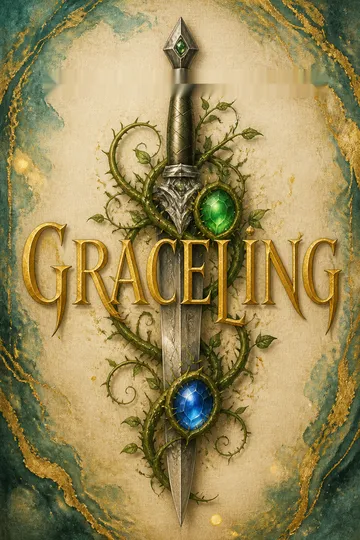
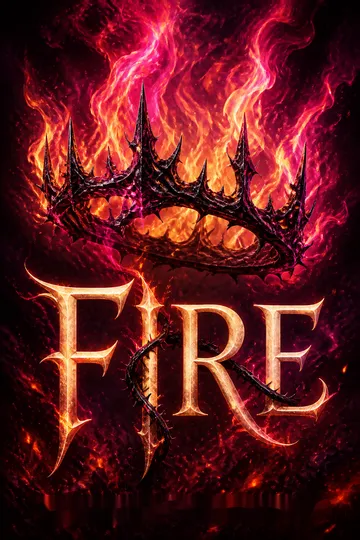
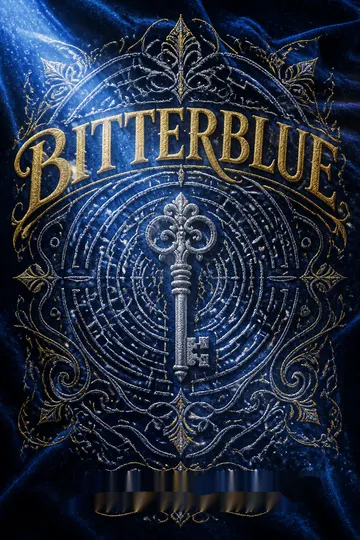


Download PDF
Download EPUB
.epub digital book format is ideal for reading ebooks on phones, tablets, and e-readers.








