Plot Summary
Hunger and Hope Dwindle
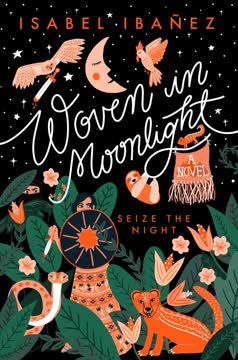
In the humid, moonlit fortress, Ximena, posing as the Illustrian condesa, struggles to ration dwindling food for her displaced people. The Illustrians, once aristocrats, now live in tents, haunted by hunger and memories of a lost city. Ximena's leadership is a performance—she is a decoy for the real condesa, Catalina, hidden for her safety. The people's faith wavers, and rumors swirl of El Lobo, a masked vigilante who defies the usurper king, Atoc. Ximena's only solace is weaving with moonlight, her magic a fragile comfort as she and Catalina await news from Ana, their general, who has vanished on a mission that could change everything. The chapter pulses with anxiety, loss, and the desperate hope that survival is still possible.
The Decoy's Burden
Ximena's role as Catalina's decoy is both shield and shackle. She must embody the condesa's courage, but inside she is wracked with doubt and anger. The Illustrians' trust is misplaced, and Ximena's only confidante is Catalina, the true heir, who struggles with her own insecurities and unreliable star-magic. When Atoc's messengers arrive with a chilling ultimatum—marry the king or watch her people die—Ximena is forced to accept a dangerous bargain. The cost: her freedom, her identity, and perhaps her life. The emotional weight of pretending, of being both weapon and shield, threatens to break her, even as she steels herself for the perilous journey ahead.
A King's Ultimatum
The Llacsan king's demand is clear: Ximena must come to the capital and wed him, or the Illustrian prisoners—including Ana—will be executed. The message is delivered with arrogance and cruelty, and Ximena's refusal is met with violence. In a moment of rage, she orders the execution of Atoc's messengers, a decision that haunts her. The Illustrians are left reeling, and Ximena, accompanied by her loyal friend Sofía, prepares to enter the heart of enemy territory. The journey is a farewell to safety and certainty, as Ximena rides toward the castillo, determined to save her people, even if it means sacrificing herself.
Into the Enemy's Den
Ximena and Sofía's entrance to Atoc's stronghold is met with suspicion and brutality. The priest Sajra, master of blood magic, asserts his dominance, and Sofía is killed in a sudden, shocking attack. Ximena's grief and guilt are overwhelming, but she cannot show weakness. Stripped of weapons and dignity, she is paraded before Atoc and his court, forced to play the role of the condesa. The king's intentions are clear: he seeks legitimacy, power, and control over the Illustrians. Ximena's only hope is to survive, observe, and find a way to communicate with her allies—if she can outwit her captors.
Masks and Moonlight
Isolated in her new prison, Ximena clings to her loom and her moonlight magic. She weaves tapestries that shimmer with hidden messages, hoping to reach Catalina and the Illustrian resistance. The castillo is a place of color and chaos, its Llacsan traditions both beautiful and alien. Ximena's interactions with her jailor, Rumi, are fraught with tension and misunderstanding. As she navigates court politics and the ever-watchful eyes of Sajra, she discovers that her art is more than comfort—it is a lifeline, a way to fight back, and perhaps, a source of unexpected power.
The Vigilante's Shadow
The masked vigilante, El Lobo, haunts the city and the castillo, stealing from Atoc and inspiring hope among the oppressed. Ximena's skepticism turns to fascination as she encounters him in the shadows, their goals unexpectedly aligned. El Lobo's true identity is a mystery, but his actions reveal a deep commitment to justice and the people of Inkasisa. As Ximena's trust in her own side falters, she is drawn to the vigilante's cause, sensing that the lines between friend and foe are not as clear as she once believed.
Weaving Secret Messages
Ximena's moonlight weaving evolves, her tapestries now capable of movement and life. She sends coded messages to Catalina, warning of Atoc's plans and the missing Estrella—the magical gem that controls the ghost army. Her art becomes a form of rebellion, but also a source of risk, as the Llacsans begin to notice her talent. The tapestries, imbued with moonlight, become allies in their own right, and Ximena realizes that her magic may be the key to changing the fate of Inkasisa.
Court of Cruelty
The castillo's court is a theater of power and pain. Atoc's cruelty is on full display as he punishes dissenters, silences journalists, and exploits his people for profit. Ximena witnesses the suffering of both Llacsans and Illustrians, her anger and empathy growing. The court's rituals and politics are a mask for violence, and Ximena must navigate them with care, hiding her true intentions while searching for allies. The cost of survival is high, and the line between justice and vengeance blurs.
The Princess in the Tower
Ximena discovers Princesa Tamaya, Atoc's sister, imprisoned in a tower. Tamaya's weaving magic rivals Ximena's, and her vision for Inkasisa is radically different from her brother's. She reveals the truth about the Estrella: it is powered by the souls of Llacsan miners, a legacy of Illustrian oppression. Tamaya's goal is not to seize power, but to destroy the Estrella and end the cycle of violence. Ximena is torn between loyalty to Catalina and the possibility of a new, united future. The two women form a fragile alliance, bound by shared pain and hope.
Ghosts of the Past
The search for the Estrella becomes a race against time. Ximena learns that the ghost army, once a weapon of Illustrian conquest, is a curse on the land. The past cannot be undone, but its lessons are inescapable. Betrayals multiply as Ximena's trust in Catalina, Rumi, and even herself is tested. The lines between hero and villain blur, and the true cost of power is revealed. The ghosts of history demand reckoning, and Ximena must decide what kind of future she will fight for.
Betrayals and Revelations
Ximena's relationship with Rumi deepens, only for his true identity as El Lobo to be revealed. Their connection is tested by secrets, lies, and the demands of revolution. Catalina, feeling betrayed, seizes the Estrella and prepares to unleash the ghost army. Ximena is caught between love, duty, and the hope for peace. The final confrontation looms, and every choice carries the weight of history and the lives of everyone she cares about.
The Estrella's True Cost
The battle for Inkasisa erupts as Catalina unleashes the ghosts, and Atoc's tyranny is brought to a violent end. Ximena, Tamaya, and Rumi fight to prevent further bloodshed, risking everything to destroy the Estrella. The cost is immense—lives lost, friendships shattered, and the hope for reconciliation tested. In the aftermath, Ximena must face Catalina, seeking forgiveness and understanding, even as the wounds of betrayal remain raw.
Choosing Sides
With the Estrella destroyed and Atoc dead, the future of Inkasisa hangs in the balance. Ximena chooses to support Tamaya as queen, believing in her vision of unity and justice. Catalina, unable to accept defeat, is banished to the jungle, her fate uncertain. Ximena's journey from decoy to leader is complete, but the scars of war and loss linger. The promise of a new beginning is tempered by the knowledge that peace is fragile and must be fought for every day.
The Bloodless Revolt
Tamaya's coronation marks the start of a new era. Illustrians and Llacsans gather in the castillo, wary but hopeful. Ximena, no longer a decoy, finds purpose in her art and her love for Rumi. The wounds of the past are not easily healed, but the possibility of reconciliation is real. The revolution is not without cost, but it offers a chance for Inkasisa to become whole. The chapter ends with a sense of cautious optimism, as old enemies become allies and the work of rebuilding begins.
The Battle for Inkasisa
The final battle is brutal and chaotic. Ximena's moonlight creatures fight alongside her, and the city is torn apart by magic and steel. Friends are lost, including Juan Carlos, and the cost of victory is steep. The destruction of the Estrella ends the ghost army's reign of terror, but the scars of war remain. Ximena's courage and sacrifice are recognized, but the pain of loss is ever-present. The chapter is a testament to the resilience of hope in the face of devastation.
The End of Illusions
In the aftermath, Ximena and Rumi confront their pasts and their feelings for each other. Catalina's refusal to accept Tamaya's rule leads to her exile, and Ximena must come to terms with the end of their friendship. The castillo, once a place of imprisonment, becomes a home for all. Ximena's moonlight magic is celebrated, and her art becomes a symbol of healing and unity. The illusions of power and identity are stripped away, leaving only the truth of who she is and what she values.
A New Dawn, A New Queen
Tamaya's reign begins with a promise of justice and inclusion. Ximena, free to be herself, finds happiness in her art and her love for Rumi. The Illustrians and Llacsans, though wary, begin the slow work of reconciliation. The scars of war and betrayal remain, but the future is open. Ximena's journey from decoy to leader is complete, and Inkasisa stands on the threshold of a new era—one woven in moonlight, hope, and the courage to choose peace.
Characters
Ximena Rojas
Ximena is the heart of the story—a girl forced to live as someone else, carrying the burden of leadership and secrecy. Her role as Catalina's decoy is both protection and prison, shaping her identity and relationships. Ximena's moonlight weaving is her solace and her weapon, a symbol of her creativity and resilience. She is fiercely loyal, but her empathy and capacity for change set her apart. Ximena's journey is one of self-discovery, as she learns to reconcile duty with desire, and ultimately chooses to fight for a future that transcends old divisions. Her relationships—with Catalina, Rumi, Tamaya, and her people—are marked by love, betrayal, and the painful work of forgiveness.
Catalina Quiroga
Catalina is the rightful heir to the Illustrian throne, hidden and protected by Ximena's sacrifice. She is gentle, idealistic, and burdened by the weight of expectation. Catalina's magic—reading the stars—is unreliable, mirroring her uncertainty as a leader. Her desire to please and her aversion to conflict make her ill-suited for the brutal realities of war. Catalina's inability to let go of the past and her need for validation drive her to tragic choices, including unleashing the ghost army. Her relationship with Ximena is complex—sisterly love, rivalry, and ultimately, heartbreak. Catalina's exile is both punishment and opportunity for growth.
Rumi (El Lobo)
Rumi is a study in contrasts: a healer by day, a masked rebel by night. His loyalty to his people and his cousin Tamaya is unwavering, but his heart is drawn to Ximena, even as he suspects her of betrayal. Rumi's Pacha magic and his skill with herbs make him indispensable, but his greatest strength is his willingness to question, to forgive, and to change. His relationship with Ximena is fraught with secrets and longing, culminating in mutual revelation and hard-won trust. Rumi's journey is one of embracing vulnerability and choosing hope over vengeance.
Princesa Tamaya
Tamaya is Atoc's sister and the true architect of a new Inkasisa. Her weaving magic rivals Ximena's, and her vision for the kingdom is radical: unity, justice, and the destruction of the Estrella. Tamaya's imprisonment is both literal and symbolic—she is a woman ahead of her time, constrained by tradition and her brother's tyranny. Her alliance with Ximena and Rumi is built on shared pain and hope. Tamaya's compassion, intelligence, and willingness to forgive make her the leader Inkasisa needs. Her coronation is a triumph of possibility over the wounds of history.
Atoc
Atoc is the antagonist—a Llacsan who seizes power through violence and magic. His rule is marked by cruelty, paranoia, and a desperate need for legitimacy. Atoc's exploitation of the Estrella and the koka trade brings suffering to all, Llacsan and Illustrian alike. His relationship with Tamaya is twisted by jealousy and fear, and his obsession with Ximena is a bid for control. Atoc's downfall is both justice and tragedy—a man destroyed by the very power he sought to wield.
Sajra (Umaq)
Sajra is Atoc's right hand, wielding blood magic to enforce the king's will. His cruelty is legendary, but he is also a survivor, playing both sides in the struggle for Inkasisa. Sajra's allegiance is to power and self-preservation, making him a dangerous and unpredictable force. His torture of Ximena and manipulation of events mark him as a villain, but his ultimate flight into the jungle is a fitting end for a man consumed by ambition.
Sofía
Sofía is Ana's daughter and Ximena's closest companion in the early chapters. Fierce, skilled, and protective, she is a symbol of the old Illustrian strength. Her death at the castillo is a devastating blow, fueling Ximena's guilt and resolve. Sofía's absence haunts the narrative, a reminder of the cost of war and the fragility of hope.
Ana
Ana is the Illustrians' general, a figure of strength and wisdom. Her disappearance and eventual death at Atoc's hands are pivotal, stripping the Illustrians of their protector and forcing Ximena and Catalina to step into leadership. Ana's legacy is one of sacrifice and resilience, her teachings guiding Ximena even in her absence.
Juan Carlos
Juan Carlos is Rumi's cousin and a key member of the resistance. His affable exterior hides a shrewd mind and deep loyalty. Juan Carlos's death in the final battle is a profound loss, underscoring the personal cost of revolution. His friendship with Ximena and Rumi is a thread of warmth and humor in a world of danger.
Suyana
Suyana is Ximena's maid in the castillo, quietly supportive and resourceful. Her own magic and her role as a rebel confidante make her an unsung hero. Suyana's kindness and courage help Ximena survive and ultimately find her place in the new Inkasisa.
Plot Devices
Decoy Identity and Masking
The central device is Ximena's role as Catalina's decoy, a literal and metaphorical mask that shapes every relationship and decision. This device allows for deep exploration of identity, loyalty, and the cost of living a lie. The motif of masks recurs throughout—El Lobo's disguise, the court's rituals, the shifting allegiances. The tension between appearance and reality is heightened by the use of magic, especially Ximena's moonlight weaving, which becomes both a tool of resistance and a symbol of transformation.
Weaving and Magic as Communication
Ximena's moonlight weaving is both a plot device and a metaphor. Her tapestries carry secret messages, become living allies, and ultimately embody the possibility of change. The act of weaving is a form of agency, a way to shape fate and resist oppression. The magic is subtle but powerful, grounding the story in Bolivian-inspired myth and giving Ximena a unique voice.
Dual Narratives and Shifting Loyalties
The story is structured around shifting alliances—Illustrian vs. Llacsan, friend vs. foe, self vs. duty. Foreshadowing is used to build tension, especially in the relationships between Ximena, Rumi, and Catalina. The gradual revelation of secrets—El Lobo's identity, the Estrella's origin, Tamaya's plan—drives the plot and deepens the emotional stakes. The narrative is cyclical, with history repeating until someone chooses to break the pattern.
The Estrella and the Ghost Army
The Estrella, a gem powered by the souls of Llacsan miners, is the story's central MacGuffin. It represents the legacy of oppression, the temptation of power, and the danger of repeating the past. The ghost army is both a literal threat and a metaphor for unresolved trauma. The decision to destroy the Estrella is a turning point, marking the rejection of violence as a means to justice.
Revolution and Reconciliation
The plot is driven by the hope for change without further bloodshed. The characters' choices—whether to seek vengeance or forgiveness, to cling to the past or embrace the future—are the true battleground. The story's structure mirrors the weaving of a tapestry: threads of pain, hope, and love are interlaced to create something new.
Analysis
Woven in Moonlight is a rich, emotionally charged fantasy that explores the complexities of identity, power, and reconciliation in a world inspired by Bolivian history and myth. At its core, the novel is about the cost of survival—what we sacrifice, who we become, and how we choose to heal. Ximena's journey from decoy to self-actualized leader is a powerful meditation on the dangers of living behind masks, both personal and political. The story refuses easy answers: justice is not vengeance, and peace requires more than victory. By centering art, magic, and empathy, the novel argues for the transformative power of creativity and forgiveness. The destruction of the Estrella is a rejection of cycles of violence, and Tamaya's ascension signals hope for a more inclusive future. Yet the scars of war and betrayal remain, reminding us that healing is ongoing work. Woven in Moonlight is ultimately a call to see the humanity in our enemies, to choose unity over division, and to believe that even in the darkest times, we can weave a new story—one threaded with moonlight, courage, and hope.
Last updated: