

Key Takeaways
You are not one genome: your body is a multispecies ecosystem
A zoo on every body. At the San Diego Zoo, scientist Rob Knight swabs Baba, a pangolin, and finds that its scales, face, paws, and gut each host microbial communities. Humans are similarly inhabited. The familiar claim that we carry ten microbial cells for every human cell is a rough estimate, not a fact: the book cites estimates of about 30 trillion human cells and 39 trillion microbial cells. The exact ratio matters less than the larger point. Bodies are communities, not sealed individuals.
Different parts, different worlds. Skin, mouth, gut, and other body sites have distinct microbial habitats. Even a person’s two hands share only a fraction of their microbial species. A person is less like one island than an archipelago of ecosystems.
The ecosystem view is powerful because it shifts attention from isolated parts to relationships: which organisms share space, exchange resources, and change one another. That perspective can make familiar questions about identity or health more precise. Instead of asking whether a microbe is simply inside or outside the self, it asks what role the microbe plays in a particular setting. The metaphor also has limits. A human remains a coherent organism with interests and agency, even while depending on other species. Interdependence complicates individuality; it does not make individual experience imaginary.
Map the invisible before declaring what it does
A new natural history. In the 1670s, Antony van Leeuwenhoek used exceptionally clear, handmade lenses to discover tiny organisms in pond water and dental plaque. For centuries, however, microbiology focused mainly on disease-causing germs, leaving the everyday microbial world largely unexplored. Scientists such as Martinus Beijerinck and René Dubos argued for studying microbes in their natural communities, while Carl Woese’s gene comparisons revealed that archaea were a distinct domain of life.
From census to capability. Modern sequencing lets researchers identify microbes without first growing them in a laboratory. Metagenomics, the study of genetic material collected from whole communities, can reveal both which organisms are present and what genes they carry. The book stresses that mapping is a starting point: knowing who lives where is not yet knowing why they are there or what they do.
This history offers a useful model for science itself. New instruments do more than improve precision; they change which questions seem askable. A lens made microbes visible, while sequencing exposed organisms that resisted cultivation. Yet a larger census does not automatically produce understanding. Lists can tempt researchers to treat presence as explanation, even when a microbe is merely accompanying a disease or environment. The strongest work pairs broad surveys with experiments that test function and cause. Exploration is not the opposite of explanation. It is the groundwork that makes explanation possible.
Microbes help build animal bodies, not merely inhabit them
Partners as builders. The Hawaiian bobtail squid is born without microbes. Within hours, it acquires Vibrio fischeri, a bacterium that settles in a light organ and helps the squid hide its silhouette at night. The bacterium also changes the organ’s development: microbial signals trigger squid genes, reshape tissue, and close off the organ once colonisation is established. The squid survives without the partnership in a laboratory, but loses a protection useful in the wild.
Development is shared work. Germ-free mice and zebrafish also develop abnormal guts, including weaker barriers and less complete tissue structures. In another example, the animal relatives called choanoflagellates form colonies when they detect molecules from particular bacteria. These cases illustrate co-development, the process by which an animal’s development depends on signals from both its own genes and microbial partners.
Development is often pictured as a program encoded inside an embryo, with the environment providing food and temperature. These examples make the picture more interactive: a developing organism can use other species as signals about what kind of body is useful in its surroundings. That is a striking extension of developmental biology, and it helps explain why microbes can matter without physically constructing tissues themselves. Still, evidence from squid, fish, and mice does not by itself establish how much microbial input shapes human development. The principle travels widely; specific claims need evidence in each species.
Judge microbes by the relationship, not by a good-or-bad label
Context changes the bargain. Wolbachia can kill or feminise some insect hosts because it spreads through eggs, yet it also supplies nutrients to bed bugs and protects some insects from viruses. The same microbe can be parasite, partner, or both, depending on its strain and host. Even ordinary gut bacteria can be harmless in the intestine and dangerous if they cross into the bloodstream.
Partnership needs policing. Animals shape microbial conditions through acidity, physical barriers, mucus, immune molecules, and selective feeding. In the gut, microbes live beyond a mucus layer while antimicrobial substances and immune cells help keep them from entering the body. Symbiosis means organisms living together, not necessarily cooperating peacefully. The partnership can benefit both sides while still containing competition, opportunism, and conflict.
This is a valuable corrective to two equally simple stories: microbes as enemies to eradicate, and microbes as friends that always help. Evolution has no obligation to produce loyal partners. It rewards traits that improve reproductive success, which can align with a host’s interests in one setting and clash with them in another. The relationship-first vocabulary is more accurate because it describes what happens rather than assigning a permanent moral identity. Its challenge is practical: context is difficult to measure. Clinicians and researchers need to specify the host, body site, microbial strain, and conditions before making broad claims.
Treat illness as ecosystem disruption, but test whether microbes cause it
When communities shift. Forest Rohwer compared isolated, shark-rich Kingman Reef with heavily inhabited Christmas Island. On the latter, coral cover fell, microbial and viral counts rose, and algae released sugars that fed fast-growing microbes, including potential pathogens. The reef’s decline emerged from connected changes, not simply one invading germ. Dysbiosis is a disrupted microbial community associated with harm to its host.
Cause is the hard part. Similar community changes accompany inflammatory bowel disease and childhood malnutrition. In experiments, microbes from people with obesity or kwashiorkor altered outcomes in germ-free mice, especially under particular diets. But a changed microbiome can also be a consequence of illness. Even the once-famous ratio of two major bacterial groups did not consistently distinguish obese from lean people across studies. The ecological frame is promising, not a shortcut around causal evidence.
The reef analogy makes a complicated health problem visible: an ecosystem can cross into a harmful state through several interacting pressures, then resist a return to its earlier condition. That idea can help explain why treating a single organism may fail when the whole community has changed. It also guards against a fashionable mistake, namely treating every microbial difference as a diagnosis. A useful test is whether changing the community changes the disease, and under what conditions. The book’s strongest examples use controlled transfers; human illness still requires larger, longer, and more carefully designed studies.
Your diet selects which microbial workers can thrive
Food feeds a community. Breast milk contains human milk oligosaccharides, complex sugars that babies cannot digest. Certain infant bacteria, especially Bifidobacterium infantis, can consume them and in turn produce substances that nourish gut cells and help regulate inflammation. After weaning, plant fibres provide varied nutrients for adult gut communities. Different microbes specialise in different foods, so a varied menu can support a broader set of microbial functions.
Deprivation has a cost. In mouse experiments, a low-fibre diet reduced microbial diversity, and some species failed to return when fibre was restored. Repeated across generations, the losses compounded. Diet also shapes animal communities in the short term: howler monkeys’ microbes change as the animals shift from fruit to leaves. Food is therefore not just fuel for the host. It is the habitat and supply chain that determines which microbial partners can compete.
Thinking of food as habitat explains why nutrition can affect more than calorie intake. A meal changes the resources available to microbial competitors, and their by-products can then affect the host. This ecological account makes fibre important for a reason more specific than simply adding bulk: it supplies substrates that human enzymes cannot fully process. But dietary advice should not become a universal prescription detached from the person eating it. Microbial communities vary, and the same food can meet different needs in different bodies. The useful principle is to consider both the host’s nutrition and the resources its microbes require.
Microbes let animals live on foods and in places otherwise unusable
New abilities, shared. Aphids drink plant sap, which lacks essential amino acids. Their bacterium Buchnera supplies missing nutrients through a chemical production line that neither partner can complete alone. Deep-sea tube worms take the arrangement further: they have no mouth or gut, because bacteria inside them use chemicals from ocean vents to make food. The worm receives nourishment where sunlight and ordinary food webs cannot help.
A borrowed toolkit. Desert woodrats can eat toxic creosote leaves because gut microbes help break down the plant’s poisons. Researchers transferred microbes from experienced woodrats to naïve ones, enabling the newcomers to tolerate the plant. These partnerships open ecological niches, meaning ways of making a living that would otherwise be inaccessible. They can also have costs: a host may become dependent on a partner or constrained by the conditions that partner requires.
These examples show symbiosis as a source of evolutionary opportunity, not just a way to keep familiar bodies healthy. Microbes expand an animal’s diet, chemistry, and environment by contributing capabilities that its own genome lacks. The partnership can be understood as a distributed metabolism, where separate organisms carry out pieces of one larger job. That framing is especially useful for explaining complex adaptations without assuming that every task is performed by the host alone. Yet dependence is not automatically an advantage. A partner may fail under new conditions, so ecological flexibility can be purchased at the price of vulnerability.
Borrow microbial genes to adapt quickly, without escaping Darwinian rules
Genes can travel sideways. Bacteria exchange DNA with nearby microbes, a process called horizontal gene transfer. It lets useful traits spread faster than they would through inheritance from parent to offspring alone. Japanese gut bacteria, for example, carry genes resembling those of marine microbes that digest carbohydrates in nori seaweed. A likely route was raw seaweed carrying bacteria into people’s guts, where genes could pass to resident microbes and then be inherited by descendants.
Fast does not mean un-Darwinian. Animals can also gain abilities by acquiring whole microbial partners. The defensive bacterium Spiroplasma spread through fruit flies when a parasitic worm threatened their reproduction. In each case, the microbes’ traits still arose and spread through evolutionary processes. What looks instantaneous from the host’s perspective may reflect slower adaptation in microbes, followed by a rapid transfer of the new capability.
The distinction between evolutionary speed and evolutionary mechanism matters. A host can acquire a ready-made capability in one generation, while the underlying microbial adaptation took much longer to evolve. This is not a rejection of natural selection; it is a change in the route by which useful variation reaches an animal. It also broadens the meaning of inheritance, because descendants may receive microbes and their genes along with their host’s DNA. The catch is that borrowed genes can be harmful, neutral, or unstable. A transfer creates possibility, not guaranteed improvement.
Treat microbial therapies as living ecosystems, not magic pills
Some interventions already work. Wolbachia bacteria can block dengue virus in mosquitoes. Releasing infected mosquitoes helped the bacterium spread through two Australian suburbs, replacing most local mosquitoes within months. In people, antibiotics that target Wolbachia can kill the nematodes responsible for river blindness and elephantiasis. For recurrent Clostridium difficile infections, a 2013 trial found that faecal microbiota transplants cured 94 percent of recipients, compared with 27 percent given the antibiotic treatment tested.
Results are not universal. Many commercial probiotics do not permanently colonise the gut, and evidence for benefits beyond a few specific conditions remains limited. A transplant that works against C. difficile may fail in an inflamed gut already occupied by established microbes. Treatments must account for diet, existing communities, and the patient’s health. The future may involve carefully selected microbial mixtures, supporting foods, or engineered strains, but these are living interventions with risks that demand testing.
The most convincing treatments target a defined ecological problem. Wolbachia blocks a virus in a mosquito, while transplants can restore microbial competition after antibiotics have cleared much of the gut community. Their success suggests that medicine can act on relationships, not just on human cells or isolated pathogens. But living therapies are not ordinary drugs: they can reproduce, interact with residents, and behave differently across hosts. That makes standardisation and follow-up especially important. A treatment should be judged by clinical outcomes and safety, not by the appeal of its naturalness or by an impressive result in one setting.
Stop equating sterile with safe; design spaces for healthy microbial traffic
People seed their surroundings. The book reports that a person releases around 37 million bacteria into the air each hour. In a study of homes, residents quickly left their microbial signature on a new house, and people who lived together shared more microbes. Dogs carried outdoor organisms indoors, adding to that traffic.
Cleaning changes ecosystems. Hospital researchers found that indoor air could contain a disproportionate number of microbes shed by patients, while outdoor air carried a broader range of environmental species. In one study, opening windows offered a simple way to bring in outdoor microbes. Aquarium managers also found that filtering water less aggressively could improve water conditions and animal health. These findings do not make hygiene useless. They suggest that design and cleaning should reduce dangerous transmission without assuming that every microbe must be removed.
The built environment is not a neutral container. Ventilation, materials, occupancy, pets, and cleaning schedules shape which organisms persist around people. That insight invites a more sophisticated public-health goal than maximum sterility: suppress specific transmission routes while maintaining ecological conditions that do not hand every vacant niche to potential pathogens. The balance is difficult, especially in hospitals, where vulnerable patients face real infection risks. The book’s proposals for microbe-aware architecture are intriguing, but remain early-stage ideas. Good design needs to be evaluated by measurable health outcomes, not by diversity alone.
Analysis
The book’s most important move is not the claim that microbes matter. It is the change in scale through which that claim becomes intelligible. A pangolin’s skin, a baby’s gut, a coral reef, and a hospital room become related subjects because each is a habitat whose inhabitants shape one another. This ecological lens joins zoology, medicine, and environmental science without pretending that their problems are identical.
Its narrative also models how scientific understanding changes. Leeuwenhoek’s curiosity made an unseen world observable; later sequencing made uncultured organisms legible; controlled experiments began to separate association from cause. The history warns that what science studies depends partly on its instruments and metaphors. When microbes were framed chiefly as enemies, research prioritized elimination. When communities became visible, cooperation and dependence became harder to ignore. Neither frame is complete. The book’s strongest examples retain conflict within partnership, rather than replacing germophobia with a sentimental celebration of bacteria.
The clinical implications demand the same restraint. Microbial differences accompany many conditions, but a pattern is not yet a mechanism, and a mechanism in mice is not proof of a useful treatment in people. The successful cases are unusually specific: a bacterium blocks dengue in mosquitoes, or a whole-community transplant restores competition after antibiotics have cleared space for C. difficile. They do not establish a universal healthy microbiome or a general microbial cure.
The broader lesson is methodological and practical: treat microbial interventions as ecosystem management. Specify the host, location, diet, timing, and desired outcome; then test whether changing those conditions improves health without creating new vulnerabilities. This standard also applies outside the body. Homes, hospitals, and aquariums are microbial environments shaped by human decisions. The book’s enduring contribution is to make those hidden relationships part of ordinary biological thinking, while reminding readers that seeing connections is the beginning of understanding, not its completion.
Review Summary
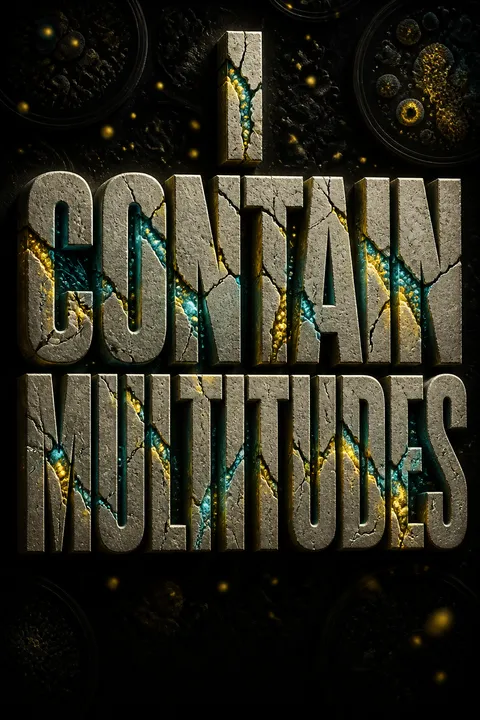
I Contain Multitudes explores the fascinating world of microbes and their symbiotic relationships with humans and other organisms. Yong presents complex scientific concepts in an accessible, engaging manner, highlighting the importance of microbes in our bodies and ecosystems. The book challenges the notion that all microbes are harmful, emphasizing their crucial role in health, development, and evolution. Readers appreciate Yong's balanced approach, addressing differing scientific viewpoints and potential future applications of microbial research. While some found the structure occasionally disjointed, most reviewers praised the book's informative and thought-provoking content.
People Also Read


Glossary
microbiome
A community of resident microbesThe community of microorganisms living in or on a particular body or environment. The book uses microbiome and microbiota interchangeably, while noting a stricter distinction sometimes made in science: microbiota refers to the organisms, and microbiome to their collective genetic material. A microbiome includes bacteria and may also include fungi, archaea, and viruses.
symbiosis
Different species living togetherA relationship in which organisms of different species live together. The term is neutral: it can describe mutualism, where both partners benefit; commensalism, where one benefits without an obvious effect on the other; or parasitism, where one benefits at the other’s expense. The relationship can change with the host, location, or conditions.
metagenomics
Sequencing a microbial communityA method for studying the combined genetic material of organisms collected from an environment or host. Rather than requiring each microbe to be grown separately in a laboratory, researchers sequence DNA from the community. This can reveal which organisms and genes are present, though further work is needed to determine what those organisms are doing.
co-development
Host and microbes shape developmentThe idea that an animal’s development can depend on signals from both its own genes and its microbial partners. Microbes may activate host genes or influence the maturation of organs and immune functions. They do not necessarily build tissues directly; they can prompt the animal’s own cells to develop in particular ways.
MAMPs
Molecules that signal microbial presenceMicrobe-associated molecular patterns are molecules found on or released by microbes that animal cells can detect. In the squid and Vibrio partnership, bacterial molecules help trigger changes in the host’s light organ. The term broadens an earlier disease-focused view in which similar molecular signals were associated mainly with pathogens.
dysbiosis
A harmful microbial community shiftA change in a microbial community associated with harm to its host. Dysbiosis may involve altered proportions of species, genes, or microbial products, rather than one identifiable pathogen. The term describes an ecological condition, but it does not by itself establish whether the microbial change caused a disease or resulted from it.
colonisation resistance
Resident microbes block incoming pathogensThe protection a host receives when established microbes occupy space and use resources that would otherwise be available to invading organisms. A diverse resident community can make it harder for a pathogen to settle and multiply. Antibiotics may weaken this protection by removing competitors, leaving openings for organisms such as Clostridium difficile.
horizontal gene transfer
DNA moves between organismsThe movement of genetic material between organisms outside the usual parent-to-offspring route. Bacteria can exchange genes directly, acquire DNA from their surroundings, or receive it through viruses. Such transfers can spread traits quickly, including the capacity to digest new foods or resist antibiotics.
holobiont
A host and its associated organismsA host organism considered together with the microbes and other species that live with it for significant periods. The term highlights that an animal’s biology can depend on organisms with separate genomes. Researchers differ on how broadly it should be applied, especially when some associated microbes are temporary or have little effect on the host.
hologenome
Host and microbial genes togetherThe combined genetic material of a host and its associated microbes. The concept proposes that microbial genes can affect host traits and therefore may matter to evolution alongside the host’s own genes. Its use as a single unit of natural selection remains debated, particularly because host and microbial interests can conflict.
gnotobiosis
Life with known microbial statusA condition in which researchers know which organisms are present in an animal. Germ-free animals are one case: they have been raised without detectable microbes. Researchers can then add selected microbes and study their effects under controlled conditions, although results from such simplified animals may not capture the complexity of natural settings.
probiotic
A microbe given for health benefitA live microorganism administered in an amount intended to provide a health benefit to its host. The book distinguishes the sound general idea from broad commercial claims: evidence supports benefits for some specific conditions, but many products have not been shown to treat the wide range of disorders associated with the microbiome.
prebiotic
Food that nourishes selected microbesA substance that can be used by microorganisms in a way that supports a health benefit to the host. In the book, examples include complex plant carbohydrates and human milk oligosaccharides, which feed particular microbes. A prebiotic is not itself a microbe; it provides resources that can help selected microbial partners grow.
FAQ
What's I Contain Multitudes about?
- Exploration of Microbial Life: The book explores the vast world of microbes that inhabit every living organism, including humans, emphasizing that we are ecosystems teeming with diverse microbial life.
- Symbiosis and Evolution: It discusses how animals and microbes have evolved together over millions of years, shaping individual health and species evolution.
- Human Microbiome Focus: A significant portion is dedicated to the human microbiome, explaining its influence on health, mood, and disease susceptibility.
Why should I read I Contain Multitudes by Ed Yong?
- Insightful Perspective: The book offers a fresh perspective on life, emphasizing that we are "multitudes" rather than isolated individuals, changing how we understand our place in the natural world.
- Engaging Storytelling: Ed Yong combines scientific research with captivating narratives, making complex topics accessible and engaging.
- Relevance to Modern Health: It addresses contemporary issues like antibiotic resistance and the importance of maintaining a healthy microbiome, relevant in today's healthcare discussions.
What are the key takeaways of I Contain Multitudes?
- Microbiomes are Essential: Our microbiomes are crucial for health, influencing everything from digestion to immune responses, reflecting the idea that we are ecosystems.
- Symbiosis is Complex: Relationships between hosts and microbes can be mutually beneficial or harmful, illustrating the dual nature of microbes as both partners and potential pathogens.
- Human Impact on Microbiomes: Modern lifestyles, including diet and antibiotic use, disrupt our microbiomes, leading to health issues and highlighting the need for a balanced relationship with microbes.
What are the best quotes from I Contain Multitudes and what do they mean?
- “I am large, I contain multitudes.”: This Walt Whitman quote encapsulates the book's theme that humans are complex ecosystems filled with diverse microbes, challenging the notion of individuality.
- “Microbes matter.”: This statement underscores the importance of microbes in our lives, from aiding digestion to influencing our immune systems.
- “The future will be à la carte.”: Reflects the potential for personalized medicine based on microbiome research, suggesting future treatments could be tailored to individual microbial communities.
How do microbes influence our health according to I Contain Multitudes?
- Digestive Health: Gut microbes help break down food and extract nutrients, producing essential vitamins and short-chain fatty acids that nourish gut cells.
- Immune System Regulation: Microbiomes help train and regulate immune systems, preventing overreactions that lead to autoimmune diseases.
- Mental Health Connection: The gut-brain axis shows how gut microbes can influence mood and behavior, with changes in the microbiome linked to anxiety and depression.
What is dysbiosis as defined in I Contain Multitudes?
- Definition of Dysbiosis: An imbalance in microbial communities within our bodies, often leading to health issues, characterized by a loss of diversity and overgrowth of harmful species.
- Causes of Dysbiosis: Poor diet, antibiotic use, and environmental changes can disrupt microbiomes, leading to conditions like inflammatory bowel disease and obesity.
- Consequences of Dysbiosis: Results in chronic inflammation and increased infection susceptibility, emphasizing the need for maintaining a healthy microbiome.
How does diet affect our microbiomes according to I Contain Multitudes?
- Nutrient Availability: Different diets provide varying nutrients that shape gut microbiomes, with fiber-rich diets supporting beneficial bacteria.
- Microbial Adaptation: Microbes adapt to dietary changes, altering populations based on available nutrients, influencing host health.
- Long-term Effects: Prolonged dietary patterns can lead to lasting microbiome changes, affecting health outcomes and emphasizing the importance of a balanced diet.
How does I Contain Multitudes redefine our understanding of individuality?
- Redefining Individuality: Challenges the traditional notion by emphasizing that we are collections of microbes, encouraging a holistic view of life.
- Holobiont Concept: Introduces the idea of the holobiont, encompassing both host and microbial partners as a single entity, highlighting interconnectedness.
- Implications for Evolution: Suggests hosts and microbes evolve together, encouraging a reevaluation of relationships between species.
What role do phages play in our microbiomes according to I Contain Multitudes?
- Bacteriophage Function: Phages infect bacteria, controlling microbial populations and maintaining balance by targeting harmful bacteria.
- Mucus Interaction: Phages anchor in mucus, targeting specific bacteria, highlighting complex interactions within our bodies.
- Potential Benefits: Understanding phages could lead to new therapies for managing dysbiosis and treating infections, restoring microbiome balance.
How does I Contain Multitudes address antibiotic resistance?
- Consequences of Overuse: Overuse of antibiotics has led to antibiotic-resistant bacteria, posing a significant public health threat.
- Impact on Microbiomes: Antibiotics disrupt microbiome balance, leading to conditions like Clostridium difficile infections.
- Need for Alternatives: Advocates for understanding the microbiome and developing alternatives like probiotics and fecal transplants to restore healthy communities.
What examples of microbial partnerships are highlighted in I Contain Multitudes?
- Beewolves and Bacteria: Beewolves use antibiotic-producing bacteria to protect larvae from fungal infections, showcasing mutualism.
- Coral Reefs: Symbiotic relationships between corals and microbes are essential for coral health and resilience.
- Aphids and Buchnera: Aphids rely on Buchnera bacteria for essential nutrients, illustrating a vital symbiotic relationship.
What future implications does I Contain Multitudes suggest for microbiome research?
- Personalized Medicine: Understanding individual microbiomes could lead to personalized treatments, enhancing therapy effectiveness.
- Environmental Microbiomes: Emphasizes studying environmental microbiomes to address ecological issues like coral reef health.
- Public Health Strategies: Advocates for integrating microbiome research into public health to combat diseases and improve health outcomes.
About the Author
Other books by Ed Yong
Download PDF
Download EPUB
.epub digital book format is ideal for reading ebooks on phones, tablets, and e-readers.








