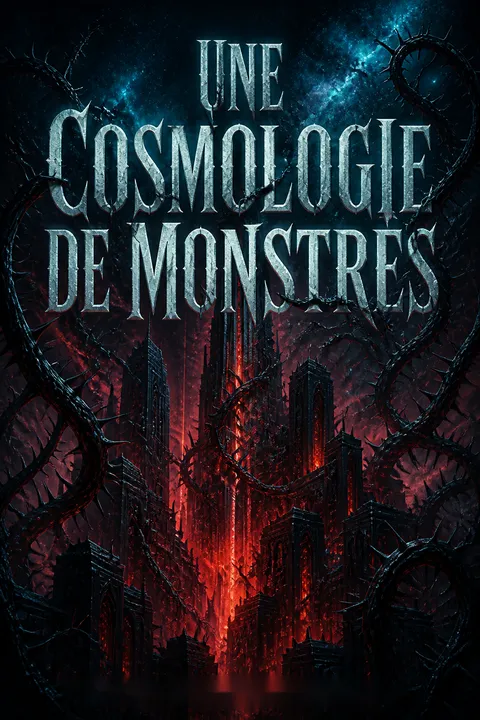


Plot Summary
The Bookstore and the Beast
Noah begins with the suicide notes his older sister Eunice left behind, including her conviction that endings are only places where a story pauses. He then reaches back to 1968, when his mother Margaret Byrne loses the financial support that had made college possible.
Working at a bookstore, she notices Harry Turner, a shy regular who reads horror and science fiction without buying anything. After Margaret’s frustration at work drives her to force Harry to purchase an expensive art book, he invites her to a film about the devil.
They share fast food afterward, where Harry introduces her to the monsters of H. P. Lovecraft. A clumsy kiss follows outside her landlady’s house, leaving Margaret curious about the young man she had first mistaken for a nuisance.
The novel opens by treating memory as an act of rescue: Noah gathers Eunice’s notes because his family has never known how to finish anything cleanly. Margaret’s choice to engage with Harry begins in irritation and curiosity rather than a grand romance, grounding the supernatural story in ordinary economic pressure and awkward desire. Horror fiction becomes their first shared language, not because it predicts events neatly, but because it gives Margaret a vocabulary for worlds that respectable institutions insist do not exist.
Pierce Beneath the Skin
Margaret tries to satisfy her mother’s expectation that she secure a prosperous husband, so she resumes seeing Pierce Lombard, a wealthy, devout classmate. During an intimate moment in Pierce’s car, she sees his forehead split and red insects spill out, while an orange-eyed figure watches from outside.
Pierce appears unharmed when the vision passes, but Margaret cannot dismiss it. The next evening, she discovers Harry working at a McDonald’s when he serves Pierce’s drive-through order.
She returns Harry’s borrowed Lovecraft book and learns that he lied about his age to make himself more appealing. Harry’s blunt questions about her future expose how little she wants the respectable marriage she is trying to perform. She agrees to see him again, despite planning to meet Pierce’s family.
Margaret’s insect vision fuses erotic discomfort with horror, turning the pressure to accept Pierce into something physically unbearable. Yet the scene does not simply declare Pierce a villain: he is earnest, and Margaret’s fear comes partly from how little she wants the life he represents. Harry, for all his own dishonesty, asks what Margaret wants rather than what will look respectable. Their contrast makes her decision less a choice between good and evil than between a managed future and an uncertain one.
The Spooky House Choice
On their next outing, Harry takes Margaret to a shabby haunted attraction in Little Rock. The first rooms offer clumsy Addams Family jokes, but upstairs a moving plant grabs Margaret, and a snarling, red-cloaked creature with glowing eyes blocks the way out.
Harry finds a black opening in the wall and throws Margaret down a slide to safety, then lands beside her in the yard. The encounter makes her imagine a difficult life with Harry, far less secure than the one Pierce could provide, and she chooses it anyway.
Margaret and Harry marry in 1969, despite her parents’ disapproval. She leaves college, and the couple eventually raise Sydney and Eunice in Texas, carrying their shared fascination with monsters into an outwardly ordinary family life.
The attraction’s shift from comic imitation to genuine danger gives Margaret a rehearsal for choosing a life whose risks cannot be fully understood in advance. Her decision is not romantic triumph over practical concerns: she sees poverty, sacrifice, and unwanted dependence clearly, then accepts them because safety alone has begun to feel like another form of confinement. The creature also establishes an unsettling pattern. It singles Margaret out, while Harry’s instinct is to protect her, binding their courtship to a force neither can yet explain.
A Yard Becomes a Tomb
By 1982, Margaret and Harry live with their daughters, Sydney and Eunice, in Vandergriff. Harry begins sleepwalking into the yard and speaking as though something has tracked him there. At Eunice’s sixth birthday party, he suddenly shouts at her and punches his coworker Rick when Rick intervenes.
Harry later apologizes, but his behavior unsettles Margaret, who knows he has long feared inheriting his mother Deborah’s mental illness. He becomes fixated on turning their backyard into a haunted attraction, saying the project might reveal what is missing from his repetitive working life.
Margaret agrees, on condition that he keep his job while she returns to school. The family designs rooms together, and Harry begins building a maze of tombs from salvaged lumber.
Harry’s project begins as a bid for agency: the highway job provides security but leaves him feeling absent from his own life. His first violent episode makes that private restlessness dangerous to his family, and Margaret responds by negotiating rather than simply excusing him. The haunted attraction gives the daughters a way to participate, while also letting Harry turn an inarticulate disturbance into plans, walls, and props. That conversion is double-edged. Creative work gives the family temporary purpose, but the escalating obsession makes it easier to mistake symptoms for inspiration.
The Diagnosis in the Drawers
Eunice wakes screaming after seeing a man outside her window, and Margaret later finds gouges in the brick and a bent screen. Harry dismisses the evidence, then suffers a seizure on the drive home from visiting Deborah, who describes her own past delusions and sleepwalking.
Hospital tests lead to a specialist, but Harry hides the result from Margaret. Five days before Halloween, she finds a brain-tumor pamphlet in his clothes, with a note estimating months to live. She is also pregnant and has been considering an abortion.
On opening night, she tells Harry about the pregnancy as he climbs into the attraction’s coffin. He has already announced that the haunted house can give visitors a safe encounter with fear. The family opens it while Margaret postpones the reckoning awaiting them.
The concealed diagnosis transforms the family’s conflict: Harry’s altered personality is not simply a moral failure, yet its damage remains real to Margaret and the girls. His silence protects his own control over the remaining time while denying his family the chance to respond with him. Margaret, in turn, delays both a decision about pregnancy and a confrontation about illness, using the Halloween performance as a temporary shelter. The attraction’s promise of fear with a safe exit is poignant because its makers cannot secure that promise for themselves.
The City Takes Shape
Harry dies after Noah’s birth, leaving Margaret with three children, little money, and a collection of horror books and comics. In 1989, she sells part of Harry’s collection with help from Sally White, then joins forces with neighbor Daniel Ransom and his high-school theater department to create a new attraction.
Sydney proposes a dark maze where one monster stalks visitors carrying a single flashlight. Eunice co-writes the script with Merrin Price and takes a role as its guide, discovering pleasure in writing and performance.
Meanwhile, six-year-old Noah befriends the orange-eyed creature outside his bedroom window. It brings him a Batman figure, writes messages in chalk, and guides his hand into a drawing of a vast, unfamiliar city. Noah keeps the friendship secret from his family.
The haunted attraction becomes both livelihood and family memorial. Each Turner finds a different kind of authorship in it: Margaret makes costumes, Sydney designs pursuit, and Eunice writes and performs. Their cooperation does not erase grief, but gives grief a structure they can work inside. Noah’s private bond with the creature repeats this pattern in a more dangerous register. Drawing the City with it feels like play, yet the image joins childhood imagination to a place already pressing against the family’s history.
Sydney Disappears at Opening
Before The Wandering Dark opens, Noah slips into the attraction and catches Sydney with Daniel Ransom, her teacher and the show’s director. Daniel later gives Noah his son’s prized Batman toys and uses the gift to bind the boy to silence.
Sydney, already furious with Margaret over Harry’s unused designs, quits the production after Daniel’s estranged wife returns. On opening night, a knock draws Noah to the empty porch; when he rushes back, Sydney has vanished through an open window. The lights fail, and he finds the creature waiting outside his room.
He lets it inside for the first time. Sydney’s disappearance devastates the family, while Noah’s guilt and the secret he has agreed to keep leave him isolated from the people who might have helped him understand what happened.
Noah’s silence is purchased through a child’s most immediate vulnerability: the desire to own something he has been denied. Daniel exploits that desire, while Noah lacks the power or language to recognize the bargain as coercion. Sydney’s disappearance then makes the secret feel causally connected, even though Noah cannot know what happened. The attraction’s staged exits and hidden corridors become a cruel counterpoint to the real disappearance: the family has designed a maze for visitors, but cannot find a way to bring one of their own back.
The Gray Beast Attacks
Ten years later, Noah works at The Wandering Dark and grows increasingly intimate with the creature, which helps him fly and gives him an intense, otherworldly pleasure. When children Maria Davis and Brandon Hawthorne disappear, Noah suspects the creature because it vanishes during the searches.
After a fight with Eunice, he drives her car to the site where Maria was last seen and collides with a van driven by James O’Neil. A child’s hand falls from a garbage bag in the van.
Noah recognizes O’Neil as the stranger who once extinguished a fire at his mother’s car. The creature attacks to protect Noah, but a gray, blue-cloaked beast intervenes for O’Neil. Noah helps his friend kill it, losing an eye in the struggle. O’Neil is arrested for the children’s murders.
The rescue does not purify Noah’s bond with the creature; it makes that bond harder to categorize. He has mistaken intimacy for knowledge and now sees that the creature’s absences coincided with real abductions. Yet she saves him when another monster turns the human killer into an instrument of violence. The damaged eye becomes a lasting cost of partial vision: Noah sees evidence others miss, but still cannot understand the system behind it. His survival gives him a public identity as a hero while deepening his private uncertainty.
Eunice Loses Brin
Eunice’s life has long been shaped by depression, her talent for writing, and the feeling of standing behind Sydney. In 1989, working with Merrin on the haunted-house script gives her a rare sense of creative confidence, but she cannot tell Merrin that her attraction is more than friendship.
Years later, Eunice falls in love with Brin, a fellow student who belongs to a severe church community. When Brin rejects her and condemns their relationship, Eunice retreats into depression and stops writing.
Noah finds her suicide note after their argument, and returns home from the O’Neil confrontation to discover that she has tried to kill herself. The family saves her, but she remains unable to trust that affection will survive honesty about who she is.
Eunice’s crises are not reducible to illness or unrequited love; they accumulate where private desire meets a family trained to conceal pain. Writing once gives her a way to make an inner life visible, but Brin’s religious rejection makes visibility feel dangerous again. Noah’s habit of collecting Eunice’s notes is loving, though it also shows how the family substitutes documents for difficult conversations. Her survival does not settle the question of belonging. It leaves her dependent on relationships that may either shelter her or reinforce her shame.
Noah Enters the City
In 2002, Noah visits Inferno, a Christian Hell House, and meets Megan Gaines, whose father is O’Neil. Megan introduces him to the Fellowship of the Missing, a group seeking answers about inexplicable disappearances. Their stories disturb Noah because they echo his family’s history.
He uses a black stone to reach the creature’s world and discovers a shifting metropolis where a man is forcibly transformed into a wolf-like being. Leannon, the creature Noah has loved, pulls him away from the ceremony, but refuses to explain it.
Noah concludes that the City takes people and remakes them, and that Leannon may have taken Sydney. He leaves her world, unwilling to risk becoming like O’Neil or to learn whether his own happiness has depended on another person’s captivity.
The City turns private trauma into a system. The Fellowship’s members have treated their losses as isolated mysteries, while Noah’s experience suggests that a single hidden place may connect them. His discovery does not yield clarity so much as an ethical crisis: Leannon’s tenderness toward him coexists with her complicity in a process that strips others of agency. Noah responds by leaving, but refusal is not the same as understanding. He chooses distance before he can determine what his love has helped conceal.
A Marriage Built on Silence
Noah begins a relationship with Megan while concealing his years with Leannon and everything he learned about the City. After Megan’s father is executed, Noah proposes, and they marry before moving to Ashland, where she teaches theater and he builds sets.
He tries to make their ordinary life a cure for his divided loyalties, but the marriage grows quiet and distant. At thirty, he receives a call from Hubert: Eunice and Margaret have disappeared, and no one can find them.
Noah returns to Texas with Megan, though he has resisted involving her in his family’s mysteries. The call reopens the history he thought he had left behind, while the strain between husband and wife shows that a life built on withheld truths cannot remain peaceful merely because it looks normal.
Noah chooses domestic stability as a form of escape, but the choice depends on controlling what Megan is allowed to know. His marriage therefore carries the same structure as his childhood friendship with Leannon: intimacy sustained by selective disclosure. Megan’s grief over her father and Noah’s fear of the City keep them close, yet do not make them fully known to each other. The call from Texas interrupts the quiet life not as an arbitrary return of horror, but as the consequence of the unresolved history Noah has tried to seal away.
The Family Goes Missing
At Eunice’s house, Noah learns that she vanished after leaving work, while Margaret disappeared from home; the police found only an abandoned purse and a running television. Eunice’s daughter Caroline reveals that she has seen a robed monster watching her mother.
Noah searches Margaret’s ransacked house and finds the old binder of plans for The Nameless City, which Margaret had claimed to destroy. Megan brings the Fellowship, whose leader Josh connects the Turners to his own mother’s disappearance and to Noah’s grandmother Deborah, who once wandered while speaking of a city.
Confronted with their questions, Noah finally admits that the creature was his childhood companion and lover. The confession carries him across the boundary into the City, where he can no longer pretend that his family’s history is merely coincidence.
The family’s disappearance strips Noah of the excuse that other people’s losses are separate from his own. Caroline’s account echoes Eunice’s childhood sighting, while the recovered plans connect Harry’s drawings to the place Noah has seen. Josh’s discovery about Deborah makes the pattern generational, unsettling Noah’s belief that the creature chose him by accident. His confession matters because it stops being possible to preserve Megan’s affection by withholding the truth. Speech becomes a threshold: naming his complicity literally moves him into the world he has feared.
Leannon's First Life
Leannon finally shows Noah her history. Once human, she was taken into the City and transformed into one of its wolf-like servants, compelled to feed on suffering and bring people there. She spared Deborah and Harry for a time, then returned as Harry’s illness and the family’s grief offered the City new access.
Noah’s unafraid curiosity restored color and feeling to Leannon’s life, but it did not free her from the City’s demands. She took Sydney, kept Noah close, and later abducted Margaret and Eunice in a desperate effort to satisfy the power that ruled her.
Noah understands that her love for him is genuine and that her actions have harmed his family. The revelation changes his task from finding a monster to negotiating with someone who is both victim and agent.
Leannon’s account refuses the comfort of a clean division between victim and predator. The City made her through violence, yet she subsequently participates in its violence and chooses concealment even while loving Noah. His presence revives her capacity for feeling without dismantling the institution that exploits her. This distinction matters: affection can interrupt a cycle without abolishing it. Noah must therefore judge Leannon neither by her tenderness alone nor by a decontextualized list of harms, but by what she is willing to risk once the truth is visible.
The Price of Home
Noah finds Margaret trapped in a nightmare of pregnancy and regret, Sydney forced to dance beneath black vines, and Eunice compelled to type the Turner family’s story until the City can claim her.
He makes a bargain: his family may return, but the Fellowship of the Missing and Daniel Ransom will remain in the City, and Noah will serve it himself. With Leannon’s help, he frees Sydney, Margaret, and Eunice and gives them ebon-kindness tea to soften their memories of the ordeal.
Megan is spared and returned to Oregon under the same concealment, though she understands that Noah has chosen the City over their marriage. The Fellowship’s members are left captive, and Noah takes Eunice’s place at the writing desk, accepting the vines as the City begins its work on him.
The rescue is morally compromised by design. Noah can bring back the people he calls family only by substituting other captives, then asks the survivors to forget what he has done. His choice resembles the City’s own logic, in which individual lives become payment for a larger order. Yet the bargain also follows from his refusal to let his relatives remain instruments of that order. The ending denies a heroic purification: Noah acts from love, but love does not make the cost innocent or restore the people he sacrifices.
A Reunion with Shadows
Margaret, Sydney, and Eunice awaken back in Texas. Eunice reunites with Hubert and their children, while Margaret and Sydney find each other after decades apart. Sydney is alive but marked by her long captivity; Eunice later marries Brin, and the family gathers for the wedding. Noah watches from the edge, unseen by most of them, as they laugh and dance.
Caroline briefly recognizes him, but the ebon kindness makes the memory slip away. Leannon takes Noah back to the City, where he continues writing beneath the black vines, hoping she can restore him as she once recovered her own humanity. His account ends not with a secure future, but with the possibility that he may become an unthinking servant.
The reunion offers a real stopping place, not a repair. The family can resume living, but Sydney’s captivity, Eunice’s illness, and the years of estrangement remain part of their bodies and relationships. Noah’s absence protects their fragile return while denying him the ordinary recognition he has long craved. The wedding makes happiness visible but not permanent; the scene asks readers to distinguish a meaningful moment from a guaranteed ending. Noah accepts that distinction, though his hope for Leannon’s help keeps open a narrow possibility of change.
Harry Sees the Door
The final sequence follows Harry on his deathbed as visions return him to his earlier life. As a boy, he found a smooth black stone in Deborah’s bed and briefly opened a view into the City, but left when he heard his mother calling for help. He later recognizes that the City’s influence shaped his drawings and reached his family, while the brain tumor distorted his personality and kept him from listening when Margaret and Eunice sensed danger.
In the vision, Harry recovers his love for them and meets the infant Noah he had been too ill to know. He cannot explain what he wishes his son to understand, so he kisses the baby. His last vision returns him to Margaret and their first meeting, suspended together beyond ordinary gravity.
Harry’s closing vision complicates the temptation to assign one origin to the family’s suffering. The stone opened a door, but the tumor, secrecy, poverty, and missed warnings shaped what followed. His recovered tenderness cannot undo the harm caused while illness governed his behavior; it can only make visible the person beneath it. The final image reconnects the supernatural plot to the couple’s first choice, not to claim that love defeats death, but to show that love remains legible even when time and responsibility cannot be repaired.
Analysis
A Cosmology of Monsters treats horror as both an imaginative practice and a family inheritance. Harry’s love of monster stories gives the Turners a language for fear, but it also helps them convert distress into creative work before they understand its source. Their haunted attractions are never just businesses: they are places where Margaret can make, Sydney can perform, Eunice can write, and Noah can briefly feel competent. That creative refuge becomes morally unstable when the real supernatural world uses the same structures of pursuit and concealment.
The novel’s most consequential pattern is the gap between affection and knowledge. Margaret loves Harry but misreads his symptoms; Harry protects his family by hiding his diagnosis; Noah experiences Leannon’s attention as safety while overlooking the harm surrounding her. These are not equivalent failures, but together they show how love can become a reason to avoid information. The City exploits precisely that avoidance, turning private grief and untreated pain into an opening through which it can act.
The book also refuses to treat survival as a clean victory. Sydney returns, but cannot recover the years taken from her. Eunice’s survival does not erase her depression or the religious shame that shaped her relationships. Noah saves some relatives by sacrificing others and allowing those he rescues to forget him. The bargain makes his love tangible through action, while exposing the danger of deciding that one group’s suffering is acceptable for another’s safety.
Eunice’s idea of a good stopping place offers the novel its most honest form of hope. A stopping place is not a happy ending that cancels loss; it is a moment worth keeping despite what remains unresolved. Harry’s final vision, the family’s reunion, and Noah’s uncertain fate each provide such a pause. Together, they suggest that meaning comes not from mastering the darkness, but from choosing what to protect while knowing that every choice leaves something behind.
Review Summary
A Cosmology of Monsters is a debut horror novel that blends family drama with supernatural elements. Reviews praise Hamill's writing style, character development, and unique take on the monster genre. Many found it emotionally moving and appreciated its literary qualities. Some readers were disturbed by certain plot elements involving sexual content. The book's Lovecraftian influences and exploration of family trauma resonated with many. While some felt the ending was unsatisfying, overall reception was positive, with readers commending Hamill's creativity and storytelling prowess.
People Also Read




Characters
Noah Turner
The family’s watchful sonThe novel’s retrospective narrator, Noah grows up surrounded by grief he cannot fully explain and by relatives who protect one another through silence. He is observant, lonely, and drawn to horror stories because they make hidden dangers visible. His bond with the creature gives him attention and wonder, but also teaches him to confuse intimacy with safety. As an adult, Noah wants an ordinary life while resisting the truths that might threaten it. His defining struggle is not a lack of courage so much as a reluctance to accept responsibility for what he knows.
Margaret Turner
A mother who keeps goingMargaret begins as Margaret Byrne, a college student whose family’s failing finances force her to improvise a future. She is sharp, practical, impatient with convention, and more comfortable performing care than trusting her own maternal feelings. Her marriage to Harry brings genuine love as well as years of economic strain and responsibility. Margaret’s dry humor can disguise fear, and her tendency to postpone difficult choices lets crises grow. She is a capable maker who discovers purpose through costumes and haunted attractions, even as grief narrows her emotional life.
Harry Turner
The builder of haunted worldsHarry is a working-class collector of horror fiction, patient reader, devoted father, and meticulous designer. His gentle manner initially contrasts with Margaret’s restless independence, but he shares her appetite for stories that expose what ordinary life conceals. He wants to provide materially for his family and fears failing them, even as his creative hunger pushes him toward an all-consuming project. Harry’s imagination gives the Turners a shared language and a livelihood, while his reluctance to explain what troubles him leaves those closest to him trying to interpret the signs.
Sydney Turner
The family’s fierce performerThe eldest Turner daughter is brash, ambitious, and quick to challenge the adults around her. Sydney’s confidence onstage contrasts with the conflict she carries at home, especially in her relationship with Margaret. She has an instinct for theatrical movement and a strong sense of how fear can be staged. Her loyalty to Harry and her frustration with the limits imposed on her make her both protective and volatile. Sydney often seems to command a room, but performance also gives her a place to contain feelings she cannot safely express elsewhere.
Eunice Turner
The family’s hidden writerEunice is intelligent, gentle, and unusually skilled at observing what other people miss. As a child she teaches herself to read and write, and her creative gifts deepen when she collaborates on a haunted-house script. She often keeps peace between stronger personalities, which leaves her own wants unspoken. Depression complicates her ability to work and connect, while her attraction to women places her at odds with a judgmental religious community. Eunice’s notes reveal a precise mind and a deep capacity for affection, but also how easily self-knowledge can become painful when no one shares it.
Leannon
The wolf behind the windowThe orange-eyed creature first appears to Noah as a frightening visitor, then becomes his secret companion and guide. Leannon is capable of tenderness, play, and creative expression, but she is also bound to a power that demands service and sacrifice. Her attachment to Noah awakens a fuller sense of self, yet she hides essential truths from him to preserve their closeness. She embodies the unsettling possibility that a person can be both profoundly harmed and responsible for harming others. Her shifting forms make her difficult to know, even when her feelings are sincere.
Megan Gaines
A seeker shaped by lossMegan is an actor and theater student whose family history gives her a personal stake in unexplained violence. She is curious, direct, and brave enough to seek answers even when they threaten her sense of safety. Her warmth draws Noah toward a possible life beyond Vandergriff, while her flinty independence keeps her from becoming merely his refuge. Megan wants truth as much as comfort, and she recognizes when people use silence to control a relationship. Her involvement with the Fellowship comes from a desire to understand, not from a taste for spectacle.
Daniel Ransom
The theater teacher next doorDaniel is a high-school drama teacher and neighbor who helps the Turners turn their backyard attraction into a public production. He is charismatic, encouraging, and skilled at drawing young performers into his orbit. His personal troubles complicate the authority he holds over students and collaborators. Daniel’s enthusiasm helps give the family a practical path forward, but his boundaries are not always as reliable as his theatrical instincts.
Sally White
Margaret’s candid allySally is a comic-book collector and business partner who helps Margaret turn Harry’s collection into a source of income. She is frank, perceptive, and more willing than Margaret to name what people are avoiding. Their friendship gives Margaret practical support without requiring easy intimacy. Sally’s mix of commercial sense and generosity makes her one of the few adults able to recognize the value of both Harry’s possessions and Margaret’s abilities.
Deborah Turner
Harry’s troubled motherDeborah lives with serious mental illness and has spent years learning to manage its effects with treatment and support. Her experiences shape Harry’s fear of inheriting her condition, even though he rarely discusses them openly. She is frank about the confusion and isolation she has endured, and her conversation with Margaret reveals a family history that had been kept carefully out of sight.
Brin
Eunice’s complicated first loveBrin is a punk-styled student whose church community initially gives her belonging and a strict account of right and wrong. She becomes close to Eunice, sharing humor and companionship, but her religious fear makes that intimacy difficult to acknowledge. Brin’s conflict is between the community that formed her and the person she is becoming. She is neither simply a rescuer nor simply a source of hurt.
Hubert Sangalli
Eunice’s steady companionHubert is a childhood acquaintance who becomes part of Eunice’s adult life. He is earnest, shy, and invested in the promises of marriage and family. His sincerity can look awkward beside Noah’s cynicism, but Hubert offers a form of dependable care that the Turners rarely know how to accept without suspicion.
Kyle Ransom
Noah’s longtime friendKyle is Daniel Ransom’s son and a familiar presence in Noah’s working life. He is sociable and teasing, more at ease with ordinary friendships and adult expectations than Noah is. His loyalty often appears through practical acts rather than emotional speeches, making him a bridge between Noah and the human world he struggles to inhabit.
James O’Neil
Megan’s absent fatherJames is Megan’s father, a man whose mental illness and long absences complicate how she understands him. His connection to the disappearances brings Megan into Noah’s orbit and raises questions about culpability, coercion, and the stories people tell to survive what they have done. He remains a painful presence in her life even when he is not there.
Pierce Lombard
Margaret’s safe prospectPierce is a wealthy, devout classmate who courts Margaret according to the respectable future their families would approve. He is polite and sincere, but his careful manners and strong religious certainty do not match Margaret’s appetite for risk or independence.
Merrin Price
Eunice’s writing partnerMerrin collaborates with Eunice on the script for The Wandering Dark. Older and more socially confident, she encourages Eunice to perform her own work and helps her experience creative recognition. Merrin’s warmth matters because it gives Eunice a glimpse of connection outside her family’s familiar roles.
Donna Hart
Noah’s first girlfriendDonna is a high-school performer recruited for The Wandering Dark. She is quick-witted and comfortable engaging Noah, whose awkwardness and supernatural entanglements make ordinary courtship difficult. Their relationship gives Noah a brief experience of teenage intimacy without resolving his deeper isolation.
Caroline Sangalli
Eunice’s perceptive daughterCaroline is Eunice and Hubert’s daughter, an observant child who watches the adults around her closely. She is protective of her younger brother and wary of explanations that do not match what she has seen. Her questions reflect the same alertness that marks the Turner family’s children.
Rick
Harry’s highway-department friendRick is Harry’s coworker and a practical friend who helps with repairs and supports the family’s haunted-house work. His presence connects Harry’s imaginative private life to the ordinary community around him.
Dennis Sangalli
Caroline’s younger brotherDennis is Eunice and Hubert’s younger child, a Lego enthusiast who offers Noah a quieter connection to the family during a difficult visit. His matter-of-fact questions bring a child’s plain perspective into the adults’ fearful silences.
Plot Devices
The Nameless City
A maze that takes peopleThe City is a shifting realm of mismatched streets, buildings, and eras, ruled by a force that can claim people and transform them into servants. Its changing geography reflects the characters’ partial knowledge: each apparent route forward may reveal a new threat or a memory. It connects the Turners’ haunted-house designs to the supernatural danger surrounding them, and makes missing-person cases part of a larger, hidden pattern.
The Black Stone
A key between worldsThe smooth black stone allows Noah to travel between his ordinary life and Leannon’s world when he concentrates on a destination. It begins in the family’s history before Noah understands what it is, linking Deborah’s experiences and Harry’s drawings to the City. The stone offers access, not protection: crossing over gives Noah knowledge, but also places him within the reach of the power that governs the other realm.
Ebon Kindness
A flower that clouds memoryThis strange, thorned flower can produce a trance and make a person unusually suggestible. Noah first gives one to Donna as an extravagant gift; later, an extract becomes part of the bargain that lets his family return without retaining clear memories of the City. Its soothing name conceals its double function: it can comfort, but it can also remove a person’s access to painful knowledge.
The Haunted Attractions
Fear made into a family tradeThe Turners’ haunted houses begin as Harry’s attempt to make his life feel meaningful and become a shared creative project, a business, and a memorial. The Wandering Dark’s rooms also teach Noah how staged fear works, giving him a framework for understanding the real monsters around him. Its maze-like design repeatedly blurs performance and danger, while its promise of a safe exit contrasts with the family’s inability to control what enters their lives.
Download PDF
Download EPUB
.epub digital book format is ideal for reading ebooks on phones, tablets, and e-readers.








