Plot Summary
Wild Hearts in Chains
Lady Avice Ferrers, a noblewoman with a passion for adventure stories, is stifled by her father's strict rules and the suffocating expectations of aristocratic womanhood. Her only solace is in books and secret acts of rebellion—sneaking through woods, writing stories, and dreaming of a life beyond embroidery and etiquette. When she meets the dashing Ser Evered Lyons, she glimpses the possibility of love and freedom. Yet, even as her heart soars, the world around her tightens its grip, reminding her that wild hearts are not easily tolerated in a world built on obedience and control.
A Proposal and a Prison
Evered's proposal is everything Avice has dreamed of: a man who loves her for her mind and promises she can write as his wife. But the joy is short-lived. Upon returning home, Avice is blindsided by her father's machinations—he has already arranged her engagement, not to Evered, but to Knighton Villiers, a boy she despises. Her protests are met with cold authority and emotional manipulation. The home that should be her sanctuary becomes a prison, and her dreams of love and authorship are threatened by the iron will of a father who values reputation and alliances over his daughter's happiness.
The Wrong Engagement
Avice's world unravels as she learns her engagement to Evered is a lie; her father has promised her to Villiers, a match that would benefit the family but destroy her spirit. Her mother, powerless and fearful, cannot help. Avice's resistance is met with escalating cruelty—her father's punishments are both physical and psychological, designed to break her will. The message is clear: her desires are irrelevant. The only path open to her is submission, but Avice's heart refuses to yield, even as the walls close in.
Locked Doors, Burning Iron
Avice's attempt to flee is violently thwarted. She is locked in her room, the door sealed with a padlock that inexplicably burns her palm, leaving a scar in the shape of iron—a mark that hints at something otherworldly. Isolated and desperate, she finds small comfort in the kindness of her old nurse, Nanny Alder, and the hope that Evered will come for her. The physical pain of the burn is matched only by the emotional agony of captivity, as Avice realizes her father will stop at nothing to control her fate.
Secrets at Midnight
With the help of Nanny Alder and her mother, Avice prepares for a midnight escape. Her mother, risking her own safety, brings her a bundle of supplies and a jar of preventative herbs—a silent blessing for the elopement. In a moment of rare honesty, her mother hints at a deeper secret about Avice's origins. As the hour approaches, Avice's resolve hardens. She will not be an object traded between men. She will seize her own destiny, even if it means running into the unknown.
Fae-Blooded Revelations
On the eve of her escape, Avice learns the truth: her mother bargained with the fae to have a second child, and Avice is the result—a child of fae blood, marked by wildness and a resistance to human constraints. The iron burn is proof of her otherness. This revelation reframes her lifelong sense of not belonging and her father's desperate attempts to "civilize" her. Avice is both terrified and liberated by the knowledge that her wildness is not a flaw, but a birthright.
Escape into the Night
Avice's escape is a perilous climb down wisteria vines into the waiting arms of Evered. With her mother's blessing and Nanny's help, she flees the only home she's ever known. The lovers ride through the night, hearts pounding with fear and hope. Their destination: a clandestine wedding at a stone circle, witnessed by friends and blessed by the mysterious presence of the fae. For a moment, Avice tastes the freedom she has always craved, and the promise of a life chosen, not imposed.
Sisterhood and Stand-Offs
Fleeing pursuit, Avice and Evered seek refuge with her sister Kat, who leads a double life as a highwaywoman. Kat's estate is a haven for the desperate, but even here, danger follows. The sisters' bond is tested by the risks Avice's presence brings, and by the revelation that Kat, too, has chosen a life outside society's rules. In this house of women who refuse to be tamed, Avice finds both inspiration and a bittersweet reminder of the costs of rebellion.
Flight and Pursuit
Avice and Evered's flight is shadowed by the threat of her father and Uncle Rufus, whose cruelty knows no bounds. The memory of past violence—Uncle Rufus's killing of Kat's beloved sabrecat—haunts Avice, fueling her determination to escape. The couple's journey is a test of endurance and cunning, as they evade capture and seek a path to true freedom. Each mile puts more distance between Avice and the life she was forced to leave, but the danger is never far behind.
The Road to Freedom
The fugitives reach the coast, where the sea—long a symbol of adventure in Avice's imagination—becomes their only hope. The reality of the docks is harsher than the stories: prejudice, poverty, and the threat of being turned away at every ship. Yet, Avice's determination and quick thinking win them passage on The Morrigan, a pirate ship captained by the enigmatic FitzRoy. The sea is both a promise and a peril, offering escape but demanding everything in return.
Sea's First Embrace
Life aboard The Morrigan is a world apart from the rigid hierarchies of land. Avice is drawn to the camaraderie and freedom of the crew, especially the women who work and fight alongside the men. Evered, however, struggles to adapt, clinging to old notions of class and gender. As Avice finds her place among the pirates, the cracks in their marriage widen. The sea tests them both, revealing strengths and weaknesses neither knew they possessed.
Storms and Superstitions
Avice's presence on the ship is met with suspicion and superstition—her fae blood, though hidden, stirs unease. When a violent storm threatens to destroy The Morrigan, Avice's latent magic awakens. She parts the storm, saving the ship and earning a place among the crew. Yet, the cost is high: exhaustion, fear, and the growing realization that she is fundamentally different. The storm outside mirrors the turmoil within, as Avice grapples with her identity and her place in this new world.
Love's Fraying Edges
The strain of life at sea exposes the fault lines in Avice and Evered's relationship. He cannot accept her independence or her need to work alongside the crew. Attempts at intimacy end in misunderstanding and pain, as Evered clings to the ideals of a "well-behaved wife" and Avice yearns for partnership and equality. The love that once seemed a lifeline now feels like another set of chains, and Avice is forced to confront the possibility that some bonds cannot be mended.
The Pirate's Bargain
When the Captain threatens to put Avice and Evered ashore, Avice bargains for their place on the ship. She must climb the mainmast's rigging—a feat few would dare. Drawing on her childhood skills and her wild determination, she succeeds, earning the crew's respect and a temporary reprieve. The climb is both literal and symbolic: a test of her right to choose her own fate, and a declaration that she will not be cast aside.
The Climb to Belonging
Avice's integration into the crew deepens as she learns the work of a pirate—coiling ropes, mending sails, fighting with a sabre. She finds friendship and acceptance among the women, especially Perry, the quartermaster. But Evered remains an outsider, unable or unwilling to adapt. When a battle offers him a chance to prove himself, tragedy strikes: Evered dies in a failed boarding attempt, leaving Avice widowed and adrift. The loss is devastating, but it also frees her from the last ties to her old life.
Loss and Awakening
Avice is consumed by grief and guilt, haunted by the belief that her choices led to Evered's death. The crew's superstitions turn against her, and she is isolated once more. Yet, in the depths of despair, she begins to see herself clearly for the first time—not as a victim or a pawn, but as a survivor and a force in her own right. The sea, once a symbol of escape, becomes a mirror for her own power and potential.
Storm-Wrought Power
When another deadly storm threatens The Morrigan, Avice's fae-blooded magic erupts in full force. She parts the storm, saving the ship and earning the awe and gratitude of the crew. Her eyes change color with the sea, marking her as a sea witch—a being both feared and revered. The act is a rebirth: Avice sheds her old name and claims a new one, Vice, embracing the wildness and power that have always set her apart.
Becoming Lady Vice
No longer Avice Ferrers, no longer a wife or a daughter, Vice is reborn as a pirate and a sea witch. She is welcomed into the crew, not as a passenger or a burden, but as an equal and a leader. The Captain offers her a place at his side, and the promise of adventure, treasure, and a life lived on her own terms. Vice's journey—from captivity to command, from silence to song—is complete. She is wild, she is powerful, and she is finally, gloriously free.
Characters
Avice Ferrers / Lady Vice
Avice is the heart of the story—a young noblewoman whose yearning for adventure and self-expression is constantly at odds with the rigid expectations of her class and gender. Her psychological journey is one of self-discovery and emancipation: from a dutiful daughter and would-be wife, to a woman who claims her own power and identity. Marked by fae blood, she is both literally and metaphorically "other," her wildness a source of both pain and strength. Her relationships—with her father, mother, sister, and Evered—are defined by the tension between love and control, belonging and freedom. Ultimately, Avice's transformation into Lady Vice is a triumph of authenticity over conformity, and of self-acceptance over shame.
Ser Evered Lyons
Evered is Avice's first love and the embodiment of her romantic ideals. Handsome, gallant, and initially supportive of her dreams, he seems to offer escape from her father's tyranny. Yet, beneath the surface, Evered is bound by the same patriarchal values he claims to reject. His inability to adapt to life at sea, and his discomfort with Avice's independence, reveal a deep-seated need for control and validation. His tragic death is both a personal loss for Avice and a symbolic end to the fantasy of rescue through romance. Evered's arc is a cautionary tale about the limits of love that cannot grow.
Papa (Lord Ferrers)
Avice's father is the primary antagonist—a man whose love is conditional on obedience, and whose authority is enforced through fear and punishment. He is psychologically complex: driven by a desire to protect his family's reputation, but blind to the damage he inflicts. His methods—emotional manipulation, physical confinement, and the use of iron—are both literal and symbolic acts of violence against his daughter's autonomy. Papa's inability to accept Avice's wildness is rooted in his own fear of the unknown, and his need to dominate what he cannot understand.
Mama (Lady Ferrers)
Avice's mother is a figure of quiet suffering and hidden strength. Trapped in a loveless marriage, she is both complicit in and victim of her husband's tyranny. Her love for Avice is expressed in small acts of rebellion—smuggling supplies, sharing secrets, and ultimately blessing her daughter's escape. The revelation that she bargained with the fae to have Avice adds a layer of guilt and complexity to her character. Mama's arc is one of tragic resignation, but also of hope: she plants the seeds of self-acceptance that will later blossom in Avice.
Kat (Katherine Fanshawe)
Kat is both a mirror and a foil to Avice—a woman who has also rejected the roles assigned to her, but at great personal cost. As a highwaywoman, she lives outside the law, using her skills to protect her estate and its people. Her relationship with Avice is marked by fierce loyalty, shared trauma, and the bittersweet knowledge that freedom often comes at a price. Kat's pragmatism and courage inspire Avice, but her inability to offer sanctuary forever is a reminder that no one can escape the consequences of defiance alone.
Nanny Alder
Nanny Alder is the archetypal wise woman—a source of comfort, practical help, and secret knowledge. She bridges the worlds of the human and the fae, tending to Avice's wounds and facilitating her escape. Her presence is a reminder of the power of female solidarity and the importance of intergenerational support. Nanny's belief in Avice's wildness as a gift, not a curse, is a quiet act of resistance against the forces that seek to suppress her.
Captain FitzRoy
The captain of The Morrigan is a complex figure—charismatic, cunning, and both ally and obstacle to Avice's ambitions. He recognizes her potential and ultimately welcomes her as an equal, but not without testing her resolve. FitzRoy's own struggles with authority, loyalty, and desire mirror Avice's journey, and their relationship is charged with mutual respect, rivalry, and unspoken attraction. As the story ends, he offers Avice not rescue, but partnership—a new model of power and belonging.
Perry (Berit Peregrina)
Perry is the embodiment of competence and resilience—a woman who has carved out a place for herself in a man's world through skill and determination. She becomes Avice's mentor, teaching her the ropes (literally and figuratively) of pirate life. Perry's friendship is a lifeline for Avice, offering both practical support and emotional validation. Her own backstory—marked by loss and reinvention—parallels Avice's, and her presence is a testament to the possibility of chosen family.
Uncle Rufus
Uncle Rufus is the story's most overtly violent figure—a man whose strength is used to dominate and destroy. His killing of Kat's sabrecat is a formative trauma for both sisters, and his pursuit of Avice is relentless. Rufus represents the dangers of unchecked power and the legacy of generational violence. His presence in the narrative is a constant reminder of what Avice is running from, and what she must ultimately overcome.
Saba and Lizzy
Saba and Lizzy are members of The Morrigan's crew, each with her own story of escape and survival. They offer Avice models of female agency outside the bounds of nobility and marriage. Their camaraderie, humor, and skill challenge Avice's assumptions about what women can be and do. Together, they form a microcosm of the new world Avice is building—a world where difference is not just tolerated, but celebrated.
Plot Devices
Fae Heritage and Iron
Avice's fae-blooded nature is the central plot device, symbolizing her difference from the world around her. The iron burn is both a literal and metaphorical mark of her otherness—a source of pain, but also the key to her eventual empowerment. The revelation of her heritage reframes her lifelong struggles, transforming shame into strength. This device is used to explore themes of identity, belonging, and the costs of assimilation.
Locked Rooms and Escapes
The motif of locked doors, burning iron, and daring escapes recurs throughout the narrative, mirroring Avice's internal journey from captivity to freedom. Each escape is a test of ingenuity, courage, and the willingness to risk everything for autonomy. The locked room is both a literal prison and a metaphor for the constraints of gender, class, and family.
Marriage as Transaction
Marriage proposals, engagements, and elopements drive the plot, exposing the ways in which women's lives are commodified and controlled. The contrast between Avice's romantic ideals and the reality of patriarchal bargaining is a source of both tension and growth. The failure of her marriage to Evered is a turning point, forcing her to redefine love and partnership on her own terms.
The Sea as Liminal Space
The sea is both setting and symbol—a place of danger, possibility, and transformation. It is where Avice's magic awakens, where she finds community, and where she is finally able to shed her old identity. The ship becomes a microcosm of a new society, governed by different rules and open to reinvention. The sea's storms and calms mirror Avice's emotional journey, and her ability to part the storm is the ultimate act of self-assertion.
Female Solidarity and Chosen Family
Throughout the story, Avice is sustained by a network of women—her mother, sister, Nanny, Perry, and the crew. These relationships offer alternative models of power, care, and belonging, challenging the isolation and competition fostered by patriarchal systems. The formation of a chosen family is both a survival strategy and a source of joy.
Foreshadowing and Symbolism
The narrative is rich with foreshadowing: the iron burn hints at Avice's fae nature; the recurring storms signal moments of crisis and transformation; the stories Avice loves become blueprints for her own journey. Symbolism is used to connect the personal and the political, the magical and the mundane, inviting readers to see the extraordinary in the everyday.
Analysis
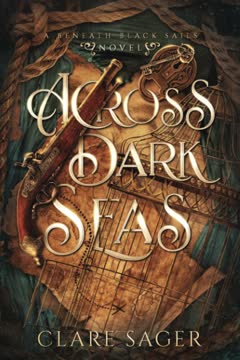
Across Dark Seas is a powerful reimagining of the coming-of-age and adventure genres, blending historical fantasy with a deeply feminist sensibility. At its core, the novel is about the struggle to claim one's identity in a world determined to define and confine. Avice's journey—from obedient daughter to pirate sea witch—is both literal and metaphorical, charting the costs and rewards of self-actualization. The book interrogates the myths of romantic rescue and the limitations of love that does not allow for growth or difference. Through its use of fae heritage, the narrative explores the pain and power of otherness, suggesting that what makes us "wild" or "unruly" is often what makes us most alive. The sea, with its dangers and freedoms, becomes a space where new forms of community and selfhood can emerge. Ultimately, Across Dark Seas is a celebration of resilience, solidarity, and the courage to write one's own story—even when the world insists on a different ending. Its lessons resonate for modern readers: that true belonging comes not from conformity, but from embracing the wild, magical parts of ourselves and forging connections with those who see and honor our true selves.
Last updated: