

Plot Summary
Prologue
Tate lies beaten in a remote cell, staring at the elite hunters she once trusted. Major Black and the others have imprisoned and tortured her after she rejected their attacks on innocents.
As they leave to hunt again, Tate understands that the guild she served is rotten from within. She vows to destroy its corruption, even if surviving means becoming something as ruthless as her enemies.
The opening places Tate’s moral crisis before its causes, making her future vow a question rather than a promise of triumph. Her body has been broken, but the deeper injury is the collapse of the family she believed her unit to be. The prologue also complicates the familiar division between hunter and monster: Tate suspects that the institution claiming to oppose evil has become its instrument. Her decision to become dangerous herself is not presented as a clean transformation. It is a survival strategy with a moral cost, one the story will test repeatedly.
The Recruit Who Won
Four years before the cell, Tate Havelock arrives at Stalkers’ Rest as a lieutenant, carrying her father’s sword and enough concealed weapons to alarm the security staff. She humiliates a recruit who assumes a woman cannot fight, then learns that Commander Shamus Vilaran has personally selected her for Major Black’s elite unit.
Black’s men doubt she will last, but Tate refuses to treat their hostility as a reason to leave. Over four years, she earns her place beside Mav, Ara, Goose, Santos, Wick, and the quiet, newest recruit, Eric. They become the family she missed after her father’s death. On a vampire hunt, Tate’s touch reveals hidden rooms and lets her guide the team to its targets.
Tate enters the guild with competence already earned, but the test is not simply whether she can fight. She must decide how much of herself to expose in a culture that treats aggression as proof of belonging. Her father’s training gives her practical skill, while her concealed sensitivity gives her information no one else can gather. The unit’s eventual intimacy matters because it is built through repeated survival, not instant trust. That history makes the betrayal more than a change of allegiance: it dismantles the emotional home Tate has spent four years constructing.
A Patch in Her Hand
After clearing a hidden vampire room with Eric, Tate finds frightened young vampires who insist they have harmed no humans. She lets them flee, but their account of a murdered girl sends her to a nearby suite. The dead girl is clutching a torn hunter patch.
Tate removes her glove and touches the body, seeing through the victim’s memories as masked hunters torture and kill her for amusement. She recognizes Ara’s voice and then finds Black and the rest of the unit displaying other young victims as trophies.
Eric is helping extract fangs. Tate points her gun at the men she has called brothers and tells them the killing is wrong. Black says command knows and values results over the victims. Santos strikes Tate from behind before she can expose them.
The patch turns a familiar sign of protection into evidence against its wearer. Tate’s gift forces her to experience violence from the victim’s perspective, so she cannot keep the moral distance that lets her unit rename cruelty as duty. The other hunters are not merely hiding misconduct; they have built a shared explanation that makes their actions feel righteous. Eric’s silence shows how complicity can work without equal enthusiasm. Tate’s refusal fractures the group because she rejects both its violence and its permission to call violence necessary.
The Unit Turns
Tate wakes restrained at a black site used by the elite unit, with Black and the others waiting outside her cell. Black wants to know who placed her in his team, convinced her recruitment concealed a larger plan. Tate insists she was recruited for her skill and refuses to change her account. Black breaks her hand, cuts off her long hair, shocks her, carves her thighs, and subjects her to further torture.
Eric watches in shame but does not intervene. When an urgent message from Shamus interrupts the interrogation, Black leaves Tate with broken ribs and a punctured lung, expecting her to die. Tate works a piece of metal out of her injured body and picks the shackle lock. Barely able to move, she drags herself to the exit.
Black’s interrogation is an attempt to recast Tate’s conscience as evidence of conspiracy. If she can be made into a traitor, then the unit need not face the possibility that its own principles have been inverted. The torture also attacks identity through concrete means: her hair, weapons, freedom, and trusted relationships are stripped away. Eric’s failure to act matters because the scene distinguishes remorse from resistance. Tate survives not because the system offers justice, but because she refuses to surrender the right to name what happened to her.
A Bargain in Faerie
Shamus Vilaran carries the dying Tate into the fae realm, breaking the peace treaty between hunters and fae to reach a healer. The healer saves Tate, but Shamus is publicly whipped for his trespass. When Tate wakes and sees him chained on a stone platform, she steps between him and the next blow. The fae queen, Heather, accepts Tate’s offer to free a dangerous captive instead of continuing Shamus’s punishment.
In a cavern, Tate enters the captive’s mind and discovers he is Zeev, Heather’s brother, trapped by his own hunger and his sister’s old decision to contain him. Tate feeds him her blood, helping him regain control and break free. Zeev chooses to follow her into the human world, tied to her by the power she has awakened.
Tate’s first act after being saved is not self-preservation but intervention on behalf of the person who rescued her. The choice is ethically risky: she knows neither the fae’s rules nor what Heather wants, yet she cannot watch another person suffer in her name. Her bargain converts a private debt into a task with wider consequences. Zeev’s release also complicates the idea of evil as fixed nature. His danger is real, but hunger and confinement have intensified it; Tate responds by asking what relief might make possible, rather than treating execution as the only solution.
Blood Beneath the Park
Back in Shamus’s secured quarters, Tate learns that supernatural bodies across the region are appearing drained of blood. She cannot begin her revenge until she knows what is killing them, so she turns to the network of monsters she has quietly befriended. At an all-night café, the ogre owner Car reports rumors from frightened customers.
Simon, a vampire ally, adds that monsters have been avoiding the reflecting pool at Meadows Park. Tate follows that lead despite the new companions pressing around her: Zeev, Ronan, and the newly rescued tempest. At the pond, the water opens into an old portal that has weakened enough for something to feed beyond it. Tate dives through first, entering a sealed underground complex beneath the park.
The investigation makes Tate’s quiet friendships operational. Where the guild’s official intelligence has left a trail of bodies without an answer, a café owner and a vampire friend provide local knowledge grounded in trust. Tate does not gain access by command; she has spent years behaving differently from the hunters who treat every monster as a target. The portal gives the killings a physical source, but it also asks Tate to cross into a space designed to contain danger. Her investigative method is therefore inseparable from her willingness to enter the environments others fear.
The Machine in the Lake
The portal leads Tate to an abandoned laboratory where a huge being of flesh and machinery wakes after she restores power. Old records identify him as Addeus, the result of an experiment by the original vampire king to remove vampires’ feeding limits.
His creators restrained him, let him starve, and abandoned him when the experiment became uncontrollable. Addeus attacks Tate, but she refuses to kill him before understanding what was done to him.
The fae offers a binding spell, at the cost of seeing Tate’s memories; she agrees, then lets Addeus drink from her so the spell will hold. Inside his mind, she tells him he can choose what he becomes. Addeus gives his name and accepts her chance. They close the portal and free him from the laboratory.
Addeus embodies the violence of treating a person as an experiment and then describing the resulting damage as proof that the person was always monstrous. Tate recognizes the structure because she has just been betrayed by people who used institutional authority to excuse brutality. Her decision to bind him is not uncomplicated mercy: it protects others while restricting his freedom. The crucial distinction is that she enters the arrangement with his consent and gives him agency inside it. The rescue therefore tests whether Tate can use power without reproducing the coercion she is fighting.
A Warlock in Chains
Simon brings Tate to Althea, a vampire judge who has seen hunters secretly imprisoning a warlock and draining his magic. She cannot intervene directly, so she asks Tate to rescue him, promising help later if Tate needs it.
Tate traces the hidden holding site to tunnels beneath the southeast hunters’ tower. She enters disguised as a transferred hunter, passes two guards by pretending she wants a share of the profits, then follows the warlock’s screams to a makeshift torture room.
Tate shoots the hunters draining him and frees him from the table. The weakened warlock lashes out at the remaining attackers with dragon-shaped fire, burning them before collapsing. Tate carries him out, adding Jarek to the circle of displaced beings who have chosen to trust her.
Althea’s request shows how the hunters’ corruption has become systemic enough that even powerful allies need an insider willing to cross its boundaries. Tate’s disguise uses the hunters’ own greed as cover, but she abandons it the moment the captive’s suffering becomes undeniable. Jarek’s burst of fire is both defense and a reminder that victimhood does not erase power. Tate rescues him without demanding gratitude or immediate loyalty. That pattern helps explain why her group grows: she offers protection without requiring a newcomer to pretend they are unhurt.
Writ’s Last Request
A ghost boy named Writ asks Tate to save his sister, Fang, from the human who has imprisoned them. Tate finds Fang collared in a basement beside Writ’s dead body. She frees her and retrieves Writ’s spirit, then lets Fang decide what to do with their captor when he returns. Fang mutilates and kills him, but revenge cannot undo her brother’s death.
Writ chooses to leave for the afterlife only after Fang can hear him say goodbye. Tate holds Fang as she grieves, and Jarek burns the house where they were held. Zeev carries Writ to a sacred burial place and creates a grave for his body. Fang joins Tate’s group, not because her grief is resolved, but because she has been given the choice to remain and fight.
Writ’s request reverses the usual rescue story: the dead child is the one who acts, trying to save the living sibling he loves. Fang’s violence against her captor gives her control over the moment, but the scene refuses to mistake retaliation for restoration. Her brother still leaves, and she must grieve him. Tate’s role is to protect Fang’s agency rather than prescribe forgiveness or condemn vengeance. Zeev’s unbargained offer of a grave is significant too; for once, the fae gives something without turning compassion into leverage.
The Commander’s Other Life
With her rescue mission complete, Tate confronts Shamus about why he saved her and why Black suspected her recruitment. Shamus reveals that he remembers many lifetimes and has repeatedly returned to protect the balance between humans and supernatural beings.
He chose Tate because she can make people trust her and because her instincts distinguish harmful monsters from harmless ones. He also explains that her touch-based visions come from an ancient fae bloodline, making her more than an ordinary human hunter.
Tate does not accept his claims blindly, but she agrees to pursue the reform he has been building toward. Shamus gives her access to his intelligence on Black and the wider network of corrupt hunters. Her revenge now has a broader target: an institution that needs to be changed.
Shamus’s revelation reframes his earlier distance as strategy, but it does not absolve him of placing Tate in danger without telling her why. Tate’s response matters: she chooses cooperation only after demanding the truth. His account of her ancestry also gives a lineage to abilities she has treated as private, practical tools. The more important claim is not that she is destined to lead, but that she has learned to distinguish conduct from category. Shamus needs that judgment because his own role is to balance forces, while Tate must decide where protection ends and necessary resistance begins.
The Graveyard of Hunters
Tate follows Shamus’s information to the former base where Black and the elite unit were last reported. She finds a massacre instead: a wolf pack has destroyed the hunters there after they killed its families and children.
A recording from the pack’s leader condemns the hunters’ abuses and warns that monsters will stop accepting them. Tate uses her gift on the bloodied walls and ground, tracing the final fight and concluding that Black and her old unit died there. Her expected chance to punish them herself disappears.
With her anger stranded and directionless, Tate withdraws from the others. Zeev finds her alone, gives her his true name as an act of trust, and offers an intimacy that lets her release some of the fury she has been carrying.
The apparent deaths deprive Tate of the personal ending she has organized her survival around. The wolf pack’s retaliation is understandable, but it also demonstrates the cost of waiting until oppression becomes a massacre. The recorded warning echoes Tate’s own convictions while exposing their limits: she cannot control who delivers justice, only what she does next. Zeev’s true name marks a different kind of relationship from the binding she made with him. He offers trust rather than ownership, giving Tate a moment of emotional release without pretending that grief or anger has been solved.
The Dead Come Back
The apparent end of Black’s unit lasts only until the ghouls attack Tate’s motel. Her former teammates return with altered bodies, blackened veins, and the strength to survive bullets and blades.
Tate’s new companions fight them off long enough for her to escape with Fang, but Black appears on the road and clings to the truck as they flee. Tate knocks him away before they can be trapped. In the woods, Eric stumbles into their camp, begging for help and appearing frightened by his transformation.
Tate ties him to a tree rather than killing him. Jarek identifies the group as ghouls, while Eric reveals that Black had made the unit drink a blue tracking liquid before missions. The liquid was blood from the dead, a hidden safeguard against death.
The return of the unit makes Tate’s earlier certainty painfully premature. Black did not merely survive; he prepared his followers to survive with him, turning their loyalty into a mechanism of undeath. Eric’s frightened appearance tests Tate’s instinct to save even someone who failed to save her. Restraint is not trust, and she keeps him tied while gathering information. The blue liquid also transforms the old unit’s routines into evidence: what once looked like a tactical precaution was a concealed form of bodily control, one that enlisted every teammate in Black’s private refusal to die.
The Blade That Ends
Eric leads Tate’s group to an abandoned electrical station, then admits that his plea for help was bait and that Black’s ghouls are closing in. Tate turns the planned trap into a defensive position, but bullets cannot stop the attackers when they arrive.
Ronan brings an enchanted death blade from Shamus, who has learned that a ghoul must be decapitated with such a weapon. Tate and her companions fight through the old elite unit, and she uses the blade to kill the former teammates who once made her feel safe.
Black escapes the first clash, so Tate follows his blood trail alone. He mocks her father and tries to eat her, but Tate drives the blade through his neck and kills him. Her revenge is complete, though the larger guild remains compromised.
The enchanted blade gives Tate a means to end the ghouls, but it does not make killing them emotionally simple. Each opponent carries a remembered relationship, and the violence that once established belonging now becomes the labor of severing it. Black’s taunts about Tate’s father attempt to turn grief into a weakness he can exploit. Instead, she uses the pain as focus. Killing him settles the immediate betrayal, not the political conditions that enabled him. The distinction keeps the revenge climax from becoming a false resolution: the man is gone, but the institution still requires action.
Heads at the Gate
Tate returns to Stalkers’ Rest carrying the severed heads of Black’s unit. The armed guards and recruits threaten her supernatural companions, while some hunters accuse her of betraying their guild. Shamus calms the confrontation by publicly treating her return as a mission he authorized.
Tate displays the heads and declares that hunters must stop killing innocents under cover of their uniform. Rather than challenge her authority, Shamus kneels before her, signaling that he supports her campaign.
He gives her dossiers on other dangerous hunters, including George Brown, and agrees that she can pursue them. The display quiets the crowd but does not earn universal trust. Tate has forced the guild to hear her warning; now she must demonstrate that she can lead it without repeating Black’s rule by fear.
The heads make Tate’s threat visible, but Shamus’s kneeling gives the moment its political force. He uses a gesture of submission to establish that her authority is not a rogue act against the guild. Tate’s warning is aimed at a whole institution, so it risks collapsing justice into intimidation. The scene keeps that tension alive: fear can stop an immediate attack, but it cannot create durable legitimacy. Her next test will be whether hunters follow because they trust her standards, rather than because they fear becoming the next example on the wall.
The Elite Floor
Hunters challenge Tate’s claim to the elite unit’s former floor, so she enters a public contest against the leaders who want it. She defeats the challengers, including two at once while blindfolded, and then fights Shamus to a draw after refusing to let him dismiss her strength.
The display earns her the floor and makes the hunters reconsider the woman they had treated as an outsider. Later, when a hunter grabs Fang by the hair, Tate breaks his fingers and warns the room that any attack on her companions will be answered.
The response is possessive, but it also makes clear that these beings are not disposable tools in her campaign. Tate’s new authority is both physical and relational: she will not let the guild decide who deserves protection.
The contest speaks the guild’s own language of strength, but Tate refuses to let strength mean mere domination. She wins the floor through demonstrated skill, then uses her authority to establish a boundary around Fang’s safety. Her public defense can look possessive, and the narrative acknowledges that intensity, yet the deeper change is that Tate claims responsibility for the people who have chosen her. Unlike Black, she does not demand obedience as proof of loyalty. She offers protection and expects others to respect the same rule.
A Future in Blood
As Tate and Shamus begin a relationship, he helps her understand the gift she has used only by instinct. Her fae ancestry explains why touch brings memories, and she learns to push visions into another mind during training.
A shared exercise with her supernatural companions sends Tate beyond the room and into a possible future: armed hunters marching against her and her allies beneath a full moon. The vision overwhelms her, but her ancestors tell her that futures can change and that she must strengthen her gifts.
Shamus urges her to investigate corrupt hunters before they can organize. Tate accepts the work, even as she fears that defending monsters may mean fighting her own people. The warning gives the reform campaign a deadline and makes preparation personal.
Tate’s new ability changes memory from a passive record into an intervention: she can place experience inside another person’s mind and potentially alter what they believe. That power is ethically hazardous, especially for someone who has suffered coercion. Training under Shamus gives it a context of choice and limits, though the coming vision shows how quickly personal boundaries can be overtaken by necessity. The ancestors offer no guarantee of rescue. They insist only that possibility remains open, leaving Tate responsible for what she does with foreknowledge.
The Wendigo’s Bait
Shamus’s dossiers lead Tate to George Brown, a hunter whose reckless operations have killed both humans and monsters. In the woods, Tate discovers that George has tied two women to a stump and cut them to lure a wendigo into his rifle sights. She helps Shamus free the captives, then confronts George for using their terror as bait.
Tate sentences him for his repeated crimes and kills him with her father’s sword. The wendigo charges, drawn by the blood, and Shamus uses a silver spear to drive it through the heart. When they return to Stalkers’ Rest, Addeus discovers hunters planning to assassinate Tate and Shamus. He kills the plotters before they can act, confirming that the coming threat is already inside the base.
George’s hunt distills the difference between hunting and cruelty: he uses innocent people not as a last resort, but because their fear pleases him. Tate’s execution is a deliberate exercise of authority, and it raises the question her campaign cannot avoid: who judges the judge? The immediate danger of the wendigo forces cooperation with Shamus rather than a solitary reckoning. Addeus’s discovery then shifts the scale from individual offenders to organized resistance. The guild’s corruption is no longer a file of past crimes; its members are preparing to preserve it through murder.
The Siege Begins Early
Tate’s vision predicts an attack beneath the full moon, but the enemy forces strike before she expects them. With Addeus monitoring the building and Shamus confirming the siege, Tate refuses to let the hunters shelter behind locked doors without choosing a side.
She uses the loudspeakers to explain that the attackers are trying to protect their crimes, then unlocks the rooms and invites the occupants to fight or remain safe. She organizes her team by ability: Addeus tracks the threat, Ronan scouts, Jarek shields the group, Fang summons attackers, and Tem prepares darkness to confuse them.
Shamus obtains weapons and backs her command. The choice allows frightened or undecided hunters to join voluntarily, turning a besieged headquarters into a coalition rather than a trapped unit.
The assault arrives early, exposing the limits of prophecy: knowing the shape of danger does not mean controlling its timing. Tate responds by preserving other people’s agency even when coercion might seem tactically efficient. Unlocking the doors is a political act as much as a defense plan. It asks each hunter to decide whether the uniform stands for protection or complicity. The differentiated assignments also show that Tate’s leadership is not based on being the strongest person in every room. She makes a team from distinct capacities and trusts its members to act.
The Hunters’ Last Stand
The first attackers pour into the building, but Tate’s chosen hunters fight back floor by floor. Tem seals the gym in darkness and destroys the attackers gathered there, while Tate and Shamus lead the surviving defenders outside.
Tate uses her gift across the battlefield, freezing hostile hunters inside their own memories long enough to stop their advance. The pause gives her allies time to arrive: wolves, vampires, fae, necromancers, ghosts, and other beings she once protected answer her call.
Together they drive the attackers from Stalkers’ Rest. Tate survives the battle and sees the hunters and monsters fighting on the same side. The victory does not erase the dead or heal the guild, but it proves the two worlds can defend one another rather than remain enemies.
The climax resolves the book’s central contradiction through action rather than speech. Tate’s power briefly immobilizes the enemy, but it cannot win the battle alone; survival depends on the relationships she built before she knew they would matter. The monster alliance is not spontaneous forgiveness. It is reciprocal aid, earned through earlier acts of respect and protection. By letting hunters and supernatural beings fight beside one another, the story replaces purity tests with accountability: affiliation matters less than what a person chooses to defend.
A Treaty of Queens
After the battle, Tate invites Althea, Quinn, Freya, and Avea to a gathering place from her visions. They represent vampire, wolf, necromancer, and fae interests, while Tate and Shamus speak for the hunters. Tate proposes a treaty based on shared knowledge, mutual aid, and a promise to protect innocents. Each leader cuts a hand and adds blood to the document, making the agreement binding.
Tate stays at Stalkers’ Rest with her chosen family, and the formerly hostile elite floor becomes their home. The treaty does not put one ruler over the others; it gives their separate communities a way to answer danger together. The agreement closes the immediate war and establishes the work that will occupy Tate beyond it.
The treaty turns the novel’s hard-won personal trust into a political structure. Its blood ritual echoes the coercive bindings Tate has encountered, but its signatories participate knowingly and remain leaders of their own people. That distinction is essential: unity is not absorption. The empty space left for future signatories keeps the agreement open to communities not yet represented. Tate’s home at the base also answers the story’s emotional beginning. After losing her original family and unit, she does not return to isolation; she builds a household whose bonds do not depend on shared species or unquestioned obedience.
Epilogue
Six months later, Tate and her team hunt rogue hunters across the world, often arriving before they can harm the supernatural beings they target. On one mission, Tate stops a hunter threatening a shapeshifter, then returns through a portal to Shamus and the crowded home she shares with her companions.
The new treaty has not ended evil or the work of confronting it. It has given Tate allies, a place to return to, and a future she no longer has to face alone.
The epilogue resists the fantasy that a treaty can finish the labor of justice. Tate still hunts, but the purpose of the hunt has changed: she now protects a shapeshifter from a rogue hunter rather than treating supernatural identity as evidence of guilt. Her homecoming is as important as the mission, since action no longer requires emotional exile. The group’s continuing work makes peace an ongoing practice, dependent on vigilance and cooperation rather than a single victory. The ending is hopeful because the world remains dangerous and Tate has people with whom to meet it.
Analysis
Court of Evil asks whether a person can oppose evil without becoming a smaller version of it. Tate’s former unit makes the danger concrete: its members commit atrocities while describing themselves as protectors, and their shared loyalty helps them avoid moral scrutiny. Tate breaks that logic by judging actions rather than species. Yet the novel does not treat her own violence as automatically righteous. She tortures, kills, and threatens; what distinguishes her from Black is not innocence but the limits she tries to preserve, especially her refusal to make entire peoples guilty by category.
The book’s romances and found family are also political structures. Tate’s companions have been confined, exiled, starved, bereaved, or used as tools. Their bonds with her do not arise from sameness. They arise because she offers choices and accepts the risk of trusting beings she cannot fully control. The motif of binding makes that question literal. A soul bond may protect Addeus, and a pact may bring Zeev freedom, but power always carries the possibility of ownership. Tate’s repeated insistence on consent is therefore more than a personal preference; it is an alternative to the guild’s command culture.
The story’s conclusion expands this alternative beyond Tate’s household. The alliance of courts cannot undo past violence, and it does not promise a world without conflict. It creates a mechanism for cooperation before fear turns into another massacre. The open place for future signatories recognizes that no one leader can represent every community. By ending with continued hunts rather than permanent peace, the novel treats justice as maintenance: institutions must keep checking whom they protect, whom they punish, and whose suffering they have learned to ignore.
Review Summary
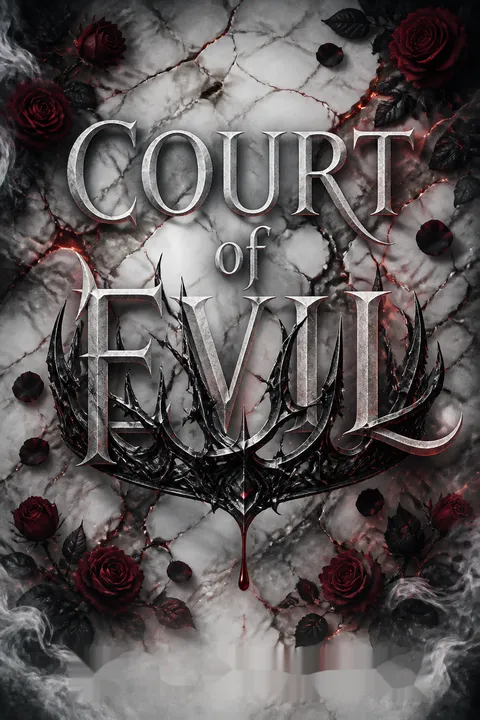
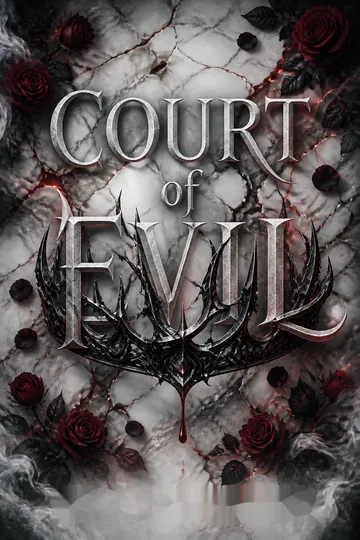
Court of Evil by K.A. Knight is the final book in the Courts & Kings series. Readers praise the strong female lead, Tate, and her diverse group of monster love interests. The book features intense action, steamy romance, and a revenge plot. Many reviewers enjoyed the character development, world-building, and humor. Some highlighted the unexpected FF element. While most gave high ratings, a few felt the relationships lacked depth. Overall, fans of paranormal reverse harem romance found it a satisfying conclusion to the series.
People Also Read
Characters
Tate Havelock
The hunter who bridges worldsTate is a skilled hunter shaped by her father’s practical training and by a lifelong habit of hiding her unusual ability to read memories through touch. She is quick to act, skeptical of authority, and unusually willing to distinguish dangerous individuals from whole groups of beings. Her fearlessness is not the same as invulnerability: she often treats her own survival as expendable and must learn to accept help without mistaking it for weakness. She values competence, honesty, and the protection of innocents, but her anger can make vengeance feel like the only route forward. Her central psychological tension is between the self she was trained to be and the broader moral identity she chooses.
Shamus Vilaran
The commander behind the causeShamus commands Stalkers’ Rest with discipline, patience, and a habit of withholding information until he believes the timing is right. He sees the hunters’ corruption as a structural danger and has spent years building a plan to change the organization from within. His attachment to Tate complicates his strategic restraint: he wants to protect her, yet he also needs her judgment and ability to build trust across supernatural communities. Beneath his controlled public manner is a fighter who will accept punishment and risk if he believes it serves a greater purpose. Shamus is most compelling when his confidence meets Tate’s refusal to be managed; their relationship depends on learning to treat one another as equals.
Ronan
The ever-present ghostRonan is Shamus’s oldest friend and a ghost whose humor disguises loyalty, grief, and a sharp awareness of danger. He can move unseen, pass through barriers, and gather information, but his supernatural freedom is balanced by his connection to Shamus and his inability to rejoin ordinary life. His teasing often breaks tension, yet he notices when Tate is hurt in ways she refuses to admit. Ronan’s devotion is not simply obedience to Shamus; he develops a bond with Tate and chooses to support her directly. He values companionship because he has lost so much of the ordinary future others take for granted.
Zeev
The dangerous fae princeZeev is an ancient fae with immense power, a volatile appetite, and a history shaped by confinement and mistrust. His beauty can make him appear gentler than he is, but he is candid about his cruelty and rarely pretends to be harmless. He tests boundaries through provocation, especially with Tate, whose refusal to fear him gives their relationship an unusual honesty. His true name is a serious act of trust in fae culture, not a casual introduction. Zeev is drawn to strength that does not seek to possess him, and his complicated loyalty makes him both an ally and a source of danger.
Tem
The bound tempestTem is an ancient tempest whose shadow powers can overwhelm a battlefield. He has spent so long under masters that he initially understands affection through service, obedience, and the hope of being useful. Tate’s insistence that he choose for himself unsettles him because it offers a kind of freedom he has not learned to imagine. His eagerness and apparent sweetness coexist with frightening destructive capacity. Tem wants closeness and reassurance, but he is more than the devoted companion others may mistake him for. His relationship with Tate turns on the difficult distinction between freely chosen loyalty and the old expectation that power makes a person someone else’s possession.
Addeus
The engineered vampyrAddeus is a powerful hybrid created through a failed attempt to alter vampire nature with machinery. He has been starved, confined, and treated as equipment, leaving him wary of unfamiliar people and driven by bodily need. Tate recognizes that his violence has a history without pretending it cannot hurt others. He responds strongly to clear boundaries and to being addressed as a person rather than a weapon. His mechanical body gives him unusual strength and access to technology, while his emotional life remains vulnerable to betrayal and restraint. Addeus’s need for safety is intense, and he repays acceptance with fierce protectiveness.
Isabella, called Fang
The grieving succubusFang is a succubus whose power can draw nourishment from desire and pain. She is sensual, perceptive, and wary of men after repeated experiences of being treated as an object rather than a person. Her sharp humor and readiness to fight sit alongside a deep attachment to her younger brother, Writ. She dislikes being reduced to her supernatural nature and values the moments when others ask what she wants before acting. Fang is drawn to Tate’s directness and protection, but she is not merely a love interest or a victim to be rescued. Her strength includes making choices while grieving and deciding what kind of life to build afterward.
Jarek
The exiled warlockJarek is a warlock who believes magic should serve life as well as destruction. Exiled for retaliating against hunters who harmed his people, he arrives carrying both anger and a need to know whether any hunters can be trusted. His magic can attack, shield, and alter the physical conditions around him. Jarek is thoughtful about power and apologizes readily when he believes he has crossed a boundary, sometimes to an excessive degree. Tate’s willingness to rescue him without demanding allegiance helps him imagine a role beyond revenge.
Major Black
The ruthless unit commanderBlack is an elite hunter who prizes results, control, and loyalty to the unit he commands. He can teach effectively and inspire fierce commitment, which makes his authority persuasive even when his moral assumptions become dangerous. He regards supernatural beings as threats by nature and treats dissent as betrayal, allowing him to turn violence into a shared ideology. His interest in Tate is partly tactical: her skills are valuable, and her conscience threatens the system he has built. Black represents the danger of a leader who confuses effectiveness with righteousness.
Eric
The uncertain recruitEric is one of Black’s youngest recruits and initially appears less hardened than the rest of the unit. He looks to experienced hunters for permission and guidance, which makes him vulnerable to the beliefs of those around him. His discomfort with cruelty is visible, but discomfort alone does not make him brave enough to resist it. Eric’s position reveals how institutions recruit by offering belonging and then use that belonging to shape a person’s conscience. Tate once tries to protect him as the newest member of the team.
Mav
The charming elite hunterMav is an outgoing, physically confident member of Black’s elite unit. He uses jokes and easy charm to make a dangerous workplace feel more like a family, and he helps introduce Tate to the unit’s informal culture. Beneath the warmth is a hunter formed by Black’s expectations and by the group’s shared habits. Mav’s first impression makes clear why Tate can become attached to the team: affection and danger are not always separate in the lives of hunters.
Althea
The vampire judgeAlthea is a vampire with authority among her own kind and a strong sense of responsibility for keeping them in line. She is confident enough to host a hunter and discerning enough to see that Tate’s conduct differs from the guild’s reputation. When she cannot intervene in a matter directly, she searches for someone whose position allows them to act. Althea speaks plainly, values competence, and is attentive to political consequences. She becomes an important bridge between Tate and the broader supernatural community.
Simon
The candid vampire allySimon is a vampire who maintains a warm, informal friendship with Tate despite the danger between hunters and vampires. He passes on rumors, contacts, and local knowledge, often softening serious information with humor. His connection to Althea helps Tate enter a world of supernatural politics without relying on official hunter channels. Simon’s trust is practical and personal: he offers help because he knows Tate has treated him and other monsters as individuals.
Quinn
The Red Mountain alphaQuinn leads the Red Mountain wolf pack with intelligence, authority, and an evident commitment to its safety. She does not mistake strength for leadership, and her pack’s trust in her reflects the work she has done among them. The hunters’ violence has given her reason to distrust their organization, so she evaluates Tate cautiously rather than accepting promises at face value. Quinn values directness and has the strategic judgment to recognize when cooperation may protect her people.
Freya
The necromancer building homeFreya is a necromancer trying to create a safe community for people like herself. Her work is shaped by grief, persistence, and the desire to give rejected people a place to belong. She is careful around hunters because their presence has often meant danger, but she remains open to cooperation when it may protect innocents. Freya’s commitment to building a court makes her a political actor as well as a practitioner of death magic.
Heather
The powerful fae queenHeather rules the fae realm with ancient power and a precise understanding of bargains. She expects visitors to respect the rules of her territory and does not disguise the consequences of breaking them. Her dealings with Shamus and Tate combine curiosity with political calculation. Heather is especially attentive to unusual bloodlines and abilities, and she can recognize importance in someone before that person understands it herself.
William Havelock
Tate’s hunter fatherWilliam Havelock was an ordinary hunter who trained Tate with the same seriousness he would have given a son. His skill and principles remain central to how she understands the guild. He wanted to keep his family safe without turning his daughter away from the work she felt called to do. Tate carries his sword and measures herself against the values he taught her.
Writ
Fang’s protective brotherWrit is Fang’s younger brother, remembered as a protective boy who tries to reach help even after death. He is frightened by what has happened to his family but remains focused on his sister’s safety. His request to Tate shows a child’s loyalty surviving circumstances that should have extinguished it. Writ is the emotional center of Fang’s grief and a measure of the compassion she struggles to extend to herself.
George Brown
The violent hunterGeorge Brown is a hunter known for reckless operations and a taste for killing that has little to do with protecting people. He exploits the authority and equipment of the guild while treating civilians and supernatural beings as expendable. His conduct is an example of the hunters Tate intends to remove from the organization.
Car
The ogre café ownerCar owns a café that serves supernatural customers and quietly gathers information from a wide range of visitors. He values his community and business, but his friendship with Tate is strong enough that he risks warning her about the killings.
Plot Devices
Tate’s touch visions
Memory as evidenceTate can receive memories from people and objects through direct touch, which allows her to reconstruct events that official reports conceal. Early in the story, the ability exposes her unit’s murder of innocent vampires. Later, she uses it to trace the fate of Black’s team and develops the power to send visions into another person’s mind. The same gift that makes her an investigator becomes a force in battle, so its growth raises questions of consent and control. Her leather gloves are both practical protection and a reminder that knowledge can wound the person receiving it.
Fae bargains and names
Power through obligationThe fae treat agreements as binding structures with consequences that humans may not fully understand. Shamus breaks a treaty to save Tate and must accept public punishment; Tate interrupts that punishment by offering to free a captive. The bargain brings Zeev back from his mental prison and ties him to Tate’s life. Later, Zeev’s true name carries special weight as a personal act of trust. These bargains make speech and choice materially consequential, while showing how power can be exchanged through sacrifice, deception, or freely offered loyalty.
The blood-bound companions
Power with mutual riskSeveral supernatural allies become connected to Tate through bargains, blood, shared magic, or the bonds of their own natures. She binds Addeus to prevent him from killing indiscriminately, while Tem’s connection comes from the soul fragment he receives when Tate frees him. These ties offer strength and protection, but they also create vulnerability: the group’s lives and choices become entangled. The book repeatedly tests whether a bond is mutual or coercive. Tate’s answer is to insist that her companions remain people with choices, even when their abilities could make them weapons.
Dead blood and the ghoul blade
A hidden path past deathBlack’s blue tracking liquid is secretly blood taken from the dead. The unit consumes it before missions, unknowingly participating in the process that allows its members to return as ghouls. Ordinary weapons cannot reliably stop them, so Tate needs an enchanted death blade and must remove their heads to kill them. The device links Black’s obsessive desire to survive with the transformation of his entire unit. It also turns a routine piece of hunter procedure into evidence that the guild has trusted its commander with its bodies as well as its loyalty.
The ancestral vision
A warning that can changeTate’s fae inheritance allows her to see a possible future of hunters attacking her and her allies. The vision gives the story a looming deadline, but her ancestors warn that it is not fixed: choices can redirect events. This prevents prophecy from functioning as a simple plot map. Tate must still interpret what she sees, decide whom to trust, and prepare without knowing which actions will fulfill or prevent the danger. The vision turns her private talent into a responsibility shared with the people she hopes to protect.
Courts & Kings Series
About the Author
Other books by K.A. Knight

Download PDF
Download EPUB
.epub digital book format is ideal for reading ebooks on phones, tablets, and e-readers.








