


Plot Summary
Prologue
In the Evergreen Wood, Aria, goddess of Bel’arán, tells her Shirán that Fel’annár1 must return safely and protect the hidden Source. His spontaneous power to wield light makes him vital, while a Spirit Catcher may have escaped from Naz’arán and threaten their world.
Aria’s servants discuss the costs of their service, including Lainon25’s separation from Tensári11 and the unresolved grief of those who have lost loved ones. A hooded carver objects that the past cannot be changed, but resolves to prevent its worst mistakes from happening again. Aria vanishes, leaving the Shirán to prepare for what comes next.
The prologue frames the coming war as a test of both worldly defense and divine restraint. Aria has immense knowledge but cannot simply intervene; she must work through beings who can choose, suffer, and fail. The hooded carver’s resolve introduces a counterforce to obedience: memory can become a reason to act differently, even when it cannot undo harm. Lainon’s devotion to Tensári likewise makes the Shirán’s service intimate rather than abstract. The danger of the Spirit Catcher gives the metaphysical setting a concrete vulnerability, while Fel’annár’s importance is established as a burden with consequences for everyone around him.
Pan’assár’s Last Blade
In the aftermath of the northern war, Kah Master Gor’sadén2 grieves Commander Pan’assár, his brother in all but blood, and wonders whether death reunites the friends they lost. He takes up Pan’assár’s long sword while Fel’annár1 receives the matching short blade, a legacy that makes the dead commander’s influence tangible.
Fel’annár1 and his companions rebuild Abiren’á, but Gor’sadén2’s dreams keep showing the Warlord1 in danger and Pan’assár dying with an unexplained regret. When Fel’annár1 promises to honour the blade’s former owner, Gor’sadén2 finally speaks openly of his grief and agrees to remain at his side. Their homeward journey is still being prepared when reports from Pelagia begin to turn victory into a new crisis.
The opening makes inheritance more than a ceremonial transfer. The swords carry the unfinished work of the dead into a future they cannot witness, while Gor’sadén’s grief obstructs his confidence in that future. Fel’annár’s response is not to offer easy comfort but to give Pan’assár’s memory a practical role in his own life. That act lets Gor’sadén speak, and speaking allows him to recommit to his living responsibilities. The turn from rebuilding to fresh danger also establishes the novel’s rhythm: every pause for mourning or recovery is vulnerable to another demand.
Blue Fire, Burning Sea
Across the sea, the Calrazian commander Gra’dón6 tests his fire lances against Pelagia’s blue defensive fire. The weapons combine in a vast explosion that destroys the Pelagian fleet and leaves the island exposed.
Captain Airen orders civilians evacuated, sends one lieutenant to protect the remaining fire stores, and stays behind to steal a lance that might help Pelagia’s allies. Gra’dón6 occupies the port and captures Airen, determined to learn the secret of the fire.
Watching from hiding, former Shadow Macurian15 chooses rescue over self-preservation. He steals a lance and Black Sand, breaks Airen out of the dungeons, and hauls him toward the mainland. His journey toward redemption now carries the only captured weapon that could offer Ea Uaré a defense.
The catastrophe is created by a meeting of technologies, not by a failure of courage. Pelagia’s own protective weapon becomes the catalyst for its defeat, exposing the danger of treating a familiar defense as permanently safe. Airen responds by protecting knowledge even at the cost of his life, while Macurian’s rescue marks a change in motive through a concrete risk. He does not erase his past; he begins to answer it with action. Gra’dón, meanwhile, wants the weapon because conquest for him includes studying, possessing, and improving whatever his enemies have made.
Refugees and Hidden Knives
As the northern army remains away, Crown Prince Rinon5 tries to gather defenders and move refugees from the coast toward Ea Uaré. Captain Sorei21 rides ahead with news of the invasion, while Commander Turion12 closes ranks around a city threatened by Deviants and too few trained warriors.
At home, Thargodén4’s children prepare for war: Princess Maeneth8 returns to military service, and she and Tar’eastór prince Sontúr9 admit their love. Novice Vasanth,22 daughter22 of Captain Bulan14 and cousin to Fel’annár,22 earns a place in a patrol despite her youth and the doubts of her peers.
Beneath the city, imprisoned Illicit Kah warriors become the focus of Lord Draugolé’s escape scheme. With the army absent, both invasion and internal treachery threaten the kingdom.
The city’s weakness is political as well as military. A depleted army, unsettled refugees, and a prison full of manipulated fighters expose how war exploits institutions already strained by past injustice. The younger characters respond differently: Maeneth and Sontúr commit to one another in a moment when safety is uncertain, while Vasanth insists on proving her service through merit. Their choices counter the cynicism of Draugolé, who sees crisis as an opening for power. The plot therefore establishes two kinds of defense: the visible one on the walls and the quieter work of deciding who can still be trusted.
Old Hag’s Hidden Brood
On the river journey home, Fel’annár1 receives broken warnings through the trees about danger in the south, but he cannot yet understand their source. At Old Hag, vines drag him into an abandoned mine, where pale Reapers and their hatchling serpents immobilise him and begin feeding. Gor’sadén,2 Tensári,11 and The Company descend after him, cutting through the plant that holds him and fighting the creatures in darkness.
When Reapers swarm the escape platform, Fel’annár1 summons blinding white light; the creatures fall away, allowing his friends to pull him to safety. He identifies the attack as a breeding colony and deciphers the warning: a fourth Nim’uán is coming from the sea. The victory in the north was only half the war.
The cave makes Fel’annár’s gift inseparable from his vulnerability. His ability to hear the forest draws him toward danger, yet the same instinct helps him identify the Reapers and summon the light that saves the group. The rescue is collective: Gor’sadén leads the fight, Tensári and Idernon reach him, and The Company keeps the platform moving. This matters psychologically because Fel’annár’s growing power does not make him self-sufficient. The revelation of a fourth Nim’uán also changes the meaning of the northern victory from conclusion to costly preparation.
Aria Names the Light
After the mine attack, Fel’annár1’s exhausted body falls asleep, but his mind meets Aria in a vision of the Evergreen Wood. She confirms that he is Ber’anor, destined to guard a hidden Source, and that his power is the forest’s light, not an isolated trick. She explains that his communication with Listeners can grow into a shared mental place and warns him that an army of Shirán waits as a last resort.
Fel’annár1 must protect the Source without revealing the Shirán unless the war leaves no alternative. Aria also predicts heavy rain that will swell the Calro and speed the return journey. Fel’annár1 wakes with a clearer mission, though he still does not understand the full limits or cost of his gift.
Aria’s explanation converts a frightening anomaly into an obligation, but it does not grant Fel’annár mastery or certainty. His power is relational: trees, Listeners, and the Sisters enable it, and the Shirán remain both allies and a secret he must protect. The warning about divine restraint mirrors Fel’annár’s own need to choose how much power to use. Even the swollen river becomes part of the moral problem, because a faster return helps the city but does not make the coming conflict less dangerous. Knowledge gives him direction, not control.
The River Turns Urgent
Fel’annár1 pushes the returning army down the Calro while his connection to the trees grows. He can project himself to Listener Yerái in the north, letting the captain see and speak with him across the forest. He also hears Taniq,16 a Listener in Ea Uaré, and begins arranging a shared mental council with her and Turion.12
Lainon25 returns with news that Gra’dón6 leads thousands, including Gas Lizards, trained Hounds, and a strange whip. Gor’sadén,2 whose visions have centred on Fel’annár,1 finally recognises himself as a Ber’anor with a purpose tied to the Warlord.1 The swollen river carries the army faster than expected, but every message confirms that the city has little time to prepare.
Communication becomes a form of power before the battle begins. Fel’annár’s expanding skill can cross distance without moving bodies, allowing scattered defenders to coordinate, but it also burdens him with more knowledge than he can easily process. Gor’sadén’s discovery recasts his grief as part of a larger relationship to Fel’annár, without making Pan’assár’s loss less painful. Lainon’s report widens the threat from an invasion to an ecosystem of weapons and creatures. The river’s speed offers tactical hope, but the news makes clear that information can shorten distance without eliminating danger.
A Prince Saves Refugees
Rinon5 escorts Pelagian refugees toward Ea Uaré with too few warriors to protect them. A pack of enormous, harnessed Hounds attacks at night, killing seventeen defenders. Rinon5 helps bring one down and saves Lieutenant Jarabon, a Silvan veteran whose distrust reflects decades of Alpine favoritism. Jarabon admits he wants recognition more than an apology, and Rinon5 promises to prove the army has changed.
Macurian15 then confesses that he once tried to kill Fel’annár,1 but Rinon5 keeps him under watch because he rescued Airen and fought the Hounds. Meanwhile, Deviants attack the civilians bound for Sen Garay. Listener Narosén calls to Fel’annár,1 who moves the forest from afar and shields the fleeing people from the attackers.
Rinon’s leadership develops through acts that answer old grievances rather than deny them. He cannot undo the treatment Jarabon endured, but he offers the veteran a place where his service can matter. His choice to keep Macurian close is similarly pragmatic, not sentimental: the former Shadow has done useful work, but trust remains provisional. Fel’annár’s distant intervention at Sen Garay enlarges his reach while preserving a crucial distinction: the trees protect those who enter, not those still exposed on the plains. Both princes earn loyalty by accepting responsibility for people beyond their immediate circle.
Kings Beneath the Sea
While the Pelagian kings and General Axata hide beneath their conquered island, Shirán leader Ket’subá reaches them with a plan to help Ea Uaré. The kings agree that their Pelagian Fire could counter Gra’dón6’s invasion, but it cannot safely travel over land and the enemy controls the sea.
Ket’subá insists that the Evergreen Wood is no route, since it would kill intruders before they reached the city. He proposes transport by air, then begins working out how. Lainon25 scouts the region and confirms that the kings survive, while Fel’annár1 prepares the returning army for war. The Fire remains uncertain, but the effort to move it creates a chance the besieged kingdom otherwise lacks.
The kings’ survival keeps Pelagia from becoming merely a defeated setting; it remains a political ally with knowledge and agency. Ket’subá’s proposal is valuable because it treats a constraint as a design problem, while his refusal to use the Evergreen Wood preserves a boundary that has spiritual as well as tactical meaning. The scene also distinguishes the Shirán from conventional commanders: they know the hidden geography, yet cannot simply command every outcome. Their ingenuity offers hope, but the plan’s practical success remains uncertain until the battle demands it.
Warlord Comes Home
Fel’annár1 reaches Ea Uaré with the surviving northern army, and exhausted citizens greet him as their Warlord.1 He reunites with Llyniel,3 his soulmate,3 and meets the family he has only recently begun to claim. In the king’s garden, he reveals that the hawk Azure is the returned Shirán Lainon.25
Lainon25 then takes his elven form before Thargodén,4 Handir,7 Maeneth,8 and the others, giving Turion12 and Handir7 back a friend they had mourned. The welcome is brief. Rinon5 reports the scale of Gra’dón6’s force, Turion12 orders the city fortified, and Fel’annár1’s party must return to duty. Their first task is to decide whether the imprisoned Illicit can be trusted to fight.
The homecoming gathers several kinds of belonging into one place: romantic, familial, civic, and spiritual. Yet none can be enjoyed for long, because the city is already preparing for siege. Lainon’s return gives the family a visible example of life beyond death, but it does not erase grief or explain the Shirán fully. Fel’annár’s public role also contrasts with his private need for connection; he receives the people’s welcome while immediately being asked to lead them into danger. The scene makes home both a refuge and a responsibility.
A Family of Serpents
Listener Taniq16 learns that the portrait Fel’annár1 recovered belongs to her abducted daughter Ankelar, mother of the Nim’uán. She walks into Gra’dón6’s camp to ask what happened to her child and discovers that he is her grandson.6 Gra’dón6 tells her Ankelar became a captive of the Calrazian king, bore four sons, then died by suicide after fearing what her children would become.
Taniq16 stays with Gra’dón,6 hoping to understand her daughter’s life. When she later sees him torturing prisoners, she recognises the monster as well as the kin and takes her own life. Her death deepens Gra’dón6’s grief and hardens his drive for vengeance as he approaches Ea Uaré.
Taniq’s discovery turns the enemy from a distant threat into a family tragedy, but kinship does not dissolve the moral difference between her and Gra’dón. She seeks knowledge and connection; he answers her with a history of coercion that helps explain his rage without excusing his cruelty. Her decision to stay is a desperate attempt to recover a relationship that cannot be restored. Witnessing his torture forces her to confront what he has become. The episode shows how inherited pain can be transmitted as violence, while understanding the origin of that violence does not make it harmless.
Rebels Earn a Trial
Macurian15 investigates deaths in the prison and discovers that Draugolé has convinced the Illicit Kah warriors they are sentenced to death, intending to use their fear in an escape and coup. Handir7 finds evidence that Nestar and Guild Master Melu’sán may have poisoned food, though the mass deaths came from contaminated soup rather than a targeted attack.
As Gra’dón6 closes in, the king4 allows Macurian15 to speak with the prisoners before the trees. Ben’saré explains that Band’orán deceived them into believing their treason served the realm. Fel’annár1 detects no lie, and Turion12 permits the Illicit to fight under guard and red sashes. Macurian15 accepts responsibility for them, turning former traitors into a cautious, conditional defense force.
This decision rejects the comforting idea that guilt is either permanent or easily erased. The Illicit are not declared innocent; they are given a constrained opportunity to serve and must still face judgment later. Macurian’s insight comes from having travelled a similar road, but he earns no automatic forgiveness. Handir’s investigation likewise separates evidence from suspicion, showing how fear can be exploited by both conspirators and rulers. In a crisis, the kingdom must decide whether justice means exclusion or a supervised chance to repair harm.
Smoke Over the Walls
Before Gra’dón6’s army attacks, a foul fog rolls toward the city carrying thousands of red-eyed beetles. The insects penetrate an elf’s body and kill him from within, forcing the defenders to seal themselves inside the Inner Circle. The beetles also destroy the city’s trebuchets, leaving the defenders without their main long-range weapons.
Idernon17 recognises the strange scent of cinnamon, citrus, and cloves as a possible repellent; Sontúr9 proposes burning it through the chimneys. At midnight, smoke drives most of the swarm away, allowing the defenders to emerge. They find the ruined machines and the mutilated bodies of Nestar and Melu’sán. Gra’dón6 has crippled the city’s preparations before bringing his army to the walls.
The swarm attacks more than bodies: it steals time, equipment, and the defenders’ confidence in ordinary forms of combat. The first death makes the threat intimate and difficult to understand, while the destroyed trebuchets create a concrete strategic cost. Idernon and Sontúr respond by using observation and knowledge rather than brute force, but their solution only clears the way for the next attack. Gra’dón’s methods make fear operational: panic is not incidental to his campaign but a means of exhausting the people before his soldiers arrive.
Turion Falls, Gates Break
Gra’dón6’s army advances under trebuchet fire. Synth-tipped ballista lances destroy some engines, but the eastern wall cracks, and Gas Lizards climb through the breach. Sontúr9 is flung over the wall while trying to protect Maeneth8’s position; Fel’annár1 and Ramien18 haul him back as Idernon17 and others fight to hold the battlements.
At the gates, Hounds and Sand Lords force their way through, and Rinon5 is buried beneath falling masonry. Turion12 keeps issuing orders until chieftains attack Thargodén.4 He shields the king4 and dies from their blows. Fel’annár1 must leave his grief and take command as the defenders face enemies inside the city and on the walls.
The battle dismantles the defenders’ carefully built plan piece by piece. Their technology can hurt the enemy, but cannot prevent the breach; individual acts of rescue preserve lives without reversing the larger collapse. Turion’s death is especially costly because he has been both commander and mentor to Fel’annár. The Warlord must move from grief to action before he is emotionally ready. This transition does not suggest that a leader should feel less; it shows how command requires carrying grief while making immediate decisions for others.
Sails Ignite the Siege
With the siege towers closing and the gates failing, the Shirán arrive carrying sails impregnated with Pelagian Fire. They drop them over Gra’dón6’s troops beyond the walls, and Fel’annár1 channels the forest’s light to ignite the volatile substance without engulfing the defenders.
Blue fire sweeps through the enemy ranks and destroys the remaining siege towers, turning an imminent defeat into a chance to fight back. Fel’annár1’s power also shields The Company from the blast, but using it drains him. The Shirán’s intervention reveals itself to the people, while the battle continues inside the city. The fire has changed the balance, but Gra’dón6 and his chieftains have not yet been stopped.
The rescue depends on cooperation between kinds of knowledge: Ket’subá’s aerial solution, Pelagian expertise, the Shirán’s flight, and Fel’annár’s ability to wield the light. No single power is sufficient. The fire is both weapon and risk, since it can destroy the forest along with the enemy if mishandled. Its use also makes the Shirán visible, changing the world’s understanding of what is real. The victory is therefore tactical but not simple; it buys a chance at survival while creating a new public truth.
Turion Falls, Gates Break
Despite the fire, Gra’dón6’s surviving forces keep pressing through the gates and onto the walls. The Illicit defend Rinon,5 and Sorei21 fights beside them until the prince5 is pulled from under the rubble. At the eastern wall, Fel’annár1’s power helps him survive a fall and kill another Gas Lizard, but the fighting continues to overwhelm the city.
Turion12 dies protecting Thargodén,4 and Fel’annár1 takes responsibility for the defense while the king4 and Maeneth8 are escorted to the Halls. Gra’dón6’s remaining chieftains seek the royal family, hoping to force surrender. The Shirán pursue the Nim’uán, while Fel’annár1 confronts him near the plateau, where Telzorán threatens both the Warlord1 and the hidden Source.
The military crisis becomes personal as the enemy shifts from conquest to hostage-taking. The royal family’s safety and the city’s survival are no longer separate concerns. Sorei’s protection of Rinon and Turion’s defense of Thargodén make loyalty visible through physical risk, while Fel’annár inherits command in the moment his mentor is lost. The plot also narrows toward the central metaphysical danger: Telzorán is not merely a weapon against individuals, but a threat to the boundary that keeps the worlds intact.
Telzorán at the Edge
Gra’dón6 reaches the plateau and attacks Fel’annár,1 Tensári,11 and Idernon.17 Tensári11 and Idernon17 fall defending him, and the Nim’uán binds Fel’annár1 with Telzorán while pinning his leg to the ground. Fel’annár1 draws on the forest’s light, breaks free, and kills Gra’dón6 with a concentrated blast.
But the plateau fractures under the Liminal’s emergence, and Fel’annár1 plunges into the Evergreen Wood as the dragon’s fire consumes the broken ground. Lainon25 and the others cannot reach him before he disappears. The city survives because the invading army is defeated and the Motherland arrives, yet the victory costs Fel’annár1’s life as far as everyone can tell.
The climax joins the intimate and cosmic stakes. Fel’annár’s fight is not only for his family or kingdom; he must keep Telzorán away from the Source. His victory over Gra’dón resolves the military threat at its center, but the cost appears final. The Liminal’s return suggests that the forest’s power has its own rules and purposes, not simply obedience to Fel’annár. The ending of the battle therefore produces neither uncomplicated triumph nor despair, but a painful uncertainty: the people are saved, while the person who made their survival possible is gone.
Harbour Between Worlds
Fel’annár1 wakes in a strange in-between realm called Harbour, badly injured and missing much of his memory. His grandfather Or’Talán, now revealed as the Liminal and a Shirán, tends to him and explains that he has crossed beyond ordinary life. Or’Talán gives him Lássira’s journal, the other half of Thargodén4’s emerald ring, and a letter meant to bring his father4 closure.
Fel’annár1 gradually reads his mother’s account of her love for Thargodén,4 her isolation, and her fear of the people pursuing her. The diary confirms that she loved her child and that Or’Talán tried to protect them. Fel’annár1 eventually returns to Bel’arán, though the experience leaves his memory and body profoundly altered.
Harbour makes survival depend on a difficult passage through memory. Fel’annár returns not by denying what happened but by recovering the story of his mother and understanding the decisions that shaped his childhood. The journal turns private grief into evidence: his parents’ separation was not a lack of love, and his grandfather’s role was more complicated than the child’s resentment allowed. Or’Talán offers objects rather than complete explanations, trusting Fel’annár to carry them into the living world. The return is a gift, but it also imposes a burden of secrecy and interpretation.
A Prince and a Future
After recovering in the Evergreen Wood, Fel’annár1 returns to a city that believes him dead. His arrival reunites him with Llyniel,3 his family, and the surviving members of The Company. He gives Thargodén4 the journal, letter, and reunited emerald ring, allowing the king4 to understand that Or’Talán never rejected him and that Lássira loved him.
Thargodén4’s bond with Lássira returns, and he plans to leave for the next world once Rinon5 is ready to rule. Fel’annár1 and Llyniel3 are crowned prince and princess, while Rinon5 and Sorei,21 and Maeneth8 and Sontúr,9 face futures together. The surviving warriors rebuild the army and city, and Fel’annár1 completes the Final Set, becoming a Kah Master.
The return transforms survival into repair. Fel’annár does not simply resume his old role; he brings back the evidence that lets his father revise a lifetime of grief. Thargodén’s decision to pass the crown to Rinon acknowledges that love for Lássira and duty to the kingdom now point in different directions. The coronation answers the opening’s question of belonging: Fel’annár’s lineage is publicly recognised, but his worth has already been proved through service. Rebuilding and the Final Set shift the story from emergency to continuity, without pretending that loss has disappeared.
A Promise Takes Wings
After the coronation, Fel’annár1 asks Lainon25 what was promised during the moments he cannot remember. Lainon25 explains that Fel’annár1 died, entered Harbour, and chose to return in exchange for a later duty to Aria. He has one final life in Bel’arán before deciding whether to serve as Shirán.
The promise explains the missing memories and the extraordinary return, but does not dictate how he must live the years he has been given. Fel’annár1 chooses to embrace both his love for Llyniel3 and his continuing service. At the forest edge, he steps into the light with Lainon25 and the Shirán, transforms into a winged being, and flies above the world he once defended from the ground.
The ending refuses to treat survival as a return to the old self. Fel’annár has gained a life with Llyniel and a place in his family, yet he also accepts that his identity extends beyond crown, army, and forest. His choice matters because Aria’s power does not erase agency: she can offer a path, but Fel’annár must consent to it. The final flight completes the book’s movement from a hidden child struggling to belong to a figure who can choose among worlds. Love remains his anchor, not a substitute for duty.
Analysis
Destiny of a Prince makes inheritance a living problem rather than a stable source of authority. Fel’annár1 is repeatedly told who he is by blood, prophecy, and other people’s expectations, but his legitimacy is established most persuasively by what he does: protects civilians, accepts responsibility for an army, and uses extraordinary power to defend a boundary he barely understands. The book’s political repair follows the same logic. Rinon5’s reconciliation with Silvan veterans requires public acknowledgement and changed practice, while the Illicit are offered a limited path back through service rather than a simple declaration of innocence.
The fantasy system also insists that power is relational. Fel’annár1’s light depends on the forests, his training, and the company around him. The Shirán’s intervention is decisive, yet it demands disclosure of a hidden order and alters what the world can believe. Even divine authority is constrained by rules, leaving ordinary beings to absorb the cost. The story’s magical spectacle therefore intensifies, rather than erases, questions of consent, responsibility, and consequence.
Its emotional centre is the repair of interrupted bonds. Gor’sadén2 learns that his lifelong grief has a larger meaning; Thargodén4 receives proof that Lássira loved him; Fel’annár1 discovers he was wanted even when the adults around him failed to tell him so. These revelations do not restore lost years or revive everyone who dies. They make it possible to carry loss without letting it dictate every future choice. The final transformation into Shirán complicates the promised domestic future, but does not invalidate it: Fel’annár1’s lasting motive is love, expressed through both intimacy and service. The book imagines peace not as an end to duty, but as the chance to choose what one’s duty will mean.
Review Summary
Destiny of a Prince receives high praise as the epic conclusion to The Silvan series. Readers laud the character development, world-building, and emotional depth. Many found it a satisfying end to a beloved saga, with intricate plotlines and engaging battles. Some noted the book's length and occasional pacing issues, but most agreed it was worth the journey. Fans appreciated the poetic writing style and the series' ability to evoke strong emotions. Overall, it's considered a fitting finale to a cherished fantasy epic.
Characters
Fel’annár
Forest-born heirA young Silvan warrior raised by Amareth23, Fel’annár begins with a modest wish to prove himself in the army and understand why he feels different. His rare ability to hear and influence the forest grows alongside his skill in the Kal’hamén’Ar. He is thoughtful, self-doubting, and inclined to place other people’s safety above his own, but he is not passive: he repeatedly chooses responsibility when retreat would be easier. His ties to Gor’sadén2, The Company, Llyniel3, and his newly discovered family shape his sense of identity. Fel’annár’s central tension is how to accept extraordinary power without allowing it to erase his humility or his need for ordinary human connection.
Gor’sadén
Kah master and fatherCommander general of Tar’eastór and the last surviving member of The Three, Gor’sadén is a disciplined veteran whose grief over Pan’assár is expressed through relentless work and troubling dreams. He becomes Fel’annár1’s Kah Master and chosen father, guiding him through both combat and the unfamiliar responsibilities of leadership. His loyalty is practical as well as emotional: he trains, advises, and stays when Fel’annár1 needs him. Beneath his formidable command presence is a man asking what remains of his purpose after the death of his closest friend. His bond with Fel’annár1 gives him a new direction without cancelling his grief.
Llyniel
Healer and soulmateLlyniel is the Lestari, the leading healer of Ea Uaré, and Fel’annár1’s soulmate1. Her work demands precision and emotional control, but her attachment to Fel’annár1 is neither detached nor passive. She keeps functioning through war by focusing on the wounded, even while she fears what may happen to the man she loves. Llyniel is direct, capable, and willing to challenge those who mistake care for weakness. Her future with Fel’annár1 rests on a shared dream of a home close to the forest, but she also understands that his responsibilities cannot be separated from the life they hope to build.
Thargodén
King between two familiesKing of Ea Uaré and father of Rinon5, Handir7, Maeneth8, and Fel’annár1, Thargodén carries a long grief over Lássira and the years they spent apart. He is a ruler who prefers civilian responsibilities to war, yet he accepts the danger of command when his people are threatened. His relationship with Fel’annár1 is complicated by lost time and the boy’s painful upbringing, while his other children have also borne the cost of his sorrow. Thargodén wants to repair what can be repaired, but he learns that love cannot simply restore the past. His strength lies in continuing to serve even when personal happiness seems beyond reach.
Rinon
Crown prince and commanderThargodén4’s eldest son and crown prince, Rinon is an accomplished commander whose disciplined exterior once concealed resentment and emotional distance. He has to lead civilians and a thin force under impossible conditions, while confronting the history of Alpine privilege that has alienated many Silvans. His bond with Sorei21 draws him toward a more open expression of feeling, and his growing acceptance of Fel’annár1 begins to mend the royal family’s divisions. Rinon measures himself by his duty, but the novel challenges him to understand that leadership also means acknowledging past harm and allowing others to stand beside him.
Gra’dón
Calrazian invaderGra’dón is a brilliant, imposing Calrazian commander who plans his invasion with patience and military precision. He studies his enemies, adapts when his weapons fail, and uses fear as deliberately as force. His immense stature and serpent-like features make him appear monstrous, but grief and a hunger for belonging complicate his self-image. He believes conquest can answer the injustice done to his family and to others denied passage between worlds. That belief does not excuse his cruelty; it helps explain why he sees domination as both revenge and justice. Gra’dón is most dangerous when he treats his private wounds as a mandate to punish whole peoples.
Handir
The thoughtful princeHandir is Thargodén4’s second son, a careful reader of motives who excels at politics and investigation rather than combat. He helps Fel’annár1 navigate the royal family and is among the first of the Alpine siblings to accept him as a brother. His intelligence is not merely decorative: he investigates prison deaths, identifies how Draugolé manipulates the Illicit, and takes responsibility for civilians during the siege. Handir can be overlooked beside his warrior relatives, but his capacity to organise, interpret, and lead makes him essential. He must learn that a noncombatant can still bear a kingdom’s future.
Maeneth
Princess and alchemistThargodén4’s daughter, Maeneth combines royal authority with a fierce scientific curiosity. She returns to military service when the city needs her knowledge, studies Gra’dón6’s fire lance with Sontúr9, and helps develop blasters for the defenders. Her relationship with Sontúr9 grows amid uncertainty, but she refuses to let political expectations define what they share. Maeneth is also perceptive about her family, especially Rinon5’s guarded feelings and Thargodén4’s need for reconciliation. She brings practical invention and emotional candour to a family whose members often hide what they most need to say.
Sontúr
Healer-prince and warriorA prince of Tar’eastór, Sontúr is both a healer and a capable warrior, with a scientific mind that helps him investigate the captured fire lance. His wit can puncture tension, but it does not make him careless; he takes danger seriously and uses his training to keep others alive. His love for Maeneth8 develops into a bond that must cross the political boundary between their realms. Sontúr belongs to The Company by friendship and instinct, even while his royal duties and healing skills pull him elsewhere. He is often the one who sees the practical cost of a decision before others do.
Lainon
Returned Shirán warriorLainon is an old friend of Turion12 and a protective brother figure to Fel’annár1. His first life left him bound by a deep love for Tensári11, while his service as Shirán gives him knowledge and abilities he cannot freely explain. He is a capable scout, a careful adviser, and often the bearer of truths that others are not ready to hear. Lainon’s restraint can frustrate Fel’annár1, but it comes from divided obligations rather than indifference. His central conflict is how to serve Aria without surrendering the intimate attachments that make such service meaningful.
Tensári
Ber’ator and blade masterTensári is a formidable warrior and Fel’annár1’s Ber’ator, a bond expressed through vigilance, trust, and readiness to protect him. Her relationship with Lainon25 makes her intimately aware of the cost of serving across worlds. She is controlled, perceptive, and sparing with words, but her composure does not mean she feels less than others. Tensári understands that grief and love can coexist with duty, and she helps Fel’annár1 face danger without treating him as invulnerable. Her experience gives her a quiet authority among warriors and a particular insight into what service asks of those who love.
Turion
Fel’annár’s first commanderTurion trains young recruits before becoming commander general of Ea Uaré. He recognises Fel’annár1’s promise early and helps guide him through the confusing first signs of his abilities. Turion is disciplined, observant, and skilled at concealing his emotions when his warriors need steadiness. His friendship with Lainon25 and loyalty to Thargodén4 are central to his identity, but his deepest investment is in the people entrusted to his command. He sees leadership as a duty that includes preparing others to surpass him, even when that means accepting risks he would rather spare them.
Hobin
Ari commander and guideHobin is a senior Ari’atór and an experienced guide to the divine duties that shape Fel’annár1’s life. He knows more about the worlds and their rules than he is permitted to reveal, which makes him measured and sometimes frustratingly cryptic. His past bond with Zéndar leaves him with grief he carries quietly, while his role requires him to interpret faith without pretending it removes suffering. Hobin values restraint, but he is not cold: he watches over Fel’annár1 and others with a compassion disciplined by long service. He serves as a bridge between ordinary military life and the hidden structure behind it.
Bulan
Silvan captain and uncleBulan is Fel’annár1’s Silvan uncle, a respected captain and a steady presence in the army. He trains and commands with the practical knowledge of a veteran, but his greatest loyalty is to family and the forest communities that have too often been overlooked. His relationship with Fel’annár1 is affectionate without being possessive; he lets his nephew become his own kind of leader. Bulan’s daughter Vasanth22 inherits his martial tradition, and his pride in her is tempered by concern for the dangers she chooses to face. He represents the family and people Fel’annár1 returns to defend.
Macurian
A Shadow seeking redemptionMacurian is a former Shadow whose life has been shaped by violence, mercenary work, and the loss of his brother. His failed attempt to kill Fel’annár1 forces him to see the distance between the honour he once valued and the person he has become. He does not expect easy forgiveness, so he tries to make amends through risky, practical service: rescuing Airen, recovering a fire lance, and helping the Illicit. Macurian is sharp-eyed, irreverent, and more compassionate than his scarred appearance suggests. His struggle is not to prove he was never a traitor, but to become someone who no longer chooses betrayal.
Taniq
Listener and grieving motherTaniq is a Listener from Ea Nanú, able to hear the trees and pass warnings to those who can act on them. She is a private, thoughtful woman whose long uncertainty about her missing daughter has shaped her life. Her gift makes her useful to the defenders, but it does not protect her from grief or grant her answers easily. Taniq’s listening is both practical and intimate: trees are not instruments to her, but companions with their own presence. She seeks the truth about her family even when that truth may be painful, and her choices are driven by the hope of recovering a connection she has lost.
Idernon
The Company’s wise fighterIdernon is an intelligent, observant warrior whose knowledge of history, languages, and mechanisms repeatedly helps The Company solve problems. His childhood friendship with Ramien18 began in shared exclusion, and the pair still balance each other’s strengths. He is often the one who notices a pattern others miss, from the Reapers’ breeding cave to possible ways of repelling the beetles. Idernon’s judgement can be blunt, but it is rooted in care for the group and a desire to keep them alive. He is a thinker who has chosen to serve on the battlefield.
Ramien
The Company’s strong wallRamien is a towering Silvan warrior with immense strength and a softer, more impulsive temperament than his size suggests. He and Idernon17 became friends as boys who were mocked for different reasons, and their loyalty has endured through decades of danger. Ramien is dependable in combat, a skilled fisherman, and often the physical support that lets another member of The Company survive. He can be impatient with waiting and careful plans, but his instinct is always to protect the people beside him. His strength is most meaningful when used in service of others.
Carodel
The Company’s bard warriorCarodel is a warrior with a bard’s eye for feeling, detail, and the stories people leave behind. His humour and theatrical manner keep The Company from becoming grimly self-serious, but he is more observant and emotionally perceptive than his jokes imply. He notices grief in others and understands how memory can honour the dead rather than trap the living. Carodel’s music and storytelling connect private pain to communal history. He is loyal to Fel’annár1 and the Company, and his creative gifts give their military life a language beyond orders and reports.
Galdith
A veteran carrying griefGaldith is a fierce Silvan veteran whose anger at past injustices once shaped the way he judged all Alpines. Friendship with Fel’annár1 and the rest of The Company has challenged that view without erasing what he suffered. His deepest wounds are personal, tied to the family he lost and the memories he has kept at a distance. Galdith is skilled, loyal, and often quieter than his fierce reputation suggests. His presence shows how grief can harden into isolation, and how another person’s patience can make remembrance bearable.
Sorei
A pioneer captainSorei is an Alpine captain and skilled swordsmith who has earned authority in an army where women have seldom been welcomed as equals. She is disciplined and difficult to read, partly because she has learned to protect herself from judgement. Her relationship with Rinon5 grows through mutual recognition beneath their guarded manners. Sorei also mentors younger women such as Vasanth22, teaching them that emotional honesty can strengthen rather than weaken a warrior. Her expertise at the forge and composure under pressure make her important to both the army’s weapons and its future culture.
Vasanth
A determined young warriorVasanth is Bulan14’s daughter and Fel’annár1’s cousin, a novice whose skill and determination make others suspect she benefits from family connections. She is intent on proving that her achievements belong to her, not merely to her name. Her first battle forces her to face the emotional reality of killing rather than treating courage as a performance. Sorei21’s advice helps her understand that grief and fear can be acknowledged without surrendering duty. Vasanth represents a younger generation entering an army that is beginning to make room for talent it once excluded.
Amareth
Fel’annár’s adoptive motherAmareth raised Fel’annár1 in Lan Taria and protected him during a dangerous period, while concealing the truth about his birth. Her love is real, but it is tangled with fear, loyalty to Lássira, and the burden of a promise made in extraordinary circumstances. Amareth is capable, politically engaged, and fiercely devoted to the people she considers family. Her bond with Erthoron has waited behind years of duty and grief. She embodies the difficult difference between loving someone and having the right to control what they know.
Alei
A mother between worldsAlei is Amareth23’s mother and Fel’annár1’s grandmother, a Silvan woman whose life remains bound to Zéndar and to the forests she loves. She often appears distant, absorbed in memories, but her quietness contains a powerful loyalty to the people and places she has lost. Alei’s grief has made her reluctant to leave Bel’arán, even when others believe she might find peace beyond it. Her presence links the family’s present to an older history of love, service, and sacrifice.
Lainon
Returned Shirán warriorLainon is an old friend of Turion12 and a protective brother figure to Fel’annár1. His first life left him bound by a deep love for Tensári11, while his service as Shirán gives him knowledge and abilities he cannot freely explain. He is a capable scout, a careful adviser, and often the bearer of truths that others are not ready to hear. Lainon’s restraint can frustrate Fel’annár1, but it comes from divided obligations rather than indifference. His central conflict is how to serve Aria without surrendering the intimate attachments that make such service meaningful.
Plot Devices
The Listener’s bond
Forest-wide warning networkListeners communicate through trees, sensing danger and sometimes sharing messages across distant parts of the forest. Fel’annár1’s ability begins as a frightening, intimate awareness and grows into projected conversations with Yerái, Taniq16, and Turion12. The network gives the defenders advance warning, helps Narosén call for protection at Sen Garay, and lets the Warlord1 coordinate with the city without a messenger. Its limits remain important: distance, exhaustion, and the nature of the trees can interrupt communication. The device turns the forest from scenery into a living intelligence, but it never makes the people who rely on it omniscient.
The Dohai and light
Power shaped through disciplineThe Dohai is the disciplined movement practice used by Kah Warriors to focus strength and precision. Fel’annár1’s connection to the forest lets him draw on energy expressed as coloured light, eventually using it to repel enemies, protect companions, and strike at siege engines. The light is not a limitless weapon: using it can exhaust him, and he must concentrate to shape it safely. Its development links spiritual perception to bodily training. Rather than granting power as an effortless gift, the story makes mastery depend on practice, self-control, and an understanding of what the power is meant to protect.
The Evergreen Wood
A living boundary between worldsThe Evergreen Wood protects a hidden Source associated with passage between the elven worlds. Its trees can resist intruders, respond to Fel’annár1, and act as a barrier against enemies who would reach the Source. The wood’s silence and later recognition of Fel’annár1 mark changes in his understanding of his purpose. It is not simply a natural defense: its guardianship carries spiritual rules and consequences. The forest can save the people, but it can also become dangerous when threatened. This device gives the war a second objective beyond holding a city, because defeat could expose the boundary that keeps other worlds secure.
Pelagian Fire
A weapon turned against conquestPelagia’s blue defensive fire is meant to protect its fleet, but Gra’dón6’s Black Sand fire lances interact with it and create an explosion that destroys the navy. The captured lance allows Maeneth8 and Sontúr9 to develop blasters, giving Ea Uaré a way to damage siege engines and Gas Lizards. Ket’subá later devises a means to carry the Fire on sails, letting the Shirán drop it over the invaders outside the walls. The substance is powerful and unstable, so using it requires care and ingenuity. Its changing role shows how a weapon’s effects depend on context and whose knowledge controls it.
Telzorán
A whip that endangers soulsTelzorán is Gra’dón6’s three-headed serpent whip, a weapon that captures the light of those it kills. Lainon25 warns the others to stay away from it, but its full danger becomes clear only as the final battle approaches the Evergreen Wood. If its contained souls were released near the Source, they could threaten the worlds beyond. The whip therefore changes the stakes of the duel: killing Gra’dón6 is not enough if the weapon reaches the wrong place or is broken carelessly. Telzorán also reflects Gra’dón6’s desire to turn death into something he can possess and use.
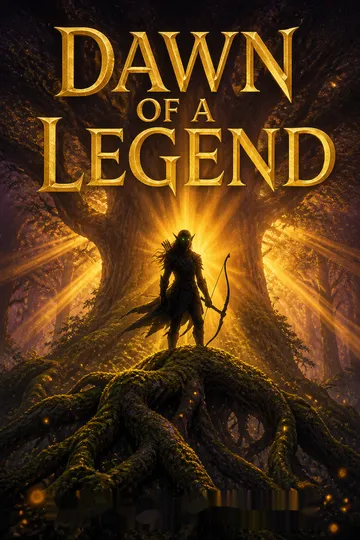
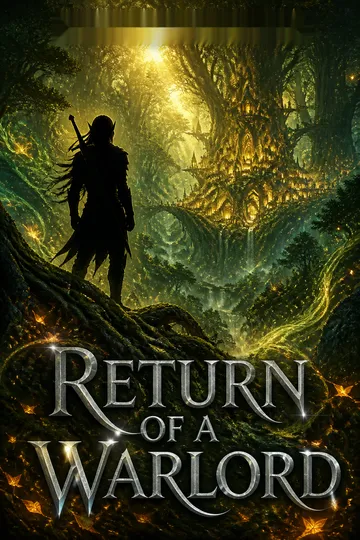
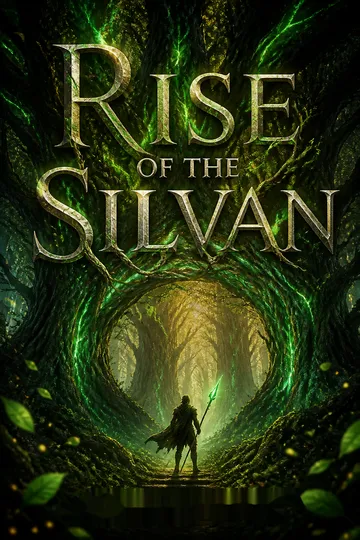
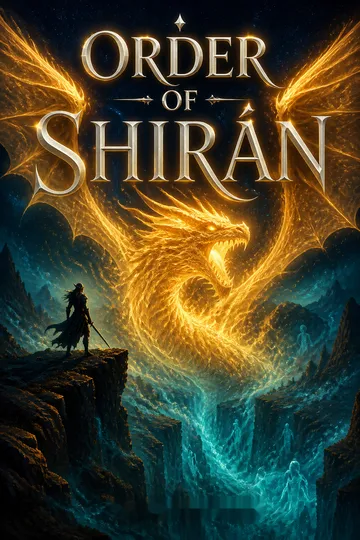
The Silvan Series



About the Author
Download PDF
Download EPUB
.epub digital book format is ideal for reading ebooks on phones, tablets, and e-readers.








