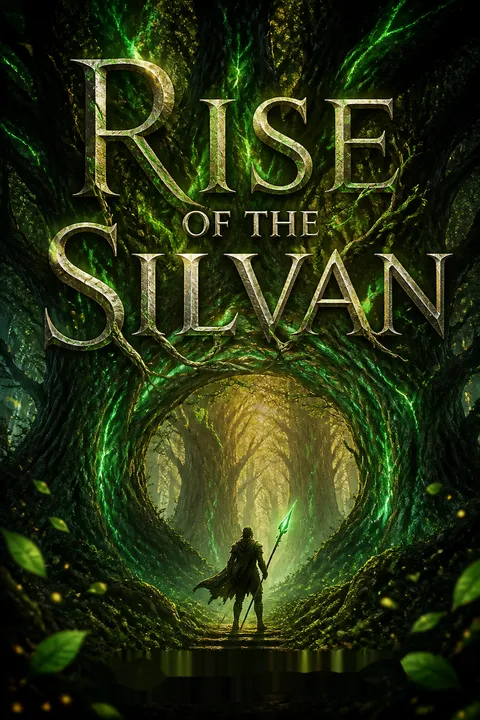


Plot Summary
The Healing Halls Divide
After the battle against Band’orán, Silvan warriors abandon Ea Uaré’s Healing Halls when Master Healer Nestar orders Alpine patients treated first. Fel’annár, their newly returned Warlord, wakes from a five-day unconsciousness blind and weak, yet slips to the encampment to confront the elders.
They accuse the Alpine court of taking Silvan loyalty for granted and demand signed guarantees of equality before their people return to barracks. Fel’annár reminds them that the Nim’uán may threaten both nations, but promises alone no longer persuade them.
He has two days to provide proof. His forest-given sight lets him perceive the gathered elders despite the blindfold, while the injury that nearly cost him his vision makes his authority look suddenly fragile.
The crisis makes discrimination tangible through access to medical care, not merely rhetoric. The elders’ refusal to accept promises is a rational response to institutions that have repeatedly asked them to risk their lives without granting equal standing. Fel’annár’s blindness sharpens the political problem: he must lead a people who distrust the state while depending on a mysterious capacity they cannot verify. His appeal to unity is ethically sound, but it cannot substitute for material change.
A General Without Sight
King Thargodén removes Nestar from the royal Healing Halls after learning that he deliberately discriminated against Silvan patients to sabotage reconciliation. He appoints Llyniel, Fel’annár’s bonded partner and a highly trained healer, as the new Lestari.
At the Inner Circle, Commander Pan’assár publicly acknowledges the Silvans’ role in saving the kingdom and promotes Fel’annár from lieutenant to general, awarding him the Forest Emerald despite his blindness.
Fel’annár then proposes dividing the army into Mountain and Forest divisions, both under Pan’assár, so Silvan fighters can return without surrendering their own military needs. The council approves the plan. Turion will lead the Mountain Division, while Fel’annár takes command of the Forest Division.
The reform succeeds because it changes who holds authority, not just what leaders promise. Llyniel’s appointment counters Nestar’s prejudice with competence, while Fel’annár’s promotion gives the Silvans an institutional foothold. The two-division structure is a compromise between integration and cultural specificity. It resists the false choice between unity and difference, though its success will depend on daily practice rather than decrees.
Bulan Returns to Lan Taria
Prince Handir carries the signed equality measures to the Silvan camp, while Fel’annár argues that a rebuilt army must protect forest settlements rather than use Silvan soldiers as servants. Veteran captain Dalú remains wary of Pan’assár, but Fel’annár stakes his own Warlordship on the commander’s reform.
He then meets his estranged uncle Bulan, his grandmother Alei, and his cousin Vasanth, who wants to become a warrior. Bulan has returned partly to find his nephew, but his anger at Amareth’s long concealment remains. In private, Amareth explains that an Ari’atór assassin killed Fel’annár’s mother and that she hid him from both danger and family. Bulan condemns her choice, yet agrees the rift must be faced.
The political dispute and the family rupture mirror one another: both concern protection imposed without consent. Amareth’s secrecy preserved Fel’annár’s life but deprived him of kinship and informed choice. Bulan’s anger is therefore not simple resentment; it is grief for a role he might have played. Fel’annár’s willingness to meet them marks a cautious movement from being treated as a political instrument toward becoming a person with a family history.
Drums Reopen the Circle
As the Inner Circle prepares for a ceremony, Fel’annár fears the Silvan captains will reject his appeal. Instead, the city gates open to thousands of warriors marching behind Bulan, Dalú, Amon, and Benat. In the ceremonial Circle, Pan’assár admits his responsibility for past humiliation and vows to restore equal service under the Warrior Code.
Silvan captains reclaim their seats, new officers receive promotion, and Bulan accepts a Golden Sun, returning to the command he once abandoned. The warriors agree to stay conditionally, requiring Pan’assár to prove his change. Fel’annár’s army is no longer merely an idea: the returned fighters give the new Forest Division people, leadership, and a chance to function.
The drums transform a political negotiation into a public act of belonging. The warriors do not return because trust has been restored; they return to test whether trust can be earned. Pan’assár’s apology matters because it names his own complicity instead of blaming a few isolated purists. Bulan’s return gives the reform historical depth, reconnecting the army to the standards it had abandoned.
The Wood Beyond the Lake
Seeking answers about the purpose Aria has assigned him, Fel’annár enters the forbidden Evergreen Wood with the king’s permission. The forest is unnaturally vivid, and he encounters blue-eyed creatures resembling figures from the Ari children’s legends. At a lake, he sleeps and experiences a terrifying passage to black-stone Last Markers, where statues resemble himself and his grandfather Zéndar.
A green, winged beast bursts from the mountain and nearly kills him before he wakes scratched and disoriented at his campsite. Fel’annár cannot decide whether the episode was a dream or a real danger, but he returns with a new power surging through him. He withholds much of the story while the army’s urgent work continues.
The episode gives Fel’annár a glimpse of mortality precisely when public duty is expanding beyond his experience. His vision may be prophecy, trauma, or something the forest itself has staged, and the uncertainty is structurally important: he cannot convert revelation into a simple plan. The blue-eyed creatures also unsettle the boundary between myth and evidence. His new strength arrives without clear instructions, making power another responsibility rather than a solution.
Maeneth’s Road Turns Bloody
Princess Maeneth returns after more than fifty years away, and Rinon rides with Fel’annár and a patrol to escort her home. When Fel’annár senses danger near the eastern road, Rinon trusts deceptive scouts instead and rides away from Maeneth’s actual route.
The scouts lead him into an ambush arranged by Alpine purists; Sontúr takes an arrow protecting Rinon, while Fel’annár cuts through Deviants to reach Maeneth and shield her. Tensári saves Fel’annár at the brink of death. The surviving guards expose the scouts’ lies, and Rinon returns to find Maeneth alive. Shaken by his own mistake and Fel’annár’s courage, he offers his half-brother a hand instead of another insult.
The ambush turns Rinon’s prejudice into a command failure with immediate human costs. His refusal to trust Fel’annár is not an abstract flaw; it exposes Maeneth and the patrol to danger, while Sontúr’s injury makes loyalty bodily. Fel’annár’s rescue gives Rinon evidence that cannot be dismissed as political maneuvering. The offered hand signals a first change, but not instant reconciliation: guilt and trust will need further work.
Sar’pén’s Smile Breaks
The scouts are found hanged before interrogation, and conflicting reports implicate Captain Sar’pén, Rinon’s closest friend. Shadows uncover evidence that Sar’pén deliberately left Rinon exposed so the royal twins could be killed and blamed on Silvans. Under questioning, Sar’pén admits he remained committed to Band’orán’s supremacy and planned to eliminate the royal family before turning against Fel’annár.
Rinon watches the execution, devastated that a man he called brother had meant to destroy his family. Meanwhile, Llyniel repairs Sontúr’s damaged shoulder, and Maeneth and Sontúr grow close. Rinon invites Fel’annár to a family dinner, making a first deliberate effort to know him outside battle and duty.
Sar’pén’s betrayal exposes the persistence of ideology beneath apparent loyalty. His intimacy with Rinon made the conspiracy more dangerous, because trust had become a weapon used against the person who offered it. Rinon’s grief complicates his anger: he must punish a traitor while mourning a genuine friendship. His invitation to Fel’annár follows this rupture as an effort to build kinship before another loss can define the family.
A Feast Before the Storm
At a Silvan farewell feast, Fel’annár publicly draws Amareth away from kitchen work and seats her beside Erthoron, showing that he has begun to forgive her. Earlier, Thargodén tells the royal family that Fel’annár is legitimate under Silvan law because he and Lássira were bonded, and that Or’Talán had secretly supported their union.
Rinon, Maeneth, Handir, and their father begin to speak to Fel’annár as family rather than as a political problem. Maeneth proposes turning the stone palace green with gardens and food plots. During the celebration, Fel’annár senses the Nim’uán army entering the northern forest and orders the civilians toward the city. Reconciliation is real, but it arrives just as war makes every farewell uncertain.
The feast lets private repair become visible: Fel’annár’s gesture toward Amareth gives her a place among the family she helped fracture. Thargodén’s disclosure also reinterprets old prohibitions as protective strategy, though it cannot erase the years of silence. Maeneth’s garden plan offers a practical image of shared life. The invasion warning interrupts celebration, showing that domestic healing and political danger now occupy the same ground.
North With Too Few
Pan’assár leads roughly two thousand warriors north, with Fel’annár commanding the Forest Division and Bulan drawing veterans back into service. Their ranks grow as they pass settlements, but the force remains dangerously small.
Fel’annár learns that the Nim’uán invasion is tied to Sand Lord plans to mine and channel the forest’s underground water into Calrazia. The invaders are also heirs seeking a homeland their mother’s people once inhabited. Messenger birds may be disrupted by migrating chiboos, leaving villages without timely warnings.
At Oran’Dor, 142 inexperienced recruits, including twelve women, join the march. The army is rebuilt while already moving, and the commanders must decide how to protect a forest whose scale they have not yet seen.
The march converts restoration into a logistical test. Equality requires more than a new command structure; it needs recruits, supplies, intelligence, and time, all of which the invasion denies them. The enemy’s water project gives its campaign an economic purpose, while its desire for a homeland complicates the simple image of conquest. Fel’annár’s leadership must hold together civic reform and immediate survival.
Sorei’s Steel, Rinon’s Shore
Captain Sorei, a Tar’eastór warrior and inventor of a new Synth Blade, is sent south with refugees from Abiren’á and Sen’oléi rather than remaining with the northern army. When more than a hundred Deviants attack, Sorei holds her ground until Rinon arrives with reinforcements. Her courage earns the Silvan refugees’ respect, and she rebukes an Alpine warrior who mocks young Eloran for wanting to serve.
Rinon’s admiration becomes attraction, though Sorei warns him that her duty remains with Tar’eastór. Back in the city, she begins forging blades while Rinon later seeks her out. Their connection forms amid a practical question: how can an undermanned kingdom gather enough fighters to defend itself?
Sorei challenges two assumptions at once: that women belong outside combat and that skilled labor is separate from warfare. Her blade and her leadership are both forms of defense. Rinon’s attraction begins with respect for her competence, but his desire to possess closeness meets her insistence on professional autonomy. Eloran’s response shows how public treatment of a child can either close or open the path into service.
The Hawk Returns as Lainon
A blue-eyed hawk named Azure follows Fel’annár’s column through the forest. During a clash with Sand Lord scouts, it transforms into Lainon, Fel’annár’s dead first Ber’ator and Tensári’s bonded partner, who fights beside them before becoming a hawk again. The Company learns that the creatures Fel’annár saw in the Evergreen Wood resemble the Ari myths of Arimals, though Lainon is something different.
Refugees and Ari children from Abiren’á arrive with news that the northern city is threatened. Azure proves able to carry messages to Hobin, giving the commanders a way to learn what is happening beyond their own reach. Lainon’s return is both a joy and a new mystery.
Lainon’s transformation literalizes the book’s unstable borders between death, myth, and service. His return comforts Tensári and Fel’annár, yet it does not restore ordinary life: he can appear only under uncertain conditions and cannot explain everything. Azure also changes the army’s information economy. A being who once existed only as a private loss becomes a strategic link between isolated fronts.
Homecoming at Lan Taria
The army reaches Lan Taria, where Fel’annár was raised under a fabricated account of his origins. The townspeople wait to face him, expecting anger, but he embraces Idernon, Ramien, and their families, then tells the settlement to evacuate rather than risk the invasion. His welcome brings the old community back into his life, and he recognizes that its deception, though painful, shaped the friendships that made him who he is.
With more veterans and recruits joining, the army continues through the dangerous Wetwood. There they meet panicked civilians fleeing Abiren’á, who say the Sand Lords are taking captives alive. Their fear reveals that the enemy’s cruelty is part of a deliberate strategy.
The homecoming resolves neither the lie nor its consequences; instead, Fel’annár chooses what to do with the relationships formed inside it. Forgiveness becomes an active decision to preserve bonds without pretending the deception was harmless. The refugees’ arrival then shifts the story from retrospective repair to immediate moral danger. Familiar forest becomes a corridor between the home he remembers and the city whose people are now trapped.
The Path of Hanging Dead
As the army approaches the occupied city, it passes the mutilated bodies of Silvan civilians displayed along the path. The sight nearly breaks the troops, and old accusations against Pan’assár flare again. He tells them how the Sand Lords tortured Or’Talán at the Battle Under the Sun and how witnessing his friend’s death corrupted him into blaming the Silvans.
He acknowledges that cruelty had made him betray his own code. Bulan accepts the confession publicly, saluting Pan’assár and persuading the troops to keep their anger trained on the enemy. Pan’assár divides the army: he will attack Abiren’á, while Bulan holds the desert flank and Hobin’s Ari’atór engage the Deviants.
The bodies make historical memory physical, forcing the army to confront both present atrocity and the origin of Pan’assár’s prejudice. His confession does not excuse his conduct; it explains how grief can be redirected into ideology when a person cannot bear helplessness. Bulan’s forgiveness is politically consequential because it prevents the army from turning its own violence inward on the eve of battle.
Abiren’á’s Cages Fall
The army attacks the Sand Lords occupying Abiren’á while Yerái leads a small unit through the trees to free civilians held in cages. Gor’sadén uses Sorei’s Synth Blade to cut the resin-stiffened ropes, and Fel’annár commands the trees to lower the cages safely. Pan’assár and Galadan see the Nim’uán threaten Gor’sadén and charge it together.
Galadan shields Pan’assár from a fatal strike; Pan’assár, already mortally wounded, kills the Nim’uán with Galadan’s small herb knife before dying. Fel’annár’s power then unleashes the forest against the enemy. The surviving warriors flee or fall, but the victory leaves the army with terrible losses and Fel’annár with the knowledge of who died buying time for him.
The rescue is the moral hinge of the battle: the army must free its people before Fel’annár can safely use the forest’s force. Pan’assár and Galadan’s deaths arise from the same ethic that structured the reform, service before self, but the cost is not made noble by being necessary. The Synth Blade and herb knife also collapse distinctions between grand weapons and humble tools; both become instruments of protection.
A Mother Beneath the Sands
On the desert flank, Bulan’s force and Hobin’s Ari’atór struggle against Sand Lords, Reapers, and serpents that paralyze victims for the Reapers to eat alive. Gor’sadén confronts the enormous Mother serpent while Fel’annár returns from beneath the sand and kills the second Nim’uán with Zéndar’s spear, Harvest.
The Mother dies under the roots of the Sisters, and her lesser serpents perish with her. The Sand Lords lose their commanders and allies, then flee. Fel’annár’s victory completes the immediate war, but only after the deaths of Pan’assár and Galadan and the destruction of much of Abiren’á. The battle ends with the forest saved, not restored.
The desert battle turns inherited weapons and inherited purpose into action: Harvest, once Zéndar’s spear, becomes the means by which Fel’annár ends the Nim’uán threat. Yet victory does not erase the violence that made it possible. The Reapers’ method makes the enemy’s cruelty visible, while the Sisters’ intervention reveals that the forest itself is an actor with limits and a will, not scenery that can be commanded without consequence.
A Source Behind the Trees
After the battle, Fel’annár collapses from his injuries and sleeps for days. Lainon and Hobin help him understand that the vision of Last Markers may have shown not his own death, but Or’Talán’s place beside Zéndar. The runes that appeared beneath Fel’annár’s skin point toward a second Source hidden beyond the Evergreen Wood, guarded by the ancient Sisters.
He realizes his purpose extends beyond uniting the Alpines and Silvans or defeating the Nim’uán: he must protect that secret place. In Abiren’á, the survivors mourn their dead, rebuild, and establish Yerái as captain of a new northern outpost. Fel’annár accepts the next stage of duty, though its full meaning remains unknown.
The revelation reframes the novel’s political arc as necessary preparation rather than final purpose. Unity is not an abstract ideal; it creates the conditions for defending a hidden, vulnerable order of life. Fel’annár’s dream remains ambiguous, but its meaning shifts from fatal prediction to invitation. The unresolved Source also prevents victory from becoming closure: the war has clarified his task while enlarging the mystery around it.
The Fleet at Port Helia
As Abiren’á begins rebuilding, the surviving commanders prepare to return south and the army’s losses become clear. Sorei’s Synth Blades offer a new military advantage, while her relationship with Rinon deepens from wary attraction into mutual dependence. Rinon leads a patrol toward Port Helia to recruit more fighters for the vulnerable southern city.
Near the coast, he and Sorei climb a ridge and see a fleet of Sand Lord ships approaching the Pelagian capital, their sails marked with serpents. Horns sound from Dan’bar as the city calls for help. The northern victory has secured Ea Uaré for now, but the final image reveals that the enemy’s campaign continues on a new front.
The ending denies the comfort of a sealed victory. The northern army has defeated the invasion, yet the kingdom’s depleted defenses leave another region exposed. Rinon and Sorei’s emerging relationship is set against this new obligation, linking private attachment to collective risk. The fleet also broadens the conflict’s scale: water, land, and political alliances are parts of one struggle, and the characters’ hard-won restoration must now survive a threat they did not anticipate.
Analysis
Rise of The Silvan treats restoration as work performed under pressure, not a ceremonial return to an imagined past. The Silvans’ first demand is not gratitude but equal access to healing, command, and the institutions their service has defended. Fel’annár’s proposed Forest Division recognizes that unity cannot mean assimilation. The army can become shared only when its structure makes room for distinct expertise and histories.
The novel’s political and intimate plots mirror one another. Amareth hides Fel’annár to protect him, but her secrecy costs him family and agency. Pan’assár’s grief over Or’Talán becomes prejudice because he cannot bear helplessness. Rinon’s distrust nearly destroys the people he loves. In each case, care becomes damaging when it denies another person’s perspective. Repair begins not with innocence but with acknowledgment, apology, and changed conduct.
The forest complicates the idea of command. Fel’annár can call on trees, yet their scale and independent will make that power dangerous, especially when civilians remain in its reach. The Sisters are not scenery or obedient weapons; they are ancient participants whose purpose exceeds human strategy. The hidden Source revelation widens the story’s moral field beyond the immediate war, suggesting that political unity is a precondition for protecting something larger than the kingdom.
Victory does not cancel cost. Pan’assár and Galadan die, thousands of warriors are lost, and the city must be rebuilt by the people who survived its destruction. Fel’annár’s central psychological task is therefore not to become invulnerable, but to distinguish responsibility from omnipotence. He must grieve without treating grief as proof that he failed. The final fleet approaching Pelagia ensures that this lesson will be tested again: a restored community is not safe simply because it has survived one enemy.
Review Summary
Rise of The Silvan receives overwhelmingly positive reviews, with readers praising its immersive world-building, complex characters, and emotional depth. Many describe it as an epic fantasy that keeps them engrossed throughout its 30-hour audiobook. Readers appreciate the character growth, intense battles, and the balance of humor and heartbreak. Some note it's the best in the series so far, with a few mentioning occasional repetition or excessive focus on the main character. Overall, fans eagerly anticipate the next installment, with many calling it a must-read for fantasy lovers.
People Also Read

Characters
Fel’annár
The Forest’s Young WarlordA young warrior raised in Lan Taria without knowledge of his Alpine father or royal birth, Fel’annár becomes the hinge between Silvan and Alpine worlds. He is ambitious and disciplined, but his instinct to hide pain makes leadership especially difficult once others depend on him. His bond with the forest grants him an unusual way to perceive danger and enlist the trees, while his relationship with Llyniel gives him a rare place where he need not perform strength. He wants family and command, yet distrusts the love and authority offered to him. His growth depends on learning that responsibility requires judgment, not invulnerability.
Llyniel
The Healer Who LeadsFel’annár’s bonded partner, Llyniel is a gifted healer trained across several elven realms. Her practical intelligence and moral confidence allow her to challenge Nestar’s discrimination publicly and take charge of the Healing Halls. She cares for Fel’annár without confusing love with indulgence, often recognizing when he is concealing pain or fear. Her own history includes a long estrangement from her family, so she understands how loyalty can coexist with hurt. Llyniel’s strength is not merely tenderness: she insists on standards, expertise, and action, even when politics would prefer symbolic gestures.
Gor’sadén
Fel’annár’s Chosen FatherA veteran commander and one of the former Three, Gor’sadén trains Fel’annár in the Kal’hamén’Ar and offers the steadiness of a father he never had. He is formidable in battle but careful with the younger warrior’s confidence, pushing him to ask for help rather than mistake secrecy for strength. His history with Pan’assár and Or’Talán gives him intimate knowledge of how grief can distort judgment. Gor’sadén believes service demands sacrifice, yet his care for Fel’annár makes him confront the human cost of that principle. He is both mentor and witness to the burdens of command.
Pan’assár
The Commander Seeking AtonementCommander General of Ea Uaré, Pan’assár once stood beside Or’Talán as a respected Kah warrior. His inability to bear the king’s brutal death turns grief into prejudice, and he permits Silvan soldiers to be demeaned. Fel’annár’s courage and the return of the Silvan captains force him to confront the person he became. Pan’assár is controlled, strategic, and reluctant to expose vulnerability, but his commitment to the Warrior Code remains beneath his failures. His struggle is not to claim innocence, but to earn back the trust that his command once squandered.
Thargodén
The Restored KingKing of Ea Uaré and Fel’annár’s Alpine father, Thargodén has returned from years of grief and withdrawal to take up the work of ruling. He is practical, self-questioning, and increasingly willing to admit how much his earlier decisions were shaped by loss and incomplete knowledge. His love for Lássira and his bond with Canusahéi complicate the family he must now lead. Thargodén wants his children to be united, but he understands that affection cannot be ordered into existence. He rebuilds the state through decrees and alliances while trying to become a father to children he barely knows.
Rinon
The Crown Prince Learning TrustThargodén’s eldest son and Maeneth’s twin, Rinon is a capable, proud general whose instinct to control danger often hardens into suspicion. Fel’annár initially embodies the family history Rinon resents, and Rinon’s distrust has real consequences when he dismisses a warning during an escort mission. He is also fiercely protective of Maeneth and deeply affected by betrayal among his closest companions. His development begins when he recognizes that his judgment has been compromised by old pain. He remains politically responsible and ambitious, but becomes more willing to admit error and make room for family.
Handir
The Family’s Clear-Eyed DiplomatThargodén’s second son, Handir is a royal councillor with a measured mind and a gift for seeing how private tensions become public risks. He helps draft the reforms that restore Silvan representation and often mediates between Fel’annár and Rinon. Handir is observant without being detached; his loyalty to Fel’annár grows through shared danger and deliberate acts of trust. He can be dryly humorous, but his clearest strength is patience with complexity. He wants a united family and government, while understanding that both require listening to people whom power has previously ignored.
Amareth
The Guardian Who Hid HimFel’annár’s aunt raised him in Lan Taria after his mother’s death, believing concealment was the safest way to protect him. Her choices were shaped by fear and political danger, but they also deprived him of his wider family and the truth about his birth. Amareth is a forceful Silvan leader, politically astute and devoted to her people, yet uncomfortable admitting how much her protective decisions hurt those she loved. Her bond with Fel’annár is marked by affection, guilt, and cautious repair. She wants both his safety and his acceptance, though those aims have not always aligned.
Bulan
The Spear Master ReturnsFel’annár’s maternal uncle, Bulan was once a celebrated Silvan captain before leaving the army in protest at Pan’assár’s treatment of his people. A skilled spear master and devoted father to Vasanth, he is wary of returning to an institution that betrayed his trust. He cares deeply for his sister’s son and grieves the years in which he was kept away from him. Bulan’s experience makes him a bridge between the veterans and the new Warlord, but his forgiveness is neither automatic nor politically convenient. He believes service is meaningful only when it protects the people who serve.
Tensári
The Ber’ator Who StaysAn Ari’atór and one of The Company, Tensári is Fel’annár’s trusted companion and Lainon’s bonded partner. She is disciplined, perceptive, and protective, willing to challenge Fel’annár when she believes he is risking himself unnecessarily. Her training teaches her to master grief and fear, but it does not erase either. She often recognizes emotional truths before others do, especially when Fel’annár is trying to reason his way around vulnerability. Tensári’s loyalty is active rather than passive: she watches, questions, and stands beside those she loves, even when the path offers no guarantee of their return.
The Company
Fel’annár’s Chosen BrothersThe Company includes Idernon, Ramien, Galdith, and Carodel, warriors who have followed Fel’annár through training, political upheaval, and battle. Idernon is the thoughtful second who helps translate Fel’annár’s intentions into action. Ramien is physically imposing and steadfast. Galdith is a fierce fighter with a capacity for tenderness, while Carodel brings wit and music into otherwise punishing circumstances. Their closeness is not based on sameness; they include Silvans, Alpines, and Ari’atór, and their differences become a practical model of the army Fel’annár wants to build. They remain loyal without treating him as infallible.
Galadan
The Company’s Quiet VeteranAn experienced Tar’eastór warrior and former lieutenant to Pan’assár, Galadan is a man of few words, keen judgment, and a long memory. He joins The Company after years of serving in Ea Uaré, where his loyalty to Pan’assár survived the commander’s worst failures. His knowledge of healing and warfare makes him useful in the field, while his restraint gives weight to the rare moments when he speaks. Galadan’s past is marked by losses that he carries privately, and he sees service as a way to remain connected to people and places he might otherwise have left behind.
Maeneth
The Princess Who CultivatesThargodén’s daughter and Rinon’s twin, Maeneth returns after decades in Pelagia with a practical vocation and a mind trained to solve problems. She studies agriculture, architecture, and self-sufficiency, hoping to make communities less dependent on exploitative merchants. Maeneth is curious, direct, and uninterested in performing the courtly role others expect of her. Her close friendship with Llyniel gives her a familiar anchor as she re-enters a family changed by years of absence. She values independence, but her return also reflects a deep attachment to her father and twin brother.
Sontúr
The Healer-PrinceA prince of Tar’eastór and member of The Company, Sontúr is both a trained warrior and a healer who is still deciding how those callings can coexist. He is thoughtful, self-aware, and more comfortable analyzing a problem than exposing his own feelings. His friendship with Fel’annár gives him a place outside the expectations of royal service, while his growing closeness to Maeneth draws him toward a future he has not planned. Sontúr’s injured shoulder limits his ability to fight, but his knowledge and willingness to counsel the rulers remain valuable to the war effort.
Hobin
Guardian of the First SourceSupreme Commander of the Ari’atór, Hobin protects the Source in Araria and carries Zéndar’s Guiding Light. He is restrained, difficult to read, and careful about what knowledge he shares, partly because his duty requires him to guard truths that could be dangerous in the wrong hands. Hobin guides Fel’annár through the revelation of his identity and purpose, but he does not simply provide answers; he asks questions that force Fel’annár to interpret what he has experienced. His caution reflects a belief that responsibility must be understood before it is exercised.
Lainon
The First Ber’atorFel’annár’s first Ber’ator and Tensári’s bonded partner, Lainon was a skilled, steady warrior whose guidance shaped The Company’s earliest years. His loss leaves a lasting absence in both Fel’annár and Tensári, influencing how they understand loyalty, death, and the obligations of an Ari’atór. Lainon is remembered as a disciplined fighter and a generous teacher, someone who could correct Fel’annár without diminishing him. His place in the story is tied to the question of what a bond can preserve across separation, and to the possibility that duty may not end where ordinary life does.
Key’hán
The Water-Seeking CommanderOne of the Nim’uán commanders, Key’hán leads Sand Lord forces with a mixture of strategic patience and personal ambition. His campaign seeks water and territory, but his private longing for a homeland complicates his role as an invader. He is observant, politically calculating, and willing to use fear as a tool of discipline. Key’hán’s mixed ancestry and the history of his family leave him belonging fully to neither side, a wound he has turned into a claim over land and power. His confidence depends on believing that the forest and its defenders can be overcome.
Saz’nár
Key’hán’s Twin CommanderSaz’nár is Key’hán’s twin and a military leader among the invading Sand Lords. He is disciplined, severe, and shaped by the loss of a mother whose history he only partly understands. He enforces obedience through fear and views the conquest of the northern forest as a route toward security, water, and a homeland for his family. The portrait he keeps close hints at an emotional life he rarely allows his soldiers to see. Saz’nár’s command style treats failure as a threat to the whole campaign, revealing how strongly he fears losing control of the future he has planned.
Gra’dón
The Distant Elder BrotherGra’dón, elder brother to the Nim’uán commanders, remains distant from the main fighting while directing a broader campaign. He expects to claim territory and establish rule over lands connected to his family’s origins. His patience and political calculation make him an influence even when he is not physically present. The brothers’ plans depend on his ambition, and his decisions suggest the invasion is part of a larger design rather than a single raid.
Yerái
The Listener from Abiren’áA Silvan Listener and messenger, Yerái senses danger through the trees and recognizes the invasion before most of the northern settlements do. He is brave, dutiful, and deeply attached to the people he warns, though the horrors he witnesses strain his ability to speak and act. Yerái does not possess Fel’annár’s unusual power over the forest, but his quieter skill proves essential to evacuation and battlefield intelligence. His promotion to captain reflects the value of knowledge gathered outside the formal centers of command.
Sorei
The Synth Blade SmithA Tar’eastór captain and swordsmith, Sorei devotes herself to producing a blade that balances strength, precision, and maneuverability. She is disciplined, blunt, and resistant to being reduced to a novelty because she is a woman in command. Her skill earns respect from Gor’sadén and gives the weakened army a new material advantage. Sorei’s relationship with Rinon begins through mutual fascination, but she guards her independence and remains loyal to her own commander and homeland. Her craft is both an intellectual obsession and a direct contribution to the survival of others.
Koldur
Abiren’á’s Steadfast ElderThe leader of Abiren’á, Koldur embodies the Silvan attachment to place. Even when invasion threatens, he refuses to treat evacuation as the same thing as surrender and works to protect his people while accepting the Warlord’s authority. His confidence in Fel’annár is not blind; it rests on a belief that the forest and its people must survive together. Koldur helps organize refugees and rebuilding, linking military victory to the slower work of restoring a damaged community.
Nestar
The Disgraced Master HealerNestar is the former head of Ea Uaré’s Healing Halls, a skilled physician whose professional reputation conceals a deep hostility toward Silvans. He sees institutional power as something to defend for his own group, not as a responsibility to serve every patient equally. His order to prioritize Alpine wounded turns a long history of prejudice into a public crisis. Nestar’s intelligence makes his discrimination more dangerous, because it is not simply ignorance or impulsive rudeness; he understands the political consequences of what he is doing.
Melu’sán
The Merchant Guild SchemerAs head of the Merchant Guild, Melu’sán is a calculating businesswoman who values influence and access to power. She views political instability as an opportunity and aligns herself with those who would preserve Alpine privilege. Her polished manner masks a willingness to use other people’s grievances for strategic gain. The guild’s wealth and networks give her influence beyond trade, making her one of the figures whose interests conflict with the reforms Fel’annár and Thargodén are trying to establish.
Draugolé
The Imprisoned Political MindA former royal councillor and adviser to Band’orán, Draugolé is a gifted rhetorician who understands how power travels through institutions and private loyalties. He admits that ambition drew him to the conspiracy, though he also shows a capacity for attachment that he has repeatedly subordinated to self-preservation. In prison, he continues to think strategically and uses whatever channels remain available to him. Draugolé represents the danger of intelligence without an ethical anchor: he can recognize the emotional needs of others while exploiting them.
Plot Devices
The Warrior Code
A Shared Measure of DutyThe Warrior Code provides the standard against which the army judges both discrimination and command. Its emphasis on service and protection gives Fel’annár a basis for demanding equality, while Pan’assár uses it to acknowledge how far his leadership departed from his oath. The code also binds soldiers to risk their lives for civilians, making the decision to free the cages more than a tactical choice. Its force comes from being both institutional law and a personal promise repeatedly tested by the story.
The Forest’s Voice
An Intelligence NetworkFel’annár hears warnings, impressions, and directions through the trees, while his ability to move them grows as the story progresses. The forest is not a simple weapon: different woods speak with different clarity, and the Sisters possess a scale of power that Fel’annár barely understands. This connection lets him detect danger, guide troops, and eventually turn the terrain against the invaders. It also makes command ethically difficult, because the trees cannot always distinguish friend from foe once they are unleashed.
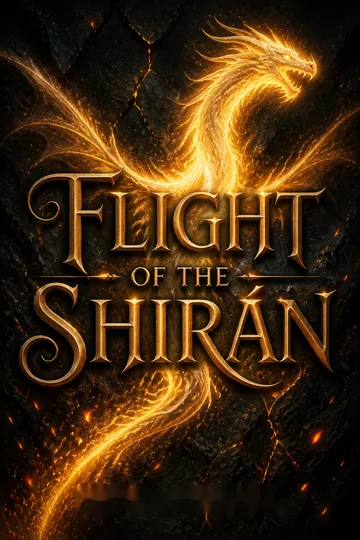
Azure and the Shirán
A Messenger Beyond DeathThe blue-eyed hawk Azure appears first as an unexplained companion, then transforms into Lainon, Fel’annár’s former Ber’ator. Lainon’s return is connected to the Shirán, a secret Ari’atór order whose members serve in ways ordinary warriors do not understand. Azure can scout distant territory and carry messages, giving the army intelligence it cannot otherwise obtain. His presence makes personal grief operational, while raising questions about the boundary between death, service, and return.
The Last Markers
A Warning Without AnswersFel’annár’s vision of the Last Markers, statues of himself and Zéndar, initially appears to foretell his death. The vision later becomes part of a larger mystery involving the Evergreen Wood and a second Source. Because the scene may be a dream, a real encounter, or a message from some other power, it cannot be read as a simple prophecy. It changes Fel’annár’s sense of time and purpose, but leaves its most important implications unresolved.
The Synth Blade
Steel Made for the KahSorei’s new sword is longer than a standard blade without being heavier, and Gor’sadén’s test confirms that it can withstand the demands of the Kal’hamén’Ar. Its design gives the army a weapon suited to the fluid, close formations of Kah fighters. The blade also symbolizes the novel’s practical rebuilding: after political reform, the army needs new skills, materials, and methods. Its effectiveness does not replace discipline or judgment, but it gives trained warriors a sharper means to act.
The Silvan Series





About the Author
Download PDF
Download EPUB
.epub digital book format is ideal for reading ebooks on phones, tablets, and e-readers.








