


Plot Summary
Leaving Lan Taria
At fifty-one, Fel’annár is leaving the forest village where Amareth raised him to begin warrior training. He has dreamed of becoming a captain since childhood, but the questions he has carried about his dead mother and unknown father remain unanswered. Amareth braids his hair for the journey, carefully avoiding the heritage braid that would declare a family line.
Fel’annár says goodbye to the village’s familiar faces, accepts honey cakes from Dalia, and watches his childhood friends Ramien and Idernon set out with him. The welcome is warm, yet his pale Alpine features and green Silvan eyes have always made him an outsider. He rides toward the larger world believing that discipline and service can give him a place in it.
Fel’annár’s departure is both a chosen adventure and an attempt to make an identity where his family history has left a blank. His dream of command gives him direction, but the care with which Amareth avoids the heritage braid shows that his origins are not merely unknown; someone is actively containing them. The village’s affection offers a real home, yet it cannot answer his need to understand why he looks unlike the people he claims as his own. His aspiration therefore carries two motives at once: he wants to protect the Silvan community, and he wants to become legible to himself through the role of warrior.
A Face Between Peoples
On the road, Fel’annár, Ramien, and Idernon encounter a burned Deviant, a once-human immortal left grotesquely changed after failing to reach the Source. The sight makes Fel’annár wonder what immortality costs, while Idernon insists that cruelty belongs to individuals, not entire races.
At the barracks, an Alpine warrior named Calenar questions Fel’annár about his father and treats his appearance as proof of Alpine identity. Other recruits repeat the insult, but Fel’annár refuses to let either group decide what he is.
Ramien’s imposing loyalty and Idernon’s clear-eyed friendship steady him, though Idernon later presses him to admit that being called Alpine hurts partly because his absent father was Alpine. Fel’annár walks away, forced to face the heritage he has tried to disown.
The barracks turn a private uncertainty into a public classification problem. Fel’annár is not simply caught between two ancestries; each group treats ancestry as a test of allegiance, so his insistence on being Silvan sounds to others like rejection. Idernon’s challenge exposes a distinction Fel’annár cannot yet bear: claiming one inheritance does not erase the other, and anger at misrecognition may conceal anger at abandonment. The dead Deviant provides a harsher parallel. A person can be transformed by fear and exclusion, but neither circumstance excuses the harm they do. The novel thus makes identity a contested social fact, not a label that appearance can settle.
The Silvan Takes Aim
Fel’annár has been concealing his unusual combat practice to avoid drawing attention, but the city barracks make that strategy impossible. When three Alpine recruits provoke him, he defeats them without striking, using precise holds to put them on the ground.
Lieutenant Turion recognizes that Fel’annár has been hiding considerable ability and sends him onward for novice training under Lieutenant Lainon, an unnerving Spirit Warrior. At the promotion trials, Fel’annár’s arrows hit the target with startling speed, and his blade work leaves the other recruits behind.
The lieutenants compete to claim him, but Turion takes responsibility for his training. Lainon then sees that Fel’annár’s face recalls the long-dead Or’Talán and realizes the boy is King Thargodén’s son. Fel’annár himself still knows nothing of this discovery.
Fel’annár’s skill makes concealment untenable: the qualities he hid to avoid social punishment are precisely what draw institutional attention and open his path to advancement. His refusal to injure the bullies reveals a form of control more sophisticated than simple strength, though it does not remove his vulnerability to provocation. The revelation to Lainon and Turion sharply separates the protagonist’s self-understanding from what others know about him. For them, the face that once isolated a village recruit now signals a politically dangerous lineage. The dramatic tension comes from that unequal knowledge: Fel’annár is being selected for merit while adults quietly begin treating his identity as a matter of state.
A Prince Learns the Secret
At court, Prince Handir studies statecraft while his elder brother Rinon grows more hostile toward Silvan demands for protection. Their father, King Thargodén, remains distant, and the royal children believe their mother left after the king betrayed her.
Lainon tells Handir that he has a young Silvan brother, then asks him to keep the news from the king until the moment is safe. Handir reacts with anger, but councillor Aradan later explains the history: Thargodén loved the Silvan woman Lássira before being forced to marry the queen.
Lássira began to fade from grief, so the lovers conceived a child before she set out for the healing lands of Valley. The queen learned of the child and left. Handir’s old certainty about his parents gives way to painful questions.
Handir inherits not only a family secret but an explanation that destabilizes the moral story he has used to understand his parents. He had interpreted his mother’s departure as a response to sexual betrayal; learning that his father loved another woman changes the injury without undoing it. The withheld truth has protected the child from political exposure, yet it has also left the legitimate children to construct their own damaging account. Meanwhile, Rinon’s contempt for the Silvans shows how private grievance and public ideology can reinforce each other. Handir’s emerging role is not to resolve the family’s history at once, but to resist turning incomplete knowledge into another weapon.
The Company Splits
Fel’annár and the other chosen recruits prepare to swear service to the king, but reports of a village slaughtered by Deviants strip the ceremony of its distant glamour. Fel’annár realizes that warriorhood will mean protecting ordinary families, not simply winning battles.
Before the assignment, he and Ramien and Idernon promise that separation will not end their bond. The three friends are sent to different patrols, with Ramien and Idernon assigned east and Fel’annár joining Turion and Lainon in the west.
In the crowd, Fel’annár notices a young Alpine lord whose features seem strangely familiar, but the stranger disappears before he can ask who he is. Fel’annár takes his vow without family beside him and rides out as a novice, carrying his ambition into a war already moving closer to home.
The ceremony marks a threshold, but the news from the attacked village makes the threshold morally concrete. Fel’annár’s ideal of command shifts from a private image of glory toward the protection of people whose lives are exposed to the conflict. His separation from Ramien and Idernon tests whether chosen kinship can survive distance, while the unfamiliar lord offers a brief, unexplained echo of the family question he has tried to set aside. The vows bind the novice to a political order that is itself divided. His service begins not in a unified realm, but amid disagreement over whose homes and traditions the army is meant to defend.
The Patrol’s Hard Welcome
On his first patrol, Fel’annár is treated as a liability by veterans who doubt the wisdom of promoting so young a novice. They leave him hungry, assign him menial tasks, and wait for him to complain or lose his temper.
Instead, he prepares water, chestnuts, and cleaned fish for the patrol, showing respect without submitting to their contempt. When the group meets mountain Deviants, Fel’annár takes a position in a tree and kills several with accurate arrows. He ignores an order to aim for the chest, choosing more difficult shots that kill outright.
Lainon rebukes him, and Turion explains that a warrior must follow the commander’s tactic because a risky shot can endanger fighters below. Fel’annár accepts the lesson, and the veterans begin to regard him as more than a troublesome child.
The patrol’s hostility is a test of response rather than endurance. Fel’annár initially interprets mistreatment as a familiar challenge to his worth, but he earns respect by reading the group’s needs and acting without demanding praise. The Deviant encounter complicates that success: exceptional ability does not grant him authority to make tactical decisions for others. His precise shots work in the moment, yet the commanders are responsible for the risks their whole unit bears. This distinction begins to mature his ambition. Leadership is not merely seeing a better move; it is learning when personal certainty must yield to shared procedure.
The Forest Warns Him
As the patrol moves deeper into the northwest, Fel’annár suddenly senses that danger is near, though the guards have reported nothing definite. Turion trusts the warning and orders the group to move. They soon face a force of Sand Lords, human invaders whose disciplined attacks differ from the mindless violence of the Deviants.
Fel’annár enters a state in which his senses sharpen, the world takes on strange colors, and his body fights with a speed and precision he cannot explain. His movements help the patrol survive, but afterward he remembers sensations more clearly than the battle itself.
Rather than call him a failure, Turion tells him that his fighting was extraordinary and that he may possess an unfamiliar gift. Fel’annár is relieved, but the experience leaves him frightened of what his own body can do.
The warning and battle trance make Fel’annár’s body a source of knowledge that his conscious mind cannot yet organize. His gift is useful, but its usefulness does not make it feel safe: he experiences success alongside a loss of control and a fractured memory of action. Turion’s response matters because he neither dismisses the event as panic nor declares it fully understood. He offers companionship in observation, giving Fel’annár a way to remain curious without being forced into certainty. The episode also shifts the novel’s idea of expertise. Training matters, but Fel’annár’s survival depends on an intuitive relation to the forest that military instruction alone cannot explain.
Children in the Burning Oak
At Sen’oléi, the Spirit Herder Narosén watches Fel’annár respond to an ancient oak and suspects that the novice can perceive what the trees feel. Their conversation is interrupted when a wildfire threatens the settlement and three children are reported missing.
Fel’annár senses the danger in the villagers’ distress and leaves the pumps to search, despite the village leader’s order that he stay. In the smoke, he finds Eloran and the younger twins stranded on a fragile branch above the flames.
As the world shifts into the colors he saw during battle, the branch strengthens beneath him. He pulls the children to safety and carries them back. Narosén calls the event an awakening, but Fel’annár is left with a new fear: the forest seems to answer him.
The fire turns an inward, confusing sensitivity into a decision with immediate human consequences. Fel’annár’s disobedience is not framed as mere heroic impulse: he sees a mother’s terror, judges that the children cannot be abandoned, and accepts the possibility that he will fail. The oak’s apparent response gives the rescue a magical dimension, but the emotional center remains practical care. Narosén supplies a cultural interpretation that Fel’annár lacks, naming an awakening without making it comprehensible. The scene also reverses the social meaning of his difference. A quality that once made him an object of suspicion may allow him to act where ordinary strength and sight are insufficient.
Sen’uár Pays the Price
The patrol has barely returned to Sen’oléi with the rescued children when Fel’annár warns that fifty Sand Lords are moving toward another village. Though burned, exhausted, and struggling to breathe, he refuses to delay the patrol. They reach Sen’uár too late to prevent a massacre.
Fel’annár fights through the attackers, protecting companions and civilians, and helps the survivors escape, but the village is devastated. Two patrol warriors die, Fer’dán is gravely wounded, and sixty civilians are counted among the dead.
After the fighting, Fel’annár finds a dead infant and carries the child to the pyre. Turion explains that grief itself is part of the enemy’s attack, because it can leave the living vulnerable to rage and despair. Fel’annár’s childhood innocence breaks against the losses he cannot prevent.
Sen’uár is the novel’s brutal correction to the rescue at Sen’oléi. Fel’annár’s gift and courage can save particular lives, but they cannot turn him into an instrument capable of undoing every catastrophe. The death toll makes the cost of warfare intimate: he is not contemplating abstractions but carrying an infant whose life has already ended. Turion’s account of grief as a weapon recognizes that emotional devastation has strategic consequences, yet it risks sounding like a demand to suppress feeling. Fel’annár’s mourning resists that simplification. His passage toward warriorhood comes not from becoming numb, but from understanding that protection includes bearing witness to losses that skill cannot reverse.
The Stone of Honour
The surviving patrol escorts Sen’uár’s refugees back to Sen’oléi, where the villagers receive them despite their own grief. Alféna gives Fel’annár an amber honour stone for saving her children, and he visits Eloran before the patrol leaves.
The boy admits that during the rescue he saw a green light behind Fel’annár’s eyes and had been frightened by it. Fel’annár cannot explain what Eloran witnessed, but the conversation lets them meet as friends rather than rescuer and rescued.
On the journey toward the city, Lainon diverts Fel’annár to a Silvan settlement because strangers are beginning to mistake him for a royal lord. There, beside a stream, Fel’annár finally accepts that the thoughts he hears are the trees communicating. He recognizes himself as a Listener, though he does not yet understand the ability.
The honour stone translates a private act of courage into a visible piece of Silvan recognition. Its significance grows beyond gratitude when Eloran reveals that the rescue also exposed something uncanny in Fel’annár. Rather than denying the boy’s fear, Fel’annár acknowledges his own, allowing trust to form without a complete explanation. The later realization beside the stream continues this movement from frightening anomaly toward a possible mode of perception. Calling himself a Listener does not solve the mystery; it gives him a name with which to investigate it. At the same time, the mistaken recognition as a lord shows that public meaning is gathering around him faster than personal understanding can catch up.
The Company Comes Together
Lainon keeps Fel’annár away from the city after a passerby mistakes him for a noble, and the precaution reunites him with Ramien, Idernon, and Carodel, who have served together in the east. Fel’annár welcomes them into his Company and gives Lainon the name Dim’atór, the Silent Warrior.
Turion then conducts a private vow ceremony, making Fel’annár a full warrior and awarding him master status as an archer for the airborne shot that helped save the patrol.
Amareth arrives to witness the day, while their old friend Thavron brings news that Fel’annár’s deeds are already being celebrated. The joy is shadowed when Calen recognizes the resemblance to Lássira and suspects a royal connection. Lainon protects the secret, but the recognition confirms that concealment is becoming harder.
The ceremony gathers the relationships that have sustained Fel’annár and makes his advancement a communal event rather than a solitary reward. His choice to bring Lainon into the Company enlarges the family he has made through trust, while the formal vow gives public shape to the service he once imagined from afar. Yet the scene refuses an uncomplicated triumph. Recognition of his face threatens to turn personal achievement into dynastic evidence, and the very community celebrating him may carry news beyond its control. Amareth’s presence offers affection without explanation, preserving the wound between them. Fel’annár gains a title and a place, but the question of who he is remains unresolved.
The Forest Calls Its Lord
After Calen’s suspicion, Amareth tells Lainon, Turion, and Erthoron that Alpine loyalists once threatened Fel’annár’s life because of his birth. The commanders decide the boy must learn the truth away from court, during Prince Handir’s planned journey to Tar’eastór.
Handir, Aradan, Lainon, and Turion coordinate the escort, including Ramien and Idernon, while keeping the royal family’s secret from Rinon and the powerful Lord Band’orán. Fel’annár has not yet been told that Thargodén is his father.
As the princes prepare to travel, the grieving king finds an old diary and remembers Lássira. Then the trees stir with a song he has not heard in centuries. Thargodén senses joy and the promise of a new forest lord, and demands that Aradan tell him what he knows.
The ending brings private family history, racial politics, and the forest’s supernatural life to the same threshold without resolving them. The plan to tell Fel’annár abroad recognizes that truth can liberate him while also exposing him to people who would use his existence as leverage. Amareth’s account sharpens the stakes from public embarrassment to physical danger, so secrecy is both an act of protection and a continuation of the deprivation that shaped him. Thargodén’s renewed perception of the trees offers a counterpoint to his isolation, but his demand to Aradan marks only the beginning of confrontation. The book closes with knowledge approaching, not yet delivered.
Epilogue
The epilogue widens the story beyond Fel’annár’s immediate journey. Silvan communities still face Alpine prejudice, while Band’orán’s faction seeks greater political control and the Sand Lords and Deviants continue to press into the forest. Thargodén has begun hearing the trees again, a fragile sign that grief has not extinguished every capacity in him.
Four allies, Handir, Aradan, Lainon, and Turion, are trying to guide events before the hidden prince is exposed by rumor or ambition. The forest anticipates change, but the kingdom remains divided, and the new beginning could still be crushed by the old order.
The epilogue deliberately refuses the comfort of a completed victory. Fel’annár’s emergence has created hope, but hope is not yet political power, and the forces threatening the Silvans remain active. By distinguishing the forest as a home from the court’s view of it as a resource, the closing frame identifies the conflict as a disagreement about belonging and obligation, not simply a contest for territory. Thargodén’s renewed sensitivity matters because it suggests that restoration must include emotional return, not only military command. The four allies’ plan is therefore precarious: they are trying to change institutions while protecting an individual who has not been told what those institutions have made of his life.
Analysis
Path of a Novice builds its fantasy around the pressure of being misread. Fel’annár’s face makes others assign him to a race, a political camp, or a family before he knows the facts of his own birth. His insistence on being Silvan is not a denial that he has Alpine ancestry so much as a claim about home, care, and responsibility. The novel’s racial conflict therefore operates at both intimate and institutional scales: recruits mock him, while courtiers debate whether Silvan communities may remain in their forests.
The forest is not scenery behind that conflict. Fel’annár’s emerging ability makes attention to trees a source of warning, knowledge, and rescue. This gift gives spiritual force to a culture whose relationship with its homeland is dismissed by political elites. Yet it does not make the protagonist omnipotent. At Sen’uár, heightened skill cannot prevent civilian deaths or spare him from grief. His developing leadership depends on learning both the limits of his power and the obligations attached to it.
The book also treats silence as an act with mixed consequences. Amareth withholds the truth to protect Fel’annár; the king’s silence leaves his children to imagine betrayal; Lainon and Handir delay disclosure because the political timing is dangerous. None of these silences is emotionally neutral. Each may prevent immediate harm while allowing mistrust to grow. The ending’s promise lies not in a solved crisis, but in the possibility that truth, kinship, and political repair may finally meet. Fel’annár is becoming a warrior and a Listener, while the people around him struggle to decide whether to treat him as a person, a symbol, or a threat.
Review Summary
Path of a Novice is highly praised for its captivating fantasy world, well-developed characters, and engaging plot. Readers love the unique take on elves and the protagonist Fel'annár's journey. Many compare it favorably to Tolkien's works. Some criticize the main character as too perfect and the writing as occasionally unrefined. Overall, reviewers find it an impressive debut with beautiful world-building, political intrigue, and exciting battles. Most readers eagerly anticipate the sequel, with the book receiving an average rating of 4.29 out of 5 stars.
Characters
Fel’annár
The forest-bound noviceRaised in the Silvan village of Lan Taria, Fel’annár is an unusually young aspirant with pale Alpine features and green Silvan eyes. He wants to become a captain and protect the people and forest he considers home. Years of private practice have made him exceptionally skilled, but his deeper challenge is emotional: he is quick to anger when others deny his identity, and he has learned to hide ability rather than risk more attention. His humor, curiosity, and instinct to help others draw loyalty from companions and mentors. He is not fearless; he worries about belonging, disappointing those who trust him, and the strange perceptions he cannot yet explain. His stubbornness can become recklessness, especially when someone vulnerable is in danger.
Amareth
The guarded guardianAmareth is the aunt who raises Fel’annár as her own child. She gives him ordinary forms of care, food, shelter, and affection, while withholding the family history he repeatedly asks her to explain. Her silence is not indifference; she believes that keeping him ignorant is necessary for his safety, though she understands that the unanswered questions have wounded him. Amareth is protective and loving, but her protection depends on controlling what he knows and when he knows it. That choice makes her relationship with Fel’annár tender and strained at once. She embodies the cost of secrecy for the person asked to live inside it, even when the secret keeper’s motives are compassionate.
Ramien
The steadfast giantRamien, nicknamed the Wall of Stone, is Fel’annár’s childhood friend and one of the three members of their Company. His great size and strength are matched by warmth, humor, and direct loyalty. He is quick to challenge anyone who targets Fel’annár, yet his affection is not only protective; he treats his friend as an equal and shares the ordinary jokes and rituals that make their bond feel like family. Ramien is more practical than Idernon and less inclined to analyze every hidden motive, but his steadiness gives the group emotional ballast. He wants to become a capable warrior and proves that strength can serve friendship rather than dominate it.
Idernon
The thoughtful companionIdernon is Fel’annár’s close friend, a gifted reader of history and a careful observer of people. His dry humor makes him an easy companion, but he is willing to ask questions that others avoid. He sees that Fel’annár’s anger at being called Alpine is tangled with pain over his absent father, and he challenges him to consider that his chosen identity need not erase his ancestry. Idernon’s intelligence makes him useful in a world where political motives and historical memory shape daily life. His friendship with Ramien and Fel’annár is affectionate without being uncritical. He values knowledge, but he also learns that understanding a friend sometimes requires patience rather than another argument.
Turion
The discerning commanderTurion is an experienced warrior and trainer who has chosen the demanding work of preparing young recruits over advancement in the military hierarchy. He recognizes Fel’annár’s ability but also watches for the grief and anger beneath his discipline. Turion teaches through clear boundaries: skill does not excuse ignoring an order when others depend on it. His manner is blunt, but his care is evident in the attention he gives each recruit and in his willingness to stake his career on Fel’annár’s future. He respects the Silvan people despite being Alpine, and he understands that war is fought not only through weapons but through the emotional damage it leaves behind.
Lainon
The Spirit Warrior mentorLainon is an Ari’atór, one of the Spirit Warriors, serving as an officer and mentor in the city barracks. His unusual appearance and restrained manner make him intimidating, but he is perceptive, deeply loyal, and more emotionally responsive than his silence suggests. Lainon recognizes that Fel’annár’s arrival may have consequences beyond military training, yet he tries to protect the boy’s development rather than reduce him to a political problem. His former bond with Prince Handir gives him access to the royal household, while his friendship with Turion gives him a trusted partner in difficult decisions. He believes that duty includes protecting individuals from the consequences of power.
Handir
The reflective princeHandir is the second prince of Ea Uaré, a student of history, strategy, and political reasoning. He is thoughtful and measured, often more willing than his elder brother to hear the Silvans’ position. His relationship with his father is strained by years of silence about the queen’s departure, and he is searching for a way to serve the kingdom without simply inheriting its prejudices. Handir has a private ambition to study diplomacy in Tar’eastór and is guided by councillor Aradan and his former guard Lainon. His careful judgment is a strength, though family hurt can still overwhelm his reason. He is learning that political stability cannot be separated from the truths a family has avoided.
Thargodén
The grieving kingThargodén rules Ea Uaré from its great fortress, carrying the burdens of war, political division, and a family that has grown distant from him. He is capable of recognizing the Silvans’ importance to the forest and to the kingdom, but grief has made him withdrawn and difficult for his children to reach. His restraint can look like indifference, especially to those who have no access to the sorrow beneath it. The king still has a strong sense of duty and refuses to abandon his children, even while believing they cannot forgive him. His connection to the forest is more than symbolic: its condition and its changing moods remain tied to his own capacity for hope.
Rinon
The hard-edged crown princeRinon, Thargodén’s eldest son and heir, is a capable warrior shaped by anger, grief, and distrust of his father. He is decisive and intensely focused on military outcomes, but his impatience can turn caution into contempt, particularly when Silvan foresters resist evacuation. He believes the army must be free to fight without civilians in its path, while Handir sees the cultural and political cost of demanding that the Silvans abandon their homes. Rinon’s unresolved family resentment leaves him vulnerable to the arguments of Alpine hardliners. He is neither careless nor unintelligent; his danger lies in mistaking forceful certainty for sound judgment.
Aradan
The king’s trusted councillorAradan is Thargodén’s chief councillor and Handir’s mentor. He understands the court’s alliances and the history beneath its public stories, but his loyalty to the king makes him cautious about what he reveals. Aradan is capable of sympathy for both the monarch and the children who feel abandoned by him. His advice often asks Handir to resist quick judgment and to distinguish rumor from knowledge. He becomes a bridge between private family history and public political necessity, even though each step risks compromising someone’s trust. His steady judgment matters because the kingdom’s leaders have allowed silence to harden into competing versions of the past.
Lássira
The Silvan from the pastLássira is a Silvan woman whose history is bound to the royal court and to a love that could not be openly recognized. She is remembered by those who knew her as emotionally powerful and deeply connected to the forest people. Her absence has shaped the king’s grief and contributed to the royal children’s misunderstanding of their family history. Lássira is not present in the main action, yet the choices made around her continue to affect Fel’annár, Handir, and Thargodén. She represents a life constrained by status and political rules, and a personal loss whose meaning has been distorted by decades of silence.
Band’orán
The Alpine power brokerBand’orán is Thargodén’s great uncle and an influential advocate for Alpine dominance in Ea Uaré. He promotes policies that would push Silvan foresters away from their homes and place more authority in Alpine hands. His political skill makes him more dangerous than a simple loud opponent: he can use military setbacks and public anxieties to strengthen his faction. Band’orán’s ambitions deepen the conflict between the forest communities and the court. He represents a system that treats cultural difference as a reason for unequal power, while presenting that inequality as necessary governance.
Narosén
The village Spirit HerderNarosén is the Spirit Herder of Sen’oléi and an Ari’atór whose ceremonial appearance reflects the Silvan community’s traditions. He watches Fel’annár closely because he senses a connection between the novice and the forest that ordinary observers cannot perceive. Narosén does not offer a complete explanation of the ability, but he helps Fel’annár regard it as a gift rather than proof that he is losing his mind. His mixture of solemn insight and unexpected humor makes him difficult to predict. He serves as a cultural guide, interpreting signs while leaving room for Fel’annár to discover what they mean through experience.
Angon
The tested veteranAngon is a seasoned Silvan warrior in Turion’s patrol. At first he tests Fel’annár’s resolve and doubts that an early-promoted novice can contribute in the field. He is blunt and loyal to his fellow warriors, but his judgments can change when experience challenges them. Angon’s practical courage and rough humor make him a vivid presence in the patrol. He understands the costs of war and the value of Silvan customs, even when frustration makes him speak too sharply. His developing respect for Fel’annár shows that trust in the field is earned through actions, not rank alone.
Alféna
The mother who trusts himAlféna is a Silvan mother in Sen’oléi whose children are caught in the wildfire. Her fear is immediate and physical, and Fel’annár responds to it by taking a dangerous path into the burning forest. Afterward, she gives him an amber honour stone connected to her family, turning private gratitude into a visible sign of respect. Alféna is not defined only by the rescue: she helps sustain her community and receives refugees after the attack on Sen’uár. Her trust in Fel’annár gives him a human measure of what his service means, while her children’s safety becomes a bond between their families.
Eloran
The rescued young warriorEloran is Alféna’s older child, a boy old enough to want responsibility but young enough to be overwhelmed by danger. During the fire, he tries to protect his twin siblings while trapped in a tree. His experience leaves him frightened, yet he gradually forms a friendship with Fel’annár and imagines becoming a warrior himself. Eloran is unusually observant and notices something in Fel’annár’s eyes that the adults cannot explain. His honesty gives Fel’annár a glimpse of how his unfamiliar ability may appear to others. He is a child learning how courage and fear can exist in the same moment.
Carodel
The bard of the CompanyCarodel is a young Silvan recruit with an artistic temperament and skill on the lyre. At the early barracks he helps turn the recruits’ farewell into a celebration, and later he serves alongside Ramien and Idernon. His playful imagination briefly gives Fel’annár a less painful way to consider his unknown father, though Carodel does not know the truth. He brings music and social warmth into a military world otherwise ruled by drills, uniforms, and danger. Carodel’s place in the Company reflects the group’s willingness to value different talents, not only strength or command.
Calenar
The sharp-eyed instructorCalenar is an Alpine warrior who first guides Fel’annár and his friends to the barracks. Direct and skeptical, he questions Fel’annár’s claimed Silvan identity because the novice’s coloring looks Alpine to him. His early encounter establishes how quickly appearance becomes a social verdict. Later, his familiarity with court history makes him alert to Fel’annár’s resemblance to a figure from the past. Calenar’s attention is useful to the plot, but it also shows how recognition can turn an ordinary recruit into a political concern.
Borhen
The resentful recruitBorhen is an Alpine recruit who repeatedly taunts Fel’annár about his mixed heritage and unusual appearance. He expects anger or violence and tries to provoke both, treating the novice’s difference as an invitation to humiliate him. Fel’annár’s controlled response exposes the limits of Borhen’s assumptions, though it does not make the hostility disappear. Borhen represents the prejudice that can flourish among young recruits even within a military institution supposedly preparing them to serve together.
Maeneth
The distant royal sisterMaeneth is the daughter of Thargodén and sister to Rinon and Handir. She has been sent to live with relations in Pelagia, leaving her largely absent from the events at court. Handir believes she may be more open than Rinon to the family’s complicated history. Her distance underscores how the royal family’s unresolved grief has scattered its members rather than holding them together.
Plot Devices
Fel’annár’s hidden heritage
Identity becomes political dangerFel’annár’s appearance points toward a family history he does not know, while Amareth’s silence leaves him to invent explanations for his father’s absence. Lainon and Turion recognize the political implications before Fel’annár does, and Handir learns enough to help plan when and how the truth can be revealed. The concealed lineage ties a personal question to the court’s struggle over Alpine and Silvan power. It also creates dramatic irony: the reader sees adults managing a secret that the young warrior believes has no bearing on his future. The story ends before Fel’annár is told, leaving the revelation as a danger and a promise.
The Listener’s gift
The forest becomes an allyFel’annár experiences unusual perceptions during combat and later discovers that he can sense the trees’ communication. The gift appears first as warning, then as heightened battle awareness, and finally as a direct aid when a branch strengthens during his rescue of the children. Narosén gives him the cultural language of a Listener, but neither he nor Fel’annár can fully explain the ability. The device links his personal growth to the Silvan relationship with the forest and makes attention itself a form of power. It is helpful without being simple: each episode also unsettles Fel’annár and challenges his confidence in his own mind.
The amber honour stone
Recognition made visibleAlféna gives Fel’annár an amber stone to honor his rescue of her children. He wears it in his hair despite the pressure of military customs that have pushed Silvan signs of identity out of view. The stone therefore carries two meanings: it is a family’s thanks, and a public assertion that Silvan traditions deserve to be seen. Its presence helps others notice Fel’annár and contributes to the attention that gathers around him. It is small enough to be overlooked, yet it makes a private act of care visible within a society divided over whose culture belongs at the center.
The Company
Chosen kinship survives distanceFel’annár, Ramien, and Idernon name their friendship as a Company, a bond that is more durable than shared assignments. Their separation for different patrols tests that promise, and their later reunion restores the emotional center of Fel’annár’s life as a soldier. Carodel joins the group, and Fel’annár invites Lainon into it as well. The Company turns friendship into a model of service that crosses race, rank, and temperament. It gives Fel’annár a community that is chosen rather than inherited, even as the hidden family history threatens to change how he understands himself.
The Valley and the Deviants
Immortality carries a costIn this world, humans who fail in their attempt to reach the Source can become Deviants, beings who retain immortal souls while their bodies decay. Their condition makes them frightening enemies, but the warriors know that they were once people seeking escape from mortality. Sand Lords add a separate human threat, attacking Silvan settlements and taking resources. Together, these dangers make the war more than a simple struggle between good elves and evil outsiders. Fel’annár must learn to fight effectively without forgetting the human origins of the Deviants, while also confronting the emotional damage that both enemies inflict on the people they attack.
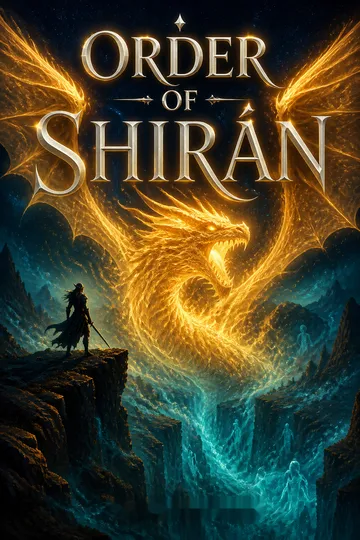
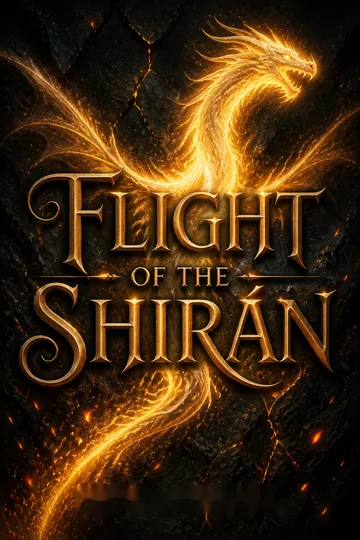
The Silvan Series






About the Author
Download PDF
Download EPUB
.epub digital book format is ideal for reading ebooks on phones, tablets, and e-readers.








