

Plot Summary
Prologue
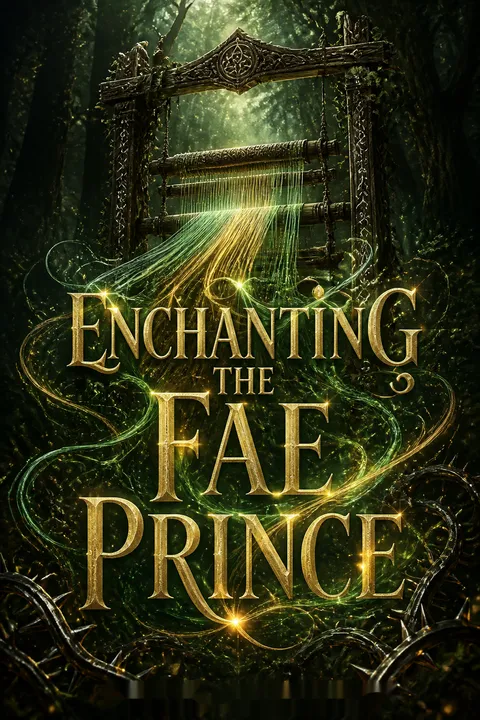
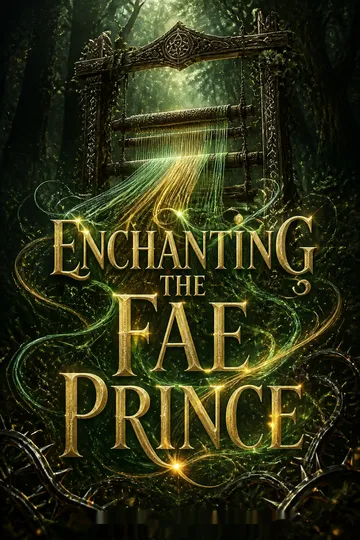
In an ancient castle, Edwinde, the Matchweaver, works the Mageloom, a magical tapestry that reveals destined partners. It shows her the face of Werian, prince of the fae, and Edwinde decides to match him with a noblewoman.
She hopes the arrangement will win her a place at the Agate Court, where spirit agate might extend her life and restore her youth. Her ambition depends on controlling a power that is meant to serve others, and the loom has already begun to show her a future she does not want.
Edwinde’s opening vision establishes the story’s conflict as a struggle over who gets to interpret fate. She treats the Mageloom not as a responsibility to the people who depend on it, but as a route out of her confinement and into the fae court. Her plan also exposes the insecurity beneath her grandeur: she wants recognition, youth, and a place among those she considers superior. The loom’s image of Werian is not merely romantic foreshadowing. It is the first sign that Edwinde’s self-serving hierarchy will collide with a match that crosses social and species boundaries.
Mabon Leaves Her Behind
At the autumn festival, Rhianne, a left-handed cobbler’s niece, hears the villagers mock her as she considers seeking the Matchweaver. The yearly visit is her chance to learn whom she might marry, and she is tired of being lonely and treated as strange. She enters the enchanted forest despite the rising fog, hoping a match might offer companionship and a life beyond Tyreh.
Odo, a brewer who has bullied her before, ambushes her on the trail, kicks her, and crushes the fingers of her working hand beneath his boot. He leaves her injured as a scar wolf approaches. Rhianne refuses to surrender, wounds the wolf with a branch, and fights to keep its jaws from her face.
Rhianne’s first decisive act is not a romantic gesture but a refusal to let her village define what she deserves. Her journey begins in a social world where practical skill earns her no protection, and her damaged hand makes that vulnerability bodily and immediate. Yet she does not become a passive victim: she insults Odo, reaches for a weapon, and fights the wolf even while injured. The scene makes courage less a matter of fearlessness than of continued action under coercion. Her wish for a partner begins as a wish for solidarity, not rescue, a distinction that shapes the romance to come.
A Prince in the Fog
Werian, the Fae Queen’s son, finds Rhianne pinned beneath the scar wolf and drives the animal away by combining force with fae speech. He heals her wounds, but her blood loss is too severe for his magic, so he carries her to Edwinde’s castle. After Edwinde spends spirit agate to save her, Rhianne wakes among the castle workers and learns the fae prince was her rescuer.
When the Matchweaver reads the loom, she sees Rhianne’s destined partner and recoils. The match is so unwelcome that Edwinde refuses to name it, accuses Rhianne of being unworthy, and drives her from the loom chamber. Rhianne is left with a mystery that matters more to the witch than to her.
The rescue introduces a reversal of expected power: a prince saves a village woman, but Rhianne has already fought for her own survival before he arrives. Edwinde’s refusal transforms the customary matchmaking ritual into a struggle over class and access. She is not simply withholding private information; she is attempting to decide which kinds of people may be joined. Rhianne’s wounds also establish the physical price of her life before magic enters it. Werian can mend injuries, but not undo every consequence, which keeps his power from turning him into a complete solution to her danger.
The Castle Chooses Rhianne
Unable to accept the loom’s vision, Edwinde secretly tries to force it to show a different match for Rhianne. The castle trembles, its colored windows shatter, and cracks split the floor as its own magic resists her. When Edwinde turns her wand on Rhianne, three ancient voices halt the spell and entrust the castle to the cobbler’s niece, charging her to find the next Matchweaver.
The crisis subsides, but Edwinde’s ambition is exposed: she had hoped to match Werian with a noblewoman, win the Fae Queen’s favor, and gain access to the fae’s life-extending agate. Edwinde’s body then dissolves into a glittering cloud and escapes, while a rowan wand appears at Rhianne’s feet.
The castle acts as more than a setting: it judges the person who claims authority over its magic. Edwinde’s attempt to revise the loom exposes the coercion beneath her matchmaking, while the ancient voices transfer responsibility to someone who has no training or social standing. Rhianne does not seek power, yet she is made accountable for a system whose keeper has failed it. The wand is therefore not a prize so much as an imposed duty. Edwinde’s escape leaves the conflict open, and the castle’s choice turns Rhianne’s private search for belonging into a public obligation.
A Match Rides East
When Werian returns, Rhianne tells him that the loom named him as her match. He accepts the possibility because he has dreamed of her, and she has dreamed of him, but neither treats the bond as a substitute for choosing each other. They ride to Tyreh so Rhianne can say goodbye to Uncle Cane and confront Odo.
With her new wand, she strips the brewer of speech and prevents him from striking her or the innkeeper’s daughter. Werian does not take over the confrontation; Rhianne decides when to use her power and when to stop. Before they leave, a raven calls, and the ancients warn Werian that three calls mark the time they have to reach a well in Khem and prevent a spreading catastrophe.
The romance begins through mutual recognition, but the book resists treating destiny as consent. Werian accepts the match, while Rhianne keeps the right to decide what that means for her life. Her encounter with Odo makes this distinction concrete: Werian stands beside her, yet she chooses the spell and its limits. She uses power to stop repeated harm rather than to kill him, setting an ethical standard for a heroine who has suddenly gained dangerous authority. The raven warning then expands the scale of their decision. Their partnership must function both as a developing intimacy and as a working alliance under pressure.
Shadowhood's Burning Harbor
Before returning to Rhianne, Werian has to reach the Sea’s Claw, where he lives a second life as Captain Shadowhood. He secretly trades spirit agate and uses the proceeds to help poor human communities, resisting the Fae Queen’s hoarding of the stones. A dragon drawn to the crew’s hidden gold attacks the Nucklavee.
Werian throws the coins into the sea to divert it, then wounds its tongue with his ruby dagger when it turns back toward the ship. His men survive, and Princess Aurora and Prince Filip arrive after her scrying warned him of the danger. Werian sends them away and rides back to the forest, carrying the burden of his secret life and the urgent need to protect Rhianne.
Werian’s secret identity gives his rebellion a material form. He does not merely resent the inequality of the fae court; he moves wealth from its hoarded stores into human communities. The dragon attack tests whether that generosity extends to his own people, and he sacrifices both a fortune and a prized weapon to keep his crew alive. His choices complicate the charming rogue persona: risk is not only an appetite for adventure but a method of protecting people who have little power. Aurora’s warning also links Werian’s personal life to a broader network of trust, including friends who can intervene when his independence becomes dangerous.
The Nucklavee Breaks
Rhianne and Werian leave Tyreh with the rowan wand and a plan to reach Khem. On the road, they see the first patches of unnatural blackness killing trees and deer, and Rhianne’s attempt to drive it back fails. At the Sea’s Claw, Werian introduces her to the Nucklavee crew under the disguise of Merewyn, a supposed witch and business partner.
They sail toward Khem, where Rhianne delights in the sea and grows closer to Werian. A violent, unnatural storm then tears the ship apart and scatters the crew across the water. Rhianne and Werian survive on a cabin door, and she keeps hold of her wand. A plain, unmarked vessel picks them up, but its captain, Brielle, speaks with a Wylfen accent.
This passage shifts the quest from horseback travel into an unstable, communal ordeal. The spreading blight gives their urgency visible evidence, while Rhianne’s failed spell prevents her new magic from seeming limitless. The ship provides a brief space for pleasure, curiosity, and intimacy, but the storm destroys the material refuge that made those experiences possible. Their survival depends on each other and on the crew, rather than on the prince’s status or the witch’s power. Brielle’s arrival introduces a political danger: Wylfen is hostile to magic, so the rescue that keeps them alive may also expose Rhianne to persecution.
Brielle Knows the Well
Brielle takes the shipwrecked crew aboard and offers passage to Khem. Werian recognizes the danger in her Wylfen accent and hides Rhianne’s wand, but he learns that Brielle and her cousin Gabe are not ordinary traders. In Khem, the group questions a jewelry merchant, whose information leads them to Zahra, a royal scholar of ancient artifacts.
Brielle admits she is a Wylfen princess traveling against her father’s wishes because she rejects his persecution of magic and wants to study the past. Zahra knows of an ancient well beyond the Green Chasm and agrees to guide them. As they approach, Werian reveals that he once helped Zahra’s aunt escape an unwanted fate, earning Zahra’s trust and her promise of a ship for their return.
The rescued party becomes a coalition across borders that official politics would keep apart. Brielle’s identity first makes her a threat, but her opposition to her father’s anti-magic rule turns that suspicion into an alliance. Zahra’s scholarship supplies what neither Rhianne’s courage nor Werian’s information network can: a specific route to the well. Werian’s past favor earns practical trust, showing that relationships built before the crisis can create resources when formal authority fails. The chapter also gives the quest a history deeper than the protagonists’ romance, tying the present danger to old artifacts, royal obligations, and contested memory.
The Chasm Gives Way
At the Green Chasm, a suspension bridge gives way beneath Zahra, leaving her clinging over the drop. Werian braces himself and hauls at the remaining rope while Rhianne uses her wand to lift Zahra safely back to the ledge. The rescue reveals that the land near the well strengthens Rhianne’s magic.
They still cannot cross: the damaged bridge is their only practical route, and the alternative would cost ten days they do not have. Rhianne commands the broken ropes and slats to rejoin, then reinforces the whole structure with magic. The group leaves its horses behind and crosses on foot. Werian admires her newfound power, but Rhianne remains aware that she is inexperienced and that the bridge must hold under their weight.
The bridge sequence makes Rhianne’s growth measurable through consequences: she saves Zahra, then repairs infrastructure so the whole group can continue. Her magic is not just a weapon or an emblem of status; it becomes a practical form of care. The scene also locates power in relationship with place. Rhianne draws strength from the well’s surroundings, suggesting that magic is responsive to material and historical conditions rather than an isolated personal possession. Werian’s support matters, but he cannot perform the task for her. The crossing therefore combines dependence and agency, the same balance the romance has been learning to sustain.
Apep's Impossible Test
At the well, three Defenders of Lilia refuse to let Rhianne approach until she passes a test of the sea. They bind the party and send their boat into open water, where Apep, a chaos dragon, bites Werian and batters the hull. Werian distracts it by throwing his spirit-agate amulet into the sea.
A siren’s song then lures Zahra toward the water; Werian blocks his ears and pulls her back before she can reach the singer. The Defenders finally escort the group to shore and grant Rhianne an amulet of access and protection. Their test has cost the party precious time, but it gives them passage to the well and the wand they need to approach it.
The Defenders’ test is deliberately opaque, forcing the travelers to endure danger without knowing what counts as success. Each threat tests a different form of vulnerability: Werian’s body, Zahra’s desire, and the group’s capacity to act together. The siren episode is especially revealing because its lure does not discriminate by strength or intelligence; everyone feels its pull. Werian’s care becomes most useful when he recognizes the danger and acts quickly rather than relying on charm. The amulet they receive afterward is both a practical credential and an uneasy reward, since the guardians have imposed a perilous ordeal without sharing its rules.
The Well Names Rhianne
At the sacred well, Rhianne touches its water with her wand and hears the ancient voices that chose her. They reveal that Lyra’s blood and dormant witchcraft run through her, name Edwinde as the former Matchweaver’s true identity, and direct Rhianne to defeat the darkness. The discovery gives her a clearer purpose, but it does not immediately solve the crisis.
Before they begin the return voyage, Werian proposes, and the crew helps the couple marry aboard Zahra’s borrowed ship. Rhianne accepts the commitment without abandoning the quest; the ceremony becomes a promise made under uncertainty. The party then turns back toward Lore, where the spreading blight may already have reached the palace and the people they left behind.
The well changes Rhianne’s understanding of herself, but the revelation does not erase the work ahead. Her power is inherited and newly awakened, not something she has mastered through revelation alone. Naming Edwinde matters because it turns an apparently impersonal darkness into an adversary with a history and identity. The shipboard marriage is similarly grounded in uncertainty: the couple commits before knowing whether they can return safely or reverse the blight. In both cases, knowledge and commitment create direction rather than control. Rhianne can now name the task, but its outcome still depends on action, allies, and the limits of her strength.
The King Is Not Himself
On the journey home, Rhianne tests her new power against the blackened land, but the darkness drains her spell and brings down a tree. At Loreton Palace, Prince Filip and Princess Aurora report that the blight has spread through the kingdom, sickening people and even the queen. King Athellore has dismissed his loyal guards and now serves himself with violent men.
Rhianne recognizes Edwinde’s magic in the ivy binding him. Aurora attacks, and a fight erupts between the newcomers and the king’s guards. Rhianne frees Aurora briefly, but Edwinde’s hold over the king overwhelms her. She collapses in pain while the group is forced to retreat, leaving the king, Aurora, and others trapped in the throne room.
The failed attempt to expose the darkness shows that Rhianne’s new identity does not grant immediate mastery. She approaches the blight with curiosity, but it consumes her energy and nearly costs her life. At the palace, political power has become another instrument of Edwinde’s control: Athellore’s authority remains visible, yet his decisions and guards serve the antagonist. Aurora’s impulsive attack makes the danger immediate, while Rhianne’s brief success in freeing her shows that resistance is possible but not yet sustainable. The retreat forces the heroes to admit that courage alone cannot overcome an enemy who can drain power and distort a ruler’s will.
Edwinde Loses Her Hold
Werian leads Rhianne, Filip’s brother Dorin, and the injured Drago to the hidden chest of spirit agate he once buried near the palace. They crush the stones and use Rhianne’s weaving magic to stitch them into her clothes, increasing her strength before they return. In the throne room, Edwinde controls Rhianne’s mind and makes her bind Werian with magic.
As he lies dying, he urges her to remember the witch’s name. Rhianne breaks through the possession, names Edwinde, and drives her out. She binds the guards, heals Werian, frees Aurora and the other captives, and dispels the ivy and darkness. The kingdom’s colors return across the landscape, and Athellore and the court acknowledge her as the Matchweaver.
The climax turns on the difference between possessing power and retaining moral agency while using it. Edwinde can seize Rhianne’s magic, but she cannot fully erase the relationships and memories that allow Rhianne to recognize the coercion. Werian’s appeal gives her a point of contact with herself, while the name learned at the well makes resistance precise. Spirit agate strengthens her body, yet the decisive act is not greater force alone; it is identifying and rejecting the voice that has invaded her judgment. The restored landscape makes that inward victory publicly legible, linking psychological freedom to the kingdom’s physical recovery.
A Court Made to Bow
After Lore recovers, Rhianne and Werian hold a formal wedding at the Agate Court, with Aurora and Filip among their guests. Werian makes his mother acknowledge Aurora’s childhood mistreatment and demand forgiveness, then Rhianne uses a conjured storm and gryphon to stop the Fae Queen from objecting to their marriage on grounds of Rhianne’s human birth and limited fae blood.
The Queen withdraws her challenge, and the couple exchange vows before the court. The ceremony settles more than their relationship: it forces the fae court to recognize Rhianne’s authority and gives Aurora a measure of public redress. Rhianne chooses the title Matchweaver rather than princess, keeping her identity tied to the work she has accepted.
The wedding turns private commitment into a public negotiation over status. Werian refuses to let his mother’s authority erase Aurora’s history, while Rhianne refuses to let the court define her worth by ancestry. Her magical display is comic in its theatricality, but it also answers the Queen’s attempt to make powerlessness the condition of acceptance. The ceremony does not dissolve the hierarchy around them; it makes that hierarchy answer to people it previously dismissed. Rhianne’s choice of title preserves a distinction between earned responsibility and inherited rank. The romance resolves as a partnership that can confront power together without requiring Rhianne to disappear into Werian’s identity.
Epilogue
Back at the castle, Rhianne learns the Mageloom and gives people across Lore a small share of its magic, so they can glimpse their own destined matches without relying entirely on her. The ancient voices tell her this gift frees her from remaining at the loom.
She asks Werian to take her traveling, and he agrees. The women who live at the castle can continue their work with Rhianne as their friend rather than their distant mistress. The story closes with the life she once could only imagine: love, meaningful work, and the freedom to choose where she goes next.
The epilogue resolves the tension between service and captivity that has shaped both Edwinde’s history and Rhianne’s new role. Rhianne does not abandon matchmaking; she distributes some of its power, changing the institution so its beneficiaries can act for themselves. That choice distinguishes her from Edwinde, who sought access and status by controlling the loom. Freedom here is not escape from responsibility but the result of sharing it. Rhianne’s return to the castle as a friend among the women also revises its social structure, while her departure with Werian confirms that love need not require her to surrender work, movement, or self-direction.
Analysis
The novel makes fate less a command than a contested resource. The Mageloom can identify a match, but its meaning depends on the people involved. Edwinde treats the loom as property and assumes its visions should serve her social ambitions. Rhianne and Werian instead make room for choice inside destiny: they accept the match as an invitation to know one another, not as an order that removes consent. This difference is central to the romance. Their bond becomes credible because it grows through mutual actions, including Rhianne’s insistence on handling Odo herself and Werian’s willingness to support rather than replace her agency.
Power is repeatedly judged by its distribution. The Fae Queen hoards spirit agate, while Werian redirects it to struggling humans. Edwinde seeks the court’s approval by arranging a match she considers socially suitable. Rhianne’s eventual authority is validated not by her birth but by how she uses it: to protect people, repair the bridge, free the palace, and share the Mageloom’s gift. The epilogue completes this pattern by letting others see their own matches, reducing dependence on a single gatekeeper. Rhianne does not reject the institution; she makes it less monopolistic.
The book also treats courage as practical rather than pristine. Rhianne is frightened, inexperienced, and sometimes wrong about what her magic can do. Her first effort against the blight fails, and Edwinde nearly takes control of her mind. Survival depends on allies, memory, material resources, and the willingness to revise a plan. Romance likewise becomes a form of cooperation rather than rescue. Werian’s charm matters less than his repeated readiness to trust Rhianne’s judgment. In the end, the story’s ideal of love is not escape from danger but a partnership that makes each person freer to act.
Review Summary
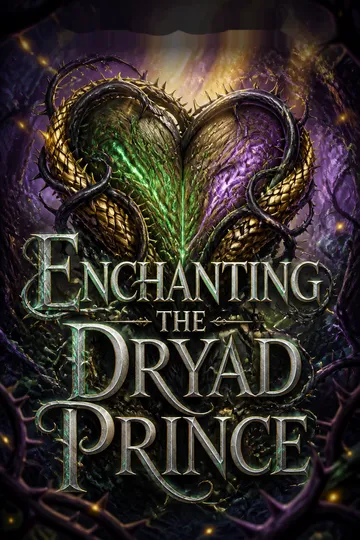
Enchanting the Fae Prince is a beloved fantasy romance in the Kingdoms of Lore series. Readers praise the charming characters, engaging plot, and unique magic system. Many appreciate the well-developed relationship between Rhianne and Werian, finding their chemistry and banter delightful. The book is lauded for its fast pace, adventure, and satisfying conclusion. While some critics found the romance too quick or the plot predictable, most reviewers highly recommend this enchanting tale of fated mates and magical quests.
People Also Read


Characters
Rhianne
The stubborn village cobblerRhianne is a practical, left-handed cobbler’s niece who has learned to survive in a village eager to treat difference as a flaw. She is curious enough to ask questions even when authority figures dislike them, and stubborn enough to act when other people would prefer her to stay quiet. Her longing for partnership is bound up with a wish for mutual respect, not rescue or status. She is also alert to the consequences of power: her instinct is to protect people and to seek workable answers. That mix of plain practicality and appetite for a wider life makes her a natural counterweight to courtly arrogance and magical grandiosity.
Werian
The restless fae princeWerian is the Fae Queen’s son, a quick-witted prince who is more comfortable riding, sailing, and taking risks than submitting to courtly routine. His charm can shade into vanity, but beneath it lies a deep unease with the gulf between fae wealth and human hardship. He seeks ways to redirect resources toward people the court overlooks, and he values companions who challenge his assumptions. His independence is real, though not simple: he remains affected by his mother’s approval and by the old injuries of court life. With Rhianne, he is drawn to a partner whose courage is practical rather than ornamental.
Edwinde
The ambitious MatchweaverEdwinde is the current keeper of the Mageloom, a powerful witch whose position isolates her from ordinary life. She wants the fae court’s admiration and imagines that proximity to its wealth will secure youth and lasting importance. Her pride is sharpened by a rigid sense of rank: she assumes noble blood deserves better matches and greater consideration than village birth. Edwinde is intelligent and capable, but she treats other people’s futures as instruments for her own advancement. Her conflict with Rhianne exposes the danger of confusing stewardship with ownership.
Brielle
The daring artifact seekerBrielle is a bold sailor and collector of knowledge who travels in defiance of the expectations surrounding her. She is quick to challenge people she distrusts and equally quick to defend those she considers friends. Her fascination with ancient artifacts reflects a wish to understand the world beyond her homeland’s narrow rules. She can be impatient, especially when others impose danger without explanation, but her anger often comes from a strong moral objection rather than a desire for control.
Zahra
The Khem artifact scholarZahra is a royal scholar of ancient objects and a careful keeper of family history. She does not offer trust automatically, but she recognizes obligations and repays meaningful acts of care. Her knowledge of Khem’s sacred sites gives the travelers a path toward their goal, while her composure helps steady the group when danger turns chaotic. Beneath her guarded manner is a deep attachment to the people who made her feel loved and safe.
Nor
The castle's steady handNor is one of the women who chose a life at the Matchweaver’s castle rather than accept an unsuitable match. Warm, direct, and grounded, she welcomes Rhianne when the witch turns her away and explains the lives of the women who work there. Her friendship gives Rhianne a rare experience of uncomplicated kindness. Nor’s humor and practical care offer a human scale amid royal schemes and ancient magic.
Princess Aurora
The water-mage princessAurora is a princess of Lore and a powerful water mage whose close ties to Werian make her part of his chosen family. She is forceful, emotionally candid, and impatient with leaders who ignore danger. Her history at the Agate Court gives her reason to distrust fae privilege, while her partnership with Filip offers a steadier source of support. Aurora is quick to act, sometimes before a plan is ready, but her courage is matched by loyalty.
Prince Filip
Aurora's elven partnerFilip is an elven prince of Balaur and Aurora’s partner. A disciplined fighter with an unusual connection to dragons, he combines physical skill with an understated patience. He respects Werian’s independence and responds to danger without needing to dominate the people around him. His steadiness helps anchor the larger alliance that forms around Rhianne.
King Athellore
The troubled king of LoreAthellore is the ruler of Lore and Aurora’s father. His position gives his decisions enormous consequences for the kingdom, yet he is not consistently attentive to the people or dangers around him. His relationship with Aurora is strained, and the crisis surrounding the palace exposes how vulnerable authority can become when a ruler’s judgment is compromised.
The Fae Queen
Werian's possessive motherThe Fae Queen rules a wealthy court and values control, status, and the preservation of her family’s power. She can display warmth toward Werian, but their affection is tangled with expectation and old resentment. Her treatment of others reveals a political imagination in which kindness may coexist with manipulation. She is especially unsettled by Werian’s independent life and his willingness to question the privileges she protects.
Odo
Tyreh's cruel brewerOdo is a powerful brewer whose temper and contempt for Rhianne make him a source of danger in Tyreh. He mistakes her refusal to submit for an insult and uses his physical strength to punish her. His behavior reflects a village culture that gives bullies room to act when their targets lack status or protection.
Uncle Cane
Rhianne's distant guardianCane is Rhianne’s uncle and a skilled cobbler who has given her a place in his workshop. He is emotionally reserved and rarely offers the attention she wants, though he does not openly prevent her from choosing her own path. His quietness helps explain why Rhianne seeks belonging beyond her home.
Little John
Werian's trusted first mateLittle John is Werian’s imposing first mate and one of the few people trusted with the prince’s hidden life. He is loyal, physically formidable, and unafraid to correct Werian when his judgment needs it. His bond with the crew makes him a practical source of stability, while his humor keeps the ship’s dangers from turning every moment grim.
Dorin
The Balaur heirDorin is Filip’s elder brother and the heir to Balaur. A formidable warrior, he brings authority and battlefield skill to the alliance. His concern for his brother is visible beneath his formal bearing, and he is willing to risk himself when Lore’s crisis demands it.
Drago
The wounded elven knightDrago is an elven knight and one of Filip’s allies. His dry impatience often punctures Werian’s confident claims, but he remains committed to protecting his companions. He brings a soldier’s urgency to decisions that others might prolong with speculation.
Plot Devices
The Mageloom
Maps destined matchesThe Mageloom is an enchanted loom in the castle of the Matchweaver. Its colored wool reveals the destined partners of those who seek its reading, but only the chosen keeper can interpret the visions. The loom makes private desire part of a public system: villagers depend on its guidance, while rulers and powerful families may hope to influence who is paired with whom. Its resistance to Edwinde’s attempt to alter a vision establishes that the instrument has its own magic and is not simply an extension of its keeper’s will. The loom also frames the novel’s central question: whether fate should be controlled by a privileged interpreter or shared with the people whose lives it affects.
The Rowan Wand
Transfers ancient authorityWhen the castle rejects Edwinde’s attack, a wand of rowan appears for Rhianne, carrying the power of the ancient witches. It lets her cast spells despite her lack of training or known witchcraft. Its power is not effortless: Rhianne has to learn through use, and the black blight can drain her magic or defeat an attempted spell. The wand therefore serves both as a tool and as a burden, forcing a practical craftswoman to make decisions with consequences far beyond her experience. It also gives her a way to protect others, though it cannot by itself guarantee victory over Edwinde.
The Three Raven Calls
Creates a moving deadlineThe ancient voices warn Werian that three raven calls mark the time available to reach a well in Khem and set the next events in motion. The warning offers no clear measure of how much time remains, so each raven becomes a source of uncertainty rather than a reliable clock. Rhianne and Werian must decide whether to continue toward the well even as the darkness spreads through Lore. Their urgency comes not from a countdown they can calculate, but from the risk that delay will leave no kingdom to save. The ravens turn travel into a test of judgment under incomplete information.
Spirit Agate
Amplifies inherited magicSpirit agate is a magical stone associated with the fae and the ancient power beneath the earth. It can strengthen those with magic in their blood and extend life, making it a source of both healing and political wealth. Werian’s secret trade in agate helps human communities while challenging his mother’s control of the stones. Later, he uses his hidden supply to reinforce Rhianne before her final confrontation with Edwinde. The stone does not remove the danger or make Rhianne’s choices for her; it gives her more capacity to act. Its movement from hoarded privilege to shared use parallels the story’s changing relationship to power.
Glamours and Shadowhood
Hides a prince's second lifeWerian uses fae glamour to disguise his pointed ears, horns, and identity while living as Captain Shadowhood. The disguise allows him to move beyond court, sail with his crew, and trade in spirit agate without immediately exposing his actions to the Fae Queen. When Rhianne joins him, he gives her the false identity of Merewyn so she can travel with the crew more safely. These disguises create moments of comedy and tension, but they also make visible the difference between public rank and chosen conduct. Werian’s concealed identity is not merely a trick; it gives him room to act according to values his court life does not reward.
Kingdoms of Lore Series
About the Author


Download PDF
Download EPUB
.epub digital book format is ideal for reading ebooks on phones, tablets, and e-readers.








