


Plot Summary
Prologue
A four-by-four hits a family car on an empty country road and leaves it overturned in a ditch. The driver pauses, sees an injured passenger raise a hand, then drives away rather than face the consequences. No witnesses remain, and the wreck is only a short distance from home.
The stranded family and the person who abandons them will not make sense to Emma Averell for decades. For now, the crash is a quiet act of cowardice, its damage traveling forward through lives that have not yet met.
The crash plants the novel’s moral wound before its protagonist appears: one person’s decision to flee becomes another family’s permanent loss. Its empty road also establishes the book’s uneasy relationship with evidence. There are no witnesses, only a surviving passenger and the consequences left behind. By withholding the driver’s identity and the family’s connection to Emma, the prologue makes an apparently separate accident feel like a buried cause waiting to surface. Its restraint matters. The horror begins not with spectacle but with someone choosing self-preservation while another person reaches for help.
The Clock at 1:13
Emma Averell has built a life around work, family, and the belief that the past is finished. Then she wakes at 1:13 a.m. with the conviction that someone is inside her house. She checks on her children, Chloe and Will, returns to bed, and cannot sleep again. The next day, flowers from a client and an unexpected call from her sister Phoebe compete for her attention.
Phoebe has returned from Spain and wants Emma at a hospital. Emma abandons work, imagining an illness or accident, but Phoebe’s sudden reappearance unsettles her before she even knows why. As her fortieth birthday approaches, the time on the clock begins to feel less like coincidence than a warning.
Emma’s first rupture is small enough to dismiss: one sleepless night, one missed call, one approaching birthday. That modest scale is psychologically effective because she is a woman trained to contain disruption by classifying it as a task. Her professional competence becomes an early defense against experiences she cannot yet name. The exact time, 1:13, gives private fear an external marker, while forty carries inherited meaning rather than ordinary aging. The story’s suspense grows from Emma’s need to treat both as manageable facts, even as the pattern begins to undermine the very order she trusts.
The Mother Behind Glass
At the hospital, Phoebe tells Emma that their seventy-five-year-old mother, Patricia, has been living in a secure psychiatric unit for decades. Patricia has smashed her head against a mirror and now lies with a life-threatening brain bleed. Emma is furious that Phoebe concealed her return and has been visiting Patricia for months.
She has told her husband Robert that her mother died when she was five, a lie Phoebe has helped maintain. Emma refuses to see Patricia and leaves the ward, insisting that the woman she feared as a child has no place in her adult life. Phoebe argues that the crisis might offer a chance to face their shared past, but Emma drives away more frightened than she admits.
The hospital visit dismantles Emma’s cleanest boundary: she has not merely avoided her mother, she has made the family history disappear from her present life. Phoebe’s secrecy makes the revelation feel like a second abandonment, even though her sister may understand it as an attempt at repair. Their conflict shows how siblings can inherit the same trauma but preserve incompatible accounts of it. Emma’s insistence that Patricia is effectively dead protects her from memories she cannot integrate. Yet the emergency makes that strategy unstable: the past has returned in a body, and Emma can no longer treat it as a story that ended when she was five.
A Birthday Without Permission
At home, Emma discovers that Robert and Chloe have arranged a gathering for her fortieth birthday despite her wish to avoid a fuss. The celebration exposes the distance between Emma’s long workdays and the family routines Robert manages as a stay-at-home parent.
Will mentions a fuzzy-headed feeling, but Emma initially treats it as a passing childhood complaint. At a school-friends barbecue, she drinks wine and tries to join Robert’s social world.
When Ben Simpson pushes Will from a trampoline, Emma rushes to protect her son and clashes with Ben’s mother, Michelle. The incident leaves Will frightened and Emma embarrassed by her own sharpness. By the time they go home, the birthday party feels less like a gift than another demand she must manage.
The family gathering gives the supernatural plot a domestic counterweight. Emma is not simply afraid of inherited madness; she is already struggling to occupy several roles at once, provider, mother, wife, and professional. Robert’s party planning is affectionate but also demonstrates how little control she has over the emotional terms of her own milestone. Will’s vague symptoms matter because they arrive inside ordinary family friction, where adults can easily dismiss a child’s distress as a mood. Emma’s reaction to Ben reveals both genuine protectiveness and the hair-trigger vigilance that will later distort her judgment. Her family’s familiar routines are already under strain before the uncanny events become undeniable.
The Sister at the Door
After the barbecue, Phoebe appears at Emma’s house without warning and quickly charms Chloe and Will, who barely remember her. Robert welcomes her; Emma remains wary. In private, the sisters reopen old grievances. Phoebe says she wants to reconnect because Patricia may be dying, while Emma insists she does not want to discuss their mother.
Phoebe accuses Emma of treating her successful life as proof that she alone escaped their childhood. The visit ends in anger, and Emma later finds herself watching the garden, checking locks, and staring at the understairs cupboard. She loses track of time while crouched in the hallway, then discovers her tea has gone cold. For the first time, exhaustion feels like a threat to her own reliability.
Phoebe’s visit brings intimacy and danger into the same room. She can make Emma’s children laugh, yet cannot speak to her sister without reopening a hierarchy of injury: the older child who remembers more, and the younger one who built a different life. Emma’s control depends on keeping these relationships separate, but Phoebe crosses the boundary simply by entering the house. The cupboard and the cold tea turn memory into a problem of perception. Emma does not know whether she has been distracted, exhausted, or absent from herself. That uncertainty is more frightening than a clear nightmare because it places her own awareness in doubt.
Numbers Enter the Record
Emma’s sleep worsens, and a trip to the supermarket ends with teenagers harassing her and her wallet going missing. A nurse named Caroline returns it, but Emma embarrasses herself by implying that money has been stolen. Soon her car is keyed and a tyre is slashed.
Emma suspects the teenagers or Miranda Stockwell, an angry former client, while Robert admits he has not arranged the home security cameras he promised. At work, Rosemary plays Emma a Dictaphone recording meant to contain legal letters.
Instead, Emma hears herself whispering a string of numbers associated with Patricia’s breakdown. She invents an explanation for Rosemary, then later finds the same numbers written on the kitchen splashback. Each incident offers a reasonable excuse, but together they begin to erode her confidence.
This sequence turns uncertainty into a contest between explanations. The stolen wallet and vandalism invite external blame; the recording and writing point back toward Emma. She moves between those accounts without enough sleep to test either one. Caroline’s return of the wallet briefly offers kindness, but Emma’s accusation damages the possibility of uncomplicated trust. At work, the Dictaphone is particularly destabilizing because it transforms an invisible lapse into a record another person can hear. Emma’s legal mind wants proof, yet the proof itself is compromised by her missing memory. The numbers become a bridge between her mother’s history and Emma’s present without clarifying whether that bridge is inherited behavior, exhaustion, or something stranger.
Will's Drawings Turn Dark
Will becomes withdrawn, wets himself at school, and says Ben shook him when he froze in the playground. Emma assumes Ben caused the accident and confronts him without his mother present. A passerby reports her to the headteacher, who calls Emma and Robert in. There they see Will’s repeated drawings of a long-haired woman looming over a boy’s bed with a pillow.
The image resembles Patricia’s attack on Phoebe, a memory Emma has never shared with her children. Robert wonders whether Emma has frightened Will during her sleepless nights. Emma blames Phoebe, who has been visiting, and angrily demands to know what she told him. Phoebe answers that Patricia has died, turning Emma’s accusation into a fresh crisis.
Will’s drawings make the family’s private past visible in the one place Emma most wants to protect: her child’s imagination. The picture resembles an event that should be inaccessible to him, so Emma reaches immediately for a culprit outside herself. Her earlier confrontation with Ben shows how concern can become coercive when fear demands a quick explanation. Robert’s suspicion is painful partly because Emma cannot offer a reliable account of her own nights. The drawings do not settle whether Will has been told a story, has witnessed something, or is expressing a fear without understanding it. Their force lies in making every adult interpretation seem possible and none emotionally safe.
A Hand From the Bed
Unable to keep avoiding Patricia, Emma visits the hospital. Her mother looks frail and motionless, but the medical notes show that Patricia injured herself at exactly 1:13, the moment Emma first woke in fear. As Emma studies the chart, Patricia suddenly grips her wrist and opens her eyes before falling still again. Emma flees, shaken, and shortly afterward learns that Patricia has died.
Police arrive at Emma’s home because she was the last person to see her mother alive and a pillow was found beside the bed. Emma tells them Patricia moved, but they question her motive and the timing of the school call. Phoebe’s account of Emma’s lifelong fear of inheriting their mother’s illness makes the investigation more personal and more dangerous.
The hospital encounter joins the novel’s two central uncertainties: whether Patricia’s mind and body can still act, and whether Emma can trust her own perception. The exact match between the injury time and Emma’s first awakening makes coincidence feel charged, but it is not yet evidence of a supernatural link. Patricia’s grip also recasts the mother as more than a passive object of fear: she seems to reach toward Emma, though no clear message follows. After Patricia dies, the police turn family history into motive. Emma’s private dread now has public consequences, and her silence about the past leaves her exposed to interpretations she cannot easily correct.
The Bar Beneath Marriage
Emma sees Dr Andrea Morris, who connects her insomnia to unresolved childhood trauma and prescribes stronger sleeping medication. She also meets Caroline again and tries to repair their awkward first encounter over lunch.
Caroline mentions seeing Robert outside an empty bar, prompting Emma to ask him what he is planning. Robert admits he wants to invest in the bar with Julian and Alan, using money set aside for Chloe’s university costs. Their argument exposes his resentment at years spent caring for the children while Emma advanced at work.
Meanwhile, Michelle privately asks Emma about divorce because she suspects Julian is having an affair. Emma denies involvement, unaware that Chloe is secretly seeing Julian. Each relationship now holds information Emma does not possess.
The bar is more than a business proposal: it gives Robert a concrete image of independence after years of living within Emma’s career and income. His resentment is not simply ingratitude, but a demand to be recognized as a person with ambitions of his own. Emma hears the plan as a threat to the financial structure she has maintained, so both spouses mistake practical concerns for personal rejection. Caroline’s small act of returned property has begun to turn into friendship, while Michelle’s suspicion places Emma inside another marriage’s crisis. The section’s dramatic irony is domestic rather than supernatural: everyone is acting on partial knowledge, and secrecy makes ordinary choices look like betrayal.
The Affair and the Tree
At a dinner arranged by senior partner Angus Buckley, Parker Stockwell makes unwelcome advances and boasts about Julian’s affair. Miranda appears in the restroom, threatening Emma before the restaurant sends her home because police are waiting there.
They question Emma about Patricia’s death, and Phoebe challenges her account of their mother’s grip. Robert learns that Emma concealed Patricia’s existence throughout their marriage. After another sleepless night, Emma finds Will hiding in the understairs cupboard; he identifies the frightening woman in his drawings as Emma.
The next day, Emma sees Chloe meeting Julian and confronts her while driving. Chloe admits the affair and declares she loves him. Their argument turns physical, the car swerves into a tree, and Emma and Chloe return home injured and estranged.
The section compresses several intimate betrayals into one accelerating loss of control. Parker’s entitlement, Miranda’s anger, Phoebe’s accusations, and Robert’s discovery of Emma’s lie all expose different costs of secrecy. Will’s identification of the woman in his drawings strikes deepest because it comes from the child Emma believes she is protecting. The crash then literalizes the danger of trying to force a confession while emotionally flooded and physically exhausted. Emma’s protective impulse toward Chloe is real, but it does not prevent harm. The scene resists an easy distinction between a good mother and a dangerous one: Emma’s love remains present even as her judgment becomes unreliable.
A Pillow on Trial
After the crash, police arrest Emma because fibres from Patricia’s pillow were found in her nose and mouth. Emma calls Darcy Jones, an old university friend and criminal barrister, who points out that the evidence is circumstantial and that hospital monitoring recorded Patricia’s vital signs rising while Emma was present.
He secures her release. Robert asks for the truth, and Emma finally recounts the childhood day Patricia smashed eggs, locked her in the cupboard, and tried to suffocate Phoebe.
The account brings them briefly closer, but Will’s behavior remains troubling. Emma later finds his repeated drawings covering his bedroom walls, with her name written beside them. Robert believes their son is afraid of her and asks her to leave the house while he seeks help for Will.
Darcy’s defense restores Emma’s legal freedom without restoring her domestic credibility. The distinction matters: a weak case can release her, but it cannot make Robert or Will feel safe. Emma’s first full account of childhood is an act of trust, yet it arrives after years of concealment and under the pressure of criminal suspicion. The mural changes the scale of the problem from a child’s private notebook to an entire room shaped by fear. Robert’s decision to send Emma away may be protective, punitive, or both. The uncertainty mirrors Emma’s own question: whether she is being misjudged, whether she is unwell, or whether those possibilities can coexist.
Hartwell's Missing Years
Alone in a hotel, Emma follows Dr Morris’s suggestion to learn about Patricia’s life at Hartwell. Staff explain that Patricia had periods of awareness and spent time in art therapy, facts Emma never knew. A patient named Sandra says Phoebe visited her mother while quietly insulting her, then shows Emma a page covered in Patricia’s repeated attempts to write Emma’s name.
The discovery feeds Emma’s suspicion that Phoebe’s visits were not acts of forgiveness. Soon after, Emma reaches the Hand and Racquet pub and sees Phoebe struck by a van at a busy crossroads. Emma cannot remember how she got from her café to the scene. She holds Phoebe’s hand as paramedics take her to hospital, terrified that she may have witnessed or caused the collision.
Hartwell complicates the story Emma has told herself about Patricia: the woman was not simply absent or permanently catatonic, and her life contained relationships and capacities beyond the childhood memories Emma carries. Sandra’s testimony, however, is not neutral evidence; it sharpens Emma’s suspicions while coming from a vulnerable witness whose account may be incomplete. Patricia’s repeated writing of Emma’s name suggests attachment where Emma expected only fear. Phoebe’s collision intensifies the threat of memory gaps, but the scene remains ambiguous about Emma’s role. The novel makes uncertainty ethically difficult: refusing to believe Emma may be cruel, yet believing every fear she voices may also be unsafe.
The Stranger's Old Grudge
At the hospital, detectives confirm that neither Emma nor Phoebe appears to have killed Patricia, though they still ask whether Emma was near Phoebe when the van hit her. Emma goes to work and learns that clients have posted damaging reviews accusing her of cruelty and incompetence. Buckley fires her, convinced that she is having a breakdown.
Miranda then apologizes for her threats and explains that Parker manipulated her, provoking outbursts and making her look unstable to win custody. Emma begins to question whether someone is deliberately making her appear mad. She returns to Caroline’s house for a shower and clean clothes. There, Hartwell nurse Nina Harris calls, saying she knew Patricia and can tell Emma more about her mother’s past.
Miranda’s account gives Emma a credible model for how a person can be made to look irrational through deliberate provocation. It does not prove that Emma is being targeted, but it prevents her fears from being dismissed as inherently impossible. Her dismissal at work adds material force to the stigma surrounding mental instability: colleagues judge not only her performance but the story they believe explains it. Nina’s call opens a different route into the past, one based on personal memory rather than police files or an emotionally charged patient’s testimony. Emma is beginning to seek corroboration, though exhaustion still makes certainty feel urgent and evidence feel slippery.
The Kitchen Turns Hostile
Nina tells Emma she once hoped to foster both sisters and remembers Patricia as loving but increasingly troubled by blank spells and sleeplessness. She also recalls Phoebe arriving at Hartwell with a man resembling Robert.
Emma drives home convinced that Robert and Phoebe have concealed more than they admit. She finds Caroline in her kitchen with Robert and learns that Caroline recorded one of Emma’s anxious conversations. Robert explains that Phoebe told him about Patricia and took him to visit her, but denies a plot against Emma.
When Will brings Emma a birthday card bearing the same frightening image from his drawings, Emma shakes him in panic. A boiling pan spills as she reaches for it, scalding Robert’s arm and frightening Will. Robert orders her out.
This confrontation is built from real omissions that Emma arranges into a single conspiracy. Robert did hide knowledge of Patricia, and Caroline did record Emma, so Emma’s suspicions are not born from nothing. But her certainty outruns what those facts can establish. The birthday card becomes a trigger because it seems to confirm that Will’s image is being planted, while his frightened reaction increases her urgency. The pan accident gives that urgency an immediate, visible cost. By the time Robert sends her away, Emma has lost both the family’s confidence and her own ability to distinguish evidence from interpretation. The scene makes distrust contagious: each person’s defensive behavior becomes proof to the others.
The Song Comes from Tomorrow
On her fortieth birthday, Emma sits beside Phoebe’s hospital bed, convinced she may be dangerous and planning to seek secure care. After midnight, Phoebe wakes and says she saw someone push her into the road.
She also recognizes the song Emma has been hearing, explaining that Patricia sang it during the childhood crisis. Emma knows the recorded song was written decades later. Searching for her car keys, she discovers Caroline has been visiting Patricia’s hospital ward repeatedly.
Nina then explains that the family who planned to foster Emma died in a crash: their daughter survived, while her mother was left disabled. Emma recognizes Caroline as that child. The numbers resolve into specific times, and Emma understands that the song and visions may be glimpses of events still to come.
The revelation changes the meaning of Emma’s symptoms without erasing their psychological cost. Her mother’s song and numbers are no longer merely signs of inherited madness; they may be fragments arriving from a future that Emma cannot consciously interpret. Phoebe’s testimony separates Emma from the attack on the road, but does not settle every memory gap. Nina’s account connects Caroline to the foster-family accident, turning a history Emma thought she had caused into a history that happened around her. The novel’s temporal logic is deliberately paradoxical: warning and trauma share the same images, so the mind experiences future danger as if it were a repetition of the past.
Caroline's Birthday Trap
Emma realizes Caroline has entered her home and drugged Robert, Chloe, and Will, intending to recreate Patricia’s attack on Phoebe. The numbers in Emma’s mind mark the hours when Caroline will act. A storm gathers as Emma reaches the house, but the front and back doors are locked. Broken glass coated with honey guards the side gate, and she cuts herself climbing over.
She smashes the back door with a garden stone and reaches the kitchen, where Caroline stabs her in the side. Caroline admits she killed Patricia after Emma left the hospital, pushed Phoebe into traffic, and planted evidence and bad reviews to make Emma seem unstable. She intends to suffocate the children. Emma collapses, apparently dying, while Caroline leads Will upstairs.
Caroline’s plan weaponizes everything Emma has feared: the family curse, the pillow, the locked cupboard, and the possibility that a mother might harm her child. Her retaliation is rooted in a childhood loss for which Emma was never responsible, but Caroline converts that grief into a story of deliberate theft. The storm and the timed numbers make the confrontation feel fated, while Emma’s bleeding body insists that action still matters. Caroline’s confession finally distinguishes external persecution from Emma’s real psychological crisis. Emma has been unwell and has been targeted. The novel refuses the false comfort of choosing one explanation; both realities have shaped the danger.
The Loop Breaks at Home
Caroline searches the house for Will, then finds Chloe drugged and too disoriented to stop her. She leads Will upstairs and begins smothering him with a pillow. Emma, still alive despite the stab wound, understands that the scene is repeating the childhood moment when she found Patricia over Phoebe. She crawls to the understairs cupboard, takes an old golf club, and reaches Will’s room.
As Caroline turns toward her, Emma swings the club into her head and knocks her down. She pulls Will close while Chloe reaches them from the corridor. Police sirens approach through the storm. Caroline survives with severe brain damage and will not face a normal trial; Emma and her children survive, though their family life cannot return to its old shape.
Emma’s rescue is not a simple triumph over fear. She acts while injured, exhausted, and uncertain, but the decisive difference from her childhood is that she can name what is happening and choose to intervene. The cupboard shifts from a place of imprisonment into a source of the tool that lets her reach her son. This reversal does not undo the violence that created the family’s trauma; it interrupts its repetition. Caroline’s defeat also carries moral unease, since Emma’s blow causes lasting harm. Survival arrives through an imperfect act of protection, not through restored innocence or complete control.
Epilogue
Emma recovers, starts her own legal practice, and represents Miranda, who gains shared custody of her sons. She and Robert divorce, while Phoebe slowly regains her strength and rebuilds her relationship with Emma. Chloe ends her affair with Julian, stays nearby for university, and Will returns to his lively self.
Caroline is investigated for other deaths among people in her care, but her brain damage leaves her unable to face trial. Emma learns that Patricia, Emma, and Will experienced flashes of future events, which Patricia mistook for madness. The family’s history forms a loop: the visions helped create the conditions for the events they foretold. Emma cannot untangle every paradox, but she can choose to live beyond it.
The ending offers repair without pretending that revelation cancels injury. Emma and Phoebe rebuild their sisterhood, but Emma and Robert separate; Chloe’s future opens only after a damaging relationship ends. Caroline’s incapacitation prevents a conventional legal reckoning, leaving justice morally incomplete even as the family is safe. Most importantly, the explanation of Patricia’s behavior changes the meaning of the childhood attack without making its consequences unreal. The temporal loop refuses a clean origin story: the future produces the fear that helps bring the future about. Emma’s movement forward therefore depends less on solving every paradox than on refusing to let inherited fear define every relationship.
Analysis
Insomnia builds its thriller around a question that is at once forensic and intimate: can Emma trust herself? Her lost time, recorded numbers, and child’s drawings make that question feel evidentiary, while her family history gives every symptom a ready-made explanation. The novel’s most effective misdirection is not that Emma is either ill or persecuted, but that these possibilities can coexist. Sleep deprivation genuinely distorts her perception and judgment; Caroline also deliberately engineers circumstances that make Emma seem unstable. Each interpretation is therefore partly true, and neither can safely replace the other.
The story also treats family memory as an imperfect inheritance. Emma and Phoebe carry the same childhood through different ages, roles, and recollections. Emma remembers being frightened and protected; Phoebe remembers being the child in danger and the sister left behind. Their conflict is not simply a contest over who suffered more. It shows how siblings can make incompatible identities from the same catastrophe, then mistake those identities for proof of each other’s motives. Will’s drawings repeat this problem across generations: he perceives something real but cannot explain it in terms adults can recognize.
The temporal loop gives that instability a supernatural form. Patricia’s terror anticipates Caroline’s later violence, but the visions arrive without usable context and are interpreted as signs of mental collapse. Fate, here, does not remove agency. Emma’s final intervention matters because she acts on a fragment of knowledge that her mother could not understand. The loop may explain why the danger recurs, but it does not make the harm inevitable or morally neutral.
The domestic plot sharpens the theme. Emma’s legal career and financial support have helped her family, yet they have also obscured Robert’s desire for a life beyond caregiving. Chloe’s relationship with Julian shows how youthful claims of independence can coexist with unequal power. These subplots prevent the supernatural explanation from swallowing ordinary responsibility. Emma may be haunted by an impossible inheritance, but she is also a wife, mother, and professional whose choices affect other people. The novel’s hard-won insight is that understanding the past can loosen its grip, but repair still requires accountability, listening, and choices made in the present.
Review Summary
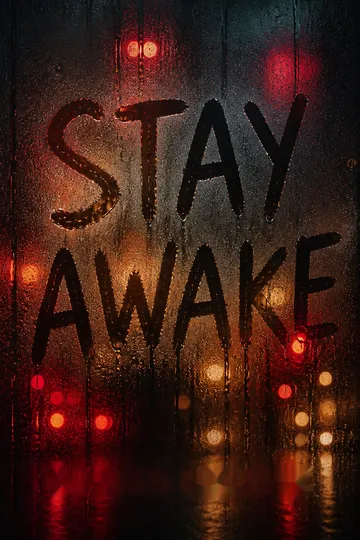
Insomnia received mixed reviews, with ratings ranging from 2 to 5 stars. Many readers found it thrilling and suspenseful, praising Pinborough's writing style and ability to create tension. The protagonist Emma's struggle with insomnia and paranoia resonated with some readers. However, others felt the plot was slow-paced and repetitive. The ending divided opinions, with some finding it clever and others disappointed. Overall, readers appreciated the psychological aspects and twists, even if they didn't always love the resolution.
People Also Read









Characters
Emma Averell
Sleepless family lawyerEmma is a high-achieving family solicitor, mother of Chloe and Will, and wife to Robert. She has built security through preparation, hard work, and keeping painful history private. Her instinct to solve problems is also a form of self-protection: she handles other people’s divorces more easily than she confronts her own family’s past. Approaching forty, she fears that her mother’s mental illness may be inherited, and sleeplessness strips away the control she depends on. Emma is loving and fiercely protective, but her vigilance can turn into certainty before she has enough evidence. Her central psychological conflict is whether she can acknowledge vulnerability without surrendering the identity she has built around being capable.
Phoebe Bournett
Wounded elder sisterPhoebe is Emma’s older sister, a restless and guarded woman who has spent much of adult life away from her family. She remembers more of their childhood than Emma does and carries a complicated mixture of love, resentment, and grief. Phoebe can be warm with Emma’s children, yet she often meets Emma with bluntness rather than reassurance. Her return brings back the closeness the sisters once shared, along with the old imbalance between the one who remembers and the one who escaped into a different life. Phoebe’s guarded manner protects her from being dismissed or pitied, but it also makes reconciliation difficult. She wants the family history acknowledged, even when Emma would rather seal it away.
Robert Averell
Stay-at-home husbandRobert is Emma’s husband and the parent who has spent years caring for Chloe and Will while Emma built her legal career. He is affectionate with the children and comfortable managing domestic routines, but his role has begun to feel like a limit rather than a choice. His wish to invest in a bar reflects a desire for work and an identity of his own. Robert and Emma still care about each other, yet their division of labor has left both feeling unseen: Emma believes she carries the financial burden, while Robert feels reduced to supporting her ambitions. His frustration surfaces indirectly, through omissions and arguments, rather than through the open conversations their marriage needs.
Chloe Averell
Independent teenage daughterChloe is Emma and Robert’s seventeen-year-old daughter, confident, politically aware, and increasingly determined to direct her own life. She is close to Robert and often keeps Emma at a distance, partly because Emma’s demanding career has made their time together scarce. Chloe’s confidence can conceal how inexperienced she remains in adult relationships. She wants the freedom to define herself, but resists seeing how age, power, and family ties shape the choices she makes. As tensions rise at home, Chloe becomes one of the clearest observers of her parents’ distance and Will’s distress. Her independence is genuine, though she is still learning that being treated as an adult does not guarantee equal power.
Will Averell
Quiet youngest childWill is Emma and Robert’s five-year-old son, a lively child whose drawings and unusual silences become important to the adults around him. He is strongly attached to Emma, but begins to withdraw as the household becomes tense. His child’s limited language makes it difficult for him to explain what troubles him, and the adults repeatedly interpret his behavior through their own fears. Will is observant, imaginative, and more affected by the family’s secrets than the grown-ups realize. His need for safety exposes the gap between Emma’s protective intentions and how her nighttime behavior may appear to a child. He represents a younger generation encountering the family’s history without the words or context needed to understand it.
Patricia Bournett
Troubled family matriarchPatricia is Emma and Phoebe’s mother, a woman whose life is known to her daughters mainly through fragments of a frightening childhood and years in psychiatric care. Emma remembers sleeplessness, strange rituals, and sudden violence; Phoebe remembers more of the household’s instability. Other people describe a more complicated woman, capable of affection and friendship as well as profound distress. Patricia’s place in the family is shaped by what her daughters witnessed and by what they were too young to understand. Her story raises the question of how trauma and illness are remembered when children lack the context to distinguish a person from the worst thing that person did.
Caroline Williams
Nurse and lonely carerCaroline is a district nurse who returns Emma’s lost wallet and is caring for her mother while preparing to sell the family home. She appears practical, tired, and socially isolated, with a life organized around work and family obligations. Caroline’s kindness seems modest and unshowy, and she is uncomfortable with Emma’s quick attempts at friendship. Her guardedness suggests a history she does not easily share. As Emma struggles to sleep and fears being judged, Caroline becomes a rare person outside the family circle with whom Emma can speak freely. Their connection matters because it offers Emma the possibility of being heard by someone who has no established role in her personal life.
Nina Harris
Mother's longtime friendNina knew Patricia before the crisis that changed the Bournett family and remembers the children as young girls. Warm, unconventional, and reflective, she offers Emma a perspective that neither family conflict nor official records can provide. Nina has her own history of hardship, including an abusive marriage and the loss of the chance to foster Emma and Phoebe. She tends to interpret life through ideas of connection and intuition, which makes her both a source of valuable memories and a guide toward the novel’s uncanny possibilities. Her compassion does not require her to excuse Patricia’s actions; she can remember the woman’s tenderness without denying the harm.
Darcy Jones
Old friend and barristerDarcy is a formidable criminal barrister who knew Emma at university. He is witty, confident, and fiercely competent, and his familiarity with Emma gives her a rare sense of being believed. Darcy challenges the police case by separating suggestive family history from evidence that can actually support an accusation. Their old attraction remains a faint undercurrent, but his role is chiefly practical: he gives Emma legal protection when her own professional standing cannot shield her. His certainty contrasts with the uncertainty inside Emma’s home, though his courtroom skill cannot resolve the family’s emotional conflict or explain every gap in her memory.
Michelle
School-gate confidanteMichelle is a friend of Robert’s school-parent circle and the mother of Will’s friend Matthew and the difficult Ben. She is sociable and helpful, but her marriage to Julian has been troubled by his past infidelity and increasing distance. When she suspects an affair, she seeks Emma’s legal advice while also wondering whether Emma herself is involved. Michelle’s position gives the novel a parallel view of marriage under pressure: suspicion is not always baseless, but it can be misdirected when people hide what they know. Her friendship with Robert makes her an important part of the domestic network Emma feels excluded from.
Julian Simpson
Unfaithful family friendJulian is Michelle’s husband, a construction businessman and familiar figure in Robert’s social circle. He is charming and socially confident, but his history of infidelity has left Michelle alert to signs that he is withdrawing again. His attention to Chloe creates a serious imbalance between an experienced adult and a teenager who is still forming her sense of love and independence. Julian’s presence links the marriage subplot to Robert’s plans for the bar and to Chloe’s changing relationship with her parents. He represents the way adult charm can disguise self-interest, especially when a younger person mistakes attention for an equal partnership.
Miranda Stockwell
Angry custody litigantMiranda is Parker Stockwell’s estranged wife and the losing party in Emma’s custody case. Hurt and volatile, she directs her anger toward Emma, whom she sees as helping her husband take her children. Her behavior makes her appear unstable, but she is also trapped in a conflict where every emotional reaction can be used against her. Miranda’s experience forces Emma to consider how easily a person can be provoked, misrepresented, and judged through a simplified story. She is not merely an angry former client; she is a mother struggling to remain connected to her children while fighting a powerful opponent.
Dr Andrea Morris
Practical therapistDr Morris is the therapist Emma consults when insomnia begins to threaten her work and family life. She listens without treating Emma’s fears as proof of madness and offers sleep medication alongside the more difficult work of understanding childhood trauma. Her advice is measured: rest may help, but it cannot erase the history feeding Emma’s anxiety. Dr Morris recognizes Emma’s need to understand her mother, even when Emma insists that she wants to forget her. She represents a grounded form of care that neither confirms Emma’s suspicions nor dismisses her distress.
Sandra
Hartwell art patientSandra is a resident at Hartwell who spends much of her time painting. She remembers Patricia as a companion in the art room and has formed strong opinions about the visitors who come and go. Sandra is perceptive in some ways, but her perspective is limited by her own experiences and circumstances. Her account of Phoebe’s visits gives Emma a new reason to question her sister, while the page of Patricia’s writing offers a different glimpse of their mother’s attention. Sandra’s testimony is important precisely because Emma cannot treat it as an unquestionable record.
Parker Stockwell
Powerful custody clientParker is a wealthy businessman whose divorce and custody case brings Emma professional praise and unwanted attention. Smooth, entitled, and accustomed to getting his way, he treats Emma’s skill as another reason to pursue her socially. His conduct at the dinner with Buckley reveals how easily professional access can become a form of sexual pressure. Parker’s custody victory also matters to Miranda, who believes he has used the legal process to cut her out of her children’s lives. He embodies the imbalance of power that Emma encounters both in court and in the workplace.
Angus Buckley
Senior law-firm partnerBuckley is Emma’s senior partner and a gatekeeper to the promotion she hopes to earn. He values her legal ability and brings her into a dinner with Parker Stockwell, but his concern for business later outweighs his confidence in her. His shifting support exposes how professional loyalty can depend on reputation and commercial risk.
Rosemary
Warm office secretaryRosemary is Emma’s secretary, an older colleague whose warmth makes the office feel less impersonal. She handles Emma’s dictation and is the first person to discover the strange recording of numbers. Her unease makes Emma’s private crisis harder to conceal at work.
Alison Canwick
Competitive junior associateAlison is an experienced solicitor who resents reporting to Emma, a younger colleague on track for partnership. Defensive about her work and still carrying anger from her own divorce, she is difficult for Emma to manage. Her brief sympathy later complicates Emma’s impression of her as merely hostile.
Detective Sergeant Hildreth
Persistent investigating officerHildreth leads the inquiry into Patricia’s death and questions Emma about the pillow, her history, and the timing of the hospital visit. She is controlled and skeptical, but her work is not simply antagonistic: she follows evidence, checks camera footage, and distinguishes suspicion from what investigators can establish.
Detective Constable Caine
Hildreth's investigating partnerCaine assists Hildreth in the inquiry and helps present the police case against Emma. He is more blunt than his colleague and sometimes relies on the same circumstantial assumptions that Darcy challenges. His presence keeps the investigation grounded in procedure rather than Emma’s private interpretations.
David Martin
Prospective divorce clientDavid is a doctor who comes to Emma’s new practice seeking advice about divorcing his wife while protecting his stepson. He is thoughtful and quietly troubled by the boy’s fear of returning to his mother. His appearance offers Emma a possible new professional and personal beginning.
Adam
A boy seeking safetyAdam is David’s stepson, a child who wants to remain with the man he trusts rather than return to his mother. His guardedness signals that there is a difficult family history behind David’s request. He also echoes the novel’s concern with how children communicate fear when adults control the story around them.
Plot Devices
The Birthday Countdown
Deadline for inherited fearThe novel counts down the days to Emma’s fortieth birthday, the age at which Patricia’s life changed dramatically. Emma has spent years believing that she may repeat her mother’s breakdown at the same milestone. The countdown gives each sleepless night increasing pressure and makes ordinary events feel ominous. It also keeps the story’s emotional question concrete: can Emma reach the birthday without becoming the person she fears? The device ultimately supports the novel’s exploration of how inherited stories shape expectation, even before their cause is understood.
The Repeating Numbers
A clock hidden in a mantraPatricia’s whispered sequence, 113, 155, 218, and 222, appears in Emma’s recordings, writing, and nighttime thoughts. At first the numbers seem like a sign that Emma is reproducing her mother’s illness. Their repeated form makes them both a symptom and a clue, linking private memory to particular moments in the final night. The numbers turn time into a structure Emma can follow when ordinary chronology feels broken. Their eventual significance changes how the reader understands the earlier episodes of lost time and fear.
The Future Song
A melody crossing decadesA song Emma hears on the radio becomes an intrusive nighttime refrain, returning whenever she feels watched or loses track of time. Phoebe later recognizes it as a song Patricia sang during their childhood crisis, although the recorded version was written decades afterward. The song links the family’s memories to events that have not yet occurred, while its lyrics and melody also intensify Emma’s fear and confusion. It is both a clue to the temporal mystery and a sound that makes the past feel physically present.
Will's Drawings
A child's warning without contextWill repeatedly draws a woman leaning over a child’s bed with a pillow. The images frighten Emma because they resemble Patricia’s attack on Phoebe, an event Will should not know. His drawings become visible evidence of his distress, but their meaning remains uncertain to the adults, who suspect one another of telling him the story. The device shows how a child may register danger without possessing the language to explain it. Once the temporal element becomes clear, the drawings also function as a warning about a future event.
The Ouroboros
Cause and consequence loopThe ouroboros is Nina’s image for a chain of events whose beginning and ending cannot be separated. Patricia’s visions contribute to the breakdown that places her in Hartwell; that placement helps create the circumstances that bring Caroline into Emma’s life; Caroline’s actions then become the danger Patricia and Emma experience in advance. The loop makes it impossible to identify a single first cause. It also gives the thriller’s supernatural premise a psychological dimension: a warning can become part of the trauma it was meant to prevent.
FAQ
0. Synopsis & Basic Details
What is Insomnia about?
- A Lawyer's Descent: Emma Averell, a high-achieving lawyer, finds her meticulously ordered life unraveling as her fortieth birthday approaches, plagued by sudden, severe insomnia and a growing sense of dread. This sleeplessness triggers a cascade of unsettling events, blurring the lines between reality and delusion.
- Haunted by the Past: The reappearance of her estranged sister, Phoebe, forces Emma to confront the traumatic legacy of their mother, Patricia, who descended into madness and violence around her own fortieth birthday, leaving Emma terrified of inheriting the "bad blood."
- Unseen Threat: As Emma's home life deteriorates with marital tensions, her children's distress, and strange incidents like vandalism and disturbing drawings, she grapples with intense paranoia, questioning whether she is losing her mind or if an external, malevolent force is actively trying to destroy her family.
Why should I read Insomnia?
- Psychological Depth: Dive into a terrifying exploration of a protagonist's unraveling mind, where the lines between reality and delusion are masterfully blurred, making readers question Emma's sanity alongside her. This deep dive into Emma Averell's psychological state is a core appeal.
- Masterful Suspense & Twists: Sarah Pinborough crafts a relentless sense of dread and mystery, with unexpected plot twists and reveals that keep you guessing about who to trust and what is truly happening until the very last pages. For fans of psychological thrillers, the Insomnia plot twists are a major draw.
- Exploration of Generational Trauma: The novel offers a profound and unsettling examination of how trauma can echo through generations, exploring the fear of inherited mental illness and the desperate struggle to break free from a predetermined fate. Themes in Insomnia are deeply resonant.
What is the background of Insomnia?
- Contemporary UK Setting: The story is grounded in a modern-day, relatable urban and suburban landscape in Leeds, UK, contrasting Emma's internal chaos with the mundane realities of family life, work, and school runs. This setting enhances the domestic thriller elements.
- Mental Health Stigma: The narrative implicitly explores the societal stigma surrounding mental illness, particularly for women, as Emma fears being perceived as "mad" like her mother, impacting her career and family relationships. This highlights the psychological themes in Insomnia.
- Genre Subversion: Pinborough elevates the domestic thriller genre by seamlessly integrating elements of the supernatural and a deep dive into psychological breakdown, pushing beyond typical marital discord or infidelity plots to explore deeper, more unsettling fears.
What are the most memorable quotes in Insomnia?
- "The monsters were never under my bed. Because the monsters were inside my head.": This powerful epigraph from Nikita Gill perfectly encapsulates Emma's internal struggle and the novel's central theme of psychological torment, foreshadowing her battle with her own mind and the nature of her "madness."
- "Trauma is a time traveller, an ouroboros that reaches back and devours everything that came before.": Junot Díaz's epigraph is a profound thematic statement, introducing the concept of the ouroboros and the cyclical nature of trauma that defines the Bournett family's fate, blurring past, present, and future. This quote is key to understanding Insomnia's symbolism.
- "You're forty in a week or so. You've always been afraid of that.": Phoebe's blunt remark to Emma in Chapter 3 highlights Emma's deep-seated fear of turning forty, directly linking it to her mother's breakdown at the same age and setting the ticking clock for Emma's psychological unraveling. This quote defines Emma's motivations.
What writing style, narrative choices, and literary techniques does Sarah Pinborough use?
- First-Person Unreliable Narration: The story is told entirely from Emma's perspective, immersing the reader in her deteriorating mental state and making it difficult to distinguish reality from delusion, thereby heightening the psychological suspense and inviting constant reader interpretation of Emma Averell's actions.
- Non-Linear Time & Foreshadowing: Pinborough masterfully employs time manipulation, with Emma experiencing "lost moments" and premonitions that blur past, present, and future, creating a disorienting and dread-filled atmosphere. This technique is crucial to the Insomnia plot explained.
- Symbolism and Motifs: Recurring symbols like the numbers (113, 155, 218, 222), the song "Candle Book and Bell," and the ouroboros motif are woven throughout, enriching the narrative with deeper meaning and reinforcing the themes of cyclical trauma and inherited fate. The symbolism in Insomnia is rich and complex.
1. Hidden Details & Subtle Connections
What are some minor details that add significant meaning?
- The "Cathedral Feature Window": In Chapter 1, Emma notes the "cathedral feature window" in her house. This architectural detail, seemingly innocuous, later becomes a focal point for Emma's nocturnal anxieties and Chloe's near-fatal encounter, symbolizing a grand, yet vulnerable, facade that offers no real protection from internal or external threats.
- Robert's Land Rover Accident: In Chapter 6, Emma casually recalls Robert writing off a "jinxed" Land Rover by driving into a tree. This seemingly throwaway detail subtly foreshadows Emma's own car crash with Chloe, highlighting a pattern of vehicular accidents within the family that hints at deeper, perhaps inherited, recklessness or a malevolent external force.
- Caroline's "Paint-Splattered Jeans": When Emma first properly interacts with Caroline in Chapter 23, Caroline is wearing "paint-splattered jeans." This detail, initially suggesting a mundane home improvement project, later takes on sinister significance as it connects to Caroline's meticulous planning and the "painting" of a new life for herself, built on Emma's destruction.
What are some subtle foreshadowing and callbacks?
- Emma's Sweater Inside Out: In Chapter 16, Emma's teacher points out her sweater is on "inside out." This immediately triggers a memory for Emma of wearing her school jumper inside out on her mother's "last day," subtly foreshadowing Emma's own unraveling and the "inside out" nature of her reality as she mirrors her mother's descent.
- The "Fuzzy Head" Symptom: Both Will (Chapter 5) and Emma's mother (Nina's account in Chapter 50) describe experiencing a "fuzzy head" before their visions or episodes. This shared, seemingly minor symptom acts as a direct callback, linking Will's premonitions and Emma's mother's madness, and reinforcing the idea of a shared, inherited psychic "glitch."
- The Understairs Cupboard: The cupboard under the stairs is a recurring motif, first as a source of childhood fear for Emma (Chapter 8), then as a place where her mother scratched numbers (Chapter 27), and finally as Will's hiding place from Caroline (Chapter 63). This space symbolizes both confinement and a repository of traumatic memories, constantly drawing Emma back to her past.
What are some unexpected character connections?
- Emma and Miranda Stockwell's Shared Victimhood: Initially presented as adversaries, Emma and Miranda Stockwell (Chapter 48) develop an
About the Author

Download PDF
Download EPUB
.epub digital book format is ideal for reading ebooks on phones, tablets, and e-readers.








