

Plot Summary
The Dagger in Haven's Dream
Three months after Haven Ashwood helped break the Curse, she wakes from recurring nightmares that feel less like dreams than commands. A shadow figure takes control of her body, places a horned dagger over Prince Bell's heart, and forces her to strike. Bell is alive when Haven wakes, but the weapon and the figure recur in her sleep, and the herbal drink she uses to suppress her dark magick brings only headaches.
She fears the power inside her may turn her against the people she loves. Her nightmares once eased when she entered the dreams of Stolas, the imprisoned Lord of the Netherworld, but that refuge has gone silent. Haven begins the story determined to protect Bell from herself.
The nightmare makes Haven's central danger intimate: the threat is not an enemy outside the castle but a self she cannot reliably command. Her fear is sharpened by the history of captivity implied in the shadow's use of an old name for her, so the promise of power sounds less like temptation than another form of ownership. Bell's sleeping body turns affection into a test of control. Haven's resolve to remain her own master is real, but the dream shows that moral intention alone cannot govern power she refuses to understand.
The Peacock Becomes a Monster
At a royal exhibition, Bell appears to conjure golden light, though Haven secretly supplies the magick through a rune. Wanting to lift his spirits, she adds a spectacular peacock. Then her fear for Bell's safety, and anger at his political rivals, cracks her control. The peacock becomes a vast gremwyr, a monster tied to the Shade Queen, and the hall plunges into freezing darkness.
The creature attacks Renk, the king's cruel bastard son, leaving him alive but shattered with terror. Cressida blames Bell, hoping to turn the court against him, but King Horace publicly shields his son. Haven hides her role, while Bell privately admits he is tired of pretending to possess magick. The display makes her hidden power a political danger.
The peacock and the gremwyr are not separate acts of magic; the second exposes what the first conceals. Haven uses a charming performance to give Bell a public identity he lacks, but her fear turns the spectacle into evidence that her private emotions can endanger an entire court. The king's defense of Bell is less a rescue than a political calculation, and Bell recognizes that the crowd's admiration rests on a lie. Their shared secret has begun to cost more than either can comfortably bear.
Five Lines of Blood
Haven senses danger after losing her guards and races to Bell's chamber. She finds one guard dead and another, secretly controlled by a blood mage, using dark magic to immobilize Bell. The attacker's spell diverts Haven's light magic into Bell's necklace, leaving her unable to stop the demon emerging through the guard's body. Surai arrives in time to drive it back.
A blue blood mark on the captive reveals that four more slaves serve the same hidden master, who may be disguised anywhere in the castle. Because blood magic prevents the captive from naming the master, Haven proposes taking him to Nasira, Stolas's dangerous sister, who understands the dark arts. Bell admits he already knows Nasira, widening the circle of secrets around him.
The assault turns Haven's fear of losing control into a concrete security problem: the enemy can wear a trusted face and weaponize both kinds of magic. Bell's necklace, designed to direct power, also becomes a trap when the spell is misused. The mark shows that the attack is an organized network, not an isolated monster. Bell's undisclosed friendship with Nasira further reveals how protection has become mutual concealment. Everyone is hiding knowledge to stay safe, yet those omissions make it harder for them to coordinate when danger arrives.
Stolas's Broken Dream
In a shared dream, Haven finds Stolas badly injured in a memory of his lost homeland. She cleans his wounds and reads to him, learning that her presence is one of the few things keeping him alive through torture.
Before she wakes, Stolas warns that a wave of despair is approaching and tells her not to trust him if they meet again. The warning follows Haven into the waking court, where the rulers of the remaining kingdoms gather to rebuild after the Curse.
Bell argues for relief for starving communities and land for displaced magical creatures, but Renk challenges his account of the Shade Queen's survival. Then a Solis delegation arrives from Effendier. Its envoy, Xandrian Lightstead, announces a tournament that could place Bell among the rulers of the Nine Houses.
Stolas's dream offers tenderness without safety. Haven can care for his wounds, but she cannot rescue him from the force holding him, and his goodbye makes their connection feel both sustaining and dangerous. The High Council then transfers the same uncertainty into public life: Bell's compassionate proposals meet a political culture eager to doubt his testimony. Xandrian's arrival promises a route to authority, but Stolas's warning has already taught the reader to distrust apparent opportunity. Private foreboding and public ambition begin to converge.
A Tournament Without Exit
Xandrian explains that the Gathering of Flames selects a ruler for the Nine Houses, but every candidate must demonstrate real magic. If Bell fails, his access to magic will be severed; if he succeeds and loses the trials, he will become the Sun Sovereign's servant. Bell has no power of his own, yet Haven lends him a tiny butterfly spell through his necklace.
Xandrian's testing device registers the borrowed magic as extraordinary, and Bell is bound to compete. The royal party prepares to sail for Effendier, while Cressida persuades the king to keep Haven in Penryth, where Bell will be easier to weaken. Archeron returns from his hunt and promises to protect Bell, but Haven realizes that she must find her own way into the tournament.
The tournament converts a concealed fiction into a binding contract. Bell's borrowed butterfly is gentle and deliberately unimpressive, yet the measuring device reads its source rather than its display. His acceptance is therefore both an act of courage and a decision made without understanding the full trap. Cressida's effort to separate him from Haven recognizes the practical truth of their partnership: his apparent strength depends on her. Haven's response is characteristic. Rather than accept protection at a distance, she searches for a way to share the risk.
Darkness Bound in Skin
Before leaving Penryth, Haven asks Nasira to bind the dark magic she fears may hurt her friends. Nasira agrees only if she can travel to Effendier too. She carves seven runes into Haven's back, a brutal ritual that restricts access to the Netherworld power but does not erase it. The wounds must be reopened as Haven's light magic heals them, making the choice a repeated physical cost.
Haven also brings Surai, her grieving Solis warrior friend, and Demelza, the fiercely protective maid who refuses to be left behind. Stolas's raven, Ravius, accompanies them. Haven believes she is making herself safer for Bell and Archeron, but she is entering the journey weaker and more vulnerable than she knows.
The binding is framed as self-protection, but its bodily price exposes the difference between containment and understanding. Haven treats an unwanted part of herself as something to cut away, while Nasira's ritual can only limit access, not remove the underlying power. Reopening the scars makes that decision ongoing rather than final. Surai's presence offers an alternative model: grief may hurt, but suppressing it risks losing the memories that give it meaning. Haven has heard the distinction and still chooses control, because she fears the consequences of waiting to master herself.
The Last Volantis Daughter
At Skyfall Island, Haven expects to meet the ruling House Volantis but finds it overthrown by Kranth, a warlord who killed the royal family and keeps the last daughter, Renfyre, chained beside a drugged dragon. Haven offers Ren freedom in exchange for permission to use her identity in the tournament. Ren turns on Kranth, choking him with the chain that binds them, while the awakened dragon kills his guards.
The chain is linked to Ren's life, and she dies after Kranth does, but she gives Haven her royal bracelet as proof of her lineage. Haven frees the dragon rather than taking it as a prop for her disguise. Ren's sacrifice gives Haven a legitimate claim to enter the contest, and the cost of that claim stays with her.
Ren's choice gives Haven access to the tournament, but it refuses the easy fantasy that a clever rescue can undo every injury. Ren chooses freedom even when the chain makes freedom fatal, and Haven honors that choice by freeing the dragon instead of converting it into evidence for her disguise. The episode also complicates Haven's protective instincts: she cannot save everyone, but she can decide what not to take from the dead. Her borrowed identity is founded on another woman's agency, not merely on a stolen name.
A Borrowed Name at Court
Haven reaches the Sun Court with Surai, Nasira, and Demelza, while Bell arrives by ship with Archeron, King Horace, and the Penrythian court. Seasickness and Renk's threats make the voyage miserable for Bell, and Xandrian alternates between taunting him and offering unexpected help. In Solethenia, Haven uses Ren's bracelet and an illusion to conceal her true face.
When Bell wins his place in the tournament by displaying her magic as his own, Haven slips into the contestants' line and performs a vast water-borne reenactment of an ancient battle. The Sun Sovereign accepts her as a finalist but privately orders her to kill Stolas. She gives Haven Godsbane, an ancient poison, and binds her to silence about the order.
Effendier turns identity into a performance with immediate legal consequences. Bell must pass as a gifted prince, Haven as a dead island heir, and each disguise must satisfy an audience trained to read magic and lineage. The sovereign's order exploits Haven's loyalties while making refusal dangerous; even silence becomes a weapon attached to her body. Meanwhile Xandrian's attention to Bell remains difficult to interpret, mixing cruelty, curiosity, and assistance. The court is not simply a place where people lie. It is a system that makes every truthful choice costly.
Godsbane's False Errand
Haven discovers that Xandrian's dagger gifts can spy on their recipients and sees him use water magic to kill five Gold Shadows, though his real purpose remains unclear. At the sovereign's banquet, Haven sits beside Stolas with Godsbane hidden in her pocket.
During a performance, she adds poison to his drink, but when Stolas recognizes her and raises the glass, she knocks it away instead. She flees before the sovereign can punish her.
The decision saves Stolas and prevents the court from framing Bell for an assassination attempt, which is precisely the political trap Stolas later explains. Haven also encounters a monk pursued as a heretic, who gives her an unreadable scroll. Across the court, Magewick begins tempting Archeron with the prospect of freedom.
Haven's refusal is not a clean moral victory. She acts before she can explain why, driven by recognition and attachment, while the sovereign has designed the attempt to implicate Bell. Stolas's later explanation reveals that the danger was political as well as lethal. Xandrian's killing of the Gold Shadows and the monk's forbidden scroll introduce competing forms of resistance, neither yet trustworthy. Magewick's offer to Archeron adds another pressure point: freedom is being dangled before a man whose captivity has already begun to reshape him.
Pearls Below the Sea
The first trial sends Haven and Bell across a bubbling bog where a giant crawler devours contestants. Haven supplies Bell with temporary wings and invents a quiet route between sinking rocks; when Avaline sabotages her ice path, Haven attacks the crawler directly and Bell joins her in the bog.
Stolas subtly shifts the runestone count so Haven advances. For the second trial, the finalists dive to a drowned palace to collect five pearls guarded by a tentacled sea witch.
Haven and Bell use fish-like adaptations and shared breath spells to reach the clams. When Ember, Rook's sister, is trapped and bleeding, Haven risks her own pearl to free her. Bell's enhanced thorn poison weakens the witch, and the survivors reach the surface with enough pearls to continue.
The trials reward different forms of competence. The bog tests improvisation under scarcity, while the submerged palace forces cooperation and restraint. Haven's willingness to help Ember jeopardizes her own advancement, revealing that solidarity is not an abstract virtue for her but a decision made when the clock and the water are running out. Bell's contribution matters too: research and preparation let him act without pretending to have magic. Stolas's intervention at the first trial complicates the contest's supposed fairness, suggesting that the rules are already being bent by powerful people.
A Scroll and a Godkiller
After the first trial, Haven meets Stolas at the festival of lights and learns he recognized the Godsbane before she used it. He explains that the sovereign wanted Bell blamed for the murder, then indebted to her. The monk's scroll proves to be written in demon language, and Stolas identifies it as a blood augur text.
At the museum, he shows Haven the Godkiller, the weapon said to have slain Freya. Haven recognizes it as the dagger from her nightmares. Later, the sovereign gives Haven her seat in the tournament only on the condition that she kill Stolas. Haven accepts because Bell's future depends on her entry, while the scroll, the dagger, and her unknown past begin to converge.
The museum makes Haven's private nightmare part of the world's recorded history: the weapon that stalks her sleep is real, famous, and tied to the death of a goddess. Stolas's account of the sovereign's scheme exposes how easily a personal act can be converted into political debt. Yet Haven still accepts the assassination assignment, not because she trusts the sovereign but because she sees no other route to protect Bell. The scroll's prophecy remains obscure, but its presence suggests that Haven's identity is not merely a matter of disguise.
Oaths Break at the Ball
After the underwater trial, Bell confronts Haven at the masked ball. He resents her habit of saving him and releases her from her oath of protection, believing she must stop making his choices for him.
Haven answers harshly, and in her hurt she kisses Stolas, who refuses to let her turn anger into intimacy. Archeron sees the two together and assumes she has betrayed him. Their argument exposes their incompatible expectations: Haven cannot accept a future with a man promised to Avaline, while Archeron fears she will abandon him.
As Haven's bound dark magic begins to tear through the healing runes, Stolas carries her away and treats her wounds. Their growing attraction becomes undeniable, but her attempt to suppress her power nearly kills her.
The ball fractures three bonds at once because each character mistakes control for care. Bell wants Haven to stop defining him through rescue; Haven hears rejection and lashes out. Archeron reads a glimpse of intimacy as proof of betrayal, while Haven's own boundary about his betrothal remains firm. Stolas is the one who recognizes that her body is in danger, but their closeness is entangled with her pain and anger. The scene refuses a simple romantic resolution: desire may be real, yet it cannot repair the damage caused by secrecy or possessiveness.
Bjorn's Last Warning
Before the final trial, the captured seer Bjorn admits he manipulated Archeron and Surai into guiding him toward Haven, hoping Archeron's wish would break the Curse. He believed the spell required two lovers, but his research showed it demanded two mates. His intervention may have helped create a future monster.
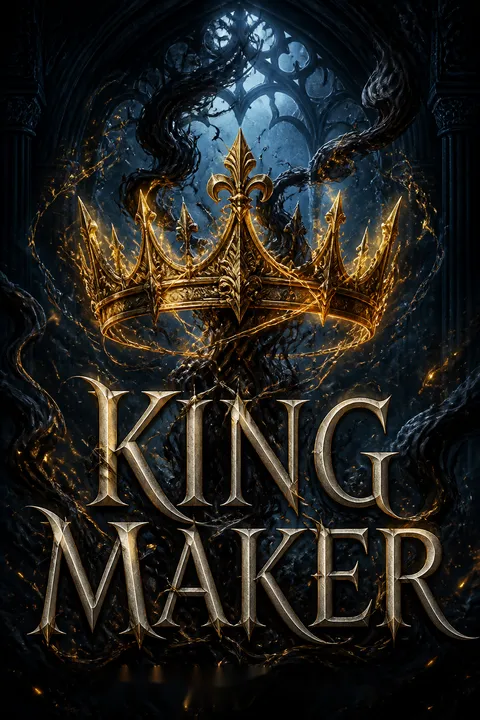
Bjorn dies in the sunlight before he can explain more, leaving Haven with the title King Maker and a warning about mastering the beast within. That night, Archeron asks his mother, the Sun Sovereign, to end his enslavement to King Horace. She refuses, has him disfigured, and leaves him emotionally broken. Magewick then offers him a route to freedom through the Godkiller, and Archeron accepts the plan.
Bjorn's confession destabilizes Haven's memory of her relationship with Archeron without making its feelings unreal. Manipulation may have arranged their meeting, but it cannot retroactively determine what either chose to feel. His final warning shifts the focus from fate to self-command, a question Haven has been avoiding. Archeron's parallel collapse shows the same theme under harsher conditions: years of humiliation have made revenge feel like the only remaining form of agency. Magewick's offer arrives when Archeron is most vulnerable to confusing liberation with permission to destroy.
The Forest Eats Its Own
The final trial sends Haven, Bell, Stolas, Avaline, and Ember into the Forest of Broken Souls, where each contestant faces hallucinations built from grief and fear. Haven sees her lost friends, the people who once abused her, and finally Stolas asking her to end his suffering. The forest tells her she destroys everyone she loves.
She recognizes that the accusations echo her own self-condemnation, names the people she still chooses, and unleashes light magic to burn free of the vines. Bell reaches her through the trees and pulls her back to the path. Stolas declines to finish first, allowing Bell to claim the victory. Haven follows through the portal, but her revealed fleshmarks expose her as forbidden and the sovereign orders her arrest.
The forest externalizes the story's most intimate antagonist: Haven's belief that survival makes her responsible for every loss around her. Its illusions use real memories, which is why simply calling them false cannot defeat them. Haven escapes only when she recognizes the voice as her own and chooses connection without treating it as proof of guilt. Bell's rescue makes their bond reciprocal rather than protective in one direction. Stolas's decision to let Bell win is another deliberate surrender of advantage, though Haven's victory immediately brings the hidden truth of her body into public view.
The Beast Takes Command
In the prison, Archeron admits he used a spell hidden in the sword he gave Haven to reveal her fleshmarks. He believes her dual magic makes her a weapon that could destroy Effendier, and he heals the wounds binding her dark power, expecting it to kill her. Instead, the returning darkness forces Haven to understand that she has been punishing herself by treating it as evil.
She accepts it as part of her and commands it rather than fighting it. Her power consumes the prison's anti-magic chains, and she kills two guards who enter to finish her. Surai, Demelza, and Nasira reach her, but Haven refuses immediate escape. Demons are already attacking Solethenia and targeting the Tree of Life.
Haven's escape is a psychological turning point before it is a tactical one. Archeron's betrayal confirms that another person's fear can become a prison, but the more damaging lock has been Haven's conviction that her darkness deserves punishment. The chains break only after she stops treating the power as an enemy that must be starved into submission. That does not make her harmless; she kills the guards. It does make her actions chosen. Her decision to turn toward the threatened city shows that accepting power also means accepting responsibility for how it is used.
Two Courts Fall Apart
As demons overrun the palace, Bell is led to safety by Eleeza, only to discover she is a blood mage who killed the real princess and took her appearance. Cressida has poisoned King Horace, who dies in front of Bell. The mage reveals that Freya's power lies dormant inside him, then tries to steal it. Bell throws the Godsbane, killing her before she can take his magic.
He finds Xandrian wounded, and Xandrian explains that he had been spying on the sovereign for the Order of Soltari and testing Bell's hidden power. Elsewhere, Archeron reaches his mother behind a sealed gate. Instead of freeing her from the demons, he leaves her and his sisters to die, having already broken the king's hold on him.
The attack strips away the identities that have organized court life. Eleeza's face conceals a killer, Cressida's courtly influence ends in poisoning, and Bell's apparent emptiness proves to have concealed a power with a purpose. He survives not through borrowed magic but through the poison and practical courage he cultivated. Archeron's choice is the darkest counterpoint: after years of being controlled, he can finally act, but he uses that freedom to let vengeance decide who deserves rescue. Liberation without accountability becomes another form of domination.
The Godkiller's True Target
At the Tree of Life, Haven finds Ravenna and Stolas directing the attack. She pretends to serve them while Ravenna tests her loyalty by ordering her to kill Demelza, who has been replaced by a disguised captive. Haven performs the act, then receives the Godkiller from Ravenna. Stolas quietly tells her he has hidden Godsbane in it.
Haven understands: only the weapon can kill him, and his death can break the Netherworld curse binding him. She drives the dagger into Stolas's heart. As he falls, Nasira tears Ravenna's control necklace from her, freeing the Seraphians. Haven and her companions combine their magic to bring Stolas back, while Surai's shield falters under the demon assault.
The climax turns trust into a costly act of coordination. Haven must appear to betray Demelza and then kill Stolas, because any visible hesitation would expose their plan to Ravenna. Godsbane, introduced as an instrument of the sovereign's manipulation, becomes the means to break a deeper enslavement. Stolas's willingness to die is not a romantic gesture alone; it is the only route he sees to freedom for himself and his people. The attempt to revive him raises the stakes again: a strategy can succeed in its purpose and still fail to bring back the person who made it possible.
A Throne, Not a Home
Stolas returns before the shield collapses, unleashing enough power to burn the demons from the sky. He destroys Ravenna's wings and kills her, while Nasira and Haven finish the vengeance she owes her family and Bell. Haven then turns the remaining demons toward the burning Solaris Cathedral, breaking their link to the Shadeling and ending the assault.
In the aftermath, Archeron emerges as the new Sun Sovereign and demands Haven's service under the tournament's rules. He also claims Bell murdered his father and lost Penryth, leaving Renk on its throne. Haven refuses Archeron, and Stolas leads their coalition away rather than start another battle in a ruined city. Hundreds choose to follow, despite Archeron's threat to hunt them.
Victory does not restore the old order. Ravenna's death ends the immediate invasion, but the Shadeling remains a threat and Archeron's rise replaces one tyrant with a ruler shaped by grievance. Haven's refusal to kill him is not forgiveness; it is a decision to prevent another cascade of deaths while preserving the possibility of confronting him later. Bell's new authority is compromised by the loss of his kingdom, while his innocence remains contested. The coalition's departure makes belonging a chosen allegiance, not a reward granted by a throne.
Epilogue
Aboard the ships bound for Shadoria, Stolas reveals that Haven died after drinking poison in the Ruinlands and that he spared her soul after Freya pleaded for her life. He guided her toward Bell, then watched from a distance, afraid to hope she might fulfill the prophecy.
Haven learns that she is the daughter of Freya and the Shadeling, born of opposing powers, and accepts that neither side defines her choices. Demelza, Surai, Bell, Nasira, Xandrian, Ember, and the freed Seraphians pledge themselves to her. Their loyalty gives Haven a family and a mission, but the Shadeling's warning makes clear that their voyage is only the beginning.
The epilogue makes Haven's survival both a personal history and a political origin story. Stolas did not merely encounter her by chance; he chose not to deliver her soul to the realm he ruled, then protected the possibility that she could become more than her inheritance. His confession reframes his secrecy as fear, though it does not erase the harm caused by keeping the truth from her. The pledged companions also distinguish chosen kinship from bloodline. Haven may be the child of gods, but her authority begins with people deciding to follow her. The Shadeling's final threat prevents that affirmation from becoming a tidy ending.
Analysis
King Maker turns the language of inheritance into a conflict over agency. Bell appears to possess a royal gift because Haven lends him hers; Haven possesses power that she treats as evidence against herself; Archeron inherits a throne-shaped wound from a mother who alternates cruelty with claims of love. Across these characters, authority is repeatedly confused with possession. A king commands Archeron through a fragment of his soul, the Sun Sovereign turns tournament winners into servants, and the Shadeling seeks a daughter who can become his weapon. Haven's decisive change comes when she stops equating self-control with self-erasure. Accepting dark magic does not make her morally innocent; it lets her take responsibility for when and how she uses it. The trials make that distinction concrete. She wins by improvising, cooperating, and choosing not to abandon Ember, not by proving herself invulnerable. Bell's maturation runs alongside hers: he rejects the comfort of being adored when it requires him to remain helpless, then discovers that his authority can serve the hungry and displaced. Archeron's collapse provides the warning the book refuses to soften. Having endured enslavement, he claims freedom through revenge and calls domination protection. The final coalition offers a different political model, built from people who choose to pledge themselves rather than being bound by blood or spell. Yet victory remains provisional. Haven's divine parentage and the Shadeling's survival threaten to convert her into the very symbol others want to command. The ending's hope therefore rests not on a prophecy guaranteeing salvation, but on Haven's willingness to decide what her inheritance means, with chosen family beside her and consequences still ahead.
People Also Read


Characters
Haven Ashwood
Dual-magic survivorHaven is an orphan raised at the Penrythian court, where her loyalty to Bell grew out of the safety and kindness he offered her. A quick fighter with a stubborn streak, she trusts action more readily than reflection and often assumes that protecting others is her personal responsibility. Her unusual access to both light and dark magic makes her powerful but frightened of her own capacity to harm. She hides vulnerability behind jokes, weapons, and constant movement. Her deepest struggle is not simply learning spells; it is separating moral choice from self-punishment, so that fear of becoming a monster does not dictate how she lives.
Bellamy Boteler
Unlikely mortal princeBell, crown prince of Penryth, is thoughtful, bookish, and more comfortable with people than with weapons or courtly performance. Haven is his oldest friend and protector, but he wants to become capable of protecting others rather than remaining the person she must rescue. His longing for his father's approval makes him vulnerable to praise and political manipulation. Beneath his self-deprecating humor is a serious moral imagination: he thinks about hungry villagers, damaged lands, and how power might improve ordinary lives. Bell's challenge is to build authority without confusing public adoration with personal worth.
Stolas Darkshade
Imprisoned Shade LordStolas is the formidable Noctis ruler of the Netherworld, a prince shaped by inherited power, grief, and prolonged captivity. He uses elegance, sarcasm, and control as armor, often meeting vulnerability with a cutting remark before anyone can reach it. Haven enters his dreams and becomes an unexpected source of comfort, though his own history makes trust difficult. He is fiercely protective of his sister, Nasira, and carries a complicated sense of responsibility for the people and souls under his rule. His central tension is between the monster he believes himself to be and the capacity for care that he tries to dismiss.
Archeron Halfbane
Enslaved Sun LordArcheron is a powerful Solis warrior and the illegitimate son of the Sun Sovereign. A skilled fighter with an instinct for command, he hides deep wounds beneath confidence and a polished, teasing manner. His enslavement to King Horace turns ordinary obedience into public humiliation, while his return to Effendier forces him to confront a family that has never offered him uncomplicated belonging. He cares intensely for Haven, but his fear of losing her can become possessive, and old loyalties pull him between personal attachment and duty to his homeland. He is both protector and potential danger.
Surai Nakamura
Grieving Ashari warriorSurai is a disciplined Solis warrior and Haven's close friend, known for precise swordplay, defensive magic, and a sharp tongue. She mourns Rook, her dead partner, without pretending that grief can be erased through magic. Her loyalty is formidable, but she distrusts threats that place Haven and the people she loves at risk. Surai often serves as the practical counterweight to Haven's impulsive choices, though she will follow her friend into danger when no safer path remains. Her care is expressed through training, vigilance, and blunt counsel rather than easy reassurance.
Nasira
Wild Noctis princessNasira is Stolas's sister and an heir of the Noctis, ancient and immensely powerful despite her youthful appearance. She is predatory, impatient, and fascinated by danger, with little instinct for ordinary social limits. Haven is charged with keeping her safe, a task complicated by Nasira's appetite for blood and her contempt for restriction. Beneath the ferocity, she is capable of attachment, especially toward Bell and her brother, but she expresses affection in strange, possessive ways. Nasira's presence forces Haven to consider whether someone can be dangerous without being beyond relationship or change.
Xandrian Lightstead
Sovereign's clever envoyXandrian is a polished Sun Lord and the Sun Sovereign's nephew, intelligent enough to make charm feel like another instrument of statecraft. He tests Bell's abilities, studies his behavior, and keeps his motives difficult to read. His sharp humor can wound, but he also recognizes courage and curiosity in people whom his court dismisses. Xandrian's position requires him to perform loyalty while navigating a dangerous family hierarchy. He is drawn to Bell's honesty and emerging resolve, though his personal commitments and political work complicate what that attraction can mean.
Demelza
Protective court maidDemelza is Haven's northern-accented lady's maid, a practical, opinionated woman who cares through food, clean clothes, hair brushing, and relentless supervision. She fears demons and does not pretend otherwise, yet she refuses to leave Haven alone when danger grows. Her own history of loss gives her protectiveness emotional weight without making her sentimental. She treats Haven as both employer and family, often meeting magical peril with mortal stubbornness.
Ravius
Talkative raven companionRavius is an oversized raven who can speak telepathically to Haven and serves Stolas. He is vain, sharp-tongued, and attracted to shiny objects, but his loyalty to his master and his habit of carrying messages make him useful when people are separated. His comic complaints soften tense scenes without making him less observant. Ravius knows more about the powerful figures around Haven than he initially chooses to share.
Ravenna Malythean
Noctis royal contenderRavenna is a formidable Noctis royal whose beauty and ceremonial armor conceal a ruthless political instinct. She moves through the world with the confidence of someone accustomed to commanding fear, and she treats alliances as instruments of control. Her relationship to Stolas is bound up with power and public legitimacy, while her connection to the wider Noctis court gives her influence beyond her own magic. Ravenna's presence raises the stakes of the tournament: she does not regard its crown as a prize alone, but as leverage over entire peoples.
Lilith
Effendier Sun SovereignLilith rules the Sun Court through wealth, magical authority, and an exact understanding of how beauty, fear, and information shape political power. She presents herself as gracious when it serves her and reveals her cruelty when obedience falters. Her own rise depended less on conventional charm than on identifying enemies and turning knowledge into leverage. Lilith treats mortals as useful but inferior, and she expects even family to submit to her rule. Her court rewards performance, making sincerity a liability unless carefully managed.
Bjorn
Troubled Sun LordBjorn is a mysterious Sun Lord with the bearing of a soldier and the unsettling knowledge of a seer. He has spent years acting according to a private interpretation of fate, convinced that difficult choices may prevent a greater catastrophe. His calm manner can mask manipulation, and he rarely explains the full consequences of his plans. Bjorn is important because he forces others to question whether destiny is discovered, manufactured, or distorted by the people who claim to read it.
Avaline Kallor
Half-Noctis queenAvaline rules Lorwynfell and is betrothed to Archeron, though their relationship rests on a different understanding of partnership than mortal courtship. A capable fighter with both mortal and Noctis heritage, she is proud of her identity and unimpressed by conventional expectations. She can be blunt, amused, and dangerous in the same breath. Avaline views political conflicts in terms of sides and consequences, and she warns Haven that personal feelings can affect the balance of power even when no one intends them to.
King Horace Boteler
Penryth's calculating kingHorace rules Penryth and is Bell's father. He has spent much of Bell's life withholding the recognition his son wants, then grows attentive when Bell becomes politically valuable. Horace is not foolish, but his affection is entangled with utility and royal ambition. He uses his magical bond to command Archeron, treating the Sun Lord as both servant and display of status. His choices keep Bell caught between the desire for paternal approval and the evidence that approval may come with conditions.
Cressida Craven
King's influential mistressCressida is Horace's mistress and Renk's mother. She understands the court's appetite for suspicion and uses rumor to weaken Bell's standing. Her attention follows whatever source of influence can benefit her and her son, whether royal favor, magic, or access to powerful guests. Cressida's polished manners conceal an appetite for control, and she is quick to turn a public mistake into political ammunition.
Renk Craven
Bitter royal half-brotherRenk is Bell's half-brother, raised close enough to the throne to resent the difference between their positions. He bullies Bell and treats vulnerability as an invitation to humiliate someone. His cruelty is fed by insecurity and by his mother's ambition, but he is not a passive instrument: he enjoys the power he has over people with less protection. Renk's rivalry with Bell makes the Penrythian court dangerous even when no supernatural enemy is present.
Eleeza Thendryft
Dune's poised princessEleeza is the daughter of Lord Thendryft and is considered a possible match for Bell. She is educated, observant, and more willing than many nobles to claim a place in political rooms where women are expected to remain silent. Her interest in Bell is sincere, but she is not merely a romantic figure; she understands status and can make decisions under pressure. Eleeza represents the alliances and expectations surrounding Bell's public life.
Renfyre
Last Volantis heirRenfyre is the last royal daughter of House Volantis, raised amid the isolation of Skyfall Island and the collapse of her family's power. She is proud of her lineage and unwilling to accept captivity as the price of survival. Her claim to the Volantis name carries weight in a tournament that values bloodlines as much as talent. Renfyre's brief encounter with Haven centers on a choice about freedom, identity, and what one person may ask another to risk.
Brienne Rook Wenfyre
Surai's lost partnerRook was a fierce Solis warrior and Surai's beloved partner. Her death remains a defining grief in Surai's life, but Rook is remembered as more than a loss: she was brave, devoted, and determined to build a future with the people she loved. Stories about her help Haven understand why Surai guards her memories rather than trying to magically erase her pain.
Mossbark
Pixie allyMossbark is a pixie whose people have been displaced by the upheaval surrounding the broken Curse. A promise Haven makes to him helps shape Bell's proposal that magical creatures receive land and political recognition rather than be treated as pests.
Magewick
Noctis court operativeMagewick is a powerful Noctis soldier who moves easily between menace and diplomacy. He approaches people at moments of weakness and offers bargains designed to redirect their grievances. His smooth manner makes him difficult to read, and his presence signals that the Noctis struggle is not confined to the battlefield.
Freya
Goddess of lightFreya is the goddess who gave mortals magic and fought alongside them during the ancient Shadow War. Her legacy lives in the Tree of Life, the histories of the Solis, and competing stories about what happened to her after battle. To some she is a distant object of worship; to others, she is a source of political authority and unfinished mysteries.
The Shadeling
Imprisoned dark godThe Shadeling is the dark god imprisoned in the deepest reaches of the Netherworld and feared even by the Noctis. Stories identify him with ancient war, demonic power, and the force that corrupts darkness into a hunger for domination. He remains an unseen pressure on the present conflict, making every use of Netherworld magic feel connected to a larger danger.
Plot Devices
The Gathering of Flames
Tournament with binding stakesThe tournament selects a ruler for the Nine Houses through successive magical trials. Its entry terms make the contest dangerous before the first challenge: a candidate who fails to impress can lose access to magic, while a candidate who loses after qualifying may become the Sun Sovereign's servant. Bell is entered through Haven's concealed magic, and Haven later secures a place by borrowing Renfyre's identity. The trials then turn political obligations into physical tests, from a bog crawler to an underwater ruin and a haunted forest. The device concentrates the novel's struggles over legitimacy and power into a public competition, while ensuring that every apparent victory creates a new claim on the winner.
Haven's dual magic
Power and self-conflictHaven can channel light magic and the dark power associated with the Netherworld. Her capacity is unusual, but it does not arrive with automatic control. Fear and anger can let darkness act through her, while attempts to bind it through runes leave wounds that must be reopened. The magic therefore operates as both a literal ability and a test of agency: Haven must learn to choose what she does with power rather than treating one part of herself as inherently evil. Her fleshmarks conceal a further mystery about her nature, and their public exposure turns private identity into a political offense. The device drives the nightmares, the prison escape, and the final confrontation with the Shadeling.
The Godkiller
Weapon against divine bondsThe Godkiller is an ancient dagger made with demonic magic and associated with Freya's death. Its horned hilt and watching eye match the weapon that haunts Haven's nightmares, connecting her private fear to the history of the realm. The blade cannot be handled safely by ordinary Solis or Noctis, and its poison makes it a threat to beings otherwise difficult to kill. The sovereign uses Godsbane, the poison associated with the weapon, to manipulate Haven into an assassination attempt. Later, Haven and Stolas use the Godkiller to break the curse binding him to the Netherworld, and Haven uses it against Ravenna. Its meaning shifts from corruption and coercion to a dangerous instrument chosen for liberation.
The blood augur scroll
Prophecy with uncertain truthA monk gives Haven a scroll written in an ancient demon language. Stolas recognizes it as a blood augur text, a form of prophecy banned and dismissed by many as a tool for manipulating rulers. The scroll describes a child born from opposing divine forces who could become either a weapon or salvation. Its claims echo Bjorn's warning and eventually connect to Haven's unknown parentage, but the prophecy does not remove the need for choice. It creates suspicion without providing a usable map of the future. The people who believe it are treated as heretics, while the powerful characters around Haven try to decide whether the text is a lie, a threat, or a reason to control her.
The diverting necklace
Borrowed magic concealmentHaven gives Bell a special runestone necklace that channels her magic through him, allowing the court to believe the prince is a lightcaster. It makes his public performances possible and protects him from immediate exposure, but it also gives attackers a way to redirect or trap spells aimed at him. The necklace thus embodies the asymmetry in their friendship: Haven supplies the power, while Bell receives the attention and political standing. Its success delays discovery but intensifies the cost of the deception, especially when Bell is tested by the Sun Court and entered into trials he cannot safely win by himself.
Kingdom of Runes Series


Download PDF
Download EPUB
.epub digital book format is ideal for reading ebooks on phones, tablets, and e-readers.








