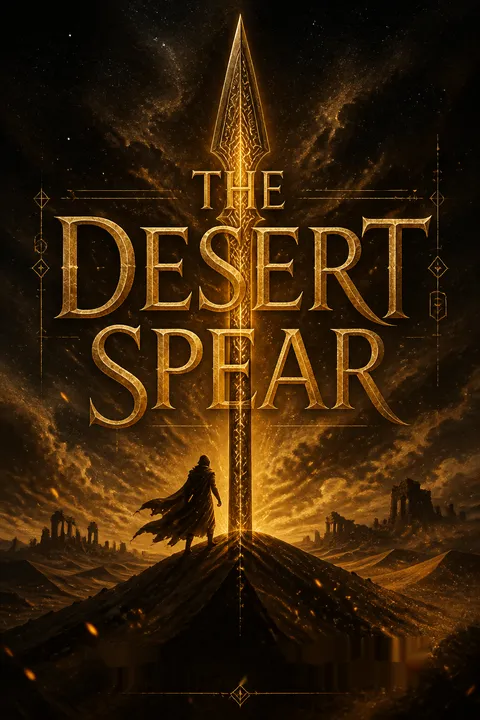


Plot Summary
Prologue
In the dark before a new moon, two mind demons summon a mixed host of corelings and direct it against a guarded human camp. They use steam and smoke to blind the sentries, then break the wards and scatter the soldiers by threatening their families. A white-clad commander restores order, and the demons withdraw after testing his defenses.
The surviving mind demon turns its attention north, toward another human whose thoughts may matter as much as this commander’s. The assault establishes that demons can plan, coordinate, and study human leaders, not merely surge toward the nearest prey.
The attack changes the scale of the threat before the human story begins. The demons exploit a precise weakness, the soldiers’ instinct to protect their families, and their commander must restore unity faster than fear can fragment it. The mind demons observe rather than celebrate the slaughter, treating people as minds to be measured. That composure foreshadows a conflict in which tactical intelligence and psychological vulnerability matter as much as strength. The prologue also makes the night feel politically charged: even a successful defense leaves the enemy learning, adapting, and choosing its next target.
Two Boys, One Bido
At nine, Ahmann Jardir is taken from his widowed mother, Kajivah, and sent to the Kaji’sharaj to be sorted into Krasia’s warrior, cleric, or despised khaffit caste. There he meets Abban, a frightened bazaar boy whose father was killed by a cleric over a spilled stain.
Jardir promises they will help each other survive, then proves it in the gruel line, using force to win them food. Training teaches the boys that pain is proof of discipline and death in battle the only honorable end. Jardir absorbs the doctrine as a route to glory; Abban sees the danger and thinks about how his mother and sisters will live if he dies.
The boys’ pact begins as genuine care, but the institution quickly gives it unequal meaning. Jardir learns to interpret endurance as moral worth, while Abban recognizes that survival also depends on money, family, and practical judgment. Their friendship is therefore not a simple contrast between courage and cowardice. It is a clash between two kinds of intelligence, one publicly rewarded and one forced to disguise itself. Krasia’s caste system makes vulnerability costly, then calls the people it injures weak. The early bond matters because both men carry its memory into adulthood, even when their definitions of loyalty diverge.
Baha's Broken Oath
As a senior boy, Jardir becomes Nie Ka and leads the novices on an expedition to Baha kad’Everam, an abandoned village whose failing wards allowed demons to kill its inhabitants. Abban’s injured legs make the journey painful, but Jardir pushes him onward rather than let the others mark him as weak.
In the ruins, Abban finds the master potter Dravazi’s untouched work and secretly plans to sell it, arguing that profit could support both boys’ families. Jardir refuses to take a share, then catches Abban hiding the pottery after the battle. He makes him abandon most of it, but allows him to keep a few pieces as tools. Their shared oath survives, though their moral disagreement widens.
Baha gives the friendship a material test. Abban’s plan is not mere greed: he fears the future imposed on a disabled boy, and calculates what would protect his family in the world that actually exists. Jardir sees the same objects as sacred remnants that must not be stolen from the dead. Each is loyal, but loyalty points them in different directions, toward immediate care or public honor. The episode also complicates the hierarchy’s claim that only warriors defend the community. Abban’s eye for value and consequences is already a form of service, even when Krasian law refuses to recognize it.
The Maze Takes Its Due
When a training accident leaves Abban unable to run, Jardir keeps him near rather than allow the instructors to cast him out. On Jardir’s first night in the Maze, he fights beside Hasik, the older boy who once broke his arm, and helps drive demons into the pits. Hasik later betrays that bond, assaulting Jardir after using drink to weaken him.
A dama’ting arrives with demon-bone dice, reads a future she will not explain, and sends Jardir toward years of training among clerics rather than immediate promotion. Earlier, when Abban hangs from a wall above demons, Jardir nearly abandons him as a coward, then keeps his childhood promise and hauls him to safety. Abban survives, but the caste system claims him anyway.
The chapter’s crucial conflict is not whether Jardir can endure pain. He has already learned that skill. It is whether he can distinguish discipline from cruelty when the person in danger is someone he loves. His rescue of Abban preserves their oath, but he still treats the outcome as proof of Abban’s inferiority, showing how thoroughly ideology has colonized his judgment. Hasik’s assault adds another lesson: the warrior culture’s celebrated brotherhood does not prevent powerful men from exploiting the vulnerable. The dama’ting’s unexplained prophecy introduces fate as a political instrument, one that can guide a life while withholding the reasons for its direction.
The White Veil
After five years studying combat, history, and warding among the dama, Jardir returns to the Sharum as their youngest kai’Sharum. He defeats Hasik in a public challenge, breaking the warrior’s jaw, shoulder, and knee but stopping short of killing him. The dama’ting who guides him reveals herself as Inevera, the girl he once met while his arm healed.
She says her dice foretold their meeting and demands marriage as the price of continued guidance. Jardir accepts, then learns Inevera has also arranged brides from the other tribes to bind Krasia through their future children. He receives the white turban, commands his own unit, and begins to understand that governing will require compromises he considers dishonorable.
Jardir’s return reverses his earlier helplessness: the boy who was denied the warrior’s path now commands warriors older than himself. His revenge on Hasik provides mastery but little peace, suggesting that public dominance cannot repair private injury. Inevera offers both intimacy and a system of political knowledge, joining marriage to prophecy and statecraft. Jardir wants to believe he chooses freely, yet her foresight and strategy have shaped the choices available to him. Their bond is neither simply romance nor manipulation. It is a partnership in which power, desire, and dependence remain difficult to separate.
The Sharach Rescue
When the Sharach tribe is trapped in the Maze, Jardir disobeys the aging Sharum Ka’s order to guard an empty layer and leads his elite unit across the walltops to save them. He throws demons into their pit with his bare hands, then refuses to let the First Warrior have him executed for disobedience.
Before the assembled Damaji and Andrah, Jardir exposes the Sharum Ka’s cowardice; the old man collapses and dies during the confrontation. Jardir is appointed his successor and promises to unite the tribes by marrying women from each. Inevera has already selected dama’ting brides, giving her influence over the new coalition. Jardir rises through an act of rescue, but the death that clears his path leaves his victory morally unsettled.
Jardir’s defining political act is to protect a tribe his own leaders have treated as expendable. His decision shows that the warrior code can be used against the hierarchy that claims to embody it. Yet the succession is not clean: his public challenge contributes to the First Warrior’s collapse, and Inevera has planned around the resulting vacancy. The scene links leadership to two competing forms of legitimacy, demonstrated courage in battle and the ability to make institutions obey. Jardir possesses the first; Inevera helps him secure the second. His ascent therefore begins with genuine solidarity and immediately becomes entangled with power.
The Par'chin Arrives
Years later, a Thesan fighter named Arlen Bales reaches Jardir’s palace asking to fight demons. Jardir’s wife Inevera tests him with the alagai hora and permits him to join the wall. During a new-moon attack, a huge rock demon catches a sling stone and smashes through Krasia’s gate, trapping warriors inside the Maze.
Arlen helps Jardir rally scattered units, uses his warded spear and shield with startling skill, and proposes wards that can trap the giant until sunrise. Jardir joins the dangerous effort, and the two men survive the night as allies. They later reconcile after Jardir kills a wounded warrior rather than let him live crippled. Their friendship grows through repeated battles and shared curiosity.
Arlen unsettles Jardir’s inherited categories before either man can fully understand the other. The northerner fights with courage, learns Krasian methods, and treats a wounded person’s survival as worth defending, exposing an ethical difference beneath their shared bravery. The breach of the gate makes that difference practical: Jardir needs Arlen’s unfamiliar knowledge, not simply another spear. Their friendship forms through reciprocal competence, but it rests on a fragile assumption that respect can overcome incompatible obligations. That tension prepares the later betrayal. Both men believe they are acting for humanity, yet each imagines a different future for it.
The Spear Changes Hands
Arlen eventually returns from the lost city of Anoch Sun carrying an ancient silver spear he believes can kill demons. Inevera identifies it as the Spear of Kaji and urges Jardir to take it, insisting the relic will establish him as Deliverer. Jardir resists until he sees Arlen wield it in the Maze, where its power makes the warriors chant the northerner’s name.
He then lures Arlen away, offers him a chance to surrender, and has his men beat him unconscious before taking the spear. Jardir leaves him in the desert with water rather than killing him outright, then declares himself Shar’Dama Ka. The act secures his claim, but destroys the friendship that made the claim feel human.
The spear converts an argument over identity into a struggle over ownership. Jardir’s belief that the weapon belongs to his bloodline lets him recast theft as restoration, while his offer to spare Arlen preserves a remnant of personal loyalty. That remnant does not undo the betrayal. Inevera’s prophecy makes political ambition appear sacred, and Jardir accepts the interpretation that grants him the role he desires. The scene is psychologically potent because he does not act from simple malice. He chooses a collective future as he understands it, then uses that future to justify injuring the one person who might have challenged his certainty.
Rizon Falls South
With the Spear of Kaji and Crown recovered from Anoch Sun, Jardir advances into the North. His warriors seize Fort Rizon, and a cleric’s attempt to burn its grain stores nearly leaves the conquered population without winter food.
Abban persuades Jardir to treat the Northerners as resources to sustain rather than enemies to destroy, then helps him distribute the army through the surrounding hamlets. Jardir meets Edon, the defeated duke, and offers his life in exchange for submission.
When a Tender names Arlen the true Deliverer, Jardir learns that the Painted Man has become a threat to his religious claim. He later opens the warrior caste to rejected khaffit, recruiting thousands who had been denied the spear and expanding the force available for Sharak Ka.
Conquest becomes more durable when Jardir learns to think beyond the battlefield. Abban’s counsel reframes food, labor, and local knowledge as military necessities, while Jardir’s recruitment of khaffit challenges a caste order that wastes capable people. Yet inclusion remains instrumental: men are offered dignity partly because the empire needs their bodies and allegiance. The alleged rival Deliverer sharpens the ideological stakes. Jardir must now defeat not only armies but a competing account of salvation. The episode shows his genuine capacity to adapt, while also revealing how easily reform can serve expansion rather than dismantle the structure that made reform necessary.
The Hollow Takes Refugees
In Deliverer’s Hollow, Leesha Paper runs the hospit, trains apprentices in wards, and helps keep a fast-growing community supplied. Rojer, a one-handed Jongleur whose music can unsettle demons, teaches others but doubts his gift can be passed on. When refugees arrive from Rizon, Messenger Marick explains that Jardir’s invasion drove thousands from their homes.
Arlen recognizes Jardir’s name and predicts the Krasians will continue toward Lakton and the northern cities. Leesha and Arlen argue over whether humans must be fought as well as demons. She also discovers that Arlen’s tattoos make the town’s greatward resist him and that he can dissolve into mist at night. He insists this proves he is becoming something other than human.
Leesha and Arlen respond to danger from opposite moral instincts. She measures leadership by the immediate care of bodies, food, shelter, and learning; he sees that failing to resist conquest will expose even more people to violence. Their disagreement is not compassion versus courage, but local responsibility versus strategic foresight. Arlen’s fear of becoming demonic complicates his authority: the man who protects the village may no longer belong inside its defenses. Rojer’s insecurity supplies another version of the same problem. His talent matters, but he cannot yet turn a private gift into a reliable institution.
Dukes Bargain Over Wards
Leesha, Rojer, Gared, and Arlen bring their warning to Angiers, where Duchess Araine quietly arranges support for the Hollow and sends Arlen to seek an alliance with Miln. The visit gives Leesha resources for the refugees, while Rojer returns to the Jongleurs’ Guild and secures trained instructors for his apprentices.
In Miln, Arlen finds his old mentor Ragen and adoptive mother Elissa, learns that his former master Cob is dead, and encounters Mery, now married to his boyhood friend Jaik. Mery recoils from Arlen’s tattoos and calls his isolation a choice, not a necessity. Elissa accepts him anyway. Arlen negotiates aid from Duke Euchor, spreads battle wards through the guilds, and takes a book of ancient weapons.
The political journey makes the Free Cities’ weakness visible: leaders bargain over tolls and authority even as the threat grows. Araine succeeds because she understands that power often travels through private influence rather than formal office. Arlen’s return to Miln brings a more intimate reckoning. Mery sees the self-protection inside his transformation, while Elissa offers acceptance without pretending the years apart did not matter. He cannot resume the ordinary life he abandoned, but he can use his old relationships and guild networks to distribute knowledge. His contribution is not merely killing demons; it is preventing useful knowledge from remaining a ruler’s private possession.
Renna's Last Escape
At the Tanner farm, Renna has spent years watching her father Harl control his daughters and drive away their suitors. When Cobie Fisher visits after his father’s death, Renna sees a chance to leave with him. Harl catches them together, threatens Cobie, and later assaults Renna after forcing her to sleep in his room.
She endures the night in an outhouse when Harl imprisons her there as punishment, and his abuse resumes once she returns to the farm. Renna and Cobie plan to flee, but Harl catches them at the store and kills Cobie. Renna stabs Harl in the back. Covered in blood, she runs through the night to Jeph Bales’s farm, where Ilain hides her.
Renna’s captivity is maintained not only by Harl’s violence but by the family’s learned silence. Her sisters survived by leaving or complying, and both choices leave Renna without a dependable protector. Cobie offers a route out, but his love cannot overcome the social power of fathers who treat daughters as property. Renna’s violence is both self-defense and a rupture in the town’s moral order, which has tolerated Harl’s harm while condemning her resistance. Her flight is therefore not a simple escape from one man. She is trying to reach a life in which her choices belong to her.
A Vote at Sunset
Renna remains in shock while Fishing Hole’s Speaker Raddock Lawry demands vengeance for Cobie. Town Speaker Selia Barren insists on a council hearing, but the witnesses offer guesses, gossip, and judgments about Renna’s sexual reputation rather than clear evidence.
Jeph and Renna’s sisters know Harl abused the family, yet fear that naming it publicly will shame them and endanger them too. The council votes to hold Renna responsible and orders her tied to a stake overnight so demons can kill her.
When Arlen returns to Tibbet’s Brook, he finds the village gathered to watch. He breaks through the mob, frees Renna, and drives off the demons. Jeph finally shelters her, while Arlen challenges the town to prove it can fight rather than sacrifice one of its own.
The council’s ruling exposes how procedure can legitimize violence instead of restraining it. Selia tries to preserve deliberation, but the town’s law offers no meaningful protection once the crowd decides Renna is guilty. The sisters’ silence is understandable as survival, yet it leaves the public story in the hands of those with power. Arlen’s rescue interrupts the sentence but does not erase the community’s responsibility; his challenge forces the townspeople to confront what they failed to do. Renna’s treatment also reveals that the village’s fear of demons has not prevented it from making a person into an offering.
Jardir Meets Leesha
Jardir rides north with Abban and a small elite guard to investigate Deliverer’s Hollow. He finds Leesha and the Hollowers fighting a mass of wood demons, then joins them rather than treating them as enemies. After the battle, Leesha challenges his violence against Abban and invites him to tea, where the two leaders exchange a warded blade and the Spear of Kaji.
Jardir calls the Hollowers kin and offers Leesha marriage as a way to unite their people. She refuses an immediate answer but agrees to visit Krasia and judge him there. Jardir’s attentions are sincere, yet his proposal also serves a political design. Leesha travels with her family, Rojer, Gared, and Wonda, determined to see the empire for herself.
Their first encounter makes attraction inseparable from power. Jardir is drawn to Leesha’s beauty and authority, while she studies his behavior rather than accepting the stories told about him. The shared fight gives them a common language, but not a common moral framework. His generosity toward the Hollow is real and strategic at once; her willingness to travel is curiosity and risk management, not consent to marriage. Their relationship becomes a negotiation over whether intimacy can soften imperial rule or merely give it a more persuasive face.
A Woman Takes the Spear
In Everam’s Bounty, Leesha sees how caste and custom shape daily life, while Jardir offers her a place as his northern First Wife. She refuses to promise herself, and the two continue negotiating through shared meals and his readings from the Evejah.
During alagai’sharak, a wounded Sharum asks for death, but Leesha saves him, forcing Jardir to confront the difference between Krasian honor and her duty to preserve life. Wonda joins the warriors, then defends herself when three Sharum try to rape her.
Jardir punishes the attackers and declares that women who kill demons may become Sharum’ting. The reform angers the old order. Meanwhile, Rojer is offered Jardir’s daughters as brides, and his fear of commitment collides with his attraction to their music.
Leesha’s presence turns private disagreements into public tests of Krasian law. Her rescue of the wounded warrior is more than medical care: it rejects the assumption that a disabled life is not worth living. Wonda’s defense of herself exposes the cost of treating women as potential property, and Jardir’s ruling converts her skill into a challenge to male monopoly. His willingness to change rules shows political flexibility, but it does not make him egalitarian. Rojer’s possible marriages echo the same question in a more intimate register: whether a person can enter an institution without surrendering the self that made them desirable.
The Mind Demon Strikes
A mind demon infiltrates the palace and manipulates Jardir, Leesha, and Inevera into believing they must kill one another. Leesha and Inevera break its control long enough to turn on the intruder together. Inevera uses demon-bone magic, while Leesha recognizes how the demon powers its wards and attacks with practical ingenuity.
Jardir kills the mind demon with the Spear of Kaji, though its shapeshifting mimic also falls. The encounter reveals that the enemy can enter thoughts and exploit desire, not merely attack bodies. Leesha returns to the Hollow rather than become one of Jardir’s wives; he accepts her refusal but promises protection for her people. Inevera loses the dice she has used to guide her power.
The demon attack literalizes the danger of treating other people as instruments. It uses the rivalry between Leesha and Inevera, and Jardir’s divided loyalties, to make them enact the violence they fear. Their cooperation is possible only when they recognize the manipulation and choose action over competition. The destruction of Inevera’s dice does not erase her political skill, but it removes the object that helped her turn uncertainty into authority. Leesha’s departure preserves her independence, while Jardir’s promise leaves their alliance unresolved: he can respect her choice without relinquishing his campaign.
Renna Chooses the Night
Arlen brings Renna away from the Brook and trains her to hunt, but she grows reckless, absorbing demon magic and rejecting his warnings. After crossing back toward the north, they encounter a mimic demon that copies Renna and a mind demon that invades her thoughts. Arlen enters the between-state to fight the prince, while Renna recognizes herself by the memories the mimic cannot truly own and kills it with her warded knife.
The prince’s attack nearly defeats Arlen, but Renna’s call draws him away from the Core and back to her. He returns, destroys the mind demon, and learns the Core contains a vast demon host. Seeing Renna’s agency rather than a burden to protect, Arlen promises himself to her.
Renna’s new strength gives her freedom, but the demon magic also tempts her to mistake intensity for invulnerability. Arlen recognizes that danger because he has lived it, yet his warnings risk repeating the paternal control she has escaped. The mimic turns identity into a tactical problem: Renna must rely on chosen memory and judgment, not appearance or obedience, to distinguish herself from the copy. Arlen’s final decision answers the Core’s call with a human attachment. He does not defeat temptation by becoming stronger; he turns back because Renna’s life matters more to him than escape.
Analysis
The novel makes survival a political question. Demons kill in the night, but human communities also decide who deserves protection, whose life counts as honorable, and who may be sacrificed for order. Krasia’s caste system trains courage while defining disability as failure; Tibbet’s Brook praises law while allowing a crowd to condemn Renna without hearing her. Against both systems, the book places practical acts of care: Leesha treating the wounded, Abban calculating how an army will eat, and ordinary people learning to ward their homes.
Jardir and Arlen are rival answers to the same crisis. Jardir believes humanity needs unity under a leader who can command it. Arlen wants people equipped to choose their own fight, wary of any savior who makes them dependent. Each has a compelling insight and a dangerous blind spot. Jardir’s unity can become conquest; Arlen’s refusal to lead can become abandonment. Their past friendship gives the disagreement emotional weight, because the conflict is not between strangers but between men who once trusted one another and still recognize each other’s courage.
Women’s agency is tested in sharply different settings. Inevera gains power by mastering prophecy and court politics within a system that restricts her, while Leesha exercises authority through medicine, knowledge, and community work. Renna’s struggle begins with the most intimate denial of choice, her father’s control, and her resistance refuses the town’s attempt to turn her into a public offering. The book does not present freedom as a single victory. It is a practice: refusing an imposed role, preserving another person’s life, sharing knowledge, or choosing whom to trust. Its hope rests less on one foretold Deliverer than on whether people can learn to fight without reproducing the cruelty they oppose.
Review Summary
The Desert Spear receives mixed reviews, with some praising its world-building, character development, and action scenes. Many readers appreciate the expanded view of Jardir's backstory and Krasian culture, though some find it overly long. Critics note issues with pacing, excessive violence, and problematic depictions of women. Despite these concerns, most reviewers find the book engaging and look forward to continuing the series. The novel's exploration of complex themes and its unique magic system are frequently highlighted as strengths.
People Also Read







Characters
Ahmann Jardir
The desert's chosen commanderJardir is a Krasian warrior shaped by strict caste training, a consuming belief in Everam, and a desire to unite humanity against demons. He prizes courage and discipline, yet his certainty often makes him mistake obedience for virtue and conquest for salvation. His bond with Abban exposes a capacity to value intelligence that his society dismisses, while his attraction to Leesha tests whether he can treat another person as more than a means to unity. He is not simply a tyrant or a hero: he can be merciful, strategic, tender, and frighteningly absolute, sometimes within the same decision.
Arlen Bales
The scarred demon hunterArlen is a Messenger turned relentless fighter, driven by the memory of demons taking his mother and by a refusal to accept humanity’s helplessness. Warding his own skin gives him extraordinary power but also isolates him from ordinary life and raises the fear that he is becoming like the creatures he hunts. He distrusts titles, prophecy, and dependence, preferring to give people tools rather than command them. His instinct to protect others can become controlling, especially when he fears they will suffer as he has. Under the Painted Man’s severity remains a lonely man who wants connection but fears its cost.
Leesha Paper
The Hollow's healer and innovatorLeesha is an Herb Gatherer whose curiosity carries her beyond healing into ward design, chemistry, and public leadership. She approaches crises by examining what can be done immediately, then teaching others to do it themselves. Her compassion is practical rather than passive: she organizes refugees, protects patients, and questions traditions that treat people as expendable. Leesha can be sharp with those she loves, especially when she senses that they are romanticizing danger or denying her agency. She is drawn to competence and possibility, but resists being turned into a symbol, a political prize, or a substitute for the work her community must do.
Renna Tanner
The survivor who fights backRenna is observant, physically capable, and accustomed to being underestimated. Her life on an isolated farm teaches her to read moods and danger closely, but her father’s control narrows her sense of what choices are possible. She wants tenderness and a home, yet refuses to confuse either with submission. Once she has access to training and wards, she pursues independence with fierce intensity. Her courage is real, though it can tip into recklessness when freedom feels newly won. Renna’s bond with Arlen matters because he recognizes her capacity, while she challenges his assumption that protecting someone gives him the right to decide for them.
Abban
The merchant who sees around cornersAbban is a Krasian merchant, a political survivor, and Jardir’s childhood companion. His injured legs and khaffit status keep him outside the warrior ideal, but his command of trade, language, and motive makes him indispensable. He values profit because money can protect people in ways abstract honor cannot, though his bargaining instinct can make affection look transactional. Abban is adept at presenting submission when power requires it, while quietly preserving options for himself and his family. His friendship with Jardir contains genuine loyalty, old resentment, and carefully managed self-interest, sometimes all at once.
Inevera
The Damajah who reads fateInevera is a dama’ting whose mastery of prophecy and political maneuvering gives her influence beyond the formal reach of women in Krasian society. She believes the coming war demands ruthless preparation, and she is willing to use marriage, secrecy, sexuality, and fear to shape events. Her commitment to Jardir is entangled with her commitment to the future she believes he can create. She is not merely a jealous wife or a schemer: her discipline and foresight arise from a system that limits women’s authority, yet she also reproduces its coercions. Her composure makes her formidable, but the intensity beneath it is never far away.
Rojer Inn
The one-handed demon musicianRojer is a Jongleur whose fiddle can alter the mood and movement of demons, a gift he struggles to explain or teach. He hides insecurity behind performance, jokes, and a practiced mask, shaped by early loss and the uncertain care of adults who raised him. His feelings for Leesha are sincere, but he understands that affection does not entitle him to her. Rojer wants his talent to matter beyond entertainment, and his apprenticeship reveals the difficulty of turning instinct into instruction. He is brave, but his courage often arrives after self-doubt has already spoken.
Gared Cutter
The Hollow's giant fighterGared is a towering woodcutter who becomes one of the Hollow’s most effective demon hunters. His size and strength make him a natural front-line fighter, but his earlier habit of using force to control people leaves him with much to reconsider. He responds to the Painted Man’s example by redirecting his physical power toward defense. Gared remains blunt and quick to anger, particularly when people he cares about are threatened. His loyalty is genuine, though he can mistake protection for deciding what others are allowed to do.
Wonda
The scarred young archerWonda is a teenage survivor marked by the loss of her father and by scars she refuses to let define her limits. She wants to fight demons alongside the Cutters, not be protected from the work that gives her purpose. Her size, bow skill, and growing knowledge of hand-to-hand combat make her an unusual presence in a world that expects women to stay behind wards. Wonda is loyal to Leesha and intensely brave, sometimes so eager to prove herself that she underestimates the danger. She responds to trust by taking responsibility rather than waiting for permission.
Harl Tanner
The farm's controlling patriarchHarl is a hard-working farmer whose authority over his household is enforced through possessiveness, intimidation, and a rigid idea of family loyalty. He treats his daughters’ futures as his to manage and views their independence as an insult. His fear of abandonment often appears as anger, but it does not excuse the harm he causes. Harl represents the violence that can flourish behind respectable domestic language, especially when a community prefers not to ask what happens inside a neighbor’s home.
Jeph Bales
Arlen's cautious fatherJeph is a farmer shaped by grief, routine, and a deep fear of losing more family to the night. His caution helps keep his household alive, but it can harden into passivity when decisive action is needed. He remarries and builds a new family while carrying unresolved sorrow for the son who left. Jeph is neither indifferent nor reliably brave; he loves his family, yet struggles to turn that love into protection at the decisive moment.
Elona Paper
Leesha's sharp-eyed motherElona is socially perceptive, flirtatious, and unwilling to pretend that desire or power disappear because polite people refuse to name them. She can be cruel in how she uses her insight, especially with Leesha, but she understands the negotiations beneath marriage and courtly behavior better than her daughter wants to admit. Elona prizes survival and influence, and often treats compromise as more useful than moral purity. Her bluntness can expose truths, though it can also wound those she means to advise.
Ashan
Jardir's cleric and counselorAshan is a powerful Kaji cleric and a longtime adviser to Jardir. He shares Jardir’s religious convictions but is more openly protective of Krasian hierarchy and tribal power. Ashan values loyalty, discipline, and continuity, and his counsel often reflects the political costs of sudden change. His friendship with Jardir allows him to challenge the Shar’Dama Ka, though his loyalty can also make him excuse cruelty when it serves the order he believes is sacred.
Jayan
Jardir's ambitious first sonJayan is Jardir’s firstborn son, raised with the certainty that strength and birthright should lead to command. He is eager to prove himself and often dismisses counsel that comes from people he considers beneath him. His ambition is sharpened by comparison with his more calculating brother, Asome. Jayan reflects the expectations placed on Krasian heirs: he is taught to dominate before he has learned what responsible authority requires.
Asome
Jardir's calculating second sonAsome is Jardir’s second son, a cleric whose quiet manner conceals a sharp appetite for power. He watches before speaking and understands that religious authority can be as consequential as a spear. Unlike Jayan, he does not need to display ambition loudly for others to sense it. His relationship with his father is both admiring and competitive, and his closeness to other young clerics adds another layer to the court’s shifting loyalties.
Hasik
The warrior Jardir defeatsHasik is a physically formidable Kaji warrior whose early dominance depends on intimidation and his willingness to exploit weaker boys. He is proud of his strength and fiercely competitive, but he can recognize power when he encounters it. His relationship with Jardir is shaped by rivalry, humiliation, and the strict codes of warrior loyalty. Hasik’s life shows how Krasian society can turn violence into both a source of status and a language for enforcing obedience.
Selia Barren
The town's stubborn SpeakerSelia is an elderly leader whose authority comes from decades of practical judgment rather than physical strength. She tries to keep Tibbet’s Brook governed by procedure, even when the council’s procedures fail the person most in need of protection. Selia is forceful, proud, and willing to challenge men who assume her age or sex makes her easy to overrule. Her sense of civic duty is genuine, but she must confront the difference between maintaining order and doing justice.
Raddock Lawry
The vengeance-seeking SpeakerRaddock is the Speaker for Fishing Hole, a practiced public persuader whose grief for his kin becomes a demand for immediate punishment. He understands how to mobilize a crowd and use law as a weapon, especially when fear and anger are already in the air. Raddock’s certainty lets him ignore gaps in the evidence and the possibility that the accused has been harmed. He represents justice reduced to vengeance and procedure used to make it appear legitimate.
Tender Jona
The Hollow's steady spiritual guideJona is a young Tender who supports refugees through prayer, practical aid, and sustained attention to their losses. He works closely with the Hollow’s leaders but does not confuse religious guidance with command. Jona’s calm allows him to hear people who are angry or grieving without turning their distress into a contest. His personal capacity for love and disappointment makes him sympathetic to Rojer’s unrequited feelings, while his faith remains grounded in care for the living.
Ragen
Arlen's old mentorRagen is a veteran Messenger and master Warder who gives Arlen a model of courage that is not the same as fearlessness. He understands the freedom of the road, but also the obligations that make a settled life worthwhile. As a husband and father, Ragen insists that responsibility is not a prison when freely chosen. He combines practical political sense with affection, offering Arlen a home without demanding that he become someone he is not.
Mery
Arlen's unfinished first loveMery is a perceptive woman who once hoped Arlen would choose a shared life over his ambitions. She has built a family in his absence, yet the history between them remains emotionally unresolved. Mery sees the fear beneath his self-imposed transformation and is willing to tell him a truth his admirers avoid. Her directness is not cruelty; it comes from having spent years living with the consequences of his disappearance.
Duke Araine
Angiers' hidden power brokerAraine is the aging mother of Duke Rhinebeck and the most adept political operator in the Angierian court. She uses an appearance of frailty to make powerful men underestimate her, then shapes decisions through personal counsel and careful preparation. Araine understands the restrictions imposed on women and works inside them without accepting them as natural. She is pragmatic, calculating, and capable of generosity when it strengthens an alliance. Her methods resemble Leesha’s emerging leadership, though Araine is far less troubled by manipulation.
Amanvah
Jardir's daughter and dama'tingAmanvah is Jardir’s eldest daughter, trained as a dama’ting and raised within the political expectations of the royal household. She is disciplined, musically gifted, and accustomed to presenting herself through the roles assigned to her. Her relationship with Sikvah reveals a loyalty deeper than hierarchy alone. Amanvah’s confidence can look like coldness, but she is also capable of fear and attachment, especially when her family’s expectations collide with her own judgment.
Sikvah
Amanvah's loyal companionSikvah is Amanvah’s companion and a member of Jardir’s extended family, skilled in music and domestic service. She is attentive to Amanvah’s needs and often acts before anyone else understands the danger. Sikvah’s obedience is partly a survival strategy in a household governed by rank, but it does not erase her own feelings or choices. Her quiet presence offers a counterpoint to the rigid public roles expected of Krasian women.
The mind demon
The enemy inside thoughtThe mind demon is a calculating coreling prince that studies human thought, commands mimics, and can turn perception into a weapon. It prefers manipulation to a direct attack, exploiting private fears and loyalties to make people act against one another. Its intelligence reveals a more organized demonic threat than the surface world usually understands.
Plot Devices
Combat wards
Humanity's borrowed defenseWards are drawn or etched patterns that repel demons, protect people, and, when properly designed, turn a coreling’s magic against it. They appear on city walls, weapons, clothing, glass, paths, and even skin. Arlen restores lost combat designs and shares them widely; Leesha adapts them into new forms, including cloaks that confuse demons’ senses. Their practical value drives alliances and conflict, because the knowledge can protect villages but also strengthen rulers and armies. The story repeatedly asks who should control defensive knowledge, and whether making it available to everyone changes the balance between ordinary people and those who claim authority over them.
Alagai hora
Prophecy with a priceDama’ting use dice carved from demon bone to read possible futures. Blood activates the dice, whose patterns the trained reader interprets as guidance about people and events. Inevera uses them to shape Jardir’s rise, choose marriages, and anticipate danger, but their answers remain open to interpretation and do not eliminate uncertainty. The practice gives prophecy political force: a prediction can persuade leaders to act, while withholding its full meaning keeps others dependent on the reader. The dice also embody a tension between fate and agency, since characters invoke their guidance even as their own choices help create the future they fear or desire.
Spear of Kaji
Authority made weaponThe ancient spear carries an extraordinary array of wards and enhances Jardir when he uses it against demons. It is also a relic associated with Kaji, the first Deliverer, so its possession supports a political and religious claim as well as a military one. Arlen finds it in Anoch Sun and brings it north, while Jardir believes his ancestry gives him the right to reclaim it. The spear therefore becomes both a combat advantage and a contested symbol. Its power cannot by itself prove who deserves to lead, but people interpret its presence as evidence that a chosen leader has returned.
The Painted body
Power that estrangesArlen covers his skin with wards that let him resist demon attacks, fight with extraordinary strength, and eventually dissolve into mist. The marks restore human knowledge long lost, but their power carries a cost: sunlight becomes painful, ordinary wards resist him, and he fears the Core is calling him toward itself. His transformed body makes him both protector and outsider. It inspires other people to call him a Deliverer, even as he rejects the title and worries that his power could make him less human. The device connects physical defense to identity, asking whether survival can become another form of self-destruction.
Music and mimicry
Influence without forceRojer’s fiddle can redirect demons by changing their emotional state, while mind demons and their mimics manipulate perception and behavior through imitation and mental intrusion. These abilities operate differently from ordinary warding: one persuades, the other deceives or dominates. Rojer struggles to teach his instinctive gift, making it difficult to scale into a reliable defense. The demons’ mimicry turns familiar faces and memories into vulnerabilities, while music gives humans a way to influence enemies without striking them. Both devices make attention and interpretation part of combat, where the most dangerous attack may be believing the wrong voice or failing to hear the right one.
FAQ
Synopsis & Basic Details
What is The Desert Spear about?
- A World Under Siege: The Desert Spear plunges readers into a world where humanity is besieged nightly by demonic entities known as corelings. The story primarily follows Ahmann Jardir, a charismatic Krasian leader who believes himself to be the prophesied Deliverer, destined to unite humanity and lead them in a holy war against the demons.
- Clash of Cultures: The narrative explores the stark contrast between the desert-dwelling Krasians, a highly militaristic and religiously zealous society, and the more agrarian, ward-dependent Northern Free Cities. This cultural clash is central as Jardir begins his "Daylight War" to conquer the North and force its people into his unified army.
- Intertwined Destinies: The plot intricately weaves the perspectives of several key characters, including Arlen Bales (the Painted Man), Leesha Paper, Rojer Halfgrip, and Renna Tanner, whose lives become entangled with Jardir's ambitious crusade. Their personal struggles, evolving powers, and moral dilemmas drive the deeper themes of the story.
Why should I read The Desert Spear?
- Epic Scope & World-Building: Peter V. Brett expands the already rich world introduced in The Painted Man, offering a deeper dive into Krasian culture, religion, and the diverse societies of the Northern Free Cities. The scale of the conflict and the intricate details of demonology are truly immersive.
- Complex Character Arcs: The novel excels in its character development, particularly with Jardir and Arlen, who serve as foils to each other. Readers will find themselves constantly questioning who the "true" hero is, as characters grapple with power, morality, and the weight of destiny.
- Action-Packed & Thought-Provoking: Beyond the thrilling demon battles and political intrigue, The Desert Spear delves into profound themes of leadership, faith, prejudice, and the cost of survival. It's a fantasy novel that offers both visceral excitement and intellectual depth.
What is the background of The Desert Spear?
- Post-Apocalyptic Setting: The world of Thesa is a post-apocalyptic landscape where humanity has been driven to the brink of extinction by corelings, elemental demons that rise from the planet's core each night. Cities and hamlets survive behind ancient wards, but the night belongs to the demons.
- Krasian Theocracy: Krasia is a desert nation ruled by a strict theocracy based on the Evejah, a holy book believed to be written by the first Deliverer, Kaji. Their society is rigidly structured by castes (dama, dal'Sharum, khaffit) and centered around constant demon warfare (alagai'sharak) to earn a place in Everam's Heaven.
- Northern Free Cities' Decline: The Northern Free Cities, like Angiers and Miln, are more secular and mercantile, relying on ancient wards and a dwindling knowledge of warding to survive. They have largely abandoned active demon fighting, leading Krasians to view them as weak and cowardly "chin." This cultural and ideological divide sets the stage for Jardir's invasion.
What are the most memorable quotes in The Desert Spear?
- "Better dead than khaffit!": This recurring Krasian mantra, particularly from Jardir's youth, encapsulates the extreme societal pressure and honor culture of Krasia, where a life outside the warrior caste is considered worse than death. It highlights the deep-seated prejudice and the driving force behind many Krasian actions.
- "Unity is worth any price of blood.": Attributed to Kaji, the first Deliverer, this quote is Jardir's guiding principle for his "Daylight War." It justifies his brutal conquest of the North, revealing his conviction that human unity, even if forced, is the only way to win Sharak Ka, the Great War against demonkind.
- "I am Shar'Dama Ka, and I say it is so.": Uttered by Jardir as he claims the mantle of Deliverer, this declaration signifies his absolute authority and belief in his divine mandate. It underscores his unwavering conviction and the power he wieldds over his followers, even when making controversial decisions.
What writing style, narrative choices, and literary techniques does Peter V. Brett use?
- Multiple POV Narrative: Brett employs a multi-perspective narrative, shifting between numerous characters (Jardir, Arlen, Leesha, Rojer, Renna, Inevera, Abban, etc.). This allows for a comprehensive view of the world, the cultural clashes, and the internal struggles, often presenting conflicting interpretations of the same events.
- Detailed World-Building & Lore Integration: The author seamlessly integrates intricate details of Krasian religion, Northern customs, demonology, and warding magic into the narrative. This is often done through character thoughts, dialogue, and environmental descriptions, enriching the world without resorting to lengthy exposition.
- Foreshadowing & Thematic Parallelism: Brett frequently uses subtle foreshadowing, often through prophecies, dreams, or seemingly minor interactions, to hint at future events or character developments. He also draws strong parallels between characters and cultures, highlighting shared human experiences despite their differences, such as the similar struggles of Jardir and Arlen.
Hidden Details & Subtle Connections
What are some minor details that add significant meaning?
- Abban's Flower Press Paper: The detail of Abban ordering "flower press" paper from Erny, Leesha's father, years before their direct interaction, subtly foreshadows the eventual connection between Krasia and the Hollow. It highlights Abban's long-standing mercantile ties to the North and Leesha's early, unacknowledged contribution to a wider world, hinting at her future influence.
- Jardir's Scars and the Crown of Kaji: Jardir's self-inflicted ward scars, initially a personal act of defiance and strength, are later mirrored by the Crown of Kaji, described as a "net around the wearer's head" with "unknown wards." This connection suggests that Jardir's path to power and his very identity are intrinsically linked to ancient, perhaps even demonic, magic, blurring the lines between divine blessing and forbidden power.
- The "Palace of Mirrors": The name of the palace where Leesha and her entourage stay in Everam's Bounty is significant. Mirrors are often symbols of self-reflection, illusion, or truth. For Leesha, it becomes a place where she confronts the harsh realities of Krasian culture and Inevera's manipulations, forcing her to see herself and her situation more clearly, much like a mirror reflects truth.
What are some subtle foreshadowing and callbacks?
- Arlen's "Death" in Krasia: Jardir's decision to leave Arlen for dead in the desert, believing he would die a warrior's death, is a direct callback to his earlier internal conflict about Abban's fate. It foreshadows the deep, unresolved tension between them and the moral compromises Jardir makes in his pursuit of the Deliverer mantle, setting up their inevitable confrontation.
- Inevera's Repeated Dice Throws: The dama'ting's unusual act of throwing the alagai hora multiple times for Arlen, a deviation from the standard "one throw" practice, subtly indicates the profound and unpredictable nature of his destiny. It hints that his path is not easily read or controlled, even by Inevera's powerful magic, foreshadowing his role as a disruptive force.
- Renna's "Running To": Renna's declaration that she is "runnin' to" a new life, rather than "running away," is a powerful callback to her past trauma and her sister Ilain's escape. It foreshadows her active embrace of a dangerous, independent path, contrasting with the passive survival strategies of her family and setting her on a course to become a fierce demon hunter.
What are some unexpected character connections?
- Abban and Leesha's Shared History: The revelation that Abban had ordered Leesha's flower-pressed paper years ago creates an unexpected, almost mundane, connection between the cunning Krasian merchant and the Northern Herb Gatherer. This detail highlights how seemingly disparate lives in Thesa are intertwined through trade and craft, laying groundwork for their future interactions.
- Jardir's Sons and Aleverak: Jardir's offer to Aleverak, the Majah Damaji, to allow his sons to challenge Jardir's son Maji for the Majah palace, reveals a complex political maneuver. It connects Jardir's children to the ongoing tribal rivalries, showing how his ambition extends to securing his lineage's influence across all Krasian tribes, even at the cost of potential fratricide.
- Rojer's Parents and Arrick's Medal: The discovery of Arrick's Royal Angierian Medal of Valor, awarded for saving young Rojer from Riverbridge, reveals a deep, hidden connection between Rojer's tragic past and his mentor's heroism. It reframes Arrick's character, showing a selfless act beneath his roguish exterior, and provides Rojer with a tangible symbol of his parents' sacrifice and his own survival.
Who are the most significant supporting characters?
- Abban, the Cunning Merchant: Abban serves as Jardir's indispensable advisor and translator, bridging the cultural gap between Krasians and Northerners. His pragmatic, profit-driven mindset often provides a stark contrast to Jardir's zealous idealism, offering crucial insights into logistics and human nature that Jardir often overlooks. Abban's survival instincts and hidden loyalties make him a complex and vital player in the unfolding conflict.
- Elona, Leesha's Manipulative Mother: Elona, initially presented as a source of Leesha's frustration, is revealed to be a shrewd and manipulative woman who understands power dynamics, particularly those between men and women. Her advice, though often cutting, is rooted in a clear-eyed assessment of the world, and she subtly pushes Leesha towards embracing her own influence, making her a surprising mentor figure.
- Jeorje Watch, the Unyielding Traditionalist: The Southwatch Tender and Speaker, Jeorje Watch, embodies the rigid adherence to tradition and law in Tibbet's Brook. His unwavering belief in the Canon and his stern judgment of Renna highlight the deep-seated cultural norms Arlen challenges. Jeorje represents the old guard, whose resistance to change, even in the face of demon threats, underscores the difficulty of unifying humanity.
Psychological, Emotional, & Relational Analysis
What are some unspoken motivations of the characters?
- Jardir's Quest for Validation: Beneath Jardir's unwavering belief in his Deliverer status lies a deep-seated need for validation. His constant striving for glory, his meticulous adherence to prophecy, and his desire to unite humanity are driven not just by faith, but by a profound need to prove his worth, especially after a childhood marked by perceived weakness and the shame of his father's "unglorious" death. This is subtly hinted at in his early interactions with Dama Khevat and his relentless pursuit of power.
- Inevera's Control and Legacy: Inevera's manipulations are not solely for Jardir's power but also for her own control and legacy. As a dama'ting, her influence is immense but often indirect. By positioning Jardir as the Deliverer, she ensures her own power as his Jiwah Ka and secures a future where her children, and her tribe, hold paramount influence, fulfilling her own ambitions for Krasia's future. Her actions are a calculated effort to shape destiny, not just observe it.
- Arlen's Self-Punishment: Arlen's reluctance to embrace his role as the "Painted Man" or the "Deliverer" stems from a deep sense of self-loathing and guilt over his past actions, particularly his perceived failure to protect his mother and his abandonment of Mery. His constant exposure to danger and his refusal to settle down are a form of self-punishment, a subconscious belief that he doesn't deserve peace or happiness due to his "taint" from demon magic.
What psychological complexities do the characters exhibit?
- Jardir's Paradoxical Mercy: Jardir, despite his brutal methods and unwavering belief in "necessary evil," exhibits moments of surprising mercy and genuine concern, particularly for those he deems honorable. His decision to spare Aleverak's life, even after crippling him, and his initial reluctance to condemn the Rizonan Warders, reveal a complex internal struggle between his ruthless ambition and a deeper, almost paternal, desire for unity and respect, even from his enemies.
- Renna's Transformation from Victim to Predator: Renna's psychological journey is one of profound transformation. Initially paralyzed by fear and trauma from her father's abuse, her night in the outhouse pushes her to a breaking point. Her subsequent embrace of demon hunting, and her willingness to inflict violence, reveals a complex psychological shift from passive victim to active agent, blurring the lines between self-defense and a newfound, almost feral, aggression.
- Rojer's Mask of Mummery: Rojer's Jongleur's mask is a complex psychological defense mechanism. It allows him to hide his deep-seated insecurities, his unrequited love for Leesha, and the trauma of his past. His music, while charming to demons, is also a conduit for his unspoken emotions, revealing a vulnerability he rarely shows. His struggle to teach his "fiddle magic" highlights his unique, almost instinctual, connection to music, which he cannot intellectualize or transfer.
What are the major emotional turning points?
- Jardir's Confrontation with the Sharum Ka: The moment Jardir provokes the Sharum Ka into a fatal heart attack is a pivotal emotional turning point for Jardir. While it secures his ascension, it is a victory without honor, leaving him with a profound sense of emptiness and disgust, foreshadowing his later disillusionment with the political machinations of power.
- Renna's Night in the Outhouse: Renna's forced confinement in the outhouse, facing the demons alone, is a brutal emotional turning point. It shatters her remaining innocence and forces her to confront her deepest fears, ultimately leading to a radical shift in her character from passive victim to a fiercely independent and capable survivor, willing to fight for her own freedom.
- Arlen's Reunion with Elissa and Mery: Arlen's emotional journey culminates in his reunions with Elissa and Mery. Elissa's unconditional love and acceptance, despite his appearance, offers him a moment of profound healing and belonging. Conversely, Mery's rejection, seeing him as a "monster," is a devastating blow, reinforcing his self-loathing and pushing him further into his solitary, demon-hunting path.
How do relationship dynamics evolve?
- Jardir and Inevera: A Partnership of Power: Their relationship evolves from a manipulative alliance, where Inevera orchestrates Jardir's rise, to a complex partnership of power. While Inevera continues to guide and control, Jardir increasingly asserts his own will, leading to clashes. Their shared ambition for Krasia's future, however, binds them, even as their personal desires and methods diverge, culminating in their forced "choice" by the mind demon.
- Arlen and Renna: From Childhood Promise to Shared Path: Their relationship transforms from a childhood promise, broken by Arlen's disappearance, to a deep bond forged in shared trauma and demon hunting. Renna's unwavering belief in Arlen, and her fierce independence, challenges his self-imposed isolation. Their eventual "promise" to each other signifies a mutual acceptance and a commitment to face the world together, offering Arlen a chance at human connection he thought lost.
- Leesha and Rojer: Friendship Tested by Love and Leadership: Their relationship deepens from a close friendship to one tested by unrequited love (Rojer for Leesha) and the burdens of leadership. Leesha's growing influence and her attraction to Jardir create tension, while Rojer's self-doubt and loyalty are constantly challenged. Their bond, however, remains a cornerstone of their survival, evolving into a partnership built on mutual respect and shared purpose, even if romantic love remains elusive.
Interpretation & Debate
Which parts of the story remain ambiguous or open-ended?
- The True Nature of the Deliverer: The novel leaves the identity of the "Deliverer" ambiguous, with both Jardir and Arlen embodying aspects of the Deliverer Prophecy. Jardir believes himself to be the reincarnation of Kaji, destined to unite humanity through conquest, while Arlen, the "Painted Man," possesses unique demon-fighting abilities and inspires hope. The story constantly questions whether the Deliverer is a divine figure or simply a man who rises to the occasion, leaving readers to interpret who truly fulfills the role.
- The Source of Arlen's Powers: While Arlen's tattoos are clearly wards, the exact source and full extent of his unique abilities (dissipation, enhanced healing, demon-magic absorption) remain somewhat mysterious. The narrative hints at a deeper connection to the Core and demon magic, raising questions about whether his powers are a blessing, a curse, or a dangerous transformation that blurs the line between human and demon.
- Inevera's Ultimate Goals: Inevera's motivations, though seemingly aligned with Jardir's rise, are often opaque. Her use of alagai hora, her willingness to sacrifice others, and her long-term planning suggest a grander scheme beyond simply making Jardir Shar'Dama Ka. The extent of her knowledge and her ultimate vision for Krasia and humanity remain open to interpretation, leaving readers to wonder if she is a benevolent manipulator or a power-hungry schemer.
What are some debatable, controversial scenes or moments in The Desert Spear?
- Jardir's "Necessary Evil" Justifications: Jardir's repeated justification of brutal acts—rape, forced marriages, enslavement, and murder—as "necessary evil" for the greater good of uniting humanity against demons is highly controversial. Readers debate whether his ends truly justify his means, or if his actions reveal a fundamental corruption of his ideals, making him as much a tyrant as a savior. This challenges readers to confront the moral complexities of leadership in extreme circumstances.
- Renna's Act of Vengeance: Renna's murder of her father, Harl, and Cobie Fisher, while presented as a response to extreme abuse and betrayal, is a deeply debatable moment. Her subsequent embrace of violence and her transformation into a demon hunter raise questions about the nature of justice, the cycle of violence, and whether her actions are a triumph of agency or a descent into brutality.
- The Mind Demon's Manipulation of Leesha and Inevera: The scene where the mind demon manipulates Leesha and Inevera into fighting each other, forcing Jardir to choose between them, is controversial. It highlights the vulnerability of even powerful characters to external influence and raises questions about free will versus external control. Readers might debate the extent to which the women's actions were truly their own, or if the demon merely amplified existing tensions.
The Desert Spear Ending Explained: How It Ends & What It Means
- Arlen's Confrontation with the Coreling Prince: The climax sees Arlen confronting and seemingly destroying a coreling prince, a powerful mind demon, in the wilderness. This battle is not just physical but a clash of wills and minds, where Arlen taps into new depths of his demon-infused powers. The mind demon's death, and Arlen's subsequent ability to heal Twilight Dancer, signifies a significant leap in his power and understanding of demon magic, solidifying his role as a formidable force against the corelings.
- Renna's Choice and Arlen's Promise: Renna, having embraced her own strength and independence, chooses to join Arlen on his journey, making a personal "promise" to him. This marks a profound shift for both characters: Renna finds a purpose beyond her past trauma, and Arlen, who had previously shunned human connection, accepts her companionship. Their bond, forged in shared experience and mutual respect, offers a counterpoint to Jardir's forced unity, symbolizing hope for a more human approach to the demon war.
- Jardir's Unwavering Path and Leesha's Departure: Jardir, having survived the mind demon's attack and asserted his authority over Inevera, continues his plan to conquer the North, despite Leesha's refusal of his marriage proposal. Leesha, in turn, chooses to return to Deliverer's Hollow, determined to prepare her people for the inevitable conflict with Jardir. This ending signifies the continued divergence of their paths, setting the stage for a larger human-on-human conflict, even as the overarching demon threat looms. It emphasizes that while Jardir has consolidated power, his methods may alienate potential allies, leaving the true path to unity uncertain.
The Demon Cycle Series


About the Author

Download PDF
Download EPUB
.epub digital book format is ideal for reading ebooks on phones, tablets, and e-readers.








