

Plot Summary
A Gathering Under Orders
At the Highland Gathering on Mount Helicon, Claire Fraser wakes beside her husband, Jamie, thinking of her daughter Brianna’s coming wedding to Roger MacKenzie and of the first husband she left behind in her own century. The family’s celebration is interrupted when Lieutenant Hayes reads Governor Tryon’s proclamation about the Hillsborough riots and demands information on the Regulators.
Hundreds of Highlanders hear that the Crown is investigating their neighbors. Jamie refuses to betray anyone, while Claire realizes that the Governor’s political quarrel is reaching their remote settlement. Around them, children and families continue their preparations, but the Gathering’s warmth now sits beside a threat of arrests and armed service.
The opening makes political history intimate before it becomes military. Tryon’s official language reaches people gathered to marry, baptize children, trade, and find a place to live. Jamie’s refusal to inform on neighbors is not abstract defiance: he knows the names and hardships of men standing within reach. Claire, meanwhile, reads the event through her knowledge of future conflict, but cannot control its timing. The juxtaposition establishes the novel’s central pressure: family life is not separate from history, because the same relationships that create belonging may soon determine who is compelled to fight.
Vows in the Storm
The Gathering’s marriages become uncertain when Sheriff Anstruther arrests Father Kenneth Donahue, invoking laws that restrict Catholic clergy. Before the sheriff removes him, Jamie and Claire persuade the priest to baptize the children in secret, using whisky when no holy water is available.
Brianna and Roger then marry in a Presbyterian service led by David Caldwell, while Jocasta and Duncan postpone their own ceremony. The family celebrates anyway, and Jamie publicly calls Roger his son and heir of the house, inviting him to stand beside him. The declaration steadies Roger, who has feared that Jamie sees him as an unfit husband and outsider.
The interrupted ceremonies expose how law and religion can turn private commitments into public risks. Jamie refuses to let the arrest erase the children’s baptism, while Brianna and Roger accept a ceremony that does not satisfy every family expectation. Jamie’s public recognition of Roger matters because it answers a problem Roger cannot solve through competence alone: he needs to know that his place in the family is chosen, not merely tolerated. The scene also makes ritual practical. Baptism and marriage are acts of care, but in this setting they can also become reasons for officials to intervene.
The Cross Takes Fire
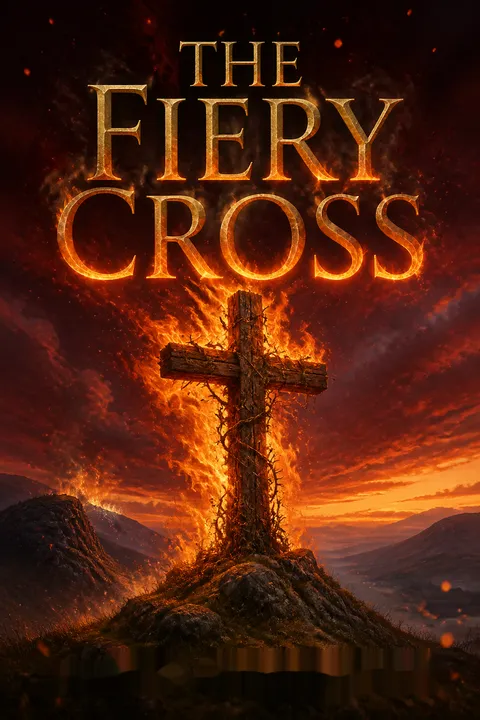
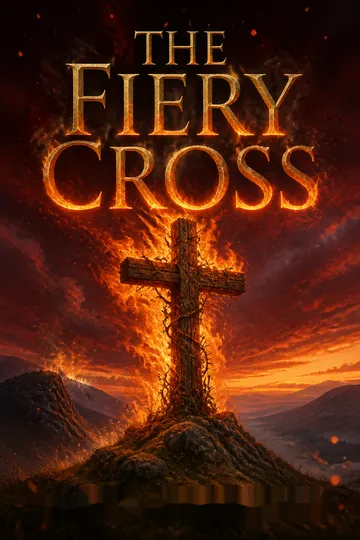
Once back at Fraser’s Ridge, Jamie receives Tryon’s formal order to raise militia and march against the Regulators. He builds a fiery cross, explaining the Highland summons to men who are neighbors rather than members of his clan. Roger helps recruit settlers, while Jamie names them publicly and promises protection to their families.
His choice is dangerous: obeying Tryon may preserve his land grant, which technically requires him to be a Protestant, while refusal could cost him both land and safety. Claire understands that the militia may become the opening move in a larger conflict. Jamie nevertheless calls the men together, binding them by trust as much as by the Governor’s command.
The fiery cross adapts an inherited Highland practice to a new political landscape. Jamie cannot claim traditional authority over these settlers, so he earns a kind of leadership through recognition, obligation, and a promise that he will share the danger. His predicament is not simply loyalty to Crown or colony. His land, family, and tenants are all exposed to decisions made by distant powers, and each choice may later be used against him. The ceremony creates solidarity, but it also makes Jamie responsible for people who have no military experience and little protection at home.
The Price of Six Shillings
At the Gathering, Abel MacLennan finally tells Claire and Jamie why he joined the Hillsborough crowd. Unable to turn corn and hides into the hard currency demanded for taxes, Abel left his sick wife to sell his harvest; when he returned, the sheriff had seized their home and his wife had died outside beside the graves of their children.
Jamie’s hand on Abel’s back cannot repair the loss. On the same mountain, Jamie also protects the McGillivray family when a thief-taker tries to seize their son as a suspected rioter. He scares the man into leaving without violence, using an atrocious sausage as a prop. These encounters show how law, hunger, and fear are already damaging ordinary families.
The MacLennan story gives the Regulators’ anger a human cause without making every act of the crowd righteous. Abel’s tragedy begins in an economic system that demands coin from people who trade in goods, then compounds itself through seizure and displacement. His stunned grief is so deep that even hospitality cannot immediately reach him. Jamie’s handling of the McGillivray crisis offers a contrast: he can use authority and guile to prevent harm when people still listen. Together, the scenes sharpen the difference between law as a claim to order and justice as a protection of actual lives.
A Child Left in Snow
During the militia’s march, Jamie and Claire encounter Aaron Beardsley, a trader left paralyzed by a stroke and gravely neglected by his wife, Fanny. Claire finds gangrene in his foot; Jamie gives Beardsley the choice of amputation or death, and the man refuses treatment. Jamie then shoots him at Beardsley’s request, buries him with care, and is shaken by memories of his own father’s death.
That night Fanny vanishes, leaving her newborn daughter wrapped in the snow. Claire warms and feeds the infant, while Jamie and Claire conclude that the baby is free and likely heir to Beardsley’s property. The parents’ mystery remains unresolved, but the Frasers take responsibility for the child’s safety.
This episode places mercy beside violence without allowing either to become comfortable. Jamie does not kill Beardsley casually; he makes the helpless man understand his condition and choose. The act reopens Jamie’s grief over his father, whose death he could neither witness nor properly mourn. Fanny’s disappearance then replaces an ending with a new obligation. Claire’s body becomes the infant’s shelter, and Jamie’s attention turns to her future. The baby’s uncertain parentage and inheritance make care inseparable from danger, while the empty house leaves the adults with questions they cannot answer.
Brownsville’s Armed Door
At Brownsville, Roger leads the militia into a confrontation with the Brown family, whose daughter Alicia is involved with Isaiah Morton, an already-married militiaman. The Browns try to shoot Morton, but Roger and Fergus take control before anyone is killed. Jamie arrives later and helps arrange the lovers’ escape rather than hand Morton over to the family.
Alicia is pregnant, and Claire recognizes that the girl is frightened and searching for a way out; she withholds judgment and gives her time. Meanwhile, the militia learns that the Regulators have dispersed before a larger confrontation. Jamie’s protection of Morton carries a cost, but it prevents a family vendetta from becoming another local execution.
Roger’s authority is still new, and Brownsville tests it before he has earned confidence in his own command. He cannot simply defer to Jamie; he must stop armed men while preserving the militia’s purpose. Jamie’s later solution is morally untidy but humane: he protects a man who has wronged a woman, while refusing to let private outrage become a killing. Alicia’s pregnancy introduces another pressure, the possibility that a young woman’s future will be decided by men and circumstance. Claire’s response is careful rather than prescriptive, recognizing distress without claiming control over Alicia’s choice.
Jocasta’s Second Marriage
At River Run, Jocasta and Duncan prepare to marry, while Roger and Brianna’s union is celebrated again among the coastal society that surrounds Jocasta. Father LeClerc is present for the Catholic ceremony, and the gathering carries both warmth and political unease. Major MacDonald, a half-pay officer, befriends Jamie and later becomes a source of information about Stephen Bonnet’s coastal connections.
The family’s quiet celebrations are disrupted by a separate crisis: Betty, one of Jocasta’s slaves, is found gravely ill after apparently drinking spiked punch. Claire treats her, but Betty dies. The death and the attack on Jocasta’s household suggest that someone is using the wedding crowd to conceal a more deliberate scheme.
The wedding draws together the novel’s private and political networks. Jocasta’s wealth attracts guests, but it also gives ambition a reason to circle her household. Jamie’s kinship with her does not make him master of the situation; he must interpret hints from people whose motives remain uncertain. The death of Betty is particularly unsettling because care and violence occupy the same domestic space: Claire tries to save her, while the circumstances suggest that someone used the celebration as cover. Jocasta’s remarriage is an act of companionship and practical alliance, but the festivities are never entirely free from danger.
The Battle at Alamance
After months of mustering and preparation, Jamie leads his company toward Alamance, where Tryon’s force confronts the Regulators. Roger serves as a captain despite limited military experience, while Claire accompanies the men as surgeon. The Regulators are badly organized, but their numbers and anger make the encounter dangerous.
Tryon orders his troops to fire after the insurgents reject his terms, and the militia’s volleys break the resistance. Men are killed, wounded, or captured; Jamie and Roger survive, but the battle turns their abstract knowledge of coming revolution into blood, smoke, and responsibility. Tryon claims victory, while the survivors must reckon with the people they have fought and the homes they left behind.
Alamance makes the political dilemma physical. Jamie’s soldiers are not simply defending a principle; they are firing into a crowd that includes neighbors whose grievances are real. Claire’s presence exposes the aftermath that military reports compress into numbers: wounds, shock, infection, and men who may never recover. Roger’s role is especially charged because he has learned that an officer cannot treat war as a puzzle solved from historical knowledge. Jamie’s command requires him to act decisively, but the same decisiveness may bind him to a cause that will later become untenable.
The Brownsville Daughter
On the journey after the campaign, Jamie and Claire find Fanny Beardsley’s newborn daughter abandoned near their camp in a storm. Claire warms the child against her skin and feeds her goat’s milk; Jamie discovers a mark indicating the baby’s father was Black. The child is free under colonial law and, as Beardsley’s legitimate daughter, may inherit his farm and goods.
When the party reaches Brownsville, Alicia Brown learns that Morton already has a wife and confesses her own pregnancy. She considers desperate ways to escape her situation, but Claire gives her space and keeps the baby’s welfare central. The Frasers leave the coast with two unresolved children’s futures in mind.
The newborn and Alicia mirror each other without being interchangeable. One child is left in the wilderness because her mother believes flight is the only way to survive; the other is not yet born, and her mother fears the life that will follow. Claire resists turning either woman into a moral lesson. She responds first to immediate need, warming the infant and listening to Alicia. Jamie sees that inheritance can give the abandoned child protection, but also a target. In both cases, legal status offers only partial shelter from social prejudice and private violence.
The House of Two Dead Men
At River Run, Jamie and Roger hear that Stephen Bonnet remains alive and has powerful coastal connections. Major MacDonald reports that Bonnet moves contraband through warehouses linked to Walter Priestly and Hosea Wright. Meanwhile, Jocasta’s wedding is nearly derailed by an attack on her household: Betty has been poisoned, and armed intruders target the couple.
Jamie and Claire discover that the danger concerns the French gold Hector Cameron once hid. Jocasta reveals that Hector, Dougal MacKenzie, and a masked third man divided the treasure after Culloden. The revelation turns an old Jacobite secret into a present threat, and Jamie realizes Bonnet’s allies may be close to the family.
The buried gold operates as more than treasure. It is the residue of a failed political cause, carried forward into a new world where money can purchase land, influence, and violence. Jocasta’s account exposes how survival can distort loyalty: Hector preserved wealth and himself, while the women and children around him paid a different price. Jamie’s connection to Dougal makes the secret personal, but not simple; he must interpret the past without being able to repair it. The plot shifts from local unrest to a network of power that can reach the Ridge from the coast.
Tryon’s Men at Alamance
Governor Tryon gathers more than a thousand militia and artillery at Alamance, while the Regulators assemble across the creek. Jamie’s company waits through tense negotiations, and Roger is sent to speak with Hermon Husband, who still hopes to prevent bloodshed. Husband cannot persuade the gathering to disperse. Tryon’s ultimatum expires, his troops advance, and the fighting begins.
Jamie’s men engage the Regulators as cannon and musket fire tear through the field. The insurgents are routed; prisoners are taken, and Tryon orders executions to demonstrate that rebellion will be punished. The victory ends the immediate uprising but leaves the colony more divided, with grief and fear returning to every settlement.
The battle’s tragedy lies in how little separates the sides. Tryon sees obedience as the condition of peace; the Regulators see the government’s refusal to address abuses as proof that ordinary petition has failed. Husband’s failed mediation leaves Jamie and Roger inside a conflict they understand as historically consequential but cannot control. The military outcome is clear, yet the moral result is not: order has been restored through force, and that force deepens the grievances it claims to end. The chapter turns the fiery cross from a symbol of communal protection into a summons that carries men toward irreversible harm.
A Voice Under the Noose
During the turmoil that follows the battle, Roger is misidentified as a Regulator leader and captured. Tryon’s men bind and gag him, then hang him with other prisoners. Jamie and Brianna find him hanging and cut him down; Claire forces air into his lungs and opens his airway with an emergency incision.
Roger survives, but his throat is badly damaged and his voice is lost. Brianna nurses him through the aftermath while Jamie arranges his release and brings the family back toward the Ridge. Roger’s survival does not restore the life he had before; the injury changes how he can speak, work, and understand himself.
The hanging turns the book’s recurring question of duty into a bodily fact. Roger has been trying to become a man capable of protecting his family, yet his apparent execution leaves him dependent on the people he hoped to protect. Claire’s intervention is both medical and emotional: she refuses the apparent finality of the rope and gives him a chance to live. The price is his voice, a central part of his identity as singer and historian. Survival here is not a return to normal; it begins a new struggle over what remains when the self’s most familiar instrument is taken away.
The Voice Returns
Back on the Ridge, Roger adjusts to silence while Brianna manages the crowded household and Jamie prepares for the next political crisis. Claire develops a crude penicillin culture and uses it to protect Roger’s throat during surgery on Josiah and Keziah Beardsley, removing their infected tonsils.
Roger’s own capacity to speak remains uncertain, but his family learns to communicate around the injury. Later, a letter from Major Hayes reports that Bonnet is alive and trading along the coast through powerful associates. Jamie’s search resumes, while Brianna insists that she will not let her father’s pursuit destroy their family. Roger’s voice gradually returns, but trust and fear remain strained.
This section links Claire’s experimental medicine to Roger’s damaged voice: knowledge becomes useful only when joined to risk, patience, and care. The operation on the Beardsley twins demonstrates how small advances can alter the odds in a world without modern hospitals. Roger’s recovery is not merely physical. His difficulty speaking exposes how much he has relied on song, explanation, and historical knowledge to claim a place among the Frasers. Hayes’s letter then reactivates the danger of Bonnet, forcing Brianna to confront a threat she would rather keep outside the family’s attention.
The Gold Draws Blood
Jamie and Roger follow the trail of Bonnet’s coastal network toward Wylie’s Landing. The attempt to reach Bonnet becomes a violent confrontation involving Phillip Wylie and men tied to the contraband trade, while Jamie learns that the French gold still has living claimants.
At River Run, the household is struck again: Betty dies after being poisoned, Jocasta and Duncan are threatened, and an attacker seeks the treasure. Jamie and Roger stop the immediate danger, but Bonnet escapes and the gold’s whereabouts remain a source of fear. The family returns to the Ridge knowing that the enemy is neither a single man nor a distant rumor, but a network with access to their homes.
The danger escalates from personal vengeance to organized predation. Bonnet’s survival matters, but the more destabilizing revelation is that money, official influence, and violence reinforce one another. The attempt on Jocasta and Duncan shows how vulnerable a household can be when its wealth is known and its protections depend on reputation. Jamie’s willingness to pursue Bonnet is therefore both protective and dangerous: he understands the threat, but his response risks drawing that threat closer. The unresolved escape prevents victory from feeling complete and keeps the family’s security conditional.
A Second Family’s Claim
After the militia’s return, the Beardsley twins arrive at Fraser’s Ridge, and the abandoned baby is placed among the household’s crowded rooms. Brianna struggles with the demands of motherhood and the noise of the new settlers, while Jamie and Claire decide whether to keep the child rather than leave her with the Browns.
The baby is free, but her inheritance and mixed ancestry could expose her to danger. Jamie makes clear that he will accept her if Claire wants her, while also telling Claire he does not want another pregnancy to risk her life. She declines the chance to bear another child, but agrees that this girl may still become theirs through care.
The question of motherhood is framed as both bodily risk and chosen kinship. Claire knows the physical costs of pregnancy and refuses to treat another child as proof of love; Jamie accepts that refusal, putting her life ahead of his wish for a child they share. Yet neither treats parenthood as reducible to blood. The orphaned girl can belong to them without being born to them. Brianna’s own decision to remain in the eighteenth century similarly shaped Jemmy’s life, showing that family choices alter futures even when no one can know their full consequences.
The Fire-Cross Returns
Tryon’s campaign ends at Alamance, but the danger does not end with the battle. Jamie receives renewed orders to raise militia, while the Regulators regroup and the household tries to settle into winter. He plants a fiery cross at Fraser’s Ridge and calls settlers who have no clan tie to him, asking them to trust his leadership.
Roger joins the muster, though he knows little of battlefield practice and has difficulty shooting. Claire recognizes that the scattered backcountry cannot be defended as a New England village might be; each family is isolated. Jamie nevertheless chooses to lead, believing his neighbors need a trusted commander before they need a battle.
The renewed muster transforms Jamie’s leadership from a symbolic gesture into an ongoing obligation. The settlers are not an inherited clan, and their loyalties cannot be assumed. He must create trust among people who have only recently arrived, while Claire sees how much their safety depends on proximity, local knowledge, and mutual aid. Roger’s inexperience sharpens the contrast between courage and skill: he wants to protect his family but cannot simply inherit Jamie’s competence. The fiery cross now carries a double meaning, summoning both solidarity and the possibility of another loss.
The Silent House
After the crisis, Roger and Brianna return to the Ridge and try to make a home amid settlers, children, and household quarrels. Brianna invents practical improvements, while Roger trains with a musket and learns that an old eye condition limits his depth perception.
He fears this makes him useless, but Brianna teaches him to shoot and insists that if he must fire, he should do so deliberately. He admits that he killed a Mohawk in self-defense and has never fully faced what that means. Their intimacy remains tender but complicated by her fears about childbirth, Jemmy’s uncertain paternity, and the danger of another pregnancy.
Roger’s self-worth is tested through two kinds of impairment: his damaged voice and his limited binocular vision. Neither cancels his capacities, but both unsettle the image of masculinity he has inherited from soldiers and from Jamie. Brianna does not reassure him with empty praise; she teaches him a skill and asks him to accept responsibility for using it. Their marriage also contains unresolved trauma, especially the question of Jemmy’s biological father. Intimacy is not a cure for that history, but the couple keep choosing honesty over avoidance.
The Unseen Heir
At Hogmanay, the Ridge celebrates with dancing, food, and the custom of welcoming a dark-haired first visitor for luck. Roger and Brianna expect to bring the first-footing to nearby homes, but Josiah and Keziah Beardsley arrive at the Big House instead, having survived their time away.
The twins are welcomed, washed, and fed, and the gathering turns their unexpected return into a hopeful sign. Later, Jamie tells Brianna that he once lost the ability to hear music after Dougal attacked him, though he still feels rhythm. The revelation lets Brianna understand a silence she had mistaken for indifference and brings the family’s past into their New Year celebration.
The Beardsley twins’ return gives the first-footing custom an emotional rather than merely superstitious force: people thought lost or endangered can still come home. Jamie’s admission about music is another form of return, this time to a private wound he has rarely named. The family’s rituals do not erase what has been lost, but they create a setting in which loss can be spoken without becoming the whole story. Brianna’s response matters because it replaces a mistaken interpretation of her father with knowledge of what he has endured.
The Last Safe Harvest
Major Hayes writes Jamie that Stephen Bonnet remains active, protected by wealthy coastal associates, and capable of extreme violence. Jamie continues asking after him despite Claire’s plea to stop. At River Run, the family’s fears sharpen when a poisoning and a failed assault expose the risk surrounding Jocasta’s fortune and the missing Jacobite gold.
Later, Jamie and Roger arrange to meet Bonnet’s network at Wylie’s Landing, where the encounter turns violent and Bonnet’s presence remains uncertain. The season’s work continues at Fraser’s Ridge, but the peace of the farm is now threaded with preparations for armed conflict, and no one can fully separate home from the danger outside it.
The letter from Hayes converts Bonnet from a private nightmare into a public threat with allies and infrastructure. Jamie’s pursuit grows from guilt over having once spared him, but Claire sees that the hunt itself could endanger their family. The uncertainty at Wylie’s Landing keeps that conflict unresolved: the men can disrupt a scheme without gaining control over the network behind it. At the same time, the harvest and household routines continue. This contrast is psychologically important; people cannot suspend ordinary life until danger passes, so ordinary care becomes part of how they resist it.
The Choice to Remain
As Jamie and Claire face the prospect of renewed fighting, she reflects on the two children she bore him and on the child she chose not to risk bearing again. Jamie makes clear that he values her life more than the possibility of another biological child. They take in the abandoned Beardsley girl, accepting a family bond that is not founded on blood.
Roger and Brianna also confront whether to leave for the relative safety of their own time; Brianna stays because she loves Roger and will not abandon their life together. The novel closes with Jamie and Claire holding to one another, aware that war and danger are coming, but choosing to meet them together.
The ending refuses the comfort of a clean escape. Claire and Brianna both possess knowledge of a safer future, yet knowledge does not make departure morally simple. Their choices are relational: Claire will not take away Jamie’s chance without consent, while Brianna will not leave Roger and Jemmy behind. Jamie’s promise is not that he can prevent harm, but that he will keep faith with those entrusted to him. The novel’s final emphasis falls on commitment under uncertainty, where love is neither a guarantee of safety nor a reason to stop choosing.
Analysis
The novel treats history not as a sequence of inevitable victories but as pressure applied to households. Tryon’s campaign, the Regulation, and the coming Revolution are visible through decisions about who feeds a family, who owns land, who can testify, and who must risk a body in public. Jamie’s leadership grows from an older Highland model of reciprocal obligation, but the settlers he commands are not his clan; his authority has to be earned and repeatedly tested. Claire’s medicine makes that test bodily. Her imperfect penicillin, her surgeries, and her inability to cure every wound expose the difference between knowledge and control.
The family plots deepen the political ones. Roger’s loss and partial recovery of speech unsettle his confidence as husband, father, and would-be officer. Brianna’s modern knowledge does not shield her from the physical dangers of motherhood or the racial and legal realities surrounding Jemmy and the Beardsley child. Claire’s refusal to bear another child, paired with her willingness to take in an orphan, separates motherhood from biological proof. Across these stories, care is an action rather than a sentiment: a hand steadying a patient, a meal left for a traveler, or a promise to protect people who may not share one’s politics.
The book’s recurring symbols — the fiery cross, the rings, the stones, the ledger, the ruined body — make inheritance unstable. Some legacies are chosen, some imposed, and some hidden until they become dangerous. Jamie and Claire’s final resolve does not promise safety; it accepts that their knowledge of what may come cannot remove the need to choose. The novel ends by valuing that choice itself: love is not a shield against history, but a reason to meet it together.
Review Summary
The Fiery Cross receives mixed reviews. Many readers praise Gabaldon's detailed writing and character development, particularly Jamie and Claire's relationship. However, some find the book overly long and slow-paced, with excessive focus on mundane details. The plot covers two years in colonial America, setting up future conflicts. While some enjoy the everyday life depictions, others feel the story lacks significant events. Despite criticisms, fans remain invested in the characters and eagerly anticipate the next installment in the series.
People Also Read
Characters
Claire Fraser
The healer across timeA former twentieth-century nurse and surgeon living in eighteenth-century North Carolina, Claire treats settlers who have no access to conventional medical care. Her practical knowledge makes her valuable, but it also leaves her confronting conditions she cannot cure, from infection to childbirth. She is curious, skeptical, and compassionate without being sentimental; she can operate on a dying man, then question whether she has done enough. Her marriage to Jamie is both an emotional refuge and a source of danger, since her decisions affect a family and community she has chosen. She also recognizes that healing includes listening, preserving dignity, and making room for other people’s choices.
Jamie Fraser
The Ridge’s reluctant chiefA Highland Scot, landholder, father, husband, and veteran, Jamie carries authority without assuming it is his by right. He protects former prisoners and new settlers, then asks them to follow him into a militia raised for Governor Tryon. His instinct is to accept responsibility, even when obedience places him between incompatible loyalties. He is physically formidable but not invulnerable; old injuries and new illness remind him that strength has limits. Jamie’s tenderness is practical, often expressed through protection, work, and quiet attention. He wants to keep his family safe, yet knows that his choices may draw danger toward them.
Brianna MacKenzie
The engineer and new motherClaire and Jamie’s daughter, born in the twentieth century, Brianna is a skilled drafter, practical problem-solver, and fiercely protective mother. She adapts modern knowledge to the Ridge, from tools and household improvements to the care of her son. Her size and marksmanship make her conspicuous in a world that expects women to be small and dependent, but she is more than a novelty: she has to make difficult decisions about marriage, motherhood, and danger. Brianna loves Roger deeply, yet guards her autonomy and Jemmy’s safety. Her intelligence is direct, sometimes impatient, and most powerful when she turns a problem into something concrete she can build or do.
Roger MacKenzie
The singer learning commandA historian and musician from the twentieth century, Roger becomes Brianna’s husband and Jemmy’s father in the eighteenth century. His education does not prepare him for wilderness life or battle, and his old eye condition complicates his attempts to learn marksmanship. He nevertheless takes on leadership, learns from Jamie, and tries to protect his family without pretending to be a natural soldier. His voice is central to his identity, making its injury devastating; his recovery requires patience and a changed sense of self. Roger is thoughtful, humorous, and prone to self-doubt, but he grows through action, not bravado.
Jeremiah MacKenzie
The child between worldsKnown as Jemmy, he is Brianna and Roger’s young son, raised on the Ridge in an era his parents never expected him to inhabit. He is curious, loud, affectionate, and increasingly mobile, turning every household into a place of potential mischief. His uncertain biological paternity shapes adult anxieties, but his daily life is grounded in the care of the people around him. He connects the twentieth-century past to the family’s eighteenth-century future without understanding the historical stakes. His presence repeatedly forces adults to choose practical care over fear, and his small needs give their political decisions immediate consequence.
Fergus Fraser
The family’s resourceful loyalistJamie’s adopted son, a Frenchman with a missing hand, Fergus is a quick-witted husband to Marsali and father to Germain and Joan. His charm and adaptability make him useful in trade, travel, and tense negotiations. He cannot always perform heavy physical work, but he compensates with intelligence and social skill. His loyalty is not blind: he can recognize danger and act decisively when others hesitate. Fergus brings humor into the family’s hardships, while his devotion to Marsali and their children anchors him firmly to the Ridge.
Marsali Fraser
The resilient young motherFergus’s wife and Jamie’s stepdaughter, Marsali is frank, practical, and fiercely committed to her children. She has grown from a wary young bride into a capable partner in the Ridge’s work, including the family’s whisky-making. Her humor is sharp, but she is not careless; she notices grief and danger quickly, and acts when her family needs her. Pregnancy and child-rearing do not erase her independence. Marsali’s love is expressed through labor, loyalty, and a willingness to challenge the people she cares about.
Jocasta Cameron Innes
The blind plantation matriarchJamie’s wealthy aunt, Jocasta is blind but remains socially perceptive, politically astute, and accustomed to directing a household. Her marriages and property place her at the center of local alliances, while her personal history gives her a hard-earned knowledge of loss. She uses hospitality as both generosity and influence, and can read people through voice, movement, and touch. Jocasta’s pride is not simple vanity; it is a form of self-command built across a life in which men and circumstances repeatedly changed her position. She values security, but also recognizes tenderness when she sees it.
Duncan Innes
The quiet, steadfast partnerA one-armed Highlander and former associate of Jamie, Duncan is modest, observant, and more emotionally perceptive than his reserved manner suggests. His relationship with Jocasta is grounded in mutual respect and practical trust, not youthful passion. He has spent much of his life adapting to physical limitations without allowing them to define his worth. Duncan’s care for Jocasta is shown in small acts and quiet persistence, and his loyalty to Jamie rests on shared hardship rather than ceremony.
Young Ian Murray
The absent Highland nephewJamie’s nephew and a beloved member of the extended family, Ian is absent for much of the story but remains a powerful presence in the thoughts of Claire, Jamie, and Brianna. His life among the Mohawk has changed the family’s sense of distance and belonging. He is brave, curious, and capable of making choices that others may not understand. His absence sharpens Jamie’s sense of responsibility and reminds the family that love does not always mean keeping someone close.
Lizzie Wemyss
The loyal young attendantA young woman in Jamie’s household, Lizzie is shy, dutiful, and deeply attached to the family. Her health has been fragile, but she contributes through practical work and steady care. She is still discovering her own desires and adult identity, often watching others for clues about how to behave. Her affection for the Frasers is sincere, though her future cannot be decided by gratitude alone. The household’s protection gives her room to grow, but she remains vulnerable to the expectations placed on young women.
Stephen Bonnet
The dangerous coastal outlawA smuggler and violent opportunist, Bonnet moves through coastal towns with money, skill, and connections that make him difficult to contain. He is charming when it serves him and merciless when it does not. His past actions have left deep harm within Brianna’s family, but he is more than a personal enemy; he represents a network of protection and profit that reaches into respectable society. Jamie’s pursuit of him is driven by duty and guilt, while Claire and Brianna fear that the hunt itself may bring danger closer.
Hermon Husband
The principled RegulatorA Quaker landowner and outspoken opponent of corruption, Husband writes and distributes pamphlets calling attention to abuses in the courts and tax system. His principles make him wary of violence, but he also believes that silence allows injustice to continue. He respects Jamie enough to bring him important information, even when the two men disagree about duty. Husband’s struggle is not simple pacifism versus rebellion; he must decide when public protest remains moral and when it risks becoming the harm it condemns.
Archibald Hayes
The soldier who remembers CullodenA professional officer in the 67th Highland Regiment, Hayes is courteous, disciplined, and more observant than his official manner suggests. As a wounded child at Culloden, he owes Jamie his life, though Jamie has buried the memory. Hayes bridges the old Highland defeat and the new colonial conflict, and his reports give Jamie information about the coast and Bonnet. He respects duty, but is not merely an instrument of the Crown; he understands what loyalty costs when the people in front of him are also his kin.
Fanny Beardsley
The isolated woman from MarylandA young woman brought from Maryland to an isolated North Carolina farm, Fanny lives under the control of a much older trader. Her few social contacts and limited freedom make her difficult for outsiders to understand. She is observant, guarded, and capable of decisive action when the future of her life is at stake. Her story raises questions about coercion, survival, and the difference between legal status and real freedom. She remains a mystery to the Frasers, who can help only with the immediate consequences of her choices.
William Buccleigh MacKenzie
The stranger with a family nameA young man encountered amid the upheaval of the story, William Buccleigh carries a Highland surname and a guarded, watchful manner. He is difficult to place at first, and his connection to the wider MacKenzie family is not immediately clear. His presence draws together questions of identity, inheritance, and what a name can conceal. He is resourceful, wary of authority, and shaped by circumstances that have left him with few reasons to trust strangers.
Arch Bug
The Ridge’s practical factorAn elderly Highlander hired to manage the Ridge’s farms and tenants, Arch Bug is experienced, capable, and physically limited by age and infirmity. His wife, Mrs. Bug, speaks for both of them much of the time, but Arch understands land, crops, and livestock. His presence gives Jamie a dependable hand at home when military duties pull him away. He embodies the practical knowledge required to keep a settlement alive through winter, poor harvests, and the constant pressure of new arrivals.
Mrs. Bug
The household’s sharp-tongued anchorArch Bug’s wife, Mrs. Bug is a tireless cook and housekeeper whose brisk competence keeps the crowded Ridge household functioning. She can be meddlesome and blunt, especially with children, but her judgments often come from practical experience rather than cruelty. She worries about hygiene, food, and survival because she has spent a lifetime managing scarcity. Her warmth is often hidden under scolding, and her loyalty to Jamie’s family is expressed through labor and watchful care.
Father Kenneth Donahue
The traveling Catholic priestAn Irish priest traveling through the colonies, Father Kenneth is energetic, humorous, and less delicate than his office might suggest. His arrest exposes the legal restrictions placed on Catholic worship, but he remains committed to performing the sacraments for the families who ask him. He is willing to bend circumstances without surrendering the substance of his faith, and his resourcefulness helps the Frasers protect their children’s religious and family ties.
Phillip Wylie
The flamboyant coastal merchantA wealthy, highly ornamented merchant, Wylie is socially audacious and accustomed to attention. He owns valuable horses and moves among the coastal elite, where money and influence can blur into criminal commerce. His behavior toward Claire reveals entitlement beneath the performance of charm. He is not as powerful as he imagines, but his connections make him a useful point of access to the larger network surrounding Bonnet and the French gold.
Plot Devices
The Fiery Cross
A call to stand togetherJamie adapts a Highland summons to a settlement that has no inherited clan structure. The cross calls scattered tenants to muster, but it also establishes Jamie’s obligation to them: they may follow him into danger because he has promised to protect their households. It returns as a way of making political duty personal, connecting the old Highland world to the unstable colony. The device is not merely a signal for war; it tests whether community can be created through trust rather than blood.
The Astrolabe
A tool for finding positionJamie seeks an astrolabe through Lord John Grey, and it later helps make the book’s uncertainty about time, place, and direction concrete. In a world without reliable roads or maps, the instrument stands for the human wish to locate oneself precisely. Its presence also links practical navigation with the characters’ larger problem: they know fragments of the future but cannot chart a safe route through it.
Penicillin Experiments
A fragile medical advantageClaire cultivates mold in broth, studies it through her microscope, and produces a crude penicillin solution. She uses the preparation to protect patients during surgery, including the Beardsley twins’ tonsil operations. The process depends on uncertain conditions: contamination, dosage, and the instability of the medicine. It gives her a narrow advantage over infection, not a modern hospital’s certainty. Each use turns scientific knowledge into a practical gamble, making the difference between observation and treatment painfully immediate.
The French Gold
A buried fortune draws dangerThe gold sent to support the Jacobite cause was divided among Hector Cameron, Dougal MacKenzie, and a masked third man after it arrived too late to help. Hector hid his share at River Run, where it remained a secret through war, flight, and his family’s losses. Knowledge of the treasure later attracts people connected to Bonnet and the coastal trade. The gold turns the past into a present threat, while its history exposes how political loyalty, family survival, and wealth can pull in different directions.
The Family Ledger
A record of ordinary survivalJamie’s farm ledger records planting, purchases, births, animals, repairs, and the daily work of the Ridge. Its entries preserve the ordinary texture of a life that grand histories would omit. Brianna finds solutions in it when the crowded household becomes unmanageable, and Roger adds songs and memories to his own written record. These documents resist the erasure of people who are not governors or generals. They also expose how vulnerable the family’s routines are to war, illness, and the loss of labor.
FAQ
Synopsis & Basic Details
What is The Fiery Cross about?
- A Gathering and a Proclamation: The story centers around a large gathering of Scottish Highlanders in North Carolina, where a wedding is to take place. However, this event is disrupted by a Proclamation from the Governor, stirring unrest and revealing hidden tensions.
- Family and Relationships: The novel explores the complex relationships within the Fraser family, particularly the upcoming wedding of Brianna and Roger, and the challenges they face as they navigate their lives in the 18th century.
- Political and Social Unrest: The story is set against the backdrop of growing political and social unrest in the colonies, with the threat of rebellion looming large. The characters must grapple with their loyalties and the implications of their choices.
Why should I read The Fiery Cross?
- Rich Historical Detail: Diana Gabaldon masterfully weaves historical events and details into the narrative, creating a vivid and immersive experience for the reader. The novel provides a glimpse into the lives of Scottish Highlanders in colonial America, as well as the political and social tensions of the time.
- Complex Characters: The characters in "The Fiery Cross" are richly developed and multifaceted, with their own unique motivations, flaws, and strengths. The novel explores the complexities of human relationships, as the characters navigate love, loss, and the challenges of their time.
- Intricate Plot and Themes: The story is filled with unexpected twists and turns, as well as subtle foreshadowing and callbacks. The novel explores themes of love, loyalty, family, and the impact of the past on the present, offering a thought-provoking and emotionally resonant reading experience.
What is the background of The Fiery Cross?
- Historical Setting: The novel is set in the Royal Colony of North Carolina in 1770, a time of growing political and social unrest in the American colonies. The story incorporates real historical events, such as the War of the Regulation, and explores the tensions between the settlers and the British Crown.
- Cultural Context: The novel delves into the cultural traditions and beliefs of the Scottish Highlanders, many of whom had been exiled to the colonies after the Jacobite Rising. The story also explores the interactions between the settlers and the Cherokee people, as well as the complex social dynamics of the time.
- Geographical Significance: The setting of the novel, in the remote mountains of North Carolina, plays a significant role in the story. The rugged landscape and isolated communities create a sense of both beauty and danger, highlighting the challenges faced by the characters as they navigate their lives in the wilderness.
What are the most memorable quotes in The Fiery Cross?
- "Happy the bride the sun shines on; happy the corpse the rain falls on.": This proverb, repeated throughout the novel, highlights the Scottish tendency to find meaning in all circumstances, both joyful and tragic. It also foreshadows the mix of celebration and danger that permeates the story.
- "I have lived through war, and lost much. I know what's worth the fight, and what is not. Honor and courage are matters of the bone, and what a man will kill for, he will sometimes die for, too.": This quote, from the epigraph, encapsulates the themes of war, loss, and the importance of honor and courage that are central to the novel. It also foreshadows the difficult choices that the characters must make.
- "For the sake of love alone, would I walk through fire again.": This quote, also from the epigraph, speaks to the enduring power of love and the willingness of the characters to face any challenge for the sake of those they hold dear. It highlights the central role of love in the novel, as a source of both strength and vulnerability.
What writing style, narrative choices, and literary techniques does Diana Gabaldon use?
- Multiple Perspectives: Gabaldon employs a third-person limited point of view, shifting between the perspectives of different characters, primarily Claire and Jamie. This allows the reader to gain a deeper understanding of their thoughts, feelings, and motivations, while also creating a sense of suspense and dramatic irony.
- Rich Sensory Detail: Gabaldon's writing is characterized by its rich sensory detail, bringing the 18th-century world to life through vivid descriptions of sights, sounds, smells, tastes, and textures. This immersive quality allows the reader to feel as though they are present in the story, experiencing the events alongside the characters.
- Foreshadowing and Symbolism: Gabaldon uses subtle foreshadowing and recurring symbols to create a sense of unease and anticipation. The fiery cross, for example, is a powerful symbol of both unity and conflict, while the recurring mention of rain and fire foreshadows the challenges and dangers that the characters must face.
Hidden Details & Subtle Connections
What are some minor details that add significant meaning?
- The Gold Ring: Claire's gold ring, restored to her the night before the wedding, acts as a catalyst for her dreams of Frank, highlighting the enduring presence of her past and the complexities of her love for both men. The ring also serves as a symbol of her connection to Brianna, and her desire for both her fathers to be present at the wedding.
- The Weather: The cold, damp weather at the Gathering mirrors the political and social tensions of the time, foreshadowing the difficult choices and challenges that the characters must face. The rain also serves as a reminder of the harsh realities of life in the colonies, and the constant struggle for survival.
- The Cut on Roger's Throat: Roger's shaving accident, resulting in a deep gash on his throat, foreshadows the violence and danger that he will face in the future. It also serves as a reminder of his vulnerability, and the challenges he faces in adapting to life in the 18th century.
What are some subtle foreshadowing and callbacks?
- The Irish Kings Dream: Jamie's dream about the Irish kings and the white mare foreshadows the challenges and absurdities of leadership, as well as the importance of virility and honor in the Highland culture. It also serves as a humorous callback to Roger's earlier discussion of Irish history.
- The Proclamation's Single Sentence: The Governor's Proclamation, delivered in a single, lengthy sentence, foreshadows the complex and convoluted nature of the political situation in the colonies. It also highlights the power of language and the ways in which words can be used to manipulate and control.
- The Soldier's Departure: The departure of the 67th Highland Regiment, the last of the Crown's regular troops in the colonies, foreshadows the growing sense of independence and self-reliance among the settlers. It also highlights the vulnerability of the colonies, left unprotected by the British government.
What are some unexpected character connections?
- Archibald Hayes and Jamie Fraser: The shared experience of Culloden creates an unexpected bond between Lieutenant Archibald Hayes and Jamie Fraser, despite their opposing allegiances. This connection highlights the complexities of loyalty and the shared history of the Scottish people.
- Ute McGillivray and Claire Fraser: The shared experience of motherhood and the desire to protect their children creates an unexpected bond between Ute McGillivray and Claire Fraser. Despite their different backgrounds and cultures, they share a common understanding of the challenges and responsibilities of motherhood.
- John Quincy Myers and Jamie Fraser: The mountain man John Quincy Myers, with his unique style and knowledge of the wilderness, forms an unexpected alliance with Jamie Fraser. Their shared experience of living on the fringes of society creates a bond between them, as they navigate the challenges of the Carolina backcountry.
Who are the most significant supporting characters?
- Ulysses: Jocasta Cameron's dignified and loyal butler, Ulysses, plays a significant role in managing the household and overseeing the wedding preparations. His presence adds a touch of formality and elegance to the story, while also highlighting the complexities of race and class in the 18th century.
- Archibald Hayes: Lieutenant Archibald Hayes, a Scottish officer in the British army, serves as a reminder of the divided loyalties of the time. His presence at the Gathering highlights the complexities of the political landscape, as well as the shared history of the Scottish people.
- Hermon Husband: A Quaker leader and advocate for the Regulators, Hermon Husband represents the growing spirit of rebellion in the colonies. His presence at the Gathering highlights the tensions between the settlers and the authorities, as well as the complexities of faith and politics.
Psychological, Emotional, & Relational Analysis
What are some unspoken motivations of the characters?
- Jamie's Need for Control: Jamie's insistence on having Roger vetted by a priest, and his desire to control the circumstances of Brianna's wedding, stem from a deep-seated need to protect his family and maintain order in a chaotic world. His unspoken fear of losing control is a driving force behind his actions.
- Claire's Desire for Solitude: Claire's longing for solitude reveals her need to escape the constant demands of her life and to find a moment of peace and reflection. Her desire for solitude is a reminder of the emotional toll of her responsibilities, and the challenges she faces in balancing her personal needs with the needs of her family and community.
- Roger's Insecurity: Roger's eagerness to please and his willingness to accept the responsibilities of fatherhood stem from a deep-seated insecurity about his place in the family. His unspoken desire to prove himself worthy of Brianna and Jemmy is a driving force behind his actions.
What psychological complexities do the characters exhibit?
- Jamie's Internal Conflict: Jamie struggles with the conflict between his loyalty to the Crown and his growing sympathy for the Regulators. His internal struggle is a reflection of the larger political tensions of the time, as he grapples with the complexities of his identity and his role in the colonies.
- Brianna's Fear of Loss: Brianna's fear of childbirth and the possibility of having more children reveals her deep-seated anxiety about loss and the fragility of life. Her past trauma and her awareness of the dangers of the 18th century contribute to her psychological complexities.
- Roger's Search for Identity: Roger's struggles with his identity as a man of the 20th century in the 18th century, and his desire to find his place in the Fraser family, highlight his psychological complexities. His search for meaning and purpose is a central theme in the novel.
What are the major emotional turning points?
- The Reading of the Proclamation: The reading of the Governor's Proclamation is a major emotional turning point, as it reveals the growing tensions in the colonies and foreshadows the larger conflicts to come. The Proclamation stirs feelings of fear, anger, and uncertainty among the characters, forcing them to confront the challenges of their time.
- The Discovery of the Thief-Taker: The discovery of the thief-taker under the skirts of the McGillivray girls is a major emotional turning point, as it reveals the complexities of human nature and the lengths to which people will go to protect their families. The incident also highlights the resourcefulness and solidarity of the Highland community.
- The Revelation of the Letter: The revelation of Frank's letter to the Reverend is a major emotional turning point, as it forces Brianna to confront the complexities of her past and the secrets that have shaped her life. The letter also serves as a reminder of the enduring power of love and the challenges of navigating the past and present.
How do relationship dynamics evolve?
- Jamie and Claire's Enduring Love: Jamie and Claire's relationship continues to evolve, as they navigate the challenges of their time and the complexities of their love. Their bond is tested by the political tensions and the threat of violence, but their commitment to each other remains unwavering.
- Brianna and Roger's Growing Bond: Brianna and Roger's relationship deepens, as they navigate the challenges of their engagement and the responsibilities of parenthood. Their shared experiences and mutual understanding strengthen their bond, as they prepare for their formal wedding ceremony.
- Jamie and Roger's Uneasy Alliance: Jamie and Roger's relationship remains uneasy, as they struggle to reconcile their different backgrounds and beliefs. Jamie's doubts about Roger's ability to protect his family are a source of tension, while Roger's desire to prove himself worthy of Brianna creates a complex dynamic between them.
Interpretation & Debate
Which parts of the story remain ambiguous or open-ended?
- The True Nature of Otter-Tooth: The journal of Otter-Tooth raises questions about the nature of time travel and the possibility of changing the past. The ambiguity surrounding his identity and his motives leaves the reader wondering about the true nature of his mission and the impact it will have on the future.
- The Source of the Power: The source of the power that allows time travel remains ambiguous, with no clear explanation of how or why it works. The novel leaves the reader to speculate about the nature of this power, and its implications for the characters and their world.
- The Future of the Colonies: The novel ends with the threat of war looming large, but the outcome of the conflict remains uncertain. The reader is left to wonder about the future of the colonies, and the role that the characters will play in shaping it.
What are some debatable, controversial scenes or moments in The Fiery Cross?
- Jamie's Treatment of Roger: Jamie's skepticism and harsh judgment of Roger are a source of debate among readers, as they question the fairness of his assessment and the impact it has on their relationship. Some readers may find Jamie's behavior to be overly critical and dismissive, while others may see it as a reflection of his protective nature and his concern for his family's safety.
- Claire's Decision to Help the Thief-Taker: Claire's decision to help the thief-taker, despite his role in the wrongful accusation of a young man, is a source of debate among readers. Some may see her actions as a reflection of her compassion and her commitment to healing, while others may question the wisdom of her decision and the potential consequences of her actions.
- The Nature of the Relationship Between Jamie and Frank: The lingering presence of Frank in Claire's dreams, and the complexities of her love for both men, are a source of debate among readers. Some may see Frank as a rival to Jamie, while others may view him as a reminder of Claire's past and the choices she has made.
The Fiery Cross Ending Explained: How It Ends & What It Means
- The Gathering Disperses: The Gathering of Scottish Highlanders comes to an end, with families and individuals returning to their homes, carrying news of the Governor's Proclamation and the events at Hillsborough. The dispersal of the crowd marks the end of a period of community and celebration, and the beginning of a time of uncertainty and change.
- The Threat of War Looms: The novel ends with the threat of war looming large, as the Governor prepares to march against the Regulators. The characters are left to grapple with the implications of this conflict, and the choices they must make to protect their families and communities.
- The Enduring Power of Love and Family: Despite the challenges and uncertainties of their time, the characters find solace and strength in their love for each other and their commitment to family. The novel ends with a sense of hope and resilience, as the characters prepare to face the future together, whatever it may bring.
Outlander Series


About the Author
Other books by Diana Gabaldon


Download PDF
Download EPUB
.epub digital book format is ideal for reading ebooks on phones, tablets, and e-readers.








