


Plot Summary
Prologue
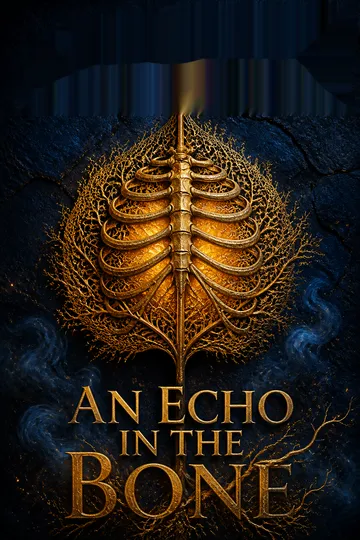
The book opens with a warning: bodies may heal and spirits may endure, but some injuries cannot be undone. That thought shadows a story moving between wartime America and 1980s Scotland, where people try to survive violence, preserve family, and decide what they owe the past.
The first scene places William Ransom, Lord John Grey’s son, on a Wilmington quay, watching the Fraser family depart while he accepts a dangerous mission of his own.
The prologue makes survival a question rather than a promise. Physical recovery, moral recovery, and historical survival do not proceed at the same pace: a wound may close while its memory remains active, and a family may endure while losing the home that held it together. The opening therefore prepares the reader for parallel forms of damage. The characters will face violence directly, but also inherit consequences they did not choose, including debts, secrets, and identities carried across generations.
The Quay's Hidden Errand
In Wilmington in 1776, young William Ransom meets Roger and Brianna MacKenzie, who are already preparing to leave the dangerous colony. Their son Jem’s blunt talk and Brianna’s distress at a pirate’s body unsettle William, while her resemblance to his father’s old friend Jamie Fraser draws his attention.
William accepts Captain Richardson’s offer to carry intelligence north, hoping the journey will improve his military prospects. His father, Lord John Grey, has arranged the mission partly to keep him away from a dangerous encounter. That same evening, Percy Beauchamp appears in Grey’s room, proposing a French bargain involving the rebellion and asking after James Fraser and his son Fergus.
William’s ambition begins as a bid to escape the limits of a quiet posting, but the book immediately shows how little control he has over the forces shaping his route. Lord John’s protective maneuver and Percy’s political probe intersect around the same family without William’s knowledge. Brianna’s resemblance to Jamie gives the scene an emotional undertow: William is drawn toward kinship before he understands its meaning. The young officer’s confidence is real, but his view of danger is still filtered through rank, advancement, and romantic ideas of service.
A Letter from the Living
In 1980, Brianna and Roger open a letter written by Claire and Jamie more than two centuries earlier. It confirms that they survived, though the Big House on Fraser’s Ridge burned after the time traveler Donner led raiders there in search of jewels. Claire’s account explains how an explosion destroyed the home and forced the family into a cramped cabin.
Their children, Jem and Mandy, had escaped through the stones before the attack. The letter brings relief, but also makes Roger and Brianna relive their own part in the chain of events. Its postscript mentions hidden gold and a message only Jem might understand.
The letter is more than evidence that the past remains reachable. It turns memory into a relationship maintained through deliberate acts: Jamie and Claire write to specific descendants, and Brianna and Roger choose when to read what has been sent. The fire exposes the cost of their earlier escape, while their survival refuses a neat separation between past and present. Roger’s guilt and Brianna’s relief arrive together. The letter becomes a fragile bridge, but its hidden message also shows that family knowledge can function as protection and as a dangerous inheritance.
The House in Ashes
After the fire, Claire, Jamie, Young Ian, and several families crowd into a small cabin while snow closes the mountain passes. A butchered pig near the ruined Big House reveals that Arch Bug has returned for the Jacobite gold he hid beneath the house. Jamie and Ian watch the foundations, suspecting the pig is bait.
When a figure approaches, Jamie calls out, but the shooter wounds him and Ian’s arrow strikes back. The dead person is Murdina Bug, Arch’s wife, not Arch himself. Jamie is left bleeding, Ian discovers that his arrow killed a woman he loved as kin, and the fugitive Arch disappears into the storm.
The scene collapses the distance between political grievance and domestic grief. The gold began as an argument over ownership and loyalty, but its concealment beneath the family home makes every attempt to retrieve it a threat to the Ridge’s community. Ian’s shot is defensive, yet its consequence cannot be made clean by intention. Jamie’s survival depends on Claire’s practical composure, while Ian’s guilt begins in the gap between what he meant to do and what happened. Arch’s disappearance keeps violence active even after the immediate danger passes.
A Life for a Life
The Ridge buries Murdina Bug beside Grannie MacLeod, whose death in Claire’s care had preceded the attack. At the funeral, Arch appears unarmed and places a gold swallow brooch on his wife’s shroud. Young Ian offers his own life for hers, trying to take responsibility for the death.
Arch refuses the exchange, saying Ian has not yet possessed anything worth taking, then walks back into the woods. Jamie understands that the threat is meant to keep Ian alive under the weight of guilt. The family hides the recovered gold in a cave containing a long-dead Spanish soldier, and Jamie decides they must leave for Scotland when spring opens the roads.
The funeral gives the dead a community, but it cannot settle the living. Ian’s offer makes moral responsibility concrete: he does not deny his action or ask that grief excuse it. Arch’s refusal turns revenge into a delayed claim, forcing Ian to imagine future love as another vulnerability. The gold, too, changes meaning. It is no longer simply a treasure but a danger that could draw violence to everyone on the Ridge. Jamie’s choice to leave is therefore both practical and ethical, a recognition that leadership sometimes means taking one’s family out of reach.
Long Island's Vanishing Army
William reaches Long Island as the British army prepares to attack New York. He is thrilled by the scale of the invasion and eager for combat, but his companies spend much of the fighting supporting others. He sees American troops resist fiercely, advises General Howe that Israel Putnam may be covering a retreat, and watches the British pause rather than risk needless losses.
In the fog, William loses his way, is robbed of his horse and equipment by men who take his pigtail as a trophy, then watches American soldiers escape by boat. Two old women briefly hold him before releasing him. His first campaign leaves him angry, exposed, and less certain of his own judgment.
William’s first combat experience dismantles the heroic version of soldiering he carried from England. He wants action, but the most consequential moments are confusion, restraint, and humiliation. His useful observation about Putnam shows that he can read a military situation, yet he cannot control the larger outcome or even keep himself safe in the fog. The old women’s capture further punctures his assumptions about authority and strength. He begins to learn that courage is not simply eagerness to fight; it also involves surviving the shame of being powerless.
Fireship in Red Light
In occupied New York, William attends a drunken outing with fellow officers that ends in an alley where Lieutenant Rodham beats a woman accused of carrying disease, then sets her alight. William tries to intervene, breaks a soldier’s head against a doorway, and drives the crowd away, but the woman dies. The violence leaves him and his cousin Adam weeping.
Soon afterward, William joins Major Robert Rogers in tracking the American spy Nathan Hale. Rogers lets Hale reveal his identity and information before capturing him. William watches Hale’s hanging, troubled by the formal, deliberate civility surrounding the execution. The scene sharpens William’s sense that honorable conduct can still serve a brutal system.
William’s response to the burning woman is an early break with the easy obedience expected of him. He does not merely condemn the crowd; he physically attacks a fellow officer and risks discipline to stop the assault. Yet his later participation in Hale’s capture and execution complicates any simple moral awakening. He can recognize cruelty in an alley while continuing to work within military structures that produce other forms of it. The contrast between chaotic mob violence and orderly execution asks whether procedure makes violence more just, or only more comfortable to witness.
The Black Chamber's Shadow
Lord John follows Percy Beauchamp’s French connections through the Black Chamber and discovers a trail involving Benjamin Franklin, the French court, and covert aid to the American cause. At the same time, his brother Hal is ill, and John learns that his daughter Dottie loves William and wants to cross the Atlantic to marry him.
John questions her, then agrees to help after she insists that William’s danger makes delay unbearable. He sails with her toward America, intending both to find his son Henry, captured and wounded, and to investigate the political web around Percy. In Quebec, William’s companion Randall-Isaacs vanishes during a blizzard, leaving William stranded with unanswered questions.
John’s investigations braid private loyalty into statecraft. His knowledge of Percy is compromised by their intimacy and by the secrets they share, while his concern for William and Henry makes political caution personal. Dottie’s decision to sail is not merely romantic daring; it is an attempt to act against the helpless waiting imposed on soldiers’ families. William, meanwhile, learns that intelligence work can leave him isolated from the very people whose influence made him useful. Each Grey is trying to protect family through a different form of risk.
Lost in the Dismal
On a later intelligence mission, William loses his horse in the Great Dismal Swamp and spends days alone among fog, snakes, and bogs. When two Indians try to capture him, Ian Murray intervenes, identifies himself as Mohawk, and drives them off. Ian takes William to the Quaker household of Denzell and Rachel Hunter, where they treat his infected arm and fever.
William has to accept care rather than command it, and the Hunters’ plain manner unsettles his assumptions about religion and loyalty. His recovery depends on Denzell’s medical skill and Rachel’s steady attention, creating a bond that begins as gratitude and grows more complicated.
The swamp strips William of the protections he associates with rank: horse, weapons, route, and even reliable perception. Ian’s rescue is decisive, but the care that follows is communal rather than military. The Hunters do not ask William to prove his worth before helping him; they treat his body as a responsibility. That experience unsettles his inherited categories of friend, enemy, and civilian. His vulnerability also opens a new emotional attachment, though his instinct to convert gratitude into romantic certainty will soon be tested.
A Quaker's Dangerous Mercy
William travels with Denzell and Rachel Hunter, whose Quaker convictions reject violence even as Denzell volunteers to serve as a surgeon. At an isolated farm, the owner attacks Rachel and tries to rob the travelers. William kills him, then faces the consequence of having taken a life outside battle and orders.
The Hunters do not condemn him, but Rachel’s principles expose the moral distance between them. William falls in love with her, yet he cannot remain: the British army needs his intelligence, and the Hunters intend to reach the Continental forces. They part with affection and uncertainty, leaving William to wonder whether duty is still a sufficient answer to what he has done.
The encounter forces William to cross a line his father had warned him about: an order does not erase personal choice, and honor must be judged in circumstances that change suddenly. He acts to protect Rachel, but necessity does not make the killing emotionally simple. The Quakers offer no easy absolution; their refusal of violence becomes a mirror in which he sees the costs of his own military identity. Rachel’s love does not resolve that conflict. Instead, it gives William something tender to lose as he returns to war.
The Changed Death Notice
Back in 1980, Brianna takes a job inspecting hydroelectric sites, while Roger struggles to choose between ministry and a life he can explain after returning from the past. Their arguments expose how differently they are rebuilding: Brianna needs professional work, while Roger fears that his calling has become uncertain.
Then Claire tells him that his RAF father may not have died as reported; a Spitfire crashed in Northumbria with no pilot found, near standing stones. Roger checks an old newspaper and discovers that the Fraser death notice’s date has changed. He decides not to search for his father, unwilling to risk leaving Jem and Mandy fatherless.
The changed date converts time travel from a family adventure into a problem of responsibility. If history can shift, Roger cannot assume that his children will remain safe while he pursues a lost parent. His decision not to investigate is not cowardice in the ordinary sense; it is a deliberate acceptance that love sometimes requires refusing knowledge. Brianna’s insistence on work and Roger’s uncertainty about ministry mirror the same question: how can a person resume a self after catastrophe without pretending the catastrophe did not happen?
The Tunnel's False Joke
At Loch Errochty, Brianna’s male coworkers lock her inside a dark hydroelectric tunnel as a prank. She rides the maintenance train toward the dam and experiences a violent, uncanny disturbance that resembles passage through the stones, but emerges in the same time, where Rob Cameron waits.
Back at Lallybroch, Jem reports seeing a man near the broch who threatened him with the story of the Nuckelavee. Roger investigates and finds signs of a traveler but no intruder. Brianna’s new job has put her near an unexplained force, while Rob’s behavior and Jem’s fear leave the family unsure whether the danger is merely human.
The tunnel episode makes ordinary infrastructure feel as unstable as the standing stones. Brianna’s technical competence gets her out of a trap, but it cannot explain the sensation that the tunnel has touched another order of time. Meanwhile, Jem’s encounter shows how fear can be engineered through a story: the stranger uses local folklore to silence a child. Roger’s search finds evidence but not certainty. The family’s safety now depends on reading both machines and people accurately, while acknowledging that neither kind of evidence is complete.
A Brothel's Lost Son
In New Bern, Percy Beauchamp approaches Claire, asking after a Frenchman named Claudel whom she recognizes as Fergus’s birth name. Jamie delays meeting him until he can consult Fergus, who refuses to speak with the stranger. Soon afterward, men try to abduct Fergus in the street, leaving him bruised and without his metal hand.
The Frasers suspect Beauchamp’s search may be connected, though his purpose remains unclear. In Wilmington, Claire encounters Tom Christie, presumed dead after the events on the Cruizer. He tells her how he survived and admits his enduring love. Jamie respects Tom but helps Claire see that unwanted touch, not jealousy, explains her distress.
The search for Claudel turns adoption into a question of who has the right to claim a person. Fergus refuses to let an unknown French nobleman define his identity, while the attempted abduction shows that ancestry can become a physical threat. Tom Christie’s return offers a different kind of unresolved bond: his devotion is sincere, but sincerity does not create consent or intimacy. Jamie’s response is notable because he neither dismisses Tom nor treats Claire’s discomfort as a contest he must win. He names the boundary and lets her choose.
The Navy Takes the Teal
The Frasers board Captain Roberts’s smuggling ship, the Teal, hoping to sail for Scotland. A Royal Navy cutter commanded by Captain Stebbings intercepts them and begins pressing sailors into service. When Ian is selected, Jamie resists, and Claire jumps onto the cutter, cuts its mooring, stabs one sailor, and fights off others with a knife and belaying pin.
Jamie and Ian take control of the vessel, the Pitt, but their escape leaves Rollo aboard the Teal. Claire wakes bruised and choked, while Jamie reveals he killed a gunner during the struggle. Their intended passage has become piracy, and the missing dog gives Ian a new reason to risk everything.
The seizure of the ship converts an already precarious journey into a moral and practical crisis. Claire’s violence is self-defense, but it still leaves her shaken; Jamie takes responsibility for a death she initially believes she caused. Their marriage operates as a working partnership under pressure, each reading danger and acting before the other can. Yet the escape is incomplete. Rollo’s absence turns survival into a fresh obligation, showing how love among this family is measured not only by human loyalty but by the lives entrusted to them.
The Asp's Bloody Rescue
The captured Pitt is intercepted by Captain Asa Hickman’s privateer, the Asp, which has its own grievance against Stebbings. A close-range battle damages both vessels and leaves wounded men scattered across the deck. Jamie is stabbed in the shoulder, and Claire uses improvised tools to treat him and Stebbings, who has a chest wound.
The Asp’s crew eventually boards the Teal, where Ian finds Rollo alive. Hickman wants to kill Stebbings, but Jamie and Ian stop him, insisting that a wounded captive should not be murdered. The crew then joins the American cause, and Jamie accepts a militia command to protect them.
The battle tests the difference between vengeance and justice at the moment both become tempting. Hickman’s grievance is understandable, but Jamie refuses to let it dictate the fate of a wounded prisoner. Claire’s medicine, by contrast, is unsentimental: she treats the man who tried to kill her because his life is still within her power to preserve. The rescue of Rollo completes Ian’s immediate hope, but does not erase the dangers already set in motion. The group has become politically committed through a chain of desperate choices rather than a single declaration.
Ian's Two Journeys
While traveling through the southern colonies, Ian finds two filthy runaways, Hermione and Ermintrude, who have lost their parents. Arch Bug appears again and uses one child as leverage to demand the missing gold. The girls attack him, giving Ian the chance to intervene, though Bug escapes.
Rather than abandon them, Ian takes them to Mrs. Sylvie’s brothel and pays her to give them work and shelter. His own journey then leads him to Unadilla, where he finds Emily living with Sun Elk and their children. Ian names one child Swiftest of Lizards, acknowledging a bond he cannot claim as a father, and leaves without trying to reclaim Emily or the children.
Ian’s care for the sisters is a practical answer to the helplessness he has carried since killing Murdina Bug. He cannot undo that death, but he can prevent two children from being left to the road. His meeting with Emily tests a different limit: love does not confer ownership. By blessing her children rather than demanding a place in their household, he accepts that home can remain meaningful even when it no longer belongs to him. His movement toward Scotland is therefore not escape from grief but an attempt to live alongside it.
Ticonderoga's Last Night
Jamie, Claire, and their companions reach Fort Ticonderoga as General Burgoyne advances from Canada. Jamie repeatedly warns that Mount Defiance overlooks the fort, but the command delays evacuation. After British troops establish themselves on the height and a fire breaks out at Mount Independence, panic overwhelms the garrison.
The Frasers help move sick people and refugees toward the lake, abandoning equipment and supplies as the retreat collapses into a chaotic escape. Ian has already left on his own errand, while Claire remains to tend the wounded. The fort falls, and the family is once again driven south through a landscape where capture, hunger, and winter are close behind.
Ticonderoga’s fall is a failure of judgment made visible in geography. The danger of Mount Defiance is not secret; Jamie sees it, names it, and cannot persuade authority to act in time. When retreat finally begins, military order gives way to bodies moving under fear. Claire’s work among the sick and Jamie’s effort to protect the group become more consequential than formal command. The episode also repeats the Ridge’s central pressure: a home or refuge can become untenable before its inhabitants are ready to leave.
The Rebel's Unwanted Journey
William returns from Quebec and accepts another intelligence mission, despite growing distrust of Captain Richardson. His father, Lord John, investigates Richardson and Percy Beauchamp, while Dottie sails to America to find her wounded brother Henry. William reaches Burgoyne’s army and becomes an officer trusted with dispatches and field duties.
He worries that Burgoyne treats Native allies as instruments rather than independent people, and he sees the strain caused by poor supplies and distance from support. His increasing responsibility does not erase his doubts; it places him inside decisions whose consequences he can foresee only partly, and whose cost will soon become personal.
William’s development is not a clean turn from ambition to conscience. He remains drawn to rank and action, yet becomes increasingly alert to the mismatch between a commander’s plan and the realities of the people expected to carry it out. His father’s investigations suggest that intelligence work can be both necessary and compromised, while Dottie’s voyage shows that family loyalty also requires crossing political lines. William’s central problem is no longer whether to be brave, but whether bravery is meaningful when the larger plan is badly conceived.
A Hand at Saratoga
At Saratoga, Jamie and Claire are caught in the escalating battles between Burgoyne’s British army and the Americans. Jamie fights alongside the riflemen, while William serves with the British; Brigadier Simon Fraser, Jamie’s kinsman, is mortally wounded. Jamie is badly injured in the fighting, and Claire amputates his damaged finger with the limited tools she has.
The American victory leaves Burgoyne’s army trapped and facing surrender, while the wounded and dead fill the ground between the lines. Jamie’s new injury becomes another mark of survival, but neither he nor Claire can treat the battle as a triumph while so many men have been lost.
The battlefield brings family, history, and political allegiance into the same physical space without allowing them to resolve one another. Jamie’s kinship with Simon does not spare him the war’s consequences, and William’s presence on the opposing side intensifies the danger of recognition without providing an easy reunion. Claire’s amputation is an act of care under brutal constraints: she preserves Jamie’s life by removing part of him. Victory changes the campaign’s balance, but the bodily cost resists celebratory simplification.
A Son's Name in Scotland
After leaving Emily and the children, Ian continues north, carrying both his grief and his hope of returning to Lallybroch. Before reaching Scotland, he confronts Arch Bug again and protects the runaway girls, then chooses a precarious refuge for them rather than leave them to fend for themselves.
His reunion with Emily confirms that she has built a life with Sun Elk, and Ian does not try to reclaim her. He names one of her children Swiftest of Lizards, a recognition of the child’s place in his heart without displacing the father who raises him. He then resumes his journey toward home, no longer pretending that the past can be restored unchanged.
Ian’s story makes belonging more complicated than return. He can be welcomed by his Scottish family and still know that another family exists beyond his reach. His naming of Emily’s child gives him a role that is neither fatherhood nor estrangement: a witness who blesses a life he cannot possess. That choice differs from the guilt that followed Murdina’s death. He cannot repair the dead, but he can act responsibly toward the living, accepting limits without making them an excuse for indifference.
The Letter Across the Sea
In Scotland, Roger and Brianna learn that a man from Jamie’s century has reached their home and that Rob Cameron may be pursuing the same secret: passage through the stones and the location of the Fraser gold. Jem has already been threatened and briefly separated from his parents, while Bree’s work has placed her near a tunnel where time’s strange force is felt again.
Across the ocean, Jamie and Claire remain caught in the war’s aftermath, with John Grey and Dottie trying to secure Henry’s recovery. Letters connect the households, but they cannot close the distance or settle the danger. The book ends with family reunited in fragments, not yet safe.
The ending refuses the comfort of a completed return. Letters preserve contact, but their delay makes them inadequate as protection; each household must act on partial knowledge. Rob Cameron’s interest in the stones and gold turns inherited history into a present threat, while the appearance of a man from the past collapses the boundary Roger and Brianna hoped to stabilize. The family’s central resource remains mutual responsibility, yet even that cannot guarantee safety. The final unease is structural: time connects them, but it does not promise to bring them together on fair terms.
Analysis
The novel treats history not as a backdrop but as a pressure system acting on intimate lives. Jamie and Claire cannot choose a private existence outside the Revolution: a hidden fortune brings raiders to their door, a ship’s press gang turns travel into piracy, and military retreat makes their medical work inseparable from battlefield loss. Yet the book resists reducing its characters to political symbols. Ian’s grief over Murdina, William’s shame after Nathan Hale’s execution, and Rachel’s conflict between conscience and attachment all complicate any easy division between patriot and loyalist, victim and perpetrator.
Its most persistent question is what responsibility survives when control does not. Claire can save some patients but not all; Jamie can protect his family without protecting every person they love; Roger can choose not to search for his father because his children need him in the present. Ian’s movement between Scotland and the Mohawk world makes this question especially vivid. He can love two homes without owning either one, and his care for children he cannot claim becomes a form of ethical action.
The modern plot carries the same tension into family memory. Letters preserve love but arrive too late to change events. The stones offer passage without safety, while Rob Cameron’s curiosity shows how knowledge can become a threat when separated from care. The story’s strongest acts of courage are therefore not grand declarations but specific choices: Claire operating with inadequate tools, Jamie refusing to let vengeance decide a prisoner’s fate, Rachel holding to her convictions, and Roger staying with the children rather than risking their future for his own unanswered past. Survival here is neither triumph nor innocence. It is the difficult work of continuing to care after every certainty has been damaged.
Review Summary
An Echo in the Bone receives mixed reviews from fans. Many praise Gabaldon's detailed historical writing and character development, while others find the multiple storylines and POVs disjointed. Some criticize the slow pacing and excessive length. The ending's cliffhangers and unresolved plot threads frustrate many readers. Jamie and Claire's relationship remains central, though some question certain character choices. Despite criticisms, most fans remain invested in the series and eagerly anticipate the next book, appreciating Gabaldon's immersive storytelling and beloved characters.
People Also Read
Characters
Claire Fraser
The healer across timeA twentieth-century surgeon living in the eighteenth century, Claire meets danger with practical intelligence and a fierce refusal to abandon the injured. Her marriage to Jamie is the center of her emotional life, but she is also a doctor, mother, grandmother, and witness to the costs of war. She treats people whom others would punish or discard, and her modern knowledge is useful without making her omnipotent. Claire’s deepest tension is between her impulse to intervene and her recognition that she cannot control every consequence. She is direct, curious, stubborn, and unusually willing to admit what she does not know.
Jamie Fraser
The reluctant soldierA Highland Scot, husband to Claire, father to Brianna, and leader to the people who depend on him, Jamie has learned to treat responsibility as a form of love. He dislikes the sea and distrusts political abstractions, yet accepts dangerous work when family or community is at stake. His instinct is to protect, sometimes at the cost of his own safety, and he carries the consequences of violence rather than pretending they vanish. Jamie’s humor, faith, and physical courage coexist with a deep fear of losing those he loves. He is most himself when acting, but the book repeatedly asks what action can and cannot repair.
Brianna MacKenzie
The engineer between erasBrianna is Claire and Jamie’s daughter, an engineer whose practical intelligence was formed in the twentieth century and tested in the eighteenth. She is a capable mother and builder, but also a woman determined not to let family duty erase her professional self. Her marriage to Roger is loving and frank, sometimes sharpened by their different ways of facing uncertainty. Brianna’s courage is often physical and technical: she studies structures, solves problems, and resists men who mistake her competence for an exception. Beneath that confidence is a deep fear of losing the family she has recovered across time.
Roger MacKenzie
The minister in doubtRoger is Brianna’s husband, a historian, father, and man struggling to understand his vocation after time travel has torn apart the life he expected. He is observant and self-questioning, with a strong sense of duty that can harden into hesitation. His damaged voice and uncertain relationship to ministry make the question of calling more than a career decision. Roger’s love for Brianna and their children gives him a clear reason to remain, even when the past offers a chance to pursue his own father. He is thoughtful, funny, and capable of decisive action when someone he loves is in danger.
William Ransom
The young officerWilliam is Lord John Grey’s son and a young British officer whose intelligence, height, and family connections open doors he has not yet learned to navigate. He wants distinction and action, but the war repeatedly exposes him to situations in which honor is less clear than he expects. William is proud, physically brave, and often too quick to imagine that confidence can master danger. His experiences among Native people and Quaker civilians complicate his view of loyalty, violence, and duty. He is also capable of tenderness, though he is still learning how to live with the consequences of his choices.
Lord John Grey
The careful fatherA British officer and former intelligence operative, John is William’s father in every way that matters to their relationship. He moves easily through diplomatic and military circles, but private loyalties often complicate his public duties. John’s manners conceal a sharp mind and a strong capacity for affection; he is especially protective of his family, though he knows protection can become a form of control. His history with Percy Beauchamp makes secrecy personal, not merely professional. John’s wit and composure are real strengths, but they also serve as armor against grief and fear.
Ian Murray
The returning sonYoung Ian is Jamie’s nephew, a traveler who has lived among the Mohawk and carries both Scottish and Indigenous identities. He is a capable scout, fighter, and caretaker, but his toughness does not protect him from grief over his daughter or the people he has lost. Ian’s sense of duty is intensely personal: he keeps promises, guards those placed in his care, and struggles to distinguish responsibility from guilt. His humor is dry, his courage often quiet, and his longing for home remains complicated by the life he has already built elsewhere.
Brianna and Roger's children
The next generationJem and Mandy are being raised between histories their parents can barely explain. Jem remembers the eighteenth century and notices danger with an older child’s sharpness; Mandy is younger, imaginative, and instinctively attuned to the people she loves. They are not merely symbols of continuity: their needs shape Roger and Brianna’s choices, including whether to risk another passage through time. Their ordinary mischief and fierce attachments keep the adult story grounded in the daily work of parenting.
Jenny Murray
The steadfast matriarchJamie’s sister and Ian’s wife, Jenny is practical, perceptive, and difficult to intimidate. She knows the work of keeping a household and a family alive, and her sharp tongue often conceals tenderness she is reluctant to display. Jenny’s bond with Jamie is built on shared history and unspoken trust. She can be fiercely protective, sometimes acting before she knows the full cost of her choices. Her judgment of others is often keen, but grief and fear can make her cling tightly to the people she still has.
Fergus Fraser
The adopted printerFergus is Jamie and Claire’s adopted son, a French-born printer married to Marsali. He was raised in the Fraser family after a childhood marked by poverty and exploitation, and he has turned wit, craft, and nerve into a life of his own. His press gives him both a livelihood and a platform, but political neutrality becomes difficult when every side wants to control what gets printed. Fergus’s loyalty is fierce, especially toward his wife and children, and he treats chosen family as more real than bloodline.
Marsali Fraser
The resilient printer's wifeMarsali is Fergus’s wife and a capable mother who works beside him in the printshop. Practical, sharp-tongued, and resilient, she can move from domestic care to public argument without losing her footing. Her affection for her family is direct rather than sentimental, and she meets danger with the same brisk competence she brings to work. Marsali understands that political upheaval does not pause household needs; children still need feeding, and the press still has to run.
Arch Bug
The grieving claimantArch Bug is an elderly Highlander whose pride, skill, and loyalty to his wife have hardened into a dangerous insistence on settling old debts. He believes he has a legitimate claim to the Jacobite gold, even when his actions threaten people who did not create the original grievance. Arch is not a simple villain; he is capable of devotion and grief, but he turns those feelings outward as vengeance. His presence forces Ian and Jamie to confront the difference between accountability and punishment.
Murdina Bug
The Ridge's generous cookMurdina is Arch Bug’s wife, a practical, warm-hearted woman who makes herself useful in the crowded life of the Ridge. Her cooking, care for animals, and everyday attentions make her part of the community rather than a background figure. She and Arch share decades of partnership, and her importance is visible in the way others remember her kindness. Murdina’s presence gives the conflict over the gold a human cost beyond property and politics.
Denzell Hunter
The Quaker surgeonDenzell is a physician whose Quaker convictions oppose violence, even as the Revolution draws him toward the Continental army as a surgeon. He is earnest, intelligent, and more courageous than his mild manner suggests. His loyalty to Rachel and his medical duty pull him into a war he would not choose for himself. Denzell’s conscience is not a fixed refusal to act; it is a continuing attempt to decide what action can be justified without surrendering his deepest beliefs.
Rachel Hunter
The steadfast FriendRachel is Denzell’s sister, a Quaker woman who has learned self-reliance through hardship. Her plain speech and strong principles do not make her passive; she has a firm sense of what she owes herself and others. Rachel is drawn to Ian, but the conflict between their lives forces her to consider the cost of love rather than merely its promise. She is observant, compassionate, and more courageous than she first appears, especially when the safety of others depends on her.
Rob Cameron
The intrusive colleagueRob Cameron works with Brianna at the Hydro and becomes interested in her family’s knowledge of Gaelic, the old broch, and the tunnels beneath the Highlands. He is sociable and apparently helpful, but his jokes and questions leave Brianna uneasy. Rob’s curiosity is difficult to separate from entitlement; he assumes he can test boundaries and expect others to accept it as harmless. His interest in the past turns an ordinary workplace relationship into a source of uncertainty for the MacKenzies.
Percy Beauchamp
The elegant intelligence brokerPercy is a former British officer turned French intelligence agent, skilled at using charm, intimacy, and ambiguity to move through political circles. He has a complicated history with Lord John and a network of personal and diplomatic connections that make him difficult to read. Percy can be sincere and self-serving at once; his loyalties are rarely simple, even to people he has loved. His search for Fergus raises questions about identity, inheritance, and the difference between knowing a person’s origins and having a claim on them.
Tom Christie
The returned schoolmasterTom is a stern, devout man whose life has been shaped by prison, family tragedy, and a need to make sense of suffering. He can be judgmental and rigid, but his convictions are sincere, and he is capable of sacrificing himself for someone he loves. His relationship with Claire is emotionally intense and uncomfortable for both of them. Tom’s faith offers him a new way to live, but it does not erase the grief and attachments he carries.
Plot Devices
The standing stones
Passage between erasThe stones allow certain people to move between periods, but travel is dangerous, selective, and poorly understood. The book links the ability to travel to a sensitivity some family members appear to share, while leaving the mechanism uncertain. The stones make the modern and eighteenth-century plots materially connected: letters, children, and people can cross the boundary, but no one can assume a journey will be safe or reversible. Their presence near the Highland broch and the hydroelectric tunnel turns landscape into an active force rather than scenery.
Letters to the future
A family across centuriesJamie and Claire write to Brianna, Roger, and the children without knowing whether their letters will arrive. In the twentieth century, each letter offers news, affection, and sometimes a practical instruction, while its delay makes it impossible to answer in real time. The correspondence lets the modern family follow the eighteenth-century story without making the past feel like a finished archive. It also gives the letters emotional weight: unread pages can feel like proof that the writers remain alive somewhere beyond reach.
The Jacobite gold
Treasure becomes a targetGold moved through the hands of political exiles and was hidden by Arch Bug beneath the Fraser house. Its value attracts a time traveler’s raiders, deepens the conflict between Arch and Jamie, and forces the family to hide it again in the Spaniard’s cave. The gold is both practical wealth and a dangerous inheritance: anyone who knows where it is can put the Ridge community at risk. A coded reference to a Spaniard links the eighteenth-century secret to Jem and the modern household.
Medical improvisation
Knowledge under scarcityClaire’s medical skill repeatedly meets conditions without hospitals, clean instruments, anesthesia, or reliable medicines. She treats a difficult breech birth, battlefield wounds, infected injuries, and a chest wound with whatever she can salvage. Her practice is not presented as effortless modern superiority; each intervention carries uncertainty and risk, and the people around her must help. The book uses medicine to make care concrete: a life may depend on a decision made with a knife, boiled water, a strip of cloth, or a painful choice.
Intelligence and misdirection
Information shapes the warWilliam’s courier work, Lord John’s Black Chamber inquiries, Rogers’s deception of Nathan Hale, and the Fraser militia’s deserter game all turn information into a weapon. A message can save an army, expose a spy, or lead a person into danger. The characters use disguises, coded writing, rumor, and selective truth, but no one controls the information once it begins to travel. The device links political maneuvering to personal trust: every secret may protect someone, betray someone, or do both at once.
FAQ
Synopsis & Basic Details
What is An Echo in the Bone about?
- A Family Divided by Time: The story follows Jamie and Claire Fraser as they navigate the American Revolution, while their daughter Brianna and her family live in the 20th century, dealing with the aftermath of their own time-traveling experiences.
- Political Intrigue and Personal Conflicts: The novel explores the political tensions of the era, with characters caught between the British and American sides, while also delving into the complex relationships and emotional struggles of the Fraser family.
- A Journey of Self-Discovery: Characters grapple with their identities, loyalties, and the consequences of their choices, as they seek to find their place in a world torn apart by war and change.
Why should I read An Echo in the Bone?
- Intricate Plot and Character Development: Diana Gabaldon masterfully weaves together multiple storylines, creating a rich and complex narrative with well-developed characters that readers become deeply invested in.
- Historical Immersion: The novel provides a detailed and immersive portrayal of the American Revolution, exploring the political, social, and cultural aspects of the era with meticulous research and vivid descriptions.
- Emotional Depth and Relational Dynamics: The story delves into the psychological and emotional complexities of its characters, exploring the evolution of their relationships and the challenges they face in love, family, and duty.
What is the background of An Echo in the Bone?
- American Revolution: The novel is set against the backdrop of the American Revolution, exploring the political and social tensions of the era, as well as the impact of the war on the lives of ordinary people.
- Scottish Highlands: The story also delves into the history and culture of the Scottish Highlands, with characters grappling with their heritage and the legacy of the Jacobite risings.
- Time Travel: The element of time travel adds a unique layer to the narrative, allowing the characters to navigate different historical periods and explore the interconnectedness of past, present, and future.
What are the most memorable quotes in An Echo in the Bone?
- "The body is amazingly plastic. The spirit, even more so. But there are some things you don't come back from.": This quote, from the prologue, sets a tone of resilience and the enduring nature of the human spirit, while also hinting at the lasting impact of trauma.
- "We are alive.": This simple yet powerful quote, from a letter written by Jamie and Claire, encapsulates the joy and relief of survival, as well as the enduring bond between family members separated by time.
- "I've sworn to myself that I shallna ever face my son across the barrel of a gun.": This quote reveals Jamie's deep-seated fear and determination to protect his family from the ravages of war, highlighting his internal conflict between duty and love.
What writing style, narrative choices, and literary techniques does Diana Gabaldon use?
- Multiple Perspectives: Gabaldon employs a multi-perspective narrative, shifting between the viewpoints of various characters, which allows readers to gain a deeper understanding of their motivations and experiences.
- Detailed Historical Research: The novel is characterized by meticulous historical research, seamlessly integrating historical events, customs, and language into the narrative, creating a rich and immersive reading experience.
- Foreshadowing and Callbacks: Gabaldon uses subtle foreshadowing and callbacks to create a sense of interconnectedness between different storylines and time periods, enhancing the thematic depth of the novel.
Hidden Details & Subtle Connections
What are some minor details that add significant meaning?
- The White Sow: The recurring mention of the white sow, initially a seemingly random detail, becomes a symbol of the demonic and the untamed, and ultimately a key to the location of Arch Bug's hidden gold.
- The Drowned Pirate: The decaying corpse of the pirate staked in the harbor serves as a grim reminder of the consequences of crime and foreshadows the dangers that the characters will face.
- The Fireflies: The fireflies that appear during William's meeting with the Bell sisters and later with Lillian Bell, symbolize the fleeting nature of romance and the promise of something more, while also hinting at the hidden dangers that lurk beneath the surface.
What are some subtle foreshadowing and callbacks?
- The Broken Glass: Lord John's broken glass during his conversation with Percy Beauchamp foreshadows the shattering of his world and the danger that Beauchamp represents.
- The "Lillibulero" Whistle: Lord John's whistling of "Lillibulero" after his meeting with Beauchamp is a callback to his past as a spy and a subtle hint of the danger he is in.
- The White Sow's Demonic Nature: The Cherokee's belief that the white sow is a demon foreshadows the sow's role as the guardian of Arch Bug's hidden gold and the danger that surrounds it.
What are some unexpected character connections?
- Lord John and James Fraser: The revelation that Lord John is a close friend of James Fraser, and that he has known Brianna since she was a child, creates a deeper connection between the characters and highlights the complex web of relationships in the story.
- William and James Fraser: The fact that William met James Fraser as a child, though he doesn't remember it, creates a subtle connection between the two men and foreshadows their eventual meeting.
- Percy Beauchamp and Lord John Grey: The revelation that Percy Beauchamp is actually Perseverance Wainwright, a former colleague of Lord John's from the Black Chamber, adds a layer of intrigue and danger to their interactions.
Who are the most significant supporting characters?
- Sergeant Cutter: The menacing sergeant, who is both feared and respected by the young lieutenants, provides a glimpse into the harsh realities of military life and the power dynamics within the British army.
- Captain Richardson: The intelligence officer, who recruits William as a messenger, sets in motion a chain of events that will have far-reaching consequences for the characters.
- The Bell Sisters: The two sisters, Lillian and Miriam, represent the social and romantic possibilities that exist for William in Wilmington, while also highlighting the constraints of societal expectations.
Psychological, Emotional, & Relational Analysis
What are some unspoken motivations of the characters?
- Lord John's Desire for Connection: Lord John's actions are often driven by a deep-seated need for connection and belonging, stemming from his own sense of isolation and loss. He seeks to protect those he loves, but also to find a place for himself in a world that often feels alienating.
- William's Yearning for Recognition: William's decision to accept Richardson's offer is driven by a desire for recognition and advancement, as well as a need to prove himself to his father and the world. He seeks to escape the shadow of his father's reputation and establish his own identity.
- Claire's Fear of Loss: Claire's actions are often motivated by a deep-seated fear of loss, stemming from her experiences with death and separation. She seeks to protect those she loves, but also to control the uncontrollable, often to her own detriment.
What psychological complexities do the characters exhibit?
- Jamie's Internal Conflict: Jamie struggles with the weight of his past, his responsibilities to his family, and his desire to protect those he loves. He is torn between his duty as a soldier and his longing for a peaceful life.
- Ian's Guilt and Self-Destructive Tendencies: Ian is haunted by the accidental killing of Mrs. Bug and struggles with feelings of guilt and self-reproach. He seeks redemption but is also drawn to danger, as though seeking a form of self-punishment.
- Brianna's Struggle with Control: Brianna's scientific mind and her desire to control her own destiny often clash with the unpredictable nature of time travel and the challenges of motherhood. She grapples with the need to protect her family while also allowing them the freedom to make their own choices.
What are the major emotional turning points?
- The Burning of the Big House: The destruction of the Fraser's home is a major emotional turning point, forcing them to confront their losses and make difficult decisions about their future.
- The Death of Murdina Bug: The accidental death of Murdina Bug has a profound impact on Ian, highlighting the consequences of violence and the burden of guilt.
- The Discovery of the Letter: The discovery of the letter from Jamie and Claire in the 18th century brings both joy and sorrow to Brianna and Roger, as they are reminded of their parents' love and the challenges they face.
How do relationship dynamics evolve?
- Jamie and Claire's Enduring Love: Despite the challenges they face, Jamie and Claire's love remains a constant source of strength and comfort. Their relationship is tested by separation and danger, but their bond remains unbreakable.
- Lord John and William's Complex Relationship: Lord John and William's relationship is marked by a mixture of love, duty, and unspoken tensions. They struggle to understand each other's motivations and desires, while also navigating the complexities of their family history.
- Ian and Jamie's Kinship: Ian and Jamie's relationship evolves from that of nephew and uncle to a deeper bond of kinship and shared experience. They are united by their love for family and their shared sense of responsibility.
Interpretation & Debate
Which parts of the story remain ambiguous or open-ended?
- The Nature of Time Travel: The mechanics of time travel remain somewhat ambiguous, with characters grappling with the paradoxes and uncertainties of their ability to move through time.
- The True Intentions of Percy Beauchamp: Percy Beauchamp's true motives and his connection to the French government remain unclear, leaving readers to speculate about his role in the larger political landscape.
- The Fate of Arch Bug: The fate of Arch Bug is left unresolved, leaving readers to wonder whether he will ever find peace or seek further revenge.
What are some debatable, controversial scenes or moments in An Echo in the Bone?
- The Death of Murdina Bug: The accidental death of Murdina Bug is a controversial moment, raising questions about the nature of guilt and responsibility, as well as the consequences of violence.
- Jamie's Decision to Leave the Ridge: Jamie's decision to leave the Ridge and return to Scotland is a source of debate, as it forces him to confront his past and make difficult choices about his future.
- William's Relationship with Dottie: William's romantic entanglement with his cousin Dottie raises questions about the nature of love and duty, as well as the complexities of family relationships.
An Echo in the Bone Ending Explained: How It Ends & What It Means
- A Journey to Scotland: The novel ends with Jamie, Claire, and Ian embarking on a journey to Scotland, leaving behind the dangers of the American Revolution. This journey represents a return to their roots and a search for peace and healing.
- Uncertainty and Hope: The ending is bittersweet, with characters facing an uncertain future but also holding onto the hope of reunion and a better tomorrow. The novel leaves readers with a sense of both closure and anticipation for the next chapter in the Fraser family's saga.
- The Enduring Power of Love and Family: Despite the challenges and losses they face, the characters are bound by the enduring power of love and family. Their relationships are tested by time and distance, but their bonds remain unbreakable.
Outlander Series

About the Author
Other books by Diana Gabaldon


Download PDF
Download EPUB
.epub digital book format is ideal for reading ebooks on phones, tablets, and e-readers.








