

Plot Summary
Prologue
The opening names Tallulah’s fear of spiders, then places her in darkness. It offers no explanation for how she got there or what waits beyond her fear. The image is brief, but it gives the story’s later darkness a physical shape: a trapped young woman, the crawl of unseen legs, and the terror of being unable to escape.
This opening makes fear bodily before it becomes a plot question. Tallulah’s arachnophobia is not simply a revealing trait: it becomes a measure of the cruelty involved in depriving her of light, movement, and control. The stark image also trains readers to notice how much of the story will be hidden from view. We begin with a consequence, not its cause, and must work backward through conflicting memories to understand the darkness around her.
Two Parents Do Not Come Home
On a hot June night in 2017, nineteen-year-old Tallulah and her boyfriend, Zach, leave their one-year-old son Noah with Tallulah’s mother, Kim, for a rare night out. Kim is still caring for Noah at dawn when neither parent returns. Their phones go to voicemail, and she learns they left a party at the wealthy Jacques family’s estate, Dark Place, supposedly to catch a taxi.
No cab firm can confirm a pickup. Kim drives there with her son Ryan and Noah, but the hosts offer no explanation that locates the missing couple. Tallulah would never knowingly leave her child, Kim insists. When she finally reports them missing, police initially treat the pair as young adults who may have chosen to disappear.
The story begins with a practical breach that becomes an emotional catastrophe: an empty bed, unanswered phones, and a baby who still needs feeding. Kim’s certainty about Tallulah’s devotion is not evidence in a police sense, but it is the knowledge that allows a mother to recognize when ordinary explanations fail. The contrast between the family’s modest home and the Jacques estate sharpens the first imbalance in the mystery. Kim has responsibility and fear; the people who might know more have privilege, privacy, and the power to decide how much they reveal.
A New Tenant Finds a Sign
Fourteen months later, novelist Sophie Beck moves with her partner Shaun, a new head teacher, into the cottage beside Maypole House. A cardboard arrow fixed to her garden fence brings on an unsettling sense of recognition, though she cannot place it.
Sophie explores the surrounding woods and discovers the neglected Dark Place estate. Online, she finds reports about Tallulah and Zach, along with a memorial photograph of Kim and Noah. At the local pub, Sophie recognizes Kim from that photograph.
Returning to the cottage, she follows the arrow and digs up a ring box containing an engagement ring. A jeweller identifies its buyer as Zach Allister, making Sophie’s odd garden discovery the first concrete new lead in a case that has been stalled for more than a year.
Sophie’s arrival links private curiosity to public grief. She is not a detective, and her impulse to investigate initially feels like a writer’s appetite for a story. Yet the object she finds belongs to people whose absence has shaped Kim’s daily life. That distinction matters: the mystery is not raw material waiting for Sophie to use. Her choice to bring the ring to Kim marks the point where observation becomes responsibility. The sign also introduces the novel’s unstable boundary between fiction and evidence, a boundary that will make Sophie’s own work unexpectedly consequential.
Tallulah Meets Scarlett
The earlier story returns to Tallulah’s first months as a mother. After Zach leaves when she becomes pregnant, Tallulah raises Noah with help from Kim, then begins college and finds herself fascinated by Scarlett Jacques, a striking art student whose wealthy background and unruly confidence set her apart.
They first speak at a college bus stop, then connect more closely at a Christmas party, where Scarlett draws Tallulah onto the dance floor and gives her a taste of being seen as more than a tired young parent. At New Year, Zach persuades Tallulah to try their relationship again and moves into Kim’s home. He is tender with Noah, but Tallulah feels uncertain about sharing her life with him again.
Tallulah’s attraction to Scarlett begins as a wish for a self not defined by motherhood, rather than as a simple rejection of her child. Scarlett notices the part of Tallulah that routine has pushed into the background. Zach, meanwhile, offers something tangible: help with Noah and the recognizable promise of a family unit. Tallulah’s divided response is psychologically credible because both desires are real. She wants freedom without wanting to abandon her son, and she accepts Zach’s return before she has worked out whether she wants him as a partner.
The House Beneath the House
As Tallulah grows close to Scarlett, she seeks her out at Dark Place, where Scarlett shows her a concealed entrance beneath a stone step. A long-forgotten escape tunnel runs below the old house, and Tallulah follows Scarlett down despite her fear of spiders. Their secrecy deepens into a relationship. Tallulah hides her baby and her complicated home life from Scarlett because she wants to be treated as an unencumbered young woman.
At home, Zach grows watchful. He questions her friendships, objects to college, and grips her arms when she resists his plans. Tallulah keeps the relationship with Scarlett hidden from both Zach and much of her social circle, creating a narrow refuge that feels liberating but leaves her increasingly isolated.
The tunnel first functions as a place of intimacy, a secret space that seems to let Tallulah step outside the roles others assign her. Its physical concealment also mirrors the cost of that escape: she can explore desire only by hiding parts of her life. Tallulah’s silence about Noah is not a lack of love for him; it is an attempt to suspend the judgment and obligations that define her public identity. Zach’s possessiveness makes secrecy feel safer, but it also deprives Tallulah of allies who might help her assess the danger in her relationship.
Zach Plans a Proposal
Zach’s care for Noah remains genuine, but his need to keep Tallulah close grows harder to ignore. He monitors her contacts, appears unexpectedly near college, questions her time away, and pressures her to trade social-care studies for work nearer home. He also pushes plans for a flat that Tallulah does not want. During this period he buys an engagement ring, hoping marriage will secure the family he imagines.
Tallulah finds the box in his jacket and understands that a decision is approaching. She tells Scarlett she intends to refuse, but worries Zach will retaliate or use Noah to keep her. Her fear is not abstract: when she tries to end the relationship, Zach’s response makes her believe he will not willingly leave the household.
The novel refuses the easy equation of loving father and safe partner. Zach can be attentive with Noah and controlling with Tallulah at the same time. That contradiction helps explain why Tallulah struggles to leave: she is not choosing between a monster and a good life, but weighing real caregiving against the loss of her autonomy. The ring turns his wish for stability into pressure, making a private ambivalence into a public decision with consequences. His generosity and his coercion occupy the same relationship, which is precisely what makes the danger difficult for Tallulah and Kim to name.
Scarlett Reveals the Woods
Before the disappearance, Scarlett explains why she left Maypole House and withdrew from college. She had been involved with Guy Croft, the estranged husband of former head teacher Jacinta, and says that he later cornered and sexually assaulted her in the woods. Scarlett has struggled to understand the encounter and has told almost no one.
Tallulah listens and tries to support her, while also facing her own need to escape Zach. She and Scarlett have already broken and resumed their relationship, but Tallulah distrusts Scarlett’s impulsiveness and doubts whether she can offer the stability Noah needs. As Zach’s proposed marriage approaches, Tallulah tries to imagine a future that belongs to her, yet cannot see a safe way to leave him.
Scarlett’s account complicates her charisma: the girl who appears to control every room has also been harmed and left alone with an experience she cannot interpret. Her disclosure invites intimacy, but it does not erase the asymmetry between the two young women. Tallulah is drawn into a rescuer role even as she needs rescue herself. The conversation also places Guy’s violence inside a network of respectable institutions and adult relationships, rather than outside ordinary life. The story suggests that power often hides behind social status, while those harmed by it are left to debate whether their own reactions count as evidence.
The Ring Becomes a Weapon
On the night of the planned proposal, Zach takes Tallulah to the Swan & Ducks, where Scarlett and her friends arrive and crowd into their evening. The group moves to Dark Place for a pool party.
In a room off the kitchen, Zach reveals the ring and Tallulah rejects his proposal, then tells him she is involved with Scarlett. He threatens to take Noah away. As Zach turns to leave, Scarlett strikes the back of his head with a bronze sculpture, killing him.
Scarlett’s mother, Joss, takes charge: she rejects calling the police, helps conceal Zach’s body in the secret tunnel, and drugs Tallulah. Tallulah wakes trapped underground beside Zach’s body, terrified and unable to contact her family. Joss later removes her from the house and takes her abroad with the Jacques family.
The murder is both sudden and prepared for. Zach’s threat activates Tallulah’s deepest fear, while Scarlett acts with a violence that neither Tallulah nor the reader can easily fold into a simple rescue narrative. Joss’s response transforms a fatal blow into a sustained conspiracy: rather than seek help, she treats the young women as problems to manage and evidence to bury. The tunnel, previously an intimate escape route, becomes a prison. The reversal gives the story’s central image its full force: a space that once promised freedom now holds the dead, the living, and the truth.
Kim’s Long Year of Waiting
In the days after the disappearance, police search the woods and investigate Dark Place, but find no trace of Tallulah or Zach. The Jacques family’s security cameras were off, and the search yields no proof that the couple entered the woods. Kim suspects Zach may have harmed Tallulah after she rejected his proposal, yet the evidence never confirms it.
The case loses momentum as months pass. Kim gives up work, cancels family plans, raises Noah, and eventually takes shifts at the Swan & Ducks. Zach’s mother, Megs, insists the young couple may have run away, while Kim and Tallulah’s father, Jim, cannot accept that explanation. A year later, Kim is still caring for Noah and marking Tallulah’s absence when Sophie brings her Zach’s ring.
The long interval makes absence an active condition rather than a pause between plot events. Kim must perform ordinary care for Noah while living with the impossibility of knowing what happened to his parents. Megs’s denial offers a psychologically protective story, but it also isolates Kim, who is forced to defend her daughter’s character against speculation. The missing evidence does not produce neutrality; it leaves the family to build competing narratives from scraps. Kim’s work at the pub, where Tallulah was last seen, shows how grief can become folded into routine rather than resolved by it.
A Painting Opens the Stair
After the ring revives the investigation, Sophie speaks with Liam Bailey, a teaching assistant and Scarlett’s former boyfriend who was at the party. He recalls tension between Zach and Tallulah, but offers no explanation for their disappearance.
Sophie also meets Jacinta Croft, who describes the school’s troubled connection to the Jacques family and recalls a rumored escape tunnel beneath Dark Place. Then Sophie notices a detail in a painting Scarlett gave Liam: a spiral staircase, a concealed opening, and a metal tool that resembles the lever police later find buried near the school.
The image makes the old tunnel more than a local legend. Sophie shares the connection with Kim and the detective, giving them a plausible route to search beneath the estate.
Sophie’s literary attention is useful because she knows how to look at details, but it is also dangerous because patterns can seduce an investigator into seeing intention everywhere. Here, the painting gains evidentiary weight only when Sophie connects it to the historical tunnel and the recovered lever. The artwork is not a confession; it is an image that requires interpretation and corroboration. Liam’s account likewise offers atmosphere rather than resolution. The section distinguishes a clue from proof, while showing how fiction-trained habits can become valuable when disciplined by other people’s testimony and physical evidence.
The Witnesses Finally Speak
Sophie finds a video from Mimi, one of the partygoers, suggesting that she has carried a secret about that night. Kim recognizes her, and the women discover that Mimi had recently told Lexie Mulligan what she saw.
Mimi had witnessed Zach restraining Tallulah and later heard Tallulah accuse Scarlett of making him disappear. She took the ring from the house but stayed silent to protect Scarlett. Lexie admits she planted it in Sophie’s garden and copied the clue from Sophie’s own detective novel, hoping the ring would be found without forcing her to testify.
The police reopen the search. A second sign and a buried lever point toward the tunnel, though the person responsible for those clues remains uncertain. Officers enter Dark Place and find human remains and Tallulah’s phone.
The recovered ring does not arrive through a clean act of conscience. Mimi’s silence protects her attachment to Scarlett; Lexie’s intervention protects her own wish to avoid the police while still forcing the case forward. Their partial truths reveal how loyalty can become complicity without requiring a person to endorse violence. Sophie’s novel supplies the form of Lexie’s clue, but not its meaning. That borrowed fictional device produces real consequences: police return to the house, Kim must face evidence that may destroy her last hope, and the long-hidden tunnel becomes an investigative site.
A Signal in the Atlantic
The tunnel evidence shows that Tallulah was held underground after Zach died, then taken to Guernsey by the Jacques family. Joss tells her she is being protected from prosecution, but keeps her confined and repeatedly drugs her.
In time, the family moves her onto a yacht, where Tallulah is bound in a small cabin and develops a severe dependence on the sedatives in her food and drink. Police tracing the Jacques family’s travel and online photographs locate the vessel in the Atlantic. An RAF team boards it and finds Tallulah alive, dehydrated, and barely able to stand.
Scarlett, Joss, and Rex are taken into custody. Kim has just learned that male remains were found and fears the worst, so the news that Tallulah survived reaches her through the same investigation that seemed to confirm her death.
Tallulah’s survival does not cancel the harm done to her; it makes visible how the language of protection can disguise captivity. Joss uses the threat of prosecution to keep Tallulah compliant, while sedation erodes the very capacity she would need to resist. Scarlett’s participation is entangled with love and dependence, but the rescue clarifies that Tallulah has been denied meaningful choice. The timing of the news to Kim intensifies the emotional reversal: she is forced to imagine her daughter dead, then learns that survival has been prolonged through an entirely different kind of confinement.
Kim Waits on the Tarmac
Tallulah is flown back to Britain for medical treatment and rehabilitation. Kim prepares carefully for the reunion, wearing the dress and boots she chose for the memorial vigil, while Noah is looked after so the meeting can happen without distraction.
Jim and Ryan join her at the airfield. When the plane door opens, Tallulah appears with Toby beside her, changed by captivity but alive. Kim runs to her. The police investigation continues, and Scarlett eventually admits that she struck Zach after he threatened Tallulah, while the Jacques family face arrest.
Sophie, meanwhile, recognizes that her move to the country has unsettled her relationship with Shaun and her writing life. In Copenhagen, she decides that the mystery has changed what she wants to write and how she wants to live.
The reunion resolves the opening’s most painful question, but not by restoring the family to its earlier shape. Tallulah returns as a person who has endured trauma and dependency; Kim’s welcome must include the work of learning who her daughter is now. Noah’s place in the family gives the reunion a future beyond the missing years, though no instant repair can return those years. Sophie’s decision to rethink her work echoes Tallulah’s struggle for an authentic life, but does not equate the two. One woman has survived a crime; the other has discovered that proximity to a story can change the person telling it.
Epilogue
The epilogue returns to Liam at Dark Place before Sophie’s arrival. Earlier that year, he followed Guy Croft into the woods after learning that Guy had assaulted Scarlett. Liam attacked him and killed him, then hid his body in the tunnel. When Scarlett later calls from the boat and asks Liam to remove the evidence there, Liam returns with the old lever.
He burns Guy’s remains but discovers Zach’s body farther along the passage. Hearing Sophie and Shaun overhead, he leaves Zach where he is and keeps the lever. Liam’s devotion to Scarlett has made him both protector and accomplice, while his final choice leaves the tunnel’s evidence only partly erased.
The epilogue replaces the comforting idea of Liam as a harmless witness with a portrait of devotion turned murderous. He acts against Guy in response to Scarlett’s trauma, but his violence does not restore her safety; it creates another hidden body and binds Liam more tightly to her. His belief that Scarlett is his purpose makes him vulnerable to being summoned and discarded. The tunnel becomes a storehouse for the consequences of other people’s attempts to protect Scarlett. Liam’s decision to leave Zach’s body is not moral clarity so much as a pause in his complicity, and the ending refuses to turn love into an excuse.
Analysis
The novel builds its mystery from the distance between what people do and what others can prove. Kim knows that Tallulah would not abandon Noah, but her intimate knowledge cannot initially persuade investigators. Meanwhile, Zach’s real tenderness toward his son complicates the signs of coercive control. The story refuses to make affection a reliable measure of safety: love can be genuine and still be used to demand obedience.
Its central spaces carry changing meanings. Dark Place appears grand and inviting, then becomes the site of violence and concealment. The tunnel begins as a secret shared by two young women, becomes a prison, and finally gives the police a route to evidence. The house’s beauty and the family’s social ease do not soften what happens there; they help keep it hidden. The tunnel’s long history also suggests that concealment is not a single act but a structure people learn to inhabit.
The alternating timelines make readers experience investigation as revision. Early impressions of Scarlett, Zach, Liam, and Kim are repeatedly unsettled by later context. Sophie’s novel supplies Lexie with a way to place the ring, but the copied clue is not itself a solution. Testimony, physical evidence, and the interpretation of images must converge before the case can move forward. This distinction keeps the story from treating cleverness as proof.
Finally, the book examines the emotional price of being chosen. Scarlett’s attention makes friends feel singular, while Liam and Tallulah each risk reshaping themselves around her. Kim’s endurance offers a contrasting form of love: repetitive, practical care that persists without glamour. The ending grants Tallulah survival and reunion, not a simple return to the person she was. Recovery begins with the fact that her family can meet her again, while the damage and unanswered moral questions remain.
Review Summary
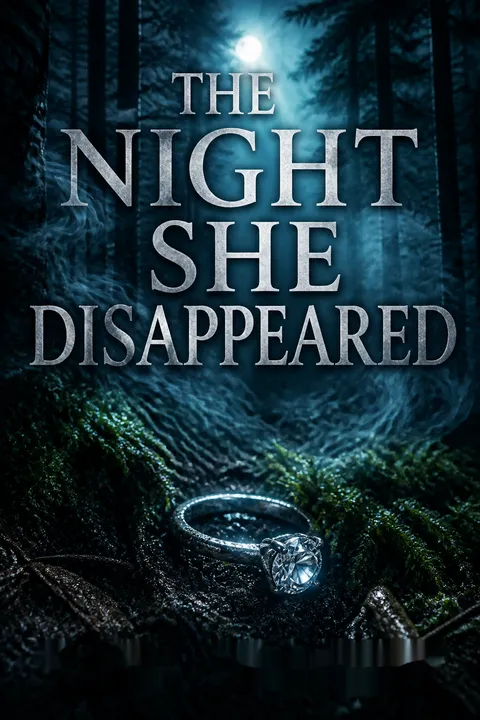
The Night She Disappeared is a gripping mystery thriller that captivates readers with its well-crafted plot, multiple timelines, and compelling characters. The story revolves around the disappearance of young parents Tallulah and Zach, and the subsequent investigation led by Tallulah's mother Kim and crime writer Sophie. While some readers found the pacing slow at times, many praised Jewell's ability to create tension, develop complex characters, and deliver unexpected twists. The book's atmospheric setting and exploration of themes like motherhood and relationships contribute to its overall appeal.
People Also Read










Characters
Tallulah Murray
A mother seeking her own lifeTallulah is a teenager who becomes a mother while still trying to discover what she wants beyond being a daughter, student, and partner. Her love for Noah is fierce, but she also longs for privacy, desire, and an adult identity that does not collapse into caregiving. Her history with Zach gives her familiarity and practical support, while her attraction to Scarlett opens a more disruptive possibility. Tallulah often withholds information to avoid being judged or controlled, a strategy that offers short-term relief but leaves her more isolated. Her central conflict is not whether she loves her child, but whether she can claim a self while remaining responsible for him.
Kim Knox
A mother who refuses to stop lookingKim is Tallulah’s young mother and Noah’s grandmother. She is practical, independent, and fiercely attached to her family, though she is also tired by the demands of raising a toddler after believing her child-rearing years were nearly over. Kim trusts her knowledge of Tallulah more than the assumptions of strangers, and that conviction sustains her through a long, isolating search. Her impatience with Zach’s mother and her guarded relationship with her ex-husband reveal how often she has had to carry family responsibility alone. Kim’s care is imperfect and sometimes exasperated, but it is concrete: she feeds, watches, searches, and keeps going.
Sophie Beck
A novelist turned amateur sleuthSophie is a published crime novelist who leaves London to live with Shaun near Maypole House. She is observant, imaginative, and accustomed to turning small details into narrative possibilities, though she worries that her work and identity are losing direction. Her curiosity about the missing couple draws her toward Kim, and their connection gradually gives her investigation an ethical center. Sophie’s attention to objects, art, and online traces helps connect clues that others have treated separately. At the same time, her move exposes tensions in her romantic life and her sense of home. She is neither a professional detective nor a neutral observer.
Scarlett Jacques
A magnetic, troubled artistScarlett is an art student from a wealthy family whose charisma gathers people around her. She can be impulsive, theatrical, and deeply perceptive about what others want from her, yet she also struggles with emotional distress and a history of harm. Her connection with Tallulah offers excitement and intimacy, but Scarlett’s way of relating can blur affection, need, and possession. Friends experience her as someone whose attention feels intoxicating and whose withdrawal can feel punishing. Scarlett’s artistic talent gives her an indirect language for experiences she cannot easily explain. Her appeal and her instability are both real, which makes her influence difficult for others to judge.
Zach Allister
A devoted but possessive fatherZach is Tallulah’s longtime boyfriend and Noah’s father. He is hands-on and affectionate with his son, and he imagines that marriage and a home of their own will make the young family secure. His desire for closeness, however, becomes controlling: he monitors Tallulah, presses her to abandon her studies, and struggles to accept her independence. Zach is not defined by a single emotion. His tenderness, insecurity, jealousy, and entitlement coexist, making it difficult for Tallulah to separate his genuine care from the pressure he puts on her.
Liam Bailey
A loyal teaching assistantLiam is a former Maypole House student who remains at the school as a teaching assistant. Practical, affable, and self-deprecating, he is drawn to people who make him feel useful and chosen. His attachment to Scarlett is intense enough to shape his plans and his sense of self, even when their relationship is no longer straightforward. Liam knows the school and its people well, so his memories become useful to Sophie and the police. His easy manner can make him seem uncomplicated, but his loyalty carries risks when he places another person’s needs above his own judgment.
Jocelyn Jacques
A commanding, image-conscious motherJocelyn, usually called Joss, is Scarlett’s mother and the socially polished mistress of Dark Place. She is accustomed to directing people and smoothing over disruption, and she treats family crises as situations to manage rather than experiences to share. Her care for Scarlett is real but tangled with control, denial, and a fixation on appearances. Joss is decisive under pressure, which can look like competence until her priorities become clear. The elegant house she maintains reflects the distance between the Jacques family’s public refinement and the instability inside it.
Noah
The child at the story’s centerNoah is Tallulah and Zach’s young son, cared for largely by Kim during the period when his parents are missing. As a baby and then a difficult toddler, he gives the adults practical duties that cannot be postponed. His dependence is also the emotional measure of their choices: Tallulah’s fear of losing him, Zach’s devotion to him, and Kim’s determination to raise him all shape the central conflict.
Ryan Knox
Kim’s protective older sonRyan is Tallulah’s younger brother and Kim’s son. He helps Kim search for Tallulah and Zach, and his presence gives her practical support when fear threatens to overwhelm her. As a teenager with a life of his own, he is also part of the ordinary future the family keeps trying to maintain.
Mimi Rhodes
A frightened witnessMimi is one of Scarlett’s friends and a party guest at Dark Place. She is sensitive to Scarlett’s power within their social circle and fears losing her place by opposing her. Mimi’s conscience eventually becomes difficult to silence, but fear and loyalty delay her willingness to tell the police what she saw. Her hesitation shows how coercion can operate through belonging as well as threats.
Lexie Mulligan
A traveler with divided loyaltiesLexie is the adult daughter of Maypole House matron Kerryanne. She works as a travel blogger and moves between glamorous online images and a much less polished home life. Lexie is socially agile and protective of people close to her, but her instinct to avoid disruption can complicate an investigation. Her connection to both the Jacques family and the school makes her a valuable link among people who otherwise seem to have drifted apart.
Dominic McCoy
The detective who keeps the case openDominic McCoy is the detective assigned to Tallulah and Zach’s disappearance. He is careful about evidence and measured with Kim, even when the investigation offers little progress. His professional caution frustrates a mother desperate for answers, but his continued attention matters when new clues finally emerge. The case also affects him personally, and his rapport with Kim grows through repeated updates and shared uncertainty.
Megs Allister
Zach’s emotionally distant motherMegs is Zach’s mother, whose casual response to the disappearance repeatedly angers Kim. She prefers the possibility that the young couple chose to leave, a belief that shields her from a more frightening explanation. Her distance from Noah and her suspicion about his paternity show how family roles can be claimed in name but withheld in practice.
Jim Murray
Tallulah’s returning fatherJim lives in Glasgow after separating from Kim and has been an inconsistent presence in Tallulah’s life. His visits offer little practical help at first, but the shared shock of the disappearance briefly brings him and Kim into closer understanding. He is affectionate toward Noah and carries his own grief, even when he struggles to know how to support Kim.
Jacinta Croft
A former head teacher with contextJacinta is the former head teacher of Maypole House, later leading a private school in London. She understands the school’s history and the reputational pressure surrounding the Jacques family. Her memories help Sophie see how the disappearance affected the institution, while her own troubled marriage gives her a personal connection to the events around Dark Place.
Guy Croft
Jacinta’s estranged husbandGuy is Jacinta’s husband, a web designer who keeps a low profile around Maypole House. His marriage has broken down, and his presence links the school’s private history to Scarlett’s troubled past. He is one of the adults whose actions shape events beyond the school’s formal reach.
Rex Jacques
Scarlett’s older brotherRex is Scarlett’s older brother, confident and loud, and a familiar presence in the family’s imposing home. His closeness to his mother and sister places him within the Jacques family’s private world, far removed from the ordinary village life around it.
Shaun Gray
Sophie’s ambitious partnerShaun is Sophie’s boyfriend and the new head teacher at Maypole House. He has accepted the job partly to meet the financial demands of educating his young twins. Warm and charismatic at work, he becomes more strained as Sophie’s investigation disrupts the new life they are trying to build. Their move tests whether affection can survive when one partner’s sacrifices become the other’s daily setting.
Pippa Gray
Shaun’s exacting ex-wifePippa is Shaun’s ex-wife and the mother of his twins. She expects him to contribute to their private schooling and organizes the children’s visits with confidence. Her practical standards add pressure to Shaun’s new position and to Sophie’s adjustment to becoming part of his family life.
Chloe Minter
Tallulah’s former college friendChloe is a local student who knows Tallulah from college. Kim initially believes they are close, but Chloe’s account shows their friendship has faded. Her recollection of the Christmas party provides an early sign that Tallulah’s connection to Scarlett was more significant than she let on.
Ruby Reynolds
A friend who notices closenessRuby, also known as Roo, belongs to Scarlett’s former circle. She notices signs of intimacy between Scarlett and Tallulah that the others only partly understand. Her observations help later investigators reconsider how well the two young women knew each other.
Peter Doody
Maypole House’s executive headPeter is the executive head who welcomes Shaun and Sophie to Maypole House. He is polished and sociable, but prefers to keep the school clear of the old missing-person case and the attention it may bring.
Plot Devices
The Dark Place tunnel
A passage from secret to prisonAn escape tunnel beneath Dark Place is introduced when Scarlett discovers its concealed entrance under a stone stair. At first, Tallulah enters it as a daring visitor, making the passage part of their private bond. Later, the tunnel is used to hide Zach’s body and imprison Tallulah, turning the same architectural feature into the central crime scene. A lever operates the hidden stone cover, and Scarlett’s painting depicts details that help Sophie connect the tool found at Maypole House with the tunnel. The passage gives the mystery a physical route between what the family hides and what the investigation eventually uncovers.
The engagement ring
A proposal becomes evidenceZach buys an engagement ring as part of his plan to make his relationship with Tallulah permanent. After he and Tallulah disappear, Kim remembers the ring and wonders whether a rejected proposal caused a fight. Mimi later takes the ring from Dark Place, hoping to protect Scarlett, and Lexie eventually plants it near Sophie’s cottage with a copied clue. Its identification by a jeweller connects an apparently ordinary object to Zach and gives police a reason to revisit the stalled case. The ring carries both emotional and forensic meaning: it represents the future Zach wanted and the conflict that preceded his death.
The copied clue
Fiction turns into evidenceSophie’s detective novels contain a scene involving a sign that directs someone to dig in a flower bed. Lexie reads the book and borrows that device when she buries Zach’s ring near Sophie’s new home. The imitation draws Sophie into the real investigation, though the clue does not immediately reveal who planted it or why. A second sign and a buried metal tool extend the trail toward the school and the tunnel. The device makes Sophie’s work part of the plot without giving her supernatural insight: a reader uses a remembered fictional pattern to create a real-world prompt, and the consequences depend on police verification.
Scarlett’s paintings
Art conceals a mapScarlett’s paintings contain unsettling images associated with her family, her emotional state, and the architecture of Dark Place. Sophie studies a painting of a spiral staircase and notices a small metal object and a bright opening at the base. The lever resembles a tool found buried at Maypole House, while the staircase resembles the hidden access point Liam describes. The paintings do not explain themselves, so they function as ambiguous evidence rather than straightforward confession. Sophie’s close attention lets the images guide the investigation toward a physical search, where their apparent symbols can be tested against the house itself.
Sedation and captivity
Care used as controlAfter Zach’s death, Joss drugs Tallulah and presents confinement as protection from prosecution. Tallulah is first kept underground, then moved to the Jacques family’s home in Guernsey and eventually onto a yacht. Sedatives in food and drink leave her disoriented and dependent, making it difficult for her to resist or judge what is happening. The arrangement disguises coercion as family care, especially when Scarlett brings food, comforts, and reassurance. Physical clues in the tunnel and the family’s travel records later expose the gap between Joss’s account and Tallulah’s reality.
FAQ
Synopsis & Basic Details
What is The Night She Disappeared about?
- A Mother's Unyielding Search: The Night She Disappeared follows Kim Knox's desperate, year-long quest to find her nineteen-year-old daughter, Tallulah Murray, and Tallulah's boyfriend, Zach Allister, who vanish after a rare date night, leaving behind their infant son, Noah. The narrative unfolds across dual timelines, interweaving Kim's present-day investigation with the events leading up to the couple's disappearance.
- Unearthing Buried Secrets: A year later, crime novelist Sophie Beck moves to the same village and discovers a cryptic "Dig Here" sign, leading her to an engagement ring connected to the missing couple. This discovery reignites the cold case, drawing Sophie into a complex web of secrets, privilege, and manipulation surrounding a wealthy, enigmatic family and their secluded mansion, Dark Place.
- A Thriller of Hidden Truths: The story delves into the psychological complexities of its characters, exploring themes of control, identity, and the lengths people go to protect themselves and those they love. It culminates in the shocking revelation of Zach's fate and Tallulah's harrowing captivity, ultimately leading to a dramatic rescue and the unraveling of a meticulously crafted cover-up.
Why should I read The Night She Disappeared?
- Masterful Pacing & Suspense: Lisa Jewell expertly crafts a slow-burn mystery that gradually reveals its dark secrets through alternating timelines and shifting perspectives, keeping readers constantly guessing. The drip-feed of information, from subtle clues to shocking revelations, builds relentless tension.
- Deep Psychological Insight: Beyond the thrilling plot, the novel offers a profound exploration of complex human emotions and motivations, particularly maternal love, obsession, and the corrosive effects of manipulation. Readers gain intimate access to characters' inner lives, making their struggles and choices deeply resonant.
- Contemporary Relevance: The story cleverly integrates modern elements like social media as a tool for amateur sleuthing and explores the insidious nature of psychological control, making it a compelling and timely read for fans of domestic thrillers.
What is the background of The Night She Disappeared?
- Rural English Setting: The story is primarily set in the picturesque, seemingly idyllic Surrey Hills village of Upfield Common, contrasting its tranquil facade with the dark secrets hidden within its community and the secluded, historically rich Dark Place mansion. This geographical backdrop emphasizes the isolation and hidden nature of the crimes.
- Class & Privilege Dynamics: The narrative sharply contrasts the working-class lives of Kim and Tallulah with the immense wealth and privilege of the Jacques family, who reside in the sprawling Dark Place. This social divide highlights how influence and resources can be used to manipulate justice and conceal heinous acts, creating a powerful commentary on societal inequalities.
- Modern Technology's Role: The plot is heavily influenced by contemporary technology, from mobile phones and social media platforms (Instagram, YouTube) used to leave digital breadcrumbs and track individuals, to private planes and sophisticated security systems. This technological backdrop grounds the mystery in the modern era, showcasing how digital footprints can both obscure and reveal the truth.
What are the most memorable quotes in The Night She Disappeared?
- "You know, I sometimes feel like if something better came along, you'd just walk away from Noah and me, you know, like you don't give a shit about anyone apart from yourself." (Zach, Chapter 37): This quote from Zach to Tallulah is chillingly prophetic, foreshadowing his deepest fears about her commitment and inadvertently revealing his own insecurities and possessiveness, which ultimately contribute to his tragic end.
- "I wish that Zach didn't exist. I wish he would just, you know. Disappear." (Tallulah, Chapter 45): Uttered in a moment of intense emotional vulnerability and desire for freedom, this line from Tallulah to Scarlett is a powerful instance of foreshadowing, articulating a wish that Scarlett tragically fulfills, binding their fates together in a horrifying way.
- "She's got this kind of … power? I just mean … I don't know. She just has this way of making you think that you'd be nothing without her." (Mimi, Chapter 61): Mimi's description of Scarlett's manipulative charisma perfectly encapsulates the psychological hold Scarlett exerts over those around her, explaining why her friends, including Tallulah, were so drawn to her and complicit in her secrets, even against their better judgment.
What writing style, narrative choices, and literary techniques does Lisa Jewell use?
- Intimate, Character-Driven Prose: Jewell employs a close third-person perspective, immersing the reader deeply into the thoughts and feelings of her characters, particularly Kim, Tallulah, and Sophie. This allows for rich psychological realism, making their anxieties, desires, and internal conflicts palpable and driving the emotional core of the mystery.
- Non-Linear, Fragmented Narrative: Beyond simple dual timelines, Jewell uses a fragmented structure, jumping between past and present, and often within the same chapter, to slowly reveal information. This technique mirrors the process of piecing together a complex puzzle, creating a sense of disorientation and heightened suspense as the reader gradually connects disparate events.
- Sensory Detail & Environmental Symbolism: The author frequently uses vivid sensory descriptions—the "sultry midsummer's night," the "petrolic, smoky smell" of the cottage, the "viscous cement wall of seawater"—to ground the reader in the setting and subtly convey character states or thematic elements. For instance, Tallulah's arachnophobia and the spiders in the tunnel are not just plot points but symbolize her deepest fears and entrapment.
Hidden Details & Subtle Connections
What are some minor details that add significant meaning?
- Kim's Initial Dislike of Babies: Early in the novel, Kim reflects on her "disproportionately high value on an unbroken night" and her general dislike of babies, finding "the early years testing." This seemingly throwaway detail highlights the profound transformation she undergoes as a grandmother, emphasizing the depth of her love for Noah and Tallulah, and making her relentless search even more poignant.
- The "Pipin" Sculpture's Dual Nature: The bronze sculpture, casually mentioned as "Pipin" by Joss Jacques, is revealed to be the murder weapon. Its transformation from an innocuous art object in a privileged home to a deadly instrument underscores the hidden violence and dark secrets lurking beneath the surface of the Jacques family's seemingly perfect life.
- Tallulah's Arachnophobia: Tallulah's severe arachnophobia, introduced in the prologue, becomes a crucial detail when she is trapped in the secret tunnel. This specific phobia is exploited as a form of psychological torture, intensifying her ordeal and highlighting the calculated cruelty of her captors.
What are some subtle foreshadowing and callbacks?
- Tallulah's Wish for Disappearance: In Chapter 45, Tallulah, frustrated by Zach's control, tells Scarlett, "I wish that Zach didn't exist. I wish he would just, you know. Disappear." This seemingly innocent wish, born of desperation, chillingly foreshadows Zach's actual disappearance and death, implying Scarlett's dangerous interpretation of Tallulah's desires.
- Sophie's Book's "Dig Here" Clue: The most meta piece of foreshadowing is the "Dig Here" sign itself, which Sophie realizes is a direct callback to a scene in her own detective novel, The Little Hither Green Detective Agency. This literary echo suggests a deliberate, almost theatrical, attempt by someone to draw attention to the buried truth, blurring the lines between fiction and reality.
- Zach's Temper and Kim's Denial: Kim initially dismisses Zach's temper, stating he's "never with Tallulah. Never with the baby." However, earlier scenes show his frustration and possessiveness, and Mimi later recounts seeing him "manhandling Tallulah" and looking "really angry." This subtle contradiction foreshadows the violent confrontation and highlights Kim's initial blindness to the darker aspects of Zach's character.
What are some unexpected character connections?
- Lexie Mulligan's Secret Affair: Lexie's confession to the police about her secret affair with a married teacher, which she was trying to protect, explains her initial lie about seeing the "Dig Here" sign from her terrace. This reveals a hidden layer to her character, showing her own capacity for secrets and complicity, and adding a new dimension to her motivations for helping surface the clues.
- Liam's Unwavering Obsession with Scarlett: While Liam is presented as Scarlett's "ex," his internal monologue in the epilogue reveals a deep, almost pathological obsession and loyalty that transcends a typical breakup. He views Scarlett as his "lifeforce, his meaning," and his willingness to commit murder for her, even after she discards him, highlights the profound and dangerous impact she has on him.
- Jacinta Croft's Parallel Loss: The former head teacher, Jacinta Croft, reveals that her own husband also disappeared around the same time as Tallulah and Zach, amidst rumors of an affair. This parallel disappearance, though initially presented as unrelated, later connects directly to Liam's confession, revealing Guy Croft as Liam's victim and adding another layer of tragedy and hidden violence to the Maypole House community.
Who are the most significant supporting characters?
- Liam Bailey: More than just Scarlett's ex, Liam is a deeply conflicted character whose unwavering, almost pathological loyalty to Scarlett drives significant plot points, including the murder of Guy Croft and his later role in the "Dig Here" clues. His internal struggle between his good nature and his devotion to Scarlett makes him a tragic figure.
- Mimi Rhodes: Initially a fearful, guilt-ridden witness, Mimi's eventual confession and her decision to give the engagement ring to Lexie are pivotal. Her YouTube video, though ambiguous, serves as a crucial catalyst for Sophie and Kim, demonstrating the power of a conscience finally breaking free from manipulation.
- Joss Jacques: Scarlett's mother, Joss, is the cold, calculating architect of the cover-up. Her casual cruelty, theatrical demeanor, and willingness to drug and imprison Tallulah, all while maintaining a facade of normalcy, make her a chilling and effective antagonist, embodying the dark side of privilege.
Psychological, Emotional, & Relational Analysis
What are some unspoken motivations of the characters?
- Tallulah's Desire for Freedom: Beneath her seemingly passive acceptance of her life, Tallulah harbors a deep, unspoken longing for freedom from the constraints of young motherhood and Zach's possessiveness. Her attraction to Scarlett is driven by this desire for liberation and a different, more authentic identity, even if it means abandoning her current life.
- Zach's Insecurity and Need for Control: Zach's intense possessiveness and desperate desire for a "proper family" stem from a profound insecurity, possibly exacerbated by his own family background (Megs's detachment). His need to control Tallulah, from her college choices to her social life, is an attempt to solidify his unstable world and ensure her loyalty.
- Scarlett's Craving for Validation and Power: Scarlett's manipulative behavior and her magnetic charisma are rooted in a deep-seated need for validation and control, perhaps stemming from her emotionally distant parents. She collects people—friends, boyfriends, Tallulah—who reflect her desired image back to her, using them to feel powerful and significant.
What psychological complexities do the characters exhibit?
- Kim's Shifting Grief and Denial: Kim initially exhibits denial about Tallulah's disappearance, clinging to the idea that she and Zach simply "ran away." Her grief is compounded by guilt over her initial lack of concern and her own past choices, leading to a fierce, almost obsessive determination to find the truth, even if it shatters her world.
- Tallulah's Dissociation and Identity Crisis: Tallulah experiences moments of dissociation, particularly after Zach's death and during her captivity, where her mind struggles to process traumatic events. Her journey is a profound identity crisis, as she grapples with her roles as mother, girlfriend, and her burgeoning queer identity, often feeling like a "pre-programmed doll" or "someone else."
- Scarlett's Narcissistic Tendencies and Vulnerability: Scarlett displays classic narcissistic traits—a need for admiration, a sense of entitlement, and a lack of empathy—but these are juxtaposed with moments of profound vulnerability and self-loathing, particularly after her "rape" and her confession to Liam. This complexity makes her a compelling, albeit dangerous, character.
What are the major emotional turning points?
- Kim's Confrontation with Megs: The raw, explosive argument between Kim and Megs after the initial police search marks a critical emotional turning point for Kim. Her furious outburst, "What the fuck is the matter with you? Our kids have been missing for three days!", shatters her polite facade and reveals the depth of her despair and anger, solidifying her resolve to find answers.
- Tallulah's Kiss with Scarlett: The spontaneous kiss between Tallulah and Scarlett at the college Christmas party is a pivotal moment of self-discovery for Tallulah, awakening desires and possibilities she had suppressed. It represents her first truly proactive, self-serving act, setting her on a path of rebellion against her constrained life.
- Mimi's Confession to Lexie: Mimi's tearful confession to Lexie about what she witnessed and heard at Dark Place, and her subsequent handing over of the ring, is a crucial emotional turning point for the entire investigation. It signifies the breaking of Scarlett's psychological hold and the triumph of conscience over fear, directly leading to the reopening of the case.
How do relationship dynamics evolve?
- Tallulah and Zach: From Codependency to Control: Their relationship devolves from a comfortable, long-standing teenage romance into a suffocating dynamic where Zach's insecurity manifests as controlling behavior, and Tallulah's passive resistance turns into a desperate need for escape. The discovery of the engagement ring and Tallulah's affair with Scarlett shatters their fragile bond, leading to fatal consequences.
- Tallulah and Scarlett: From Fascination to Toxic Obsession: What begins as Tallulah's fascination with Scarlett's "free spirit" and Scarlett's playful seduction evolves into a complex, toxic relationship. Scarlett's possessiveness and manipulative tendencies, coupled with Tallulah's vulnerability and desire for escape, lead to Tallulah's unwitting complicity in Zach's death and her subsequent captivity.
- Kim and Sophie: From Strangers to Allies: Their relationship transforms from a chance encounter between a grieving mother and a curious novelist into a powerful alliance. Sophie's empathetic curiosity and detective skills complement Kim's relentless maternal drive, forming an unlikely but effective partnership that ultimately uncovers the truth, highlighting the strength of female collaboration.
Interpretation & Debate
Which parts of the story remain ambiguous or open-ended?
- Tallulah's Long-Term Recovery: While Tallulah is rescued alive, the novel concludes with her facing a profound opioid addiction and severe trauma, requiring rehabilitation. The full extent of her psychological and emotional recovery, and how she will reintegrate into motherhood and society, remains open-ended, leaving readers to ponder the lasting scars of her ordeal.
- The Future of Sophie and Shaun's Relationship: Sophie's realization that her move to Maypole House was a "mistake" and her growing distance from Shaun, coupled with her renewed sense of purpose as a writer, leaves their relationship's future uncertain. The novel hints at their fundamental incompatibility, suggesting their "romantic notion" of country life may not sustain them.
- Scarlett's True Motivations and Remorse: While Scarlett confesses to killing Zach out of "love for Tallulah" and to protect her, the depth of her remorse and the true extent of her manipulative nature remain somewhat ambiguous. Her capacity for calculated cruelty, even towards those she claims to love, leaves readers questioning the sincerity of her final confession.
What are some debatable, controversial scenes or moments in The Night She Disappeared?
- Scarlett's Claim of Rape by Guy Croft: Scarlett's graphic recounting of her sexual encounter with Guy Croft, where she states, "I think I've been raped," but then describes it as a "warped, twisted holiday romance" and a "trance," is highly debatable. This ambiguity raises questions about consent, manipulation, and the psychological impact of trauma, leaving readers to interpret the true nature of the encounter.
- The Justification of Zach's Murder: Scarlett's act of killing Zach is
About the Author
Other books by Lisa Jewell





Download PDF
Download EPUB
.epub digital book format is ideal for reading ebooks on phones, tablets, and e-readers.








