Plot Summary
Shadows Over Andor
In the war-torn camps of Andor, the unnatural decay of metal and food signals the world's unraveling. Lord Jarid, once a proud noble, is now unhinged by fear and hunger, blaming Queen Elayne and her Aes Sedai for the darkness. His men, demoralized and starving, begin to desert, leaving Jarid isolated. Bayrd, a former butcher turned guard, crafts a stone spearhead, symbolizing the need for something solid in a world gone mad. The old loyalties to lords and oaths are breaking down as the Last Battle looms. Bayrd and the remaining guards finally abandon Jarid, tying him to a tree for his own safety, and march north, determined to fight for Andor and the land itself, not for a broken lord.
The City Burns
Talmanes and the Band of the Red Hand arrive at Caemlyn to find the city ablaze, refugees fleeing, and Trollocs overrunning the gates. With the Queen absent and no help in sight, Talmanes rallies his men to hold the gates and protect the fleeing citizens. The chaos is compounded by mercenaries unwilling to fight without pay, but Talmanes' grim resolve and threat of death persuade them to join the defense. The city's fall is inevitable, but Talmanes' leadership buys precious time for the innocent to escape, even as he suffers a deadly wound from a Myrddraal's poisoned blade.
Hunters and Hunted
In the shadowy Town near Shayol Ghul, Isam—also known as Luc—waits uneasily for a summons from the Forsaken. The town is a place of death, ruled by the red-veiled Samma N'Sei and haunted by the threat of being Turned to the Shadow. Isam is tasked by a disguised Forsaken to hunt and kill Rand al'Thor, the Dragon Reborn, with the aid of Turned channelers. Isam's own duality and hatred for Perrin Aybara simmer beneath the surface, but he accepts the mission, knowing he is a pawn in a greater game. The darkness of the Blight and the cruelty of the Forsaken set the tone for the coming conflict.
The Band's Stand
As the Band pushes deeper into Caemlyn, Talmanes' wound worsens, the poison spreading through his body. The Band's mission is to reach Aludra's dragons—powerful cannons that could turn the tide of battle. The city is a maze of fire, death, and Shadowspawn, with every street a potential trap. Talmanes' determination and dark humor keep his men moving, even as he faces the prospect of death. The Band's unity and sacrifice are tested as they fight not just for victory, but for survival and the hope of saving the dragons from falling into the Shadow's hands.
Shipless and Seeking
Leilwin Shipless, once a Seanchan captain, and her husband Bayle Domon navigate the vast camps at the Field of Merrilor, seeking Nynaeve or Elayne. Leilwin is haunted by her people's lies about damane and the consequences of her past actions, which nearly doomed the world. She offers herself in service to the White Tower, hoping to atone for her mistakes. Nynaeve's anger is fierce, but Leilwin's humility and resolve to help correct the Seanchan's injustice mark a turning point. The chapter explores themes of honor, guilt, and the search for a new purpose in a world on the brink.
The Wise Ones' Vision
In a sweat tent, Aviendha shares her vision of the Aiel's decline with the Wise Ones. The vision, seen in Rhuidean, shows the Aiel losing their honor and purpose after the Last Battle. The Wise Ones debate whether the vision is fate or a warning to be heeded. Aviendha resolves to change the future, believing that even small changes can alter destiny. The Wise Ones prepare to test the vision's truth, and Aviendha's bond with Rand and her people deepens. The chapter is a meditation on fate, cultural survival, and the burden of knowledge.
Black Tower in Shadow
At the Black Tower, Androl, a weak but resourceful Asha'man, and Pevara, a Red Ajah Aes Sedai, plot to resist Mazrim Taim's growing tyranny. The Tower is under siege from within, as Taim uses the terrifying process of Turning to force channelers to the Shadow. Androl's leadership and hope inspire a small group of resisters, even as paranoia and fear spread. The chapter explores the struggle for identity, the power of unity, and the threat of evil from within. The Black Tower's fate hangs in the balance as Androl vows not to surrender the dream of sanctuary for men who can channel.
The Forsaken Gather
In a surreal dreamscape, Moridin summons the remaining Forsaken—Demandred, Moghedien, Graendal (now Hessalam), and the newly elevated M'Hael (Mazrim Taim)—to coordinate the Shadow's final assault. The meeting is fraught with rivalry, punishment, and shifting power. Moridin's madness and authority dominate, while the others jockey for position and vengeance. The elevation of Taim as a Chosen shocks the others, signaling the Shadow's adaptation and the growing threat of the Turned Asha'man. The Forsaken are tasked with overseeing the Shadow's armies, setting the stage for the Last Battle.
The Dragons' Last Stand
Near death, Talmanes leads the Band and refugees to Aludra's warehouse, only to find it in ruins. Against all odds, Aludra and the dragons survive, hidden with townspeople. As Trollocs close in, Talmanes devises a desperate plan: use the dragons to blast a hole in Caemlyn's city wall and escape. The Band's courage and Talmanes' wit turn certain defeat into a narrow victory, but at great cost. Talmanes collapses, his fate uncertain, but the dragons are saved for the battles to come. The chapter is a testament to sacrifice, ingenuity, and the will to fight on.
The Price of Honor
Across the world, characters face the consequences of their choices. Leilwin's surrender to the White Tower, Aviendha's resolve to change the Aiel's fate, and Androl's defiance at the Black Tower all reflect the theme of personal honor in the face of overwhelming darkness. The Pattern weaves their actions into the larger tapestry of the Last Battle. Each must pay a price—be it pride, safety, or certainty—to stand against the Shadow. The chapter underscores the interconnectedness of individual and collective destiny.
The Pattern Unravels
The fabric of reality is fraying: food spoils, metal decays, and the Dark One's touch grows stronger. Armies gather at Merrilor, alliances are tested, and the Shadow's forces press their advantage. The Forsaken's machinations, the corruption at the Black Tower, and the chaos in Caemlyn all signal that the end is near. Yet, amid despair, hope flickers in acts of courage, loyalty, and love. The Pattern's unraveling is both a threat and an opportunity for change.
The End Begins
As the world's champions and villains take their places, the final confrontation looms. The armies of Light and Shadow are poised for war, the Forsaken plot their last moves, and the Pattern itself trembles. The sacrifices, betrayals, and acts of heroism in these opening salvos set the stage for the ultimate struggle. The fate of the world—and the meaning of honor, hope, and redemption—will be decided in the days to come.
Characters
Rand al'Thor
Rand is the central figure around whom the fate of the world turns. Marked by immense power and the weight of prophecy, he is both a savior and a target for the Shadow. His journey is one of transformation—from a reluctant hero to a man who embraces death and responsibility. Rand's relationships with Aviendha, Elayne, and Min ground him emotionally, while his leadership unites disparate peoples. Psychologically, Rand is shaped by trauma, loss, and the struggle to balance compassion with necessity. His willingness to demand a price from the world's rulers reflects his growth into a leader who understands the cost of victory.
Talmanes Delovinde
Talmanes is Mat Cauthon's trusted lieutenant and the leader of the Band of the Red Hand. He embodies stoic courage, dry wit, and unwavering loyalty. Facing the horrors of Caemlyn's fall and a mortal wound, Talmanes' determination to save the dragons and his men is heroic. His psychological resilience is tested by pain and the prospect of death, yet he remains focused on duty. Talmanes' understated leadership and sardonic humor provide both inspiration and relief amid chaos, making him a symbol of the ordinary heroism that sustains the Light.
Aviendha
Aviendha is a former Maiden of the Spear and now a Wise One, bonded to Rand. Her vision of the Aiel's decline after the Last Battle haunts her, driving her to seek a way to change fate. Aviendha's internal conflict between duty to her people and her love for Rand is central to her character. She is fiercely honorable, pragmatic, and willing to challenge tradition for the greater good. Her psychological journey is one of accepting responsibility, embracing uncertainty, and finding strength in vulnerability.
Leilwin Shipless (Egeanin)
Leilwin is a former Seanchan captain stripped of her name and status for her role in exposing the truth about damane. Haunted by guilt and the consequences of her actions, she seeks atonement by offering herself to the White Tower. Her relationship with Bayle Domon provides emotional support, but her true struggle is internal—reconciling her identity, honor, and the need to correct her people's injustice. Leilwin's journey is one of humility, courage, and the search for a new purpose.
Androl Genhald
Androl is a minor channeler at the Black Tower, but his resourcefulness, leadership, and hope make him a linchpin for the resisters against Taim. His partnership with Pevara, a Red Ajah Aes Sedai, is built on mutual respect and necessity. Androl's psychological strength lies in his refusal to surrender the dream of sanctuary for men who can channel, even as darkness and paranoia threaten to consume him. He represents the power of unity, ingenuity, and the belief that even the smallest can make a difference.
Pevara Tazanovni
Pevara is a skilled and pragmatic Aes Sedai, initially distrustful of men who can channel. Her alliance with Androl is born of necessity, but she grows to respect his leadership and resolve. Pevara's psychological journey involves overcoming prejudice, adapting to new realities, and embracing the possibility of change. Her experience and poise provide stability amid crisis, and her willingness to fight the Shadow alongside former enemies marks her as a figure of growth and adaptability.
Moridin (Ishamael)
Moridin is the leader of the Forsaken, marked by madness, fatalism, and a deep connection to the Dark One. His authority over the other Chosen is absolute, but his increasing detachment and brooding signal a mind unraveling. Moridin's psychological complexity lies in his embrace of destruction and his manipulation of both allies and enemies. He is both a mastermind and a cautionary tale of the cost of serving the Shadow.
Demandred
Demandred is one of the most dangerous Forsaken, driven by envy and a desire to defeat Rand. His insistence on facing Rand personally reveals both pride and obsession. Demandred's psychological makeup is defined by ambition, resentment, and a cold, calculating mind. He is a foil to Rand, representing the Shadow's capacity for discipline and cunning.
Mazrim Taim (M'Hael)
Taim is the corrupt leader of the Black Tower, now elevated to the rank of Chosen as M'Hael. His ambition, ruthlessness, and ability to Turn channelers make him a formidable threat. Taim's psychological profile is marked by a hunger for power, adaptability, and a willingness to embrace the Shadow's methods. His rise signals the Shadow's evolution and the danger of corrupted institutions.
Moghedien
Moghedien is a master of subtlety, manipulation, and survival. Once feared, she is now diminished, controlled by Moridin's mindtrap. Her psychological journey is one of humiliation, resentment, and the desperate will to endure. Moghedien's adaptability and cunning remain, but her confidence is shaken. She represents the cost of failure and the ever-shifting power dynamics among the Forsaken.
Plot Devices
The Unraveling Pattern
The world's physical and metaphysical unraveling—spoiled food, decaying metal, and unnatural darkness—serves as both a literal and symbolic harbinger of the Last Battle. This device heightens tension, underscores the stakes, and unites disparate plotlines under a common existential threat. The unraveling Pattern also foreshadows the need for unity, sacrifice, and change, as old certainties dissolve and new possibilities emerge.
Multiple Converging Storylines
The novel employs a mosaic structure, following multiple characters and locations—Andor, Caemlyn, the Black Tower, the Forsaken's councils, and the Field of Merrilor. This device allows for a panoramic view of the world's crisis, highlighting both individual struggles and collective destiny. The convergence of storylines at the Last Battle creates momentum and emotional resonance.
The Price of Power and Redemption
Characters are repeatedly confronted with the cost of their choices—be it Talmanes' sacrifice, Leilwin's atonement, or Aviendha's quest to change fate. This device deepens psychological complexity and grounds the epic conflict in personal stakes. The theme of redemption, both individual and collective, is woven throughout, challenging characters to rise above their pasts.
Foreshadowing and Prophecy
Aviendha's vision of the Aiel's decline, the Wise Ones' debates, and the Forsaken's machinations all employ foreshadowing to build suspense and thematic depth. Prophecy is both a guide and a challenge, forcing characters to question destiny and their ability to change it. The uncertainty of the future becomes a crucible for growth and action.
Corruption and Turning
The process of Turning channelers to the Shadow, the corruption of the Black Tower, and the elevation of Taim as a Chosen illustrate the Shadow's evolving tactics. This device raises the stakes, blurs the line between friend and foe, and emphasizes the psychological and moral dangers of the conflict. The threat is not just physical, but spiritual and institutional.
Analysis
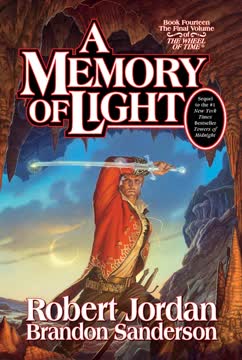
A Memory of Light, as distilled here, is a meditation on the collapse and renewal of order at the edge of apocalypse. The unraveling of the Pattern—manifested in physical decay, moral ambiguity, and the breakdown of old loyalties—forces every character to confront the price of survival, honor, and hope. The narrative's structure, weaving together the struggles of soldiers, exiles, visionaries, and villains, underscores the interconnectedness of fate and the necessity of unity in the face of annihilation. The book's central lesson is that the Last Battle is not only a clash of armies, but a crucible for the soul: redemption is possible, but only through sacrifice, humility, and the courage to change. The Shadow's greatest weapon is not brute force, but the corruption of trust, the seduction of despair, and the erosion of meaning. Against this, the Light's champions—flawed, wounded, and uncertain—find strength in each other and in the refusal to surrender. The story's emotional arc is one of descent into darkness, punctuated by acts of defiance and grace, setting the stage for a final reckoning where the fate of the world will be decided not just by power, but by the choices of individuals who dare to hope.
Last updated:
Review Summary
A Memory of Light concludes Robert Jordan's epic fourteen-book Wheel of Time series with an intense, action-packed finale focused on the Last Battle. Readers praised Brandon Sanderson's completion of Jordan's vision, delivering satisfying character arcs and epic confrontations. Most reviewers found the ending emotionally powerful, though some criticized pacing issues, rushed character deaths, insufficient epilogue closure, and underdeveloped plot elements like the Sharans. The 200+ page battle chapter impressed fans despite repetitive moments. While not perfect, most considered it a fitting, memorable conclusion to a beloved fantasy series that profoundly impacted readers over decades.