


Plot Summary
Prologue
At a hidden gathering near Shayol Ghul, the Darkfriend known as Bors watches masked nobles, soldiers, and Aes Sedai kneel before a figure calling himself Ba’alzamon. Ba’alzamon shows them three young men: Rand al’Thor, Mat Cauthon, and Perrin Aybara.
He orders Bors to watch for them and hints that the Dragon Reborn might be bent to the Shadow’s service. Bors leaves with secret instructions and visions he cannot remember, dressed in the white cloak of a Children of the Light officer. The gathering’s promise of power has made him useful, but its masters have already shown how little they trust him.
The prologue makes the conflict feel political before it becomes personal. Bors is not a fanatic in the simple sense: he studies others for weakness, calculates risks, and wants influence. His pragmatism is precisely what makes him exploitable. Ba’alzamon turns uncertainty into obedience by displaying the three youths and withholding the meaning of his orders. The forgotten visions also establish that information itself is a weapon in this world. Bors believes he is learning how to manipulate events, but the meeting suggests that he is already being moved by forces he cannot understand.
A Wind Becomes a Wall
On a tower in Fal Dara, Rand al’Thor trains with Lan, the Warder who has been teaching him swordplay. A strange gust traps Rand in the air and drives him into Lan’s practice blade, leaving him cut and frightened. Rand knows the wind was not natural, but Lan offers no explanation.
When trumpets announce the Amyrlin Seat’s arrival with fourteen Aes Sedai, Rand decides to leave before she can question him. He packs his sword, bow, and belongings, then discovers that the keep’s gates and stables have been closed by order. His attempt to flee has become a hunt inside a fortress, and he believes the Amyrlin has come because she knows he can channel.
Rand’s first crisis is not simply that he can channel, but that his body has begun acting beyond his consent. The wind’s sudden force turns an inward fear into a physical assault, while the Amyrlin’s arrival gives that fear a human target. His flight is an attempt to preserve agency by disappearing before others can define him. Yet Fal Dara’s closed gates make the contradiction plain: refusing the role does not remove the danger. Lan’s silence adds to Rand’s isolation, leaving him to interpret both supernatural events and political gestures without reliable guidance.
The Horn Leaves Fal Dara
Egwene finds Rand and hides him first in the dungeon, where Padan Fain, the peddler who led Trollocs to the Two Rivers, recognizes him and warns that their struggle is not over. During the night, Trollocs attack Fal Dara. Rand rushes to the dungeon and finds the guards butchered, Egwene and Mat unconscious, and Fain gone.
The Horn of Valere has also been stolen from Lord Agelmar’s strongroom. Mat’s Shadar Logoth dagger is missing with it, leaving his life in danger. Rand had tried to erase Fain’s bloody message from the dungeon wall, but the warning now feels like a promise: Fain is moving toward Toman Head, and the Horn is in enemy hands.
The raid collapses several kinds of safety at once. Fal Dara’s walls, its disciplined guards, and the assumption that Fain is contained all fail within a single night. Rand’s rescue impulse is sincere, but he cannot protect Egwene or Mat from the consequences of his own flight and fear. The missing dagger makes the theft more than a military setback: the enemy has taken the object binding Mat to a slow death. Fain’s escape also transforms an old threat into an active pursuer, tying the Horn’s recovery to the survival of Rand’s closest friends.
The Dragon Named
At the Amyrlin’s audience, Rand learns that Moiraine and Siuan Sanche, the Amyrlin Seat, have identified him as the Dragon Reborn. Moiraine explains that he was born on Dragonmount during the Aiel War and that an old Foretelling named the moment of his birth. Rand refuses the identity, but he also refuses to abandon Mat, whose life depends on recovering the dagger.
The Amyrlin lets him ride with Ingtar’s party rather than force him to Tar Valon. At the first camp, Rand finds the Dragon’s banner packed among his supplies. He cannot yet accept what it means, but he chooses the dangerous road after Mat instead of the easier escape.
The revelation gives Rand a name that is both a destiny and a threat. He rejects the label because he understands its social cost: the Dragon Reborn is feared as much as needed, and a man who channels is expected to go mad. Yet the choice to pursue Mat shows that loyalty already competes with self-preservation. The hidden banner makes the conflict material. Rand can deny the prophecy aloud, but the object in his baggage and the people who recognize it keep making his identity visible. His first step toward responsibility is therefore relational, not ideological.
The Tower Takes Its Own
As Rand’s party rides south, the Amyrlin takes Egwene and Nynaeve toward Tar Valon. Verin teaches Egwene to approach saidar carefully, then discovers that Nynaeve’s untrained channeling is driven by anger. Nynaeve burns a pile of blankets when her temper breaks through, revealing how dangerous her strength can be.
At the White Tower, Nynaeve undergoes the three-part test for Acceptance. She defeats a Forsaken in the first trial, confronts the ruin of Emond’s Field in the second, then reaches a life in which she is Lan’s wife and mother to their children. She abandons that imagined happiness to return, earning the Accepted ring and leaving the Tower’s rules more suspicious of her than ever.
The Tower’s education is built around a paradox: power requires surrender, but survival requires discipline. Egwene’s eagerness makes her vulnerable to overreaching, while Nynaeve’s instinctive strength only appears when emotion overwhelms her. Nynaeve’s final test exposes the private bargain underneath her ambition. The life with Lan is not a cheap temptation; it is a credible future she wants, and she gives it up because she cannot abandon her friends or her own purpose. The test makes advancement costly, turning institutional status into proof of what a person is willing to relinquish.
A Trail Through Ruin
Ingtar follows the Trollocs and Darkfriends south, guided by Hurin, whose unusual sense lets him smell violence. The trail doubles back repeatedly, leaving murdered men and abandoned camps behind. At a village, the houses stand open and a meal sits unfinished, but every person has vanished. Rand enters one house and sees a family’s supper replay as a vision of their last terror.
In the square, the party finds a Myrddraal nailed to a building, a sight no one can explain. Beyond the river, they discover Changu and Nidao, the missing dungeon guards, tortured and killed. The chase has become a journey through evidence that someone is harming even Shadowspawn, and the hunters no longer know what waits ahead.
The empty village and the slain Myrddraal widen the story’s moral and supernatural field. The danger is no longer legible as a clean contest between good people and monsters; someone has turned violence against the very creatures that usually embody it. Rand’s vision of the family’s final moments makes him a witness without giving him the power to intervene. Ingtar’s insistence on continuing reflects a soldier’s need to convert horror into a mission. Yet the trail’s strange reversals undermine that discipline, suggesting that the pursuit itself is being manipulated.
The Stone Opens Elsewhere
After the hunters camp beside a carved Portal Stone, Rand, Loial, and Hurin wake in a pale, almost lifeless version of their world. They have been separated from Ingtar, Mat, Perrin, and the soldiers. Following Hurin’s faint trail, they meet Selene, a striking woman from Cairhien, and Rand saves her from a three-eyed creature she calls a grolm.
When more grolm close in, Selene leads them to another Portal Stone. Rand channels through it, bringing all three travelers and their horses back to their own world. The effort leaves a heron branded on his palm, and Selene urges him toward greatness. Rand instead promises to help her reach Cairhien, while continuing to follow Fain.
The Portal Stone makes choice feel spatial: one decision can move a person into a world where familiar history has taken another shape. Rand’s rescue of Selene gives him a brief chance to be a hero on his own terms, but the escape requires the very Power he fears. His physical brand records that contradiction after the danger has passed. Selene’s praise is seductive because it offers a coherent identity, a brave man destined for legend. Rand accepts her company but resists that story, still defining himself through obligations to Mat and the stolen dagger.
Perrin Calls the Wolves
When Rand, Loial, and Hurin disappear from the camp, Perrin turns to the wolves he has tried to ignore. He learns that they call him Young Bull and that they saw Rand’s party leave, then sends word that Fain’s Trollocs continue south. Perrin also senses the wolves’ rage at Trollocs and at the slaughtered villagers; he has to resist joining their hunt as if he were one of the pack.
Ingtar accepts his help but tells the others that Perrin is another sniffer. Verin joins the pursuit and quietly confirms that Rand’s disappearance concerns her more than the Horn. Perrin’s secret becomes useful, but using it brings him closer to the instincts he fears.
Perrin’s bond with the wolves is valuable precisely because it threatens his preferred self-image. He wants a blacksmith’s life, measured by careful work and restraint, not by the appetite for violence he feels when the wolves hunt. By choosing to help Ingtar, he converts a hidden ability into service, but the cost is psychological: the wolves’ hatred enters his own body as an impulse. The false explanation that he is a sniffer protects him from suspicion while isolating him further. His emerging leadership begins with concealment, not confidence.
Rand Steals the Horn
In the alternate world, Selene urges Rand to leave the Horn to others and seek personal glory. He follows Hurin’s trail instead, then scouts Fain’s camp at night with Loial. With Trollocs and Darkfriends asleep around the ornate chest, Rand steals the ruby-hilted dagger from its lid.
Loial carries the chest away, but a Trolloc wakes and attacks; Rand kills it and fights more creatures while resisting the pull of saidin. They reach Selene and Hurin with the Horn and dagger, then head toward Cairhien because Fain will pursue them. Selene presses Rand to claim greatness, but he insists that the Horn belongs to Shienar and the dagger must be returned to Mat.
Rand’s theft is a small, precise act of courage rather than a grand display of power. He moves through sleeping enemies by relying on the patient skills Tam and Lan taught him, then fights only when stealth fails. The dagger’s return is his most immediate motive, even though the Horn carries a larger public purpose. Selene offers a seductive alternative: turn the crisis into a route to personal importance. Rand’s refusal is not pure selflessness, since he is still uncertain who he is, but his actions show that friendship remains a more stable guide than prophecy.
Cairhien Reads Every Move
Rand reaches Cairhien with Selene, Loial, Hurin, the Horn, and the dagger disguised beneath a blanket. Selene leaves before dawn, telling Rand she will wait in the city, while Captain Caldevwin assigns soldiers to escort him. Inside the walls, Rand’s fine clothes and heron-mark sword make him a player in Daes Dae’mar, the Great Game of noble houses.
He burns invitations from rival families, only to learn that refusing everyone is itself read as a move. In the Foregate, he discovers that Thom Merrilin survived the encounter with the Fade. Thom accepts his harp and flute back but refuses to join the hunt, unwilling to abandon Dena and his new life.
Cairhien turns ordinary gestures into political evidence. Rand’s attempt to avoid choosing sides by burning invitations only gives the nobles more material for interpretation. His clothes, which he resents, make him legible as a lord before he understands the rules of their game. Selene’s disappearance deepens his uncertainty about whom to trust, while Thom’s survival offers a brief emotional reprieve. Yet Thom’s refusal matters: Rand cannot assume that an old friend will follow him into danger. The city’s social maze and the physical chase now mirror each other, both governed by incomplete information.
Fire Reunites the Hunters
After Rand leaves Thom, someone attacks the inn and sets Rand’s room alight. Rand and Loial enter the smoke to find Hurin unconscious and carry him outside; Rand also retrieves the Dragon banner and Thom’s flute. There he discovers Ingtar, Mat, Perrin, and Verin have reached Cairhien by following Hurin’s trail.
Mat looks dangerously ill without the dagger, though he insists he can continue. Hurin identifies the attackers’ route, and the group follows it to the new manor of Lord Barthanes, where the stolen Horn and dagger may be hidden. Rand accepts that he cannot recover them alone. The reunion turns a scattered pursuit back into a shared expedition.
The fire makes the conflict intimate again. While Rand’s attention has been drawn toward prophecy, Selene, and Cairhien’s political theater, an attack puts his companions at immediate risk and forces him to choose what to save. He returns for the banner, an object he distrusts but cannot abandon, and carries the injured Hurin out. The others’ arrival exposes how much Rand’s supposed independence depends on people who keep pursuing him. Mat’s failing health also prevents the Horn from eclipsing the dagger: the quest has a human deadline.
Two Knives in the Dark
While Rand’s party moves toward the Horn, two other threads tighten. Moiraine researches the Shadow’s prophecies with the retired Aes Sedai Adeleas and Vandene, then a Draghkar’s crooning nearly draws her into its deadly embrace. Lan and the older Warder Jaem stab the creature before it can drain her life.
Moiraine concludes that a hidden enemy has bypassed their protections. In Cairhien, Thom returns to his room and finds Dena murdered, with two men waiting to question him about Rand. He kills both attackers and learns they were tied to the Great Game. Dena’s death transforms his decision to stay out of politics, though he still has no clear idea who ordered it.
These parallel attacks show that the danger around Rand is not confined to his immediate path. Moiraine’s safety depends on the loyalty and skill of her Warders, while Thom’s loyalty to Dena makes him vulnerable to a political game he thought he had left behind. Both survive, but neither can return to the prior arrangement: Moiraine knows an unseen force can penetrate a protected household, and Thom has lost the person who anchored his new life. The title’s two knives are literal, but also structural: private attachments are where public conflict finds leverage.
The Black Wind Waits
At Barthanes’s manor, Hurin traces Fain’s party to a walled garden that was once an Ogier grove. Loial recognizes a Waygate inside. When Rand opens it, the Black Wind begins forcing its way into the garden, calling his name. Loial finds the Avendesora leaf and replaces it, but the wind is already pushing through.
Rand channels a torrent of the One Power at the darkness, forcing it back and shutting the gate. The effort nearly overwhelms him. The Horn and dagger have passed beyond the Waygate, so the group cannot follow that route. Verin proposes another Portal Stone near Stedding Tsofu, and Rand agrees because Mat cannot survive a long pursuit on foot or horseback.
The Black Wind converts a route into an active predator. Its arrival confirms that the Ways are not merely dangerous because of bad navigation; the passage itself has become hostile. Rand’s decisive channeling saves the group, but it also reinforces the habit he fears: in crisis, the Power answers faster than deliberation. Loial’s knowledge closes the gate, making the rescue genuinely collaborative rather than a lone display by the Dragon Reborn. Still, the Horn remains beyond reach, and the solution forces Rand back toward a second ancient mechanism he does not know how to control.
A Stone Breaks Time
At Stedding Tsofu, the Elders allow Loial to accompany Rand, though Loial fears they may arrange his marriage to keep him from traveling. Verin leads the party to a Portal Stone and identifies symbols she believes will take them to Toman Head. Rand channels, but the Stone surges beyond his control.
He and his companions live through a cascade of possible lives: Rand as farmer, soldier, king, or madman, each ending with Ba’alzamon claiming victory. They arrive on Toman Head in their own world, but four months have passed for them. Rand is wounded, and the Seanchan have already taken Falme. The visions leave Mat, Perrin, and the Shienarans shaken, while Rand can no longer dismiss his fate as rumor.
The Portal Stone makes the cost of choice brutally visible by multiplying lives rather than explaining them. Rand sees that ordinary decisions can yield radically different histories, yet each version ends under the same enemy’s claim. This does not prove that his future is fixed, but it makes freedom feel narrower than he can bear. The lost months are equally concrete: the world has continued without them, and Fain has gained time. Rand’s power has carried them to their destination, but it has also imposed a cost no one can reverse.
Liandrin Sells the Novices
At the White Tower, Egwene trains as a novice while Nynaeve’s strength earns her the ring of an Accepted. Liandrin then tells both women that Rand and the others face danger from the Shadow and asks them to travel secretly to Toman Head. Min and Elayne join them. Liandrin leads the four through a Waygate, but at their destination the Seanchan are waiting.
Nynaeve and Elayne escape during the capture; Egwene and Min are seized. Egwene is collared and assigned to Renna, who treats her as a powerful tool to be trained. Liandrin’s warning about the Black Ajah leaves the women unable to seek help openly, while her actions reveal that her offer was a trap.
Liandrin weaponizes precisely the qualities that make the young women vulnerable: loyalty to Rand, trust in a sister’s authority, and fear of a concealed enemy inside the Tower. Her warning about the Black Ajah may be true, but it also isolates the novices from anyone who could challenge her plan. Egwene’s capture is therefore both physical and epistemic: she cannot tell which institution is safe, and the Seanchan immediately recast her identity as property. Nynaeve and Elayne’s escape prevents the betrayal from becoming total, but leaves their friends divided across enemy territory.
Nynaeve Finds the Leash
Nynaeve and Elayne reach Falme separately and learn that Egwene is being held among the Seanchan’s damane. They hide in the town, watch the captive women, and meet Min, who has remained near Egwene despite the danger. Min explains that Egwene is being trained under a collar and that the sul’dam use the linked bracelet to punish her.
Nynaeve studies the a’dam and discovers that its control can be interrupted, though using the One Power openly risks attracting the other damane. The women work out a plan to reach Egwene and remove her collar. Their reunion gives Egwene allies again, but not safety; the Seanchan still control the streets and the harbor.
The a’dam makes domination intimate and procedural. A sul’dam does not need to strike Egwene directly; the device turns resistance into pain and obedience into a trained reflex. Nynaeve’s attention to how the collar works is an expression of her healer’s mind: she studies the mechanism before acting. Yet this care is also political. The women must understand the system well enough to break it without triggering a force they cannot withstand. Their solidarity is practical, not sentimental, because affection alone cannot open the collar.
Ingtar Pays His Debt
Rand, Mat, Perrin, Hurin, and Ingtar enter Falme under cover of the confusion around the Whitecloaks and Seanchan. As the group nears the enemy’s stronghold, Ingtar admits to Rand that he once served the Shadow, hoping to save Shienar from being swept away. He has spent the hunt trying to recover the Horn and reclaim his honor.
When Seanchan soldiers close in, Ingtar stays behind to hold them off, giving the others time to move. Rand recognizes that Ingtar is choosing the cost he once tried to avoid. The sacrifice allows Rand and his friends to continue toward Egwene and the Horn, while Ingtar finally stops treating salvation as a prize he can earn through glory.
Ingtar’s confession reframes his urgency. His fixation on the Horn was not only duty; it was a hope that a heroic act could erase a prior surrender to fear. By staying behind, he abandons that bargain. He does not recover his past through a public title or a victory, but by creating time for others to act. Rand’s understanding of this choice is important: he does not treat Ingtar as permanently defined by his worst decision. The scene makes moral repair costly, specific, and grounded in what a person does next.
The Horn Calls Its Riders
While Nynaeve and Elayne work to free Egwene, Mat reaches the Horn of Valere and blows it. The sound summons the heroes bound to it, led by Artur Hawkwing, whose force rides into the battle against the Seanchan. Perrin fights beside the Shienarans, his wolf-bond sharpening his senses and drawing him toward the enemy.
The five companions’ separate efforts converge amid the town’s streets, where Seanchan soldiers and damane are driven back. The Horn is no longer a rumor or a prize in a chest; its return to the world changes the battle immediately. Rand, however, is pulled toward a different confrontation, as Ba’alzamon appears through the fog.
The Horn transforms memory into military force. Its power is not merely that dead heroes return, but that a living person must choose to call them, accepting the consequences of who answers. Mat’s action makes the group’s survival depend on an instrument whose loyalties are not automatically aligned with theirs. Meanwhile, Perrin’s connection to wolves and the Shienarans’ discipline contribute through different forms of courage. The battle is therefore not won by a single chosen figure. It is a coalition of people and histories, assembled under pressure, while Rand is drawn toward the conflict that has pursued him across every possible life.
The Dragon Over Falme
Rand confronts Ba’alzamon in the mist above Falme, where their duel appears across the sky to people on the ground. He refuses the offer of power and uses his sword against the Shadow’s leader, even as the One Power threatens to consume him. The fighting in Falme shifts as the Heroes of the Horn drive back the Seanchan.
After the battle, Min finds Rand badly wounded and keeps him warm until Moiraine reaches him. Lanfear then appears, names him Lews Therin, and claims a bond with him from another age. Rand wakes to learn that the battle has made his identity public: the world has seen the Dragon’s banner and the man fighting beneath it.
The climax makes private identity impossible to preserve. Rand has resisted the Dragon’s name because he fears what it will do to him and to everyone near him; the sky turns that fear into public fact. His refusal to serve Ba’alzamon is meaningful, but it does not restore his freedom, since witnesses now have their own version of who he is. Min’s care offers intimate human warmth after a battle conducted on a cosmic scale. Lanfear’s appearance complicates the victory further, suggesting that Rand’s history reaches beyond the life he remembers.
Epilogue
The battle’s story travels faster than any army. In villages and ports, people repeat that the Horn of Valere summoned heroes at Falme and that the Dragon fought the Shadow above the town. Details change with each telling, but the same claims persist: the Horn has returned, the Seanchan have been opposed, and Rand al’Thor is the Dragon Reborn.
The book closes with a prayer that the Dragon will bring renewal, even though his coming is expected to break the world again. Hope has found a name, but it is a name that frightens the people who speak it.
The epilogue turns eyewitness events into public myth before the characters can control their meaning. The competing reports of armies and heroes show how quickly fact becomes political resource, while the prophecy quoted at the end makes hope inseparable from catastrophe. Rand’s revelation is no longer a private burden shared among a few Aes Sedai; it is a story moving across nations. The prayer asks for protection from the very figure whose arrival is supposed to save the world. That contradiction captures the novel’s central tension: salvation may arrive in a form that feels indistinguishable from ruin.
Analysis
The novel’s central conflict is between a person’s desire to choose and a world that keeps turning private choices into public events. Rand resists the Dragon’s identity, yet the banner, the prophecies, the Portal Stones, and finally the vision over Falme make his role visible to others. The important counterweight is that his most consequential decisions remain relational. He pursues Mat’s dagger, risks himself for Egwene, and refuses to treat Ingtar as irredeemable. These choices do not free Rand from destiny, but they establish what kind of person he will be within it.
The book also contrasts forms of power by showing how they are administered. The White Tower manipulates through secrecy and institutions; the Seanchan make control literal through the a’dam; the Shadow offers power as a bargain for submission. Each system claims that coercion is necessary. Against them, friendship and loyalty are imperfect but chosen bonds. Ingtar’s confession and sacrifice are especially important because they distinguish repair from purification. He cannot erase his service to the Shadow, but he can decide what he will do when given another choice.
Time and memory complicate every claim to certainty. Rand’s lives through the Portal Stone suggest that his identity could have been shaped by many different histories, while his struggle with Ba’alzamon suggests an older conflict he cannot remember. The Horn makes history act in the present, and its heroes bring the past into a battle that will be retold as legend almost immediately. By ending with the world naming Rand, the book shows that private refusal cannot prevent public meaning. The question is no longer whether he will be part of history, but whether his actions can keep history from becoming another instrument of the Shadow.
Review Summary
The Great Hunt is widely praised as an excellent sequel that improves upon the first book in the Wheel of Time series. Readers appreciate the expanded worldbuilding, character development, and intricate plot. Many find it more engaging and faster-paced than its predecessor. The book's epic conclusion is frequently highlighted as a standout feature. While some criticism is directed at repetitive phrases and occasional pacing issues, most reviewers express enthusiasm for continuing the series and consider it a stellar example of epic fantasy.
People Also Read


Characters
Rand al’Thor
Reluctant DragonRand is a tall shepherd from Emond’s Field whose heron-mark sword and unexplained ability to channel make him a target of prophecy and fear. He wants to remain himself, not become an instrument of the White Tower or the Shadow, and he resists any authority that treats his future as settled. His loyalty to Mat, Perrin, and Egwene repeatedly pulls him toward danger even when he longs to disappear. Beneath his stubbornness is a deep fear of harming others through a power he cannot control. He is learning that refusing a destiny does not necessarily free him from it, but he still measures choices by the people they affect.
Mat Cauthon
Wary GamblerMat is Rand’s quick-witted childhood friend, a habitual gambler who jokes when frightened and distrusts Aes Sedai even when their help is necessary. A ruby-hilted dagger from Shadar Logoth has bound itself to him, making his survival depend on recovering it. Mat wants his ordinary freedom back and dislikes being drawn into heroic roles, yet he is not indifferent to his friends. His humor often disguises fear, especially when he senses that the dagger is changing his life and body. He values choice fiercely, even when illness and circumstance narrow the choices available to him.
Perrin Aybara
Reluctant WolfbrotherPerrin is a broad-shouldered former blacksmith’s apprentice who thinks carefully before acting because he fears his strength could hurt people. His changing golden eyes accompany an old, uncanny bond with wolves, a connection he distrusts because it awakens violent instincts and a different way of sensing the world. Perrin prefers craft, patience, and quiet responsibility to glory. When the pursuit demands his unusual ability, he accepts the burden while trying to keep hold of his human identity. His loyalty to Rand and Mat is steady, but it does not erase his need to decide what kind of strength he is willing to use.
Egwene al’Vere
Eager NoviceEgwene is Rand’s childhood companion, ambitious, curious, and eager to become an Aes Sedai. She learns quickly and approaches the One Power with less hesitation than most students, a confidence that can become dangerous without discipline. Egwene cares deeply for her friends and is not content to remain a protected observer when they are in danger. Her affection for Rand is complicated by his fear of madness and by her own desire for a life beyond Emond’s Field. She is both a learner and an emerging force in her own right, drawn toward knowledge even when the cost of obtaining it is unclear.
Nynaeve al’Maera
Fierce Village WisdomNynaeve is the young Wisdom of Emond’s Field, accustomed to being responsible for people older than herself. Proud, protective, and quick-tempered, she resists the White Tower’s assumption that authority belongs to those with rank. Her ability to channel emerges most strongly when anger breaks through her control, a pattern she must confront if she is to use that strength safely. Nynaeve’s care often arrives as command, practical judgment, or a sharply delivered remedy. She follows Egwene and the boys because she cannot accept leaving them to danger, even as she struggles to imagine a future outside the village role that once defined her.
Moiraine Damodred
Strategic Aes SedaiMoiraine is a Blue Ajah Aes Sedai who has spent years searching for the child named in prophecy. She is composed, observant, and willing to withhold information when she believes disclosure would derail a larger purpose. That discipline makes her an effective strategist but an unsettling ally, especially to Rand, who experiences her plans as attempts to control him. Moiraine works closely with Siuan and Lan, balancing political secrecy against the need to prepare for the Shadow. Her confidence rarely disappears, but the weakening seals and growing danger force her to revise plans that once seemed secure.
Lan Mandragoran
The Uncrowned WarderLan is Moiraine’s Warder, a taciturn master swordsman whose discipline was shaped by the destruction of his Borderland homeland. He teaches Rand without offering easy comfort, insisting that a person can still choose how to face a fate they cannot entirely escape. Beneath his hard manner lies loyalty to Moiraine and a private willingness to risk himself for others. His emotional reserve is not emptiness; it is a way of containing grief and duty. Nynaeve’s directness unsettles the defenses he has long relied on.
Ingtar Shinowa
Shienaran Hunt LeaderIngtar is a Shienaran lord and experienced soldier entrusted with recovering the Horn of Valere. He values duty, military order, and the survival of his people, but the weakening of nations and the relentless pressure of war have left him vulnerable to despair. He pushes his party hard because he sees the Horn as more than a prize: it represents a chance to defend a world that seems to be coming apart. His regard for Rand grows from watching the young man accept responsibility despite denying any claim to leadership.
Loial
Gentle Ogier ScholarLoial is an Ogier scholar, reader, and Treesinger whose great size contrasts with his gentle manner and concern for the living world. He left his stedding against the wishes of its Elders to see the world beyond his books, and the journey has made him confront risks his people usually avoid. Loial is loyal without being unthinking; his knowledge of the Ways and Portal Stones repeatedly helps his friends. He fears returning home to a life chosen for him, yet he also longs for the safety and rootedness of the stedding.
Hurin
The Scent TrackerHurin is a Shienaran sniffer who can detect and follow the scent of violence. Modest and deferential, he often treats Rand as a lord, even when Rand asks him not to. His unusual Talent makes him valuable to Ingtar’s hunt, but the horrors he encounters test his confidence and his sense of what a person can be expected to endure. Hurin relies on the belief that leaders will protect those who follow them, and Rand’s willingness to accept responsibility gives him courage.
Verin Mathwin
Inquisitive Brown SisterVerin is a Brown Ajah Aes Sedai whose curiosity can seem almost detached from the danger around her. She studies old records, unusual Talents, and forgotten workings of the One Power, often asking questions others would rather leave alone. Her scholarly approach makes her perceptive, but her priorities are difficult for the younger characters to read. She recognizes that Rand’s role has consequences for the whole Pattern and tries to guide events without fully explaining her reasoning. Verin’s calm manner conceals a willingness to follow a dangerous line of inquiry.
Liandrin
Manipulative Red SisterLiandrin is a Red Ajah Aes Sedai whose sharp beauty and rigid certainty make her difficult to trust. She speaks with authority, expects obedience, and is skilled at using fear to make other people accept her version of events. Her hostility toward men who channel shapes how she regards Rand and the other young men. Liandrin also knows how to operate inside the Tower’s hierarchy, presenting her choices as necessary even when they serve an agenda she keeps hidden. Her presence reveals that danger can wear the shawl of an institution meant to oppose the Shadow.
Padan Fain
Corrupted PursuerPadan Fain began as a peddler and Darkfriend whose familiarity with the Two Rivers made him a useful tracker for the Shadow. His long exposure to dangerous forces has altered him, leaving him fixated on Rand and increasingly independent of the masters he once obeyed. Fain is patient when patience serves him and vicious when he senses an advantage. He uses fear, deception, and the knowledge he has gathered about his pursuers to shape the chase. His connection to Shadar Logoth and its dagger makes him more than an ordinary human enemy.
Siuan Sanche
The Amyrlin SeatSiuan is the Amyrlin Seat, a leader whose authority must span the White Tower’s competing Ajahs. Born outside the nobility, she keeps a practical, unsentimental view of power and understands how quickly the Tower’s internal politics can obstruct necessary action. Her friendship with Moiraine reaches back to their novice years, giving her one relationship in which she can lower her public guard. She wants to preserve the Tower’s ability to act against the Shadow, but the world’s growing instability makes every plan more precarious than the last.
Thom Merrilin
The Wounded GleemanThom is a seasoned gleeman, harpist, and storyteller whose performances are matched by a sharp understanding of political power. He has traveled widely and knows how to read an audience, but he is no longer eager to be drawn into every dangerous cause. His affection for Dena offers him a chance at a quieter life, even as the Great Game and Rand’s presence threaten to pull him back toward old conflicts. Thom’s pride and grief are closely guarded, but neither his age nor his injured leg has dulled his capacity for decisive action.
Selene
The Mysterious NoblewomanSelene is a beautiful, well-read woman who appears in the strange world reached through a Portal Stone. She speaks confidently about the Age of Legends and urges Rand to pursue greatness, using admiration and intimacy to influence his choices. Her knowledge exceeds what Loial can find in the books he has studied, which makes her both intriguing and difficult to place. Selene presents herself as vulnerable and in need of help, but she also has clear ideas about what Rand should become. Her attention gives him a tempting alternative to the identity he fears.
Min
Reader of AurasMin is a practical young woman who dresses for movement rather than convention and can perceive images and auras around people. The images often imply something about a person’s future, though Min does not always understand them herself. She has known Rand only briefly, yet her unusual readings and growing concern draw her toward his story. Min dislikes being directed by the White Tower and resists having her independence treated as a curiosity to study. Her observations make her attentive to danger, but they do not give her control over what she sees.
Elayne Trakand
The Daughter-HeirElayne is the Daughter-Heir of Andor, accustomed to responsibility but eager for experiences beyond palace expectations. She has strong potential with the One Power and enters novice training with a mixture of confidence and apprehension. Her friendship with Egwene and Min gives her a space to be a young woman rather than a future ruler. Elayne is compassionate, brave, and sometimes impulsive, especially when she believes someone she loves is in danger. She resists being protected into passivity and wants to make her own choices, even when those choices carry political consequences.
Lanfear
The Daughter of NightLanfear is a powerful, mysterious woman from the Age of Legends whose name means Daughter of the Night. She appears with an intense personal interest in Rand and speaks as if she knows him from a life he cannot remember. Her beauty and confidence give her a persuasive presence, but her attention carries an unsettling sense of possession. Lanfear represents the possibility that Rand’s identity has roots far older than his upbringing in the Two Rivers, and that his conflict with the Shadow is not new.
Geofram Bornhald
The Questioning CaptainBornhald is a senior commander among the Children of the Light, respected for his military skill and his reluctance to condemn people without evidence. He follows orders but questions the motives behind them, particularly when the Questioners use his soldiers in secret operations. His concern for civilians puts him at odds with the harsher methods of some of his fellow Whitecloaks. Bornhald’s discipline is not blind obedience; he tries to distinguish duty from cruelty, even when the forces around him make that distinction costly.
Egeanin
Seanchan Ship CaptainEgeanin is a Seanchan captain who treats conquest as a return to a rightful order and expects conquered people to submit to the oaths demanded of them. She is disciplined, self-assured, and accustomed to authority. Her command of a damane reveals how completely the Seanchan system joins military power to control of women who can channel. Egeanin’s certainty about her people’s cause contrasts with Bayle Domon’s distrust and gives the invasion a human face beyond its armies and monsters.
Suroth
Seanchan High LadySuroth is a high-ranking Seanchan noblewoman who manages political and military business with cool efficiency. She treats the capture of women who can channel as an expected part of conquest and regards the local population as subjects who must obey, await, and serve. Her rivalry with Liandrin shows that cooperation between enemies can be tactical rather than trusting. Suroth’s polished manners do not soften the coercion behind her authority; she represents a system that turns human beings into controlled assets.
Padan Fain
Corrupted PursuerPadan Fain began as a peddler and Darkfriend whose familiarity with the Two Rivers made him a useful tracker for the Shadow. His long exposure to dangerous forces has altered him, leaving him fixated on Rand and increasingly independent of the masters he once obeyed. Fain is patient when patience serves him and vicious when he senses an advantage. He uses fear, deception, and the knowledge he has gathered about his pursuers to shape the chase. His connection to Shadar Logoth and its dagger makes him more than an ordinary human enemy.
Plot Devices
The Dragon Prophecies
Destiny under disputeThe Prophecies of the Dragon describe a champion who will face the Shadow but also break the world through his coming. Moiraine and Siuan use the prophecy to identify Rand, while Rand experiences it as a sentence imposed before he can understand himself. The Dragon banner, his heron-mark sword, and the public vision above Falme make the prophecy increasingly difficult to conceal. Its function is not simply to forecast events; it drives people to organize their lives around a future they fear or desire. The prophecy gives Rand a reason to act and a reason to resist, making every choice both personal and politically consequential.
The Horn of Valere
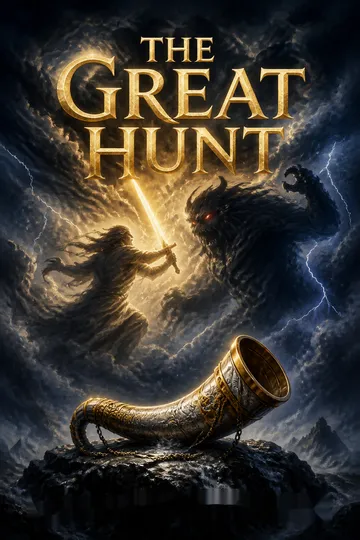
Heroes summoned by soundThe Horn is an ancient instrument said to call legendary heroes back from the grave. Its discovery in Fal Dara draws Ingtar’s hunters after Fain, while its theft makes the pursuit urgent and dangerous. The Horn’s power is not simply military: whoever sounds it becomes linked to it, and the summoned heroes are not automatically bound to serve the Light. Mat ultimately sounds it during the struggle in Falme, bringing the heroes into battle as the Seanchan and Whitecloaks clash. The Horn turns an artifact into a test of intention, because its wielder cannot fully control what its call releases.
The Shadar Logoth Dagger
A lethal bondMat’s ruby-hilted dagger comes from the dead city of Shadar Logoth, whose hatred once destroyed its people. Carrying the weapon has bound Mat to it and begun to corrupt him, while putting it aside cannot safely break the connection. Moiraine’s Healing slows the damage but cannot complete the cure without the dagger itself. Fain takes it with the Horn, forcing Rand and the others to pursue both objects together. The dagger narrows an epic conflict to an immediate human need: Mat’s life depends on recovering a dangerous object that may harm anyone who handles it.
Portal Stones and Ways
Paths between worldsThe Portal Stones connect the characters to possible versions of their world, while the Ways provide a separate route built by Aes Sedai of the Age of Legends. The Stones can move travelers across vast distances, but Rand’s imperfect use costs the party months and subjects them to visions of alternate lives. The Ways once offered a shortcut, but the Black Wind now makes them deadly. Together, the two systems turn travel into a negotiation with forgotten knowledge. They can solve the problem of distance, but only by exposing the travelers to forces they cannot reliably control.
The A’dam
Power turned into a leashThe a’dam links a sul’dam’s bracelet to a collar worn by a woman who can channel. Through the connection, the sul’dam can guide or punish the damane, making resistance physically painful and obedience habitual. The Seanchan treat this arrangement as the proper use of women who can channel, while the captured women experience it as imprisonment. Egwene’s captivity exposes how the device controls more than the body: it trains the wearer to anticipate another person’s wishes. Nynaeve studies its workings because freeing Egwene requires understanding the mechanism rather than simply attacking the guards.
FAQ
Synopsis & Basic Details
What is The Great Hunt about?
- A Prophecy Unveiled: The Great Hunt follows Rand al'Thor, a young man from the Two Rivers, as he grapples with the shocking revelation that he is the Dragon Reborn, a figure prophesied to either save or shatter the world. His journey begins with the theft of the legendary Horn of Valere, an artifact capable of summoning heroes from the past, setting him and his friends on a desperate quest.
- A World in Turmoil: The narrative plunges readers into a world teetering on the brink of the Last Battle, where ancient evils stir, new invaders (the Seanchan) emerge, and political intrigues (The Great Game) threaten to unravel nations. Rand, Mat, and Perrin, unknowingly ta'veren, find their lives inextricably woven into the Pattern, forcing them to confront their destinies amidst escalating chaos.
- Quest for a Legendary Artifact: The core plot revolves around the pursuit of the stolen Horn of Valere, leading Rand and his companions through treacherous landscapes, alternate realities via Portal Stones, and into the heart of Seanchan-occupied Falme, culminating in a dramatic confrontation that publicly reveals Rand's identity and summons legendary heroes to battle.
Why should I read The Great Hunt?
- Deepening World-Building: Robert Jordan significantly expands the intricate world of The Wheel of Time, introducing new cultures like the Seanchan and Aiel, exploring the mysterious Ways and Portal Stones, and delving into the complex political landscape of Cairhien. This book moves beyond the initial setup to truly immerse readers in the vastness of the Third Age.
- Intense Character Development: Readers witness profound psychological and emotional growth in the main characters, particularly Rand's struggle with his identity and the One Power, Mat's battle with a cursed dagger and his burgeoning luck, and Perrin's wrestling with his wolfbrother nature. Their internal conflicts are as compelling as the external threats.
- Epic Fantasy Action & Intrigue: The novel delivers on its promise of adventure, featuring thrilling chases, deadly encounters with Shadowspawn, intricate political maneuvering in Cairhien, and a climactic battle in Falme that reshapes the geopolitical map and fulfills ancient prophecies, making it a pivotal and action-packed installment.
What is the background of The Great Hunt?
- Post-Breaking World: The story is set in the Third Age, millennia after the Breaking of the World, a cataclysm caused by male Aes Sedai going mad from the Dark One's taint on saidin. This historical trauma underpins much of the world's fear and distrust of male channelers, directly impacting Rand's journey.
- Political Fragmentation & Ancient Prophecies: Nations are often at odds, like Tarabon and Arad Doman over Almoth Plain, or Cairhien embroiled in The Great Game. The White Tower, led by the Amyrlin Seat, struggles to maintain influence amidst the rise of false Dragons and the weakening seals on the Dark One's prison, all against the backdrop of the Karaethon Cycle, the prophecies foretelling the Dragon Reborn.
- Emergence of New Threats: Beyond the familiar Shadowspawn, the book introduces the Seanchan, an invading empire from across the Aryth Ocean, descendants of Artur Hawkwing's lost armies. Their unique culture, use of damane (leashed channelers), and monstrous beasts present a terrifying new dimension to the global conflict, adding urgency to the quest for the Horn of Valere.
What are the most memorable quotes in The Great Hunt?
- "The Wheel weaves as the Wheel wills.": This recurring phrase, often spoken by Moiraine and Verin, encapsulates the overarching theme of destiny versus free will, reminding characters and readers alike of the Pattern's inexorable influence on events and individuals, especially ta'veren.
- "Death is lighter than a feather, duty heavier than a mountain.": Uttered by Lan Mandragoran, this Malkieri saying defines the stoic, unwavering commitment to duty, particularly in the face of overwhelming odds. It profoundly impacts Rand, becoming a guiding principle in his acceptance of his destiny as the Dragon Reborn.
- "The grave is no bar to my call.": Inscribed on the Horn of Valere, this chilling yet hopeful line reveals the Horn's power to summon heroes from the dead, highlighting its immense significance in the Last Battle and the desperate stakes of the quest to reclaim it.
What writing style, narrative choices, and literary techniques does Robert Jordan use?
- Omniscient Third-Person Perspective: Jordan employs a deep omniscient third-person point of view, often shifting between characters within a single chapter or scene. This allows for a comprehensive understanding of multiple characters' thoughts, motivations, and perceptions, enriching the narrative with diverse viewpoints and internal monologues.
- Detailed Description and World-Building: The prose is rich with intricate descriptions of settings, clothing, customs, and the nuances of channeling the One Power. This meticulous detail creates a vivid and immersive world, though it can sometimes slow the pacing, allowing for a gradual unfolding of the complex geopolitical and magical systems.
- Foreshadowing and Prophetic Language: Jordan masterfully uses foreshadowing through dreams, prophecies (like the Karaethon Cycle and the dark prophecies in Fal Dara), and subtle hints in dialogue. This technique builds suspense and a sense of impending doom or destiny, often revealing information that characters themselves do not yet fully grasp, such as Rand's true identity or the nature of the a'dam.
Hidden Details & Subtle Connections
What are some minor details that add significant meaning?
- Bors's Whitecloak Identity: The prologue introduces "the man who called himself Bors," a masked Darkfriend. Later, he is revealed to be Geofram Bornhald, a Lord Captain of the Children of the Light. This subtle detail immediately establishes the pervasive reach of the Shadow, showing that even those ostensibly fighting for the Light can be corrupted, and foreshadows the moral ambiguities that will plague characters like Ingtar.
- Lan's "Sheathing the Sword" Lesson: Lan's final, cryptic lesson to Rand about "Sheathing the Sword" – allowing oneself to be struck to achieve a greater goal – is a profound foreshadowing of Rand's ultimate confrontation with Ba'alzamon. It hints at a sacrifice or a paradoxical victory that transcends conventional combat, emphasizing the spiritual and philosophical dimensions of Rand's struggle.
- The Topless Towers of Cairhien: Loial's lament over the "Topless Towers" (Chapter 25) reveals a deep cultural wound from the Aiel War, where the Aiel deliberately burned the towers, symbolizing the destruction of Cairhienin pride and ambition. This detail underscores the long-lasting consequences of past conflicts and the city's obsession with rebuilding, which becomes a backdrop for The Great Game.
What are some subtle foreshadowing and callbacks?
- Ba'alzamon's "Lews Therin" Taunts: From the very first dream sequence, Ba'alzamon addresses Rand as "Lews Therin" and "Kinslayer." This is a direct callback to the Age of Legends and the original Dragon, subtly hinting at Rand's past lives and the cyclical nature of the Wheel of Time, long before Moiraine explicitly reveals his identity as the Dragon Reborn.
- Min's Viewings and Their Ambiguity: Min's visions, such as Elayne sharing a husband with two other women or seeing a severed hand around Elayne, are initially cryptic but serve as powerful foreshadowing for future events and relationships. Her inability to fully interpret them, and the characters' dismissal of them, highlights the unpredictable nature of prophecy and the limitations of human understanding.
- The Breaking Seals on the Dark One's Prison: Moiraine's discovery of the broken cuendillar seals (Chapter 5) is a stark callback to the sealing of the Dark One and a dire foreshadowing of his impending release. The fact that these unbreakable artifacts are fracturing underscores the escalating threat and the urgency of Rand's mission, signaling that the Last Battle is drawing near.
What are some unexpected character connections?
- Lan's Kinship to Isam/Luc: The dark prophecy read by Verin (Chapter 7) mentions "Luc came to the Mountains of Dhoom. Isam waited in the high passes. One did live, and one did die, but both are." This subtly connects Lan to the vanished Lord Luc (Tigraine's brother) and Isam (Breyan's son, Lan's blood kin), hinting at a deeper, tragic lineage for the stoic Warder and foreshadowing the later revelation of Slayer.
- Verin's Hidden Depth and Knowledge: While initially appearing as a stereotypical absent-minded Brown Ajah sister, Verin demonstrates an astonishing depth of knowledge about the Dragon Reborn, the Portal Stones, and the prophecies, far beyond what she lets on. Her calculated actions and willingness to manipulate events (e.g., her "accidental" revelation of Rand's channeling to the Amyrlin, her knowledge of the Portal Stones) suggest a hidden agenda or a more profound understanding of the Pattern than even Moiraine.
- Thom Merrilin's Connection to Owyn: Thom's revelation that his nephew, Owyn, was a male channeler gentled by the Red Ajah (Chapter 26) provides a poignant, personal motivation for his distrust of Aes Sedai and his eventual willingness to help Rand. This unexpected connection humanizes Thom's cynicism and highlights the tragic reality of male channelers, deepening the emotional stakes for Rand.
Who are the most significant supporting characters?
- Hurin, the Sniffer: Hurin's unique ability to "smell" violence and track its perpetrators (Chapter 9) is not just a plot device but a moral compass. His revulsion at the Seanchan's atrocities and his unwavering loyalty to Rand, despite Rand's mysterious nature, grounds the fantastical elements in a relatable sense of justice and human decency.
- Verin Mathwin, the Enigmatic Scholar: Beyond her Brown Ajah stereotype, Verin is a master manipulator and a repository of ancient knowledge. Her subtle guidance, willingness to bend rules, and deep understanding of prophecy (Chapter 31, 36) make her a crucial, if morally ambiguous, ally. Her true motivations often remain veiled, adding layers of intrigue to the Aes Sedai's plans.
- Thom Merrilin, the Resurfaced Mentor: Thom's unexpected return (Chapter 25) provides Rand with a much-needed mentor figure outside the Aes Sedai's influence. His past as a gleeman and court bard, coupled with his personal tragedy involving a male channeler, offers a cynical yet protective perspective on power and destiny, challenging Rand's perceptions and providing crucial information about the Karaethon Cycle.
Psychological, Emotional, & Relational Analysis
What are some unspoken motivations of the characters?
- Ingtar's Desperate Search for Redemption: Ingtar's relentless pursuit of the Horn of Valere is driven by a deep, unspoken shame and a desperate desire for redemption, revealed in his confession as a Darkfriend (Chapter 46). His motivation isn't just duty, but a yearning to cleanse his soul and escape the Shadow's grasp, even if it means sacrificing his life.
- Selene's Thirst for Power and Control: Selene's constant encouragement for Rand to embrace greatness and her subtle attempts to isolate him from his friends hint at a deeper, more sinister motivation. Her true identity as Lanfear, one of the Forsaken, reveals her desire to reclaim Lews Therin Telamon and wield him as a tool for her own power, manipulating Rand's burgeoning abilities and destiny.
- Moiraine's Emotional Sacrifice: Moiraine's decision to arrange for Lan's bond to pass to Myrelle upon her death (Chapter 22) reveals a profound, unspoken emotional sacrifice. Despite her stoic demeanor, this act is born of a deep love and concern for Lan's future, ensuring he continues to fight the Shadow rather than seeking a futile, vengeful death, highlighting the personal cost of her dedication to the Pattern.
What psychological complexities do the characters exhibit?
- Rand's Identity Crisis and Fear of Madness: Rand's journey is a constant psychological battle between his identity as a simple Two Rivers shepherd and the terrifying reality of being the Dragon Reborn. His fear of the male taint on saidin and the inevitable madness (Chapter 1, 34) creates a profound internal conflict, making him distrust his own abilities and those who seek to guide him, leading to moments of self-loathing and desperate denial.
- Mat's Fatalism and the Dagger's Influence: Mat's increasing cynicism, recklessness, and morbid humor are direct psychological effects of the Shadar Logoth dagger's taint. He develops a fatalistic outlook, believing he's doomed (Chapter 32), yet paradoxically, his luck seems to grow. This internal struggle between the dagger's corruption and his inherent good nature creates a complex character who is both a victim and a reluctant agent of fate.
- Perrin's Struggle with Inner Beast and Violence: Perrin's wolfbrother abilities force him to confront his own capacity for violence and his animalistic instincts. He actively resists this part of himself, fearing the loss of his humanity and the harm he might inflict (Chapter 14). His internal conflict is a struggle for self-control and a desire to remain gentle, even as his strength and senses are heightened, making him a deeply conflicted figure.
What are the major emotional turning points?
- Rand's Portal Stone Visions: The experience of living "a hundred lives" through the Portal Stone (Chapter 37) is a devastating emotional turning point for Rand. It forces him to confront countless alternate destinies, including those where he succumbs to madness or is gentled, solidifying his resolve to fight his fate while simultaneously deepening his fear and sense of isolation.
- Nynaeve's Accepted Test and Lan's Love: Nynaeve's harrowing journey through the ter'angreal (Chapter 23) forces her to confront her deepest fears, including a future where she is Queen of Malkier and married to Lan. Her choice to abandon this idyllic future for her duty, coupled with Lan's unspoken declaration of love, is a powerful emotional climax that defines her commitment and the depth of their bond.
- Egwene's Capture and the A'dam: Egwene's enslavement by the Seanchan and her experience with the a'dam (Chapter 40, 42) is a brutal emotional turning point. It shatters her innocence, hardens her resolve, and instills a deep hatred for her captors. This trauma transforms her from a naive village girl into a fierce, determined woman, willing to use the Power in ways she once abhorred to fight for freedom.
How do relationship dynamics evolve?
- Rand's Isolation from His Friends: Rand's growing awareness of his identity as the Dragon Reborn and his channeling abilities creates a chasm between him and his friends, Mat and Perrin. His attempts to push them away for their safety (Chapter 3, 11) are met with confusion and hurt, highlighting his increasing isolation and the burden of his secret, even as their loyalty remains.
- Nynaeve and Lan's Deepening Unspoken Bond: Despite their initial prickly interactions, Nynaeve and Lan's relationship evolves into a profound, unspoken love. Lan's gift of his signet ring (Chapter 7) and Nynaeve's vision during her Accepted test (Chapter 23) confirm their deep connection, showing a bond that transcends words and societal expectations, rooted in mutual respect and fierce loyalty.
- Egwene's Transformation and Shifting Affections: Egwene's relationship with Rand, once a childhood certainty, becomes complicated by her path to the White Tower and his destiny. Her capture by the Seanchan and subsequent rescue by Nynaeve, Elayne, and Min (Chapter 42) forge new, powerful bonds of sisterhood, shifting her focus and affections, and setting her on a path independent of Rand's.
Interpretation & Debate
Which parts of the story remain ambiguous or open-ended?
- The True Nature of Ba'alzamon: While presented as the Dark One, Ba'alzamon's appearances and abilities (e.g., his burned face, his taunts of "Lews Therin") strongly suggest he is Ishamael, the most powerful of the Forsaken, who was only partially sealed away. This ambiguity leaves readers to debate whether Rand is truly fighting the Dark One directly or a powerful proxy, and what implications this has for the ultimate confrontation.
- The Reality of the Portal Stone Worlds: The nature of the "Worlds That Might
Synopsis & Basic Details
What is The Great Hunt about?
- A Prophecy Unveiled: The Great Hunt follows Rand al'Thor, a young man from the Two Rivers, as he grapples with the shocking revelation that he is the Dragon Reborn, a figure prophesied to either save or shatter the world. His journey begins with the theft of the legendary Horn of Valere, an artifact capable of summoning heroes from the past, setting him and his friends on a desperate quest.
- A World in Turmoil: The narrative plunges readers into a world teetering on the brink of the Last Battle, where ancient evils stir, new invaders (the Seanchan) emerge, and political intrigues (The Great Game) threaten to unravel nations. Rand, Mat, and Perrin, unknowingly ta'veren, find their lives inextricably woven into the Pattern, forcing them to confront their destinies amidst escalating chaos.
- Quest for a Legendary Artifact: The core plot revolves around the pursuit of the stolen Horn of Valere, leading Rand and his companions through treacherous landscapes, alternate realities via Portal Stones, and into the heart of Seanchan-occupied Falme, culminating in a dramatic confrontation that publicly reveals Rand's identity and summons legendary heroes to battle.
Why should I read The Great Hunt?
- Deepening World-Building: Robert Jordan significantly expands the intricate world of The Wheel of Time, introducing new cultures like the Seanchan and Aiel, exploring the mysterious Ways and Portal Stones, and delving into the complex political landscape of Cairhien. This book moves beyond the initial setup to truly immerse readers in the vastness of the Third Age.
- Intense Character Development: Readers witness profound psychological and emotional growth in the main characters, particularly Rand's struggle with his identity and the One Power, Mat's battle with a cursed dagger and his burgeoning luck, and Perrin's wrestling with his wolfbrother nature. Their internal conflicts are as compelling as the external threats.
- Epic Fantasy Action & Intrigue: The novel delivers on its promise of adventure, featuring thrilling chases, deadly encounters with Shadowspawn, intricate political maneuvering in Cairhien, and a climactic battle in Falme that reshapes the geopolitical map and fulfills ancient prophecies, making it a pivotal and action-packed installment.
What is the background of The Great Hunt?
- Post-Breaking World: The story is set in the Third Age, millennia after the Breaking of the World, a cataclysm caused by male Aes Sedai going mad from the Dark One's taint on saidin. This historical trauma underpins much of the world's fear and distrust of male channelers, directly impacting Rand's journey.
- Political Fragmentation & Ancient Prophecies: Nations are often at odds, like Tarabon and Arad Doman over Almoth Plain, or Cairhien embroiled in The Great Game. The White Tower, led by the Amyrlin Seat, struggles to maintain influence amidst the rise of false Dragons and the weakening seals on the Dark One's prison, all against the backdrop of the Karaethon Cycle, the prophecies foretelling the Dragon Reborn.
- Emergence of New Threats: Beyond the familiar Shadowspawn, the book introduces the Seanchan, an invading empire from across the Aryth Ocean, descendants of Artur Hawkwing's lost armies. Their unique culture, use of damane (leashed channelers), and monstrous beasts present a terrifying new dimension to the global conflict, adding urgency to the quest for the Horn of Valere.
What are the most memorable quotes in The Great Hunt?
- "The Wheel weaves as the Wheel wills.": This recurring phrase, often spoken by Moiraine and Verin, encapsulates the overarching theme of destiny versus free will, reminding characters and readers alike of the Pattern's inexorable influence on events and individuals, especially ta'veren.
- "Death is lighter than a feather, duty heavier than a mountain.": Uttered by Lan Mandragoran, this Malkieri saying defines the stoic, unwavering commitment to duty, particularly in the face of overwhelming odds. It profoundly impacts Rand, becoming a guiding principle in his acceptance of his destiny as the Dragon Reborn.
- "The grave is no bar to my call.": Inscribed on the Horn of Valere, this chilling yet hopeful line reveals the Horn's power to summon heroes from the dead, highlighting its immense significance in the Last Battle and the desperate stakes of
The Wheel of Time Series
About the Author
Download PDF
Download EPUB
.epub digital book format is ideal for reading ebooks on phones, tablets, and e-readers.








