

Plot Summary
Prologue
Before, an addicted young mother drives through Louisiana with her small son, convinced death will end their hunger and pain. She leaves him asleep outside a church, then steers her car into a lake.
The boy survives, but the mother does too: sick, disoriented, and unable to remember who she is, she wanders through the swamp until a doctor finds her collapsed on a road. He takes her home to recover. The child she left behind, meanwhile, has vanished from her memory as completely as the life she lived before the water.
The opening makes abandonment the book’s first wound, but refuses to make it simple. The mother’s decision grows from addiction, exhaustion, and a warped attempt to spare her child, not from indifference. Her survival then creates an unnerving second beginning: the boy loses his mother, while she loses the knowledge that she ever had him. The church and lake become opposite thresholds, one where a child is left to be found, the other where a woman tries to disappear. The prologue establishes the emotional contradiction that will later drive the crimes: love can coexist with catastrophic harm, but love does not erase the harm.
The Bad Mommy Bench
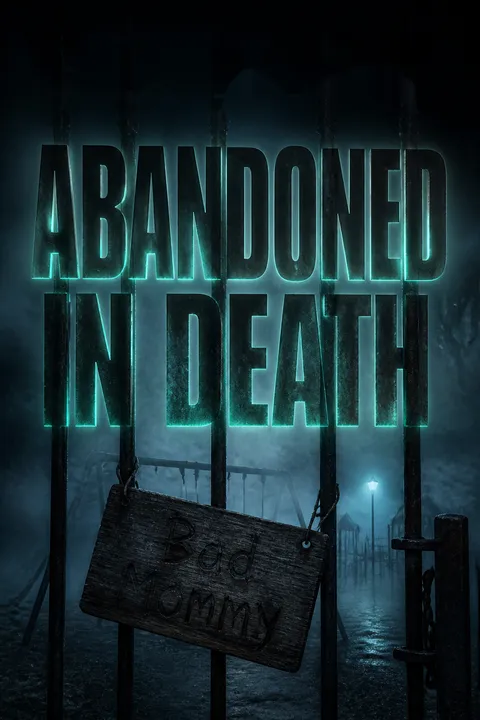
At dawn, Lieutenant Eve Dallas reaches a playground near a house her friends are renovating and finds Lauren Elder, a missing twenty-six-year-old bartender, arranged neatly on a bench. A childlike sign labels her a bad mother.
Her throat has been cut, then carefully stitched beneath a black ribbon; fresh piercings, a butterfly tattoo, polished nails, perfume, and dated clothes make her look deliberately remade. Detective Delia Peabody helps Eve examine the scene, while electronic detective Ian McNab searches nearby cameras and finds none.
Lauren’s partner, Roy Mardsten, confirms the clothes and jewelry are not hers. The killer has kept her captive for days, altered her appearance, and left her where the police and neighborhood will find her.
The staging turns a murder scene into a message, but its childish sign and meticulous corpse point in different directions. Eve reads that contradiction as evidence of a divided motive: anger expressed crudely, then controlled through grooming and ritual. The playground matters because it places the victim inside an image of ordinary caregiving, a public family space made grotesque by the killer’s private fantasy. The body also establishes the investigation’s central problem: Lauren has been altered to resemble someone else, so the visible evidence is not simply about who she was. Eve must reconstruct both the victim and the absent person the killer wanted her to become.
A Mother in the Makeup
Eve learns Lauren was abducted on her familiar walk home from Arnold’s, and that she was held for ten days without signs of sexual assault or severe beating. The medical examiner, Morris, confirms that the tattoo and piercings were added while she was alive, while her nails were painted after death.
Profiler Charlotte Mira interprets the styling as an attempt to recreate a mother figure from an earlier era, with tenderness tangled in resentment. The killer likely chose Lauren for her age, coloring, and build, then supplied the rest of the image. Because the body was left beside a playground used by Eve’s pregnant friend Mavis, Eve warns Mavis to increase security and keep away from the park.
Mira’s reading keeps the case from collapsing into a simple theory of sexual violence. The killer’s labor over Lauren’s appearance suggests attachment, while the killing and the bad-mother label expose punishment. Those actions are not opposites in his mind; they are parts of one ritual, in which a woman is made into an ideal and condemned for failing to embody it. Eve’s warning to Mavis shows how professional inference becomes intimate responsibility. The killer has not merely entered a neighborhood; he has touched a place where Eve’s chosen family expects children to be safe. That proximity raises the emotional cost of every investigative delay.
The Rainy Abduction
A search for other missing women turns up Anna Hobe, a twenty-four-year-old karaoke-bar worker missing for a week, and Becca Muldoon, a dancer whose disappearance initially looks similar. Eve and Peabody investigate Anna’s workplace and tidy apartment, learning she was friendly, settled, and unlikely to leave without telling anyone.
A neighbor returning from vacation remembers seeing a man waiting beside a dark vehicle in the rain shortly before Anna vanished. That sighting places the abductor near the route and suggests he watched her routine. Becca then returns alive after eloping to Las Vegas with a customer, narrowing the pattern. Eve concludes Anna is likely being held, not simply missing, and that her time is running out.
The rain witness gives the investigation its first glimpse of the killer’s method without giving it a face. He chooses weather and timing as tools, but his camouflage depends on seeming ordinary: a man standing beside a vehicle is not memorable until the disappearance gives the moment meaning. Becca’s return is a useful negative result, not a detour. It distinguishes resemblance from true victim selection and reminds Eve that a pattern must be tested rather than assumed. Anna’s carefully maintained apartment sharpens the contrast between the orderly life she built and the void left by her disappearance. The investigators now pursue a living woman’s narrowing chances, not only the explanation of Lauren’s death.
Mary Kate Vanishes
Eve’s team receives another missing-person report: Mary Kate Covino, a twenty-five-year-old marketing professional who was meant to leave for a beach getaway with bar owner Teegan Stone. Her roommate, Cleo Bette, explains that the trip never happened.
Teegan had ended their casual relationship, dismissed Mary Kate from his apartment, and left her suitcase behind; he refuses to care whether she has returned home. Mary Kate’s coworkers describe her as organized and dependable, though she had spent evenings helping at Teegan’s bar.
A neighborhood florist remembers her regular visits, giving police a local trail to canvass. Eve sees Mary Kate as a possible third target, but the breakup and changed plans complicate when and where the abductor could have taken her.
Mary Kate’s disappearance enters through an ordinary social rupture that threatens to disguise a crime. Teegan’s contempt supplies a plausible explanation for her silence, while Cleo’s knowledge of Mary Kate’s habits exposes how implausible that explanation is. The contrast between Mary Kate’s planning and Teegan’s casual cruelty makes her vulnerability legible without reducing her to foolishness: she invested hope in someone who did not return it. Eve resists treating the ex-boyfriend’s selfishness as evidence of violence, even as she recognizes how easily his indifference could delay the search. The case’s pattern is expanding, but the detectives still lack the one fact that would connect these women beyond appearance and geography.
Anna Answers Back
In the basement where she is chained, Mary Kate keeps repeating her name and the details of her family and life to resist the captor’s insistence that she is his mother. She learns that he drugs her food and controls when she can wash or change clothes. When he leaves, she tests the room for a weapon and bangs her shackle against a pipe.
A prisoner in the adjoining room answers. Through knocks and shouted fragments, Mary Kate learns the other woman is Anna Hobe, also chained and held in darkness. The contact gives both captives proof they are not alone, and Mary Kate keeps trying to communicate despite her hoarse throat and the risk of drawing their captor’s attention.
Mary Kate’s identity ritual is a practical defense against coercive reality. By reciting names, relationships, and ordinary preferences, she preserves a self the captor is trying to overwrite with his fantasy. The wall becomes a crude communication system and a counter-structure to his locked rooms: he separates the women physically, but their knocks create a fragile shared world. Their connection does not rescue them, and the story refuses to confuse solidarity with safety. Still, the exchange changes Mary Kate’s mental position. She is no longer only enduring isolation; she is gathering information and orienting herself toward another person. Her survival begins with attention, not strength.
A Nail Breaks Perfect
Police find Anna dead near an educational play center, dressed and groomed in the same manufactured style as Lauren. Eve observes that the throat wound was inflicted from behind, suggesting this killing was planned rather than impulsive. Anna’s restraints show fresher damage around one wrist, as if she recently fought harder or struck a wall.
At the morgue, Morris notices that one artificial fingernail has been bitten down; its replacement is salon-grade and applied with exacting care. Eve realizes the perfectionist killer had to purchase and learn to use a costly professional kit after Anna damaged her own nail. The small flaw becomes a time-sensitive route into his recent purchases.
The artificial nail is an unusually human trace. The killer can control clothes, cosmetics, and even the position of a body, but he cannot fully control a frightened person’s habits. Anna’s bitten nail records resistance in a form the killer tried to cover, and the effort to repair it reveals how deeply he confuses visual order with emotional obedience. The change in the killing method also matters: the first death may have followed a confrontation, while Anna is killed from behind after the captor has decided what she means. The forensic breakthrough comes not from his grand design, but from the tiny mismatch between a living woman and the image he imposed.
The Wrong Son
Marketing manager James Mosebly draws suspicion because he supervised Mary Kate, knew her routine, lived near the victims, and had cared for a mother whose illness ended with her death. Eve and Roarke visit his carefully kept home, where he recognizes Anna from a karaoke bar but denies knowing Lauren.
Mosebly explains that he left Kentucky after his parents rejected him for being gay, later reconciled with them, and brought his widowed mother to New York when they made peace. Her dementia erased their relationship before she died. His grief is credible, and his account does not match the crimes. Eve clears him, losing a promising lead but correcting her theory before it hardens into accusation.
Mosebly is a mirror that tests Eve’s assumptions about abandonment and maternal injury. His history contains rejection, grief, and a mother lost to illness, yet he responds to pain through reconciliation and care rather than possession. The contrast is diagnostic: a wounded past does not dictate a violent future, and psychological resemblance is not proof. Eve’s decision to clear him is an act of disciplined uncertainty, even though it costs time while Anna’s life remains at risk. The episode also brings the novel’s inquiry into chosen family into focus. Mosebly’s restored bond with his parents shows what repair can look like, making the killer’s refusal of any reality beyond grievance more disturbing.
The Mother Reappears
Research into women matching the recreated appearance identifies Lisa McKinney, a troubled young woman from the South who had a son in 1998 and disappeared with him a few years later. Her record includes unstable work, drug use, and a teenage arrest for solicitation; after 2002, she vanishes from official records.
Years later, she appears as Violet Blank Fletcher, wife of emergency-room doctor Joseph Fletcher and mother to three children. Eve’s investigation establishes that Violet’s new identity began after a near-fatal suicide attempt and a rescue in Louisiana.
Her later family remembers a loving, generous woman, but knows almost nothing about her life before Joseph. The two identities suggest that the killer’s target is not an invented mother, but a real woman with a buried past.
The records split one woman into two social selves: the documented young drifter and the respected wife and mother. The transformation invites moral judgment, but the investigation does not let either identity cancel the other. Lisa’s instability helps explain the danger surrounding her first child; Violet’s later care for her family is also real. The gap between the identities is not proof of deliberate deceit, because trauma and memory may have shaped it. Eve’s task is therefore more than locating a name. She must understand what the son knew, what the mother remembered, and when their separate lives collided again. The hidden past becomes a causal mystery rather than a simple revelation.
Violet’s Last Letter
After Joseph Fletcher dies, Violet’s memories return: as a drug-addicted young mother, she left her little boy at a church before driving into a lake, then awoke with amnesia and built a new life with Joseph. Shortly before taking her own life, she visited New York, found her adult son, and arranged a house and money for him.
Her letter admits that she loved him but failed to care for him, and says she cannot make up for the years she lost. Her other children confirm that she died by suicide after Joseph’s death, though they had hidden the letters. Eve realizes that the contact and the gift reopened the son’s abandonment instead of healing it.
Violet’s letter supplies motive without granting absolution. She recognizes the difference between loving a child and protecting him, a distinction the killer cannot tolerate because it would require holding affection and injury together. Her late attempt at repair is sincere, yet it arrives after decades in which she formed another family and cannot restore the childhood he lost. For him, the house and money become evidence of what she gave others, not compensation. Eve’s own history makes her alert to the pull of this narrative, but she tests it against records and testimony. The section argues that explanation can clarify violence without excusing the choices made in its name.
The Lab Man Slips
Eve first searches professional nail suppliers, but the trail stalls. A salesperson from a Brooklyn salon shop then reports that an older man bought a comparable artificial-nail kit and dark polish the previous afternoon.
Security footage captures Andrew Dawber, the forensic chemist who analyzed evidence in the case, making the purchase with a false professional license. Dawber had pointed investigators toward the wrong product, exploiting his access to the lab.
A check reveals he was found alone as a young child near a Louisiana church, adopted under another name, and later moved to New York. His official apartment is empty because he moved months earlier. A property search uncovers a recently acquired brownstone registered under an anagram of Lisa McKinney’s name.
Dawber’s profession turns the investigation’s institutional trust into part of the threat. He knows what traces police collect because he has spent years interpreting them, and he uses that expertise to redirect their attention. Yet his need for a precise, mother-approved appearance produces the mistake: Anna’s bitten nail forces him to buy unfamiliar equipment too quickly. The false license and anagrammed property names are not merely clues; they reveal a man trying to make his private world unreadable while remaining inside the systems meant to expose him. His ordinary workplace persona explains why colleagues missed him, but it also shows that expertise and respectability can conceal deliberate harm.
The Brownstone Basement
Heat scans place two people in the basement of Dawber’s brownstone, and Eve’s team moves in. To draw Dawber away from Mary Kate, intern Jamie Lingstrom approaches the front door with a fabricated lost-dog appeal. When Dawber opens it, Eve and Peabody force entry and arrest him.
In the basement, Mary Kate has already persuaded her captor to empty his pockets for a game; while he fetches a cookie, she reaches his keys, link, Taser, and folding knife. Detectives Jenkinson and Reineke find her ready to defend herself, then escort her to safety. The search reveals separate cells, a workroom for altering victims, and plans for additional targets.
The rescue succeeds because several kinds of intelligence converge. Jamie exploits Dawber’s social reflexes, Eve coordinates the entry, and Mary Kate has already studied the captor closely enough to create an opportunity. She does not wait passively for the police; she uses his childlike performance against him, turning his demand for a game into access to the tools of escape. The basement’s separate cells and target boards show the scale of his system, but the decisive action remains local and improvised. The episode gives Mary Kate agency without pretending that the ordeal was hers to control. Her survival is shared work, not a gift bestowed by authority.
No Innocent Game
At Central, Mary Kate gives a detailed statement and returns to her family after medical care. Eve and Mira question Dawber, who shifts between a calculating adult and the child persona he calls baby darling.
He admits that Lauren and Anna failed to match his imagined mother, while Mary Kate’s performance temporarily kept him hopeful. His journals document months of surveillance, rejected targets, supplies, and plans to abduct more women, including a relative.
Those records show deliberate selection and preparation, undermining his attempt to portray the murders as acts beyond his control. Mira judges him psychopathic but not legally insane. Eve closes the case with Dawber facing charges for two murders, three abductions, and prolonged imprisonment.
The interrogation distinguishes psychological damage from legal incapacity. Dawber’s childhood abandonment helps explain the fantasy he constructed, but his journals show that he could assess risk, reject unsuitable targets, and alter plans when circumstances changed. His child persona gives rage a voice and a performance, yet it does not erase the adult’s organization. Mary Kate’s recovery supplies a living witness who can describe the captivity the dead cannot. For Eve, the ending is not emotional triumph so much as an exact accounting: two women are dead, one is home, and a repeatable plan has been stopped. The book refuses both easy forgiveness and the fantasy that every wound can be repaired.
Analysis
Abandoned in Death makes the difference between explanation and excuse central to its crime plot. Dawber’s mother truly abandoned him, and the novel gives that history material weight: addiction, a near-drowning, lost memory, adoption, and a later family built without him. But Dawber converts injury into entitlement. He treats women as replaceable surfaces on which to reconstruct an ideal mother, then calls their failure to satisfy his fantasy proof that they deserve punishment. The careful makeup and the childish signs expose the same split: adult planning organized around a child’s grievance.
The investigation’s strongest moral counterpoint is not a flawless family but a set of imperfect relationships that permit change. Mosebly reconciles with parents who once rejected him. Mary Kate uses her mother’s firmness as a tool against her captor. Eve, whose own history makes maternal injury painfully familiar, accepts that recognition is not evidence and clears an innocent suspect. These contrasts prevent the novel from treating trauma as destiny. A damaged childhood matters, but people remain accountable for what they choose to do with it.
The procedural details give that argument force. Dawber’s expertise protects him until his need for perfect nails creates a trace; Mary Kate’s resistance leaves the mark that makes the trace legible. The case is solved through collaboration among detectives, technicians, a profiler, a reporter, and a captive who studies her captor. Their different kinds of knowledge correct one another. The ending offers rescue and accountability, not restoration: Lauren and Anna cannot be returned, and Mary Kate must recover with her family’s support. Justice here means stopping repetition, preserving testimony, and refusing to let an explanation become permission.
Review Summary
Abandoned in Death is the 54th book in J.D. Robb's In Death series, receiving mostly positive reviews. Readers praise the intriguing plot, character development, and unexpected twists. The story follows Eve Dallas investigating murders with a "Bad Mommy" theme. Many appreciate the series' continued freshness and the balance of police procedural and personal relationships. Some criticize repetitive elements and timeline inconsistencies. Overall, fans find it an engaging addition to the long-running series, with a compelling mystery and satisfying character interactions.
People Also Read





Characters
Eve Dallas
The relentless homicide lieutenantEve leads the investigation with an instinct for patterns and a hard-earned suspicion of easy answers. She relies on evidence, but her understanding of childhood trauma is also shaped by her own abusive past, which makes the case personally resonant and potentially distorting. She knows she must separate what she recognizes in a suspect from what the facts actually establish. Her marriage to Roarke and close bonds with Peabody and Mavis give her a chosen family she protects fiercely, even when she struggles to express tenderness. Eve’s strength is not emotional invulnerability; it is her ability to return to the work, question her assumptions, and act decisively when lives are at stake.
Delia Peabody
Eve’s perceptive partnerPeabody balances Eve’s severity with empathy, curiosity, and an eye for practical details. She interviews witnesses gently, notices behavior that might otherwise seem incidental, and helps convert clues into workable leads. Her Free-Ager upbringing gives her a strong sense of mutual care, while her humor keeps the pressure from flattening the people around her. She is also building a home and future with fellow detective Ian McNab, and her happiness makes Eve’s protective concern for friends more visible. Peabody is not merely a softer counterpart to Eve; she is a capable investigator whose emotional openness helps witnesses feel safe enough to share what they know.
Roarke
Eve’s resourceful partnerRoarke is Eve’s husband, a billionaire businessman with a past as a thief and a continuing talent for finding information, resources, and unconventional solutions. He supports the investigation without taking it over, providing property research, technical help, and the steady presence Eve accepts when the case presses on her own history. His confidence contrasts with her bluntness, but their relationship is built on respect rather than rescue: he recognizes her competence and lets her remain the person in charge. Roarke’s own history of loss gives him insight into the damage caused by family betrayal, though he does not assume that shared pain makes every story the same.
Mary Kate Covino
The quick-thinking captiveMary Kate works in marketing and values the ordinary architecture of her life: family, friends, work, dancing, and the routines that remind her who she is. When she is isolated and pressured to accept another identity, she deliberately rehearses personal memories rather than surrendering to confusion. Her relationship with her roommate Cleo is intimate and affectionate, while her attraction to Teegan Stone exposes a temporary willingness to believe a charming man might become more generous than he is. Mary Kate’s intelligence is practical rather than theatrical. She observes her captor, manages his moods, and looks for openings, drawing on the emotional firmness she learned from her mother.
Andrew Dawber
The precise lab chemistDawber is a longtime forensic chemist in the police laboratory, known professionally for careful, reliable work. He tends toward quiet routines and solitary focus, and his expertise gives him a precise understanding of how physical evidence is collected and analyzed. Coworkers see a reserved, mild man rather than someone who seeks attention. His professional identity rests on order and competence, traits that make him an effective colleague but also a difficult person to read. The investigation gradually forces others to reconsider how much of a person can remain hidden beneath a familiar workplace manner.
Lauren Elder
The missing bartenderLauren is a twenty-six-year-old bartender with a close family, a steady relationship, and ambitions of eventually owning a bar. Her coworkers describe her as friendly and reliable, and her careful routines reflect the stable life she has built. She prefers practical clothes and understated makeup, a contrast to the conspicuous image created around her by someone else. Through her apartment, work history, and loved ones, Eve reconstructs a person whose life cannot be reduced to the appearance left behind.
Anna Hobe
The missing karaoke workerAnna is a young karaoke-bar employee who enjoys singing, values her small apartment, and has made a comfortable place for herself in New York. Her manager and coworkers regard her as warm and dependable. She is careful about her routines and maintains an orderly home filled with music memorabilia and personal keepsakes. Those ordinary details help Eve understand the life interrupted by her disappearance and give the investigation a clearer picture of the person behind the case file.
Lisa McKinney
A troubled young motherLisa grows up amid instability and makes increasingly precarious choices as a teenager and young adult. She struggles with addiction, inconsistent work, and the demands of raising a child without reliable support. Her story is reconstructed through scattered records and the memories of people who knew her briefly, so it resists a neat portrait. Lisa’s choices cause real harm, but the surviving evidence also shows a person shaped by deprivation and impaired judgment rather than a simple emblem of cruelty.
Violet Blank Fletcher
A woman with a second beginningViolet builds a loving household with emergency physician Joseph Fletcher and raises three children in a home she tends with care. She is remembered as generous, sociable, and deeply invested in family and community work. Her name and early history remain obscure to those closest to her, who understand that she had a difficult childhood but know few specifics. Violet’s life suggests both the possibility of change and the cost of leaving essential truths unspoken.
Charlotte Mira
The department’s profilerMira is a skilled profiler and psychiatrist whose calm, methodical interpretations help Eve organize the contradictions in the crime scene. She recognizes how love and resentment can coexist in a maternal fixation without treating that insight as proof of a suspect’s identity. Mira respects Eve’s instincts while challenging her to test them against behavior and evidence. Her professional warmth is matched by an orderly personal life, offering Eve a model of emotional steadiness that does not demand disclosure.
Joseph Fletcher
The compassionate physicianJoseph is an emergency-room doctor who finds an injured, amnesiac woman on a Louisiana road and treats her at home when she begs him not to involve authorities. He offers shelter without demanding that she recover her past on his schedule. His patience and care become the foundation of the family life they build together. To his children, he is a healer whose generosity extends beyond his profession.
Cleo Bette
Mary Kate’s loyal roommateCleo is Mary Kate’s close friend and roommate, a sous chef whose warmth shows in the lively disorder of her own room and the care she takes with shared space. She recognizes that Mary Kate would not disappear without explanation and quickly checks the places a less attentive friend might overlook. Her worry is direct and practical: she contacts the family, employer, and authorities, determined not to let a humiliating breakup become an excuse to stop searching.
Teegan Stone
The self-absorbed bar ownerTeegan owns a popular bar and enjoys the attention that comes with his looks and charm. He keeps his relationships casual and treats Mary Kate’s hopes as an inconvenience once he has changed his mind about their trip. His indifference makes him an unpleasant presence in the search, but it does not make him the person Eve is looking for.
James Mosebly
The grieving marketing mentorJames supervises Mary Kate at work and takes pride in a supportive, cooperative office. He is close to his mother and carries the history of a painful estrangement from his parents, followed by reconciliation. His gentleness and grief make him a plausible subject for Eve’s questions, but his account of his life is open and emotionally credible. James illustrates that past rejection can be met with repair rather than retaliation.
Ian McNab
The inventive EDD detectiveMcNab is Peabody’s partner and a gifted electronic detective whose colorful style matches his quick, playful energy. He searches digital evidence, coordinates equipment, and helps translate technical possibilities into practical investigative steps. His affectionate relationship with Peabody and his role in building their shared home add warmth to the police team’s demanding work.
Nadine Furst
The truth-seeking reporterNadine is a celebrated journalist and longtime friend of Eve’s. She pursues stories aggressively but respects the difference between helping an investigation and publishing information that could endanger someone. Her research team helps trace a woman hidden behind decades of incomplete records, demonstrating how carefully managed public attention can serve justice without turning a vulnerable person into spectacle.
Jamie Lingstrom
The eager EDD internJamie is a brilliant young intern who divides his time between the police department’s electronic division and Roarke’s company. He attacks difficult data searches with enthusiasm and proves willing to take on unglamorous work. His technical skill and quick learning make him useful to the investigation, while his eagerness occasionally needs Eve’s firm direction.
Mavis Freestone
Eve’s fiercely loved friendMavis is a lively performer, a mother to Bella, and a close friend Eve protects even when she struggles to say how much the friendship matters. She and her husband, Leonardo, are turning an old house into a colorful family home. Mavis meets the threat to her neighborhood with anger rather than panic, and takes practical security precautions while continuing to trust Eve’s judgment.
Plot Devices
The Bad Mommy staging
Turns murder into accusationThe killer leaves each prepared body with a childlike message condemning a bad mother. The sign links the killings to an imagined parent-child grievance while contrasting with the careful grooming of the victims. Its crude lettering suggests a younger, emotionally unregulated part of the killer, while the deliberate placement and immaculate presentation reveal planning. For Eve, the message is not a confession of motive but a clue to the private story the killer is imposing on strangers.
The recreated appearance
Makes strangers resemble one womanA butterfly tattoo, piercings, dated clothing, cosmetics, perfume, and styled hair transform each captive into the figure the killer wants to recover. The details are specific enough to connect the bodies to one real woman, but broad enough at first to send investigators through fashion records, product brands, old photographs, and missing-person files. The method also exposes the killer’s central mistake: he can modify a captive’s surface, but he cannot make her into the person he remembers.
The bitten nail
Breaks through forensic misdirectionAnna’s bitten nail damages the polished image the killer has created. He replaces it with a salon-grade artificial nail, a costly and recent purchase that requires specialized products. The laboratory’s initial analysis is compromised by the killer’s access, but a salesperson’s recollection and store security footage create an independent trail. A tiny bodily habit therefore connects the captive’s resistance to the offender’s purchase and workplace identity.
The hidden identities
Connects abandonment to motiveLisa McKinney’s disappearance, Violet Fletcher’s later identity, and the child found near a church appear as separate fragments across records and testimony. Searching names, family histories, adoption files, and property ownership gradually joins them. The device makes identity both emotional and bureaucratic: a person can leave one life behind, but records preserve pieces that may later be assembled by someone seeking an explanation. In this case, the truth clarifies the killer’s grievance without making his violence inevitable.
The brownstone basement
Hides a planned captivity systemA recently acquired brownstone provides separate windowless rooms, bathrooms, a kitchen, a preparation space, and enough privacy to hold multiple captives. Its ownership is obscured through an anagram, while the offender’s official apartment keeps the police searching in the wrong place. Heat scans, blueprints, property records, and the timing of the move combine to locate the actual site. The building turns the killer’s abstract fixation into an organized, repeatable operation.
In Death Series Series






About the Author

Download PDF
Download EPUB
.epub digital book format is ideal for reading ebooks on phones, tablets, and e-readers.








