

Key Takeaways
Test alcohol's promised benefits instead of treating them as facts
Carr’s central claim. Allen Carr argues that drinking persists partly because people learn to expect benefits from alcohol: confidence, relaxation, pleasure, or help with social life. He invites readers to question these beliefs rather than simply list alcohol’s harms and try harder to resist. His approach, called Easyway, aims to change how drinking is understood so quitting feels like release, not sacrifice. The book frames addiction as a trap built from mistaken expectations, not proof of weak character.
A claim, not a cure. The book presents this explanation as broadly applicable, but it does not establish that beliefs alone account for addiction or that changing them will work for everyone. Treat its argument as a lens to examine, not a guaranteed treatment.
What's valuable here is the shift from self-condemnation to curiosity. Expectations can shape behavior: if someone expects alcohol to make a gathering easier, they may notice the moments that seem to confirm it and overlook the costs. That makes examining the expectation useful even when the full theory is too simple. Alcohol use disorder is understood through interacting biological, psychological, and social factors, not a single mistaken belief. A change in perspective can support recovery, but it should not be asked to explain every case or replace appropriate care.
Notice the gradual slide before a crisis makes drinking undeniable
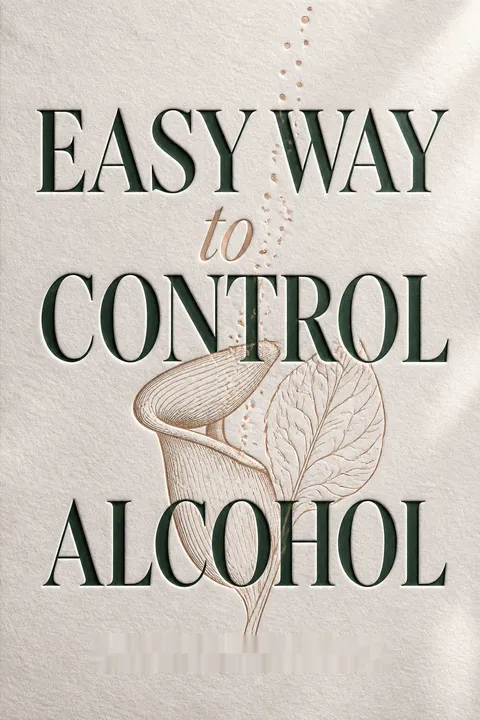
The slow descent. Carr’s pitcher plant analogy describes an insect drawn by sweet nectar onto a sloped, slippery surface. It moves deeper without noticing that escape is becoming harder. He uses this to explain how drinking can expand gradually: a drink at a social event becomes routine, then appears necessary in more situations. In his account, the crucial turning point is not one dramatic night but the accumulation of small changes.
Watch the pattern. Carr recounts how golf, initially a separate pleasure, became linked to drinks before and after play, then to carrying a flask. The story illustrates how routines and social settings can normalize escalation. It is a prompt to examine when, where, and why drinking occurs, not evidence that every drinker follows the same path.
The analogy captures a familiar feature of habit formation: repeated behavior can become normal before its consequences feel urgent. Looking for changes in frequency, context, and control may reveal a pattern earlier than waiting for a crisis. The image also risks making every drink seem like an inevitable descent. People’s drinking trajectories differ, and a metaphor cannot diagnose a disorder. Its best use is as a practical question: is this behavior still chosen freely, or is it narrowing the person’s options?
Judge drinking by control and consequences, not the label alcoholic
Focus on the pattern. Carr is frustrated by vague tests and the stigma attached to the word alcoholic. He emphasizes a more direct question: has drinking become difficult to control, or caused problems the person wants to stop? The book describes someone who realizes they have lost control as an alcoholic, while arguing that the difference between that person and a so-called normal drinker is one of degree, not a built-in defect.
A useful question, not diagnosis. Friends may notice escalating use before the drinker does, while shame can make the label harder to face. Carr’s approach can redirect attention from identity to behavior. However, current clinical practice assesses a wider range of symptoms and consequences. Personal reflection can prompt help-seeking, but it cannot reliably settle a diagnosis on its own.
Separating a person from a stigmatized label can make honest assessment easier. The behavior-focused approach also fits a broader clinical principle: diagnoses are tools for identifying needs, not verdicts on character. Still, Carr’s insistence that addiction is simply a shared slide down one path underplays meaningful differences in risk, symptoms, and biology. A more useful stance combines self-observation with professional assessment, especially when drinking affects health, safety, work, or relationships.
Separate the pleasure of the occasion from the alcohol in your glass
Untangle the association. Carr asks readers to distinguish enjoying a wedding, meal, holiday, or reunion from enjoying the alcohol served there. He recounts a holiday ritual with a friend: champagne had seemed central to their arrival at a seaside villa, but the scenery, companionship, and anticipation could be enjoyed without it. The drink, he argues, had become part of the script rather than the source of the pleasure.
Question the taste story. The book also describes how a first taste of beer may seem unpleasant, while repeated exposure can make it familiar. Carr calls this an acquired taste and interprets it as becoming accustomed to a drug. That account is not universal: people genuinely differ in what flavors they enjoy. The practical point is to notice what, exactly, makes a moment rewarding.
Breaking apart a ritual is a strong way to test assumptions. If a meal remains enjoyable without alcohol, that offers concrete evidence that the setting and company matter independently. The test does not prove that nobody enjoys alcohol’s flavor or effects; experiences vary, and pleasure can be real while still carrying risks. The distinction is useful because it creates options. A person can preserve meaningful traditions while reconsidering the role alcohol plays in them.
Relief from craving is not proof that alcohol is helping
Relief can mislead. Carr describes addiction as a loop in which alcohol creates discomfort or craving, then another drink briefly eases it. He calls the subtle bodily discomfort the little monster, and the belief that alcohol provides a necessary benefit the Big Monster. In this model, the drink feels rewarding partly because it ends a state linked to earlier drinking, not because it supplies an independent benefit.
Separate cause from relief. The book compares this to taking off shoes that have been painfully tight: relief feels good, but that does not make the shoes beneficial. The comparison helps readers ask whether a drink solves a problem or briefly quiets one it helped create. Carr minimizes physical withdrawal, however, and that claim is unsafe as general advice. Alcohol withdrawal can be medically serious.
The distinction between pleasure and relief is useful across many behaviors. A response can feel rewarding because it removes discomfort, even when the cycle producing that discomfort is costly. This is one reason a person may keep repeating a behavior they regret. But the book’s metaphor should not be mistaken for a full account of addiction, and its claims about mild withdrawal are not dependable. Alcohol withdrawal can involve seizures or delirium and may require urgent medical care. The psychological model does not make the physical risk disappear.
Alcohol may mute fear, but it cannot solve what caused it
Blunting is not courage. Carr argues that alcohol can lower inhibitions and dull fear, which may feel like confidence or courage. He illustrates the danger with his own youthful participation in boxing and rugby, driven partly by fear of being mocked as cowardly. In his account, alcohol does not resolve fear or make a person more capable; it can weaken the signals and judgment that help someone respond wisely.
Short-term effects matter. The book also challenges the idea that drinking makes people sociable, happy, or relaxed. It points to arguments, impaired behavior, and the way intoxication can make people less aware of stress rather than remove its cause. Its claim that alcohol provides no benefit is too absolute: some people experience short-term reward or reduced anxiety. Those effects do not make it a sound solution.
Carr’s distinction between changing a feeling and solving its source is broadly valuable. Fear, tension, and social hesitation can contain information, even when they feel unpleasant. Alcohol’s disinhibiting effects can make risks harder to judge, so subjective confidence is not the same as improved ability. At the same time, subjective reward is not imaginary merely because it has costs. Recognizing both the appeal and the tradeoffs is more credible than insisting that alcohol has no short-term effects at all.
Willpower falters when the same beliefs keep making alcohol seem necessary
The tug of conflict. Carr calls repeated attempts to cut down or quit through sheer effort the willpower method. He argues that if a person still believes alcohol is essential for pleasure or coping, abstinence feels like deprivation, and each restriction can make drinking seem more important. He describes this as a conflict between wanting to stop and wanting the promised relief.
Change the belief, not just the rule. The book favors complete abstinence over moderation, on the grounds that even occasional drinking keeps the desire alive. It advises readers to question the supposed benefits before making a final decision. That may help some people, but its all-or-nothing conclusion is not universal medical guidance. The safest and most effective plan depends on a person’s drinking pattern, health, and support needs.
The account explains why a bare resolution can feel exhausting: behavior change is harder when the person still sees the behavior as necessary. Reframing expectations can make a plan feel less like punishment. Yet this should not be read as proof that willpower is useless or that moderation is impossible for everyone. Treatment can combine motivation, counseling, social support, medication, and environmental changes. The central practical lesson is to build a plan around the actual problem, not to interpret difficulty as a moral failure.
A compelling mindset is not a safe withdrawal plan
A serious safety limit. Carr tells readers not to stop or reduce drinking until they finish the book, and his instructions culminate in a final alcoholic drink. He also suggests that withdrawal symptoms are generally slight. These are claims and instructions from the book, not safe guidance for everyone. A person who is physically dependent on alcohol may face dangerous withdrawal if they suddenly stop or cut down without medical care.
Get individual advice. Before changing alcohol use, anyone who drinks heavily, has had withdrawal symptoms, or is unsure about dependence should contact a healthcare professional. Symptoms such as seizures, confusion, or hallucinations require urgent medical attention. Carr’s promise of an immediate, easy cure and the clinic success figures reported in the book should not be treated as independently verified evidence or a substitute for clinical care.
This is the essential qualification to the book’s motivational message. A hopeful framework may reduce shame, but it cannot determine whether stopping abruptly is medically safe. That depends on individual history and health, and withdrawal can be life-threatening. A responsible reading keeps the reflective questions while rejecting the instruction to continue drinking or take a final drink as a universal rule. Professional assessment is not a failure of resolve. It is a way to choose a safer route.
Keep meaningful rituals, but rebuild them without alcohol
Preserve the good parts. Carr encourages readers who have stopped drinking not to mourn alcohol, envy drinkers, or avoid every familiar social setting. He recommends noticing which parts of life are genuinely enjoyable and separating them from drinking routines. He also warns against trying to convert friends who have not asked for help, while welcoming support for those who do.
Make change livable. The book discourages substitutes, including using food or soft drinks to recreate the drinking pattern. Its aim is to show that no replacement is needed. A more flexible application is to retain activities and relationships that matter while finding practical supports and routines that fit the person. Avoiding high-risk situations, peer support, or professional treatment may be useful for some people, even though Carr does not emphasize those options.
The strongest part of this advice is its attention to social meaning. A person need not abandon friends, celebrations, or favorite places simply because alcohol was woven into them. But the prescription to avoid substitutes or keep every old setting is too rigid for some: new routines, peer groups, and temporary distance from high-risk environments can protect recovery. The goal is not to prove independence through exposure. It is to build a life that is rewarding and safe enough to sustain.
Analysis
Easy Way to Control Alcohol is a self-help argument built like a prolonged act of persuasion. Carr first asks readers to suspend familiar assumptions, then uses recurring images, anecdotes, and direct challenges to reinterpret drinking as a learned trap rather than an expression of weak character. The pitcher plant dramatizes gradual escalation; the distinction between relief and pleasure recasts craving; and the holiday, golf, and family stories show how drinking becomes embedded in ordinary social scripts. Repetition is central to the method: each chapter revisits the same claim from a different angle until the reader is invited to experience abstinence as freedom rather than loss.
That architecture is memorable, but its confidence exceeds its evidence. Carr treats a psychological explanation as if it accounts for nearly all alcohol problems, dismisses the possibility of meaningful individual differences, and makes sweeping claims about taste, craving, and withdrawal. His reported clinic success rate is not independently established by the text. Most importantly, the book’s instruction to keep drinking until the reading is complete, followed by a prescribed final drink, could be dangerous for someone with physical dependence. Abruptly reducing or stopping alcohol can cause severe, potentially life-threatening withdrawal and may require medical supervision.
The most durable insight is therefore narrower than Carr’s promise: examine what alcohol appears to provide, notice whether relief is being mistaken for lasting benefit, and replace shame with honest attention to patterns. Those questions may strengthen motivation, but they do not diagnose dependence or prescribe detoxification. A complete modern reading pairs the book’s challenge to social myths with recognition that alcohol use disorder has biological, psychological, and social dimensions, and that people may benefit from clinical care, peer support, medication, counseling, or combinations of these. Its persuasion can open a door; safe, individualized support helps determine how to walk through it.
Review Summary
Allen Carr's Easy Way to Control Alcohol receives mostly positive reviews, with readers praising its effectiveness in changing their perspective on alcohol consumption. Many report successfully quitting or reducing their drinking after reading the book. Reviewers appreciate Carr's logical approach and his ability to challenge cultural norms surrounding alcohol. However, some criticize the repetitive nature of the content and question the author's understanding of severe alcohol addiction. Despite mixed opinions on writing style, most readers find the book's core message valuable in reassessing their relationship with alcohol.
People Also Read



Glossary
Easyway
Carr’s belief-changing approachAllen Carr’s approach to quitting addictive behavior by challenging beliefs that the substance provides pleasure, confidence, or support. In this book, Easyway aims to make abstinence feel like release rather than sacrifice. Carr presents it as simple and broadly effective, but the book’s claims do not establish that it works for everyone or replace medical assessment.
little monster
Subtle bodily discomfortCarr’s metaphor for the slight, often unnoticed discomfort he believes follows alcohol leaving the body. He says drinkers may interpret this sensation as wanting a drink, then mistake relief after drinking for evidence that alcohol helps. This is a metaphor in Carr’s model, not a medical description of alcohol withdrawal, which can be severe.
Big Monster
Belief in alcohol’s benefitsCarr’s name for the set of beliefs that alcohol is needed for enjoyment, confidence, relaxation, or coping. He treats these expectations as the main mental force maintaining addiction. The metaphor helps explain why he focuses on changing perceptions, but it does not capture every biological, psychological, or social factor involved in problematic drinking.
critical point
When drinking feels problematicCarr’s term for the stage when a drinker recognizes that alcohol is causing problems and tries to cut down. He argues that the attempt can intensify feelings of deprivation because the person still believes alcohol offers important benefits. The term describes his account of a common conflict, not a formal clinical milestone.
willpower method
Quitting through resistanceCarr’s label for trying to stop or reduce drinking while continuing to believe alcohol is pleasurable or necessary. He argues that this approach makes abstinence feel like sacrifice and turns each urge into a struggle. He contrasts it with changing beliefs first, though willpower-based efforts can be part of broader, evidence-based treatment plans.
Moment of Revelation
Realizing abstinence feels possibleCarr’s phrase for the point when someone recognizes that an enjoyable or difficult situation can be experienced without alcohol. He describes this realization as evidence that a social event or life challenge does not require drinking. The phrase captures a motivational experience, but it is not a clinical measure of recovery or protection from relapse.
FAQ
What's Allen Carr's Easy Way to Control Alcohol about?
- Focus on Alcoholism: The book offers a method for controlling alcohol consumption, suggesting it's possible to quit drinking easily and permanently.
- Challenging Beliefs: Carr disputes the idea that alcoholism is an incurable disease, presenting it as a trap that can be escaped.
- Personal Experience: Carr shares his journey with addiction and recovery, demonstrating how his method has helped millions.
Why should I read Allen Carr's Easy Way to Control Alcohol?
- Proven Method: The book is based on Carr's successful approach, which has helped millions quit smoking and is adapted for alcohol control.
- Empowering Perspective: It encourages readers to question their beliefs about alcohol, viewing it as a poison rather than a pleasure.
- Accessible Writing: The straightforward and engaging style makes complex ideas easy to understand for those struggling with alcohol.
What are the key takeaways of Allen Carr's Easy Way to Control Alcohol?
- Alcohol is Harmful: Carr emphasizes that alcohol is a powerful poison with no genuine benefits.
- Mindset Shift: Readers are encouraged to see alcohol as a trap, not a source of enjoyment or comfort.
- Immediate Solution: Carr claims his method offers an immediate and permanent solution to drinking problems.
What is the Easyway method described in Allen Carr's Easy Way to Control Alcohol?
- Counter-Brainwashing: The method involves countering the brainwashing that makes people believe they need alcohol.
- Seven Instructions: Carr outlines seven key instructions for successfully implementing the method.
- Understanding Focus: It emphasizes understanding alcohol's true nature and effects, rather than relying on willpower.
How does Allen Carr define an alcoholic in Allen Carr's Easy Way to Control Alcohol?
- Loss of Control: An alcoholic is someone who has lost control over their drinking.
- Subjective Diagnosis: Carr stresses that recognizing one's own loss of control is crucial to addressing the problem.
- Not a Disease: He argues against the notion of alcoholism as a disease, viewing it as a behavioral issue.
What are the common misconceptions about alcohol that Allen Carr addresses?
- Social Necessity: Carr challenges the belief that alcohol is needed for socializing.
- Courage and Confidence: He argues that alcohol doesn't provide these qualities but removes inhibitions.
- Pleasure Illusion: Carr asserts that the pleasure from alcohol is an illusion with no real advantages.
How does Allen Carr suggest overcoming the fear of quitting alcohol?
- Understanding Misconceptions: Fear of quitting is based on false beliefs about alcohol's benefits.
- Focus on Gains: Carr encourages focusing on positive aspects like improved health and happiness.
- Empowerment Through Knowledge: Understanding alcohol's true nature helps overcome fears.
What role does brainwashing play in alcohol addiction according to Allen Carr?
- Societal Conditioning: Society conditions individuals to believe alcohol is necessary for enjoyment.
- Illusions of Benefits: This brainwashing creates false beliefs about alcohol's benefits.
- Counteracting Brainwashing: The Easyway method provides factual information to counteract these illusions.
What are the best quotes from Allen Carr's Easy Way to Control Alcohol and what do they mean?
- "Alcohol is a very powerful poison.": Highlights Carr's view of alcohol as harmful.
- "You will enjoy life so much more.": Emphasizes the benefits of quitting alcohol.
- "All drug addicts tell lies!": Points out the tendency of addicts to deceive themselves and others.
How does Allen Carr differentiate between normal drinkers and alcoholics?
- Control Over Drinking: Normal drinkers can control their intake, while alcoholics cannot.
- Perception of Drinking: Alcoholics often don't recognize their problem until it's severe.
- Gradual Descent: The transition from normal drinking to alcoholism is gradual and often unnoticed.
How does Allen Carr's Easy Way to Control Alcohol address the concept of addiction?
- Redefining Addiction: Addiction is doing something repeatedly that you wish you didn’t do.
- Brainwashing: Society conditions individuals to believe alcohol is necessary, leading to addiction.
- Stages of Addiction: All drinkers start as casual drinkers and can progress to addiction.
What lifestyle changes does Allen Carr's Easy Way to Control Alcohol recommend after quitting?
- Avoiding Substitutes: Carr advises against using substitutes like excessive food or non-alcoholic drinks.
- Breaking Associations: Encourages breaking associations with alcohol and social situations.
- Embracing New Activities: Suggests exploring new hobbies that bring genuine joy and fulfillment.
About the Author
Other books by Allen Carr


Download PDF
Download EPUB
.epub digital book format is ideal for reading ebooks on phones, tablets, and e-readers.








