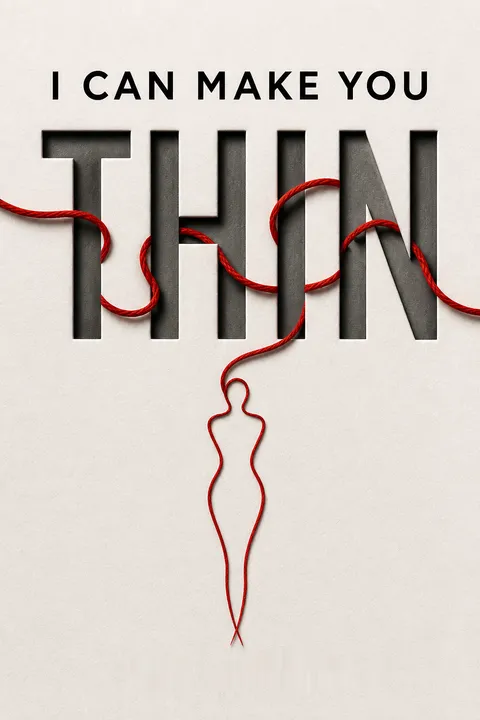


Key Takeaways
Build weight change around body signals, not another externally imposed diet
The cycle of restriction. McKenna argues that diets teach people to override hunger, fixate on forbidden foods, and then blame themselves when rigid rules fail. He cites research reporting that more than 90 percent of dieters do not keep their results, and Ancel Keys’s starvation study, in which food restriction was followed by intense preoccupation with eating. His practical alternative is to notice and respond to the body rather than follow a fixed menu.
A claim to examine. The book defines a diet broadly as any outside system dictating what, where, when, or how much to eat. That framing helps explain why restriction can feel punishing, but its sweeping claims about diet failure are not established by evidence presented in the book. It is an argument for a different approach, not proof that every structured eating plan is harmful.
What's valuable here is the shift from moral judgment to behavior: repeated restriction can make food more salient and make lapses feel like personal failure. That resembles a broader psychological pattern in which suppressing a thought can increase its mental prominence. Still, the book treats very different approaches as one category. A medically supervised plan, a sustainable change in food environment, and severe restriction are not equivalent. The useful question is not whether all structure is bad, but whether a particular structure supports health and can be sustained without turning eating into a daily contest.
Eat when hungry, choose desired foods, savor each bite, and stop when satisfied
Four guiding habits. The book calls these principles its Four Golden Rules, a simple routine intended to replace food policing with attention to appetite and enjoyment:
1. Eat when physically hungry.
2. Choose food you genuinely want, rather than food selected from guilt.
3. Eat attentively and enjoy the taste and texture.
4. Stop when you feel satisfied, even if food remains.
Use the routine as a check-in. McKenna's Hunger Scale runs from 1, faint with hunger, to 10, nauseated from fullness. He suggests beginning a meal around 3 or 4 and stopping around 6 or 7. The scale is meant to help people who have lost touch with internal cues notice them again. It does not specify nutritional needs or account for every medical condition, so it works best as an awareness tool, not a universal prescription.
The framework is memorable because it replaces a long list of food rules with a short sequence of questions: Is there physical hunger? Is this food appealing? Am I enjoying it? Have I had enough? That structure resembles interoceptive training, the practice of noticing internal sensations and using them to guide decisions. Its strength is simplicity; its limitation is that hunger and fullness cues vary with stress, medication, illness, access to food, and eating disorders. A body signal can inform a choice without being the only information that matters.
Slow meals until your body can register what your mouth is doing
Attention changes the meal. McKenna says fullness signals can take up to 20 minutes to reach conscious awareness, so eating quickly may carry a person past satisfaction before they notice it. He recommends slowing down, chewing thoroughly, pausing between bites, and initially removing distractions such as television or reading.
Examples from the book. He describes a soup experiment in which diners with bowls that secretly refilled ate an average of 73 percent more than diners with ordinary bowls. He also cites a blindfolded eating study in which participants ate 25 percent less. These examples illustrate how attention and visual cues may affect eating, but they do not establish that every distracted meal leads to overeating or that those percentages apply broadly. The practical experiment is simpler: notice taste, pace, and changing satisfaction.
This is one of the book's most testable ideas. A person can try a slower, less distracted meal and observe whether the food feels more satisfying or whether fullness becomes easier to detect. The approach connects naturally with mindfulness, which trains attention without demanding that a person judge each sensation. The dramatic figures in the cited experiments deserve caution, however. A striking laboratory result is not a forecast for every meal, and attention is only one influence among portion size, habit, company, and appetite.
Ask whether food is answering hunger or trying to mute distress
Two kinds of wanting. The book distinguishes physical hunger, which usually grows gradually, from emotional hunger, which it describes as sudden, urgent, and directed toward a particular food. Physical hunger can be satisfied by eating; emotional distress may persist even after a person has eaten. McKenna suggests pausing to ask whether the need is for food or for a change in feeling.
Respond to the feeling. He presents emotions as signals that something needs attention, not problems to bury. His Calm Anchor is an exercise that links a recalled sense of calm to squeezing two fingers together, then mentally rehearses bringing that calm into a stressful situation. The book also encourages self-kindness and professional help when eating is connected to trauma or an eating disorder.
Separating appetite from emotional need can create a useful pause without labeling comfort eating as a character flaw. The book's metaphor of emotions as messages encourages curiosity: what is the feeling pointing toward, and what response might address it? But emotional and physical hunger are not cleanly separable in every case. Stress can change appetite, and eating can be both pleasurable and soothing. Treating emotional eating as a clue, rather than a diagnosis or a failure, preserves the insight while leaving room for complexity.
Rehearse the capable, healthy self you want your habits to support
Identity shapes behavior. McKenna describes self-image as the picture a person holds of who they are. If someone sees themselves as doomed to remain overweight, they may act in ways that reinforce that expectation. The book's visualization exercise asks readers to imagine a healthier, confident version of themselves handling ordinary situations, including eating and moving, then mentally rehearse those choices.
Practice, not magic. The author connects this work to repetition and to psychologist Maxwell Maltz's observations about self-image. The book also promotes a guided relaxation and hypnosis audio session to reinforce its suggestions. These exercises are presented as ways to make new behavior feel more familiar. The underlying practice is mental rehearsal: imagine a specific situation and picture a response that fits the goal, rather than focusing only on the body or behavior a person wants to escape.
Mental rehearsal is used across performance settings because imagining a response can make it easier to retrieve under pressure. Here, it can shift attention from self-condemnation toward a concrete behavioral identity, such as someone who pauses and notices satisfaction. That is more useful than demanding that a person simply feel confident. Visualization, however, is not a substitute for changing circumstances or receiving care. A vivid image may support action, but the book's suggestion that hypnosis can reliably reprogram unconscious behavior goes beyond what its own examples demonstrate.
Make movement pleasant and incremental, not another punishment plan
Activity can start small. McKenna challenges the idea that exercise must mean a gym session or a punishing workout. He defines it broadly as movement that deepens breathing or raises heart rate, and suggests beginning with 10 to 15 minutes of brisk activity, walking, dancing, stairs, or another enjoyable option.
Build by increments. The book cites a study in which women averaged just over 5,000 steps a day and men about 6,000. People with higher weight reportedly took 1,500 to 2,000 fewer daily steps than people at a healthy weight. McKenna recommends measuring a starting point and adding about 2,000 steps per week. The comparison is observational, not proof that a particular step count causes weight loss. His more durable point is to make movement tolerable enough to repeat.
Making activity enjoyable addresses a common adherence problem: people are more likely to repeat behavior that is rewarding in the moment. The gradual approach also lowers the psychological cost of beginning. Movement can support fitness, mood, and daily functioning even when the scale does not change. The book's metabolic language is less secure than its behavioral advice. Energy expenditure and weight change involve more than a simple speed dial, and step-count differences between groups do not show that extra steps alone explain their difference in weight.
Treat cravings as learned cues, not commands you must obey
A craving is a pattern. McKenna argues that cravings are learned responses and therefore can be weakened. His first method, the Tapping Technique, asks a person to focus on the craved food while tapping a sequence of points and checking whether the craving feels less intense. He tells the story of Lizzie, who drank cola daily and reported that tapping helped her stop.
A stronger intervention. The book's Compulsion Destroyer uses mental imagery to pair a food someone wants to avoid with a food they find repulsive. McKenna presents it as a way to eliminate desire. These are psychological exercises described by the author, not established treatments for addiction or disordered eating. The more cautious takeaway is to notice a craving, let its intensity be measured rather than obeyed automatically, and seek qualified support if eating feels uncontrollable.
The useful distinction is between having an urge and having to act on it. Naming a craving and observing its intensity may create enough distance to choose a response. That principle appears in several therapeutic approaches, though the book's specific tapping sequence and aversion imagery are not supported here by controlled evidence. Deliberately associating food with disgust could also intensify shame or rigid avoidance for some people. A technique should be judged by whether it improves flexibility and well-being, not simply whether it suppresses desire.
Find the protective fear beneath self-sabotage, then make a safer plan
Resistance may be protective. McKenna describes inner conflict as competing parts of a person: one may want weight loss, while another fears rejection, disappointment, or losing a sense of safety. In his Creating Integrated Self-Belief exercise, the reader identifies each position, asks what good outcome it is trying to protect, and imagines a way to meet both needs. For instance, the wish to lose weight and the wish to feel safe need not be treated as enemies.
A useful reinterpretation. This approach changes the question from “Why am I sabotaging myself?” to “What concern is this behavior trying to manage?” The book's examples include fear of failing again and fear of unwanted attention. Those explanations will not fit everyone, but exploring them can reveal practical barriers that a food rule alone cannot address.
The exercise resembles parts-based approaches to conflict resolution: a behavior that looks self-defeating may be serving a short-term function, such as reducing anxiety or avoiding a painful prediction. Taking that function seriously can lead to a plan that protects the underlying need while changing the behavior. The idea should not be used to invent hidden motives with certainty. Some obstacles are not unconscious conflicts at all; they may be financial, social, medical, or logistical. Curiosity is helpful, but interpretation should remain provisional.
Treat setbacks as interruptions, not evidence the method has failed
Restart without punishment. The book warns that people often respond to one overeating episode by insulting themselves, giving up, or bingeing again. McKenna's instruction is to return to the next ordinary check-in: notice hunger, eat attentively, and stop at satisfaction. His story of Sheila illustrates the point. After losing more than ten pounds in six weeks, she faced family and health problems and believed the system had stopped working. She later returned to a seminar reporting a 40-pound loss.
Measure more than weight. The author advises avoiding the scale for at least two weeks because weight fluctuates and daily readings can provoke discouragement. He suggests noticing energy, how clothes fit, and general well-being instead. These measures can provide context, though weight may still matter for some health goals. A lapse is information about conditions and habits, not a verdict on character.
This is a strong antidote to all-or-nothing thinking. In behavior change, a lapse can become a permanent return to an old pattern when it is interpreted as proof of incapacity. A simple restart reduces the extra harm caused by shame. Sheila's story is motivational, not evidence that the method caused her reported change; the book offers testimonials rather than a comparison group. Likewise, scale avoidance may reduce fixation for some readers, while others need weight data for clinical monitoring. Measurement should serve the person, not punish them.
Analysis
McKenna's book is best understood as a behavioral and psychological program built around appetite awareness, slower eating, emotional regulation, mental rehearsal, movement, and self-compassion. Its central appeal is relief from the familiar cycle of restriction, guilt, and renewed restriction. The Four Golden Rules make the system easy to remember, while the hunger scale turns a vague instruction to listen to the body into a repeatable check-in. Stories of clients give the advice emotional force, but they are testimonials, not controlled evidence of effectiveness.
The strongest material is practical and modest: pay attention while eating, distinguish an urge from a command, avoid punishing oneself after a lapse, and choose movement that can be repeated. Those practices can support a more flexible relationship with food. The weaker material is the book's confidence in broad biological explanations and sweeping weight-loss promises. It presents dieting as a near-universal cause of weight gain, suggests that eating on hunger cues resets metabolism, and frames hypnosis, tapping, and visualization as powerful mechanisms. The supplied text does not establish those claims. Weight regulation is affected by biology, food access, medications, sleep, stress, health conditions, and behavior, not simply the success or failure of a person's internal programming.
The distinction between helpful structure and harmful restriction also matters. A rigid plan can intensify preoccupation for some people, but structured nutrition can be medically necessary or personally useful for others. Likewise, intuitive eating cues may be difficult to interpret for people with eating disorders, some chronic illnesses, or disrupted appetite signals. The book itself advises professional support in cases involving trauma or eating disorders, a caveat that should be taken seriously.
A sound reading preserves the behavior-change tools while discarding the promise of effortless, guaranteed thinness. Use awareness practices as experiments, judge them by health and sustainability, and seek qualified clinical guidance when weight or eating concerns involve significant medical or psychological risk.
Review Summary
I Can Make You Thin receives mixed reviews. Many readers find the simple approach effective, praising McKenna's four golden rules and emphasis on changing one's relationship with food. The book's CD and NLP techniques are generally well-received. Some appreciate the focus on mindful eating and breaking emotional attachments to food. However, critics argue the content isn't revolutionary and question its scientific basis. Some readers report no results, while others claim significant weight loss and improved eating habits.
People Also Read







Glossary
Four Golden Rules
Four appetite-led eating habitsMcKenna's four-part eating routine: eat when physically hungry, choose food that is genuinely wanted, eat attentively and enjoy it, and stop when satisfied. The rules are intended to replace external food restrictions with awareness of appetite and fullness. They are a behavioral framework, not a complete nutritional plan or a medical prescription.
The Hunger Scale
A hunger and fullness ratingA ten-point scale for noticing appetite and satisfaction. One means feeling faint with hunger, five is neutral, and ten means nausea from fullness. McKenna suggests beginning to eat around three or four and stopping around six or seven. Its purpose is to help readers practice recognizing internal cues rather than rely only on meal schedules or empty plates.
Calm Anchor
A cue for recalling calmA visualization exercise that links a remembered or imagined state of calm to a small physical gesture, squeezing two fingers together. The reader then uses the gesture while imagining a stressful situation being handled calmly. McKenna presents it as a way to access emotional steadiness without using food to change a feeling.
Tapping Technique
Tapping while focusing on cravingsA sequence described in the book for responding to a food craving. The reader rates the craving, focuses attention on the desired food, taps specified points on the body, and checks whether the craving has changed. McKenna attributes the method to Roger Callahan and presents it as a way to reduce urges. The book's examples do not establish clinical effectiveness.
Compulsion Destroyer
An aversion-based imagery exerciseA mental imagery exercise intended to reduce desire for a selected food. The reader imagines combining that food with one they find repulsive, then notices whether their response changes. McKenna presents the exercise as a stronger alternative to tapping for people who want to stop eating a particular food. It is not presented here as a validated treatment.
Creating Integrated Self-Belief
A method for resolving inner conflictAn exercise for addressing conflicting motives, such as wanting weight loss while fearing failure or unwanted attention. The reader identifies each position, considers the positive intention behind it, and imagines a solution that respects both concerns. The method reframes resistance as potentially protective rather than proof of laziness or lack of commitment.
The Weight-Loss Mind-Programming Audio Session
Guided relaxation and suggestionsThe audio component McKenna pairs with the book. It uses guided relaxation and hypnotic suggestions intended to reinforce new attitudes toward food, self-image, and movement. The author says regular listening supports lasting change and treats the recording as a core part of the program. The text describes the intended role of the audio but does not provide independent evidence of its effectiveness.
FAQ
What's "I Can Make You Thin" about?
- Revolutionary Weight-Loss System: The book presents a system that allows you to eat whatever you want, whenever you want, and still lose weight. It challenges traditional dieting methods.
- Behavior Modification Focus: It emphasizes changing your response to hunger signals and modifying behavior rather than following restrictive diets.
- Mind Programming Techniques: The book includes techniques to reprogram your mind to change your relationship with food and overcome emotional eating.
- Long-Term Success: The approach is designed for sustainable weight loss without the use of medication, focusing on reducing stress and self-sabotage.
Why should I read "I Can Make You Thin"?
- Non-Diet Approach: If you're tired of traditional diets that don't work long-term, this book offers a different perspective.
- Mind and Body Connection: It provides insights into how your mind affects your eating habits and how to change them.
- Practical Techniques: The book includes practical exercises and an audio session to help reinforce the changes you want to make.
- Proven Success: The system has been used by millions of people, with research showing it to be more effective than traditional diets.
What are the key takeaways of "I Can Make You Thin"?
- Four Golden Rules: Eat when you're hungry, eat what you want, eat consciously, and stop when you're full.
- Emotional Eating: Recognize and address emotional hunger, which cannot be satisfied with food.
- Behavioral Change: Use mind programming and visualization techniques to change your eating habits.
- Self-Sabotage Awareness: Identify and resolve internal conflicts that may prevent you from losing weight.
How does Paul McKenna's system differ from traditional diets?
- No Food Restrictions: Unlike diets, McKenna's system allows you to eat any food you desire, focusing on how you eat rather than what you eat.
- Behavioral Focus: It emphasizes changing your response to hunger and stress rather than calorie counting or food deprivation.
- Mind Programming: The system includes techniques to reprogram your mind, making it easier to follow the four golden rules.
- Sustainable Approach: It aims for long-term weight loss by addressing the root causes of overeating, such as emotional stress.
What are the four golden rules in "I Can Make You Thin"?
- Eat When Hungry: Listen to your body's hunger signals and eat accordingly, avoiding starvation mode.
- Eat What You Want: Choose foods you truly enjoy, eliminating the concept of "forbidden foods."
- Eat Consciously: Slow down and savor each bite, paying full attention to the eating experience.
- Stop When Full: Recognize the feeling of fullness and stop eating, even if there's food left on your plate.
How does the book address emotional eating?
- Identify Emotional Hunger: Learn to distinguish between emotional and physical hunger, recognizing that emotional hunger cannot be satisfied with food.
- Stress Management: The book provides techniques to manage stress, which is often the root cause of emotional eating.
- Calm Anchor Technique: Use visualization and anchoring techniques to create a sense of calm and control over emotional triggers.
- Self-Love Exercises: Engage in exercises that promote self-acceptance and reduce the need to use food as an emotional crutch.
What is the role of the mind-programming audio session in the book?
- Reinforces Changes: The audio session is designed to reinforce the principles of the book, helping to reprogram your subconscious mind.
- Relaxation and Visualization: It guides you into a state of relaxation where positive suggestions can be more easily absorbed.
- Daily Practice: Regular listening is recommended to enhance your ability to follow the four golden rules and overcome self-sabotage.
- Complementary Tool: The audio session is an essential part of the system, working alongside the book's techniques for lasting change.
How does "I Can Make You Thin" help with self-sabotage?
- Identify Conflicts: The book helps you recognize internal conflicts that may be preventing weight loss, such as fear of failure or past trauma.
- Positive Intentions: Understand that every part of you has a positive intention, even if it seems to be sabotaging your efforts.
- Integration Technique: Use exercises to integrate conflicting parts of yourself, aligning them towards a common goal of health and well-being.
- Empowerment: By resolving these conflicts, you gain greater control over your actions and decisions related to food and weight loss.
What are some practical techniques from "I Can Make You Thin"?
- Hunger Scale: Use the hunger scale to determine when to eat and when to stop, tuning into your body's signals.
- Craving Busters: Techniques like tapping and the compulsion destroyer help reduce or eliminate food cravings.
- Visualization Exercises: Regularly visualize your ideal body and lifestyle to reinforce positive changes in your mind.
- Friendly Mirror Exercise: Practice self-acceptance and appreciation to improve your self-image and reduce emotional eating.
How does the book suggest you handle cravings?
- Tapping Technique: Use tapping on specific acupuncture points to reduce cravings by resetting your brain's response.
- Compulsion Destroyer: A visualization exercise that combines foods you love with those you hate to diminish their appeal.
- Mindful Awareness: Recognize cravings as learned behaviors that can be unlearned with practice and awareness.
- Repetition and Practice: Regularly apply these techniques to weaken cravings over time and regain control over your eating habits.
What are the benefits of exercise according to "I Can Make You Thin"?
- Metabolism Boost: Regular movement increases your basal metabolic rate, helping you burn more calories even at rest.
- Stress Reduction: Exercise releases endorphins, reducing stress and improving mood, which can decrease emotional eating.
- Enjoyable Activity: Redefine exercise as any activity that increases your heart rate and breathing, making it more enjoyable and sustainable.
- Incremental Changes: Start with small increases in daily movement, such as walking more steps, to gradually enhance your fitness and weight loss.
What are the best quotes from "I Can Make You Thin" and what do they mean?
- "Diets are the enemy of weight loss!" This quote emphasizes that traditional diets often lead to failure and weight gain, advocating for a different approach.
- "Eat what you want, not what you think you should." It highlights the importance of listening to your body's desires rather than external rules.
- "You are not crazy, you are not broken, and you are not a bad person." This reassures readers that their struggles with weight are not personal failings but can be addressed with the right mindset.
- "Consciously enjoy every mouthful." Encourages mindfulness in eating, which can lead to greater satisfaction and less overeating.
About the Author
Other books by Paul McKenna



Download PDF
Download EPUB
.epub digital book format is ideal for reading ebooks on phones, tablets, and e-readers.








