

Plot Summary
Bound to His Own Cell
A nightmare leaves Gavin Guile screaming before he wakes chained to a table, injured and nearly blind. He expects to be in a surgeon’s room, but the curved blue walls reveal the truth: his captor has put him inside one of the hidden prisons he built himself. Marissia, his longtime room attendant, brings water and reports that Karris has become the White.
Gavin’s relief collapses when she explains she was kidnapped and brought down by his father, Andross. The prison keeps its secrets from the Chromeria, and Andross has used Marissia to keep Gavin alive. For the first time, the powerful Prism is helpless in a place designed to make another man helpless.
The opening turns Gavin’s ingenuity into a trap. He once controlled the prison’s design, its light, and its humiliating routines; now those choices determine how completely his father can control him. His dependence on Marissia also exposes a contradiction he has long avoided: the man who commands an empire still understands intimacy through ownership. The cell is not simply a physical danger. It makes his private moral evasions impossible to outrun.
The Spy Above the Tower
While the Mighty escape the Chromeria, Teia stays behind and helps Murder Sharp seize Marissia, the White’s hidden spymistress and Teia’s former mentor. Sharp believes Marissia is merely a servant with access to Gavin’s papers. Before he carries her away, Marissia secretly directs Teia to a concealed parchment containing a code to the Old Man of the Desert’s office.
She also warns that stolen instructions for Karris are in the bundle Sharp has taken. Teia could follow and risk exposing herself, or escape while the Blackguards search the tower. She chooses to preserve her cover and the code, leaving Marissia to her captors. It is a strategic decision that feels, to Teia, like abandoning family.
Teia’s choice is not between courage and cowardice but between competing obligations with unequal consequences. Marissia taught her that survival inside the Order requires obedience, yet her final request asks Teia to protect the very institution the Order threatens. By leaving, Teia acts as a soldier rather than a loyal pupil, but she cannot make that distinction feel clean. Her emerging freedom is therefore not liberation from responsibility. It is the burden of deciding which responsibility to betray.
Marissia's Other Name
In the blue cell, Marissia tells Gavin that she was Orea Pullawr’s granddaughter and spymistress, not the unknowing slave he imagined. She had chosen the room-slave position because her family had lost its lands and she hoped to remain near both Orea and Gavin.
Her spying had been limited by an agreement with him, but she also confesses that she provoked Brádach Seaborn so Gavin would avenge her family. The revelation forces Gavin to see how thoroughly he mistook loyalty for obedience. Before they can repair what passed between them, Andross enters, drugs Gavin, and takes Marissia away. Gavin begs his father to spare her, but cannot stop her being removed.
Marissia’s revelation recasts years of apparent intimacy as a relationship structured by unequal power. She chose her role, but choice under slavery and political ruin is not the same as freedom. Gavin’s old defense, that he loved her as a favored possession, collapses when he hears how much of her life he never asked about. Their brief conversation offers a more honest relationship, but Andross’s intervention shows how easily the powerful can erase that possibility.
The White's First Oath
After Orea’s death, Karris takes the White’s office amid a wrecked clinic, missing friends, a vanished Gavin, and the escape of Kip and the Mighty. She knows Andross Guile tried to rig her selection, yet she negotiates with him because the war cannot wait. Then Zymun arrives as Prism-elect after performing the Freeing, killing seventy-five elderly drafters.
Karris sees his grief and offers the maternal acceptance she denied him as a baby. When Zymun describes the abuse he suffered with the family who raised him, her guilt overwhelms her. She swears never to send him away again and finally calls him her son. Her promise binds her to a young man she barely knows.
Karris’s rise gives her authority before it gives her confidence. She responds to crisis by converting grief into lists and decisions, a discipline that helps her govern but postpones emotional judgment. Zymun’s vulnerability reaches the wound she has carried since abandoning him, and she mistakes the relief of finally making amends for evidence that she understands him. The oath is loving, but also politically and psychologically dangerous: Karris promises permanence before she has learned what kind of person she is promising to keep close.
Storm Beyond Yellow
Kip and Tisis struggle to consummate their hurried political marriage, while the seven-day deadline threatens to void it and destabilize Ruthgar. As they travel by ship, their private embarrassment gives way to a far greater danger: a catastrophic yellow luxin storm, created by the imbalance left without a Prism, rises around them.
The Mighty can shield the deck, but a forming pillar threatens to erupt beneath the galley. Kip forces his sight beyond the familiar spectrum, discovers paryl and chi, then separates their gathering power long enough for the ship to pass. The effort leaves him temporarily blind. The immortal Rea Siluz steadies his injured eyes, while Tisis and the squad keep him alive.
Kip’s breakthrough joins magical expansion to the book’s central question about limits. He does not master the storm through greater force; he notices a hidden relationship between colors and interrupts it at the point of convergence. Yet the achievement costs him his sight for days and leaves him unsure whether he has broken his halo. His competence is real, but so is the danger of interpreting survival as proof that he can always push farther.
The Black Prism's Memory
While fasting in the cells, Gavin hears a dead brother’s voice in the reflective walls and begins recovering memories he had buried with black luxin. The voice leads him to the truth: the brother he thought he had imprisoned was killed by Dazen at Sundered Rock. The elaborate conversations and escape attempts of that captive were Dazen’s own will-cast selves, built to torment a prisoner who never existed.
His public identity as Gavin concealed the fact that he is a black drafter who has used the Freeing to replenish his power. Andross confirms that Dazen’s family long suspected the truth and played along rather than expose him. Dazen’s heroic self-image breaks under the weight of what he remembers.
The revelation is devastating because it does not replace a false villain with an innocent victim. Dazen has suffered, but he also engineered much of the suffering he now experiences. Black luxin let him forget what he had done, while his invented prisoner supplied a target for his guilt. The resulting delusion is a survival strategy with an enormous moral cost: he can punish himself indefinitely without making restitution to anyone he harmed.
The Glare's Uneasy Mercy
Teia’s paryl mark identifies Quentin Naheed as the scholar who once tried to kill Kip, though he now admits his guilt and accepts judgment. At the public executions, Karris presents evidence against High Luxiat Tawleb, who denounces her and reaches for a concealed dagger. She knocks him down, and the assembled mirrors focus the sun until he burns to death before the crowd.
The next condemned prisoner, a spy, transforms into a many-headed creature as he dies, confirming that something beyond ordinary human politics is at work. Quentin expects the same fate, but Karris refuses to execute him. She makes him her slave and keeps him in the Magisterium as a living warning against its corruption.
Karris’s first public judgment fuses mercy, punishment, and political theater. Tawleb’s execution demonstrates that her office can act decisively, but the crowd’s hunger for spectacle makes justice dangerously easy to mistake for vengeance. Quentin’s sentence complicates that performance: Karris preserves a guilty man because his remorse and knowledge may still serve the community. Her decision is neither absolution nor simple clemency. It turns punishment into an ongoing public relationship.
Ghosts at the Riverbank
The Mighty enter Blood Forest expecting to raise a resistance among people who know the land better than they do. At a riverbank, Kip meets Sibéal Siofra, a pygmy refugee, and Conn Arthur, a formidable local leader. More than a hundred homeless people emerge from the trees, driven from their homes by the White King.
Kip refuses to promise victory or demand allegiance. Instead, he offers a fight against the invader and admits that his force needs their knowledge. The frankness earns him a chance to prove himself. Tisis’s knowledge of Forester customs also becomes essential: she understands the histories and taboos that Winsen’s skepticism nearly turns into insults.
Kip’s first appeal as a leader works because he does not try to make loss sound noble. He offers the refugees neither certainty nor rescue, only shared risk and a concrete enemy. This honesty contrasts with the polished assurances of powerful rulers, including his own family. Tisis’s role further unsettles the Mighty’s assumptions: cultural knowledge and diplomacy can matter as much as drafting or muscle, even when a team has trained itself to value visible combat skill.
Liv Breaks the Halo
Liv Danavis refuses the Color Prince’s attempt to collar her with black luxin and studies the superviolet seed crystal he assigned her to find. Convinced that she must absorb it to unlock its power, she deliberately breaks her halo. The transformation gives her a new, commanding awareness and a servant named Beliol, but not the full strength she expected.
Samila Sayeh, an older goddess enslaved by the White King, explains that Liv incorporated the seed crystal before it could grow into a bane, leaving her without the amplifying temple she needs. Liv refuses the King’s offer of Ilyta and worship. She returns to ruined Rekton and finds the remains of Kip’s childhood home.
Liv’s ascent is an act of self-determination shaped by a brutal misunderstanding. She rejects the role of a weapon owned by the White King, yet becoming a goddess does not make her independent of power’s systems. Her incomplete transformation leaves her both more capable and more vulnerable. The return to Rekton briefly restores a human scale to her choices: among the ruins of Kip’s home, ambition meets the evidence of someone else’s childhood deprivation.
Chains Become an Army
Kip discovers that the people of Shady Grove are will-casters, practitioners the Chromeria condemns, and argues that wartime need outweighs inherited suspicion. His first operation at Deora Neamh disrupts a White King supply party. A later attack reveals that the barges carry chained Cwn y Wawr warrior-drafters, captured after they sought a separate peace.
Kip dives into a sinking vessel and tears the chains from its deck, saving many while others drown. The rescued fighters agree to join him. When Kip learns that their leader, Conn Arthur, hides the dangerous secret of his twin’s soul-casting, he delays judgment and brings rival communities together under the name Nightbringers.
Kip’s growing force is built from people whom established authorities have classified as disposable, heretical, or untrustworthy. His rescue of the chained fighters gives him moral authority, but it also produces an army with incompatible histories and beliefs. By postponing judgment on Conn Arthur, Kip practices a difficult form of leadership: he does not confuse immediate unity with innocence. The choice keeps the coalition intact while leaving its most painful conflict unresolved.
White King on White Sand
Karris meets Koios White Oak, her brother and the White King, on a remote island. He offers to return territory and pause fighting until spring, but Karris sees that the armistice would buy him time and weaken support for the war. Koios admits there can be no lasting peace between them and reveals that he has made himself a polychrome by the same means as Dazen.
After the execution of the spy Pheronike produced a monstrous immortal, Andross explains that the old gods are real and have begun intervening directly. Karris must now prepare for an enemy that includes both Koios’s army and beings with power beyond ordinary drafting.
The island meeting strips diplomacy of its comforting fiction. Koios uses the language of peace while openly desiring a war that will remake society through mass death. Karris understands that his proposal is strategically plausible precisely because it exploits the exhaustion of ordinary people. The revelation of immortals widens the scale, but it does not erase human responsibility. Koios still chooses what his power serves, and Karris must still answer for the choices made by her own side.
Two Assassinations in Azûlay
Karris sends Teia to Paria with diplomat Anjali Gates, ostensibly to deliver an ultimatum and secretly to kill the Nuqaba and her spymaster, Tilleli Azmith. At a feast, Teia uses paryl to stop Tilleli’s heart, making the death appear natural. She then infiltrates the palace and discovers Commander Ironfist chained in the Nuqaba’s bathing chamber.
He reveals that he has served the Order of the Broken Eye for years, believing it protected his sister. When the Nuqaba tries to stab him, Teia paralyzes her and cuts her wrists beneath the bathwater. She leaves Ironfist alive and tells him how to make the death look like suicide.
Teia’s mission collapses the distinctions she depends on to survive. Her target is cruel and politically dangerous, but Ironfist’s revelation makes the cost intimate: the Blackguard mentor she revered belongs to the enemy network she serves undercover. Teia kills the Nuqaba, yet cannot let herself become merely an instrument of orders. By sparing Ironfist, she chooses a relationship over tactical certainty, accepting that the choice may expose or destroy her.
The Seer's Last Night
The Third Eye tells Corvan Danavis that an assassin is coming and that she cannot see a future in which she survives. Rather than spend their final night fleeing, she asks Corvan to remain with her, then sends him away to complete his work. She also gives him a message for Karris about the locusts.
Her sight has limits: she cannot locate Dazen, and she fears that Kip is approaching his next battle from the wrong direction. Corvan leaves believing his wife intends to face the assassin alone. Her predicted death is not shown, but her decision makes clear that prophecy can prepare someone for loss without giving them the power to prevent it.
The Third Eye’s foresight does not turn her into a master of events. It gives her knowledge of a likely ending while narrowing the space in which she can act. She uses that remaining space to choose intimacy, then service, rather than panic. Corvan’s departure is a painful enactment of trust: he must accept her judgment even as it conflicts with his desire to protect her. The scene makes foreknowledge emotionally costly, not comforting.
Lorcan's Final Charge
Kip’s Nightbringers approach the besieged city with fewer soldiers than the White King’s army, using torches and fire to exaggerate their numbers. The enemy’s mines and wide formation threaten to crush them, while a band of reckless attackers dies trying to charge across the trapped ground. Then Lorcan, the giant bear carrying Conn Arthur’s soul-cast twin, tears into the enemy’s reinforcements.
Kip and Tallach draw the cavalry into a concealed ambush, where Nightbringer shields hold and disciplined fire breaks the charge. When the Blood Robe general, Amrit Kamal, challenges Kip to single combat, the Mighty shoot him instead. The enemy routs, the siege collapses, and Lorcan dies from his wounds.
Kip’s victory depends on refusing the heroic script the enemy expects. He does not accept Kamal’s duel or rush his smaller force into a conventional charge. The battle instead turns on coordination, deception, and the terrifying presence of the bears. Lorcan’s success is inseparable from the taboo that produced him and the brother he contains. The victory saves the city, but it does not resolve the moral cost of using a doomed person’s last capacity as a weapon.
The City Pays Its Debt
Entering Dúnbheo, Kip finds people starved despite the city’s wealthy stores. He halts the triumphal procession and distributes the Nightbringers’ provisions before confronting the Council of Divines. When one lord admits he used Kip’s arrival to disguise an old family revenge, Kip orders him hanged for murder.
He then forces the nobles to disclose their food stores and wealth, redistributes supplies, and restores protections for slaves, including freeing recent captives and setting a future Jubilee. Meanwhile, Conn Arthur releases Tallach and leaves the army after Lorcan’s death; Sibéal is also gone. Kip has won a city, but his coalition and his own confidence are both strained.
Kip’s political victory begins with a material fact: the city’s hunger is not simply a consequence of siege but of elite hoarding. By redirecting food and imposing limits on slavery, he converts military success into a test of government. His methods are coercive and imperfect, especially when he uses the threat of a mob to force compliance. Yet he recognizes that a city is not liberated if its people remain at the mercy of those who controlled its stores before the battle.
The Knife and the Lie
Andross visits Dazen in the black cell and explains why he kept him alive: the Seven Satrapies need the Blinding Knife to make another Prism, and Dazen is the only living drafter capable of shaping it. He also reveals that Kip is Andross’s biological son, not Gavin’s, and admits that he once chose Gavin for the Prism’s role partly to spare Dazen.
Dazen refuses the black luxin’s demand that he kill his father. Later Grinwoody, the Old Man of the Desert, frees him, fits a black jewel over his ruined eye, and gives him the Blinding Knife. Dazen boards Captain Gunner’s ship, bound for White Mist Reef to destroy the source of magic.
Dazen’s refusal to use black luxin is a moral choice made at his weakest point, not a triumph of recovered power. Andross’s confession offers a painful version of love that cannot undo the damage caused by secrecy, favoritism, and political calculation. Grinwoody then turns Dazen’s longing for redemption into leverage, assigning him a mission that could save or end the world. The Blinding Knife embodies the danger of making one damaged man responsible for repairing a whole system.
A Blackguard's Last Gift
After an ambush leaves Gavin Greyling with broken halos, Karris learns that his Blackguard search for her husband failed. Before his Freeing, the young Guard tells her that Zymun treated the condemned drafters cruelly and seemed to enjoy killing them. The warning confirms Karris’s growing suspicion that her son is not the grieving boy she hoped to save.
She performs Gavin’s Freeing herself, then orders the Blackguard to stop risking more lives in searches for her missing husband. The loss hardens her resolve to serve those still alive, but she carries the knowledge that her earlier promise to Zymun may have protected the wrong person.
Gavin Greyling’s testimony arrives when Karris is least able to dismiss it as political rumor. His impending death gives his words moral force, but also exposes the cost of a culture that silences inconvenient truths until a witness has nothing left to lose. Karris’s order to stop the searches is an act of leadership and grief at once. She chooses the living, yet the decision does not make her love for Gavin disappear.
A World Begins Again
Liv reaches the White King’s gathering of bane and chooses to join him, drawn by the promise of full power and worship. Elsewhere, Kip and Tisis confront the fear and pain that have kept their marriage unconsummated. Tisis explains her earlier failed attempt and the shame she has carried; Kip admits that he had settled for a good marriage rather than choosing it wholeheartedly.
They finally make love, treating the difficulty as something they must face together. At dawn, Kip recognizes that the chamber’s legendary ceiling contains carefully balanced luxin, including the hidden colors he has learned to perceive. He repairs its fading patterns. Their marriage begins with renewed trust, while Liv’s decision points toward a widening war.
The closing image offers repair without pretending that repair erases history. Kip does not cure Tisis through force or grand gestures; he listens, names their shared responsibility, and chooses a future that remains uncertain. The restored ceiling makes that choice visible, but its delicate luxin must still be maintained. Liv’s opposite decision provides a counterpoint: where Kip turns extraordinary power toward preservation and mutual care, she moves toward a promise of mastery that may bind her to another ruler.
Analysis
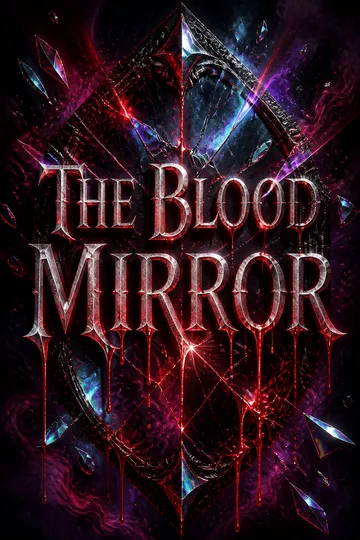
The Blood Mirror treats power as a problem of stewardship. Its magical system makes this literal: every use of luxin consumes a drafter’s finite life, while the Prism’s balancing role asks one person to manage forces no ordinary government can control. The political system echoes that arrangement. Andross believes order justifies manipulation; Koios claims liberation while preparing a war of annihilation; Kip tries to lead through candor, but even his victories require coercion, sacrifice, and compromises with slavery.
The book’s most intimate conflicts expose how easily care becomes possession. Gavin’s treatment of Marissia, Karris’s promise to Zymun, Teia’s work for the Order, and Kip’s first response to Tisis all arise from people trying to protect what they love without fully seeing it. The narrative repeatedly asks whether intention can excuse harm. Its answer is severe: good motives matter, but they do not cancel consequences. Kip’s growing leadership depends on learning to recognize the people inside his plans, while Dazen’s collapse begins when he uses forgetting as a substitute for accountability.
The final image of the repaired ceiling does not promise that the world is healed. Kip restores a fragile work of art only after he and Tisis speak honestly about what has been broken between them. The repair requires skill, patience, and continued care, not a single heroic gesture. That small achievement stands against the larger endings still unresolved: Liv chooses the White King, Teia remains inside the Order’s reach, Karris faces a compromised alliance, and Dazen sails toward an impossible task. Hope here is not certainty. It is the decision to repair what can be repaired while refusing to pretend the damage is gone.
Review Summary
People Also Read



Characters
Kip Guile
The stubborn young commanderKip is an unusually gifted drafter whose talent sits beside persistent self-doubt. Raised in poverty and accustomed to being underestimated, he often uses humor to deflect praise or hide fear. He cares intensely about the people who choose to stand with him, but his instinct to take responsibility can become impulsive and self-destructive. As a leader, he must learn to distinguish compassion from indulgence and confidence from recklessness. His marriage to Tisis forces him to practice the same patience and honesty in private that he demands of himself in war.
Gavin Guile
The broken PrismGavin is known across the Seven Satrapies for charisma, magical power, and a talent for making impossible accomplishments appear effortless. Beneath that public radiance sits a man who relies on performance, concealment, and the belief that he can repair any damage later. His relationships with Karris, Marissia, Kip, and Andross reveal how charm can coexist with profound failures of attention. He is both a formidable strategist and someone forced to confront the difference between being admired and being good.
Karris White
The Iron WhiteKarris is a former Blackguard whose speed, discipline, and blunt courage remain visible beneath the ceremonial authority of the White. She has spent much of her life managing guilt over the people she has left behind, especially her children and the men she loves. Her instinct is to act before fear can immobilize her, but leadership demands that she also wait, listen, and make decisions without certainty. She wants to protect the Seven Satrapies without surrendering her own moral judgment to the powerful men around her.
Teia
The hidden paryl ArcherTeia is a small, color-blind former slave who has earned a place among the Blackguard through tenacity and sharp observation. Her rare paryl magic makes her valuable to both the Chromeria and the Order of the Broken Eye, leaving her to navigate loyalties that cannot safely be spoken aloud. She is practical, suspicious, and capable of extraordinary courage, yet she fears that survival may require her to become someone she cannot respect. Her need for belonging is real, but so is her fierce insistence on choosing her own actions.
Andross Guile
The calculating promachosAndross is a master of political strategy who treats knowledge, family, and affection as forces to be managed. He is rarely surprised and dislikes being unable to control how events unfold. His brilliance is matched by an emotional severity that makes even his acts of care difficult to trust. He measures choices by their consequences for the state, often at the cost of the people closest to him. His relationship with his sons is marked by love, rivalry, and an inability to separate protection from manipulation.
Marissia
The White's trusted spymistressMarissia has spent years serving Gavin’s household while also working within the White’s intelligence network. Thoughtful and observant, she understands how little protection status offers to someone whose life is controlled by others. Her affection for Gavin is complicated by the role she has played beside him and the unequal terms on which they relate. She is loyal, but not merely compliant; her private judgments and carefully guarded history shape the political events unfolding around her.
Tisis Malargos
The strategic young brideTisis is a Ruthgari noblewoman raised amid family obligations, diplomacy, and the expectation that her marriage will serve a larger political design. Her beauty often causes others to mistake her for a decorative presence, a mistake she knows how to exploit. She is practical, perceptive, and more courageous than her limited combat training suggests. With Kip, she seeks a partnership that is more honest than the bargains that shaped her life, but she must first reckon with fear, shame, and the demands of her family.
Zymun
The newly claimed sonZymun is young, handsome, and suddenly thrust into the demanding role of Prism-elect. He longs for Karris’s approval and carries the wounds of an upbringing marked by rejection and abuse. His efforts to appear composed can make it difficult to judge what he truly feels. The position he occupies gives him authority before he has earned trust, while his need for maternal acceptance complicates Karris’s efforts to understand him.
Koios White Oak
The White KingKoios is Karris’s brother and the leader of the rebellion against the Chromeria. He presents himself as a liberator who intends to restore old cultures and overturn a system he considers corrupt. His physical scars and transformed body make his political identity inseparable from what he has endured. He is persuasive, strategic, and capable of seeing the weaknesses of the order he opposes, but his certainty about the future leaves little room for lives that do not fit his design.
Liv Danavis
The superviolet seekerLiv is the daughter of General Corvan Danavis and Kip’s childhood friend. Intelligent and drawn to superviolet’s cool clarity, she once hoped learning and loyalty would give her a stable place in the world. Instead, she has been pulled between the Chromeria and the White King, each treating her gifts as a resource. Her desire for independence is sincere, but she sometimes mistakes control for freedom. She is at her most vulnerable when she believes that the only way to escape someone else’s power is to take greater power for herself.
Corvan Danavis
The exiled master generalCorvan is a celebrated strategist whose military intelligence is grounded in close attention to terrain, supply, and the limits of individual soldiers. He is also a father who has endured repeated losses and is deeply devoted to the people he loves. His calm judgment in command contrasts with the grief he carries in private. Corvan’s history with Dazen and his marriage to the Third Eye place him at the crossing point of military planning, family loyalty, and prophecy.
The Third Eye
The burdened SeerThe Third Eye is a prophet whose visions help shape political and military decisions across great distances. Her gift is powerful but not omnipotent, and its demands are physically costly. She lives with knowledge that others would find unbearable, yet remains attentive to the people whose futures she can influence. Her marriage to Corvan provides a private counterweight to her public role, though she cannot always protect those she loves from the consequences of what she sees.
Ironfist
The Blackguard commanderIronfist is a disciplined Parian commander whose authority comes from competence rather than display. He expects obedience, but his training emphasizes responsibility for the people under his command. His friendship with Karris and mentorship of Teia make him a model of the Blackguard’s best ideals. Family loyalty and institutional duty are both central to him, and he has spent much of his life trying to reconcile obligations that do not always point in the same direction.
Quentin Naheed
The brilliant young luxiatQuentin is a gifted scholar whose memory and ability to master difficult subjects set him apart from his peers. Nervous and physically slight, he has often been more comfortable in books than in the company of other people. His desire to be recognized can make him vulnerable to those who promise status, while his conscience remains active even when he has failed it. His friendship with the Mighty gives him a rare experience of belonging.
Grinwoody
Andross's chief servantGrinwoody has spent decades close to Andross Guile, managing access, information, and the practical work that powerful people rarely notice. His quiet manner encourages others to underestimate him. He is patient, observant, and willing to act in ways that would horrify people with less disciplined loyalties. His identity and ambitions remain difficult to read because he has learned to survive by making himself appear less important than he is.
Murder Sharp
The Order's assassinMurder Sharp is a skilled assassin who treats surveillance, disguise, and killing as crafts to be practiced. His unsettling humor and fixation on teeth make him memorable, but they also conceal a deep dependence on the Order’s approval. He trains Teia while testing her loyalty, presenting cruelty as discipline and belonging as a reward. His confidence rests on the belief that every person can be shaped through fear and pain.
Cruxer
The Mighty's steady commanderCruxer is a disciplined young Blackguard with a gift for leadership and a strong sense of right and wrong. He prefers clear orders and dependable teamwork, sometimes struggling when Kip changes plans faster than he can absorb them. His loyalty is not blind; he challenges Kip when the group needs structure or honesty. In battle, Cruxer turns his steadiness into an advantage, protecting the squad while giving others room to grow.
Ben-hadad
The Mighty's inventorBen-hadad is a brilliant drafter and inventor who sees engineering problems where others see fixed limits. His curiosity can outpace caution, and his inventions sometimes fail spectacularly before he improves them. He values the Mighty deeply but takes particular pride in his own designs, creating tension between individual ownership and shared responsibility. His intelligence is practical as well as theoretical, and his devices repeatedly give the group capabilities it would otherwise lack.
Conn Arthur
The Deep Forest leaderConn Arthur is a formidable Blood Forest leader whose physical size can make him seem simpler than he is. He carries a heavy burden of grief and responsibility for his people, and his choices are shaped by traditions that outsiders barely understand. His bond with the forest and its animals gives him abilities few warriors can match. He is brave in battle, but his deepest conflicts arise from love, loss, and the difficulty of accepting what cannot be restored.
Sibéal Siofra
The Shady Grove guideSibéal is a pygmy will-caster and one of the refugees who helps Kip find a place in Blood Forest. Her fixed smile makes her expressions difficult for outsiders to read, so she relies on exact language and steady judgment. She knows the dangers of both the Chromeria’s prejudice and her own people’s forbidden magic. Sibéal is proud of her traditions, but she understands that secrecy and survival have sometimes demanded compromises.
Antonius Malargos
The idealistic cousinAntonius is a young Ruthgari nobleman, cousin to Tisis, and a devout believer in doing what is right. His instinct is to trust authority, especially when he believes its leaders share his ideals. That faith gives him courage, but also leaves him vulnerable to people who use obedience for their own ends. He cares deeply for Tisis and struggles when family loyalty conflicts with his religious and moral convictions.
Captain Gunner
The superstitious sea captainGunner is a celebrated Ilytian cannoneer and pirate captain who trusts his own skill more than most people’s promises. He is loud, superstitious, and fiercely proud of his reputation, but beneath the swagger lies a genuine craftsman’s eye for ships and weapons. His decisions often begin as wagers, yet he honors the bargains he makes. At sea, his nerve and expertise can turn apparent recklessness into a viable chance of survival.
Rea Siluz
The immortal librarianRea Siluz works in the Chromeria’s library and has a deep interest in rare knowledge and Nine Kings cards. She is a scholar first, but not a passive one; she recognizes when knowledge has become dangerous and acts to protect the people who encounter it. Her calm presence and unusual nature make her difficult to categorize, even for those who have studied magic all their lives.
The Mighty
Kip's Blackguard squadThe Mighty are Kip’s closest companions from Blackguard training: Cruxer, Ben-hadad, Big Leo, Ferkudi, Winsen, Teia, and others. They are a team built from distinct strengths, including command, invention, archery, drafting, and sheer physical endurance. Their teasing is part of how they manage fear, but their humor does not erase the seriousness of their loyalty. The squad gives Kip a community he never had as a child, and their affection challenges his belief that he must earn every kindness.
Plot Devices
Luxin and the Halo
Magic with a mortal costDrafters turn colored light into physical luxin, with each color suited to different kinds of work and combat. Repeated drafting stains the eyes until the halo breaks, after which a drafter risks madness and must be freed or killed. This system shapes military strategy, social privilege, and the characters’ sense of time. Kip’s rare range lets him attempt feats unavailable to most drafters, but every battle also shortens the lives of the people who fight beside him.
True Nine Kings Cards
History entering the presentJanus Borig’s original Nine Kings cards allow a drafter to experience fragments of the past as if living inside them. Kip’s exposure to the deck supplies knowledge and memories that ordinary study could not provide, sometimes helping him recognize a skill or pattern in the present. The cards are powerful but perilous: their accumulated experiences can overwhelm him, and he cannot always control which memory surfaces or when.
The Master Shimmercloak
Invisibility with limitsA shimmercloak bends and splits light, making its wearer difficult to see. Teia’s paryl magic lets her use it with exceptional effectiveness, turning her into a scout and assassin. The cloak does not erase sound, footprints, or every trace of movement, and dirt or moisture can compromise its concealment. Its power gives Teia options, but it cannot protect her from the moral consequences of the acts she commits while hidden.
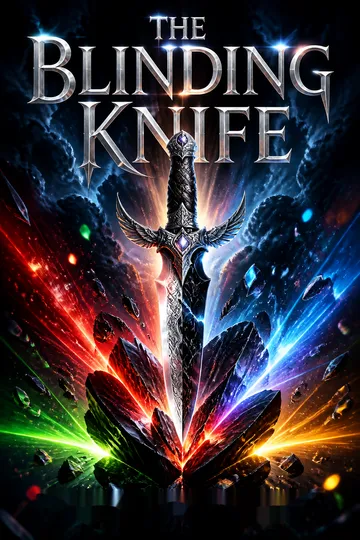
The Blinding Knife
Prisms made or unmadeThe Blinding Knife is a rare weapon tied to the creation and removal of Prisms. Its importance lies not only in its ability to alter a drafter’s powers, but in the political order built around the Prism’s unique role. Andross seeks it as a way to secure the future of the Seven Satrapies, while other forces see it as a means to attack the magical system itself. Its missing history makes it both a weapon and a contested piece of knowledge.
Seed Crystals and Bane
Power that attracts godsSeed crystals are concentrated magical sources that can draw drafters and, if allowed to develop, form banes with powers tied to the old gods. Their presence can reshape a region’s magic and make a war about more than territory. Liv’s superviolet seed crystal changes her body and ambitions, while the White King’s control of other banes gives him resources that ordinary armies cannot match. The process is dangerous because power and transformation arrive together.
Lightbringer Series



About the Author

Download PDF
Download EPUB
.epub digital book format is ideal for reading ebooks on phones, tablets, and e-readers.








