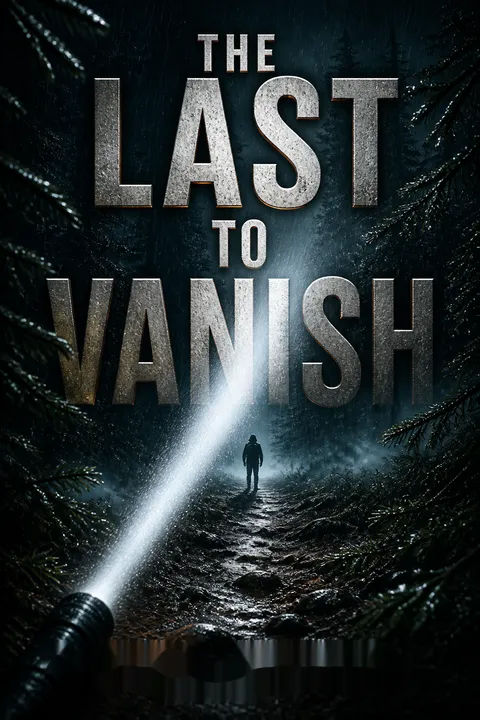


Plot Summary
The Brother at Cabin Four
In August, a storm drives Trey West to the Passage Inn, where Abby Lovett, its manager, recognizes him as the brother of Landon, a journalist who disappeared four months earlier. Trey first gives a false name, then admits who he is and asks for a room. Abby puts him in Cabin Four, where Landon had stayed, despite knowing Celeste, the inn’s owner, would prefer him gone.
Cutter’s Pass has built its tourist trade around the unsolved disappearance of four hikers twenty-five years ago and several later cases. The town calls the losses coincidence, but Trey’s arrival unsettles Abby’s carefully maintained routines. He is not simply visiting the place where his brother vanished. He has come looking for an explanation.
The book begins with hospitality as both Abby’s ethic and her vulnerability. She lets Trey into the cabin because she recognizes the human need behind his deception, yet the room makes grief physical: he is sleeping where Landon last lived. Cutter’s Pass has learned to turn danger into a marketable local identity, while Abby tries to preserve ordinary life inside it. Her choice to welcome Trey therefore disrupts more than a guest list. It reopens a history the town survives by treating as finished.
A Drive in the Bedpost
Trey stays beyond his first night, drinks heavily, and tears Cabin Four apart while searching for his brother’s phone and leather notebook. When Abby helps move the bed, a hollow bedpost reveals a flash drive. They open it on the inn’s computer using a password Trey remembers from childhood.
The drive contains photographs labeled with the name Farrah Jordan, a photographer who disappeared three years earlier, and an unfinished introduction to Landon’s investigation of Cutter’s Pass.
The images begin as blurred winter shots, then show recognizable landmarks on the Shallow Falls Trail. Their dates place Farrah farther along the route than anyone had known. Landon had hidden the drive, but the files offer no explanation of what happened to him or why he possessed her photographs.
The flash drive converts a local legend into a chain of material evidence. Landon’s private research suggests that the disappearances may be connected, but the incomplete document refuses to supply a neat theory. Trey’s childhood password is an intimate key to a dead brother’s habits, a rare moment of family knowledge in a relationship marked by distance. Abby, meanwhile, sees that an object can survive where a person cannot. The evidence creates momentum, but it also makes the inn itself feel less like shelter and more like a place where information has been hidden.
Farrah’s Winter Trail
Abby takes Trey to Shallow Falls, the place identified in Farrah’s photographs. On the trail, they meet Celeste walking alone, then reach the waterfall and find a small cairn beside a freshly cut red flower. Abby cannot tell whether it marks a path or a grave.
The sheriff later treats the recovered images as old material, not a meaningful break in the case. Their return prompts Abby to remember that Farrah had visited the inn before vanishing, asking about another missing woman, Alice Kelly.
Abby had dismissed her as a curious stranger. That night, Alice’s sister Quinn posts an old photograph of Alice wearing a distinctive hiking pack. Abby recognizes its torn label and repaired zipper: it is the pack she has used for years, taken from the inn’s lost and found.
The hike makes uncertainty bodily: narrow paths, unstable footing, and landmarks that vanish behind foliage. Yet the most consequential discovery happens afterward, through an ordinary online photograph. Abby’s pack links her daily life to a missing woman, exposing how easily abandoned property can outlast the story attached to it. Her memory of dismissing Farrah also complicates her self-image as an attentive innkeeper. The past was not inaccessible; Abby had encountered it and failed to understand what she was seeing. Recognition now arrives as guilt as much as clue.
The Locker in Abby’s Name
Abby confronts Cory Shiles, her former partner and a local tour guide, about Alice’s pack. Cory denies knowing how it reached the inn. Seeking another perspective, Abby visits repairman Harris Donald, who warns her that someone may have deliberately disconnected the inn’s phone line.
She borrows Georgia’s car and notices a small locker key on its ring. At the Edge, the outfitting shop where hikers store equipment, Abby finds her own name written beside locker 203 in the rental ledger.
Inside are Farrah’s camera, Landon’s phone, and the journal Trey had been seeking. Abby removes them before anyone can see what the locker contains. The discovery gives her evidence from three cases, but the false listing makes it appear that she arranged the hiding place herself.
The locker turns Abby’s investigation into a problem of credibility. She finds the very objects that could help solve the disappearances, but their placement under her name makes possession look like guilt. The shop’s informal paper ledger, like the inn’s lost and found, allows objects and identities to pass quietly between hands. Abby acts before notifying the sheriff because she distrusts the town’s institutions and fears being misread. That instinct may protect evidence, but it also reproduces the secrecy she is trying to expose.
Georgia’s Empty Apartment
Trey brings Abby a note from Landon’s childhood desk: the inn’s phone number beside the numbers eight and one. Trey suspects Landon meant to call someone working the daytime shift. He also reveals that he has been questioning Abby’s account and took the inn’s guest binder.
The following morning, Georgia’s apartment is bare except for a note of apology, and her car is gone. Abby then listens to the recordings on Landon’s phone. Georgia explains that hikers brought Farrah’s camera back from beyond the falls; she recognized its date and contacted Landon because her father had saved his articles.
She also noticed that the photographs changed in timing and style, suggesting another person took the later images. Georgia had kept that discovery from the town, then vanished before Abby could ask why.
Georgia’s departure reverses the role Abby had assigned her: the anxious employee is not merely frightened by disappearances but has made consequential choices of her own. Her recordings show that trust in the town is not automatic, even between colleagues who share work and a home. The detail about the altered photographs deepens the evidence without resolving it. Abby is left with both a clue and an absence, forced to recognize that care can become a form of concealment when people fear what openness will cost.
The Fraternity Five
Cory enters Abby’s apartment and finds the journal and Alice’s pack. He admits Landon called him from the inn to ask about Alice, but he refused to speak and later falsely told investigators she had been at the tavern.
His parents backed up that account, although Cory now doubts he ever saw her there. Landon’s journal lists witnesses and local residents connected to the disappearances, including Cory, the sheriff, and Abby, whose name ends with a question mark.
A separate note reads Fraternity Five, challenging the town’s settled story of four missing young men. Cory urges Abby to destroy the book, but the list shows that Landon was tracing people, not just trails. Abby and Cory share what they know, though neither can offer the whole truth.
Cory’s confession exposes how a community can manufacture certainty through repetition. A sighting he invented under pressure became a shared memory once his parents confirmed it, illustrating how loyalty can distort testimony without requiring a grand conspiracy. Landon’s list turns the town’s long continuity into evidence: the same people remained present across cases. Abby’s name among them makes belonging newly dangerous. The phrase Fraternity Five does not solve the old disappearance, but it breaks the authority of the familiar label and creates room for someone the public story excluded.
The Inn in the Reflection
Abby studies the original photograph of the Fraternity Four at the Last Stop Tavern and enlarges Neil’s reflective sunglasses on her phone. A small reflection appears to show the Passage Inn’s bare tree logo, placing someone connected to the inn behind the camera.
Rochelle, the sheriff’s office administrator, says Celeste and Vincent were among the few people running the inn then, though Vincent was away on business during the disappearance. Abby searches Celeste’s carriage house for the construction blueprints and finds the documents hidden with Vincent’s papers.
Celeste catches her in the bedroom, beside the removed frame. Abby asks what Celeste did, and Celeste does not deny taking the photograph. Her answer begins with the four young men’s final hike and the night their disappearance began.
The reflection is a small image with a large consequence: it moves the mystery from wilderness into the town’s trusted domestic center. Abby’s method is no longer simply following physical traces; she is learning to read what a photograph excludes and what its surfaces accidentally preserve. Rochelle’s account narrows the possible photographer but also raises the cost of suspicion, since Celeste is Abby’s family and benefactor. The confrontation marks a shift from investigating strangers to questioning the person who made Abby feel at home.
Four Hikers, One Gun
Celeste explains that she guided the four young men toward Shallow Falls after they insisted on hiking late. Their trip had been intended as an intervention for Brian, whose reckless behavior worried his friends. At the falls, Toby found a gun in Brian’s pack. During their argument, Brian shot Toby and Jerome, then wounded Neil.
Celeste seized the gun and shot Brian to stop him. She and Neil tried to reach help, but he died on the trail. Sheriff Patrick Stamer and Vincent came to her aid, and the men concealed what had happened rather than expose the deaths and destroy the young inn and the sheriff’s future. Celeste says the bodies were taken into the mountains, but she cannot tell Abby where they are.
Celeste’s account replaces the myth of four hikers swallowed by nature with a sequence of human choices under pressure. Brian’s violence begins within a failed attempt to rescue him, while Celeste’s intervention is both defensive and irreversible. The cover-up then grows from fear for the living, not from a plan to kill. That distinction helps explain the town’s silence without making it harmless. Celeste has spent decades preserving the inn and its people, but her protection required families to live without answers.
Neil’s Daughter Comes Home
Celeste tells Abby that Neil’s final appeal for his life included the name of the daughter he had never met: Abigail Lovett. Years later, when Abby arrived in Cutter’s Pass after her mother died, Celeste recognized the name and understood why she had come. Abby had learned that Neil was her father and hoped the town might bring her closer to him, though she never told Celeste.
Celeste gave her a job and presented her as Vincent’s niece, letting the town accept her without questions. She says she wanted to repay Neil’s last plea by caring for his child. Abby realizes that the home she built here began with a secret someone else understood. Celeste also insists that Alice, Farrah, and Landon belong to different tragedies.
The revelation binds Abby’s personal history to the town’s oldest crime, but it does not make her arrival a simple act of destiny. She came seeking a father and found a community that had buried the truth about him. Celeste’s care is genuine, yet it began under an unspoken debt, so affection and atonement have become difficult to separate. Abby must now reconsider the story of her home without discarding the real love that grew inside it. The book makes belonging emotionally true and ethically compromised at once.
Harris’s Other Name
Quinn sends Abby a clearer image of Alice’s outdoor club, where Abby recognizes Harris among Alice’s friends. Landon’s journal lists a local number beside the name James, and Harris’s full name is J. Harris Donald. When Abby calls his wife, Samantha confirms that James is his legal first name.
Harris arrives at the inn as the phone lines and lights fail. In the dark basement, Abby confronts him about Alice and Farrah. Harris admits Alice was injured after she ran from him and that he panicked; years later, Farrah recognized him and began investigating.
He had also confronted Landon after the journalist got too close. Trey appears with a flashlight as Harris raises a gun. Abby strikes Harris with a fire poker, and Trey disarms him before the sheriff arrives.
Harris is identified through a convergence of mundane records: a club photograph, a family name, a phone number. The pattern contrasts with the town’s appetite for elaborate theories. In the basement, the setting that once housed Abby becomes a trap, but her familiarity with its exits gives her a chance to act. She does not defeat Harris alone; Trey’s arrival and the sheriff’s response matter. The climax therefore resists the fantasy of a solitary investigator. Survival depends on people finally making the danger visible to one another.
The Town Keeps Its Ghosts
Harris is arrested, and investigators find Alice, Farrah, and Landon buried separately on his neglected family property. Blood from Landon is also found in Harris’s van. Samantha takes their daughter away.
At the station, Patrick admits he handled the crime scene and gun after the Fraternity Four killings, but says only Vincent knew where the bodies were hidden; Vincent is dead. Abby refuses Trey’s request for Landon’s journal and destroys the accumulated evidence, including what could reopen the old case.
The Last Stop photograph disappears, reportedly taken by a tourist. Georgia returns briefly to apologize, then leaves again, choosing not to stay. Abby remains at the inn, hires new local help, and leads guests toward the trail, answering their questions from inside the story rather than outside it.
The resolution delivers justice for the recent victims but not a complete historical reckoning. Harris’s property yields three bodies, while the Fraternity Four remain unlocated and the people who know most about them are gone or silent. Abby’s destruction of the evidence protects the living town from renewed scrutiny, but it also denies families the possibility of fuller answers. Her choice repeats the logic she has condemned in others, though now she understands its emotional price. By guiding visitors herself, Abby takes control of the town’s story without pretending that control is innocence.
Analysis
The mystery in The Last to Vanish is not simply who took the missing people. It is how a community builds a livable account of events it cannot bear to resolve. Cutter’s Pass converts disappearances into a tourist identity, but its residents also protect one another through omissions, invented sightings, and selective memory. Those acts begin as responses to fear and loyalty; over time, they become a system that prevents the missing from being understood as individuals.
Abby’s position makes that system visible. She is loved by the town and still treated as someone who arrived from outside. Her work depends on noticing details, yet she has also accepted the comforting stories that let the inn function. Discovering Alice’s pack forces her to see that proximity is not the same as knowledge. The objects she finds are evidence, but they are also burdens, because possessing them makes her part of the town’s ongoing choices about disclosure.
The novel’s strongest psychological tension lies between care and control. Celeste shelters Abby from the truth, Cory withholds information to protect his family, and Georgia hides evidence because she distrusts the people around her. Their motives are not identical, but each person treats silence as a form of protection. The result is an ethical trap: telling the truth may damage the living, while concealing it prolongs the suffering of those left behind.
The ending refuses clean restoration. Harris is caught and three missing people are found, but the old disappearance remains unresolved, and Abby chooses to destroy evidence rather than reopen every wound. Her final role as a guide suggests that she will shape the town’s story from within. That choice is neither simple redemption nor surrender. It shows how easily survival can inherit the same methods as concealment, even when the person making the choice understands the cost.
Review Summary
The Last to Vanish receives mixed reviews, with praise for its atmospheric setting and intriguing premise centered around disappearances in a small mountain town. Some readers found it slow-paced and boring, while others enjoyed the suspenseful build-up and unexpected twists. The main character, Abby, garnered both criticism and appreciation. Many reviewers noted that the book differs from Miranda's previous works, with some considering it her best yet and others feeling disappointed. Overall, opinions varied widely on the novel's pacing, character development, and resolution.
People Also Read




Characters
Abby Lovett
Innkeeper turned investigatorThe Passage Inn’s observant manager, Abby arrived in Cutter’s Pass as a teenager after her mother died and slowly built a home under Celeste’s care. She notices details others overlook, from a missing walking stick to a flaw in a photograph, and often imagines the stories people do not tell. That habit makes her perceptive but also vulnerable to projection. Abby’s loyalty to the inn and its people gives her a strong sense of responsibility, while her outsider status leaves her alert to what the town refuses to explain. She wants to protect guests, preserve her chosen family, and understand the past without losing the life she has made.
Trey West
Brother seeking answersLandon West’s brother, Trey arrives at the inn after being away when Landon disappeared. He is impulsive, grief-struck, and willing to press into places others would leave alone. His distance from Landon leaves him with guilt as well as unanswered questions, and he tries to turn research into a way of recovering a relationship that had grown thin. Trey can be charming, but under stress he becomes erratic and distrustful. His partnership with Abby rests on shared urgency rather than easy intimacy, and his search repeatedly tests how much risk a person should accept for the truth.
Celeste
The inn’s protective founderCeleste built the Passage Inn with her late husband, Vincent, and treats the property and its people as an extension of her family. Practical, capable, and difficult to impress, she shows affection through responsibility more readily than praise. She gave Abby work and a place to live when the younger woman had nowhere else to go. Celeste’s attachment to the mountain is both spiritual and personal, shaped by years of walking its trails and tending the inn. Her strength can reassure those around her, but it also makes her instinctively protective of the community she has spent a lifetime building.
Landon West
Missing investigative journalistTrey’s older brother, Landon came to Cutter’s Pass presenting himself as a writer seeking quiet. In reality, he was investigating the town’s long record of disappearances. He was observant, secretive about his work, and willing to record conversations without others’ knowledge. His unfinished research survives in scattered objects and notes, inviting others to reconstruct both his methods and his fate. Landon’s absence shapes the choices of his brother, Abby, and several residents, even though few of them understood what he was pursuing while he was alive.
Georgia
Watchful front desk clerkAbby’s colleague and housemate, Georgia left a hiking group and stayed in Cutter’s Pass after arriving exhausted and uncertain. She is candid about her fears and attentive to small signs of danger. Her routines help keep the inn running, while her anxiety reflects how deeply the disappearances have affected its staff. Georgia wants stability and connection, but she remains guarded about the experiences that brought her to the mountains.
Cory Shiles
Charming local tour guideThe tavern owners’ son, Cory leads history tours that make Cutter’s Pass’s disappearances part of its tourist appeal. He is sociable, confident, and skilled at keeping conversations light, especially when they approach matters he would rather not discuss. He and Abby once had a relationship, and their shared history leaves both affection and distrust between them. Cory is deeply rooted in the town, though his easy manner can obscure how seriously he takes its unwritten rules.
Harris Donald
The town’s repairmanHarris handles wiring and maintenance for the inn and other local businesses. He is steady, helpful, and proud of his young daughter, often wearing a handmade bracelet she gave him. After spending time away, he returned to family land outside Cutter’s Pass and built a contracting business. His practical competence makes him someone Abby is accustomed to trusting, while his connection to the town’s older generation gives him access to histories she does not share.
Patrick Stamer
Sheriff bound to townThe sheriff of Cutter’s Pass, Patrick has known many of the town’s residents since childhood. His regular visits to the inn and the Last Stop make him part of the community’s daily rhythm. He presents himself as measured and reassuring, especially when visitors revive old cases. His long ties to local families complicate the boundary between public duty and private loyalty.
Rochelle
Sheriff’s office gatekeeperA capable administrator at the sheriff’s office, Rochelle manages information with the confidence of someone who knows how quickly gossip travels. She grew up in Cutter’s Pass and distrusts outsiders who treat its tragedies as entertainment. Her sharp opinions and access to local records make her a difficult person to dismiss, though she does not share everything she knows.
Alice Kelly
Missing student hikerA college student and experienced hiker, Alice left her group during a trip near Cutter’s Pass and was never found. Friends remember her as independent and purposeful. Photographs shared by her younger sister reveal a lively young woman whose private relationships and ambitions were largely absent from the public account of her disappearance.
Farrah Jordan
Photographer seeking old truthA nature photographer and instructor, Farrah disappeared after visiting Cutter’s Pass during a winter drive. She was curious about an earlier missing woman and asked questions that brought her into contact with people at the inn. The images associated with her camera preserve a partial record of her final journey.
Vincent
The inn’s late architectCeleste’s late husband helped design and build the Passage Inn. Abby knows him through photographs, the structure he left behind, and Celeste’s memories. His absence is felt in the inn’s routines and in the responsibilities Abby gradually assumes.
Sloane
Abby’s distant closest friendAbby’s closest friend, Sloane once worked in Cutter’s Pass and later moved to Virginia for a new position. They maintain their bond through occasional photographs that reassure each other they are still present in one another’s lives.
Ray Shiles
Steady tavern ownerCory’s father and co-owner of the Last Stop Tavern, Ray is practical and reserved. He grew up with Patrick Stamer and values the town’s stability, preferring not to feed visitors’ appetite for theories.
Marina Shiles
Tavern’s welcoming co-ownerRay’s wife and Cory’s mother, Marina is warm, sociable, and alert to local gossip. She supplies food for the inn’s happy hours and often notices shifts in the town before others acknowledge them.
Jack Olivier
Outfitter and trail guideA longtime local, Jack works at the Edge and leads outdoor programs. He knows the trails and the hikers who pass through town, and once gave Farrah directions toward Shallow Falls. His easy professionalism conceals a complicated relationship with the place he has chosen to remain.
Quinn
Alice’s devoted younger sisterQuinn keeps Alice’s memory alive through a public online tribute. By sharing family photographs, she gives Abby a view of Alice beyond the town’s familiar missing-person image.
Samantha Donald
Harris’s wary wifeHarris’s wife and mother to their young daughter, Samantha has struggled to feel at home near Cutter’s Pass. Her concern about the town’s disappearances reflects the unease residents often minimize.
Neil Smith
One of four missing hikersNeil was one of four longtime friends who came to Cutter’s Pass on an annual trip. The town remembers him through the last photograph of the group and the unresolved questions surrounding their disappearance.
Brian
The trip’s energetic plannerBrian was a former college athlete and the usual organizer of the friends’ annual adventures. His friends knew him as forceful and adventurous, though their final trip carried worries they had not shared publicly.
Jerome
Friend on the final tripOne of the four friends, Jerome grew up in Washington, DC, surrounded by a large extended family. He joined the final journey with a history of loyalty to the group.
Toby
Friend on the final tripOne of the four friends, Toby attended boarding school while his parents moved between cities for work. He was close to Brian and helped bring the group together for their final trip.
Plot Devices
The Missing Hikers’ Belongings
Evidence that changes handsThe novel lets objects carry evidence across years: Alice’s pack turns up in the inn’s lost and found, Farrah’s camera preserves a sequence of winter images, and Landon’s flash drive, phone, and journal survive his disappearance. Each object is separated from its owner and passed through ordinary places, including a guest room, a basement, and an outfitter’s locker. Their movement creates a trail that people failed to follow while the missing were still alive. The objects also complicate Abby’s role, because she has unknowingly kept Alice’s pack and later takes possession of evidence that could make her look culpable.
The Fraternity Photograph
A reflection breaks the legendThe Last Stop’s framed photograph has become the town’s public image of the Fraternity Four. Visitors treat it as confirmation that four friends entered the mountains and vanished. When Abby enlarges the reflection in Neil’s sunglasses, she sees the Passage Inn’s logo, redirecting suspicion toward someone close to the inn. The photograph does not provide a clear face or a complete account, so its value lies in an overlooked detail rather than certainty. It also shows how a commemorative image can freeze a partial story into public memory while hiding the person and circumstances outside the frame.
Cutter’s Pass’s Dead Zones
Isolation delays helpThe town’s unreliable phone service and the inn’s intermittent lines turn geography into a practical obstacle. Calls fail during storms, cell reception depends on location, and help is not always close at hand. This isolation reinforces the residents’ habit of handling problems internally, even when secrecy makes them worse. The phone lines also become evidence: a disconnected wire can look like ordinary wear until Harris notices it has been deliberately disturbed. In the climax, the loss of light and communication makes Abby rely on her knowledge of the building and on the chance that someone else will notice what is happening.
Cutter’s Pass’s Local Records
Small records expose hidden linksThe story’s clues are kept in low-tech systems: the inn’s handwritten binder, the Edge’s locker ledger, old phone numbers, family photographs, and construction blueprints. Each record is incomplete and vulnerable to error, but their inconsistencies matter. A name written beside a locker, a time beside the inn’s number, and a legal first name in an old photograph help Abby connect people who appear unrelated. The records also reflect the town’s habits. Cutter’s Pass relies on personal knowledge and local trust, which makes information easy to share among insiders and difficult for outsiders to verify.
FAQ
Synopsis & Basic Details
What is The Last to Vanish about?
- Haunted town, missing visitors: The Last to Vanish centers on Cutter's Pass, a town with a dark history of disappearances, and the arrival of Trey West, whose brother vanished there.
- Secrets and investigations: The story follows Abby Lovett, the inn manager, as she gets drawn into the mystery, uncovering hidden clues and unsettling truths about the town and its residents.
- Past and present collide: The narrative explores the interconnectedness of past and present disappearances, revealing a web of secrets and a town grappling with its notorious reputation.
Why should I read The Last to Vanish?
- Intricate mystery: The novel offers a complex and suspenseful mystery with unexpected twists and turns, keeping readers engaged until the very end.
- Character-driven narrative: The story delves into the psychological complexities of its characters, exploring their motivations, fears, and desires, making them relatable and compelling.
- Atmospheric setting: The haunting and atmospheric setting of Cutter's Pass adds to the suspense, creating a sense of unease and foreboding that permeates the narrative.
What is the background of The Last to Vanish?
- Appalachian setting: The story is set in a small town near the Appalachian Trail, a location that adds to the sense of isolation and the potential for disappearances.
- Tourism and notoriety: The town's economy relies on tourism, drawn by its proximity to the trail and its dark history, creating a tension between its welcoming facade and its dangerous reputation.
- Local legends and rumors: The town is steeped in local legends and rumors about past disappearances, which contribute to the sense of unease and the feeling that something sinister is lurking beneath the surface.
What are the most memorable quotes in The Last to Vanish?
- "It never is.": Abby's response to Trey's comment about the town not being what he expected highlights the theme of distorted perceptions and the gap between reality and expectations.
- "Everyone here is afraid of disappearing. And that no one else would notice before it was too late.": This quote encapsulates the underlying fear and vulnerability of the characters, emphasizing the theme of isolation and the desire for connection.
- "By the time you realized what you were seeing here, it was too late. It was already gone.": This quote underscores the theme of time and the elusive nature of truth, suggesting that the past is always just out of reach.
What writing style, narrative choices, and literary techniques does Megan Miranda use?
- Dual timelines: The narrative skillfully weaves between the present investigation and the past events, creating suspense and revealing connections between the disappearances.
- First-person perspective: The story is told from Abby's point of view, allowing readers to experience the mystery through her eyes and to understand her internal struggles and motivations.
- Foreshadowing and red herrings: Miranda employs subtle foreshadowing and red herrings to keep readers guessing, creating a sense of unease and uncertainty that permeates the narrative.
Hidden Details & Subtle Connections
What are some minor details that add significant meaning?
- The tree logo: The recurring image of the bare tree, featured on the inn's umbrellas and wine labels, symbolizes the town's history and the fragility of life, foreshadowing the disappearances.
- The walking sticks: The walking sticks at the inn, initially seen as a simple amenity, become a symbol of the trail's dangers and the need for protection, highlighting the town's dual nature.
- The color red: The color red, seen in Farrah's scarf and a single flower, becomes a recurring motif, symbolizing danger, passion, and the haunting presence of the missing.
What are some subtle foreshadowing and callbacks?
- The phone lines: The recurring issue with the phone lines foreshadows the isolation and vulnerability of the characters, hinting at a deliberate attempt to cut them off from the outside world.
- The description of the cabins: The description of the cabins as "more rustic" and "mainly used for either long-term stays or purposes such as this" foreshadows the sinister events that unfold within them.
- The mention of the squirrels: The seemingly throwaway line about squirrels in the eaves foreshadows the noises Trey hears, creating a sense of unease and paranoia.
What are some unexpected character connections?
- Abby and Neil Smith: The revelation that Abby is the daughter of Neil Smith, one of the Fraternity Four, creates a profound connection between her and the town's history, adding a personal stake to her investigation.
- Celeste and Sheriff Stamer: The subtle hints at a past relationship between Celeste and Sheriff Stamer add another layer of complexity to their characters and their motivations, suggesting a shared history that has shaped their actions.
- Georgia and Landon West: The connection between Georgia and Landon West, through her father's past, adds a layer of complexity to her character and her motivations, suggesting a hidden connection to the town's history.
Who are the most significant supporting characters?
- Celeste: As the owner of the inn, Celeste is a complex character whose past actions and secrets are central to the mystery, making her a key figure in the narrative.
- Rochelle: As the sheriff's dispatcher, Rochelle's knowledge of the town's history and her access to information make her a significant supporting character, adding another layer of complexity to the investigation.
- Cory: As a local tour guide, Cory's knowledge of the town's history and his connection to the disappearances make him a significant supporting character, adding another layer of complexity to the mystery.
Psychological, Emotional, & Relational Analysis
What are some unspoken motivations of the characters?
- Celeste's guilt: Celeste's actions are driven by a deep sense of guilt and responsibility for the past, leading her to protect the town and its secrets at all costs.
- Harris's fear: Harris's actions are motivated by a deep-seated fear of exposure and the consequences of his past actions, leading him to take drastic measures to protect himself.
- Georgia's anxiety: Georgia's anxiety stems from her past trauma and her fear of losing control, leading her to seek stability and security in a place that is inherently unstable.
What psychological complexities do the characters exhibit?
- Abby's identity crisis: Abby's journey is marked by an internal struggle to reconcile her past with her present, as she grapples with her identity and her place in Cutter's Pass.
- Trey's grief and obsession: Trey's grief over his brother's disappearance fuels his obsession with finding answers, leading him down a dangerous path of self-discovery.
- Celeste's stoicism and vulnerability: Celeste's stoic exterior hides a deep vulnerability and a sense of responsibility for the town's past, making her a complex and compelling character.
What are the major emotional turning points?
- Abby's discovery of her father's identity: The revelation that Abby is the daughter of Neil Smith, one of the Fraternity Four, is a major emotional turning point, forcing her to confront her past and her connection to the town's history.
- Celeste's confession: Celeste's confession about her involvement in the Fraternity Four's disappearance is a major emotional turning point, revealing the depth of her guilt and the burden she has carried for years.
- Abby's confrontation with Harris: Abby's confrontation with Harris is a major emotional turning point, forcing her to confront the true nature of the town's secrets and the danger she faces.
How do relationship dynamics evolve?
- Abby and Trey: The relationship between Abby and Trey evolves from a shared desire for answers to a complex bond marked by trust, suspicion, and a shared understanding of loss.
- Abby and Celeste: The relationship between Abby and Celeste evolves from a mentor-mentee dynamic to a complex bond marked by shared secrets, guilt, and a deep sense of responsibility.
- Abby and Georgia: The relationship between Abby and Georgia evolves from a close friendship to a strained connection marked by suspicion and a growing awareness of their differences.
Interpretation & Debate
Which parts of the story remain ambiguous or open-ended?
- The fifth member of the Fraternity Four: The possibility of a fifth member of the Fraternity Four is left open-ended, suggesting that there may be more to the story than what is known.
- The true nature of Cutter's Pass: The true nature of Cutter's Pass, whether it is a place of danger or a place of healing, remains ambiguous, leaving readers to draw their own conclusions.
- The future of the characters: The future of the characters, particularly Abby, is left open-ended, suggesting that their journey of self-discovery is ongoing and that the town's secrets may continue to haunt them.
What are some debatable, controversial scenes or moments in The Last to Vanish?
- Celeste's actions: Celeste's decision to cover up the truth about the Fraternity Four's disappearance is a controversial moment, raising questions about her motivations and the morality of her actions.
- Harris's motivations: Harris's actions are open to interpretation, as it is unclear whether he was driven by a desire to protect himself or a genuine belief that he was doing the right thing.
- Abby's choices: Abby's choices throughout the story, particularly her decision to trust certain characters and her willingness to put herself in danger, are open to debate, raising questions about her judgment and her motivations.
The Last to Vanish Ending Explained: How It Ends & What It Means
- The truth is revealed: The ending reveals the truth about the disappearances, exposing the dark secrets of Cutter's Pass and the people who have been complicit in maintaining them.
- Justice is served: While the ending provides a sense of closure, it also leaves readers with a sense of unease, as the consequences of the past continue to haunt the characters.
- A new beginning: The ending suggests that while the past cannot be undone, it is possible to move forward and create a new future, one that is informed by the lessons of the past.
About the Author
Other books by Megan Miranda


Download PDF
Download EPUB
.epub digital book format is ideal for reading ebooks on phones, tablets, and e-readers.








