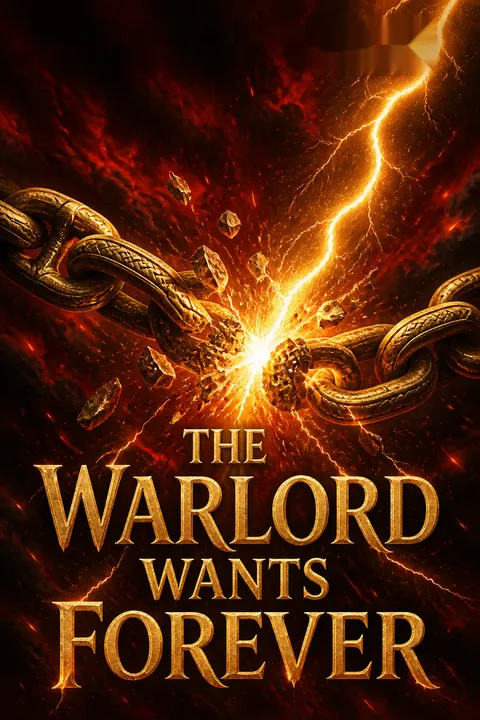


Plot Summary
Prologue
The Valkyrie begin with a dying warrior. As she falls in battle, the gods Freya and Wóden preserve her courage, and her daughter inherits their power and temperament.
In later ages, the same lightning answers other brave women of the Lore as they die, gathering them into a supernatural sisterhood. The origin establishes the Valkyrie as fighters shaped by courage, kinship, and divine force, not simply as creatures of legend.
The origin story makes female courage the source of a people, rather than a virtue bestowed by a male hero or earned through obedience. The gods do not rescue the wounded warrior from her choices; they preserve the quality that has defined them. That pattern becomes a useful frame for Myst, whose strength and appetite for risk coexist with vulnerabilities she rarely admits. Lightning is both nourishment and visible emotion, so power in this story is not detached from feeling. The Valkyrie are strongest as a collective, yet the prologue begins with one isolated woman, joining individual bravery to chosen kinship.
Oblak's Prisoner and Warlord
Five years before the main action, Nikolai Wroth leads a rebel vampire army against the castle of Ivo the Cruel. Myst, an immortal prisoner in Ivo's dungeon, watches Wroth fight and recognizes that his new king's forces lack knowledge of the Lore. After the castle's defenders flee, Wroth finds her and demands information, but Myst will not swear loyalty to his cause or help vampires she considers enemies.
She correctly guesses that Ivo burned the records the rebels hoped to seize. Her insight makes her valuable to Wroth, though he still treats her as a possible source to interrogate. He brings her to his quarters, where her teasing confidence unsettles a commander accustomed to controlling every exchange.
The first meeting places two forms of power in direct competition. Wroth commands soldiers and can take a fortress, but Myst reads the political landscape more clearly than he does. Her refusal to cooperate is not ignorance or coyness; it is a defense of loyalties he has not yet learned to recognize. Wroth's attention to her begins as desire, but the practical need for information keeps him from simply dismissing her. The scene establishes a central tension: his instinct is to convert uncertainty into control, while Myst survives by making herself difficult to classify or possess.
Blood Awakens the Bride
In Wroth's room, Myst gives him fragments of Lore knowledge while refusing to identify herself. Their attraction grows, but he is an unblooded vampire, unable to feel sexual desire until he meets his destined Bride. The next night, Wroth returns her to the dungeon and prepares to force answers from her.
Myst's tears are genuine, and their effect breaks through his suspicion: his heart starts beating, and he realizes she is his Bride. He begins to blood her, but Lucia and Regin arrive and pin him with arrows. Myst gives him a taste of her blood before escaping with her sisters. The blood leaves Wroth with an unbearable desire that only Myst can relieve.
The Bride bond turns attraction into a biological certainty, but it does not create mutual trust. Wroth's recognition arrives precisely as he is preparing to hurt Myst, making the revelation morally unstable rather than serenely romantic. Myst's tears expose an emotional self beneath her theatrical seduction, yet Wroth understands them as proof of connection only after he has already threatened her. Her sisters' intervention restores the freedom she was about to lose. The scene plants the story's central question: whether a bond that feels fated can become a relationship chosen freely by both people.
Five Years of Hunger
Wroth spends five years searching for Myst while suffering from the blood she left in him. It makes other blood unpalatable and carries her memories into his sleep. He first sees fragments that suggest she has been pursued and desired by powerful men, then a gathering of Valkyrie sisters debating how to raise Emmaline, a child with vampire and Valkyrie heritage.
The visions reveal that Myst belongs to the sisterhood and lives in New Orleans. Wroth has kept these memories secret, fearing his fellow Forbearers would see him as corrupted. With his brother Murdoch's help, he reaches the city and searches Bourbon Street. There, he finally spots Myst above the crowd, surrounded by the noisy life he has spent years imagining.
The memory bond is both a clue and a violation of privacy. Wroth learns how to find Myst, but the visions also teach him fragments of her history without her consent, leaving him to mistake partial scenes for a complete character. His silence protects his standing among the Forbearers, while his fixation narrows his emotional world to one absent woman. The episode also widens the story's politics: the Valkyrie shelter a child who complicates the usual division between vampire and enemy. Myst's world is not simply a rival army. It is a family with its own history of fear, protection, and internal disagreement.
The Chain Takes Command
When Myst tries to escape across the rooftops, Wroth traces after her and catches her in a courtyard. He does not force himself on her there, but he uses her body to relieve years of pent-up desire, then insists they begin again as a couple. Myst refuses, reminding him that she is free to leave.
During the struggle, Wroth snags the gold chain at her waist and discovers that commands spoken while holding it compel her body to obey. He orders her to kneel, then takes her to Blachmount, his neglected manor in Estonia, and locks the chain away. Myst is now his prisoner by a magical mechanism, even as Wroth tells himself that he is building a shared home.
The chain makes the difference between desire and power impossible to ignore. Wroth can interpret their bond as destiny, but Myst's body demonstrates that destiny does not equal consent. The chain's authority gives him the ability to make her move while preserving the appearance of a relationship, a contradiction he recognizes only unevenly. His offer of a home is therefore contaminated by the means used to keep her there. Myst's resistance is not a rejection of attraction; it is a refusal to let attraction erase her right to choose. That distinction governs the conflict ahead.
Val Hall, Then Flight
Wroth takes Myst to Val Hall, the sprawling New Orleans home shared by the Valkyrie, so she can collect her belongings. The noisy coven makes clear how much of her life exists beyond him; he also sees Emmaline, the quiet young woman whose mixed heritage unsettles the Valkyries' hatred of vampires. When Myst hears that Ivo has appeared nearby, she runs.
Wroth catches her before she can reach the street, his fear of losing her turning into a violent attempt to claim her. Myst fights him, but his bite changes the encounter: its supernatural pleasure overwhelms her resistance, and she eventually yields to the sexual encounter. Her sisters arrive to find them together, and Wroth traces Myst away before they can attack him.
This sequence deliberately refuses an easy distinction between bodily response and consent. Myst's pleasure is real, but it begins in a scene where Wroth has captured her and acts from possessive panic. Her eventual surrender does not make the initial coercion disappear. The intrusion of the Valkyrie sisters restores the social context that Wroth has tried to isolate her from: Myst is not an unattached prize but a member of a community with its own judgments and protections. Emmaline's presence quietly complicates that community's absolutes, while Ivo's return shows that Wroth's private struggle is unfolding amid a wider threat.
Lightning in the Clearing
At Blachmount, Wroth and Myst begin a more intimate exchange, and she discovers that his bite brings pleasure rather than the pain she expected. He drinks living blood for the first time, breaking the Forbearers' rule against feeding directly from a living body. Myst explains that vampires become red-eyed and mad through repeated killing, not through one consensual feeding from an immortal.
Regin and Lucia interrupt, suspicious of Wroth, but he does not attack them and traces Myst away. At the rebel stronghold, King Kristoff learns what Wroth has done and warns that the army will destroy him if he turns. Wroth returns to Myst, who asks him to give back her chain so she can decide their future without compulsion.
The bite reverses what both characters thought they knew about vampire hunger. Wroth's order has treated restraint as the only defense against corruption, while Myst distinguishes intimacy from killing and offers him a less destructive way to feed. Yet the new physical pleasure does not erase the coercive structure around it; the chain remains withheld, and Myst's request is specifically for the conditions of choice. Wroth's refusal to fight her sisters is a meaningful act of restraint, but it is not yet enough to make him trustworthy. The scene allows genuine tenderness to emerge without pretending that tenderness repairs captivity.
Two Weeks Without Chains
Wroth promises to return the chain after two weeks, giving Myst time to decide whether she wants him freely. During that interval, they travel together and speak about their histories. Myst learns how Wroth lost most of his human family to plague, while he hears about Valkyrie customs and their shared power. He gives her a jeweled cross, discovering that glittering objects can overwhelm her attention.
Myst helps him understand the Lore, and he brings her an Xbox after she admits how much she enjoys games. Their physical relationship becomes openly mutual, and she catches herself running into his arms. Still, Wroth hides the memories he sees in sleep, and his jealousy of her past grows beneath their growing intimacy.
The two-week promise creates a small experiment in freedom inside a relationship that remains structurally unequal. Wroth can offer care, curiosity, and practical attention, and Myst can respond with affection; neither fact cancels the withheld chain. Their exchanges matter because they are specific: he listens to the losses that shaped her people, and she learns the family grief beneath his discipline. The cross and the game console function as tests of attention and generosity, revealing how ordinary objects can carry intimacy. Wroth's secret dreams, however, show that he still prefers inference to vulnerable conversation, and that choice will undo some of what they build.
Love Misread as Deception
A new dream shows Wroth that Myst had planned to pretend she wanted him in order to recover her chain. He mistakes that early plan for her present feelings and, on the day he promised to return it, reneges. He uses the chain's power to silence her and considers changing her desires and erasing her ties to the Valkyrie.
Before he can act, a summons reports that Murdoch has been badly injured by vampires allied with Ivo, including turned demons. Murdoch confirms that Ivo is seeking a mixed-blood woman, not Myst, and rebukes Wroth for trying to control the woman he claims to love. Wroth returns to Blachmount remorseful, but Myst is already preparing to escape the captivity he has restored.
Wroth's error is not simply that he misreads a dream. He treats a partial memory as more authoritative than the living person who has repeatedly shown him what she wants. His fear of abandonment becomes a rationale for taking away the very freedom that would make her staying meaningful. The intervention of Murdoch offers a counter-model of masculinity grounded in self-correction: he names Wroth's failure without denying his capacity to change. Meanwhile, Ivo's search for a mixed-blood woman links the lovers' crisis to the political danger around Emmaline. Private control and public violence are converging, but only one of them is Wroth's responsibility.
The Coven's Safe Opens
As Wroth sleeps, Myst claws through the stone around the safe and escapes with the chain. His dreams then show him the context he had missed: Myst used herself as bait to punish men who preyed on women, and her grief over a child's death left her beside a grave for days.
He wakes to find her gone and follows her to Val Hall, where the coven opens the magically protected safe and Myst recovers the chain and a ring. She joins Regin and Cara to fight ghouls in a cemetery. Wroth joins the battle and apologizes, but Myst still cannot trust him. Before they can settle anything, Ivo's men seize her, giving Wroth an impossible choice between her life and his own.
The memories Wroth finally sees do not make Myst innocent of violence; they make her violence intelligible. Her disguises and seductions serve a protective purpose shaped by losses he could not see, while his earlier dreams reduced those actions to evidence against her. The chain's recovery gives Myst back the ability to act, and her return to combat restores an identity Wroth had tried to replace with domestic safety. Yet the reconciliation remains incomplete. Wroth can apologize, but trust cannot be commanded back into existence. Ivo exploits that gap by making Wroth prove what he values through an immediate, irreversible decision.
Death Under the Oaks
Ivo's demon ally holds Myst at the cemetery and demands that Wroth step into the rising sun. Wroth agrees, choosing her survival over his own, and remains in the light as it begins to burn him. Myst refuses to accept his death. She breaks free, draws a direct strike of lightning from the gods, and tears through Ivo's fighters with a sword.
Ivo escapes by tracing away, but Myst reaches the burning Wroth and offers him her blood. Regin and Cara arrive as he lies unconscious, and Myst, badly injured, asks them to help. The sisters bring Wroth to Val Hall, where he remains unconscious for five nights while Myst stays beside him.
Wroth's decision answers the question his earlier possessiveness could not: whether he values Myst as a person or as the solution to his own loneliness. He gives up control and accepts death rather than bargain with her life. Myst's lightning is not merely a weapon; it is the power of a community and a lineage answering her danger. Her victory is costly, and Ivo's escape prevents the scene from offering a neat political resolution. Most important, Myst asks her sisters for help. The woman who has long relied on self-sufficiency lets her family witness need and share the burden.
Val Hall's New Groom
Wroth wakes at Val Hall to find Myst crying over him, then striking him for risking his life before embracing him. She explains that she began to love him soon after their reunion, despite her original plan to manipulate him and despite the harm he caused. Wroth apologizes for the captivity and for trying to alter her mind.
Myst accepts the possibility of a future, but makes clear that he must earn her trust and make an effort with her sisters. Regin and Cara are willing to consider him, though the coven still distrusts vampires and Kristoff's faction. Myst has also claimed the diamond ring Wroth left in the safe. They face unresolved family and political tensions together rather than pretending those differences have vanished.
The ending resolves the romantic question through an offered future, not through fate alone. Myst's love does not excuse Wroth's coercion; she names his wrongs and makes continued relationship conditional on his effort. Wroth's apology matters because he no longer presents his desire as a right. Her sisters' guarded willingness to reconsider him keeps the ending socially grounded: the couple cannot simply retreat from the communities that formed them. The ring offers a conventional symbol of commitment, but Myst's decision to take it is also an act of acquisition on her own terms. Their future is chosen, imperfect, and still accountable.
Analysis
The story's most productive tension lies between supernatural inevitability and interpersonal consent. The Bride bond gives Wroth a reason for his sudden bodily awakening, but it cannot authorize his actions. The chain makes that distinction material: Myst's body can be compelled even while her feelings remain resistant. Wroth's most serious failures occur when he treats certainty of destiny, or certainty inferred from her memories, as permission to govern her. His eventual willingness to face death for Myst matters because it relinquishes control, not because sacrifice automatically cancels what came before.
Myst's apparent frivolity is a survival technique as well as a pleasure. Her teasing and erotic performance let her shape other people's expectations, but the memories Wroth eventually sees reveal how that performance has been formed by violence, grief, and the need to defend others. The story does not make her strength synonymous with emotional invulnerability. Her most consequential change is allowing her sisters to help when she cannot save Wroth alone. The communal structure of the Valkyries therefore provides a counterweight to the couple's intense, isolating bond.
The vampire politics deepen the same question of restraint. The Forbearers define themselves by refusing to kill for blood, while Ivo's faction uses power without such limits. Myst offers Wroth a distinction between feeding and killing, intimacy and consumption. Yet the plot also exposes how easily a rhetoric of protection can become domination, especially when Wroth keeps Myst from her family in the name of safety. Their ending is hopeful but not frictionless: Ivo escapes, the factions remain wary, and Myst requires Wroth to earn acceptance. The romance succeeds not by making conflict disappear, but by making accountability part of the future they choose.
Review Summary
The Warlord Wants Forever receives mixed reviews, with an average rating of 4.03 out of 5. Many readers praise the steamy romance, unique world-building, and entertaining characters, particularly the Valkyrie. Some find the novella a strong introduction to the Immortals After Dark series, while others criticize the dubious consent themes and lack of character development. Despite controversial elements, many readers express enthusiasm for continuing the series, drawn in by Cole's writing style and the paranormal world she creates.
People Also Read
Characters
Myst
The coven's fierce flirtMyst is an immortal Valkyrie known for her beauty, sharp wit, appetite for fine things, and talent for making men underestimate her. She reads power quickly and uses flirtation as both entertainment and leverage, but her performance conceals a long memory of violence and grief. Her loyalties are rooted in the Valkyrie sisterhood, whose shared strength matters as much as her own formidable abilities. Myst resists being defined by any man's desire, even when she is drawn to the discipline and scars of a warrior. Her humor keeps others at a distance, while her curiosity and capacity for tenderness make that distance less complete than she pretends.
Nikolai Wroth
The disciplined vampire warlordWroth is an Estonian-born commander who became a vampire after dying in battle. He is strategic, physically imposing, and accustomed to treating duty as the clearest answer to uncertainty. Loyalty to King Kristoff and his surviving brothers gives structure to an existence shaped by war and loss. Wroth's self-command is real, but it can harden into a belief that his judgment should govern other people. His attraction to Myst unsettles his discipline and exposes how little experience he has with intimacy. Beneath the warlord's certainty is a man who fears losing family again, a fear that can make care slide toward possession.
Murdoch
Wroth's blunt younger brotherMurdoch is Wroth's brother and fellow Forbearer, a capable fighter whose relaxed manner contrasts with Wroth's severity. He does not share his brother's appetite for command or his unquestioning investment in the vampire campaign. That distance makes him an unusually clear observer of Wroth's choices. Murdoch is loyal without being deferential, and he can challenge Wroth when family devotion begins to excuse bad judgment. His presence also reminds Wroth of the human family they lost and the brothers they tried to save.
Kristoff
The exiled vampire kingKristoff is the rightful vampire king, raised among humans after his uncle seized his crown. He built his army by turning human soldiers who were dying in battle and now leads them against the established Horde. His authority rests on loyalty and restraint, though the war forces him to make hard judgments about survival. Because he knows little of the Lore himself, he depends on commanders and prisoners for knowledge. Kristoff's treatment of Wroth's transgression shows a ruler balancing the order's survival against the bond that has changed his general.
Ivo the Cruel
The fleeing vampire tyrantIvo is a natural-born vampire ruler whose castle becomes a target of the Forbearer rebellion. He treats prisoners as resources and has made enemies across the Lore through his cruelty. His political reach extends beyond conventional vampire forces, and his plans depend on alliances others consider unnatural. Ivo's pursuit of power is expressed through intimidation and the exploitation of vulnerable people. He serves as an external threat to Myst's coven and a reminder that not every conflict can be settled through the couple's private choices.
Regin
The bright Valkyrie fighterRegin is a quick-witted Valkyrie with luminous skin, a sharp blade, and a taste for teasing her sisters. Beneath her irreverence is a fierce hostility toward vampires, rooted in the destruction of her people. She acts decisively when the coven is threatened and is willing to challenge Myst when desire seems to compromise judgment. Regin's humor makes the sisterhood lively, but it does not soften her protective instincts.
Lucia
The coven's deadly archerLucia is a highly skilled Valkyrie archer who acts with precision and reads danger quickly. She helps rescue Myst from the vampire stronghold and later watches over the coven's interests with the same practical focus. Lucia is less flamboyant than Regin, but her directness makes her an effective counterweight to Myst's teasing evasions. Her loyalty is expressed through action, especially when a sister is in danger.
Nïx
The coven's erratic seerNïx is the oldest Valkyrie sister and a seer whose knowledge of the future arrives in unpredictable flashes. Her distracted manner can make her seem unserious, yet she understands the coven's larger patterns better than most. Nïx is a patient presence for Myst, offering companionship without demanding that Myst explain herself neatly. She often treats fate as something to be navigated rather than obeyed blindly.
Annika
The Valkyries' steady leaderAnnika leads the Valkyrie coven with a protective, deliberate authority. She values the sisterhood's history but is willing to make difficult exceptions when a vulnerable child needs shelter. Her compassion does not erase her awareness of danger; she weighs both before acting. Annika represents the coven's capacity to choose care even when fear would make rejection easier.
Emmaline
The sheltered young ValkyrieEmmaline is a quiet young woman raised among Valkyries, protected by a family that recognizes her as belonging even when her heritage makes her different. She is timid in the noisy, combative environment of Val Hall and often seems more vulnerable than the sisters around her. Her presence challenges the coven's broad assumptions about vampires and belonging, though she is not responsible for resolving the adults' conflicts.
Daniela
The untouchable ice ValkyrieDaniela, called the Ice Maiden, descends from the ice fey and experiences pain when touched by those outside her mother's people. Her condition makes ordinary closeness dangerous, but she remains part of the Valkyrie family and participates in its decisions. Daniela embodies the physical costs that can accompany difference, while her presence complicates assumptions about what strength should look like.
Cara
Furie's fierce twin sisterCara is a Valkyrie fighter and the twin sister of Furie. She is direct, battle-ready, and deeply suspicious of vampires, making her one of the sternest tests of anyone who enters the coven's orbit. Her fierce loyalty to her sisters is inseparable from her anger at the harm vampires have caused. Cara's bluntness offers little comfort, but it makes her protective commitments unmistakable.
Furie
The absent Valkyrie queenFurie is the Valkyries' missing queen, remembered as their strongest and most formidable warrior. Her attempt to strike at the vampire ruler Demestriu shaped the coven's history and its enduring hatred of vampires. Even absent, she exerts pressure on the sisters' decisions.
Demestriu
The usurping vampire rulerDemestriu is the natural-born vampire who stole Kristoff's crown and commands the established Horde. His rule represents the old vampire order that the Forbearers oppose. He remains a distant but consequential political force.
Freya
The Valkyries' divine patronFreya is the goddess whose delight in courage and family helps bring the Valkyrie into being. She is associated with beauty, mirth, and acquisitiveness, qualities the sisterhood inherits alongside its power. Her role roots the Valkyries in a divine history without making them obedient servants of a god.
Wóden
The Valkyries' divine patronWóden is the god who joins Freya in preserving the courage of a dying warrior. The Valkyries inherit his brilliance and lightning, as well as an edge of arrogance. His part in their origin links their power to battle and quick intelligence.
Plot Devices
The Bride bond
Destiny meets desireA vampire's Bride is the destined partner whose blooding awakens his body and gives him the full capacities of a vampire. For Wroth, this mechanism explains why he has felt no sexual desire since his turning and why Myst's presence changes him so abruptly. It also raises the story's central ethical problem: supernatural recognition can identify a bond, but it cannot make the other person freely accept it. The bond creates urgency and mutual physical effects, while the characters still have to build trust through decisions that fate cannot make for them.
Brisingamen
A chain that compelsMyst's ancient gold chain is both a family punishment and a protected object. It has resisted every attempt to damage it, but Wroth can pull it free. In his possession, commands compel Myst's body, giving him power over her actions and making the chain a literal instrument of captivity. Its importance is not only magical: it represents Myst's right to determine what happens to her. The promise to return it becomes a practical test of Wroth's respect for her autonomy, and her effort to recover it marks her refusal to confuse obedience with love.
Living blood memories
Intimacy becomes evidenceThe Forbearers avoid drinking directly from living beings because the blood can carry the victim's memories and, through repeated killing, drive vampires toward madness. Wroth's single taste of Myst's blood gives him vivid visions that help him discover her identity and location. Those memories are incomplete and arrive without context, however, so they become a source of jealousy and mistaken judgment. The device turns physical intimacy into both knowledge and a breach of privacy. It forces Wroth to confront the difference between seeing someone's past and understanding what that past means to them.
Valkyrie lightning
Emotion becomes powerThe Valkyries feed on electrical energy and release it through their emotions as lightning. The power is personal but also connected to the sisterhood's collective strength, so a direct strike from the gods is rare and overwhelming. Myst's lightning accompanies desire, rage, grief, and combat, making her inner state visible in the weather around her. At the climax, the gods' power becomes a weapon when she is threatened. Lightning therefore connects the origin story to the present action, while showing that the Valkyries' formidable strength is inseparable from their emotional and communal lives.
The hidden Lore
A war beyond humansThe Lore is a hidden world of supernatural factions that has persuaded humanity to treat its inhabitants as myth. The Forbearers enter this world without knowing its rules, while the Valkyries and other groups have long histories of conflict, alliances, and concealment. Burned records at Ivo's castle leave Wroth's army especially dependent on Myst's knowledge. This device supports the military plot and creates a conflict larger than the romance: Wroth's faction seeks a crown, Myst's people distrust vampires, and Ivo's alliances threaten several groups at once. It also explains why personal choices have consequences for entire communities.
Immortals After Dark Series


About the Author
Download PDF
Download EPUB
.epub digital book format is ideal for reading ebooks on phones, tablets, and e-readers.








