

Plot Summary
The Gilded Bargain
A month after the battle at Centerpointe Rock, Cora remains confined in Selay’s palace while King Verdian’s inquisitors decide whether she is truly Aveline Caelan, the princess presumed dead, and whether her brother Dimetreus can be trusted. Verdian agrees to restore Dimetreus as King of Khero, but only under Selay’s supervision, and demands a marriage alliance with Menah.
Cora believes she is being promised to Prince Larylis, Teryn’s half-brother, and accepts because Khero’s future depends on it. Princess Mareleau, Teryn’s fiancée, warns Cora not to expect that marriage. Teryn has not yet explained his intentions, and Cora leaves the meeting angry, newly titled, and unsure whether she has traded one cage for another.
Cora’s return to royal life begins as a transaction made under pressure, not a homecoming. Her consent is real in the narrow sense that she chooses Khero over escape, but the political terms have already been arranged around her before she enters the room. The distinction matters: she is reclaiming agency by accepting duty, even as the monarchs treat her identity and marriage as instruments of state. Her anger at being assigned to Larylis also exposes an emotional vulnerability she would rather dismiss. Cora has spent years surviving by refusing attachment; the prospect of Teryn is painful precisely because she has not managed to make herself indifferent.
Crowns Change Hands
Teryn confronts his mother, Dowager Queen Bethaeny, after learning she offered Cora to Larylis without first asking Cora or him. The dispute exposes a second thwarted romance: Mareleau has loved Larylis for years, but her parents intercepted their letters and kept them apart. When Mareleau claims she is carrying Larylis’s child, Teryn recognizes the lie as a desperate bid to escape marriage to him.
He gives up his own claim to Menah’s throne so Larylis can become king and marry her. Larylis accepts the crown as a burden for his father’s death, not a prize. Their hurried contract wedding leaves the couple together but emotionally strained, while Cora departs Verlot before Teryn can explain that he had meant to marry her himself.
The succession crisis binds private desire to public legitimacy, and each character responds according to a different wound. Mareleau uses deception because her parents have made honest desire politically useless. Larylis accepts authority through self-punishment, interpreting the crown as a sentence for his role in his father’s death. Teryn, by contrast, refuses to let inherited duty decide every intimate relationship, even at the cost of his birthright. His sacrifice is generous, but it also creates consequences for Cora: she leaves believing his proposal was a rejection. The chapter’s emotional irony is that several people act to protect love while withholding the information that might let love flourish.
Ridine Remembers
Cora and Dimetreus travel to Ridine Castle under the watch of Lord Kevan, Verdian’s newly appointed head of Khero’s council. The restored castle is crowded with Selay’s staff, a visible reminder that Dimetreus’s rule remains conditional. When a familiar corridor leads to the room where Queen Linette died, Dimetreus suddenly remembers more of the night he had forgotten.
He collapses in grief, recalling that he once condemned Aveline and believed she had died too. Cora comforts him and prevents Lurel, her young new lady’s maid, from reporting the episode to Kevan, who could use it to challenge the king’s fitness. For the first time, Cora protects her brother not by fleeing his past but by helping him endure its return.
Ridine makes political history bodily: a corridor and a bedroom trigger memory more forcefully than official testimony can. Dimetreus’s breakdown reveals that his recovery will not follow a clean division between the man he was and the man Morkai controlled. Cora, meanwhile, shifts from injured younger sister to active guardian. She does not excuse Dimetreus’s past treatment of her, but she recognizes grief as distinct from incapacity and refuses to let Kevan exploit it. Their relationship begins to move beyond the roles of accuser and accused. Cora’s careful protection is an early form of leadership, though it also forces her to manage the king’s public image.
Lurel Opens the Book
The North Tower Library remains sealed because it was Duke Morkai’s private study, though servants whisper that it is haunted. After Cora sneaks out to see Valorre, her unicorn companion, Lurel wakes alone and enters the forbidden room looking for her. A concealed needle in a book’s clasp draws Lurel’s blood.
By the time Cora finds her on the stairs, blood is streaming from the girl’s eyes, nose, and mouth, and she dies in Cora’s arms. Kevan accuses Cora of causing the death, but Cora returns to the library and finds a blood weaving on the open page. She realizes Morkai’s magic killed Lurel and that the library remains dangerous even after its owner’s death.
Lurel’s death turns Cora’s private attempt at freedom into a moral injury. She did not intend harm, yet her decision to leave and reassure Lurel about the tower helped create the conditions of the girl’s death. That distinction does not erase Cora’s guilt, and the story lets responsibility remain uncomfortable rather than simplifying it into blame or innocence. The book’s hidden mechanism also establishes that Morkai’s influence is not limited to his living presence. His objects preserve intention, making the past an active hazard. Cora’s return to the room is therefore both practical and psychological: she must confront what remains instead of treating the sorcerer’s death as a completed victory.
A Witch at Council
At Dimetreus’s first council meeting, Cora refuses to be dismissed while the men decide what story Khero will tell about Morkai and the battle. The council plans to explain away magic, wraiths, and altered memories as poison and confusion, while quietly executing some captured soldiers and releasing others under cover stories. Cora also learns that unicorn hunting has not been abolished.
When she argues that Morkai’s library must be cleared, Kevan turns the discussion against the Forest People and questions whether Cora is a witch. Dimetreus intervenes, asserts his authority, and backs her plan. Cora gains permission to neutralize the tower’s dangerous contents, though guards will watch her work and the council still distrusts her magic.
The council meeting stages a conflict between public truth and politically useful truth. The men do not merely conceal magic from citizens; they deny it among themselves because acknowledgment would require new forms of responsibility. Cora sees that official legitimacy depends on her performing a version of herself the council finds acceptable. Her decision to advocate for the Forest People despite the risk of exposure marks a limit to that performance. Dimetreus’s support is significant because he does not simply protect his sister privately; he names magic as relevant to governing. Yet Cora’s victory is partial. She can work in the tower, but only within a system that continues to surveil and constrain her.
The Crystal’s Pull
As Cora begins cleansing Morkai’s library, she submerges an amber crystal taken from the battlefield. Blood pours from it into the basin, and sunlight catches its facets, drawing her into a white, unreal space where an unknown woman warns her to focus on her own body. Teryn finds Cora frozen and pulls her back before the darkness can reach her.
Outside the tower, he explains that his marriage proposal was meant for her, not Larylis, and promises to court her rather than demand affection. Cora accepts the engagement and asks him to kiss her. Later she discovers Morkai’s book bears her name beside Linette’s in a fate weaving designed to leave her childless. She keeps the discovery to herself.
The crystal converts attraction into danger: the same light that draws Cora toward Teryn’s affection also threatens to displace her awareness. Their kiss offers a genuine new beginning, but it arrives beside evidence that Morkai has already reached into Cora’s future and made intimate choices for her. Her secrecy is not a failure of trust so much as a learned defense shaped by repeated experiences of having truth used against her. Still, the decision creates distance at the moment she most needs partnership. The section makes romance inseparable from consent: Teryn offers courtship and time, while Cora must decide whether she can risk telling him what another person has done to her body and prospects.
The Sorcerer Wakes
Morkai’s crystal has already begun to interfere with memory, but Teryn does not understand the danger when he finds it in his clothing and looks into its shifting light. His spirit is pulled inside, where he meets Emylia, a dead seer who explains that Morkai’s spirit is tethered to the stone and has taken control of Teryn’s body. Meanwhile, Dimetreus’s memories and grief worsen.
After he attacks the false Teryn in the Godskeep, his council declares him unfit to rule and demands that Cora take the throne. Cora must marry Teryn immediately under the alliance terms. When the man calling himself Teryn behaves coldly and cannot be read by her magic, she senses the truth too late: Morkai is wearing the prince’s face.
The crystal’s power depends on more than force. It edits attention, making danger easy to forget and desire easy to follow. Teryn’s captivity therefore begins with an ordinary lapse that the enchantment has engineered, a particularly unsettling form of coercion because it disguises itself as choice. In parallel, Dimetreus’s attack gives Morkai a political opening: trauma that is real becomes evidence against the king, regardless of the sorcerer’s manipulation. Cora’s sudden elevation also reveals the cost of tying succession to marriage. The plot’s pressures converge on her before she can make sense of Teryn’s change, while the reader understands that emotional intimacy has become a vulnerability Morkai can exploit.
Emylia’s Old Betrayal
Inside the crystal, Emylia teaches Teryn to keep his spirit connected to his body and recounts her history with Desmond, the young man who became Morkai. She once helped him seek the fae realm and learn of a prophecy: a royal witch descended from Ailan would bear a child capable of ending the Blood of Darius.
Desmond later forced Emylia to channel his dead mother’s spirit; the effort killed her, and he trapped her soul in the crystal using half his heart. He then pursued the power of the Morkaius, believing it could restore her. Teryn realizes Cora is the prophesied mother and that Morkai intends to use her as a vessel for Emylia. He and Emylia begin studying how to reverse the crystal’s protective spell.
Emylia’s history reframes Morkai’s violence without excusing it. His actions grow from grief and a desire to undo death, but his refusal to accept another person’s limits turns love into possession. He treats Emylia’s knowledge, body, and soul as resources for his private project, then extends that logic to Cora. The prophecy similarly risks reducing Cora to a reproductive function, even when it describes her as a world-changing figure. Teryn’s task is both tactical and ethical: he must recover his own body while resisting a future in which Cora is valued chiefly for the child she might bear. The crystal becomes a record of intimacy corrupted by control.
Cora Crosses Worlds
When Morkai corners Cora in the tower and threatens Teryn’s body, she uses her emerging ability to travel through space and escapes to Valorre outside the castle. She sends King Larylis a warning by Berol, Teryn’s falcon, then attempts to find the Forest People by following her bond with Valorre. Instead, their journey carries them into El’Ara, the fae realm Valorre once called home.
Three Elvyn, Fanon, Etrix, and Garot, restrain Cora and silence her magic with a painful collar. They believe she may be a human worldwalker who threatens their realm. As they escort her across the dying landscape, Cora learns the Veil separates El’Ara from her world and that the Blight is spreading through the fae lands.
Cora’s flight is an act of agency that produces a new captivity. The ability that saved her from Morkai also exposes her to a political history she does not understand, where humanity itself is associated with invasion. Her loss of magic is therefore more than a practical obstacle: it removes the means by which she reads emotion, grounds herself, and recognizes her own continuity. The Elvyn’s fear has historical cause, but Fanon’s coercion repeats the very logic they claim to oppose, treating Cora as a threat before hearing her account. The realm’s failing landscape widens the novel’s stakes from one kingdom’s succession to a damaged relationship between worlds.
The Dragon’s Judgment
At the Veil, Fanon finds no tear and concludes Cora must be a worldwalker. Valorre passes through the barrier to test whether unicorns can cross, but he does not return, leaving Cora to fear that the Veil has erased their bond. Fanon refuses to release her and brings the dragon Ferrah to test her claim of descent from Ailan.
The collar has suppressed Cora’s magic, so Ferrah rejects her and breathes fire. Cora tears off the collar, calls on the emotions that fuel her traveling ability, and steps through space to the familiar meadow near Ridine. She arrives during Morkai’s attack on the hunting camp, where she sees a Roizan bearing Dimetreus’s face and realizes the sorcerer has turned the king into part of a monster.
The failed dragon test is not proof that Cora lacks the heritage she claims; the collar has interfered with the very power the test is supposed to reveal. This makes the ordeal a study in how institutions manufacture apparent evidence for their suspicions. Cora survives not through permission or pedigree, but by trusting her own embodied magic after the collar is removed. Her return to the meadow compresses the story’s two worlds into one urgent place. The Roizan’s use of Dimetreus’s face makes political violence unmistakably personal: a brother whose mind was already exploited has been converted into an instrument of terror.
Morkai Claims Khero
While Cora is trapped in El’Ara, Morkai persuades Kevan and Ulrich that Verdian will abandon them after the peace pact. He offers Kevan a claim to Selay’s succession and Ulrich the title of duke if they recognize him as King of Khero. They accept, giving Morkai the first crown he needs without a battle.
Larylis receives Cora’s warning that Teryn is not Teryn and rides ahead with Verdian, but Morkai has already arranged a remote hunt as the treaty meeting. At the camp, Mareleau tells Larylis that she is truly pregnant, turning the lie that secured their marriage into a real future. Then Morkai’s Roizan attacks, and the four leaders who obstruct him are transformed into its faces.
Morkai’s political skill is as dangerous as his sorcery. He does not seize Khero by force; he offers powerful men a story in which betrayal looks like advancement. Their greed supplies the recognition that prophecy requires, demonstrating how institutions can authorize tyranny while preserving the appearance of consent. Larylis’s decision to abandon the slow royal procession shows a different use of kingship: he treats a warning as more important than protocol. Mareleau’s pregnancy confession also changes the emotional stakes of the confrontation. The couple’s future is no longer a political performance, and the child becomes both a source of hope and a vulnerability Morkai can threaten.
Four Faces in Firelight
The Roizan tears through the camp, leaving the royal party and servants scattered. Larylis confronts the creature with a sword while Morkai uses blood magic to wound and immobilize him. Mareleau’s ladies flee, but Mareleau turns back to help them and then faces the monster, recognizing her father, Verdian, and the other dead leaders in its fused faces.
Morkai offers her a bargain: if Larylis dies, she should marry the false Teryn and unite Menah, Selay, and Khero under him. Mareleau pretends to submit, hiding her anger and fear. Morkai turns away to prepare another blood weaving, giving her the chance to recover the dagger she dropped and approach him from behind.
Mareleau’s carefully cultivated persona becomes a survival tool. For once, her ability to perform weakness is not a means of manipulating courtship or status; it lets her mislead a predator who assumes she is politically useful but personally harmless. Her return to rescue her ladies also contrasts with the self-protective isolation that once defined her relationships. Larylis fights not from the guilt that previously made him accept punishment, but from a newly acknowledged desire to live with his wife and child. The Roizan’s faces collapse public authority into bodily horror: the rulers who negotiated peace have been turned into evidence of what happens when power treats people as material.
The Collar Changes Sides
Cora returns from El’Ara and finds Mareleau raising the dagger against the man she believes is Morkai. Before she can fully explain, Cora uses the collar taken from Fanon to suppress magic and fastens it around Teryn’s neck. Mareleau’s blade strikes Cora’s shoulder instead. Teryn regains control long enough to reveal the crystal and begin drawing, in Morkai’s blood, the reverse of the pattern that made it unbreakable.
Morkai’s spell continues to weave through the Roizan, which attacks Larylis and turns back toward the women. As its limbs are severed and its faces burn away, Cora realizes the creature is weakening. She holds Teryn to his body with her touch and keeps calling him back as he finishes the pattern.
The collar, first used to silence Cora, becomes the instrument that interrupts Morkai’s control of Teryn. The reversal is not simply a clever use of an object; it dramatizes the possibility of taking a coercive structure and changing whom it serves. Yet rescue remains costly. Mareleau’s mistaken attack wounds Cora, and Teryn’s attempt to reclaim himself damages his body. Cora’s touch functions as an anchor because their relationship has become more than desire: it gives him a reason to remain connected to life. The scene also brings the women’s differing forms of power together, with Mareleau’s deception, Cora’s magic, and Teryn’s practiced discipline all necessary.
The Crystal Breaks
Teryn completes the reverse blood pattern and pulls the crystal from his chest, but his strength is nearly gone. Cora searches for a way to break the stone and uses the sharp point of Fanon’s collar to crack it. Larylis keeps the Roizan from reaching them, cutting through its limbs while its stolen faces burn away as Morkai’s magic falters.
Cora drives the collar point into the widening fissure until the crystal splits in two and the blood weaving disappears. Morkai’s remaining spirit becomes a shadow, but Emylia confronts him and returns the two halves of his heart. The power consumes Desmond’s form in light. Teryn, meanwhile, has no breath or pulse until Cora’s voice and touch draw him back into his body.
The climax resolves its central threats through coordinated, limited actions rather than a single overwhelming power. Teryn must understand and reverse the spell, Cora must find a material way to fracture the crystal, and Larylis must keep the Roizan occupied long enough for both to act. Emylia’s choice to restore Morkai’s heart is morally complicated: she refuses his coercion without pretending their love never existed, yet her intervention does not save him from the consequences of the magic he pursued. Teryn’s return depends on relational attachment as well as technique. The ending resists the fantasy of self-sufficient heroism; survival is collective, embodied, and precarious.
A Rain-Scarred Kingdom
At dawn, Cora, Mareleau, Larylis, and their few surviving attendants carry the unconscious Teryn away from the burned camp. They burn the remains of those transformed into the Roizan and find no other survivors. Teryn wakes long enough to confirm that Morkai is gone, then warns that the sorcerer’s father, Darius, may still threaten them.
Valorre returns after crossing the Veil and finding his way back to Cora, while Berol reunites with Teryn. The peace pact has collapsed with the deaths of its signatories, and the three rulers must rebuild without the council structure that controlled them. Cora decides she will acknowledge magic to those she trusts and rule Khero as both princess and witch. Her curse and the prophecy remain unresolved.
The ending gives the survivors a direction, not a restoration. Their old political settlement has burned with the camp, and the kingdoms now depend on people who have been injured, bereaved, and forced into authority. Cora’s choice to stop denying magic answers the opening’s pressure to perform an acceptable royal identity, but it does not magically make her kingdom safe. Her brother is dead, Teryn is gravely weakened, and Morkai’s larger lineage remains a threat. The return of Valorre offers intimate reassurance rather than geopolitical repair. By leaving the curse and prophecy unresolved, the novel makes Cora’s future a genuine problem of choice and governance, not a reward already settled by romance.
Analysis
The novel’s central conflict is a contest over who gets to define a person’s future. Royal councils reduce women to marriage alliances and heirs; Morkai reduces love to possession and bodies to vessels; even prophecy threatens to turn Cora into a function before she can decide what she wants. Against these pressures, the book gives agency a concrete form: Cora chooses when to serve Khero, when to use her magic, and when to stop hiding it. Her development is not a rejection of duty but a refusal to let duty erase her identity.
The parallel romances sharpen that argument. Cora and Teryn must learn that affection cannot repair betrayal unless it includes choice and honesty. Mareleau and Larylis begin their marriage with deception and guilt, then move toward mutual trust when Mareleau admits her real pregnancy and Larylis chooses life rather than punishment. Neither relationship is presented as a cure for political danger. Love instead becomes a source of attachment that helps characters endure danger without making another person their property.
The novel also distinguishes between magic and its use. Cora’s quiet, sensory practice depends on attention, boundaries, and relationship; Morkai’s blood magic makes control visible and permanent. Yet the council’s denial of magic is not neutral. It protects the powerful from having to revise their institutions, leaving Cora to carry the risk of truth alone. The final decision to tell trusted people what happened marks a political as well as personal change.
The closing remains deliberately unsettled. Morkai is defeated, but his father Darius and the damaged fae realm remain beyond the immediate victory. Cora’s curse still threatens her freedom, and the prophecy offers no easy guarantee. The survivors must build a new order after the old one has failed, with truth, consent, and shared responsibility as difficult practices rather than inherited slogans.
Review Summary
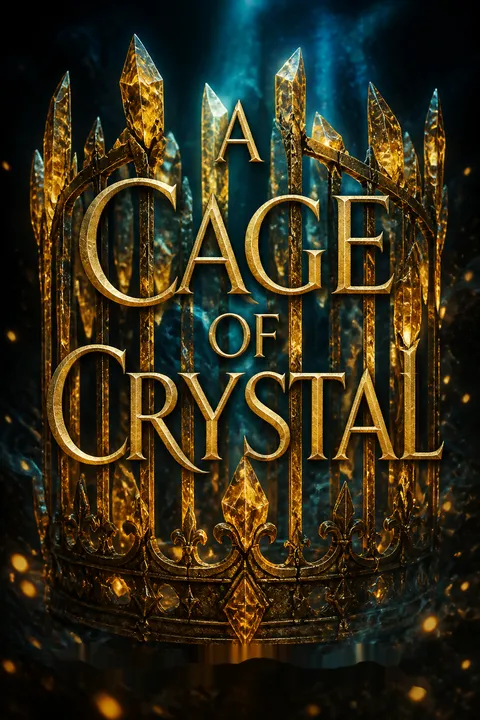
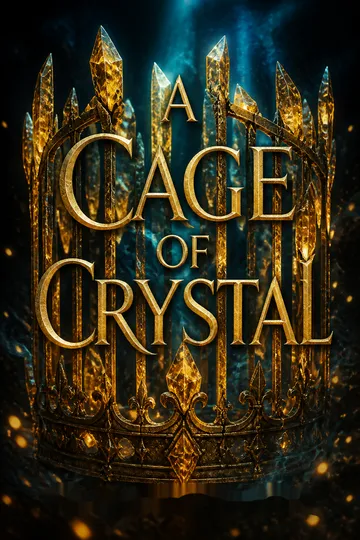
A Cage of Crystal is the second book in the Prophecy of the Forgotten Fae series. Readers praise its fast-paced plot, character development, and intricate world-building. Many enjoyed the multiple POVs, political intrigue, and magical elements. Some found parts slow or criticized the miscommunication trope. The romance between Cora and Teryn is appreciated, though some wanted more interaction. Overall, reviewers are excited for the final book, with many giving 4-5 star ratings for this engaging fantasy romance.
Characters
Cora Caelan
Witch reclaiming her crownCora is the forest-raised identity of Aveline Caelan, a lost Khero princess with clairsentient magic. She reads emotion instinctively, but the ability can overwhelm her unless she builds mental shields. Years among the Forest People taught her independence, practical survival, and suspicion of royal power. She wants to protect her brother and kingdom without surrendering the self she formed in the woods. Cora’s bluntness often hides fear of being controlled or rejected, especially when affection asks her to become vulnerable. Her central tension is not simply between witch and princess, but between forms of belonging that have each demanded that she conceal part of herself.
Teryn Alante
Heir learning to chooseTeryn is the prince of Menah, raised to inherit a crown and trained to place duty ahead of personal desire. He is quick-witted and capable in danger, yet stillness can leave him alone with grief and guilt, so he keeps himself busy by fixing problems around him. His relationships with Cora and his half-brother Larylis challenge the belief that a royal must accept every obligation imposed by birth. Teryn’s affection for Cora is complicated by his earlier betrayal of her trust, making his wish to protect her inseparable from the need to respect her choices. He is most compelling when action cannot substitute for honesty.
Mareleau Harvallis
A queen with sharp edgesMareleau is the daughter and heir of Selay’s King Verdian, accustomed to courtly scrutiny and to using poise as armor. She can be vain, cutting, and impatient, but her confidence is partly a strategy for surviving a political world that treats a woman’s claim as negotiable. Her long attachment to Larylis makes her more vulnerable than she likes to admit, while her rivalry with Cora initially turns insecurity into cruelty. Mareleau’s intelligence lies in performance: she reads what others expect and can inhabit that expectation when useful. Beneath her polished manners is a fierce capacity for loyalty, though trust does not come easily after past betrayals.
Larylis Alante
Scholar beneath the crownLarylis is Teryn’s half-brother, long treated as lesser because he was born outside marriage. He is observant, bookish, and more comfortable learning from histories than commanding a room. His careful nature can turn into self-erasure: he tends to interpret good fortune as undeserved and pain as a just punishment. Mareleau’s love gives him a relationship he has long believed impossible, while Teryn’s loyalty forces him to reconsider his own worth. Larylis’s quietness should not be mistaken for passivity. When people he loves are threatened, he can act with resolve even when confidence and skill are not on his side.
Duke Morkai
Sorcerer behind the courtMorkai is a cultivated nobleman whose composure makes his ambition easy to underestimate. He works through political bargains, concealed spells, and other people’s desires, preferring control that looks like consent. His fixation on power is tied to an intimate history of grief and attachment, but he repeatedly treats others as means to overcome limits he cannot accept. Morkai’s greatest danger is his patience: he studies weaknesses, prepares contingencies, and allows institutions to advance his goals for him. He represents a form of love in which devotion becomes indistinguishable from possession.
Dimetreus Caelan
King burdened by memoryDimetreus is Cora’s older brother and the king of Khero, a man whose years under Morkai’s influence have left his memories fractured. His love for his dead wife and sister is genuine, but grief and uncertainty make it difficult for him to trust his own judgment. He wants to restore peace and accept responsibility for the harm done in his name. His dignity returns in flashes, especially when Cora is challenged, though he remains vulnerable to painful reminders of the past.
Valorre
Unicorn and loyal companionValorre is a proud unicorn who communicates with Cora through their unusual mental bond. His confidence can tip into comic vanity, but his loyalty is steady and chosen rather than owned. He keeps near Cora even when she is confined, and his presence connects her to the woods, her magic, and a larger fae history. Valorre is not a pet or a passive symbol of wonder; he has preferences, fears, and a home of his own.
Emylia
Seer trapped in crystalEmylia is a seer from the Southern Islands whose knowledge of spiritual forces helps Teryn understand his captivity. She is patient, perceptive, and practiced at guiding frightened people through unfamiliar states of awareness. Her history with Morkai gives her insight into his motives, but it also leaves her carrying guilt over information she once provided and harm she helped enable. Emylia’s tenderness coexists with a hard-won recognition that love cannot justify control.
King Verdian
Selay’s guarded monarchVerdian rules Selay and approaches Cora and Dimetreus with suspicion after the battle. He favors firm conditions and political safeguards, believing stability requires control over those he has reason to fear. His concern for Mareleau is tangled with ambition and a rigid view of what will secure her inheritance. Verdian is not easily persuaded by emotion, but his decisions reveal both paternal protectiveness and a willingness to treat family as part of statecraft.
Dowager Queen Bethaeny
Teryn’s protective motherBethaeny is Teryn’s mother and a former queen who has spent years defending her son’s position. Her protection is sincere, but it can become intrusive when she assumes she knows which risks he should take. She fears political displacement and understands how quickly royal power can be lost. Beneath her formality is a mother divided between loyalty to Teryn and the history of conflict surrounding her family.
Lord Kevan
Councilman guarding powerKevan is Verdian’s brother and the appointed head of Khero’s council. Gruff and suspicious, he treats Cora’s magic and the Forest People as threats to the order he has been sent to maintain. His authority is conditional, but he behaves as though Khero is already under his control. Kevan’s grief over his daughter and his political ambition exist side by side, making him both a bereaved father and a dangerous judge of others.
Lord Ulrich
Ambitious royal uncleUlrich is Verdian’s brother, a court politician who handles public statements and helps manage Khero’s new council. His manner is casual and sardonic, which can disguise how closely he watches for advantage. He is less openly confrontational than Kevan, but his willingness to entertain power offers makes him susceptible to anyone who promises advancement.
Lurel
Eager young lady’s maidLurel is Mareleau’s cousin and Cora’s first lady’s maid at Verlot Palace. She is warm, talkative, and eager to be liked, though her curiosity sometimes outruns her caution. Her lively manners soften the austerity of court life, and she tries to make Cora feel less alone in an unfamiliar role. Lurel is also caught between her father’s instructions and her growing affection for the princess she serves.
Fanon
Elvyn steward of the VeilFanon is the stern Elvyn acting as steward in the absence of a true Morkara. He can shape and restrain air, and he uses that power readily when he suspects Cora may endanger his realm. His suspicion is rooted in the old devastation associated with human worldwalkers, but fear makes him treat uncertainty as proof of guilt. Fanon’s duty to protect El’Ara is real, even when his methods are harsh.
Etrix
Elvyn keeper of speechEtrix is an Elvyn speechweaver who helps Cora understand the language and history of El’Ara. He is more measured than Fanon and often questions the necessity of cruelty, though he remains bound to the political responsibilities of his position. His composure carries private history, and his sympathy for Cora does not erase his fear for a realm damaged by human intrusion.
Garot
Curious Elvyn pathweaverGarot is a pathweaver who can create routes across great distances. Talkative and irreverent, he is more interested in curiosity than Fanon’s rigid caution, and he helps explain the history of El’Ara to Cora. His humor gives way to seriousness when the Blight and the Veil’s damage become impossible to ignore.
Berol
Teryn’s falcon companionBerol is Teryn’s peregrine falcon, fiercely attached to him and intelligent enough to carry messages across long distances. She is not a magical interpreter, but her presence and behavior often alert others to danger before they understand it. Berol’s bond with Teryn offers a quiet counterpoint to the political alliances around them.
Queen Helena
Mareleau’s anxious motherHelena is Mareleau’s mother and Verdian’s queen. She tries to soften her husband’s severity, but she also reinforces the court’s expectations of her daughter. Her concern for Mareleau is genuine, though it often arrives through pressure rather than understanding.
Salinda
Keeper of forest historiesSalinda helped raise Cora among the Forest People and taught her about their histories and traditions. As a keeper of knowledge, she represents the family and community Cora left behind when she chose to defend Khero.
Maiya
Cora’s forest-sisterMaiya grew up alongside Cora among the Forest People and became as close as a sister. Cora’s longing for her reflects the life and belonging she fears losing as she returns to royal duty.
Plot Devices
Morkai’s amber crystal
Captures and conceals spiritsThe crystal once topped Morkai’s cane and carries several enchantments: it draws the eye, slips from memory, resists destruction, and can hold spirits. Cora finds it at Centerpointe Rock and brings it to Ridine, where attempts to cleanse it release stored blood. Its light later captures Teryn’s spirit while Morkai takes control of his body. The crystal is both a magical prison and a tool of misdirection, making characters forget the very danger they need to act against. Teryn and Cora must reverse the spell that makes it unbreakable before they can destroy it.
Blood weavings
Bind lives and reshape bodiesMorkai uses blood as the material for spells that can bind fates, manipulate bodies, and create lasting enchantments. The book in his tower contains a weaving that links Cora’s fate to Linette’s, while another concealed weaving kills Lurel when the maid opens the book. Later, Morkai’s blood magic helps him control Teryn and animate a Roizan. The patterns can be studied and reversed, but the work is dangerous and requires the original spell’s structure. This device makes violence durable: a spell can keep harming people after its caster is absent.
The prophecy of Ailan
Connects two realms’ futuresA prophecy preserved through Emylia’s visions identifies a royal witch descended from Ailan as the mother of a child who could end the Blood of Darius. Morkai interprets the prophecy as a threat and acts to prevent the child’s birth, placing a curse on Cora. In El’Ara, the same prophecy shapes hope for the return of a true Morkara and the end of the Blight. It is not a simple roadmap: its language is incomplete, its meanings are contested, and characters repeatedly mistake prediction for permission to control another person’s future.
The Veil and worldwalking
Joins separated worldsThe Veil is an immense ward separating El’Ara from the human realm, though it surrounds land that was once part of the fae world. Cora’s rare traveling ability lets her move through space and, with Valorre’s unicorn magic, cross between realms. Time passes at different rates on either side, so Cora’s absence in El’Ara costs her loved ones far more time at home. The Veil explains the return of fae creatures and the Blight afflicting El’Ara, while turning Cora’s power into a source of both escape and danger.
The Roizan
Turns death into a weaponA Roizan is a creature formed through forbidden blood magic from animals killed in violent conflict. Morkai uses the process to create a vessel for powerful sorcery, then makes the camp’s dead leaders part of a monstrous, many-faced creature. The Roizan’s strength sustains Morkai’s magic, but damage to the creature weakens the spellwork it supports. Its grotesque form literalizes the cost of treating living beings as raw material and forces Larylis to fight the dead faces of rulers he once knew.
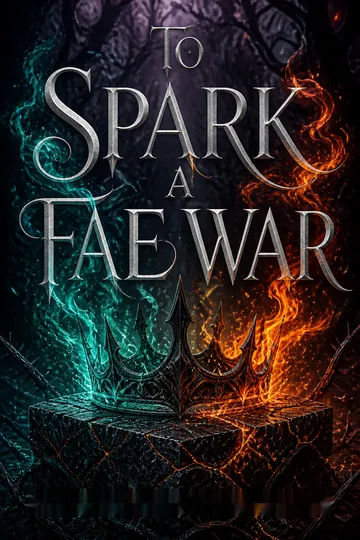
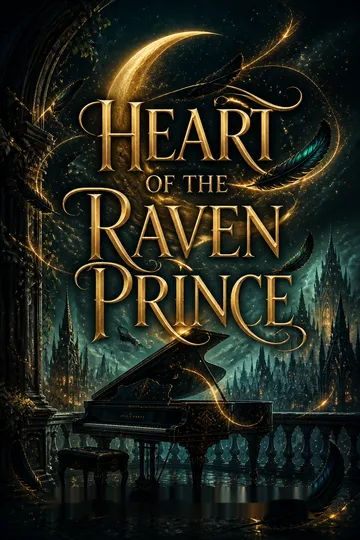
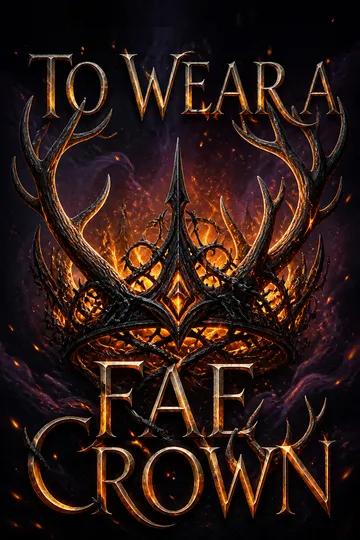
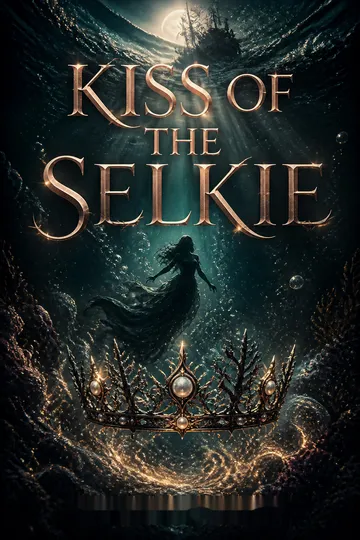
Prophecy of the Forgotten Fae Series
About the Author
Download PDF
Download EPUB
.epub digital book format is ideal for reading ebooks on phones, tablets, and e-readers.








