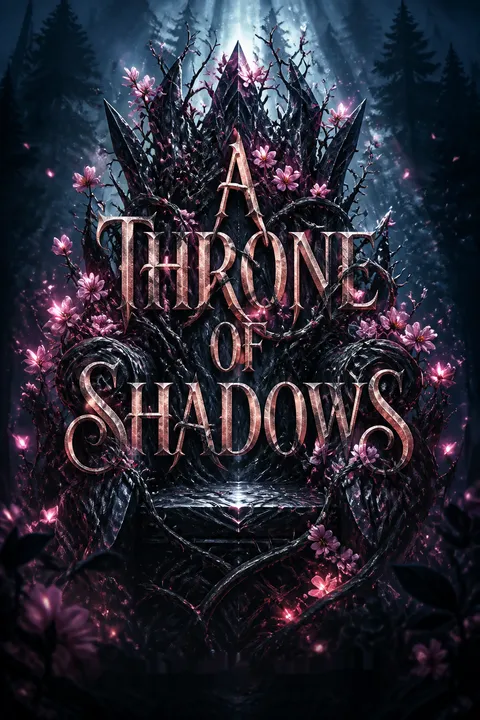


Plot Summary
The Door in Her Dreams
For three nights, Cora dreams of a bloodied bed and wakes screaming in the Forest People’s camp, where she has lived since arriving as a hunted child. She hides the dreams from Maiya, her closest friend, and fears that the commune’s welcome could vanish if anyone learns her past.
When Roije returns after a year away, he brings news that King Dimetreus’ soldiers murdered his father while forcing young men into the army. He warns Cora to avoid villages, and his grief makes her suspect that he knows more about her than he says. Salinda, Maiya’s mother and an elder, offers Cora a place on the elders’ path. Cora refuses, drawn instead to practical defenses and wary of belonging.
Cora’s nightmare is more than a threat of future violence. It behaves like a memory she cannot yet interpret, making her own mind feel like evidence against her. Her refusal of the elders’ path shows the same defensive logic: she wants skills that can be measured and used, not a deeper place in a community that might reject her. Roije’s warning links her private fear to state violence, while his return also puts pressure on her fragile sense of safety. The opening tension comes from a contradiction: Cora longs to belong, yet believes that being known will endanger everyone around her.
The Hunt Is Made Impossible
At Selay’s Beltane festival, Crown Prince Teryn arrives expecting to secure his marriage to Princess Mareleau, whose kingdom’s alliance could help his debt-ridden Menah. Instead, Mareleau stages a public contest among nine suitors, including Teryn, while her half-brother Larylis watches from the crowd. Mareleau resents the marriage arrangement and the assumption that she needs a husband to inherit her throne.
After her father chooses Teryn as a champion, she selects Helios of Norun and an awkward prince named Lexington, then demands that each man find three unicorns and return with a horn, a pelt, and a living pet. She believes the task impossible. Teryn must nevertheless compete, because his kingdom cannot afford to lose the alliance.
The Heart’s Hunt turns courtship into a public instrument of statecraft. Mareleau uses an absurd demand to stall a marriage she never wanted, while Teryn experiences the same ritual as a duty he must endure to keep Menah solvent. Their opposing motives make the contest morally unstable before the hunt even begins. Mareleau seeks control over her own future, but she exercises that control by setting other people in motion, including creatures whose existence she doubts. Teryn’s willingness to submit is equally revealing: he is not pursuing love so much as accepting inherited damage as his responsibility to repair.
Iron Cages at Beltane
While Cora avoids the camp’s Beltane ceremony, she joins Maiya and Gisele at a hot spring. Gisele has secretly invited James, a hunter who carries Duke Morkai’s crescent-moon insignia. When his companions arrive, they threaten the women and seize Cora and Maiya; Gisele escapes. James later brings the unconscious Maiya to the hunters’ camp, where Cora cuts her own bonds and frees her friend.
In the next cage she finds a starving unicorn, its horn glowing above the iron bars that hurt it. A second unicorn urges Cora to release it. When Erwin lashes the creature with an iron-barbed whip, Cora shoots the hunter through the throat. She and Maiya escape on the white unicorn’s back, with the remaining hunters sounding alarms behind them.
The spring’s intimacy collapses into a system of possession: the hunters assess the women as captives and the unicorn as prey, while iron makes the creature’s confinement physically harmful. Cora’s first human killing is not a sudden embrace of violence. It follows a concrete threat to her friend and a witnessed attack on a helpless being, yet she feels no remorse for stopping Erwin. That response complicates the Forest People’s reverence for life and Cora’s own fear of what she may become. The escape also changes the scale of her experience: magic and legend are no longer stories but lives she can choose to defend.
A Poster in the Woods
Roije and Gisele find Cora and Maiya in the forest and help them back toward camp. Roije then reveals that wanted notices in Kubera carry Cora’s likeness, accusing her of murdering Queen Linette and Princess Aveline and offering a vast reward for her capture. He tells Cora the elders will not confront Morkai’s hunters because doing so would expose the nomadic commune to the crown.
Fearing that her presence could bring danger to Maiya and the others, Cora leaves before dawn. At the hot springs, she meets the white unicorn again. He asks for help, and this time she agrees. Cora follows his trail toward the hunters, choosing a dangerous mission over the only home she has known for six years.
The wanted notice makes Cora’s private history a public weapon, but it also exposes the cost of the Forest People’s neutrality. Their caution is rational: the crown could destroy a hidden community. For Cora, however, neutrality means leaving endangered creatures to suffer so her adopted family can remain safe. Her departure is both protective and self-punishing; she assumes that love requires removing herself from other people’s lives. Agreeing to help the unicorn marks a different choice. She cannot undo her past or make herself harmless, but she can decide what her strength serves now.
Three Princes, One Secret
Teryn’s father sends him into the Heart’s Hunt with no useful information about unicorns, while Larylis searches old books and gives him notes about the creatures’ supposed habitats. At Verlot Palace, Lexington offers Teryn an alliance: he will withdraw from the contest if Teryn shares Menah’s valuable Aromir-wool trade with Tomas.
Helios interrupts and insists that he knows how unicorns are hunted. Though Teryn distrusts his secrecy, he accepts the alliance because neither he nor Lex can locate the creatures alone.
The three princes ride north into Khero. Helios controls their pace and reveals little, while Teryn grows frustrated and Lex complains about the hardship. The hunt becomes less a contest of love than a desperate expedition built on incomplete information.
The princes’ alliance is an exchange of vulnerabilities disguised as strategy. Teryn needs the Hunt to rescue Menah from debt, Lex needs access to a trade that will earn his father’s approval, and Helios wants control of the operation through his superior knowledge. Their cooperation does not erase competition; it gives each man another reason to distrust the others. Larylis’s research offers a quieter form of loyalty, one grounded in attention rather than power. The journey’s structure mirrors Teryn’s larger predicament: he has accepted responsibility for a crisis but must act through other people whose motives he cannot fully see.
The Witch and the Prince
Cora reaches the hunters’ next camp after days of watching their routes and learning their routines. As she prepares to strike, Teryn comes upon Valorre at a stream and raises his spear, believing the unicorn may be the prey he needs. Cora intervenes, cuts Teryn’s neck with an arrow’s near miss, and holds a dagger to his throat.
He admits he came to hunt unicorns for Mareleau’s contest but insists he has not killed one. Cora senses that he is telling the truth, though she does not trust him. When Teryn promises to stay away from unicorns, she lets him live. She returns to Valorre, warning him not to approach armed humans again, and accepts that the prince has become an unpredictable part of her mission.
Their first meeting places Cora and Teryn on opposite sides of the same moral uncertainty. He has not yet committed the violence she fears, but his willingness to hunt makes him dangerous; she spares him not because he is innocent, but because her judgment detects a conflict in him. Their weapons keep the encounter concrete, while their restraint creates the first basis for trust. Cora’s ability to read feelings is useful but not infallible, and Teryn’s promise is already compromised by his political obligation. The scene establishes their attraction alongside a more important question: whether either can act against the role others have assigned.
The Beast Takes Its Share
Cora watches the hunters hold a ritual they call a harvest, placing two unicorn horns before a monstrous creature that emerges from the woods. The Beast devours the horns, then attacks the cages.
It kills three weakened unicorns while Cora remains frozen in a tree, overwhelmed by terror and memories of a similar creature from childhood. Valorre confirms that the unicorns are dead, but one newly captured animal remains alive. Cora recognizes that fleeing would leave the hunters free to continue, even though she cannot yet explain what the Beast is or why it wants the horns.
She recommits herself to freeing the remaining unicorns. Rather than confront the hunters directly, she studies their routines and prepares a plan that could end the camp’s operations.
The Beast turns Cora’s nightmares into an external fact, but recognition does not make her brave on command. She runs, and the shame of that response matters because she has built her identity around being capable of facing danger. The three deaths also expose the limits of individual courage: even a successful fighter cannot intervene effectively without understanding the threat. Her decision to return is therefore not a clean triumph over fear. It is an acceptance that action may remain imperfect and that guilt cannot be allowed to substitute for responsibility. The horns make the violence systematic, not incidental, and give Cora a reason to study before striking.
Rum Beneath the Pines
Cora slips into the hunters’ camp and poisons their rum with belladonna, hoping to disable the men without a direct fight. Teryn, Helios, and Lex arrive pretending to belong to another hunting party.
As the poison takes effect, several hunters collapse, while Teryn, who only touched the drink to his lips, and Lex survive. The remaining men attack; Lex kills one, Teryn fights another, and Helios reveals he intends to cut a horn from a living unicorn.
Teryn refuses to let him, abandoning the marriage contest rather than take part in the torture. The Beast then charges into camp and kills Helios. Cora wounds it with arrows and frees the last caged unicorn. She treats Lex’s injury and allows Teryn to join her against the other hunting parties.
This camp exposes the difference between killing to stop immediate harm and killing as a planned extraction of value. Cora’s poison is morally troubling and strategically imperfect, but the hunters’ own brutality makes passivity untenable. Teryn’s decision is the pivotal change: his duty to Menah no longer justifies the suffering required by the Hunt. Helios’s death prevents the princes’ contest from resolving through ordinary competition and reveals how little control they have over the forces they have entered. Cora’s willingness to treat Lex after poisoning his companions is not absolution; it is a practical choice to build cooperation from the wreckage.
Hidden Inside a Tree
After finding a map of the remaining hunting camps, Cora agrees to let Teryn and Lex travel with her. At the next camp, she and Teryn discover four captive unicorns, including a frail foal, guarded only by a young boy. They knock him unconscious without killing him and cut open the cages.
The foal cannot keep up, so Cora draws on her clairsentience and hides herself, Teryn, and the animal within the presence of a tree as hunters pass. The feat reveals new strength in her magic. Unknown to Cora, Teryn has already sent his father a wanted notice and location, hoping to claim the bounty. When the hunters close in, he follows Cora away rather than expose her, but his message has set the next betrayal in motion.
Cora’s magic matures through a choice that runs against her reflexes: instead of fighting or fleeing, she stays still and attends to sensation. The tree becomes a model for belonging without possession, allowing her to protect others by joining rather than overpowering her surroundings. Teryn’s hidden letter creates the opposite movement. He has begun to change his values, yet he still treats Cora as a means to save his kingdom. The contrast matters because good intentions do not cancel a betrayal’s consequences. Both characters are acting from fear, but only one of them knows the full terms of the risk.
The Princess Behind Cora
When Cora and Teryn return to camp, Duke Morkai is waiting with armed guards. He thanks Teryn for locating the fugitive and addresses Cora by her birth name, Aveline, revealing that she is the supposedly murdered princess. Cora understands that Teryn’s secret message brought Morkai to her and turns on him in anger. Morkai takes Cora to Ridine Castle, while Teryn and Lex follow under guard.
In the coach, Morkai offers to restore Aveline’s royal place, claiming the dead princess was a maid wearing her bracelet. He also explains that he kept a drop of her blood, which allowed him to glimpse her over the years and reproduce her likeness on the wanted poster. Aveline agrees to return as a princess to learn what he is planning.
The revelation of Aveline’s identity transforms her adopted name from a refuge into a carefully built life. Yet the deeper injury is not the title itself; it is Teryn’s decision to trade information about her without asking what the bounty meant. Morkai’s offer of restoration exploits the very thing Aveline has lost: a credible place in her family and country. Her decision to accept is tactical, not reconciliatory. She enters the castle because ignorance has become more dangerous than proximity to the man who framed her. The blood sample also introduces an intimate form of surveillance, turning her body into a record Morkai can consult.
A Garden of Wraiths
At Ridine Castle, Aveline meets her brother, King Dimetreus, who welcomes her without recognizing the years of separation or the false story Morkai has planted in his mind. Teryn arrives, and the king treats him as a rescuer. Morkai steers the dinner toward a war against Selay, claiming its people killed Queen Linette and held Aveline captive.
Later, he leads Aveline, Teryn, and Lex to a burned garden, where he summons wraiths from the dead and makes Aveline defend a prisoner against them. The specters kill the prisoner, and Morkai demonstrates that he can manipulate blood as well as command spirits. When he orders the group to serve him, the conflict turns violent. Aveline and Teryn are seized and imprisoned.
The castle’s hospitality is a performance maintained by Morkai’s influence over Dimetreus. Aveline’s return should restore family truth, but instead it demonstrates how thoroughly memory can be politically managed. The garden gives physical form to the duke’s power: a place of life has been burned so that death can be made useful. His forced demonstration also strips the royals of the illusion that negotiation is occurring between equals. By turning a prisoner’s death into evidence, Morkai makes refusal feel futile. The captives’ arrest is not simply a setback; it reveals that the war is already underway inside the institutions meant to prevent it.
Cell Door Opened
Morkai privately tells Aveline that his monster, the Roizan, stores corrupted unicorn magic and sustains his glamours. He wants control of Lela’s magic and believes a prophecy involving unicorns, a mother, and a child threatens him. He also admits to weaving Aveline’s fate with Queen Linette’s so she would die childless. He offers marriage and power; she attacks him, but he uses her blood to stop her.
Morkai locks Aveline and Teryn in a cell, expecting them to distrust one another. Aveline initially cannot use her magic, then realizes her anger is blocking it. She opens the iron door, but Teryn stays behind to keep Morkai from noticing their escape too soon. Aveline leaves alone, slips through the castle wall, and escapes with Valorre.
Morkai’s account reframes the personal stakes as a struggle over who may control magic, bodies, and inheritance. His curse is especially invasive because it reaches into Aveline’s possible future, treating motherhood as a political threat to be prevented. In the cell, however, the obstacle to her power is not only an external captor. Her anger has become a closed circuit that prevents her from sensing clearly. Releasing some of that anger is not forgiveness of Teryn; it is the recovery of agency. Their separation remains painful because Teryn’s choice to stay is both protective and another decision made on her behalf.
The Elders Break Their Rule
Aveline returns to the Forest People and finds Salinda willing to welcome her despite the wanted poster. Before the thirteen elders, she reveals that she is Princess Aveline and explains Morkai’s plan to conquer Menah and Selay, corrupt fae magic, and claim the title of High King of Magic.
The elders argue over their rule against royal entanglements, but Salinda and High Elder Nalia insist the threat concerns magic itself. Salinda identifies Morkai’s power as a corrupted form of witchcraft and explains that the meeting at Centerpointe Rock will place him near the source of fae magic.
The elders agree to act. Aveline also learns that her insigmora has grown through her recent magical challenges, and Maiya welcomes her back without demanding the royal title.
The commune’s choice to intervene is not a simple rejection of its founding caution. The elders recognize that neutrality cannot protect them if Morkai gains the power to control magic itself. Aveline’s return also tests whether her belonging depends on concealment. Salinda’s embrace and Maiya’s acceptance let her remain a person within the group even as she tells them the truth about her title. Her new tattoos make inner development visible without turning it into spectacle. The elders’ disagreement gives their eventual action weight: they do not follow Aveline because she is a princess, but because they decide that the danger reaches beyond royal borders.
Letters Rewritten, Hearts Exposed
At the courts of Menah and Selay, Lex escapes Morkai’s control and warns Teryn’s family that the duke is a blood mage preparing war. Larylis, Teryn’s half-brother, presses the rulers to plan a rescue rather than surrender.
His father names him heir for the negotiations, giving him authority to organize the covert effort. Meanwhile, Mareleau confronts Larylis about the letter that ended their relationship. She reveals that she had written asking him to elope, but the message he received had been altered to make her reject him for being illegitimate.
They admit their love remains, yet Larylis refuses to pursue her while she is engaged to Teryn. Mareleau’s parents and uncles prepare for war, while the former lovers remain divided by duty and Teryn’s uncertain fate.
The forged letters show how political power invades private attachment without needing a battlefield. Mareleau and Larylis made choices based on fabricated evidence, then built identities around the hurt those choices caused. Learning the truth restores their emotional bond but does not erase the consequences or dissolve Mareleau’s engagement. Larylis’s refusal to act on their love is both principled and costly: he will not repeat his parents’ destructive entanglements, even when his restraint prolongs pain. His public emergence as a strategist similarly challenges the hierarchy that has defined him as an illegitimate son. He takes responsibility before he feels entitled to it.
A Crown Paid in Blood
At Centerpointe Rock, Morkai demands that Selay and Menah surrender, confess to crimes they did not commit, and transfer their crowns and wealth to Dimetreus. He refuses the kings time to deliberate and threatens Teryn’s life. Teryn, gagged and held by guards, manages to urge his father not to yield. King Arlous trades places with his son, then gives the final decision to Larylis, whom he has named heir.
Larylis refuses surrender. Morkai cuts Arlous’ throat, and a soldier beheads him. Teryn becomes king as the battle begins. Morkai summons wraiths, while the Forest People emerge from the hillside to fight alongside Menah and Selay. The meeting for peace has become a war in which Teryn’s family is already paying the price.
The public negotiation exposes the false premise of Morkai’s peace: submission would not end violence, it would simply make it lawful in his hands. Arlous’s substitution of himself for Teryn is an act of love shaped by the same weakness that has complicated his rule. Larylis’s refusal forces him to carry the responsibility his father placed on him, and the execution makes that responsibility irreversible. The Forest People’s arrival changes the scale of the conflict, but not its cost. The battle begins with a succession crisis and a dead king, so victory cannot restore the political world to its former shape.
The Roizan Eats Its Maker
As the battle spreads, Aveline fights beside Salinda and the Forest People while Valorre draws the Roizan away from Morkai. Her brother, still clouded by the duke’s glamour, knocks her down and nearly kills her before the battle separates them.
Teryn reaches Morkai on Centerpointe Rock, but the duke wounds him and begins pulling blood from his body. Trapped beneath a fallen horse, Aveline follows her magic instead of panicking and suddenly moves to the rock. She stabs Morkai repeatedly, disrupting the blood weaving.
When he threatens Teryn, she appears to yield, then lets the Roizan see the unicorn-horn dagger in Morkai’s hand. The creature devours its maker. Morkai’s death breaks his hold over the wraiths, which fade as the Roizan collapses into ash.
Aveline’s final intervention depends on the same discipline that once allowed her to hide beneath a tree: attention to sensation rather than obedience to panic. This time, that inward focus carries her across space and into the fight at the exact moment Teryn’s blood becomes Morkai’s weapon. She wins not by matching the duke’s power but by understanding the bond between him, the Roizan, and the horn. His creation turns against him because he has treated living magic as a resource without regard for its agency. The wraiths’ disappearance confirms that domination was the structure holding his apparent invincibility together.
The Sister Returns to Khero
After the Roizan dies, the wraiths vanish and the battle turns. Teryn survives, though wounded, and reunites with Larylis, who fought in the field after leading the rescue effort. Aveline finds Dimetreus alive but confused, the glamour lifted without restoring his lost years or repairing their damaged bond.
King Verdian distrusts her and orders her taken for questioning, but Teryn defends her and recognizes her as Princess Aveline. Valorre remains nearby, promising to follow.
Aveline could flee with the Forest People, but instead agrees to go with the rulers and give evidence that may protect her brother and Khero. Teryn is now king of Menah, Morkai’s war has ended, and Aveline faces a future in which survival requires her to claim the identity she once buried.
The ending resolves the immediate threat but not the emotional and political damage that produced it. Dimetreus is free of Morkai’s influence, yet his confusion leaves Aveline with no uncomplicated reunion. Teryn’s defense of her matters because he now accepts a public cost for the person he once treated as a route to money. Aveline’s choice to accompany the rulers is not submission to royal authority; she chooses to remain present so the truth can shape what happens next. Valorre’s continued loyalty offers a counterweight to the unstable human alliances. The closing turn makes identity an obligation she chooses, rather than a label imposed by her enemies.
Analysis
A Throne of Shadows makes the body the contested ground on which its politics become visible. Cora’s clairsentience begins as exposure to feelings she cannot regulate; Morkai’s blood magic turns bodily traces into instruments of surveillance, coercion, and imagined ownership. Their opposing powers create more than a magic system. They encode rival models of relationship. Cora learns by attending to another being without claiming it, while Morkai treats every source of power as something to contain, redirect, or inherit.
The unicorn hunt gives that conflict an economic face. The princes are sent to acquire body parts for a marriage bargain, and the hunters reduce living creatures to harvestable value. Teryn’s refusal matters because it interrupts a chain of obligation he initially accepts as inevitable. He has been taught that a prince repairs his father’s damage by sacrificing his own preferences. The novel asks when duty becomes complicity, and whether refusing an unjust task can be more responsible than completing it.
Cora’s identity arc complicates the usual movement from hidden past to restored title. Becoming Aveline again does not undo the years she spent as Cora, nor does royal recognition guarantee that her brother can trust his own memories. Her final choice to stand with the political world she once fled is not a return to innocence or a simple homecoming. It is an effort to remain present where the consequences of Morkai’s rule will be decided.
The romance develops through broken trust rather than instant moral certainty. Teryn’s attraction cannot erase his betrayal, and Cora’s ability to sense emotion cannot substitute for consent or honesty. Their bond becomes meaningful only when each acts at personal cost: Teryn abandons the Hunt, and Cora risks herself to save him. Meanwhile, Larylis and Mareleau show how forged information can make private people reproduce the injuries of a larger political system. Across these relationships, the novel’s deepest question is not whether people can feel love, but whether they can act truthfully when power rewards concealment.
Review Summary
A Throne of Shadows receives mostly positive reviews, with readers praising its unique take on fae lore, strong character development, and slow-burn romance. Many appreciate the intricate world-building, elemental magic system, and the inclusion of sassy unicorns. Some readers found the pacing slow in the middle but enjoyed the twists and turns. The book is noted for its YA-appropriate content and is often compared favorably to popular fantasy series. Critics mention predictable plot elements and occasionally cliché characters.
People Also Read

Characters
Cora
The guarded forest witchCora is a clairsentient witch raised by the nomadic Forest People after a childhood loss drove her into the woods. She can sense other people’s feelings, but that sensitivity has often felt like an invasion rather than a gift. Practical, watchful, and proficient with a bow, she trusts visible skills more readily than subtle magic. Her distance from intimacy comes from a deep fear that honesty will endanger anyone who gets close to her. Cora’s connection to Maiya and Salinda offers a model of family based on care rather than blood, while her bond with Valorre draws her toward a danger she cannot ignore. Beneath her self-protective severity is a strong capacity to feel another creature’s suffering as real and urgent.
Teryn Alante
The burdened crown princeTeryn is the crown prince of Menah, raised to treat political duty as the answer to almost every personal problem. His father’s scandals and his kingdom’s financial crisis leave him feeling responsible for repairing damage he did not cause. He is an accomplished hunter and spearman, but his confidence falters when the demands of duty conflict with his own moral judgment. Teryn values his half-brother Larylis and is more emotionally perceptive than his formal position suggests. He begins the story treating marriage as a political necessity rather than a relationship, yet he is capable of changing course when he recognizes the human and animal costs of his choices. His central tension is whether responsibility requires obedience or independent moral action.
Mareleau Harvallis
The thorned Selay heirMareleau is the sole heir to Selay, sharp-minded and skilled at controlling how others perceive her. Her parents expect her to secure the throne through marriage, while she wants authority that does not depend on a husband. She uses wit, feigned vulnerability, and strategic theatrics to resist decisions made for her, though her tactics can injure people caught in her plans. Beneath her prickly public manner is an old wound connected to Larylis, alongside a fierce desire to choose her own future. Mareleau distrusts declarations of love because courtship has often been treated as bargaining. Her conflict is not simply between romance and duty, but between a political system that grants her power and one that refuses to recognize her as its rightful source.
Larylis Seralla
The scholar without a titleLarylis is Teryn’s half-brother, born outside the royal marriage and raised under the stigma of illegitimacy. Thoughtful and bookish, he prefers study to the performances of court, but his loyalty to Teryn draws him into political danger. He has a history with Mareleau that remains emotionally unresolved, and his understanding of their separation has shaped his belief that love can become destructive when placed above responsibility. Larylis is more observant than his reserved manner suggests. He notices patterns, researches what others dismiss as fables, and is willing to speak despite knowing that powerful people may treat his birth as a reason to ignore him.
Duke Morkai
The king's polished adviserMorkai is an influential adviser to King Dimetreus, known for his elegant appearance, measured confidence, and proximity to the crown. He reads people carefully and prefers to shape events through persuasion, secrets, and carefully managed impressions rather than open displays of force. His age and history remain difficult to place, lending him an unsettling air of permanence. Morkai understands the ambitions and insecurities of those around him and knows how to make his proposals appear beneficial. His presence raises questions about the boundary between counsel and control, and about how easily political authority can become dependent on one person’s interpretation of reality.
Valorre
The rescued white unicornValorre is a powerful white unicorn who escaped the hunters and seeks help for other captive members of his kind. He communicates through feelings that Cora experiences as words, forming a bond neither of them fully understands at first. Proud, brave, and sometimes humorously vain, he is also capable of fear and care. Valorre initially treats humans with suspicion, but his loyalty to Cora grows as she risks herself for the unicorns. His presence challenges the idea that fae creatures belong to human stories or human ownership. He is a companion with his own judgment, not a mount or magical instrument.
Maiya
Cora's steadfast friendMaiya is Cora’s closest friend in the Forest People’s camp and Salinda’s daughter. A young claircognizant witch, she is learning to interpret dreams and instincts, and she worries when Cora hides distress behind silence. Her generosity is genuine, though it can lead her to put other people’s needs ahead of her own. Maiya offers Cora a kind of sisterhood that does not demand complete explanation before offering care. Her developing affection for Roije adds a tender, hopeful strand to her life. She is not merely Cora’s confidante; her own choices and emotional courage shape the community around her.
Lexington
The reluctant princeKnown as Lex, the Prince of Tomas is an unlikely hunter with a sharp tongue, a fondness for fine clothes, and a taste for romantic novels. He enters the Heart’s Hunt because his father expects him to pursue a royal match, not because he wants Mareleau. Lex is more vulnerable than his jokes suggest, especially where family approval and his younger brother are concerned. He initially avoids physical danger and resents being dragged into Teryn’s mission, but he has courage when a friend is threatened. His humor provides relief without making him shallow, and his loyalty becomes clearer when he must choose between personal safety and the people he has come to trust.
Roije
The earth-reading trackerRoije is a skilled tracker among the Forest People, able to use the Magic of the Soil to follow traces and locate people. He returns to camp grieving his father, whose murder by royal soldiers has shown him the cost of state power. Roije is serious, capable, and protective, but his caution can make him an emissary of the commune’s rules even when those rules frustrate Cora. His quiet connection with Maiya suggests a gentler side beneath his grief. Roije’s practical knowledge helps bridge the hidden community and the wider world, while his reluctance to challenge royal forces reveals how survival can require painful restraint.
Salinda
The keeper of historiesSalinda is Maiya’s mother, a Forest People elder responsible for preserving the commune’s histories and traditions. She is warm toward Cora and sees potential in her clairsentience even when Cora doubts its value. Salinda understands that magic is often quiet, requiring attention and discipline rather than spectacle. Her kindness does not make her passive: she argues for the importance of protecting magic when others invoke caution. Salinda’s guidance offers Cora a maternal form of trust, one that encourages growth without demanding that Cora become someone else.
King Dimetreus
The grieving Khero kingDimetreus rules Khero after the deaths of his parents and the loss of his wife. He is Cora’s older brother, but grief and court politics have made their bond vulnerable to outside influence. Dimetreus wants explanations for painful events and is susceptible to accounts that give his suffering a clear enemy. He can be affectionate and protective, yet his position gives his choices consequences far beyond his family. His character explores the difference between a person’s intentions and the realities they accept when someone else controls the information available to them.
King Arlous
Teryn's flawed fatherArlous is Teryn’s father and the king of Menah, a ruler whose romantic choices helped push his kingdom toward financial danger. He loves his sons and wants to repair the harm his decisions have caused, but his remorse cannot erase the burdens he places on Teryn. Arlous is popular with his people and attentive to their material needs, even as the crown’s finances weaken. His character complicates the idea of a bad ruler: he can be loving and compassionate while still having made choices that leave others to pay.
Prince Helios
The secretive rival hunterHelios is the Prince of Norun and a seasoned hunter with information about unicorns that the other champions lack. He is physically imposing, controlling, and sparing with what he reveals, treating an alliance as a hierarchy rather than a partnership. His confidence comes partly from experience and partly from his willingness to do things Teryn finds unacceptable. Helios serves as a foil to Teryn, showing what happens when efficiency and victory matter more than the suffering required to achieve them.
Gisele
The bold camp flirtGisele is a Forest People friend of Cora and Maiya, sociable and unafraid of flirtation. She enjoys teasing her friends and seeking romance, but her confidence can outrun her caution. Her secret meeting with a hunter brings danger to the group, and she later feels responsible for the consequences. Gisele’s mistakes are not evidence of malice; they show how ordinary desires can become risky when a hidden community lives under threat.
Nalia
The Forest People's High ElderNalia leads the Forest People’s council of elders. Old, unadorned by insigmora, and measured in speech, she carries an authority that does not rely on display. She weighs the commune’s traditions against the danger posed to magic itself and is willing to revise a rule when its purpose no longer protects the people. Her judgment gives the elders a center amid their disagreement.
Queen Helena
Mareleau's romantic-minded motherHelena is Mareleau’s mother and the queen of Selay. She is affectionate and imaginative, but her sympathy often leads her to misread her daughter’s resistance as romantic idealism. Her memories of sacrifices made for duty shape the advice she gives Mareleau, even when that advice fails to meet Mareleau’s needs.
King Verdian
Selay's calculating monarchVerdian is Mareleau’s father and the king of Selay. He thinks in terms of trade, succession, and political advantage, and he expects his daughter’s marriage to strengthen the kingdom. His calculating approach is not softened by the fashionable appearance he presents at court. He is powerful enough to shape Mareleau’s choices, but his confidence in strategy sometimes blinds him to her actual wishes.
Lurel
Mareleau's watchful cousinLurel is Mareleau’s young cousin and newly appointed lady’s maid. Eager to be helpful and attentive to etiquette, she often tries to guide Mareleau toward the behavior their family expects. Her earnestness can irritate Mareleau, but it also makes her a useful observer of the court’s private tensions.
Lord Kevan
Selay's council leaderKevan is Mareleau’s uncle and a leading member of Selay’s council. He is a seasoned political figure whose reports about a unicorn lend credibility to Mareleau’s seemingly impossible Hunt. His practical influence connects family affairs to the decisions made by the royal court.
Chandra
The camp's blunt cookChandra is a Forest People cook whose long experience with the Arts is marked by extensive insigmora. Direct and observant, she notices Cora’s sleeplessness and asks what the nightmares contain. Her ordinary work in camp gives the commune a grounded daily life beyond its magic and danger.
James
The compromised hunterJames is a young hunter attached to Morkai’s operation. He flirts with Gisele and initially appears less threatening than his older companions, but he belongs to a group that captures unicorns and treats them as valuable stock. His unease about the hunters’ methods suggests discomfort without turning him into a reliable ally.
Gringe
The hunters' hard leaderGringe leads one of the hunting groups assigned to capture unicorns. He is suspicious, coercive, and quick to treat strangers as potential property or threats. His authority depends on intimidation, reflecting the brutal order maintained within Morkai’s hunting operation.
Plot Devices
Cora's clairsentience
Feeling as a compassCora’s witchcraft lets her sense emotions, bodily sensations, and energies, though she must interpret what she receives rather than read minds cleanly. The ability first seems like an unwanted burden because other people’s feelings can overwhelm her. It becomes more useful as she learns to shield herself, communicate with Valorre, and follow subtle internal signals during danger. Her magic grows when she faces challenges that oppose her immediate instincts, such as hiding rather than fighting or calming herself before acting. It also gives the story a way to make emotional perception concrete without making it infallible. Cora can sense truth or distress, but she must still decide what those feelings mean.
The Heart's Hunt
Courtship as statecraftMareleau’s Beltane contest asks her suitors to obtain unicorn horns, pelts, and a living unicorn, ostensibly to prove their love. The demand is designed to postpone a marriage she does not want, but it sends Teryn and other princes into a hunt organized around real, suffering creatures. The contest ties romantic choice to kingdoms’ debts, trade, and succession, ensuring that every personal decision carries political consequences. As Teryn learns what the hunt requires, the prize ceases to be worth the cost. The device therefore launches the expedition and tests whether duty means fulfilling an absurd contract or refusing its terms.
The Roizan
A vessel for stolen magicThe Roizan is Morkai’s monstrous creation, bound to his life and capable of holding power he can draw upon. Morkai’s hunters starve unicorns and expose them to iron so their magic becomes corrupted, then feed the creatures or their horns to the Roizan. The stored power sustains Morkai’s glamours and other forms of sorcery. The creature’s dependence on unicorn magic makes it both the source of Morkai’s reach and a vulnerability: a unicorn-horn blade can draw its attention, and the bond between maker and vessel makes Morkai’s survival depend on its own. The Roizan turns magical exploitation into a literal appetite.
Aveline's blood and poster
Identity made traceableMorkai keeps a drop of Aveline’s blood, allowing him to glimpse her over the years and create a wanted poster that identifies her despite her new life as Cora. The poster turns a private bodily trace into a mechanism of surveillance, bounty, and political capture. Teryn discovers it while seeking information for Menah and sends word that helps Morkai locate Aveline. Later, Morkai uses the blood to inflict pain and to support his designs on her fate. The device links her childhood imprisonment to her adult danger, showing that escape from a place does not guarantee escape from the power that marked her.
The Centerpointe prophecy
A convergence of magic and ruleCenterpointe Rock stands where the three kingdoms meet and is associated with the ruins of an ancient fae palace and the source of Lela’s magic. Morkai chooses it for negotiations because he intends to claim authority over the land and its magic. The prophecy he fears concerns unicorns, a mother, and a child, and he believes he has already altered its outcome by binding Aveline’s fate to Queen Linette’s. The elders’ knowledge reframes the meeting: it is not only a diplomatic crisis but a contest over who may control magic. The location concentrates political succession, old fae history, and the climax of the present conflict.
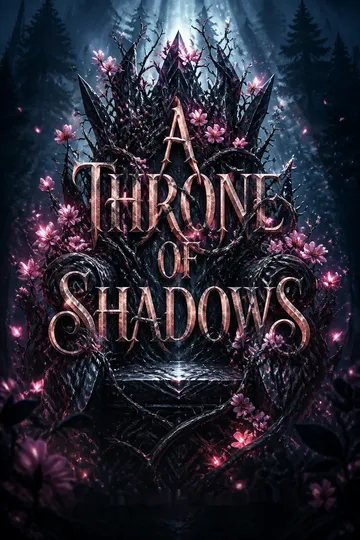
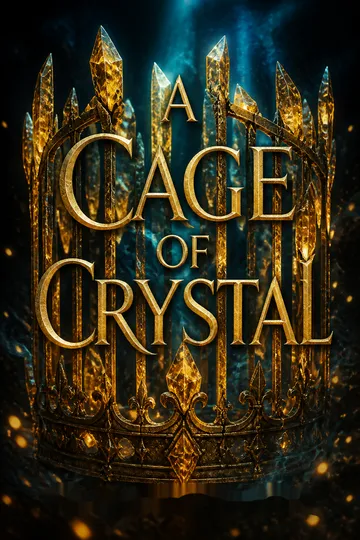
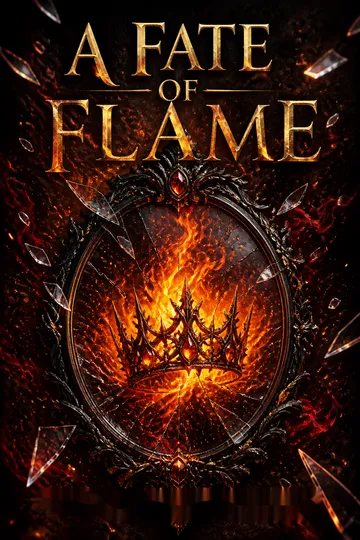
Prophecy of the Forgotten Fae Series
About the Author
Download PDF
Download EPUB
.epub digital book format is ideal for reading ebooks on phones, tablets, and e-readers.








