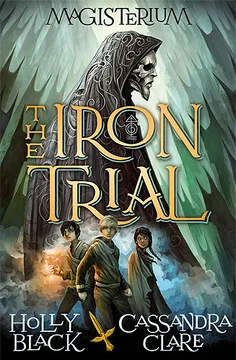


Plot Summary
Prologue
During the Cold Massacre, mage Alastair Hunt climbs to a hidden glacier cave where his wife, Sarah, and their infant son, Callum, were sheltered from the war. He finds Sarah dead among the defenders, but their baby survives beneath the body of Sarah’s brother, Declan, with a badly injured leg.
Before Alastair leaves the cave with the child, he discovers that Sarah used her final strength to carve a message into the ice: the baby should be killed. He takes Callum away without obeying her warning.
The prologue plants the story’s most consequential question inside a scene of apparent rescue. Alastair’s grief and relief make his choice feel unmistakably human, while Sarah’s final warning gives that choice a chilling counterweight. The infant’s injury also becomes more than an origin detail: it ties bodily vulnerability to the larger question of what has happened to the child. By withholding the reason Sarah wanted the baby killed, the opening makes parental love and danger coexist without explaining either away. Its emotional force comes from the terrible gap between saving a child and knowing what, exactly, has been saved.
The Trial He Must Fail
Twelve-year-old Callum Hunt has learned to turn schoolyard insults into jokes, but he cannot joke away his limp or his father’s dread of magic. Alastair explains that the mages will test Call’s powers and coaches him to fail, insisting that the underground Magisterium is dangerous.
Call already has reason to believe he is magical: after bullies beat him, the playground split open beneath him. At the Iron Trial, he meets the poised Tamara Rajavi, eager Aaron Stewart, and wealthy, scornful Jasper deWinter. Call’s attempts to sabotage the tests go spectacularly wrong.
His pen floods him with ink, his frustration ignites a test ball, and his effort to hold paper still fuses it to a desk. When Master Rufus tests him with a flame, anger at the mention of Call’s mother breaks the bowl and sets its pieces alight.
Call’s supposed failure is not a lack of power but a mismatch between intention and consequence. He believes he can protect himself by refusing the institution’s invitation, yet each effort to resist demonstrates that his magic is already active and difficult to contain. The tests make embarrassment physical: ink stains him, fire answers his anger, and the desk absorbs his attempt at control. His father’s fear supplies Call with a ready-made explanation for danger, but not enough knowledge to judge it himself. The scene therefore begins with a child trying to choose his future while the adults around him have already made that choice feel impossible.
Rufus Chooses Last
When the scores go up, Call is last, below even applicants with little magic. He expects to leave with Alastair, but Master Rufus names him as an apprentice anyway. Alastair tries to pull his son from the ceremony, then throws Sarah’s ornate dagger toward him as the mages restrain him. Aaron catches the blade and returns it to Call, who learns its name, Semiramis, from the engraving.
Rufus insists Call needs instruction, while Alastair warns him not to trust the school. The adults separate father and son, and Alastair is taken away. Call boards the bus with no luggage, no money, and no chance to say goodbye. Jasper accuses him of stealing the place Jasper wanted, giving Call a new reason to resent the school before he has even seen it.
Rufus’s choice turns the Trial from an exam into a custody struggle. Call’s low score should settle the question, but the Masters’ authority outweighs both the result and Alastair’s parental claim. The dagger’s passage through Aaron’s hands briefly creates a human connection in the middle of that coercion, though Call cannot yet know what to make of it. Jasper’s resentment mirrors Call’s own sense of being trapped: both boys interpret selection as a scarce prize, but for different reasons. Call sees a life being taken from him; Jasper sees a future he believes he has earned being handed to someone who does not want it.
Behind the Mountain Doors
On the journey, Tamara and the other apprentices explain the Cold Massacre, the Enemy of Death, and the Chaos-ridden, creatures altered by chaos magic. Call realizes his mother died in that massacre, though Alastair never told him how.
His flippant response angers Tamara, whose family honors those killed there, and Aaron intervenes before their first quarrel hardens into lasting hostility. At the mountain entrance, Master North explains that young mages need training because uncontrolled power can destroy them and others.
The doors open onto a vast cavern threaded by a glowing river. Stalactites seal the entrance behind the apprentices, confirming Call’s worst suspicions about being trapped. Yet the school’s beauty and the promise of learning to fly stir a desire he cannot dismiss, even as he keeps looking for a way home.
The journey reframes Call’s inheritance before he can understand it. His mother’s death is no longer a vague grievance against the mages; it belongs to a specific war and a community that remembers its losses. Tamara’s anger exposes the human cost of treating that history as a joke, while Aaron’s intervention gives Call a first glimpse of friendship that does not depend on approving everything he says. The Magisterium’s entrance works in both directions: the sealed doors confirm his fear of captivity, but the luminous interior awakens curiosity. Call’s ambivalence is not indecision so much as the beginning of independent judgment.
Grains of Control
Master Rufus begins Call, Aaron, and Tamara’s training by ordering them to separate a mound of sand by color, grain by grain. Call’s anger once scatters their painstaking work, deepening the distance between him and his teammates.
Tamara eventually admits she knows a shortcut: eating sand can bring an earth mage closer to the element, but too much power may consume a person’s humanity. The three try it, and Call lifts the whole pile. Rufus catches them and takes Call to his office.
He explains that he chose Call not for hidden promise alone, but because Call’s raw power and anger need close supervision. If Call refuses to learn, Rufus can bind his magic and erase his memories of it. Call returns to the sand with a new determination to master it, even if he still intends to leave after the year.
The sand lesson turns control into labor rather than spectacle. Call wants magic to prove he is capable, but the work requires patience, precision, and cooperation, qualities he has not yet learned to trust. Tamara’s shortcut exposes the temptation to confuse proximity to power with mastery of it; Call’s explosive success only brings him closer to the danger Rufus fears. The threat of binding gives the school’s authority a sharp edge, yet it also clarifies what Call must do to retain meaningful choice. His new resolve is still fueled by pride and escape, but practice begins to change the source of his competence.
Wyverns Test the Team
After weeks of sorting sand, Call’s group faces three enormous wyverns in the cavern arena. Jasper rushes them and is lifted helplessly by their breath; the other apprentices struggle to coordinate their magic. When one wyvern bears down on Call, he uses earth magic to blast it away, then pins it with falling stalactites.
Tamara takes Semiramis and drives the creature back into its element, while Aaron and Celia combine their strength to bring down another. The apprentices win, and Call discovers that the tedious work has taught him to focus under pressure.
Alex Strike praises his potential as a fighter. Back in their room, Call finds the clothes Alastair has sent, along with a letter that conveys love but keeps its distance. The victory has made the Magisterium feel like a place he might belong, which makes missing home hurt more.
The trial makes the sand’s purpose legible only after the apprentices have been placed in danger. Their training has not given them a set of impressive tricks; it has given them the ability to concentrate when fear disrupts ordinary thought. Call’s role shifts from reluctant liability to useful teammate, but the victory is collective, not a solitary proof of worth. His father’s package then complicates that new belonging. The clothes and letter bring home into the underground school, but the formality of Alastair’s affection leaves Call unable to tell whether he is being reassured or quietly sent away.
The Tornado Telephone
Wanting to speak with Alastair, Call sneaks through the tunnels to Rufus’s office and learns to use the tiny tornado in a glass jar as a communication device. Alastair tells him the school is dangerous and urges him to escape, then breaks off before explaining what Call does not know about himself.
Call finds a letter from his father asking Rufus to bind Call’s magic, along with an older student’s wristband bearing a black stone. Rather than deliver either item, Call hides them and takes Rufus’s caged fire lizard, Warren, who knows secret paths through the caves.
On his way back, Call overhears Masters arguing that attacks may signal the Enemy is preparing for war and that the school needs a Makar. Warren eventually leads Call to safety, but Call has brought a dangerous secret into his room.
Call’s first private act of independence produces more uncertainty than freedom. The tornado lets him reach his father, but Alastair uses that intimacy to renew his command rather than explain its cause. The hidden letter makes the conflict more disturbing: Call’s father has asked Rufus to remove the very power Call is beginning to value. By keeping the letter and the mysterious wristband, Call chooses secrecy over immediate trust, while stealing Warren gives him a companion who also functions as a guide. His curiosity has begun to outpace the adults’ control of information, but it has not yet given him the tools to interpret what he finds.
The Devoured Below
Rufus sends Call, Aaron, and Tamara to collect mineral-rich water from the Butterfly Pool, giving them a map and warning them to mark their route. They fail to leave reliable markers, lose the map when it catches fire, and wander into the deeper caves.
There they find the Hall of Graduates, where Call recognizes his parents’ handprints and sees the First Gate. Warren helps them find their way, but his route brings them to a former mage called Marcus, now consumed by fire and known as one of the Devoured.
Marcus threatens to absorb the apprentices and predicts that one will fail, one will die, and one is already dead. Rufus arrives in time to drive him back. Later, Drew Wallace reacts with alarm when Call repeats the prediction, then retreats without explaining why it frightens him.
The lost assignment converts a practical mistake into an encounter with the cost of pursuing power without balance. Marcus is not simply a monster from the caves; he is evidence that a human mage can lose the boundary between self and element. The First Gate’s appearance gives Call a concrete image of advancement, while the Devoured’s prediction makes that future feel contaminated by threat. Drew’s reaction is a small but consequential disturbance: Call cannot read it, yet the boy’s fear suggests the danger is not confined to ancient history. The episode links failed navigation, failed control, and incomplete knowledge without treating them as interchangeable.
Drew Runs into Winter
After the Devoured’s prediction, the Masters discover that Drew has fled the Magisterium. Call, Aaron, and Tamara join a night search led by Alex. Call finds Drew trapped in a ditch with an injured ankle. Drew says Master Lemuel has kept him frightened, exhausted, and hungry to force better magical performance.
Before the Masters can reach them, Chaos-ridden wolves attack. The apprentices form a defensive ring while Alex tends Drew, but Call drifts toward the wolves, transfixed by their spinning eyes.
Aaron steps between Call and the pack and releases a force of black chaos that swallows the animals. The Masters identify Aaron as the long-awaited Makar, a mage who can wield chaos. They take him away for protection and training, leaving Call and Tamara stunned by the sudden change in their friend’s life.
Drew’s escape reveals that danger at the Magisterium is not only external. A Master’s methods have made a student feel that flight is safer than asking for help, and the adults’ earlier assurances of protection now look incomplete. The wolves expose a more immediate threat, but Aaron’s untrained power is what saves the group. His emergence as Makar is both triumph and burden: the community sees an answer to the Enemy, while Aaron experiences the frightening fact of what he can do. Call’s attraction to the wolves’ eyes quietly parallels the danger without explaining it, leaving his own response unresolved.
A Makar Among Them
At a public assembly, Master Rufus announces Aaron’s affinity for chaos, and the Assembly presents him with a black onyx stone. Call recognizes it as the match for the stone on the older wristband Alastair sent.
Tamara reasons that the band may have belonged to Constantine Madden, the Enemy of Death, or to Verity Torres, the previous Makar. Aaron admits that becoming the answer to a war is frightening, especially when the last Makar died young.
Because Aaron has no stable family to return to, Call understands why the Magisterium matters to him and offers to become Aaron’s human counterweight, the partner who helps balance a Makar’s power. Around the same time, Call secretly brings a Chaos-ridden wolf pup from the woods into the school and names him Havoc. Tamara and Aaron agree to help hide and care for it.
The black stone turns a private mystery into a historical possibility, but it does not yet settle what Alastair’s warning means. Aaron’s public designation places him under immense expectation just as he is learning to name his fear. Call’s offer of counterweight grows from empathy: once he understands Aaron’s lack of a dependable home, he chooses loyalty over the safer distance he has maintained from the school. Havoc’s rescue echoes that choice on a smaller scale. Call refuses to reduce the pup to the danger others see, even though concealing it may put his own place at risk.
The Cost of Belonging
As winter turns to spring, Call trains with Tamara and Aaron, learns more elements, and begins to enjoy the school he once planned to escape. The Assembly investigates Drew’s accusations, removes Master Lemuel from teaching, and redistributes his apprentices.
Call and his friends still do not know why Alastair wants Call’s magic bound; Tamara wonders whether his easy bond with Havoc could mean Call is himself connected to chaos. During an outdoor exercise, Master Milagros tells Call to stay off a floating log because of his leg.
He disobeys, falls into the stream, and traps his good foot between stones. Jasper pulls him free, changing their rivalry by saving his life. In the Infirmary, Aaron and Tamara visit with Havoc and reaffirm that they need Call. Call admits he wants to return for another year, though he fears Alastair will refuse.
This stretch tests belonging through ordinary dependency rather than a grand magical contest. Call’s friends care for him, but their concern can still resemble the exclusion he has known from adults who assume his leg defines his limits. His reckless attempt to prove otherwise nearly injures him, while Jasper’s rescue complicates the simple roles of bully and victim. Meanwhile, Lemuel’s removal confirms that institutional protection can fail and must be challenged. Call’s wish to return marks a genuine shift: the Magisterium is no longer merely a place he must endure, but a community he fears losing.
Havoc Finds the Bowling Alley
While Call recovers, Aaron takes Havoc for a walk and does not return. The pup comes back alone, panicked, and leads Call and Tamara into the woods. Call insists on following despite his injured legs, and Tamara stays with him rather than sending him back for help.
Havoc guides them to an abandoned bowling alley, where they enter through a broken window and find rooms filled with sleeping Chaos-ridden. In a larger chamber, they see Aaron chained upside down above a container holding a living chaos elemental.
Drew is there, no longer the frightened apprentice they thought they knew. He controls the chain and taunts Aaron, revealing that his apparent vulnerability at the Magisterium concealed a different allegiance. Tamara climbs toward the rafters to free Aaron while Call stays below to distract Drew.
Havoc’s return turns the creature Call protected into the means by which he can protect someone else. The rescue journey reverses the usual imbalance between Call’s physical limits and his friends’ speed: Tamara chooses to match his pace, and he chooses to endure pain rather than abandon Aaron. The bowling alley’s false normality sharpens the threat; an ordinary leisure space has become a hidden prison for altered creatures. Drew’s betrayal also recasts earlier vulnerability without erasing the real harm he described. His suffering and his choices can coexist, resisting the comforting idea that victimhood guarantees innocence.
The Enemy’s Chosen Child
Call keeps Drew focused on him while Tamara reaches Aaron and breaks the chain. Drew shatters the container, unleashing the chaos elemental. Call wounds it with Semiramis, but it hurls Havoc aside and then consumes Drew. A masked mage enters and destroys the elemental with his staff.
He removes his mask and identifies himself as Master Joseph, the former teacher of Constantine Madden. Joseph claims Call carries Constantine’s soul, transferred into the infant Callum’s body during the Cold Massacre. He shows Call memories of Verity Torres’s death, Constantine’s body, Sarah’s warning in the ice, and Alastair finding the child.
Joseph says Sarah recognized what had happened and wanted the baby killed. Call rejects the revelation, but Joseph insists the soul inside him is the Enemy of Death, and that the war was hidden to give him time to grow.
The revelation attacks Call at the level of personhood, not merely ancestry. Joseph offers a complete account of Call’s life, but it comes from a manipulator whose certainty cannot substitute for Call’s own memory or consent. The images connect the prologue’s unexplained warning to Alastair’s secrecy and the hidden wristband, forcing earlier acts of protection to acquire disturbing alternative meanings. Yet the claim that Call is Constantine does not erase the relationships he has formed or the choices he has made. The central psychological pressure is the demand that a past identity determine future conduct before Call has the freedom to decide what the evidence means.
Call Chooses the Gate
Joseph tells Call that Aaron is destined to oppose him and urges him to return to the Magisterium without revealing the truth. Before Call can decide, the bowling alley roof collapses. Aaron and Tamara rescue him, then face the Chaos-ridden flooding the room.
Aaron’s chaos magic begins to overwhelm him as he attacks them; Call grabs him and reminds him that he needs a counterweight, bringing him back to himself. The three escape, and Call later tells Rufus the laboratory was empty, concealing Joseph’s revelation.
Rufus lets him speak with Alastair, who expresses relief and affection but does not explain the mystery. At the First Gate, Call understands that crossing it will make his magic impossible to bind. He chooses the gate anyway, accepting the risk rather than surrendering his future to fear.
The ending makes Call’s decision morally complicated rather than cleanly heroic. He has heard a revelation that could endanger everyone, yet he lies to the person best positioned to help him investigate it. Fear of rejection and loss shapes the silence, but the choice also preserves his ability to act for himself. His intervention with Aaron demonstrates that counterweight is a relationship enacted through trust, not a magical label alone. Crossing the Gate does not prove Joseph right or wrong; it closes off the simplest method of control and leaves Call responsible for what he becomes. The final grin holds courage and denial together.
Analysis
The Iron Trial makes the familiar fantasy of being chosen feel less like wish fulfillment than a dispute over who controls a child’s future. Call’s father wants to keep him away from magic, the Masters claim that training is necessary for safety, and Call himself cannot distinguish refusal from fear until he has experienced the school. None of these positions is wholly simple: Alastair’s secrecy protects and isolates, while the Magisterium’s instruction is valuable but backed by coercive power.
The book gives that conflict a physical grammar. Call’s injured leg shapes how others treat him, but it does not define what he can contribute. Magic also resists being treated as a gift that automatically liberates him. It requires discipline, concentration, and counterweights, while shortcuts carry a risk of losing oneself. Call’s progress comes not from becoming invulnerable, but from learning to work with other people. Aaron steadies him, Tamara challenges him, and even Jasper’s rescue disrupts the simple categories Call uses to sort friends from enemies.
The final revelation sharpens the distinction between identity and origin. Joseph argues that a soul’s past determines who Call must become; Call’s lived attachments and choices offer another account. His decision to hide the revelation is ethically troubling, because his friends and mentor are denied information that could matter to them. Yet crossing the First Gate is not presented as proof that he is safe or innocent. It is a refusal to let fear alone decide his fate. The ending leaves the central question open: whether selfhood is inherited, chosen, or made through repeated acts of responsibility.
Review Summary
The Iron Trial receives mixed reviews, averaging 3.96/5. Many readers enjoy the magical world, surprising plot twist, and diverse characters like Callum, Tamara, and Aaron. However, a dominant criticism is its strong resemblance to Harry Potter, with parallels in characters, setting, and plot structure. Some readers embrace these similarities as homage or genre convention, while others find them derivative. Positive reviewers praise the world-building, engaging characters, and unexpected ending, while critics cite slow pacing, info-dumping, and lack of originality as significant drawbacks.
People Also Read



Characters
Callum Hunt
Reluctant young mageCall, as he prefers to be called, is a sharp-tongued twelve-year-old with a painful leg, a guarded nature, and an instinct for turning embarrassment into defiance. Raised by his wary father, he enters the Magisterium expecting danger and tries to reject the life imposed on him. His curiosity and powerful, poorly controlled magic repeatedly complicate that refusal. Beneath his sarcasm, Call is alert to exclusion and unusually quick to recognize when another child is lonely or frightened. His friendships with Aaron and Tamara let him experience loyalty without having to perform confidence or physical competence. He is driven by the wish to choose his own life, even when fear, family history, and his own temper make that choice difficult.
Alastair Hunt
Fearful, protective fatherAlastair is Call’s father, an old-fashioned antiques dealer and former mage who has withdrawn from magical life. He tries to protect Call through warnings, secrecy, and a plan to keep him from entering the Magisterium. His distrust is rooted in grief and in knowledge he cannot bring himself to share plainly. Alastair repairs damaged objects and maintains his son’s routines, expressing care more easily through practical acts than emotional openness. His determination to control Call’s exposure to magic is understandable, but it also leaves Call without the context needed to assess danger for himself. The tension between his love and his silence shapes nearly every decision Call makes.
Aaron Stewart
Steady, generous friendAaron is a confident, athletic apprentice whose instinct is to include people others overlook. He catches Call’s father’s dagger and returns it, befriends Call after the Trial, and treats physical limitations as practical facts rather than reasons for pity. His kindness is not passivity: he acts quickly when someone is in danger and expects himself to carry responsibility. Aaron’s lack of a secure family makes the Magisterium especially precious to him, and he approaches its promises with both gratitude and vulnerability. His easy manner conceals a serious concern about whether he can meet the expectations placed on him. His friendship with Call is built on mutual rescue, candid fear, and humor.
Tamara Rajavi
Ambitious, loyal apprenticeTamara is a poised, highly capable mage from a prominent magical family. She arrives expecting to excel and is accustomed to measuring herself against family standards, especially those set by her older sister. Her composure can look like arrogance, but it also protects her from scrutiny and the pressure to be exemplary. Tamara understands magical risks better than Call and Aaron, yet she is not immune to shortcuts or ambition. Her friendship with them draws out her humor and willingness to challenge the values she was raised to perform. She is loyal in action: when people she cares about are endangered, she accepts risk and responsibility rather than preserving her reputation.
Master Rufus
Call’s demanding mentorRufus is a senior mage who chooses Call despite his disastrous Trial score and trains him alongside Aaron and Tamara. He is disciplined, perceptive, and sparing with explanations, often asking his apprentices to discover the purpose of a lesson through practice. His teaching places control and cooperation above showy displays of power. Rufus recognizes Call’s anger as a danger that needs guidance, not simply punishment, but he also represents the institution that can restrict a young mage’s choices. His reserve makes it difficult for Call to know whether he is being protected, judged, or both. Rufus’s past association with Call’s parents gives his decisions a personal weight he does not fully disclose.
Jasper deWinter
Wounded rivalJasper is a proud, competitive apprentice who expected Master Rufus to choose him. His sharp remarks often target Call, but his fixation on status grows from a family that has lost its former security and prestige. Jasper needs achievement to feel that he can repair what his family has lost, so Call’s apparent indifference to the Magisterium feels like an insult. He can be cruel when threatened, yet he is capable of surprising kindness, including pulling Call from danger. His changing relationship with Call is uneasy and incomplete, shaped by rivalry, embarrassment, and the possibility of mutual respect.
Drew Wallace
Anxious Iron apprenticeDrew is a small, nervous apprentice who often seems overwhelmed by the demands of magic training. He asks earnest questions, struggles with physical tasks, and appears particularly sensitive to pressure. Call initially recognizes something of his own outsider status in Drew, while the other students are less sure how to read him. His relationship with Master Lemuel and his sudden fear after the Devoured’s prediction make him an unsettling presence in the group. Drew’s role tests how much trust students should place in appearances, in a school where even adults may misunderstand what a child is enduring.
Havoc
Unlikely animal companionHavoc is a young, furry creature Call encounters in the woods and cannot bring himself to abandon. Playful, hungry, and eager for affection, he behaves more like a puppy than the terrifying animal the apprentices expect. His presence forces Call, Aaron, and Tamara to decide whether care is possible when an animal is feared by everyone around them. Havoc becomes part of their shared private life and changes how they think about the boundary between dangerous and innocent. He is both a source of mischief and a reminder that vulnerability can be hidden inside a frightening appearance.
Celia
Kind fellow apprenticeCelia is a gentle, sociable apprentice who tries to make room for classmates others dismiss. She befriends Call, invites him to the Gallery, and speaks to him without treating his awkwardness as a spectacle. Her warmth is not naïveté: she notices tension, tries to mediate, and shows concern when classmates are frightened or hurt. Celia gives Call an early experience of friendship that does not depend on his being impressive. She also helps make the apprentice group feel like a community rather than a collection of rivals.
Sarah Hunt
Absent mother, lasting presenceSarah is Call’s mother, a skilled mage whose memory is central to the way Alastair understands magic and loss. Call knows little about her, but stories, objects, and the reactions of people who knew her gradually give her a presence in his life. Her history connects Call’s family to the Magisterium and to the violence of the mage wars. Sarah’s absence leaves Call hungry for answers, while Alastair’s reluctance to speak about her makes even ordinary questions feel charged.
Kimiya Rajavi
Tamara’s accomplished sisterKimiya is Tamara’s older sister and a successful student at the Magisterium. Tamara admires her, but also measures herself against Kimiya’s reputation and the family expectations surrounding it. Kimiya’s seriousness reflects the high value her family places on achievement and disciplined study. Her presence helps Call see the pressure behind Tamara’s polished confidence, even when she is not directly involved in the trio’s adventures.
Ravan Rajavi
Tamara’s troubled older sisterRavan is Tamara’s older sister, whose choices have shaped Tamara’s fear of pursuing power without restraint. Her place in family memory is complicated and rarely discussed openly. Tamara’s determination to make different choices is partly a response to Ravan’s example.
Master North
Magisterium authorityMaster North is a senior mage who welcomes new apprentices, explains the dangers of untrained magic, and oversees important school ceremonies. He speaks for the institution’s promise of training and protection, while his formal manner underscores how much authority the Masters hold over the children in their care.
Master Milagros
Young, uneasy instructorMilagros is a Master with pink-streaked hair and a brisk teaching style. She guides the Trial’s applicants and later teaches apprentices practical magic. Her manner combines genuine concern with the demands of an institution that does not always account for each student’s needs.
Master Lemuel
Harsh, feared teacherLemuel is a severe Master whose teaching relies on pressure and intimidation. His methods influence how his apprentices understand fear, obedience, and achievement. Students disagree about whether his harshness prepares them for danger or crosses a line, making him a test of the school’s responsibility toward its pupils.
Master Rockmaple
Gruff Trial examinerRockmaple is a blunt, red-bearded Master who oversees several of the Iron Trial’s physical and magical tests. His impatience makes Call’s failures more embarrassing, but he also insists that applicants try rather than hide behind excuses.
Master Joseph
Mage from the old warsJoseph is a powerful mage associated with the history of chaos magic and the earlier generation of students. His name appears in stories about dangerous experiments and the Enemy of Death. His past gives him unusual authority over the history that the younger apprentices are taught, while the gap between recorded history and personal memory remains a source of unease.
Verity Torres
Remembered mage championVerity is a young mage remembered for confronting the Enemy of Death during the war. Her example informs the Assembly’s hopes for a new Makar and the expectations placed on gifted apprentices. Her statue in the Hall of Graduates makes the costs of that history visible to Call and his friends.
Alex Strike
Capable older apprenticeAlex is a skilled older apprentice who creates magical films for the Gallery and assists with training. He is confident without being contemptuous, and he encourages Call after the wyvern exercise. His presence offers Call a glimpse of what experience at the Magisterium can make possible.
Plot Devices
The Five Principles
Rules for elemental magicThe principles explain the nature of the elements, the exchange required by magic, the limits on changing matter, and the need for counterweights. They give practical shape to Rufus’s lessons: earth can restrain air, water can counter fire, and chaos is balanced by the soul. The apprentices learn the rules through exercises and danger rather than theory alone. This framework makes Call’s early mistakes understandable and later allows the reader to recognize when a character’s power threatens to exceed their control. It also links magical mastery to relationships, since a counterweight is not simply a technique but a source of balance.
Wristbands and Gates
Visible measures of progressAn apprentice’s metal wristband marks their year, opens some doors, and records achievements through attached stones. The sequence of metals culminates in the gates that apprentices cross when they demonstrate control. Call’s hidden older wristband, with a black stone, links a private family warning to the history of chaos magic. The First Gate carries a more consequential rule: before crossing it, a Master can bind an apprentice’s magic; afterward, that option is gone. The objects make invisible questions of authority and development physically legible, while turning Call’s final decision into a choice with lasting consequences.
Semiramis
A family blade becomes a toolSemiramis is the metal-shaping dagger Sarah made and carried. Alastair throws it toward Call during the selection ceremony, and Aaron catches it before returning it to him. The blade links Call to parents who disagree about the Magisterium, while its practical use grows as Call learns to rely on it. It cuts through the nails on the bowling alley’s boarded window and becomes one of the few weapons Call can wield despite his injured leg. The dagger is not merely a symbol of inheritance; it gives Call agency in moments when his body or magical training seems inadequate.
The Tornado Glass
A voice across the distanceMages use elemental magic to communicate when ordinary phones cannot work underground. A small tornado held in a glass container can form an image of a person when the caller concentrates on them. Call discovers this device in Rufus’s office and uses it to reach Alastair, making it his first private channel to home. The conversations offer genuine contact but not full understanding: Alastair repeats his warnings and leaves the most important questions unanswered. The device therefore gives Call access to his father while preserving the emotional and informational distance between them.
Chaos and the Soul
Power with a dangerous counterweightChaos magic comes from the void and can create or destroy in ways the other elements cannot. The Enemy’s experiments produce Chaos-ridden animals and make the possibility of being consumed by an element a constant threat. A Makar can wield chaos, but the principles of magic identify the soul as its counterweight. The final revelation uses this system to question whether identity resides in a body, a memory, or a soul transferred from one person to another. Because the device shapes both the war and Call’s fear about himself, it changes the meaning of earlier clues without making his future choices predetermined.
About the Author
Other books by Holly Black


Download PDF
Download EPUB
.epub digital book format is ideal for reading ebooks on phones, tablets, and e-readers.








