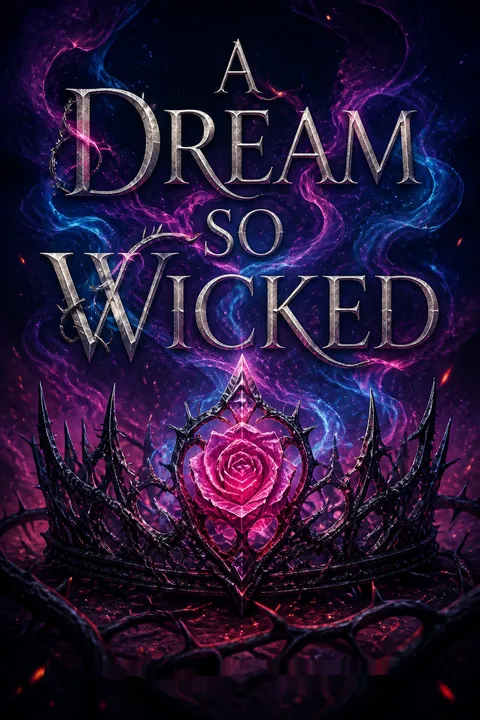


Plot Summary
The Last Quadrille
On the eve of her twentieth birthday, Briony Rose dances alone in a glade, knowing the convent must release her the next day. Her dream magic rebuilds a meteor shower and supplies invisible partners, until Thorne Blackwood, a handsome baker she once saw from afar, appears among them. He seems unusually aware of her and calls her by a name she has never given him.
As their dance turns intimate, he speaks of fate and curses, then touches her bare chin and orders her to forget their meeting. Briony wakes with the morning advanced and the encounter erased. She assumes her final dance is over, unaware that a stranger has entered her life through the very magic she barely understands.
The opening makes Briony's magical imagination both refuge and vulnerability. She can preserve a scene, but cannot command what a dream means or who enters it. Her dance is not merely escapism: it rehearses the social intimacy she has been denied, giving her a partner without risking rejection. Thorne's intrusion turns that private rehearsal into a breach of consent, although Briony cannot remember it. The erased encounter establishes a crucial asymmetry: one character possesses knowledge and agency while the other experiences only the consequences. Her approaching birthday makes the rupture sharper, since she is already facing the end of the sheltered life that shaped her.
Princess in Gray
At Briony's birthday gathering, the teachers who raised her let slip that someone has come for her. The visitor is Thorne, whom Briony recognizes from her dreams but greets formally. Her teachers explain that she is Rosaline Briar, daughter of Lunar's Seelie King Horus and Queen Divina, and that their bargain required them to conceal her identity until her parents could safely claim her.
Briony learns she is also engaged to Monty Phillips, son of the Earthen Court's Human Representative. Thorne will escort her first to her parents, then to her intended husband. Shock hardens into anger at the secret, but a letter from Divina assures Briony that she was loved and wanted, reviving the hope she had forced herself to abandon.
The revelation gives Briony the family she imagined, but attaches that gift to secrecy and obligation. Her parents' love is real, yet it reaches her first as a political arrangement and a withheld history, so emotional relief cannot immediately erase resentment. The teachers' silence has protected her, but it has also deprived her of the chance to understand her own life. Briony's response is psychologically credible because she does not choose between anger and hope; she carries both. Thorne's role as escort places him at the hinge between her past and future, while his familiarity to her remains inexplicable to everyone involved.
A Letter Opens the Palace
Alone in her room, Briony steadies herself with a recording of a ballet she first heard in Lumenas, then reads Divina's letter. Her mother says she and Horus hid Briony because a threat endangered her, and that they searched for years before finding her.
She also admits the marriage to Monty is meant to rescue the family, though she postpones the full explanation until they meet. Briony accepts the journey despite having no chance to say goodbye properly to her convent friends.
On the coach, Thorne explains that her parents' reputation is failing: Divina's dream magic has helped Horus keep his throne, while his popularity has suffered. Briony's marriage to an influential human is meant to restore standing, secure allies, and protect the family if Horus loses power.
The letter repairs one wound while opening another. Briony learns that abandonment was an act of protection, not evidence that she was unwanted, but the truth does not undo the lost years or make the marriage consensual. Her willingness to travel comes from longing for connection, not confidence in the political plan. The ballet recording is a small but telling resource: music lets her regulate emotion when family history cannot. Thorne's explanation frames marriage as a public instrument, exposing the way intimate life becomes currency for a threatened dynasty. Briony is asked to serve a family she has not yet met, before she has had time to decide what belonging means.
The Iron-Bound Curse
As Briony presses him about the danger surrounding her, Thorne recounts the century-long feud between the Briars and the Lemurias, a family of banshees. After a banshee's tears foretold the death of a Briar child, the clans retaliated until former Queen Nyxia cursed them: blood drawn between the families would put the aggressor's clan into a hundred years of sleep.
Each side also cursed the other's next child. Briony is bound to iron; a Lemuria boy was cursed never to see his mother's face. Thorne says the Lemurias have fallen under the sleeping spell, except for one surviving family member. When Briony asks how he knows so much, he ends the account and makes her forget it, leaving her with only fragments.
This history replaces a simple rescue narrative with inherited violence. Briony is not merely threatened by an outside villain; she is the living continuation of a feud whose rules were written before she could choose anything. The reciprocal curses make both families victims and perpetrators, complicating any clean moral allegiance. Thorne's power to erase the account repeats the coercion that opened the story, but now the stakes are political as well as intimate. By controlling what Briony can remember, he does not just hide facts; he shapes the choices she is capable of making. The curse's language of blood, iron, and sleep gives abstract family history immediate bodily consequences.
Nocturnus at Midnight
At Nocturnus Palace, Divina rushes down the steps and embraces Briony before she can be formally introduced. Briony meets Horus and a close circle of Briar relatives at her birthday dinner, where their warmth makes the family she has long imagined feel briefly real.
Horus explains that the crown is deeply in debt and that the Phillips alliance must be secured quickly; their wedding is scheduled in two weeks. He also admits the family has used coercive and criminal methods to protect its power.
Before the party, Divina frames Briony's likeness so she can dream of her, revealing that she is a succubus who shares dreams with chosen subjects. Briony realizes her dreams of Thorne may have reached the real man and asks her mother how to erase a subject from memory.
The reunion offers affection, but the speed of the welcome makes it difficult for Briony to distinguish love from need. Horus's candor is more morally complicated than Divina's cheer: he admits the cost of the family's rule even as he asks his daughter to help preserve it. The discovery of shared dreams turns Briony's private fantasy into an ethical crisis. What she thought was harmless invention may have involved another person's awareness and desire. Her request to erase Thorne is an attempt to reclaim control, but it also reveals how quickly she assumes responsibility for harm she cannot yet understand. Family likeness becomes both a bond and a source of danger.
The Birthday Knife
During the dinner, Thorne arrives with the birthday cake and asks Briony to remember their forgotten dance. The memory returns: he is not merely a dream image but the Lemuria survivor he described, Vintarys, whose name means iron. By touching Briony's skin with his bare hand, he has activated her curse and gained the power to command her.
He forces her to hold a knife to Horus's throat, then goads her into striking him. Briony draws blood, triggering Nyxia's sleeping curse; her parents and relatives collapse into enchanted sleep. Thorne releases Briony and leaves, while she is left believing she has destroyed the family she had only just found. Nyxia, summoned by the curse, arrives to manage the aftermath.
The birthday cake, a symbol of the warmth Briony associated with family, becomes the instrument around which betrayal unfolds. Thorne exploits the exact emotional vulnerability the reunion created: Briony wants to prove loyalty and fears losing her new family. Yet the curse makes her action neither wholly chosen nor wholly involuntary, leaving her with guilt that cannot be resolved by simple exoneration. Thorne's retaliation is strategic, but his use of Briony as a weapon repeats the families' habit of treating children as instruments of old grievances. The scene makes the central conflict bodily and irreversible: a touch, a command, a cut, and an entire household falls silent.
Two Weeks to Mend
Nyxia tells Briony that the Briars are not dead but must be moved to the catacombs, and that a succession fight will soon threaten Lunar. Briony persuades the former queen to disclose the curse's condition for release: one Briar and one Lemuria must complete a task neither wants, with each family's benefit serving the other.
Given only two weeks, Briony seeks Thorne at his flagship bakery. She traps him inside a daydream and has her servant Boris hold a real knife to his throat, forcing him to bargain.
Thorne must escort her to Monty, support the marriage, and help her secure it before the deadline. Briony argues the marriage will restore her family's standing and money, while ending Divina's interference with throne challengers, giving Thorne's side a fair chance.
Briony shifts from stunned victim to strategist, using the same imaginative power that once served private fantasy as leverage in public conflict. Her threat against Thorne mirrors his earlier coercion, but it is also a deliberate attempt to rebalance an unequal relationship. Nyxia's condition demands more than a symbolic apology: each heir must accept a concrete cost that benefits the other lineage. Briony's chosen task shows how deeply she still believes love and safety must be earned through usefulness. Her plan is both ingenious and self-punishing, because it turns her unwanted engagement into the proof of her worth. The deadline transforms romance into a political mechanism with measurable stakes.
The Phillips Game
On the journey to the Earthen Court, Thorne reveals that the Lemuria boy was blinded as a child by a Briar cousin, and that he himself killed that cousin while trying to save his own mother and sisters from an iron attack.
Briony hears how both families have inflicted lasting harm, though she remains determined to save hers. At Sandalwood Manor, Monty is drunk at a garden party and announces that the engagement has already been broken because Briony missed its latest deadline.
He offers a weeklong game: if she wins his approval in five activities, he will ask his father to reinstate the match. Thorne sobers Monty with a tonic, while Briony accepts the humiliating contest because the marriage is still the task she believes can wake both families.
The train conversation destabilizes Briony's inherited loyalties by giving Thorne's pain a specific history, especially the childhood blindness and the loss of his mother and sisters. Her sympathy does not cancel her anger, but it makes a simple enemy image harder to maintain. Monty's game then converts a political arrangement into a performance, requiring Briony to audition for a role she never chose. The contrast between Thorne's restraint and Monty's careless public behavior gives the romance its social pressure: Briony must present herself while resisting the man who treats her future as entertainment. Her acceptance is not desire; it is a calculated choice made under a ticking deadline.
Betty's Wild Run
Briony shops for clothes to meet Monty's demands, and Thorne's rare compliment unsettles her more than the attention of strangers. At Blackwood Estate, Monty assigns her the difficult mare Betty for a riding challenge.
Briony insists she can manage and races ahead, but Betty bolts toward the woods and throws her. Thorne catches her in his wings before she is trampled, then scolds her for risking her life. He offers to abandon their bargain, but Briony refuses because she believes the marriage is the only way to restore her parents' trust.
She admits she wants them to wake proud of her. Thorne tells her she does not need to earn their love, and apologizes for what he did. Briony accepts his promise to help, though the wedding plan remains in place.
The horse episode turns Briony's desire to prove competence into literal physical danger. She is not simply competing with Monty; she is trying to demonstrate that she can be the daughter her parents might value. Thorne's rescue makes care tangible, but it cannot undo his earlier violation, which is why his apology matters more than his physical strength. His insistence that she is already worthy directly challenges the emotional logic driving her plan. Briony does not immediately accept that challenge, because abandoning the marriage would mean risking the family she has barely gained. Their closeness grows through disagreement rather than absolution, preserving the moral weight of his betrayal.
Stars Over Blackwood
After overhearing Monty dismiss Cosette during their private encounter, Briony falls in Thorne's garden and injures her knee. Thorne carries her inside, cleans the wound, and feeds her molten chocolate cake while she admits the scene angered and unsettled her. Later, he enters her dream after she loses control of her magic, gives her dancing slippers he bought as a wedding gift, and takes her flying.
High above the manor, Briony captures a spectacular meeting of three courts' skies. She kisses and teases Thorne until he lands, then freely chooses him in the gazebo. Their intimacy becomes both physical and emotional. Thorne tells her he loves her, but they still face the planned marriage and the secrets dividing their families.
This turning point makes care reciprocal: Thorne tends Briony's wound, while Briony insists he deserves care despite his past choices. The flight matters because it gives her the height and freedom she has long imagined, but she can only capture the sky after trusting his grip. Their intimacy is chosen rather than dreamt, an important contrast with the earlier magical encounters that neither fully understood. Yet the scene does not dissolve political consequences. Thorne's confession arrives alongside the knowledge that their families remain opposed and that Briony is still expected to marry Monty. Pleasure opens a possible future, but does not yet make that future socially or ethically possible.
The Kiss She Refuses
Monty's games continue to expose his immaturity and his resistance to the marriage, while Thorne and Briony grow increasingly attached. When Monty proposes a final, easy win that requires Briony to kiss him, she refuses.
He reveals that the game was partly intended to torment Thorne and push the two of them toward each other; he will not marry Briony and plans to accept the consequences with his father. Briony is relieved, but realizes this refusal may destroy the bargain she made with Thorne.
Before she can explain her decision, a message from Nocturnus Palace reports that a servant is missing and the lie about her sleeping parents is at risk. Thorne suspects Trentas, his dragon ally, has discovered the secret and is moving against the throne.
Monty's final test reverses the logic of the earlier games: Briony can secure the marriage only by betraying the desire she has begun to acknowledge. Her refusal is therefore the first unambiguous choice for her own future, even though she cannot yet know how costly it will be. Monty's revelation complicates his role without erasing his cruelty; manipulation has been his preferred language of care, and its effects remain damaging. The urgent palace message interrupts Briony's chance to tell Thorne what she has chosen, carrying the private decision into a public crisis. The story's central question shifts from whether Briony can win approval to whether she can act without needing it.
The Palace in Flames
Thorne flies Briony back to Nocturnus Palace, where they find the grounds scorched and rival factions fighting to claim the vacant Seelie throne. The families' sleeping curse has become public, and Trentas, the dragon who helped raise Thorne, is among the challengers.
Thorne asks him to wait until Briony marries Monty, but Trentas grants only until the melee ends. Inside the palace, Briony refuses to proceed with the wedding and releases Thorne from their bargain.
She is about to tell him she loves him when he stops her, explaining that their last possible task is to sacrifice their memories and feelings for each other. If Briony forgets him, she may marry Monty and restore the alliance; Thorne's family may then gain a fair chance at the throne. He commands her to forget, and the sleeping curse breaks.
The public melee makes the cost of secrecy visible: a family crisis becomes a civic vacuum that invites violence from every faction with a claim. Thorne's request that Briony marry Monty is not a return to indifference but an attempt to fulfill a promise through a sacrifice she does not want. The countercurse turns emotional erasure into political labor, asking them to exchange the very bond that could help them build a different future. Briony's refusal of the marriage and Thorne's subsequent command are painfully unequal acts: she chooses herself, while he chooses what he believes will restore her family. The victory is real, but it is purchased by damage to memory and consent.
The Tower's Prisoner
Briony wakes beside her newly revived family with only scattered memories of how the curse broke. Horus goes to confront the claimants, while Divina embraces Briony, then recoils when she learns the Lemurias have awakened too. Fearful that Vintarys may still control her, the Briars restrain Briony and lock her in the tower room once used by their decoy.
For three days, she searches for a way out and tries to make sense of the gaps in her mind. She knows Thorne is her enemy, yet a captured image of a colored night sky leaves her aching with unexplained loss. Minka and Boris eventually reach her disguised as part of the meal service. They bring a plan to help her escape, and Briony prepares to use her dream magic on the guards.
The curse's end does not produce the reunion Briony hoped for. Her parents wake into fear, treating her as a possible weapon rather than a daughter, and the tower repeats the confinement her decoy may have endured. This reversal clarifies that blood relation is not the same as care: the servants risk their positions to protect Briony, while her family invokes protection to justify imprisonment. Her missing memories dramatize the cost of Thorne's sacrifice without naming it for her. The persistent sky image functions as emotional residue, suggesting that affection can survive as sensation even when narrative memory has been cut away.
Thorne Renounces Vintarys
While Briony remains imprisoned, Thorne visits the catacombs as his mother and sisters recover from fifteen years of enchanted sleep. He tells Morgana he will not serve the feud or use Briony as a weapon again, then renounces the Lemuria name and his place in the banshee clan. He chooses to live as Thorne Blackwood, severing the identity that gave him power over Briony.
Trentas confirms that the Briars have locked her in the tower, and Thorne immediately leaves to reach the palace. He cannot approach by air because guards watch the battlements, so he walks openly into the grounds and claims Briony's life depends on his access to the king. His true aim is to get close enough to free her.
Thorne's renunciation is not a clean escape from history; it is a refusal to keep turning inherited pain into authority over someone else. He relinquishes the name that made him powerful precisely when that power could still be useful to him. The choice costs him his mother's approval and separates him from the clan he has spent years trying to save. His false threat at the palace reflects a changed use of deception: he lies to protect Briony, rather than to control or punish her. The scene also reverses their earlier dynamic. She once had to act within the story he dictated; now he risks his safety to make her freedom possible.
Memories in the Hall
As Thorne bargains with Horus and Divina for Briony's release, she escapes her tower with Minka and Boris, using a daydream to paralyze a guard while they steal his key. Hearing Thorne admit he loves her, Briony recovers the memories he erased, including their flight, their intimacy, and his final sacrifice.
She abandons her escape route and rushes to protect him when her parents order the guards to kill him. Her dreamscape floods the hall, disrupting the attack and revealing that her magic can affect other people while she is awake. Briony defies her parents, refuses to leave Thorne, and demands a binding promise that they will let all four escape. Horus agrees, and the group leaves the palace unharmed.
Briony's memories return through recognition and action, not through a convenient explanation. Hearing Thorne choose her aloud gives the emotional image enough force to break the mental barrier, but she confirms that recovery by risking herself for him. Her magic becomes public and protective, no longer a private instrument or a source of accidental exposure. The confrontation also forces her parents to decide whether they value authority over their daughter's autonomy. Briony does not pretend their intentions were entirely malicious; she distinguishes intention from impact and sets conditions for any future relationship. Leaving is not revenge. It is a boundary that makes future reconciliation possible without surrendering her freedom.
A Chosen Home
At Blue Moon Lake, Briony confronts Thorne with the anger he deserves, then tells him she loves him. He explains that renouncing Vintarys has broken the bond that let him command her. Briony chooses him without pretending his betrayal was harmless; she keeps her anger and her affection together. Minka and Boris join them, and the four leave Lunar Court.
In the aftermath, Horus and Divina lose the throne after failing to escape their debt, and Trentas becomes Seelie's new king. Briony and Thorne build a life across Faerwyvae, returning to the convent and maintaining ties with the people who raised her. Their future remains uncertain, but neither must surrender their chosen identity to claim it.
The lake reunion resolves the romance through an explicit choice, not through the disappearance of conflict. Briony names love and anger together, refusing the false alternatives of forgiving everything or rejecting everything. Thorne's new identity matters because he has ended the magical mechanism of coercion, not simply changed his public label. The political outcome is deliberately imperfect: the Briars lose their crown, but the story does not treat that loss as equivalent to losing every form of family or belonging. Briony can leave without declaring her parents irredeemable, and she can love Thorne without absolving him. Their chosen home is built from accountable relationships rather than inherited status.
Epilogue
A year later, Briony teaches dance at the Celesta Convent, using her dream magic to give the girls a star-filled ballroom and a partnerless lesson that feels joyful rather than lonely. She visits her old teachers and stays in touch with Lina and Dorothy. Her home now shifts between cities as Thorne tends his bakery branches.
At Modest Minka's, where Minka and Boris work, Briony reunites with Monty, now separated from his family's fortune and employed in publishing. Thorne proposes with a chocolate ring hidden among pastries, asking Briony to marry him as the person she is. She accepts, and her magic fills the bakery with the colored sky they once shared.
The epilogue answers the opening image of solitary dancing without erasing it. Briony now teaches others to move together, turning the private practice that once marked her exclusion into a form of community. Her magic has also changed meaning: it can produce joy for a roomful of people, not only preserve or manipulate a subject. The return of Monty and the convent characters shows that choosing a new family does not require every earlier relationship to vanish. Thorne's proposal asks for acceptance rather than political usefulness, directly countering the coerced marriage that once defined Briony's future. Their shared sky becomes a memory chosen freely, no longer a spell that either must endure.
Analysis
A Dream So Wicked uses a romantic fantasy plot to ask what people owe to families whose love is real but whose behavior is harmful. Briony begins with a practical theory of survival: if she can become useful, she can secure belonging. Her decision to marry Monty is therefore not simply a political sacrifice. It is an attempt to make herself indispensable to parents she has only just met. Thorne recognizes the wound beneath that plan, but his insight does not excuse his own coercion. He manipulates Briony's body, memory, and family ties in the name of revenge, reproducing the same instrumental logic he condemns in the Briars.
Dream magic gives this conflict a precise form. Images can be preserved, entered, shared, and, in Briony's hands, imposed on the waking world. The power first offers escape from a life without dances or partners; later it makes consent, privacy, and memory central questions. Thorne's command to erase their love appears sacrificial, yet it repeats the violation that began their story. Briony's eventual recovery depends not on magic alone but on choosing action when memory returns: she intervenes to save him and refuses to let family authority define her future.
The novel avoids a simple redemption through romance. Briony can love Thorne while remaining angry about what he did. She can care for her parents without agreeing to be their political instrument. Thorne can leave his clan without claiming that his past was harmless. These distinctions make the ending more psychologically durable than a clean reconciliation would be. The story's final idea of home is chosen and plural: the convent teachers, loyal servants, friends, and beloved can all matter without requiring Briony to surrender herself. The central transformation is not that she stops wanting family, but that she stops treating self-erasure as the price of being loved.
Review Summary
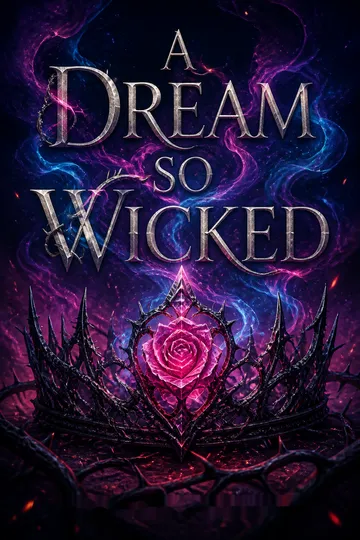
A Dream So Wicked is highly praised as a captivating Sleeping Beauty retelling with magical elements and swooning romance. Readers love the chemistry between Briony and Thorne, the enemies-to-lovers trope, and the author's unique twists on the classic tale. Many consider it one of the best in the Entangled with Fae series, appreciating the vivid world-building, engaging characters, and perfect balance of romance and fantasy. While some found it predictable or long-winded, most readers were enchanted by the story's charm and creativity.
People Also Read



Characters
Briony Rose
Dreaming convent wardBriony is imaginative, sociable, and impatient with a life narrowed by rules. Raised at the Celesta Convent, she learns to preserve scenes in dreamlike frames and longs for dancing, travel, and a family who wants her. Her instinct to tease and challenge authority can conceal how deeply she seeks approval. She is also observant and resourceful, particularly when a crisis demands that she turn imagination into action. Briony's central tension is between wanting to belong and wanting to choose for herself. Her affection is generous, but she must learn that love does not require her to become useful, obedient, or silent.
Thorne Blackwood
Guarded bakery magnateThorne is a successful baker and businessman whose formal reserve often masks a sharp, teasing intelligence. He values routine, craft, and the quiet refuge of a kitchen, but his life is shaped by family secrets and a history of loss. His loyalty can become dangerous when he mistakes inherited duty for moral necessity. Beneath his controlled manner is a capacity for tenderness, especially in the small acts through which he cares for others. Briony's challenge to his self-image forces him to examine whether he is defined by the role his family gave him or by the choices he makes now.
Divina Briar
Effusive Lunar queenDivina is warm, exuberant, and quick to express affection, often speaking faster than others can absorb. As a powerful dream fae, she understands magic as both intimate connection and political leverage. Her devotion to her family is genuine, but her desire to protect its position can override other people's autonomy. She is ambitious, socially perceptive, and accustomed to shaping circumstances rather than accepting limits. Divina's charm should not be mistaken for innocence: she has made choices with lasting costs, even when she believed she was securing a safer future for those she loves.
Horus Briar
Burdened Lunar kingHorus is an austere-looking mahrt whose intimidating features contrast with a shy, affectionate manner in private. He cares about the Lunar Court and understands that fear alone cannot sustain a seelie monarch, yet he has benefited from strategies that damaged public trust. His humility makes him easier to love than his political record might suggest, which creates a difficult tension for those close to him. Horus wants to be a worthy ruler and a loving father, but good intentions do not automatically repair the harm caused by his choices.
Monty Phillips
Unruly intended groomMonty is a wealthy human heir with a roguish manner, a taste for games, and little patience for conventional expectations. His careless drinking and provocative humor make him seem shallow, but he is more perceptive about his friends than he lets on. He resents having his future arranged for him and uses mischief to reclaim a measure of choice. Unfortunately, he often treats other people's discomfort as entertainment, and his attempts to manage relationships through teasing can cause real harm. Monty is difficult to read because genuine insight and irresponsible behavior coexist in him.
Nyxia
Retired curse makerNyxia, the former Unseelie Queen of Lunar, is blunt, politically astute, and unimpressed by appeals to innocence. She created the curse governing the Briar and Lemuria feud and remains responsible for its consequences. Nyxia respects cunning more than sentiment, so Briony must persuade her through the public costs of letting the royal crisis deepen. Her detached humor reflects a ruler who has seen too many people mistake power for virtue.
Trentas
Dragon claimant and mentorTrentas is a dragon who served as an ally and father figure in Thorne's childhood. He is disciplined, politically ambitious, and convinced that Lunar needs a stronger ruler. His care for Thorne is real, but it does not stop him from expecting the younger man to serve a larger cause. Trentas represents the seductive force of a righteous political mission, particularly when the mission asks someone to set personal loyalty aside.
Minka
Feline palace attendantMinka is a catlike fae who loves beverage service, order, and the freedom of her animal form. Her earnest manner gives her statements an unexpected comic edge, but she is observant and brave when Briony is in danger. She becomes more than a servant by choosing to protect Briony even when doing so risks her position. Minka's loyalty grows from affection and shared experience rather than blood or rank.
Boris
Fox butler and protectorBoris is a fox fae with a formal manner and a deep respect for duty. Initially he serves the Briar household, but his growing affection for Briony leads him to question whether obedience is still honorable. He is anxious about danger and not always confident in his threats, yet he acts when his values demand it. His protective care helps Briony recognize that family can be created through dependable choices.
Angela Phillips
Kindhearted schoolgirlAngela is Monty's younger sister and a student who wants friendship more than social advantage. Her kindness makes her vulnerable to people who exploit her trust, but she is not foolish; she simply hopes the best of others. She quickly welcomes Briony and offers the possibility of companionship beyond the political marriage. Angela's warmth provides a gentler contrast to the performative games played by her brother.
Cosette Dervins
Monty's persistent former flameCosette is a polished young woman who once courted Monty and still hopes to regain his affection. She cultivates closeness with Angela, whose loneliness gives her access to the Phillips household. Cosette's elegance conceals a willingness to use another person's trust for her own ends. Her history with Monty shows how rejection, regret, and social insecurity can harden into persistence rather than honest repair.
Morgana Lemuria
Veiled banshee matriarchMorgana is Thorne's mother and a formidable banshee whose face is hidden from her son by an old curse. She is fierce, proud, and devoted to her clan, but years of conflict have fused love with vengeance in her understanding of family. Her presence helps explain why Thorne has treated duty as an inherited command. Morgana's strength is real, though it does not make her immune to grief or the cost of the choices she has made.
Sister Agatha
Convent's joyful teacherAgatha is the convent teacher most drawn to celebrations, surprises, and the emotional lives of her students. She cares for Briony with open affection and quietly prepares a ballgown to honor her wish to dance. Her enthusiasm can become rambling, but it also gives her students permission to imagine a life beyond routine.
Sister Spruce
Convent's tender bakerSpruce is a gentle teacher and gifted baker whose confidence often lags behind her skill. She comforts students through food and touch, making care part of the convent's everyday rituals. Her gift to Briony is a practical nightdress, a small reminder that affection need not be grand to be lasting.
Sister Marsh
Convent's firm protectorMarsh is disciplined, blunt, and committed to structure, but her severity hides a thoughtful affection for her students. She gives Briony sensible clothes for the life ahead and hopes to remain a friend after their formal teacher-student relationship ends. Marsh shows care through preparation and clear boundaries rather than exuberant display.
Dorothy
Faithful convent companionDorothy is a quiet, honest student who finds meaning in the convent's religious life. She hopes Briony might stay, not to limit her, but because she values their companionship. Her gentleness contrasts with Briony's restlessness and helps make the convent feel like a real home rather than only a place of confinement.
Lina
Ambitious young studentLina is a sharp-tongued human student who has worked hard to win her parents' approval and return to society. She teases Briony but also grieves when her friend must leave. Her ambition comes partly from genuine excitement about adulthood and partly from the pressure to prove she has changed.
Tilly
Beloved bunny fae childTilly is a small, affectionate student with rabbit features who likes to sit in Briony's lap. Her easy trust helps reveal Briony's instinctive warmth with children and gives the convent community a vivid, tender presence.
Remus
Shadow mahrt musicianRemus is a shadow mahrt and Briony's cousin who plays the harp and piano at family gatherings. He consumes nightmares rather than creating them, giving his eerie form a quietly helpful purpose. Music makes him a gentle presence amid the Briars' formidable appearance.
Ned
Rebellious wind-wielding cousinNed is a rebellious Briar cousin with unusual control over air and pressure. He is eager to prove himself to his family and drawn to the old clan conflict. His youthful need for recognition gives his actions a dangerous impulsiveness.
Edwyn Blackwood
Baker and devoted fatherEdwyn is Thorne's human father, a baker who turns a shared craft into a source of comfort and connection. He values peace over inherited vengeance and passes his love of baking to his son. His memory remains central to Thorne's sense of what a family can be.
Alina Blackwood
Welcoming adoptive motherAlina is Edwyn's wealthy wife, remembered for her kindness and her willingness to accept a child into her family without reservation. Her care helps shape Thorne's attachment to the Blackwood name and the life he builds around the bakery.
Mrs. Donahue
Sandalwood housekeeperMrs. Donahue manages Sandalwood Manor and tries to keep order during the chaotic arrival of Briony and her companions. Her anxious professionalism makes her one of the few people in Monty's household who still takes social obligations seriously.
Plot Devices
Dream framing
Memory becomes a doorwayBriony frames a scene or person with her hands and stores the image as a memory she can later recreate in a dreamscape. Her power initially seems private, a way to revisit dances and places she has never been allowed to experience. Framing an individual, however, can connect her to that person in a shared dream, while her daytime magic can eventually draw subjects into illusions and immobilize them. The device drives the romance, creates the risk of violating another person's privacy, and becomes essential to Briony's escape and defense. Its growth parallels her shift from using fantasy to endure a limited life toward using imagination to make choices in the real world.
The name Vintarys
A name binds the enemyVintarys means iron in an ancient fae language, and the name connects Thorne to the curse laid on the Briars' nextborn. When Thorne touches Briony's bare skin, her iron curse binds her to his commands. The bond explains his control at the birthday dinner and makes her later insistence on a new bargain urgent. It also gives Thorne a way to release her: he must reject the name and the family identity attached to it. The device ties identity to power, showing how an inherited label can become both a weapon and a prison.
The blood-sleep curse
Violence silences a clanNyxia's curse places a hundred-year sleep on the family whose member first draws blood from the rival clan. The rule was designed to restrain the Briar and Lemuria feud, but it also creates an incentive for both sides to use indirect violence and manipulation. Thorne provokes Briony into cutting him, causing the Briars to fall asleep and placing Lunar's Seelie throne in danger. Nyxia later explains that both families can awaken only if a member of each sacrifices a personal desire in a task that benefits the opposing family. The curse makes every act of violence political and every act of cooperation costly.
Fae bargains
Promises carry consequencesFae bargains bind their makers to clearly intended terms, with violations bringing magical pain and potentially death. Briony uses that system to force Thorne to help secure her marriage to Monty, while Horus later swears to let Briony and her companions leave the palace. Bargains shape the plot because characters cannot treat promises as casual speech; each agreement requires them to decide what they are willing to risk. The book contrasts binding contracts with emotional consent: a bargain can make a person comply, but it cannot make the resulting choice loving or just.
Monty's courtship games
Marriage becomes a testAfter Briony arrives late and the arranged engagement is voided, Monty invents a series of games to decide whether he will ask his father to reinstate it. The events include social performance, dancing, riding, and kissing, and they force Briony to spend time with both Monty and Thorne. The games frustrate her marriage plan, but they also expose Monty's resistance to being assigned a wife and intensify Briony's attraction to Thorne. By turning courtship into a contest, Monty makes the political arrangement look absurd while inadvertently helping Briony recognize that she does not want the future she has been trying to secure.
Entangled with Fae Series

About the Author


Download PDF
Download EPUB
.epub digital book format is ideal for reading ebooks on phones, tablets, and e-readers.








