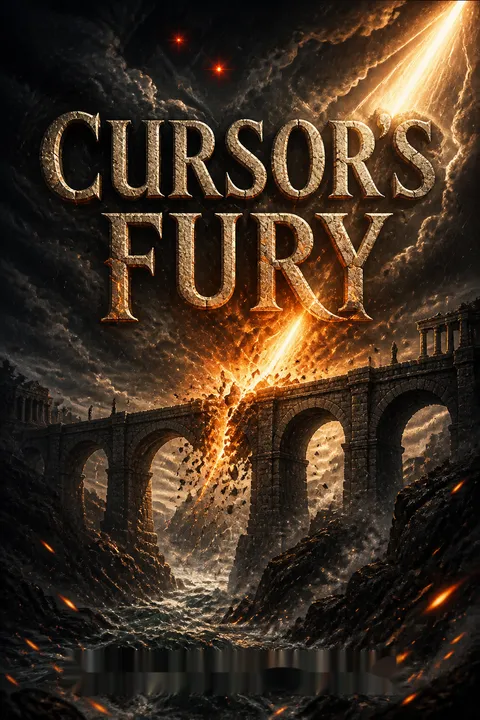


Plot Summary
Prologue
In the Grey Tower, Tavi studies strategy with Varg, a Canim ambassador held prisoner, and learns that their courteous game is preparation for a war neither expects to avoid. First Lord Gaius sends Tavi to the ruins of Appia, while secretly feeding false information through Rook, his compromised agent inside Kalare.
Rook delivers the bait to her master, High Lord Kalarus, knowing that his response will bring civil war and that her daughter remains in his power. Far away in the Sunset Isles, Cursor Ehren recognizes that Captain Demos is carrying goods west toward the Canim. Three separate errands begin to point toward one approaching disaster.
The opening links strategy, espionage, and captivity before the characters can see how closely their fates are converging. Tavi’s game with Varg makes learning an enemy’s habits feel like a form of respect, but the prisoner’s honesty cannot erase the war waiting beyond the board. Rook’s secret motherhood gives political manipulation a private cost: Gaius uses her as bait, while Kalarus uses her child as a leash. Ehren’s observation supplies the outward threat that neither court has yet recognized. The prologue’s structure therefore creates dramatic irony through separate partial views. Every character holds one piece of a crisis whose scale is larger than any single allegiance.
Appia's Broken Engine
At Appia, Tavi and Maestro Magnus test a hand-built siege engine made without furycraft, hoping to prove that ancient Romans achieved great works without magical skill. The stone flies farther than expected and returns when Max, arriving on horseback, throws it back toward them. Before the friends can celebrate the machine, three hidden archers attack.
Max cuts arrows from the air, Magnus exposes a woodcrafter with a dusting of earth, and Tavi kills the revealed attacker with his sling. The other two assailants die in the fight. Tavi vomits, then searches the corpse because the attack has no clear explanation. Max brings urgent orders: Tavi must join a new Legion as a covert Crown observer, with Max and Magnus beside him.
The failed engine and the successful sling establish the book’s central contrast between impressive power and usable skill. Tavi cannot rely on furycraft, so he notices angles, materials, and openings that more gifted people overlook. Yet the sling’s effectiveness carries a moral cost: competence does not protect him from revulsion when he kills. The attackers’ unexplained presence also turns scholarly work into political danger. The Roman ruins are not merely an archaeological curiosity; they offer Tavi a way to understand how people survive without the advantages their society takes for granted. His first lesson is both practical and intimate: ingenuity can keep someone alive, but it cannot make violence feel clean.
The First Aleran
Max drills Tavi in shield-wall fighting during the journey, even breaking his wrist to force him to protect a shieldmate rather than fight like a duelist. At the First Aleran’s camp, Tavi takes the false identity Scipio Rufus and receives a low-ranking logistics post.
Captain Cyril announces that the Legion will serve the Realm rather than its sponsoring cities, despite the competing political agendas in its ranks. Tavi soon discovers that Tribune Gracchus has been shorting the soldiers’ flour, and replaces counterfeit measuring cups before the theft can continue.
Cyril lets the matter stand because Gracchus remains useful, but the test confirms Tavi’s honesty. Then Tavi sees Max react with fear to the arrival of his stepmother, Lady Antillus.
The First Aleran is designed to resist political capture, but its mixed loyalties make trust a practical problem rather than an ideal. Cyril tries to build cohesion through standards and shared work; Tavi begins building it by protecting the ordinary material conditions of service, including full rations. His confrontation with Gracchus shows that integrity can be tactical: he exposes the theft without destroying the logistics officer the Legion needs. Max’s reaction to Lady Antillus reveals the limit of institutional protection. A Legion may claim that rank and duty govern everyone equally, but family power can follow a soldier into the camp and threaten him through private history.
Max's Fifth Accident
During weapons training, a recruit’s sword opens Max’s neck, nearly bleeding him to death. Captain Cyril keeps Lady Antillus from using more healing craft before Max has rested, while Tavi recognizes that the supposed accident fits a pattern. When Max wakes, he confirms that this is the fifth attempt on his life and admits that his stepmother has been arranging them since he escaped her household.
She abused him as a child and killed his mother, a slave from Rhodes; Max has lived as if an early death were inevitable. Tavi refuses to leave the danger untouched. He also turns aside Lady Antillus’s test of his firecraft by kindling tinder with a glass lens, concealing his lack of furycraft and drawing her suspicion toward him.
Max’s fatalism is not bravado but an adaptation to prolonged, repeated danger. His drinking and appetite for risk make more sense once Tavi learns that Max expects his life to end violently and sees little reason to plan beyond the next escape. Tavi’s response matters because he does not demand that Max become brave on command; he stays beside him and offers practical resistance to the woman who has controlled his fear. Meanwhile, the lens trick turns Tavi’s apparent weakness into a source of freedom. He does not overpower Lady Antillus. He exploits the assumptions that make her confident she understands what she sees.
Kitai in the Pavilion
Tavi endures Gracchus’s punishment by digging latrines and begins frequenting Mistress Cymnea’s camp-followers’ pavilion for information about a suspicious trade contact. There he recognizes the blind, pockmarked beggar Gerta as Kitai, the Marat ambassador and his closest companion, who has disguised herself to listen unnoticed.
Kitai confirms that she came after him rather than attend the family reunion in Ceres. Her return ends the strange numbness Tavi had mistaken for having outgrown his longing, though neither can leave their duties.
Together they pursue a possible intelligence network inside the Legion. Tavi also steals Lady Antillus’s purse to pay for transport and finds a small red stone inside, an unfamiliar object he keeps without yet understanding its significance.
Kitai’s disguise allows her to occupy a social position people dismiss, turning invisibility into an intelligence tool. Tavi’s work among the camp followers likewise shows that the Legion’s information does not flow only through officers and formal reports. Their reunion is emotionally consequential, but the book refuses to treat romance as an escape from obligation: Kitai and Tavi meet because both are investigating the same threat. The red stone is a quieter kind of setup. Tavi takes it for practical reasons, without knowing that his habit of noticing small objects will later matter more than the political figures around him expect.
A Warning from Calderon
Amara returns to her husband, Bernard, at Garrison, where Aleran traders now do business with Marat clans once treated as enemies. A violent furystorm rolls toward the fortress, and Bernard’s salt-tipped arrows wound the windmanes inside it.
He tells Amara that storms are arriving from an unusual direction. At the Collegia Tactica, Bernard later warns commanders that the vord are intelligent, rapidly multiplying predators; Senator Arnos publicly dismisses the evidence, and Bernard threatens a formal duel rather than let him smear Doroga’s testimony.
During their reunion in Ceres, Amara reveals that she is pregnant. Isana, meanwhile, supports an emancipation campaign at the Dianic League summit, recognizes that Aquitaine’s reform also weakens Kalare, and accepts private support from Lady Placida, Aria.
This section makes private affection and public danger inseparable without reducing either to the other. Bernard and Amara’s marriage gives them a place of refuge, but their work keeps bringing threats to its door. Bernard’s defense of Doroga is a political risk grounded in personal trust: he chooses a witness over the comfort of an audience that would rather dismiss a frightening possibility. Isana’s support for emancipation is similarly clear-eyed. She recognizes the political motive behind Aquitaine’s proposal yet still sees the good it could accomplish. Her alliance with Aria matters because it offers a relationship not built solely on debt, calculation, or fear.
The Red-Sky Coup
The stars turn red over Alera, and a wave of terror overwhelms watercrafters gathered in Ceres. At a public dinner, collared attackers murder the Fleet Tribune and assault the guests; Amara fights them while Bernard and Giraldi protect Isana.
Amara captures the surviving attacker, who is Rook, still serving Kalarus under her assumed identity. At a hastily assembled meeting, she reports that Kalarus has mobilized several Legions, destroyed the Second Ceresian, and sent forces toward the city.
He appears through a water image, admits responsibility for the attacks, threatens other High Lords with hostages, and demands Ceres surrender. Gaius secretly remains present and uses Kalarus’s arrogance to stiffen Lord Cereus’s resolve to defend his city.
The red sky functions as both omen and operational advantage: while citizens struggle to interpret it, Kalarus uses the confusion to attack political leaders and military coordination. His violence is not indiscriminate in method, even when its victims are numerous. He targets people whose deaths and captivity can fracture resistance. The massacre also changes the meaning of neutrality. Lords who once could delay a decision now face threats against their families and cities. Gaius’s concealed presence shows the counterstrategy available to an older ruler: he cannot prevent every loss, but he can use an enemy’s need to dominate the room against him.
Rook's Impossible Bargain
Gaius orders Amara to work with Lady Aquitaine and recover the hostages whose captivity keeps Lords Placida and Atticus from aiding Ceres. Amara visits Rook in the citadel’s cells and asks for the prisoners’ location, but the wounded spy refuses to risk the person Kalarus can punish. Aquitaine identifies the leverage: Rook’s five-year-old daughter is in Kalare, and the threat to her explains the spy’s apparent loyalty.
Amara rejects Aquitaine’s suggestion that they use the child as a pressure point. Instead, she frees Rook and places a knife in her hand, staking her own life on a promise to bring Masha out safely. Rook finally agrees to guide the rescue, while Aquitaine watches Amara choose principle over the quickest coercive tactic.
Amara’s choice marks the point where her professional skill and moral identity become difficult to separate. She understands that a hostage can produce information, but she refuses to reproduce the same logic that makes Kalarus powerful. The knife placed in Rook’s hand turns trust into a concrete risk: Amara makes herself vulnerable before asking the spy to do the same. This is not naïveté, since she knows Rook has betrayed people and may still be afraid. It is a deliberate wager on the possibility that loyalty can change when the threatened person is no longer treated as a tool.
Isana's Long Vigil
After defending Isana during the Ceres attack, Fade collapses from poison carried in an arrow wound. Lady Veradis revives him but says the infection will kill him unless someone steadily dilutes it through his body. Isana begins the dangerous healing and maintains it through the siege, with Veradis taking over briefly so she can sleep.
Inside the fever-bound crafting, Fade relives the night of the first Calderon battle: Alia died after helping deliver Tavi, while he obeyed Princeps Septimus’s order to get Isana to safety. Isana reveals that she later suppressed Tavi’s furycraft to hide his parentage, and admits her own guilt. She reminds Fade that his duty to Septimus’s family remains unfinished, and he chooses to live.
The healing becomes an encounter with memory because Isana is not merely tending Fade’s body; she is entering the emotional structure that keeps him from recovering. His belief that every later loss proves his original cowardice collapses distinctions between responsibility and control. Isana challenges that belief without denying that she made consequential choices of her own. Her confession about suppressing Tavi’s abilities reframes the family’s secrecy as protective love that became an injury. The scene’s central moral insight is not that guilt is useless, but that guilt cannot repair the past if it persuades the living to abandon their remaining obligations.
The Captain Without Furies
As the First Aleran marches toward the Elinarch, Tavi breaks his own leg to avoid exposing that he cannot use the fury-powered roads. At the river docks, he and Max find Ehren, who has escaped the islands after seeing a huge Canim armada sail west beneath the strange sky. Tavi identifies a Kalaran spy among the Legion guards, but the man dies before they can question him.
Soon afterward, a bolt of crimson lightning destroys Cyril’s command tent and kills nearly every senior officer. Tavi becomes captain because he is the only surviving officer able to command. When Ehren confirms that the Canim are not raiders but a vast invading force, Tavi recognizes that Kalarus and the Canim may have coordinated their attacks.
Tavi’s promotion is not a reward for readiness; it is a consequence of institutional collapse. The broken leg and false story show how carefully he has to preserve his cover even as the larger crisis makes deception harder to manage. Ehren’s report widens the danger from civil war to invasion, while the lightning strike removes the people whose experience might have contained it. Tavi inherits command at the exact moment when his lack of furycraft seems most disqualifying. The novel makes leadership less a matter of possessing the right credential than of accepting responsibility when no one else can safely carry it.
The Burned Fleet
Tavi leads cavalry against Canim raiders attacking refugees and wins the First Aleran’s first clear victory, then refuses to treat the scattered bands as the whole enemy. Examining weapons taken from the raiders, he sees that many are worn farm tools rather than military arms; the Canim have sent expendable conscripts to distract Aleran scouts.
With Kitai, he reaches a rise above Founderport and sees the Canim ships burning in their harbor. They have no plan to sail home. Tavi also recognizes that the red stone taken from Lady Antillus matches the gems Varg wore. The stone may shield its bearer from Canim ritual power. At the Elinarch, Tavi challenges Sari, whose attempted lightning strike fails to kill him.
Tavi’s battlefield insight depends on treating material details as evidence. Rust, crop stains, and broken edges reveal that the Canim’s first troops are not their trained warriors but people pushed into a sacrificial role. The burned ships confirm the invasion’s irreversible intent: the newcomers have chosen to make the land their future, not a temporary prize. The bloodstone offers a countermeasure, but Tavi does not mistake one survival for mastery. His challenge to Sari is a psychological maneuver built on the ritualist’s need to appear powerful before his own people. Tavi’s advantage comes from understanding what the enemy needs to believe.
The Bridge Becomes a Trap
Tavi persuades the skeptical First Spear, Valiar Marcus, that Sari’s army is divided between ritualists and warriors, and that disciplined pressure might fracture it. The Canim first probe the Elinarch’s defenses, then attack with javelins, hooks, and a ram.
Tavi’s Knights Pisces burn the ram and drive the regulars back. At night, Tavi draws raiders into the town’s sawdust-filled buildings, where a Knight Ignus ignites a vast fire that kills many attackers and buys the defenders time. Rain extinguishes the blaze.
Canim warriors then cross the bridge in darkness with lethal bolt throwers, break through successive defenses, and kill nearly six hundred Alerans in minutes. Tavi survives the breach and resolves to destroy the bridge if he cannot hold it.
The bridge turns every tactical decision into a question of where bodies can move and how quickly they can be replaced. Tavi’s fire trap exploits the town’s architecture, but its success costs homes and lives, not merely enemy numbers. The later defeat shows that cleverness cannot cancel an opponent’s new weapon or the exhaustion of inexperienced soldiers. The bolt throwers transform darkness from an inconvenience into a one-sided killing field. Tavi’s responsibility deepens because he must count not only tactical gains but the human price paid to obtain them. His resolve to keep the bridge is therefore not triumphalism; it is the recognition that retreat would expose civilians elsewhere.
The Citadel's Hidden Cage
Disguised as a pleasure slave, Amara enters Kalare’s citadel with Rook, Bernard, Lady Aquitaine, and the mercenaries Aldrick and Odiana. Rook’s familiarity with the household gets them past the guards, but Lord Eraegus recognizes the danger and Aldrick kills him, raising the alarm. Rook finds the records locating Lady Placida, Aria, and Atticus’s daughter, Elania, in Kalarus’s upper rooms.
Masha is nearby. When Kalarus returns, Amara splits the group: Aquitaine and Odiana go toward the roof, while she and Rook reach the hostages. Aria is chained near stone gargoyles that will attack if she uses furycraft. She breaks through the wall, freeing herself and opening an escape route.
The disguise works because Kalare’s household has made exploitation ordinary. New women brought in for the pleasure of the staff are expected to be decorative and politically irrelevant, so the rescuers use that expectation as cover. The same system produces the citadel’s weakness: Kalarus assumes obedience, appearance, and ownership tell him everything he needs to know about people. Rook’s knowledge is indispensable, but her aim is no longer simply to survive her former master. She is navigating the rescue with her daughter’s safety at stake, while Amara’s decision to follow her rather than abandon Masha makes the mission’s ethical priority unmistakable.
Salt Against the Sky
The rescuers escape the tower with Aria, Elania, and Masha, but Kalarus sends a large wing of Knights Aeris after them. Amara draws pursuers away from the overloaded coach and drives some into the deadly creatures hidden in the Canim clouds. When the remaining Knights close on the coach, she sees Kalarus preparing to attack and drops silently from above, aiming at his exposed neck.
An Immortal intercepts her blade and is killed; the impact breaks Amara’s arm and cuts her leg. Bernard pulls her onto the coach and uses Tavi’s salt-tipped arrow design to strike Kalarus’s wind fury. Kalarus loses the power keeping him aloft and falls into the forest. Amara cannot confirm that he is dead, but his coup has lost its leader.
Amara’s attack is effective because she accepts physical vulnerability as part of the mission rather than pretending skill makes her invulnerable. The fall is a calculated risk, but it is not the clean act of a heroic figure who remains untouched by violence. She wounds and kills, and the consequences mark her body. Bernard’s final arrow also connects Tavi’s practical invention to the larger political struggle, showing how knowledge travels between people and situations. Kalarus’s defeat in the air is deliberately uncertain. His political power is broken for the moment, but the story does not confuse a dangerous fall with a confirmed death.
Aquitaine's Second Face
At a forest refuge, Lady Aquitaine tries to force Amara into serving her, using Aldrick to threaten Aria and Odiana’s watercrafting to seize Rook and Masha. Amara anticipated that Aquitaine might use Odiana as a double, so she and Rook arranged their own substitutions: Aria and Rook exchange appearances while Amara lets Aquitaine believe she is unprepared.
The false targets expose the High Lady’s move, and Aria’s fire fury breaks the water bonds. Rook restrains Aldrick as Amara confronts Aquitaine, who concedes to terms rather than risk capture or public exposure. Amara refuses to kill her or take revenge outside the law. She secures Rook’s pardon and asks Aria to find the mother and daughter a safe home.
The scene contrasts two forms of intelligence. Aquitaine treats deception as a weapon that should leave no witness capable of challenging her; Amara uses deception to prevent violence and preserve options. Her counterplan works because she understands Aquitaine’s vanity and predicts that she will underestimate an injured, apparently outmatched party. Yet Amara does not treat victory as permission to become judge and executioner. Her restraint is not sentimental: it protects political cooperation and rejects the idea that a successful conspirator may rewrite the law for convenience. Helping Rook afterward gives that principle a practical consequence beyond the immediate confrontation.
The Battlecrows Advance
After a night of bridge fighting leaves the First Aleran exhausted and heavily reduced, Tavi rests only because Max insists his judgment must survive the next assault. He leads a volunteer cohort, Max and Crassus, the Knights, engineers, Kitai, and Ehren into a counterattack.
The Legion’s new crow and shark emblems mark the men who choose to follow him. As they force the Canim back across the bridge, the engineers prepare to demolish its central span. Tavi sends Crassus aloft with a bloodstone, hoping it will protect him from the storm.
At noon, Crassus and the Knights focus sunlight into a moving beam that burns through Sari’s attacking force. Tavi withstands another lightning strike with a second stone, then kills Sari before the ritualist can recover.
The Battlecrows are a military identity created from shared experience, not inherited prestige. The recruits choose their emblem after surviving losses, and Tavi accepts their loyalty without mistaking it for invulnerability. His plan depends on several layers of trust: the engineers must work under attack, Crassus must risk the storm, and the soldiers must hold the Canim close enough for the sunlight weapon to matter. The victory is therefore collective even though Tavi delivers the final blow to Sari. By turning a natural resource into a weapon through coordination, the battle completes the book’s argument that organized intelligence can rival inherited magical force.
The Mother in the Ruins
After Sari’s death, Tavi orders the Legion to tend the wounded and pursue the retreating Canim, though he cannot take satisfaction in the thousands killed. Kitai helps him recognize that Nasaug had used their conflict to remove Sari, a dangerous rival, without betraying the Canim warrior caste.
During the pursuit, Tavi stops cavalrymen from killing a straggler. He finds a female Canim sheltering newborn young beside a stream. Rather than attack, he gives the mother a gesture of surrender and lets her go.
Her presence confirms that the Canim brought families, not merely an army. Tavi understands that they may be fleeing a catastrophe in their own homeland, and his fear shifts from Nasaug’s command to whatever forced the Canim to abandon home.
The discovery does not erase the deaths on the bridge or make the invasion harmless. It changes the category of the enemy. Tavi can no longer think of the Canim as a force that arrived only to conquer; their families reveal that some larger pressure may have made retreat impossible. His decision to spare the mother is not a sentimental exception to his command. It is an attempt to distinguish a helpless family from an armed force and to act according to a moral standard that does not depend on reciprocity. The ending leaves the military conflict unresolved while enlarging Tavi’s understanding of what the conflict may mean.
Epilogue
Isana wakes to find Fade alive after her long healing vigil. His real identity, Araris Valerian, is no longer hidden from her, and the two meet the affection they had kept buried beneath grief and duty. Elsewhere, Gaius tests Valiar Marcus, who is revealed to be the disguised Cursor Fidelias; Marcus recognizes Tavi’s leadership and urges the First Lord not to mistake the absence of furycraft for weakness.
Tavi, still recovering from the battle, walks with Kitai and speaks calmly about his limitations. Then a furylamp obeys his command to go dark and light again. Tavi has finally manifested furycraft, but the discovery arrives only after he has learned to value what he can do without it.
The epilogue resolves several hidden forms of self-erasure. Araris can accept life again when Isana names his duty as unfinished, while Isana allows love to exist outside the frozen memory of Septimus. Marcus’s recognition of Tavi matters because it comes from a veteran who has seen both Princeps Septimus and the new captain at close range; his judgment is evidence rather than flattery. Tavi’s late manifestation of furycraft is deliberately not framed as the solution to his worth. He has already commanded, protected, and inspired people without it. The gift changes what he can do, but it does not retroactively explain why he mattered.
Analysis
Cursor's Fury treats power as a question of who can coordinate people, not merely who can command the strongest magic. Tavi’s apparent lack of furycraft places him outside the ordinary hierarchy of Alera, yet it also trains him to notice logistics, materials, behavior, and the assumptions other people mistake for facts. His victories emerge from a network of skills: Magnus’s experiments, Max’s Legion discipline, Kitai’s perception, Crassus’s flight, and the soldiers’ willingness to trust one another. The book does not claim that ingenuity prevents loss. Tavi’s decisions save the Elinarch, but hundreds of his soldiers die before the final tactic succeeds, and he refuses to rename necessity as innocence.
The parallel stories test power from different directions. Kalarus uses hostages, slave collars, and political terror to turn human beings into assets. Aquitaine can recognize the same logic in him because she is willing to use related forms of leverage herself. Amara’s defining resistance is not that she avoids deception or violence; she practices both when necessary. It is that she refuses to let those methods decide what people are worth. Her rescue of Rook and Masha turns moral conviction into an operational choice, while her restraint after defeating Aquitaine shows that law remains meaningful precisely when revenge would be easy.
The Canim conflict complicates the familiar division between defender and invader. Tavi learns to understand Nasaug and Sari as political actors with competing obligations, then discovers that a Canim mother has brought her newborns across the sea. The family changes the meaning of the invasion without excusing its violence. It suggests that the visible enemy may itself be escaping a danger the Alerans do not understand. The novel ends with military victory, personal reunions, and a new magical ability for Tavi, but none supplies complete security. Its deepest resolution is psychological: Tavi stops treating furycraft as the missing proof of his worth and begins acting from what he can already do.
Review Summary
Cursor's Fury, the third book in the Codex Alera series, receives high praise from readers. Many consider it the best installment yet, with intense battles, political intrigue, and character development. Tavi's growth and leadership skills are particularly appreciated. The expansion of world-building, including the Canim culture and Roman-inspired legions, adds depth to the story. While some find the plot predictable, most readers enjoy the fast-paced adventure and clever twists. The ending leaves many eager to continue the series.
People Also Read


Characters
Tavi
Furyless young strategistA clever, observant young Cursor whose apparent lack of furycraft has shaped his sense of exclusion. Tavi relies on memory, inference, practical knowledge, and an instinct for what other people overlook. He is not naturally comfortable with authority, and his first response to danger is often to calculate rather than command. Yet his concern for individual lives keeps his calculations from becoming cold. He values Kitai, Max, Isana, and the people who taught him, while guarding the secrets that could make them targets. His development centers on accepting responsibility before he feels ready and learning that leadership is a practice of judgment, not proof of personal power.
Kitai
Marat scout and partnerA Marat ambassador and daughter of the Gargant Clan’s leader, Kitai is sharp-eyed, physically fearless, and unwilling to let Aleran authority decide where she may go. She and Tavi share a bond that makes separation emotionally difficult, though neither treats their connection as ownership. Kitai uses her hearing, night vision, and knowledge of Aleran habits to gather intelligence that others miss. Her bluntness can unsettle Tavi, but it also cuts through his self-doubt. She sees his capacity without confusing it with invulnerability, and her loyalty combines desire, friendship, and a strong sense of her own independence.
Amara
Crown's daring CursorA highly trained Cursor and skilled windcrafter, Amara is defined by discipline, courage, and a stubborn commitment to the Crown’s laws. Her marriage to Bernard gives her deep personal happiness, but it does not soften her into passivity. She can fight, improvise, and make fast decisions under pressure, while recognizing that political power often hides behind respectable manners. Amara is also capable of questioning her own certainty. When another person’s safety conflicts with an easy tactical solution, she accepts risk rather than treating people as expendable pieces. Her growing confidence comes from integrating affection and professional duty instead of sacrificing one to the other.
Isana
Steadholder and healerTavi’s aunt and a gifted watercrafter, Isana is compassionate, perceptive, and accustomed to absorbing other people’s distress. Her sensitivity makes her an effective healer and negotiator, but it also exposes her to emotional burdens she cannot easily set down. She has a complicated relationship with Gaius and with the political patrons whose help she needs. Isana’s care can become controlling when fear takes over, particularly where Tavi’s safety is concerned. Beneath her reserve lies a woman still shaped by love, grief, and responsibility. She values practical kindness and tends to judge power by what it does to vulnerable people.
Bernard
Calderon’s steadfast countA frontier count, experienced soldier, and Tavi’s uncle, Bernard is a practical protector who understands the land, its dangers, and the people who depend on it. His strength is matched by unusual gentleness toward those he loves. He trusts Marat allies because he has fought beside them, and he will defend that trust publicly even when doing so costs him politically. His marriage to Amara brings out his warmth and humor, while his loyalty sometimes makes him underestimate the danger posed by other people’s ambition. Bernard’s sense of duty is personal: he measures it by whom he must keep safe, not by abstract honor alone.
Antillar Maximus
Battle-tested Legion centurionTavi’s close friend and a powerful furycrafter, Max is an accomplished soldier whose humor hides a history of childhood abuse and repeated attempts on his life. He trains Tavi harshly because he believes battlefield discipline saves the people standing beside a soldier. Max is loyal, quick to act, and uncomfortable with vulnerability, often diverting painful conversations with a joke or a drink. His relationship with his stepmother has taught him to expect betrayal, while his bond with Tavi offers a rare reason to imagine a future. He does not seek political authority, but his skill and alliances make others treat him as a potential power.
Gaius Sextus
First Lord and master plannerThe First Lord of Alera is a formidable furycrafter and political strategist who prefers to act on his own timetable. Gaius sees intelligence gathering as essential to rule and is willing to manipulate people, including trusted agents, for the Realm’s security. His decisions are often effective, but his habit of treating human loyalties as instruments creates distance between him and those he protects. He admires initiative and trusts capable subordinates, yet keeps important truths close. Gaius’s authority rests not only on magical strength but on his ability to anticipate how ambition, fear, and public perception shape political action.
Varg
Canim prisoner and teacherA Canim ambassador held in Alera, Varg is a formidable warrior who treats Tavi with candid respect. He teaches through strategy and challenges Tavi’s instinct to equate aggression with success. Varg’s honor does not make him harmless; he is clear that his people may again be enemies. His patience, age, and careful discipline give Tavi a rare view of Canim culture beyond battle. Varg’s friendship with Tavi is real but bounded by duty, making him an important counterexample to the idea that understanding an enemy requires pretending no conflict exists.
Fade
Scarred smith and guardianA quiet, scarred smith who has lived near Isana’s household for years, Fade appears to be a disgraced former soldier. He is observant, intensely capable, and devoted to protecting the people around him, though he carries a private burden that makes him see himself as a failure. His instinct is to serve without asking for recognition. He is wary of power and keeps his history hidden even from those he guards. Fade’s apparent humility is partly a shield, and his self-punishment makes it difficult for him to accept the care he has spent years giving others.
Ritius Cyril
First Aleran's commanderA veteran soldier commanding the newly formed First Aleran, Cyril values discipline over political display. He sets clear expectations and insists that the Legion’s officers earn the trust of the men they lead. His authority is steady rather than theatrical, and he understands that military effectiveness sometimes requires tolerating a flawed but useful subordinate. Cyril treats Tavi as a soldier whose integrity must be tested, not assumed. His emphasis on shared duty gives the Legion a standard it can retain even when its command structure is suddenly threatened.
Aquitaine Invidia
Ambitious High LadyA powerful High Lady and political organizer, Invidia is intelligent, disciplined, and skilled at turning agreements into leverage. She supports reforms when they serve her larger political aims, and she rarely confuses honesty with kindness. Her marriage to Aquitainus Attis is part of a broader struggle for the Crown, though her ambition does not prevent her from recognizing a common threat. Invidia’s self-control makes her difficult to read, while her confidence can cause her to underestimate people she considers less powerful. She believes political survival demands hard choices and expects others to accept the same rules she follows.
Kalarus Brencis
Rebel High Lord of KalareThe High Lord of Kalare is ambitious, calculating, and willing to use terror as an administrative tool. He commands loyal forces, cultivates spies, and maintains power through the exploitation of slaves and the intimidation of rivals. Kalarus’s confidence in his own intelligence is considerable, and he often assumes that everyone around him can be controlled through fear, status, or private leverage. He is capable of patience when it serves his plans, but his appetite for domination makes him vulnerable to underestimating people who do not share his assumptions.
Rook
Kalaran master spyA skilled bloodcrow operative placed inside the Crown’s circle, Rook is practiced at disguise, observation, and emotional concealment. Her work requires her to live among people whose trust she cannot openly return, and she carries the strain of maintaining that double life. Rook is resourceful rather than sentimental, but her attachments are powerful enough to complicate her assignments. She has been trained to use intimacy and performance as instruments, leaving her wary of kindness that may conceal another form of control. Her central motivation is protection of the person for whom she is willing to endure almost anything.
Nasaug
Canim battlemasterA disciplined Canim warrior and commander, Nasaug measures actions by duty, courage, and the obligations of his caste. He is a dangerous opponent, but unlike Sari he does not disguise calculation as ritual authority. Nasaug respects Tavi’s intelligence and courage without mistaking respect for alliance. His decisions are shaped by responsibility to the Canim around him, including people whose interests may conflict with his own. He is difficult to read because he speaks and moves economically, reserving force for moments when it will matter.
Antillus Crassus
Young Knight under pressureMax’s younger half brother is a gifted Knight whose mother’s influence and family status have shaped his early place in the Legion. Crassus is inexperienced but not without courage, and his respect for military duty can conflict with his dependence on his mother. He is often quiet when Max or Tavi challenges him, partly from uncertainty about where his loyalties belong. His development depends on separating inherited power from earned competence and learning to act without simply following the strongest person in the room.
Maestro Magnus
Romanic scholar and CursorAn elderly scholar, inventor, healer, and covert Crown agent, Magnus brings curiosity and practical experience to Tavi’s education. At Appia he insists on testing ancient engineering without furycraft, even when repeated failures scatter splinters around him. Within the Legion, he watches political undercurrents while teaching Tavi how institutions function. Magnus teases easily but understands when discipline matters more than comfort. He values learning that can be tested in the world, and he recognizes Tavi’s ability to connect small observations to larger strategic patterns.
Ehren
Cursor and field observerA fellow Cursor and Tavi’s friend, Ehren is careful, observant, and more physically unassuming than his work requires. His assignment among merchants and criminals gives him access to information formal agents might miss. He is capable of acting decisively when danger leaves no safer choice, but he also understands the value of getting a warning to the right person. Ehren’s loyalty is expressed through useful action rather than grand gestures, and his cautious habits complement Tavi’s more improvisational approach.
Valiar Marcus
First Spear veteranThe senior centurion of the First Aleran is a scarred, blunt veteran with deep knowledge of Legion discipline. Marcus mistrusts Tavi’s youth and inexperience until Tavi proves he understands the enemy and accepts responsibility for his orders. His suspicion is not mere stubbornness; he knows how quickly bad command decisions kill soldiers. Marcus values courage, but he is equally concerned with preparation, cohesion, and the survival of the men under him. He represents institutional experience at its best, questioning a commander without abandoning the Legion’s purpose.
Giraldi
Decorated Legion veteranA battle-scarred centurion and longtime friend of Bernard and Isana, Giraldi is practical, loyal, and unromantic about the cost of service. His limp and age do not diminish his authority among soldiers. He tends to speak plainly, often with humor, but recognizes when someone needs protection more than advice. Giraldi’s loyalty to the people he serves is personal and enduring, shaped by decades of witnessing what war does to families as well as armies.
Cereus Macius
Defender of CeresThe elderly High Lord of Ceres is a cultivated, careful ruler who has grown accustomed to being underestimated. He is not a natural battlefield commander, but he understands the emotional claims of family and home. When Kalarus threatens his descendants, Cereus chooses resistance rather than abandoning his city. His willingness to accept help does not erase his pride; it allows him to use the strengths of soldiers and allies around him. Cereus’s city reflects the vulnerability of civic life when powerful rivals decide that law is optional.
Cereus Veradis
Healer under siegeCereus’s daughter is a capable watercrafter and healer who serves the people of Ceres during a crisis. Veradis is weary but exacting, unwilling to risk her life on a difficult healing when wounded soldiers need her skills elsewhere. Her practical decisions can sound cold, but she measures them against the number of people she can still help. She respects Isana’s skill while challenging her judgment when grief threatens to replace assessment. Veradis represents care as disciplined labor rather than limitless self-sacrifice.
Placidus Aria
High Lady and allyA High Lady with a strong sense of personal integrity, Aria offers Isana support without pretending that political relationships are free of strategy. She speaks frankly and respects people who take responsibility for those beneath them. Her marriage to Lord Placidus is founded on affection, a rarity in the political circles around the Crown. Aria is formidable in her own right, but her concern for her family can be used against her. She balances dignity with warmth and dislikes the empty performance of rank.
Sari
Canim ritualist commanderA calculating Canim ritualist, Sari uses supernatural power, political maneuvering, and intimidation to control a much larger warrior force. He seeks to make his authority appear inevitable, particularly to the Canim whose lives depend on his decisions. His contempt for the warrior caste weakens his standing even as his rituals make him dangerous. Sari’s plans rely on the belief that fear can substitute for loyalty and that subordinates will accept sacrifice if they see no alternative.
Masha
Rook's young daughterRook’s young daughter is caught between her mother’s dangerous service and the powerful man who uses her as leverage. Masha longs for ordinary comforts and time with her mother, which makes her presence a reminder of the family life political schemes place at risk. She is young enough to trust promises about safety and ponies, and her needs remain concrete amid the adults’ shifting alliances.
Aldrick ex Gladius
Aquitaines master swordsmanA former royal guard and a highly skilled mercenary, Aldrick moves with economy and discipline. He is loyal to the Aquitaines, but his professional restraint distinguishes him from the more theatrical or impulsive figures around them. His confidence in his own abilities is justified, though it does not make him immune to injury or misjudgment. Aldrick treats violence as work, which creates tension with Bernard’s more hopeful belief that personal honor can bind even dangerous men.
Odiana
Mercenary watercrafterA powerful watercrafter in the Aquitaines’ employ, Odiana is unpredictable, teasing, and capable of turning water into a weapon. Her manner can seem childish, but her magic is dangerous and her loyalties are tied to the people who protect her. She is both an asset and a risk in the rescue mission, especially when her playful approach clashes with Amara’s seriousness. Odiana’s behavior hints at a mind shaped by experiences she does not discuss plainly.
Plot Devices
Ludus
Strategy made visibleThe board game Tavi learns from Varg makes military thinking tangible. Pieces can be sacrificed to improve the position of others, and apparent aggression may conceal a trap. Tavi later draws on these lessons when he faces Canim commanders whose motives cannot be read from their first move. Ludus also gives the book a recurring measure of power: a player may understand the immediate exchange yet fail to see who is shaping the larger board. Its strategic value does not make people pieces, however. Tavi’s discomfort with the human cost of command becomes a counterweight to the game’s clean abstractions.
The Bloodstone
Protection from ritual attackA small red stone hidden in Lady Antillus’s purse resembles the gems associated with Varg. Tavi takes it without knowing its use, then recognizes its significance when it protects him from Canim lightning. He passes one bloodstone to Crassus so the young Knight can enter the storm and aid the Legion. A second stone, set into a captured Canim weapon, protects Tavi during the final confrontation with Sari. The stones turn an apparently minor theft into a crucial defense, while remaining an imperfect safeguard rather than a guarantee of survival.
The Red Sky
War's signal and blindfoldThe Canim ritualists cast an unnatural veil across the sky, tinting stars and sunlight red, obstructing long-distance communication, grounding air travel, and concealing dangerous creatures in the clouds. The same strange phenomenon helps coordinate Kalarus’s rebellion with the Canim invasion, while depriving Aleran leaders of reliable information. It also changes the battlefield’s conditions: the First Aleran must fight without ordinary aerial support, and Tavi’s forces eventually exploit a break in the clouds to concentrate sunlight. The sky is therefore not simply atmosphere; it is a weapon that controls what armies can know and do.
Discipline Collars
Obedience through painKalarus uses collars to control young slaves trained as Immortal soldiers. The devices can impose agony or forced pleasure, breaking resistance while preserving enough obedience for the wearer to fight. Their presence explains why the Immortals ignore wounds and accept suicidal orders. They also embody Kalarus’s political method: he does not seek loyalty when compulsion will do. The collars are not merely battlefield equipment, since their long-term use damages their wearers’ minds and turns human beings into instruments. They connect the book’s campaign against slavery to the military threat posed by Kalarus’s private force.
Romanic Ingenuity
Tools beyond furycraftThe Roman ruins at Appia preserve evidence that earlier people built machines without the furycraft Alerans treat as indispensable. Tavi and Magnus test that history with a manually built siege engine, while Tavi’s glass lens later kindles a fire without craft. In the climactic battle, coordinated windcraft focuses sunlight into a devastating beam, adapting a simple optical principle to battlefield scale. These inventions do not replace furycraft; they make it work alongside observation, engineering, labor, and discipline. The device motif gives Tavi a practical identity beyond the talent he believes he lacks.
Codex Alera Series
About the Author





Download PDF
Download EPUB
.epub digital book format is ideal for reading ebooks on phones, tablets, and e-readers.








