

Plot Summary
Prologue
Countess Amara reaches the Crown Legion after a punishing flight and finds Captain Miles arguing with High Lord Aquitaine over a campaign that may be costing loyal troops their lives. At the Elinarch, Captain Rufus Scipio, secretly Tavi of Calderon, pushes himself through furycraft practice with Kitai until news arrives that his friend Ehren has returned early from Canim-held territory.
Meanwhile, Isana organizes food and supplies for refugees, then meets Araris, her trusted companion, who warns her that Tavi must learn the truth about his birth. She agrees to tell him, though fear has kept the secret buried for years.
The opening braids three forms of labor that will shape the novel: Amara carries messages across a fracturing Realm, Isana carries relief toward displaced families, and Tavi trains himself for powers he cannot yet command. Each character is already acting beyond the limits of an assigned role. Amara sees the cost of military politics, Isana redirects elite influence toward hungry refugees, and Tavi refuses to treat hidden ability as a shortcut to authority. Araris's demand that Isana tell the truth introduces the book's central family conflict before its political consequences arrive. Secrecy has protected Tavi, but it has also denied him a history of his own.
The Slave Legion Spared
Tavi and Tribune Antillar Maximus watch a Canim army cross a grassy valley with a disciplined Aleran force marching beside it. Tavi has prepared a fire trap that could destroy the Canim elite, but the Alerans are not ordinary allies of the invader. Their mismatched equipment and one captured scout's scars reveal that they were enslaved and have been armed after the Canim freed them.
Tavi cancels the attack, knowing the Canim will escape and the First Aleran will face them later. He argues that slaughtering these men would turn them into martyrs and drive far more slaves to fight. The scout survives, and Tavi leaves with a harder question: what kind of Aleran policy could keep them from fighting for freedom?
Tavi's refusal is not a soft pause in battle. It is a strategic judgment that treats political meaning as part of military reality. Killing the freedmen might win a local engagement while manufacturing a much larger enemy among the enslaved population. His decision also unsettles Max, who measures immediate cost in lives the Legion may now lose. Tavi accepts that cost because his duty extends beyond the soldiers under his command to Alerans who have been denied protection by their own society. The scene defines his leadership as an effort to keep tactical necessity from becoming moral permission.
Arnos Takes the Field
At a war council, Tavi explains that the Canim are building ships at Mastings, likely because they want a way home, and that their release of refugees weakens local resistance while burdening Aleran supply lines. He also reports that the invaders have recruited at least one Legion of freed slaves.
Senator Guntus Arnos dismisses negotiation as weakness and declares the remaining Alerans in occupied territory traitors. Backed by two fresh Senatorial Guard Legions, he takes command and orders a direct march toward Mastings.
First Lord Gaius Sextus cannot overrule him without losing Senate support, so he privately tasks Tavi with keeping the region intact for three months. Tavi must now serve under a commander whose confidence exceeds his knowledge of the enemy.
Arnos turns an argument about military options into a contest over who counts as a member of the Realm. His language converts frightened civilians and former slaves into disposable categories, clearing the way for violence while presenting it as order. Tavi understands that a Canim departure could serve both sides, but the council rewards certainty over evidence. Gaius's limited intervention shows that legal authority is not the same as practical power: he can see the danger and still cannot simply command the Senate's troops away. The campaign's immediate threat is therefore political as much as military.
Navaris Wants the Files
Isana visits Tavi's underground command office while trying to find a safe moment to tell him who she really is. Before she can speak, Arnos's singulare, Phrygiar Navaris, enters with armed companions and demands every intelligence report and source list. Tavi refuses to surrender Crown information without written orders, and needles Navaris long enough for Maximus, Crassus, and Araris to arrive.
The group leaves without the papers, which Tavi immediately orders copied and distributed to commanders and local officials so Arnos cannot bury the findings. He believes the reports may expose a route to ending the war. When Isana hesitates to raise her own secret, Tavi tells her that family should be trusted, making her silence more painful.
The confrontation makes procedure a form of defense. Tavi does not overpower Navaris; he forces her to act without lawful standing while his allies arrive. His choice to circulate the intelligence is equally political, preventing a single ambitious commander from controlling what the army knows. Against that clear public trust, Isana's inability to disclose her identity becomes sharper. She loves Tavi and wants to protect him, yet the protection depends on withholding the very knowledge he needs to understand himself. The scene places a private wound beside a public struggle over who may control facts.
The Name Beneath Scipio
As the Legion prepares to march, Araris stops Tavi and explains that Isana is not his aunt but his mother, and that his father was Princeps Gaius Septimus. Isana hid Tavi after Septimus was killed in the first Battle of Calderon, fearing the conspirators behind the murder would kill their child.
She also used watercraft to slow his growth and conceal his lineage, leaving him to believe his lack of furycraft made him a freak. Tavi lashes out at the years of humiliation before grief and love complicate his anger. He refuses to meet Isana before the march, but recognizes the truth in his own name and the danger it brings. Araris formally acknowledges him as Gaius Octavian, heir to the House of Gaius.
The revelation changes Tavi's past without erasing the pain of it. His childhood failures were not innate defects, yet learning that they were caused by protective choices feels like a second injury. Isana's fear was grounded in a real assassination plot, but good intentions do not restore the experiences she took from him. Tavi's immediate response is anger because the truth arrives when he has no room to process it. Araris's recognition gives him a public identity, but it cannot make that identity emotionally comfortable. The scene shifts inheritance from a matter of blood to a difficult obligation to choose what protection means.
Othos Gets a Death Sentence
The Guard Legions attack the Canim defenses at Othos and take the town only after losing hundreds of men to thrown stones, balests, and concealed slingers. Tavi commits cavalry, mounted infantry, and Knights to rescue the assault from collapse, though Arnos had ordered him to remain in reserve. The Senator tolerates the disobedience because it turns a rout into a victory.
Then he orders the First Aleran to escort Othos's unarmed residents to a field and execute them as collaborators. Tavi sees families, children, and elders awaiting the order, and learns that military law gives Arnos a dangerous basis for it. He delays the march by demanding careful identity checks, buying hours rather than pretending the law offers an easy escape.
The battle exposes the distance between command from a sand table and command among bodies. Arnos's tactics produce a victory, but its price is borne by soldiers he treats as figures on a map. His later order extends that same abstraction to the residents of Othos, whose survival under occupation becomes evidence against them. Tavi cannot simply disobey without making the threatened civilians and his Legion more vulnerable. His delay is a small, procedural act with a large moral purpose: time might let him find another authority or create a political cost Arnos cannot ignore.
Nasaug Trades a Knight
As Tavi stalls the executions, Kitai brings him a captured messenger, the former slave Durias, who carries Ehren's tunic and two ludus pieces from Canim commander Nasaug. Nasaug offers safe conduct for a meeting in exchange for the Aleran scout Tavi had captured earlier. Tavi goes despite suspecting a trap, and Nasaug honors the exchange by releasing Ehren.
Their conversation confirms that Nasaug wants to return home, not conquer Alera, but he refuses to trust a people who enslave their own and imprison Varg, the Canim ambassador. Nasaug agrees to withdraw from High Lord Kalarus if Tavi returns Varg to him. Before Tavi can act on the offer, Arnos's watchers catch him and arrest him for parleying with the enemy.
Nasaug and Tavi begin to recognize one another through reciprocal risk. Nasaug's safe conduct matters because he keeps it, while Tavi's willingness to meet without a military escort demonstrates that the possibility of peace is not merely a rhetorical device. Yet trust cannot be separated from the political histories each carries. Nasaug judges Alera by slavery and Varg's imprisonment, not by Tavi's personal intentions. The exchange also reveals that Tavi's attempt to save lives makes him vulnerable to a commander who needs war to preserve his authority. The parley opens a path forward and gives Arnos the pretext to close it.
A Captain Becomes a Prisoner
Arnos's arrest of Tavi gives Maximus and hundreds of veterans a reason to surround the Senator's position. Rather than risk a battle between Aleran Legions, Tavi orders Max to stand down and insists that the villagers be released. Arnos rescinds the executions, and Tavi is transferred to Captain Nalus's custody.
Sir Cyril refuses to engineer an illegal escape, so Tavi reveals his true identity to him and lets Isana confirm it with Septimus's wedding ring. Cyril recognizes Octavian but keeps Tavi in lawful custody. When the campaign needs him, Tavi escapes the Elinarch stockade with Ehren, leaving his uniform arranged to suggest he is still in his cell. He boards the Slive with Kitai, Isana, and Araris, bound for the capital and Varg.
Tavi prevents a rescue from becoming a civil battle by making his own obedience part of the solution. His order to Max costs him command and freedom, but it gives Arnos a reason to release Othos's residents without admitting defeat. Cyril's refusal creates a different test: loyalty cannot mean asking a principled officer to destroy the law he serves. Tavi instead gives Cyril enough truth to understand who is at stake while preserving his ability to deny knowledge of the escape. His departure is not a rejection of law so much as a gamble that he can return to it with fewer people dead.
The Sea Demands a Price
Aboard the Slive, Tavi discovers chains and bloodstains in the hold, cuts the restraints with his fury-strengthened sword, and refuses to treat people as cargo. The ship is then pursued by the Mactis, whose crew includes Arnos's archer, Iris the Hawk.
When the pirate captain drives toward a stretch of ocean crowded with sleeping leviathans, Tavi sees a chance to escape by disabling the pursuer's watercrafters. Isana leads Tavi, Kitai, Araris, and Ehren underwater, towing them past sharks and the enormous creatures.
Ehren breaches the Mactis's hull, and Araris fights his way back after being pinned by Navaris. The leviathans destroy the pursuing ship. Isana heals Araris without a tub, discovering a scale of watercraft she did not know she possessed.
The voyage converts an ethical objection into an immediate physical choice. Tavi's response to the chains is more than a declaration against slavery: he damages the ship that carries them and accepts the consequences with its captain. The escape depends on Isana's new intimacy with water, which lets her hold the group together in a place where ordinary strength offers almost no protection. The leviathans are not simply monsters to defeat; their scale forces the humans to move quietly through a living environment they cannot control. Survival comes through attention and cooperation, not mastery.
Varg Leaves the Grey Tower
After reaching the capital, Tavi learns that Ehren's secret route cannot provide an aerial coach, so the group must travel by ship. They steal coldstones and use water and ice to reach the Grey Tower's roof, where Kitai's ropes can pull them from the aqueduct.
Inside, Tavi and Araris disguise themselves as guards and knock out the men at the gate, but the alarm drops fortified portcullises across the stairs. Tavi cannot cut through the crafted steel.
Varg, freed from his cell, tears the gate from its stone frame with brute strength, allowing the group to reach the roof. Gargoyles and fire furies attack; Tavi freezes his blades with a shattered coldstone and helps Varg escape over the outer wall. They flee with the injured Canim ambassador.
Tavi's knowledge of the Grey Tower becomes both a resource and a trap: he helped improve the defenses, so the escape meets protections designed to defeat exactly the methods he once recommended. The operation succeeds only when he stops assuming that his own skills must solve every obstacle. Varg's strength, Kitai's preparation, Isana's watercraft, and Tavi's inventive use of cold each answer a different layer of the prison. The scene also reframes the Tower's security as a political technology. It can contain powerful prisoners, but its walls cannot settle whether the imprisonment itself is just.
Fellcove's Welcome Turns Violent
At Fellcove, Tavi's group seeks horses from Ibrus, a local broker whose fear reveals that someone is waiting for them. Araris strikes a concealed attacker, then hired fighters bring down the house wall and trap him beneath stone.
Ehren kills Ibrus, but the guard Siggy crushes his throat before Varg can help. Navaris takes Isana and Araris hostage while Tavi, Kitai, Varg, and the barely breathing Ehren escape. Varg keeps Ehren alive by opening his throat and placing a quill as an airway; Kitai later slips back into Arnos's camp and frees the captives with help from Marat archers.
Isana distracts Navaris by making her hesitate over the consequences of killing a political hostage. The reunited party can now reach the Canim, but the pursuit is close.
The ambush breaks the group into vulnerable pieces and makes their survival depend on choices made under terrible time pressure. Varg's crude airway intervention is frightening because it is effective, while Isana's verbal defense shows that her political work has given her leverage beyond her formal rank. Kitai's rescue relies on patience and coordination rather than a frontal attack. Navaris remains dangerous not because she is invulnerable but because she is willing to treat other lives as instruments. The group escapes, yet the wounds and captivity leave them with less certainty and less time.
The Guard Bleeds at Mastings
While Tavi travels to retrieve Varg, Antillus Crassus commands the three Aleran Legions on the march toward Mastings. He captures a ford by lowering the river and leading a night assault, then advances to a hilltop ruin that Nasaug appears to have abandoned too easily.
The suspicion proves justified: Canim raiders attack in strength, using long-handled scythes and ritualists who rain violet fire on the defenders. Crassus holds the palisade too long, and the Legions retreat to the stone ruins with severe casualties.
Maximus is badly burned, Marcus is speared through the abdomen, and the First Aleran loses much of its fighting strength. In the aftermath, Lady Aquitaine orders the disguised Marcus, once the Cursor Fidelias, to kill Crassus before he becomes a political rival.
Crassus's caution is usually a strength, but the assault exposes how a commander's virtues can become liabilities when circumstances change faster than judgment. He holds for a defensible position and waits for the wall, while Nasaug has designed the battle to make that waiting costly. Marcus's survival and leadership keep the First Aleran intact, but his old allegiance to Aquitaine returns as a moral trap. The battlefield's violence is inseparable from the private conspiracy around it: a young commander fights to preserve his men while an ally's adviser is ordered to remove him for future political convenience.
Kalus Breaks Its Silence
Far to the south, Gaius Sextus walks toward Kalare with Amara and Bernard because Kalarus's watch furies would detect the First Lord's power from the air. The journey costs Gaius his feet and then a broken leg, while Bernard's head injury clouds his sight.
After the party evades patrols and Immortals, Kalarus's heir Brencis captures them near the mountains. Gaius kills the collared Immortals by deforming their matching collars, then scatters a Kalaran Legion with fearcraft.
Amara and Bernard protect him from Knights while Gaius reaches the sightline he needs and releases the Great Fury Kalus. The volcano consumes Kalare, its surrounding towns, and many fleeing residents. Amara, realizing Gaius concealed the method and used her trust, tears off her Cursor badge and leaves with Bernard.
Gaius's intervention prevents Kalarus from choosing when and where the volcano erupts, but it does not prevent catastrophe. The First Lord calculates that a later eruption would kill even more people, including refugees and soldiers; that reasoning cannot restore those burned alive now. Amara's rejection is therefore not a misunderstanding of military necessity. It is a response to being denied the information required to make a moral choice of her own. The plot gives power a double edge: Gaius can avert one disaster only by authoring another, and his authority cannot absolve him of the human cost.
The Dead Speak for Nasaug
Tavi reaches the Canim lines with Varg and finds corpses from Aleran homesteads being drained by ritualists. He first believes Nasaug is responsible, until the Canim commander explains that Senatorial Guard cavalry attacked the settlements, killing civilians and families.
Nasaug has allowed the bloodspeakers to use the dead as vengeance, and he is preparing to destroy the besieged Legions before night ends. Tavi recognizes that Arnos's forces have made peace harder by turning the Canim's grievance into proof of Aleran cruelty.
He offers to punish the officers and riders responsible, protect the Free Alerans from reprisal, and escort the Canim fleet safely home. In return, he asks Nasaug to surrender personally to him, rather than to the Legions Nasaug distrusts.
The discovery forces Tavi to reconsider the moral story he had been telling himself about the campaign. The Canim are not simply retaliating for old injuries; the Guard has supplied them with fresh evidence. Tavi's offer works because it acknowledges responsibility rather than asking Nasaug to overlook it. At the same time, he makes a distinction between surrendering to an institution and surrendering to a person whose conduct has earned respect. His proposal is fragile, but it gives each side a way to stop fighting without pretending that the dead were unimportant.
Octavian Claims His Name
Tavi returns to the ruined hilltop as the First Aleran faces a failing siege, and publicly identifies himself as Gaius Octavian, son of Princeps Septimus. The revelation makes the Legion kneel and gives legal force to his challenge against Arnos.
Before the challenge can proceed, Kitai brings Isana and Araris out of captivity, while Ehren assembles documents establishing Tavi's right to act. Isana then tends the wounded, including Maximus, and discovers that her expanded watercraft can heal injuries with extraordinary precision.
Tavi refuses suggestions that he use a champion or avoid the duel, because Arnos's command is keeping the Canim and the Legions locked in a battle both sides may lose. He chooses the juris macto as the only lawful path to remove Arnos without triggering a broader fight.
Tavi's public identity is not a simple claim to inherited power. He uses the claim to create a lawful mechanism for ending a military deadlock, and he accepts personal danger because the ordinary chain of command has been corrupted. His refusal of a champion is both principled and strategically costly. Isana's healing work parallels his political work: each tries to keep damaged people alive long enough for another choice to become possible. The scene also shows how recognition can be collective. The soldiers' response gives the hidden heir a community, but it also makes his body the instrument on which that community's future is wagered.
Navaris Falls, Arnos Dies
Navaris attacks with two blades and drives Tavi to the edge of the battlements. He escapes to a ruined rooftop, where he keeps his footing and eventually wounds her hand. Rather than try to beat her skill with greater speed, Tavi uses watercraft to read the grief and rage beneath her composure, then provokes the old wound of her absent father.
When she attacks recklessly, he counters with the move Araris taught him and kills her. Arnos flees through the cheering crowd. A hidden balest bolt pierces both the Senator and a woman he has seized as a shield; the poisoned woman dies despite the healers' efforts.
Tavi refuses treatment for Arnos, who dies in terror. He then presents Arnos's body to Nasaug, and the Canim commander accepts the surrender and orders his army back toward Mastings.
Tavi wins by recognizing that Navaris's discipline is not the same as emotional control. He exploits her deepest wound, a tactic that saves him but leaves the victory morally uneasy: he defeats her by making pain do the work his sword cannot. Arnos's death is even less clean. Tavi does not kill him, and the hidden shooter also kills an innocent woman, turning political justice into a murder that has no public author. Yet the body exchange with Nasaug changes the military balance. The victory that ends the siege is built from actions no one can fully celebrate.
A Princeps Goes East
After the Canim withdraw, Gaius meets Tavi and condemns his unlawful decisions, then signs an amnesty that can cover Tavi, the Free Alerans, and others who acted to survive the invasion. He also endorses the liberation of slaves in Kalaran lands.
Tavi plans to escort the Canim home, help them face the Vord, and return the following spring, giving himself time to develop his furycraft while Gaius gathers support for the restored Princeps. Marcus, having abandoned Aquitaine's assassination order, returns to serve Tavi; Lady Aquitaine has disappeared.
Amara leaves the First Lord's service and begins a life with Bernard, while Isana remains near her son and resolves to find Septimus's killers. The invasion and rebellion are over, but the political storm around Octavian is only beginning.
The settlement does not erase the damage. Amnesty recognizes that obedience to law can become impossible under coercion, while emancipation addresses a structure that helped produce the war's most dangerous new army. Tavi's departure is a compromise between public legitimacy and personal survival: he will not claim the throne immediately, but he will not abandon the responsibilities attached to his name. The closing relationships reflect different responses to power. Amara withdraws trust from a leader who manipulated her, Isana converts fear into action, and Marcus chooses service despite his compromised past. Peace is a pause created by accountability, not a return to innocence.
Epilogue
Gaius grants legal cover for a broad amnesty and accepts Tavi's plan to escort the Canim home before returning to Alera. Amara leaves the First Lord's service and travels with Bernard, while Isana stays near Tavi and intends to uncover the conspiracy that killed Septimus.
Marcus returns to the First Aleran after Lady Aquitaine vanishes. The war has ended in the south, but Tavi's year away and the unresolved danger to his family leave the Realm's future unsettled.
The resolution is deliberately provisional. The Canim's departure prevents immediate slaughter, but it does not settle whether Aleran law can protect people whom its institutions have exploited. Tavi takes distance from the throne even as he accepts the work of an heir, and Gaius's amnesty makes that distance politically possible. Amara's departure marks the cost of leadership by manipulation, while Isana's resolve signals that the family secret has become a public history with consequences still to be traced. The ending closes the campaign but keeps its deepest conflicts active: legitimacy, slavery, trust, and the price of rule.
Analysis
Captain's Fury tests whether decency can survive when every institution claims that emergency has suspended ordinary responsibility. Tavi's central conflict is not simply whether he can win battles, but whether he can preserve a distinction between necessity and convenience. He refuses to burn freed slaves in an ambush, tries to negotiate with Nasaug, delays the execution of Othos's people, and eventually offers the Canim a way home. These decisions cost him command and freedom, yet they also make his word credible to people who have sound reasons to distrust Alera.
The novel treats law as both safeguard and weapon. Arnos uses military authority to endanger civilians, while Tavi invokes procedure to delay an atrocity and later uses the juris macto to challenge a commander he cannot simply arrest. Neither legality nor rebellion is pure. Tavi's escape from the Grey Tower may be justified, but it also risks legitimizing the same sort of unilateral action he opposes. The story keeps that tension alive by making his success depend on accepting consequences, not on pretending his choices are automatically righteous.
Family carries the same ambiguity. Isana's secrecy protects Tavi from assassins but leaves him to absorb years of shame without explanation. Gaius's secrecy helps him reach Kalare, yet it makes Amara an unwitting participant in a destruction she would have judged differently if she had known the plan. In both cases, protection becomes a form of control when the protected person is denied meaningful choice. The cost is not only emotional: trust is a political resource, and both women withdraw it when leaders use it carelessly.
The ending offers no clean triumph. Arnos dies by an unseen assassin's hand, an innocent woman dies with him, Kalare is consumed by fire, and Tavi must leave the Realm to keep its new Princeps alive. Peace arrives through a mixture of negotiation, violence, amnesty, and unresolved grief. The book's strongest claim is that leadership is measured not by innocence, which war makes impossible, but by whether a ruler notices who has been made expendable and accepts responsibility for the damage that follows.
Review Summary
Captain's Fury receives positive reviews, with readers praising the character development, political intrigue, and exciting plot. Many find it a strong continuation of the series, though some feel it's slower-paced than previous installments. Tavi's growth and leadership are highlighted, as well as the complex relationships between characters. The world-building and magical elements continue to impress readers. While some criticize predictability and certain subplots, most fans eagerly anticipate the next book in the series.
People Also Read





Characters
Tavi
Resourceful young commanderTavi begins as Captain Rufus Scipio, a young officer whose reputation has been built through improvisation, close attention, and loyalty to the soldiers under him. He has learned to command without the conventional furycraft expected of an Aleran leader, so he studies logistics, law, and other people's motives as carefully as battlefield terrain. His humor keeps fear from governing every room, though he often carries more responsibility than his age or authority should allow. Tavi's deepest instinct is to protect people whom power has made expendable. That instinct can look like defiance, but it is also the basis of his strategic imagination.
Kitai
Marat partner and scoutKitai is a Marat warrior of the Horse Clan, fiercely physical, observant, and impatient with Aleran conventions she considers useless. Her bond with Tavi makes their connection unusually intimate, but it does not make her a decorative companion: she scouts, fights, steals what their plans require, and challenges his habit of exhausting himself in pursuit of control. Her humor can be blunt, especially when Tavi mistakes worry for a problem he must solve alone. Kitai values presence and action over elaborate justification. Her loyalty is active rather than submissive, which allows her to oppose Tavi while still standing beside him.
Isana
Steadholder and healerIsana is a practical Steadholder whose watercraft gives her an intimate sensitivity to other people's emotional states. She uses that gift to understand fear and pain, but her perceptiveness has also made secrecy feel like a tool of care. She is a mother shaped by loss, and her instinct to protect can become a refusal to let those she loves choose their own risks. Beyond family, she organizes relief for refugees and works against slavery through the Dianic League. Isana's strength is quiet but not passive: she can heal, negotiate, and confront danger. Her challenge is learning that protection without honesty can wound as deeply as exposure to danger.
Araris
Scarred swordsman and guardianAraris is a disciplined swordsman who has spent years protecting Tavi and Isana while hiding his former identity behind a slave's life and a deliberate scar. He is steady where others are impulsive, but his restraint is not detachment. He carries old grief and a strong sense of responsibility for the people he failed to protect in the past. Araris believes Tavi deserves both the truth and the freedom to make difficult choices, even when those choices frighten him. His affection for Isana is patient and private. As a teacher, he sees skill as a matter of judgment and self-command, not merely speed.
Amara
Cursor and aerial envoyAmara is a Crown Cursor whose speed in the air makes her an indispensable messenger, scout, and operative. Years of service have trained her to act under pressure, though she is not naturally suited to every kind of fieldwork she is asked to undertake. Her loyalty to Gaius is genuine, but her private life with Bernard gives her a competing source of obligation and emotional truth. Amara is perceptive about political danger and increasingly unwilling to accept that a superior's purpose excuses the means used to achieve it. She combines professional courage with tenderness, and the tension between those qualities gives her decisions their cost.
Bernard
Steadholder and woodsmanBernard is a capable woodsman and former soldier whose practical knowledge often matters more than force or rank. He can read terrain, track people, and use earth and wood furies with unusual skill, but his clearest strength is his loyalty to those he loves. He does not confuse an oath with blind obedience: when a mission threatens Gaius's life, he insists on understanding the risk before proceeding. His relationship with Amara is affectionate, teasing, and grounded in mutual trust. Bernard's instinct is to protect, yet he also respects Amara's judgment and refuses to make her choices for her.
Gaius Sextus
Aging First LordGaius Sextus is the First Lord of Alera, a powerful furycrafter and a seasoned political survivor. Decades of rule have taught him to value control, secrecy, and outcomes, sometimes at the expense of the people expected to carry out his plans. He understands how weak institutions can become when the Realm is divided, and he often acts from a burdened sense of responsibility rather than personal ease. His feelings about his dead son remain complicated, and the return of family tests the distance he has maintained from grief. Gaius can be formidable and lonely at once, a ruler whose resolve does not guarantee wisdom.
Nasaug
Canim field commanderNasaug commands the Canim warrior forces in Alera with discipline, patience, and a soldier's respect for demonstrated ability. He does not mistake negotiation for trust, and he judges Alerans by what they have done to their own people as much as by what they do to his. His loyalty to his people includes their families and their future at home, not simply battlefield victory. Nasaug can be ruthless without being indiscriminate, and his exchanges with Tavi reveal a culture in which honor is proven through action. He is difficult to persuade, but his standards are legible once a person understands what he considers a meaningful pledge.
Varg
Imprisoned Canim ambassadorVarg is a towering Canim leader whose intelligence and physical power are matched by a careful understanding of honor. He has lived among Alerans as a prisoner and ambassador, observing their customs without assuming those customs make sense. Varg is frank about the difference between personal respect and political trust. He expects a leader to accept responsibility for the people who follow him, and he judges Tavi by whether his actions match his words. Though he remains an enemy by circumstance, Varg can recognize an honorable opponent. His presence gives Tavi a bridge to Nasaug and a direct challenge to Aleran assumptions.
Ehren
Cursor and covert messengerEhren is a small, resourceful Cursor whose unobtrusive manner makes him effective as a spy and courier. He is willing to take dangerous assignments, but he understands the difference between courage and pretending risk does not exist. His long friendship with Tavi allows him to challenge the captain's plans without withdrawing his loyalty. Ehren often uses humor to make fear bearable, especially when Tavi's schemes place them in increasingly unlikely situations. He is also skilled at moving through the political and criminal networks that formal authority cannot reach.
Valiar Marcus
Veteran First SpearValiar Marcus is a seasoned centurion whose authority comes from competence, consistency, and an intimate knowledge of how ordinary soldiers endure war. Beneath that identity is Fidelias, a former Cursor who has served powerful patrons and committed acts he cannot undo. His experience makes him valuable to both military command and political intrigue, but his divided loyalties have become a source of danger to himself. Marcus respects Tavi because the young captain risks his own life for his troops rather than treating them as instruments. He is haunted by the difference between the soldier he has become and the spy he once chose to be.
Guntus Arnos
Ambitious war senatorArnos is a powerful Senator and the head of the War Committee, accustomed to treating command as an extension of political authority. He is intelligent enough to recognize useful information, but he often dismisses evidence that threatens the victory he has already promised. Because he has not experienced the campaign at ground level, human consequences remain abstract to him until they become politically inconvenient. Arnos sees restraint as weakness and obedience as the foundation of order. His ambition makes him dangerous not because he lacks ability, but because he mistakes control over institutions for understanding of the people who suffer under his decisions.
Phrygiar Navaris
Feared professional swordswomanNavaris is a celebrated duelist and hired blade whose reputation rests on speed, precision, and a remarkable capacity for violence. She treats courtesy as a tool rather than a moral obligation, and her emotional life is guarded by an extreme discipline that can appear almost inhuman. Beneath that control lies a consuming need to prove her worth, especially to people whose recognition she has never secured. Navaris is dangerous because she combines professional skill with a willingness to make every encounter personal. She does not seek belonging through affection; she seeks an undeniable record of superiority.
Antillar Maximus
Blunt cavalry tribuneMaximus is Tavi's close friend, a powerful furycrafter, and a cavalry commander with a taste for blunt speech and direct action. He complains freely but remains dependable when the stakes rise. Maximus understands military pressure from the inside and is often the first to recognize when Tavi's compassion may cost the Legion dearly. Their friendship allows him to question Tavi without diminishing his authority. He is also fiercely protective of the people he considers his own, including his half brother Crassus.
Antillus Crassus
Cautious Legion commanderCrassus is a thoughtful young officer caught between prominent family ties and a desire to be judged by his own service. He studies consequences carefully and dislikes acting on incomplete information. Those qualities make him a capable planner, though battle can demand speed where deliberation is no longer enough. Crassus has the temper of a responsible commander rather than a natural politician, and he takes the lives under his authority seriously. His relationship with Maximus is shaped by affection and rivalry, while his position makes every military decision politically visible.
Sir Cyril
Wounded Crown commanderSir Cyril is a senior Crown officer whose damaged leg has not weakened his judgment or commitment to military law. He is willing to help Tavi through legitimate means, but refuses to turn friendship into a license to break rules he believes protect the Realm. His restraint can frustrate people who need immediate action, yet it gives his support credibility. Cyril values competent leadership and recognizes it in Tavi even before knowing the full truth of the young captain's identity.
Lady Aquitaine
Political power brokerInvidia Aquitaine is a High Lady with formidable furycraft and a deliberate talent for influence. She can charm, threaten, disguise herself, and change tactics without confusing ambition with sentiment. Her alliance with Arnos is based on usefulness, and she expects loyalty from others while preserving her own freedom of action. Lady Aquitaine understands political consequences more clearly than Arnos, but her pragmatism does not make her harmless. She measures people by the power they can wield and the risk they may become.
Dorotea
Displaced healer and motherDorotea is a skilled watercrafter and the mother of Crassus. Her public position has been shaped by political loyalties, family obligations, and choices made during war. She understands the discipline and vulnerability of healing work, which gives her a different relationship to power from commanders who measure success by territory or rank. Dorotea's concern for her son remains strong even when their circumstances make open affection difficult.
Durias
Free Aleran centurionDurias is a former slave who becomes a centurion in the Free Aleran forces after the Canim free him. He is stocky, capable, and fiercely protective of people who have been treated as property. His perspective exposes the gap between Aleran claims of loyalty and the lived reality of those denied rights. Durias respects action more readily than promises, and he is willing to use force against his own officers when their authority becomes abusive.
Kalarus
Rebel High LordHigh Lord Kalarus rules through fear, slavery, and the creation of obedient soldiers called Immortals. He is ambitious enough to turn a Great Fury into a weapon, even though he cannot truly control it. His rule depends on removing choice from others and calling that order. The threat he poses extends beyond the battlefront because his personal spite can endanger the people and lands he claims to govern.
Brencis
Kalarus's entitled heirBrencis is Kalarus's son and heir, a talented furycrafter whose privilege has left him impatient with discomfort and contemptuous of people he considers beneath him. He expects command to produce obedience and reacts poorly when events escape his control. His position makes him dangerous even when his judgment is immature.
Plot Devices
Furycraft
Power shaped by personal bondsAlerans work with elemental furies through training, affinity, and will. Crafting can strengthen the body, heal injuries, shape terrain, bend wind, or turn metal into a weapon, but it does not make its wielder invulnerable. The system also limits strategy: Canim cannot furycraft, so they develop tactics and equipment that exploit Aleran dependence on it. Tavi's internalized crafting lets him borrow strength and speed without summoning a visible fury, while Kitai's bond with him appears to open new possibilities for both. Isana's growing watercraft expands from healing into large-scale movement and perception.
The Ludus Pieces
A compact language of trustThe characters use ludus, a strategy game, to think through conflict and communicate without long explanations. Nasaug sends Tavi a missing white legionare and a black Knight as a wager about exchanging Ehren and meeting in person. Their symbolic trade expresses the real risk each leader is taking. Later, Tavi's understanding of the game helps him recognize that Nasaug is not simply defending Mastings but shaping where and how the Legions will fight. The pieces make a private intellectual contest visible even when the larger battlefield remains difficult to read.
The Grey Tower
A prison built from old adviceThe Grey Tower is designed to confine powerful Citizens by suppressing furycraft and layering physical barriers with guardian furies. Tavi's earlier recommendations helped strengthen its defenses, so his rescue of Varg becomes a test of whether knowledge can be repurposed after its original use. Coldstones freeze the roof and disable the gargoyles' footing, while Varg's strength defeats the fortified portcullis. The escape depends on combining tools and abilities rather than finding a single hidden weakness. The Tower also embodies the tension between public security and the imprisonment of someone whose warning about the Vord should have mattered.
The Discipline Collars
Obedience purchased by stolen choiceKalarus's Immortals are controlled by collars that suppress pain and will, turning children into weapons for his command. The collars make them terrifying opponents, but they also reveal the moral cost hidden inside Kalarus's military strength. Gaius discovers that the Immortals' collars were made in the same batch and uses that shared construction to break them at once. In the Canim camp, a different discipline collar keeps Dorotea alive while forcing her to obey orders. The device therefore has no single moral meaning: it can destroy agency, but its removal may also be fatal.
The Great Fury Kalus
A ruler's revenge made volcanicKalarus has stirred the ancient fire-mountain Kalus and bound its response to his own death. Gaius must approach within sight of the mountain without alerting Kalarus's network of watch furies, so he travels on foot with Amara and Bernard instead of using his immense power openly. The threat forces the expedition through injury, patrols, and hostile terrain. Gaius finally triggers the eruption before Kalarus can release it at a more disastrous moment, but the resulting fire destroys the city and surrounding settlements. The device turns a military objective into a moral catastrophe with consequences beyond either army.
Codex Alera Series

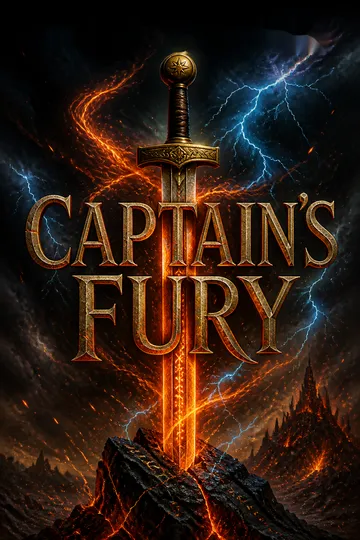
About the Author





Download PDF
Download EPUB
.epub digital book format is ideal for reading ebooks on phones, tablets, and e-readers.








