

Plot Summary
The Gitmo Flight
Six months before the attacks, guards at Guantanamo Bay release five high-risk detainees and put them aboard a waiting jet. Philippe Roussard, a French-raised Palestinian sniper known to American troops as Juba, learns from a sealed envelope that an unknown patron arranged his freedom.
The aircraft carries medical equipment and coolers because its crew replaces the prisoners' isotope-marked blood, defeating the American plan to track them. Roussard returns to the United States with a handler's instructions and a settled conviction that he will soon strike there. The transfer gives him both an opening and a mystery: someone has traded immense leverage for the release of men who should never have been allowed to disappear.
The opening makes freedom feel less like escape than deployment. The prisoners do not win release through changing circumstances or mercy; someone has purchased their return as part of a larger design. The blood transfusions turn the body into evidence that can be altered, foreshadowing a novel in which identities, deaths, and loyalties are repeatedly falsified. Roussard's confidence is chilling precisely because he does not understand the whole plan. He sees himself as an instrument of revenge, while the reader sees that an unseen hand has already arranged the conditions in which revenge can flourish.
Blood at Bishop's Gate
Scot Harvath wakes from a nightmare in the hospital beside Tracy Hastings, his new partner, who has been in a coma since an assassin shot her outside his home. Their relationship began during the terrorist attack on New York, where Harvath and his friend Robert Herrington assembled a team of wounded veterans to hunt the attackers.
Now Harvath blames his work for bringing the gunman to Tracy. Investigators find lamb's blood above his doorway, mixed with the same kind of radioisotope once used to track released detainees.
A shell casing carries a personal message, and Harvath recognizes a dog left on his doorstep as a gift from the Troll, a broker he encountered in Gibraltar. President Rutledge orders him off the investigation, deepening Harvath's suspicion that the attacks conceal something larger.
Harvath's investigation begins as an effort to convert guilt into action. He treats Tracy's injury as a debt he must personally repay, a response shaped by years of believing that vigilance can prevent loss. The signs at his house complicate that logic: the lamb's blood is at once a threat and a technical signal, fusing symbolic theater with state surveillance. Rutledge's refusal to explain himself turns institutional authority into another source of danger. The scene's emotional pressure comes from Harvath's divided attention: he wants to remain at Tracy's bedside, yet every clue insists that staying still may expose others to the same violence.
The Troll's Empty Accounts
Harvath's friend Tim Finney summons him to Sargasso, a private intelligence operation built deep inside a Colorado mine. Tom Morgan, a former NSA analyst, has located the Troll's hidden data and financial accounts.
Harvath authorizes Finney's team to empty them, then lures the Troll into an encrypted chat. The Troll denies ordering Tracy's shooting but admits his source had followed Harvath to his home and left the dog. After Harvath proves he can see the Troll's private island in Brazil, the broker agrees to identify the shooter in exchange for money and a promise of safety.
Instead, he supplies four names, including Mexican cartel enforcer Ronaldo Palmera. Harvath has gained a lead, but the Troll has withheld information that will later matter.
Sargasso offers Harvath something government channels have denied him: usable intelligence without political permission. Yet its power is not clean. The team steals the Troll's resources and then negotiates with the very information dealer it has just robbed. Their alliance is built on mutual coercion rather than trust, which makes it efficient and unstable at once. Harvath's willingness to pay for a name shows how quickly investigation becomes transaction when official institutions fail. The Troll, meanwhile, preserves a private reserve of knowledge, demonstrating that information is not merely what a person possesses, but what he chooses not to disclose.
Locusts in Coronado
While Harvath is in Colorado, the attacker breaks into his mother Maureen's Coronado home, beats her, blinds her with ink, and seals her in a bathroom with locusts. A note repeats the message left after Tracy was shot. Harvath rushes to California and learns that a white restoration van helped the assailant disguise his approach, but the attacker has escaped by boat.
On the flight, Harvath links the lamb's blood and the locusts to the biblical plagues of Egypt. He concludes the attacks are following the plagues in reverse, with the shooter casting himself as an avenging figure. The pattern gives Harvath a way to anticipate the next strike, but it also makes clear that the killer has planned a sequence, not a single act.
The assault on Maureen converts Harvath's private guilt into a pattern he can read, but reading the pattern does not give him control. The plague imagery is a form of authorship: the killer imposes a script on victims, turning their bodies into installments in his personal ritual. Harvath's biblical research is therefore both practical and psychologically charged. He wants a sequence because sequence promises prediction, and prediction promises prevention. Yet the attack's grotesque theatricality shows the limit of that hope. A pattern can identify the attacker's imagination without revealing his location or stopping his next decision.
Palmera's Garden
Harvath's reporter subplot begins as Baltimore Sun journalist Mark Sheppard follows a funeral director's account of a John Doe removed from the medical examiner's office by supposed FBI agents.
Meanwhile, Harvath and Finney travel to Querétaro to seize Palmera, a former Mexican special forces soldier who trained Al Qaeda operatives and tortured American captives. The team enters Palmera's house through its garden, where two guard dogs attack and Parker shoots them. They capture Palmera, but during interrogation he smashes through a window and runs into traffic, where a taxi kills him.
Harvath retrieves the boots Palmera had made from his victims' tongues. In Charleston, Sheppard finds that the fake agents had also staged a police shooting to make the stolen corpse appear to be a dead hijacker.
The garden joins the book's competing forms of violence: Palmera has cultivated a private sanctuary around religious symbols, yet the garden is also the point where Harvath's team breaks in and kills his guards. The failed interrogation denies Harvath the certainty he expects from force. Palmera's death closes one lead without explaining the release of the detainees or the larger plot. Sheppard's parallel investigation exposes the same problem at a civic scale: institutions can manufacture closure by manipulating bodies and paperwork. In both threads, the appearance of resolution is precisely what conceals the truth.
Fire on the Ski Hill
As Harvath returns from Mexico, bombs packed with ball bearings tear through the U.S. Freestyle Ski Team facility in Utah, killing eleven people, including Harvath's former teammates Brian Peterson and Kelly Cook. The attack matches the next plague in his sequence and confirms Palmera was not the killer.
Harvath confronts President Rutledge, who still refuses to explain why he is being excluded. At the same time, Sheppard persuades Charleston SWAT leader Mac Mangan to describe how fake FBI agents removed a corpse, staged a shootout, and blocked local officers from inspecting the body.
Sheppard's investigation points toward an official cover-up, but the administration suppresses the story before it can run. Harvath now knows the danger reaches beyond his circle, while the government is actively managing what the public can learn.
The ski team's deaths make Harvath's past literal collateral: people who once shared his training and work are now targeted because of their connection to him. His personal guilt expands into a political crisis when the president's silence can no longer be mistaken for ordinary secrecy. Sheppard's reporting offers a counterweight to the covert thriller's reliance on operators and weapons. He tests official narratives through witnesses, records, and physical inconsistencies. Yet the suppression of his story reveals how easily truth can be disabled by controlling credibility. The section places two kinds of power side by side, the attacker's capacity to kill and the state's capacity to decide which deaths can be publicly explained.
The Fifth Prisoner
Tracing a recycled alias from an earlier mission, Harvath identifies Syrian operative Abdel Salam Najib and his handler, Tammam Al-Tal, who had placed a bounty on him. In Jordan, Harvath enters Al-Tal's apartment, kills the armed bodyguard, and takes Al-Tal's family and nurse hostage to force cooperation.
Al-Tal directs him to Najib, whom Harvath captures when he comes to visit. Under interrogation, Najib confirms that five detainees left Guantanamo together, not four, and describes the blood transfusions that erased their tracking markers.
Harvath learns that Al-Tal negotiated Najib's release but cannot identify the person who arranged it. After Najib lies about Al-Tal's role in a past attack, Harvath kills both men. He has obtained a missing name, but has also violated the terms of the secret deal.
This turn changes the scale of Harvath's error. The four-name list was not merely incomplete intelligence; it was a structure designed to direct attention away from the person who mattered most. Harvath's interrogation produces a fact the Troll concealed, but the method leaves him more compromised: he has killed men the president secretly promised would not be harmed. His actions are driven by a real moral emergency, yet they make the state’s diplomatic danger worse. The fifth prisoner's existence is the plot's hinge between personal vendetta and national bargaining, showing how private acts of protection can collide with obligations made in the name of public safety.
The Hostage Bargain
A diverted flight brings Harvath to Washington, where CIA operative Rick Morrell's Omega Team captures him and takes him to a safe house. Morrell explains the bargain the president concealed: terrorists had hijacked a school bus in South Carolina, killed its driver, and threatened to execute children unless five Guantanamo prisoners were released.
The United States agreed, and the terrorists demanded that the released men never be pursued or harmed. The isotope tracking scheme was meant to trace them afterward, but the transfusions defeated it.
Harvath understands why Rutledge tried to sideline him, though he refuses to stop while people around him are being attacked. He knocks Morrell unconscious, incapacitates two guards with a Taser, and escapes. Sheppard's exposé is separately crushed with fabricated child-porn evidence.
The revelation reframes the president's conduct without absolving it. Rutledge did not free the prisoners casually; he faced the imminent murder of children and chose the least immediately terrible option. But the bargain created a moral debt whose terms are now colliding with the present danger. Harvath's escape is a refusal to let past promises erase present victims. The parallel coercion of Sheppard makes the political cost visible: the administration protects its secret not only through force, but by destroying the credibility of anyone who might expose it. Both the president and the reporter are trapped by systems that make truthful action appear dangerous.
The Circle Tightens
After escaping, Harvath learns that the attacker has beaten former FBI assistant Emily Hawkins and his puppy, sealing them in body bags with horseflies and fleas. Secret Service agents Carolyn Leonard and Kate Palmer have also been infected by a fast-moving illness after accepting perfume samples from a man posing as a department-store worker.
The Virginia Beach police thwart another planned bombing at the SEAL bar known as the Bucket of Blood, but the suspect escapes. CIA director James Vaile identifies the missing prisoner as Philippe Roussard, a sniper who killed more than a hundred American service members.
Roussard is also the man who approached Leonard and Palmer. Sheppard is threatened into abandoning his investigation, while Harvath realizes that each new attack is drawing closer to a final, larger strike.
The expanding victim list makes proximity itself feel unsafe. Harvath's former colleagues, a mentor, a pet, and strangers in a public venue are all vulnerable because the attacker understands that a targeted person can be used to injure many others emotionally. Roussard's disguises exploit ordinary trust: a restoration worker, a perfume vendor, a seemingly harmless presence at a familiar place. The police thwarting the Bucket attack offers a rare interruption in his control, but the escape preserves the threat. Harvath's shift from interpreting individual attacks to anticipating an endpoint marks a transition from reactive pursuit to strategic counterplay.
The Troll's Bloodline
Harvath follows the Troll to a private island in Brazil, where a helicopter team attacks the house with machine guns. Harvath and the Troll escape into the water, then work together to survive the assault; the Troll uses a flare gun to save Harvath from one of the attackers.
The Troll admits that Roussard is his godson and identifies him as Sabri Khalil al-Banna, grandson of the terrorist Abu Nidal and son of Adara Nidal. Harvath learns the attacks may be revenge for a past operation against the Nidal family.
Financial records from Adara's Swiss account show payments connected to the people assisting Roussard. The Troll helps trace those payments, while Harvath discovers that the attack on the Bucket was only a failed step in a wider plan.
The Troll becomes more than a source when he risks himself to protect Harvath, though their alliance remains compromised by his past dealings and withheld information. The family revelation makes inherited identity a dangerous force: Roussard's revenge is organized around a story about parentage, abandonment, and who deserves blame. That story is not necessarily true, but it is powerful enough to direct his violence. Following the money replaces the earlier reliance on guessed motives with a material trail. The plot suggests that intimacy and finance can serve the same function: both create hidden obligations that outlive the people who first made them.
Blood on Lake Geneva
Harvath reaches Lake Geneva before Roussard can attack Meg Cassidy's rehearsal dinner, where Meg, President Rutledge, and other guests are aboard a historic cruise boat. He first mistakes the wedding for the target, then finds a brochure showing that Roussard has access to a powerful speedboat.
The attacker has mounted a six-barreled cannon beneath a waterski cover, intending to rake the boat and nearby shore. CIA operative Morrell catches Harvath at the rental house, but agrees to help once Harvath explains Roussard's identity and purpose.
Morrell and Harvath ram Roussard's boat before he can fire. After the collision, Harvath finds Roussard in the lake and kills him, ending the sequence of plague-themed attacks. Morrell survives the crash, and the wedding guests escape the planned massacre.
The climax turns the lake from a scenic backdrop into the attacker's chosen weapon. Roussard's machine gun is designed to kill not only the people aboard the cruise boat but also bystanders on shore, making spectacle part of the intended harm. Harvath's rescue depends on the very institution that had imprisoned him: Morrell chooses immediate human safety over rigid obedience. Their collision is tactically costly, but it breaks the attack before its symbolic finale can be completed. Harvath's killing of Roussard ends the immediate threat, while the violence of that ending leaves unresolved whether vengeance has protected him or simply made him resemble the enemy he pursued.
The Debt Behind It
Harvath traces payments from Adara Nidal's account to an Italian burn clinic and discovers that the woman believed dead in an earlier operation survived. In Jerusalem, he confronts Ari Schoen, an Israeli intelligence veteran from his past.
Schoen reveals that he is Roussard's grandfather and arranged the prison release, using the other four detainees as decoys. He exploited Roussard's rage against Harvath to avenge the loss of his son and punish Adara by turning her son against her cause. Schoen claims the South Carolina school bus was the only bus targeted, though he refuses to name the kidnappers.
Harvath leaves him alive, but the Troll detonates an explosive in Schoen's apartment. Back in Virginia, Tracy squeezes Harvath's hand after being taken off the ventilator. Harvath later refuses the president's summons and leaves a note saying he has gone fishing.
Analysis
The novel builds its suspense around competing promises. Harvath has made a personal promise to protect Tracy, his mother, and the people near him. President Rutledge has made a national promise to the terrorists who threatened schoolchildren. Neither promise can be honored without endangering someone, and the book refuses to make that conflict abstract: it gives the costs names, injuries, and hospital rooms. Harvath's pursuit is therefore more than a hunt for a sniper. It tests whether individual responsibility can survive inside institutions that routinely sacrifice clarity for security.
The plague motif gives Roussard's violence a theatrical logic. Each attack is both physical harm and an authored message, a demand that Harvath interpret the killer's private mythology while trying to stop its next installment. Yet the true author of the campaign is not Roussard alone. Schoen manipulates grief and inherited identity, using a grandson's rage as a tool for revenge. The plot's deepest danger lies in this conversion of intimate injury into political violence. Family history does not merely explain motive; it becomes a weapon passed across generations.
The book also contrasts different kinds of knowledge. Harvath relies on trained perception, Sargasso on technical surveillance, Sheppard on corroborated testimony, and the Troll on the accumulation of secrets. None is sufficient alone. The investigation advances when these methods are combined, but each carries ethical costs: coercion, intrusion, deception, or compromised trust. The final choice not to kill Schoen distinguishes Harvath from the logic of endless retaliation, although the Troll's bombing denies that restraint any clean victory. Tracy's recovery offers the possibility of a life beyond violence, while Harvath's departure from official authority leaves reconciliation unfinished. The ending suggests that protecting people is not the same as obeying institutions, but neither can a person escape the consequences of choosing for himself.
Review Summary
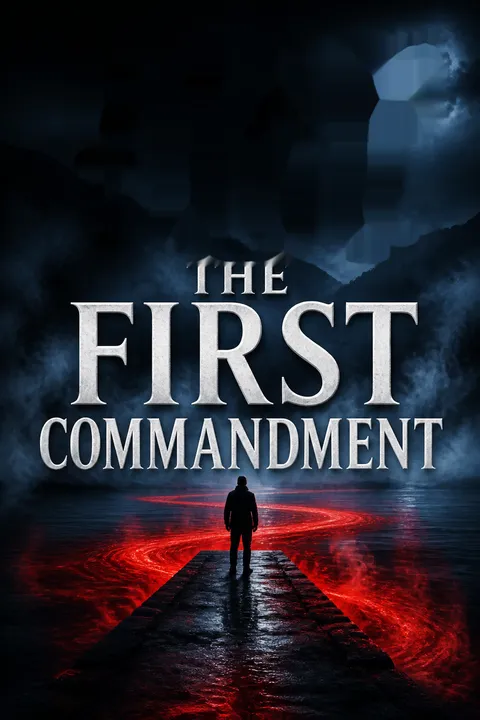
The First Commandment receives mixed reviews, with an average rating of 4.27/5. Many praise its fast-paced action and thrilling plot, while some criticize the author's political views and character development. Readers enjoy Scot Harvath's adventures but note the book's violence and torture scenes. Some find the story implausible and the female characters underdeveloped. Despite these criticisms, fans of the series appreciate the continuation of Harvath's story and the inclusion of recurring characters like "The Troll."
People Also Read



Characters
Scot Harvath
The hunted counterterroristHarvath is a former Navy SEAL and Secret Service agent who now works in a covert counterterrorism program. He is exceptionally capable, quick to act, and guarded by a lifetime of loss. Humor and professional discipline help him keep others at a distance, while his relationship with Tracy gives him a rare experience of being understood without performance. He takes responsibility personally, often so completely that it becomes difficult for him to distinguish accountability from self-punishment. His loyalty to the people he protects is sincere, but it can push him into conflict with the institutions he serves. The story tests whether he can protect others without allowing grief and revenge to dictate every choice.
Tracy Hastings
The wounded explosives expertTracy is a former Navy explosives-disposal specialist whose work in Iraq left her with facial scars and the loss of an eye. She meets Harvath during the New York attack and shares his directness, dark humor, and instinct to act under pressure. Her physical injuries have not made her self-pitying; instead, she uses wit to decide how much of herself other people are allowed to see. Tracy recognizes Harvath beneath his jokes and gives him a kind of emotional ease he has rarely experienced. Her parents are protective and devoted, while her relationship with Harvath is new but unusually intimate. She represents a possible life for him beyond constant operational danger.
Philippe Roussard
The plague-minded sniperRoussard is a highly skilled sniper, raised in a Western environment but shaped by radical militant training and a history of violence. He is patient, observant, and adept at becoming forgettable in public. His professional discipline coexists with cruelty and a taste for theatrical intimidation. He interprets attacks as a personal message and treats ordinary people as pieces in a ritual of revenge. Roussard's ability to blend into everyday settings makes him dangerous beyond the battlefield: he can turn a store, a home, or a familiar gathering into an ambush. He is driven by grievance and by the belief that violence can give his life a coherent purpose.
The Troll
The intelligence brokerKnown publicly only by his nickname, the Troll is a dwarf who trades in classified information and has built a fortune by understanding how separate secrets can be combined. His childhood was marked by exploitation, and he responded by becoming fiercely self-reliant, acquisitive, and skilled at reading other people. His luxurious island life and devotion to his dogs sit beside a history of dealing with violent clients. He can show real loyalty and compassion, but those qualities do not erase his complicity in dangerous transactions. Harvath sees both his usefulness and his moral evasions. The Troll's central tension is his desire for human attachment alongside his habit of turning knowledge into leverage.
President Jack Rutledge
The burdened presidentRutledge is a president who has built a relationship of trust with Harvath, partly because the two have faced earlier crises together. He values Harvath's service but must weigh that loyalty against the safety of the country and the consequences of secret negotiations. He is not free to act without constraint, even when he holds the highest office. His insistence on secrecy damages the trust he has cultivated, while his effort to protect children reveals the moral pressure beneath his political choices. Rutledge embodies the difference between a decision made under immediate threat and the long aftermath of living with it.
James Vaile
The CIA's cautious directorVaile directs the CIA and has a personal connection to the violence under investigation. He is an experienced administrator who believes national security sometimes requires choices that look indefensible from outside the room. His respect for Harvath is genuine, but it does not free him from executing the president's orders. Vaile tries to balance operational reality, political exposure, and the possibility of further attacks. His character is defined by that institutional tension: he can understand Harvath's anger and still act against him.
Gary Lawlor
Harvath's mentor and bossLawlor is Harvath's supervisor in the covert Apex program and a longtime family friend who has become a father figure to him. He knows Harvath's strengths and his tendency to turn personal guilt into action. Lawlor tries to keep him within official limits, but he also understands the moral force behind Harvath's refusal to stand aside. His concern for Harvath is practical as well as emotional, and his connection to Emily Hawkins gives him a personal stake in the attacks.
Tim Finney
The tactical entrepreneurFinney is a former champion fighter who built Elk Mountain Resort, the Valhalla training complex, and the underground Sargasso intelligence program. He combines business instinct with a deep commitment to preparing American operators. His size and competitive past make him intimidating, but among friends he is warm, irreverent, and generous. Finney supports Harvath with intelligence, equipment, transport, and protection, even when doing so places his own enterprise at risk.
Ron Parker
Finney's tactical partnerParker is Finney's operations director and a capable tactician whose humor often disguises how carefully he assesses danger. He helps Harvath plan the operation in Mexico and remains alert to the risks of working with the Troll. Parker's loyalty to his friends is strong, but he is not blindly obedient; he questions plans when the evidence does not support them. He provides Harvath with a steady source of practical judgment and personal support.
Tom Morgan
Sargasso's intelligence analystMorgan is a former NSA analyst whose physical injury and long intelligence career have not dulled his attention to detail. At Sargasso, he tracks digital activity, assembles dossiers, and supports field teams with technical intelligence. His work helps locate the Troll's data and Palmera's home, though the missed guard dogs expose the limits of remote surveillance. Morgan represents the analytical machinery that can make a dangerous operation more precise without ever making it certain.
Maureen Harvath
Harvath's resilient motherMaureen is Harvath's mother and the family member who helped preserve ties between Scot and his stubborn father. She has lived with the risks of military life without becoming defined by them. Her relationship with Scot carries warmth and history, including memories of the grief that followed his father's death. Her presence reminds Harvath that his work has consequences for people who never chose its dangers.
Mark Sheppard
The stubborn crime reporterSheppard is a Baltimore crime reporter with a reputation for protecting sources and checking claims before publication. His fascination with death has become professional craft rather than morbid spectacle: he follows details others dismiss and knows how to test a witness's story. When he encounters evidence of a body removed under false pretenses, he pursues it despite the risks. His commitment to accuracy places him in conflict with powerful people who know that a reporter's credibility is often more vulnerable than his body.
Ari Schoen
The guarded Israeli veteranSchoen is an experienced Israeli intelligence operative who has crossed paths with Harvath during a dangerous earlier mission. He is intensely security-conscious, strategic, and accustomed to treating personal relationships as part of the operational landscape. His pride and emotional reserve make him difficult to read. He carries the authority of a veteran who has survived violent conflicts, but his personal history complicates the clean distinctions he tries to maintain between professional duty and private feeling.
Rick Morrell
The CIA team leaderMorrell is a CIA paramilitary operative who has worked with Harvath before. Their relationship began with friction but developed into professional respect. When ordered to detain Harvath, Morrell is caught between personal loyalty and duty to the president. He believes in discipline, yet he is capable of revising his actions when new facts change the moral stakes. His decisions make him a measure of how much institutional obedience can coexist with individual judgment.
Meg Cassidy
Harvath's former partnerMeg is a capable woman from Harvath's past, with whom he once shared a dangerous assignment and a complicated relationship. She is preparing to marry and has built a life that no longer revolves around him. Her history with Harvath remains emotionally significant, but she is not simply a lost romance: she has her own judgment, loyalties, and future. Her presence exposes Harvath's difficulty accepting that love and regret can coexist without offering a second chance.
Robert Herrington
Harvath's fallen friendHerrington, known among his peers as Bullet Bob, is a decorated Delta Force operator medically discharged after an injury. He is Harvath's close friend and helps assemble the improvised team during the New York attack. His courage and willingness to serve despite his injury establish the emotional history behind Harvath's later grief and his bond with the wounded veterans who join the fight.
Bill and Barbara Hastings
Tracy's devoted parentsBill and Barbara Hastings are Tracy's wealthy Manhattan parents, who leave their European holiday to remain beside her in the hospital. They are kind to Harvath even as he carries guilt about the danger surrounding their daughter. Their presence gives Tracy's condition a family context beyond Harvath's personal anguish. They are protective, composed, and accustomed to making difficult decisions for someone they love.
Emily Hawkins
Lawlor's trusted aideEmily is Lawlor's longtime assistant and a trusted figure in Harvath's life. She accepts responsibility for caring for the puppy Harvath cannot yet keep, an ordinary act that places her inside the orbit of his danger. Her connection to Lawlor gives the attacks a second emotional center, as the violence reaches the people who have supported Harvath from outside the field.
Carolyn Leonard and Kate Palmer
The president's protectorsLeonard leads the president's Secret Service detail, while Palmer is one of the agents who works beside her. Away from duty they are close friends who share exercise, shopping, and time together. Their professional discipline does not erase their ordinary lives; it makes the attack on them especially unsettling. They are experienced protectors who briefly allow themselves the ease of being off duty.
Kevin McCauliff
The risk-taking analystMcCauliff works at the National Geospatial Intelligence Agency and has previously helped Harvath in a crisis. He is technically gifted and takes pride in his work, but his loyalty to Harvath can lead him to cross rules that protect his career. His decision to help trace the Brazilian money shows both courage and the danger of relying on personal favors inside sensitive institutions.
Omar Faris
Harvath's Jordanian contactFaris is an officer in Jordan's General Intelligence Department who has worked with Harvath before. He values his country's stability and reputation, yet recognizes the security threat posed by weapons moving through the region. Their relationship rests on earlier cooperation and a shared understanding of the risks involved.
Frank Aposhian and Sally Rutherford
The medical examinersAposhian is an assistant medical examiner in Maryland, and Rutherford is an investigator in the same office and his girlfriend. Their work brings them into contact with the unexplained removal of a corpse. Aposhian is cautious and wants the matter to disappear, while Rutherford trusts her investigative instincts and keeps digging. Their different responses to uncertainty help Sheppard understand the human cost of a concealed case.
Alison Gold
The Coronado detectiveGold is a San Diego-area detective who investigates the attack on Maureen. She is direct, competent, and willing to take Harvath's account seriously without demanding that he reveal every classified detail. Her police work helps establish the attacker's route to the marina, even though the evidence arrives too late to catch him.
Jean Stevens
Meg's candid neighborJean is Meg's warm, outspoken neighbor, a woman who reads people quickly and offers affection without much ceremony. She helps Harvath pass a message to Meg and later provides practical assistance when he needs to leave Lake Geneva. Her frank question about whether he is happy briefly cuts through his operational self-control.
Todd Kirkland
Meg's proud fiancéKirkland is Meg's wealthy fiancé, a commodities trader who feels threatened by Harvath's continuing place in her history. His polished status masks insecurity and a possessive streak. He sees Harvath's warning as a romantic intrusion before he understands its security implications, illustrating how personal rivalry can obstruct a genuine attempt to protect someone.
Plot Devices
The reversed plagues
A ritualized attack sequenceThe attacker models his campaign on the biblical plagues of Egypt but works backward through them. Lamb's blood, blindness, locusts, fire, insects, disease, and a planned assault that would turn a lake into a field of blood give Harvath a pattern to interpret. The sequence transforms separate crimes into a single performance directed at him and provides an escalating structure for the threat. It also reflects the killer's unstable effort to claim a godlike role while acting as an inversion of divine judgment.
Isotope-marked blood
A tracking plan defeatedThe United States introduces a radioactive isotope into the detainees' blood so intelligence agencies can track them after release. The people arranging the release anticipate the measure and conduct transfusions aboard the aircraft, then disperse the contaminated blood separately. The isotope later appears in lamb's blood left at Harvath's home, making the original surveillance plan part of the killer's message. This device links the opening prison transfer to the attacks while showing how a state security measure can be turned into a deceptive trail.
The school bus bargain
A secret national compromiseTerrorists hijack a school bus, kill its driver, and threaten the children aboard unless the United States releases five Guantanamo detainees. The president agrees to the release and promises that the men will not be hunted or harmed. The deal explains Rutledge's secrecy and his attempt to remove Harvath from the investigation. It also creates a dangerous contradiction: the government has pledged protection to the released men while one of them is attacking Americans. The later discovery that the bus was the sole target clarifies the immediate scope of the original threat, but not the moral cost of the bargain.
The Troll's information web
Secrets become operational leverageThe Troll makes a living by collecting classified information, joining fragments, and selling the resulting leverage. Finney's Sargasso team finds his data and money, then uses the loss to force him into negotiation with Harvath. Later, the Troll's contacts and knowledge of financial channels help trace the money supporting Roussard's operation. The device makes information behave like currency: it can buy a name, expose a hidden account, or conceal the person who matters most. It also ensures that cooperation with the Troll always carries moral and security risks.
Aliases and decoys
Identity obscures the real targetThe conspiracy depends on false names, recycled identities, and deliberately incomplete lists. Harvath recognizes a dead operative's alias on Najib's records, while the Troll gives him four names despite five detainees being released. The extra prisoners make the actual target harder to identify and allow Roussard to hide among a group of dangerous men. Elsewhere, fabricated FBI identities and a substituted corpse create a false account of the school bus hijacker's death. These layers of deception make Harvath question not only who is guilty, but whether the official evidence was created to prevent anyone from asking.
FAQ
Synopsis & Basic Details
What is The First Commandment about?
- A Rogue Operative's Personal War: The First Commandment follows Scot Harvath, a former Navy SEAL and counterterrorism operative, whose life is shattered when his girlfriend, Tracy Hastings, is brutally attacked. This event ignites a deeply personal vendetta, forcing Harvath to go rogue and hunt down the assailant who systematically targets his loved ones.
- Unraveling a Government Conspiracy: Harvath's pursuit of the attacker uncovers a shocking secret: the U.S. President made a clandestine deal to release five dangerous terrorists from Guantanamo Bay to prevent a mass child kidnapping. This compromise, meant to save lives, inadvertently unleashes a vengeful assassin who uses biblical plagues as a twisted blueprint for his attacks.
- The Cost of Compromise: The novel explores the moral complexities of national security decisions, pitting Harvath's personal quest for justice against the government's attempts to contain a crisis born from its own secret bargain. It's a high-stakes thriller about loyalty, betrayal, and the relentless pursuit of an enemy tied to Harvath's past.
Why should I read The First Commandment?
- Intense, Personal Stakes: The narrative is driven by Scot Harvath's deeply personal quest for revenge and protection, making every attack on his loved ones resonate with emotional intensity. Readers are drawn into his raw grief and relentless determination, creating a compelling and visceral experience.
- Complex Moral Dilemmas: The story delves into the ethical quagmire of government compromise, forcing readers to grapple with difficult questions about the "greater good" versus individual justice. The President's secret bargain and Harvath's defiance offer rich ground for discussion on the true cost of fighting terror.
- Masterful Pacing and Suspense: Brad Thor expertly crafts a fast-paced, globe-trotting thriller filled with unexpected twists, intricate plotlines, and relentless action. The biblical plagues motif adds a unique layer of dread and anticipation, keeping readers on the edge of their seats as Harvath races against time.
What is the background of The First Commandment?
- Post-9/11 Counterterrorism Landscape: The novel is set against the backdrop of the ongoing War on Terror, specifically exploring the ethical and operational challenges faced by the U.S. government and its operatives in the wake of 9/11. It touches on the controversial aspects of detainee treatment at Guantanamo Bay and the use of covert intelligence programs.
- Geopolitical Intrigue and Black Ops: The story weaves through various international locations, from Cuba and Mexico to Jordan and Switzerland, highlighting the global reach of terrorist networks and the shadowy world of black operations. It reflects a cynical view of international diplomacy and the lengths to which governments might go to protect national interests.
- Technological Espionage and Private Intelligence: The narrative incorporates advanced surveillance technologies, radioisotopes for tracking, and the rise of private intelligence firms like Sargasso. This showcases the evolving nature of espionage and counterterrorism, where non-state actors and cutting-edge tech play increasingly significant roles.
What are the most memorable quotes in The First Commandment?
- "De inimico non loquaris male, sed cogites. Do not wish ill for your enemy, plan it.": This Latin epigraph, meaning "Do not speak ill of your enemy, but plan it," sets the chilling tone for the entire novel, encapsulating the calculated, vengeful nature of the antagonist and Harvath's own ruthless determination. It foreshadows the strategic, often brutal, cat-and-mouse game that unfolds.
- "That which has been taken in blood, can only be answered in blood.": This recurring message, left at each crime scene, serves as the assassin's chilling calling card and the central theme of the novel. It underscores the cyclical nature of vengeance and the deep-seated personal motivations driving the attacks against Harvath and his loved ones.
- "The only easy day was yesterday.": This Navy SEAL motto, displayed above the doorway of "The Bucket of Blood" bar, reflects the relentless, unforgiving reality faced by Harvath and other special operations personnel. It highlights their enduring resilience and the constant struggle against overwhelming odds, even in their personal lives.
What writing style, narrative choices, and literary techniques does Brad Thor use?
- Third-Person Limited Perspective: Thor primarily uses a third-person limited point of view, mostly focusing on Scot Harvath's experiences and internal thoughts. This choice immerses the reader in Harvath's emotional turmoil and strategic thinking, making his personal vendetta feel immediate and deeply impactful.
- Propulsive, Action-Oriented Prose: The writing style is direct, lean, and fast-paced, prioritizing action and plot advancement. Thor employs short sentences and paragraphs, creating a sense of urgency and mirroring the high-stakes, rapid-fire decisions Harvath must make.
- Interweaving Personal and Political: Thor masterfully blends Harvath's deeply personal quest for revenge with complex geopolitical intrigue. This narrative choice elevates the stakes, showing how individual lives are inextricably linked to broader national security concerns and moral compromises.
Hidden Details & Subtle Connections
What are some minor details that add significant meaning?
- The Troll's Dogs as Emotional Barometers: The Caucasian Ovcharkas, Argos and Draco, are more than just formidable guardians; they serve as subtle indicators of the Troll's emotional state and hidden vulnerabilities. His fierce loyalty to them, especially Argos after Harvath saved him, reveals a surprising depth of character in an otherwise amoral figure, hinting at his capacity for genuine connection despite his monstrous past.
- Harvath's Skiing Background and Team Two: The detailed recounting of Harvath's past as a freestyle skier and his early, tragic assignment with SEAL Team Two (Chapter 4) subtly foreshadows the attack on the U.S. Freestyle Ski Team. This seemingly unrelated biographical detail later becomes a direct, personal link to the assassin's targets, emphasizing the depth of the killer's research into Harvath's life.
- The Ivy League Model Ships in the CIA Safe House: The model ships named after Ivy League universities in the CIA safe house (Chapter 63) are a subtle nod to the intellectual and often elitist background of many intelligence operatives. This detail contrasts sharply with Harvath's more blue-collar, warrior ethos, highlighting the cultural divide between field agents and the bureaucratic strategists who control them, and underscoring the "old boys' club" network within the Agency.
What are some subtle foreshadowing and callbacks?
- The "Go Navy" Thong and Finney's Humor: Tim Finney's joke about Harvath wearing a "blue thong with the words Go Navy embroidered in sequins" (Chapter 11) is a lighthearted moment that subtly foreshadows the later attack on the "Bucket of Blood" bar. This bar is a known Navy SEAL hangout, and the "Go Navy" reference connects to Harvath's past, hinting at the assassin's meticulous targeting of elements significant to Harvath's identity.
- The Troll's "Shockproof Bullshit Detector": Mark Sheppard's internal reference to Hemingway's "shockproof bullshit detector" (Chapter 8) is a callback to the author's own acknowledgments, where he mentions Hemingway's quote. This meta-reference subtly reinforces the theme of discerning truth from deception, a critical skill for both journalists and intelligence operatives in the novel's world of hidden agendas and elaborate cover-ups.
- Adara Nidal's Unspoken Words at Her Death: Harvath's recollection of Adara Nidal's final moments, specifically her "something about Daniel wanting to have children with her" (Chapter 88), is a crucial piece of subtle foreshadowing. At the time, Harvath dismisses it, but it later becomes the key to understanding Philippe Roussard's true parentage and Ari Schoen's ultimate, twisted motivation for revenge.
What are some unexpected character connections?
- The Troll's Godson, Philippe Roussard: The revelation that Philippe Roussard is the Troll's godson (Chapter 85) is a deeply unexpected connection that complicates the narrative. This familial tie explains the Troll's initial reluctance to fully cooperate and his later, surprising act of saving Harvath, highlighting the blurred lines of loyalty and the personal stakes even for an amoral information broker.
- Ari Schoen as Roussard's Grandfather: The ultimate unmasking of Ari Schoen as Philippe Roussard's paternal grandfather (Chapter 88) is a shocking twist. This connection reveals a multi-generational vendetta rooted in Schoen's desire for revenge against Adara Nidal for "taking his son away." It transforms the personal attacks on Harvath into a complex web of inherited trauma and manipulation, making Schoen the true puppeteer.
- Kevin McCauliff's NGA Role: Kevin McCauliff, Harvath's friend from the Marine Corps Marathon training group, is unexpectedly revealed to be an analyst at the National Geospatial Intelligence Agency (NGA) (Chapter 98). This connection provides Harvath with crucial, high-level technical support outside the compromised CIA/DOD channels, demonstrating the power of personal networks in a world where official systems are failing.
Who are the most significant supporting characters?
- Tim Finney: As the owner of the Sargasso Intelligence Program and Valhalla training facility, Finney provides Harvath with critical resources, intelligence, and unwavering loyalty. His pragmatic approach and deep network in the private sector are instrumental in Harvath's ability to operate outside government constraints, making him a vital enabler of the rogue mission.
- The Troll (Nicholas): Despite his morally ambiguous nature and past betrayals, the Troll becomes an indispensable, albeit reluctant, ally. His unparalleled access to black-market intelligence and his unique insights into the terrorist underworld are crucial for Harvath to identify Roussard and unravel Ari Schoen's elaborate plot. His character adds a layer of complex ethical compromise to Harvath's journey.
- Rick Morrell: Initially presented as an antagonist leading the Omega Team to apprehend Harvath, Morrell's character evolves into a conflicted operative who ultimately aids Harvath. His internal struggle between duty and friendship, and his eventual decision to help Harvath, highlight the moral ambiguities faced by those in the intelligence community and underscore the novel's themes of loyalty and betrayal.
Psychological, Emotional, & Relational Analysis
What are some unspoken motivations of the characters?
- President Rutledge's Guilt and Fear: Beyond the stated national security concerns, President Rutledge's intense desire to sideline Harvath is driven by profound guilt and fear over the secret bargain he made. He fears that Harvath's actions will expose the compromise, leading to catastrophic retaliation against American children, a burden he carries silently. This unspoken motivation explains his seemingly irrational hostility towards Harvath.
- The Troll's Need for Control and Respect: While self-preservation and financial gain are overt motivations, the Troll's deeper drive stems from a traumatic childhood of abuse and abandonment. His meticulous control over information and his fierce loyalty to his dogs (and later, to Harvath in a twisted way) are rooted in a psychological need for respect and a desire to never again be powerless or discarded.
- Ari Schoen's Obsessive Grief and Self-Loathing: Schoen's elaborate, multi-generational revenge plot is fueled by an obsessive grief for his son, Daniel, and a deep-seated self-loathing for his role in Daniel's death and Adara Nidal's radicalization. His desire to "steal" Philippe from Adara's legacy is a twisted attempt to reclaim a lost connection and punish himself through the destruction of his own family line.
What psychological complexities do the characters exhibit?
- Harvath's Guilt and Self-Imposed Penance: Scot Harvath exhibits profound psychological complexity, particularly through his overwhelming guilt over the attacks on his loved ones. This guilt drives him to a self-imposed penance, where he feels solely responsible for stopping Roussard, even if it means sacrificing his career or life. His internal monologue reveals a man constantly battling his demons, seeking redemption through relentless action.
- Roussard's Inherited Psychopathy and Twisted Loyalty: Philippe Roussard is a chilling study in inherited psychopathy, displaying a complete lack of empathy, manipulative tendencies, and a sadistic pleasure in inflicting pain. His loyalty to his deceased mother, Adara Nidal, is twisted into a vengeful mission, demonstrating how deep-seated family trauma and radical ideology can warp an individual's moral compass.
- Vaile's Pragmatic Patriotism vs. Personal Morality: CIA Director James Vaile embodies the psychological tension between pragmatic patriotism and personal morality. He makes difficult decisions for national security, even if they are morally compromising, yet he also harbors a personal vendetta against Roussard for killing his nephew. This internal conflict makes him a complex figure, capable of both ruthless action and subtle acts of defiance (like giving Harvath Roussard's dossier).
What are the major emotional turning points?
- Tracy's Shooting and Harvath's Rage: The shooting of Tracy Hastings (Chapter 2) is the primary emotional turning point for Harvath, transforming him from a disciplined operative into a man consumed by grief and rage. This event shatters his carefully constructed emotional walls and propels him into a deeply personal, often reckless, pursuit of justice.
- The Attack on Maureen Harvath: The brutal attack on Harvath's mother (Chapter 22), particularly her blinding and the use of locusts, marks a significant escalation of emotional stakes. This act pushes Harvath beyond the brink, solidifying his resolve to kill the perpetrator, regardless of presidential orders or personal cost.
- Tracy's Hand Squeeze: Tracy's subtle hand squeeze (Chapter 121) after Harvath returns from his mission and her ventilator is removed is a powerful emotional climax. It signifies her miraculous survival and offers Harvath a glimmer of hope and redemption, validating his relentless fight and providing a path towards healing after immense loss.
How do relationship dynamics evolve?
- Harvath and Lawlor: From Mentor to Moral Conflict: The relationship between Harvath and his boss, Gary Lawlor, evolves from a strong mentor-mentee bond to one strained by moral conflict. Lawlor, initially supportive, is forced to uphold presidential orders, creating a rift. However, Lawlor's eventual decision to help Harvath (Chapter 70) signifies his ultimate loyalty to his protégé over bureaucratic directives, highlighting the enduring strength of their personal connection.
- Harvath and The Troll: From Adversaries to Uneasy Allies: The dynamic between Harvath and the Troll undergoes a significant transformation, shifting from initial adversaries (Gibraltar) to an uneasy, transactional alliance, and finally to a grudging, albeit temporary, partnership. Their shared enemy, Roussard, forces them to rely on each other, demonstrating how common threats can forge unexpected bonds, even between morally opposed individuals.
- Harvath and Morrell: Friendship Tested by Duty: The relationship between Harvath and Rick Morrell is deeply tested, moving from professional respect and friendship to Morrell's reluctant role as Harvath's hunter. Morrell's internal conflict and eventual decision to subtly aid Harvath (Chapter 118) by revealing the truth about the President's bargain and helping him stop Roussard, showcases the complex interplay of personal loyalty and professional duty within the intelligence community.
Interpretation & Debate
Which parts of the story remain ambiguous or open-ended?
- The Full Extent of the President's Knowledge: While President Rutledge is confirmed to have authorized the Gitmo release, the full extent of his knowledge regarding the subsequent attacks and the specific details of Ari Schoen's manipulation remains somewhat ambiguous. Readers might debate whether he was truly blindsided by Schoen's plot or if he harbored deeper suspicions he chose to ignore for political expediency.
- The Troll's True Intentions and Future Role: Despite his assistance to Harvath, the Troll's motivations are consistently self-serving, and his final act of remotely killing Ari Schoen (Chapter 123) leaves his ultimate intentions open to interpretation. His future role in Harvath's world, and whether he will remain an ally or revert to an adversary, is left unresolved, hinting at ongoing moral complexities.
- Tracy's Long-Term Recovery and Harvath's Future Happiness: While Tracy miraculously squeezes Harvath's hand, her long-term recovery from severe brain damage is left open-ended. This ambiguity allows readers to ponder the true cost of Harvath's mission and whether he can ever achieve lasting happiness, given the trauma he and his loved ones have endured.
What are some debatable, controversial scenes or moments in The First Commandment?
- The President's Bargain with Terrorists: The most controversial moment is President Rutledge's decision to negotiate with terrorists and release five dangerous detainees from Guantanamo Bay to save kidnapped children (Chapter 65). This directly violates the "First Commandment" of counterterrorism, sparking debate about whether the ends justify the means, and the moral compromises leaders are forced to make under extreme duress.
- Harvath's Torture of Najib: Harvath's brutal torture of Abdel Salam Najib, including drilling into his kneecap and squeezing lemon juice into the wound (Chapter 57-58), is highly debatable. While presented as a necessary evil to extract information and stop further attacks, it raises questions about Harvath's own moral boundaries and whether he descends to the level of the terrorists he hunts.
- The CIA's "Pedophilia" Blackmail of Mark Sheppard: CIA Director Vaile's decision to blackmail reporter Mark Sheppard with fabricated child pornography to prevent him from exposing the Gitmo cover-up (Chapter 82) is a deeply controversial moment. It highlights the ruthless tactics employed by intelligence agencies and forces readers to confront the ethical implications of government overreach and the suppression of truth for national security.
The First Commandment Ending Explained: How It Ends & What It Means
- Roussard's Demise and Schoen's Ultimate Revenge: The novel culminates in Harvath killing Philippe Roussard in Lake Geneva, ending the plague-inspired attacks. Harvath then confronts Ari Schoen, Roussard's grandfather and the true mastermind, but chooses not to kill him, leaving him to suffer his disfigurement and grief. However, the Troll, acting on his own agenda, remotely detonates a bomb, killing Schoen. This ending signifies that while Harvath seeks justice, the cycle of vengeance often has unexpected, morally ambiguous conclusions, and that some enemies are too dangerous to be left alive.
- Harvath's Disillusionment and Self-Imposed Exile: Harvath refuses to meet with President Rutledge, signaling his profound disillusionment with the government's compromises and betrayals. His "Gone fishing" note (Chapter 124) symbolizes a temporary, self-imposed exile, a retreat from the corrupting influence of power and politics. It means Harvath is prioritizing his personal healing and the care of his loved ones over his former duty, suggesting a new, more independent path for the character.
- The Lingering Cost of Compromise and Hope for Healing: Tracy Hastings's miraculous hand squeeze (Chapter 121) offers a powerful symbol of hope and the possibility of healing, both for her and for Harvath. However, the novel leaves the long-term consequences of the President's bargain and the ethical compromises made by various characters unresolved. The ending suggests that while immediate threats can be neutralized, the deeper wounds of betrayal and moral ambiguity in the war on terror continue to fester, leaving a lasting impact on individuals and the nation.
Scot Harvath Series


About the Author

Download PDF
Download EPUB
.epub digital book format is ideal for reading ebooks on phones, tablets, and e-readers.








